












Close
Digital Health & Ai Innovation summit 2026
Medical Taiwan 2026

Leosys AI mobile eye care solution taps smart healthcare opportunities in Southeast Asia

Leosys began its efforts in 2014 to develop an AI-based preventive healthcare platform for ophthalmoscopic eye exam through a collaboration project with Industrial Technology Research Institute (ITRI). In view of the fact that general clinical practice only focuses on early diagnosis and screening, Leosys’ intention was to develop a solution that would help ease the workload of Taiwan’s ophthalmologists. It then approached ITRI’s Service Systems Technology Center for assistance and developed a solution on top of open-source software. The initial-stage objective is to gain recognition and support from Taiwan’s healthcare sector.

According to Leosys senior vice president Tommy Tang, when talking about eye exams, people think of a lot of optical instruments and time-consuming tests. To rural residents who have to travel long distances or senior citizens who have to overcome a lot of inconveniences to get healthcare, they often put off their eye exams if they feel nothing wrong with their vision. However, eye problems progress slowly over a long period of time. If they are not caught in the early stages of development, vision loss may be irreversible, putting a huge burden on the National Health Insurance system.

With the assistance from the Smart City Program, Industrial Development Bureau (IDB), Ministry of Economic Affairs (MOEA) and the guidance on technology transfer from ITRI, Leosys is able to provide system integration, operation and customer services that bring innovative eye care services to Universal Eye Center locations, where Universal Eye Center technicians use Leosys’ solution to provide ophthalmoscopic exam services. The services will be expanded to the Diabetes Shared Care Network centers, vision care centers, optometry clinics, ophthalmologists’ offices and community centers.

Leosys proposed the innovative smart AI eye care service program in 2019, aimed to provide ophthalmoscopic exams for retinopathy screening for residents and diabetic patients in remote areas. The first phase of the program will target remote areas in New Taipei City, followed by services around Tainan. The service team includes engineers, healthcare professionals and optometrists. They use Leosys’ AI smart mobile eye care kit as well as AI mobile eye exam box and auxiliary system for diabetic retinopathy diagnosis and analysis to conduct ophthalmoscopic scan and image capture for rural residents.

The captured retina images are then analyzed based on doctors’ expertise and AI-based real-time image recognition technology to help doctors diagnose diabetic retinopathy. By establishing models for the five stages in the progression of diabetic retinopathy, the solution can efficiently help with early diagnosis and prevention of the disease. It also enables more precise follow-up care for patients according to the stage of progression and thus reduces healthcare expenses and social costs.

Tang noted that 2.548 million people or 10.83% of Taiwan’s population are diabetic and the number increases by 25,000 every year. After five years of diabetes, about 20% of diabetic patients develop retinopathy with varying rates of progression. The National Health Insurance Administration pays for annual ophthalmoscopic examination. Furthermore, nearsightedness is common among Taiwan’s young adults living in cities who are generally heavy users of technology. Their risks of eye diseases will only go up. Leosys believes its AI smart mobile eye care kit will play a growingly vital role.

Along with Southeast Asia’s rapid economic growth, people in the region are paying more attention to health issues. Chronic diseases and conditions are on the rise in Southeast Asia, so governments in the region are actively fostering their smart healthcare industries and instituting health-related policies. Taiwan’s healthcare system has demonstrated to the world its professionalism, competence and competitiveness in the face of the COVID-19 outbreak in 2020, according to Leosys. Under efforts of the Taiwan government’s New South Bound Policy and the Malaysia-Taiwan Industrial Collaboration Summit, Taiwan-based firms endeavoring in digital medical services, remote healthcare, smart healthcare and biomedical supplies will be able to connect with partners in Southeast Asia and engage in win-win collaborations to jointly create a Taiwan healthcare brand.
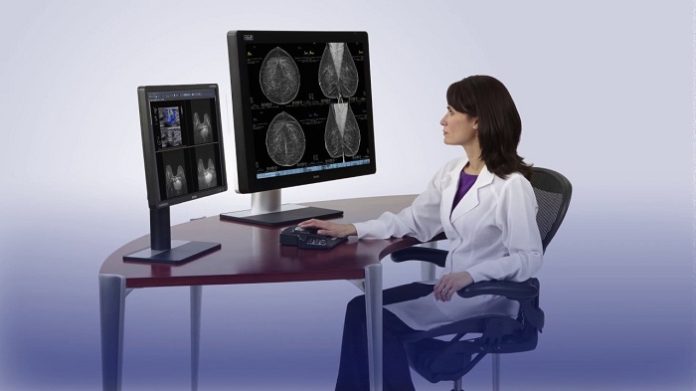
Hologic Launches 3DQuorum Imaging Technology, Powered by Genius AI, in Europe

Hologic Launches 3DQuorum Imaging Technology, Powered by Genius AI, in Europe

Hologic, Inc. announced the commercial availability in Europe of its 3DQuorumโ„ข Imaging Technology, Powered by Genius AIโ„ข. The innovation was designed to help improve mammography efficiency and workflow, which is critical as clinics strive to manage the backlog of women whose routine breast screening was delayed due to the COVID-19 lockdown.

The 3DQuorum technology uses Genius AI-powered analytics to reconstruct high-resolution 3D data to produce 6mm โ€œSmartSlices.โ€ These analytics identify clinically relevant regions of interest and preserve important features during reconstruction of the SmartSlices.1,2 SmartSlices expedite read time by reducing the number of images for radiologists to review, without compromising image quality, sensitivity or accuracy.1,2 With 3DQuorum technology, the number of 3D images to review is reduced by two-thirds, saving an average of one hour per eight hours of daily image interpretation time.1,2,3

โ€œAs we continue to operate in this new landscape, radiologists are facing the dual challenge of a serious backlog of women who need routine breast screening as well as a screening process that is lengthier due to COVID-19 protection measures,โ€ said Jan Verstreken, Hologic’s Group President, International. โ€œThe more efficient workflow of 3DQuorum, is urgently necessary to help radiologists meet this challenge. This solution is a strong example of how Hologic continues to streamline workflow for radiologists by improving the reading experience without sacrificing accuracy or quality of work โ€“ a balance that our customers have come to expect.โ€

In addition to the implications associated with the COVID-19 virus, radiologists are facing a growing need for improved workflow efficiency as digital breast tomosynthesis (DBT) becomes the gold standard for screening in Europe. Recently, the European Commission Initiative on Breast Cancer (EBIC) guidelines on breast cancer screening and diagnosis recommended for the first time the use of either DBT or digital mammography in screening. However, DBT creates an influx of large file sizes and images that can lengthen the image reading process for radiologists. This creates a need for solutions like 3DQuorum technology to help streamline workflow where possible.

About Hologic, Inc.

Hologic, Inc. is an innovative medical technology company primarily focused on improving womenโ€™s health and well-being through early detection and treatment.

3DQuorumโ„ข Imaging Technology, Powered by Genius AIโ„ข, and Clarity HDโ„ข high resolution imaging technology are trademarks and/or registered trademarks of Hologic, Inc., and/or its subsidiaries in the United States and/or other countries.

Philips and Singapore General Hospital (SGH) to establish Digital and Computational Pathology Center of Excellence

Philips and Singapore General Hospital (SGH) to establish Digital and Computational Pathology Center of Excellence

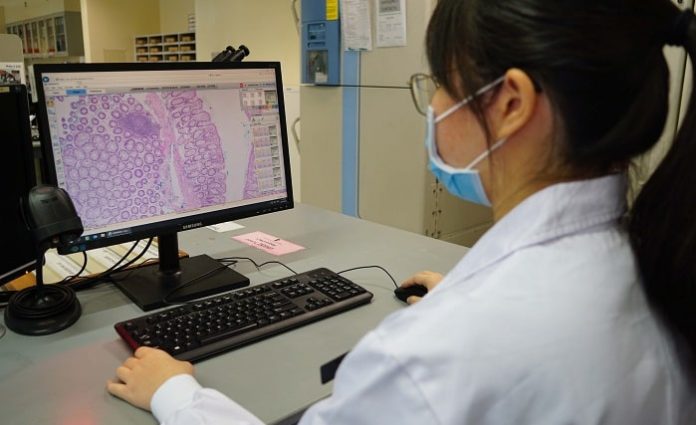
Royal Philips , a global leader in health technology, announced a collaboration with Singapore General Hospital (SGH) to establish the Singapore General Hospital Digital and Computational Pathology Center of Excellence. The SGH Center of Excellence aims to advance pathology practice by implementing a fully digital histopathology workflow and deploying Artificial Intelligence (AI) to increase productivity and enhance patient care.

Located within SGHโ€™s Division of Pathology, one of the largest pathology laboratories in ASEAN, the Center of Excellence aims to establish ASEANโ€™s first fully digitized histopathology laboratory by expanding its digital pathology capabilities for primary diagnosis, training, and R&D with the Philips IntelliSite Pathology Solution. Both SGH and Philips will also work closely on other diverse areas, including streamlining of the histopathology laboratoryโ€™s digital workflow.

As in other parts of the world, the demand for cancer diagnosis in Singapore is increasing while pathologists remain scarce. A recent study, conducted by SGH and Philips, revealed that full digitization of SGHโ€™s histopathology laboratory will improve efficiency. It has the potential to enable time savings in the pathology workflow and allow the pathology department to increase its capacity by another 7% whilst retaining the same number of employees.

Through optimization of digital pathology at SGH, the hospital will be able to further its research in AI. AI-based tools can aid pathologists in diagnosing diseases such as cancer โ€“ the leading cause of mortality in Singapore [1] โ€“ and empower them to face the current challenges in pathology. The increasing number of cancer cases, an aging population, and rapid advances in personalized medicine have resulted in significant complexity of pathological diagnostics, adding to the workload of pathologists. AI will allow pathologists to focus more on challenging tasks and unusual cases that require a higher degree of expertise and skills.


โ€œDigital pathology enhances the quality and efficiency of a histopathology laboratory,โ€ said Diederik Zeven, General Manager, Health Systems, Philips ASEAN Pacific. โ€œWe are committed to partnering with leading healthcare institutions like Singapore General Hospital to bring the latest in precision diagnosis and AI capabilities to help them augment clinical quality, improving patient outcomes and thereby reducing the cost of care.โ€

Philips IntelliSite Pathology Solution enables pathologists to review and interpret digital images of surgical pathology slides prepared from formalin-fixed paraffin-embedded (FFPE) tissue samples. This technology replaces the need for traditional glass slides to be viewed under a microscope, and facilitates referencing and storage. Ultimately, digital images allow the application of computer-aided image analysis with AI.


About Royal Philips

Royal Philips is a leading health technology company focused on improving people’s health and well-being, and enabling better outcomes across the health continuum โ€“ from healthy living and prevention, to diagnosis, treatment and home care. Philips leverages advanced technology and deep clinical and consumer insights to deliver integrated solutions. Headquartered in the Netherlands, the company is a leader in diagnostic imaging, image-guided therapy, patient monitoring and health informatics, as well as in consumer health and home care. Philips generated 2019 sales of EUR 19.5 billion and employs approximately 81,000 employees with sales and services in more than 100 countries.


About Singapore General Hospital

Singapore General Hospital, a member of Singapore Health Services, is the public sector’s flagship hospital. Established in 1821, SGH is Singapore’s largest acute tertiary hospital with 1,700 beds and national referral center offering a comprehensive range of more than 40 clinical specialties on its campus. Every year, about 1 million Singaporeans benefit from advanced medical care delivered by its 800 specialists. As an academic healthcare institution and the bedrock of medical education, SGH plays a key role in nurturing doctors, nurses and allied health professionals, and is committed to innovative translational and clinical research in her continual strive to provide the best care and outcomes to her patients.

Philips empowers medical image access for over 5,000 clinicians in the Region of Southern Denmark

Philips empowers medical image access for over 5,000 clinicians in the Region of Southern Denmark

Royal Philips , a global leader in health technology, today announced the completion of a regional informatics project that consolidates radiology and nuclear medicine imaging data. The Region of Southern Denmark now has a single system for storing, retrieving, and viewing clinical images across all the locations and specialties in its extensive healthcare system.

The Region of Southern Denmark health service encompasses four hospital groups with a total of 12 hospitals that serve a population of over 1.2 million people living on both on the mainland and the regionโ€™s many islands. The unified imaging ecosystem will serve all of the regionโ€™s approximately 300 radiologists and nuclear medicine specialists, performing 1.5 million exams yearly. The related images are now accessible to the over 5,000 clinicians in the region.

We were able to implement our Enterprise Imaging solution in record time, helping the Region of Southern Denmark to move to the next step of digital maturity, improve collaboration, and ultimately enhance patient care.

โ€œAn important requirement was solid integration with the national image registry in Region Sjรฆlland,โ€ said Jรธrgen Balle Kristensen, Senior IT Project Manager for the Region of Southern Denmark. โ€œThe Philips Vendor-Neutral Archive has an open, standards-based design thatโ€™s compatible with images in virtually any clinical format, from any source, so itโ€™s a perfect fit for our integration needs.โ€

The region decided to partner with Philips to advance its digital transformation towards precision diagnosis. The adoption of Philips Enterprise Imaging solutions has started with implementing the Philips Vendor-Neutral Archive (VNA) and Philips Universal Viewer as part of its strategy to replace the existing systems. These modules provide a single source of archiving and distribution of imaging information that enables viewing of clinical images virtually, anytime anywhere by authorized users via a web browser or mobile device.

Philips Enterprise Imaging solutions combine scalable, modular architecture that integrates with existing systems to deliver data and tools across and beyond the enterprise โ€“ from radiology data reporting to enterprise-wide ingestion, distribution and archiving, to full patient and clinical data management. It consolidates multiple specialty workstations into a single, multifunctional workspace that allows radiologists to enhance reporting quality.

Remote Covid-19 monitoring device could lead to vital interventions for sickest patients

Two hospitals in Manchester, UK, are implementing a new monitoring device for Covid-19 that could allow doctors to intervene quicker when patientsโ€™ conditions deteriorate.

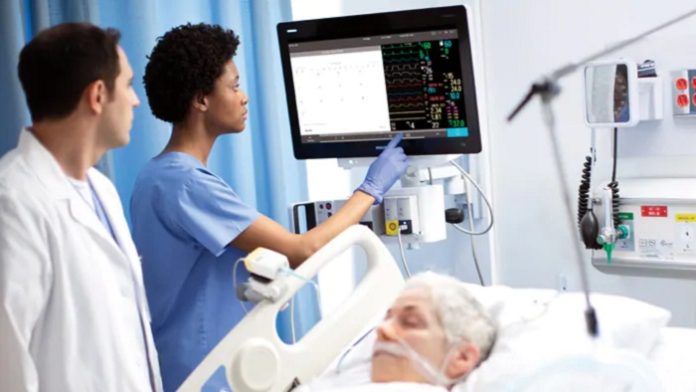
The Christie NHS Foundation Trust and the Manchester University NHS Foundation Trust (MFT) are using the Isansys Lifecare Patient Status Engine (PSE) as part of the Cosmic (Continuous Signs Monitoring In Covid-19 patients) study to monitor Covid-19 patients in hospital โ€“ but itโ€™s also being used to monitor them at home.

Cancer patients typically experience poorer outcomes and higher death rates than those without the disease when afflicted by Covid-19, and although one recent study suggested this could be due to them generally being older and having more underlying conditions, the PSE could help doctors to manage the severity of the virus at cancer specialist The Christie.

Resident medical oncologist Professor Fiona Thistlethwaite said: โ€œUnfortunately some patients who are suffering from Covid-19 on our hospital wards can become seriously unwell.

โ€œBy using the PSE, we hope to be able to identify these patients early and this means we can optimise their management without the need for them to go to intensive care.

โ€œWe can also monitor the patientsโ€™ vital signs on a screen located in a different part of the hospital and we hope that, eventually, this will mean that as well as keeping our patients safe, we can reduce exposure to the virus for our staff.โ€

Professor John Radford, director of research at The Christie, who is leading the RECAP project which is monitoring patients recovering at home with the PSE, added: โ€œThe technology offers us a way of keeping a close eye on our patients while theyโ€™re at home.

โ€œWe hope the PSE will help us detect when a cancer patient with Covid-19 is deteriorating and needs to be reviewed in hospital.

โ€œThis is the first time this technology has been used for patients who arenโ€™t in hospital in the UK, so itโ€™s truly innovative, and if successful, could be used in other areas of medicine.โ€

According to Dr Anthony Wilson, intensive care consultant at Manchester Royal Infirmary, part of MFT, approximately 10% to 20% of hospital inpatients at the infirmary with Covid-19 will need to be admitted to intensive care, and PSE could improve their chances of survival.

โ€œThe intensive care team at MFT has cared for many people with the Covid-19 infection in the last few months,โ€ he added.

โ€œThis new technology may allow us to intervene earlier and give patients a greater chance of getting better.โ€

How does Isansys Lifecare Covid-19 monitoring device work?

The Patient Status Engine (PSE) collects data from a wireless patch stuck to a patientโ€™s chest and collects continuous physiological data, including heart rate, respiration rate, heart rate variability, ECG, oxygen saturation, blood pressure and body temperature.

It then uses these measures, together with nurse-scored data, such as consciousness levels, to calculate a minute-by-minute NEWS 2 score โ€“ the standard early warning measure of patient deterioration.

The British Medical Association recently warned that hospital critical care units were in danger of running out of capacity as the country experiences a second spike in Covid-19, and Isansys Lifecare CEO Keith Errey believes PSE could help manage that capacity by allowing doctors to better triage patients by severity.

โ€œThe PSE has the capability to expand overall critical care capacity by continuously monitoring patients and establishing higher dependency beds in lower acuity areas of the hospital,โ€ he said.

โ€œThis allows hospitals to preserve capacity for those Covid-19 patients who need escalated care and is also enabling healthcare providers to offer the necessary care for Covid-19 patients being treated at home.โ€

Medtronic Venous Stent Receives U.S. FDA Approval to Treat Venous Outflow Obstruction

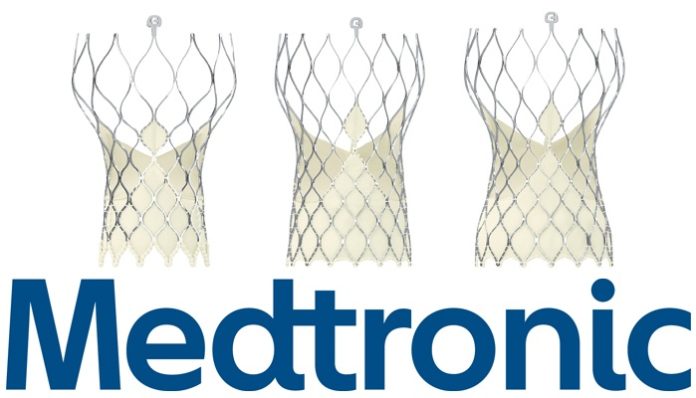
Medtronic Evolut TAVI System

Medtronic plc, the global leader in medical technology, announced it has received U.S. FDA approval for the Abre venous self-expanding stent system. This device is indicated for use in the iliofemoral veins in patients with symptomatic iliofemoral venous outflow obstruction, also known as deep venous obstruction.

Deep venous obstruction occurs when the veins in the deep venous system become obstructed, blocked and/or compressed causing restricted blood flow to the heart. If left untreated, patients can experience leg discomfort and pain, limiting their mobility and quality of life. Symptoms of the disease include leg swelling, skin changes, leg ulcers, and pain. Severe complications can occur, such as blood clots that migrate to the lungs (pulmonary embolism), a clot in the leg called a deep vein thrombosis (DVT), or the formation of fibrotic tissue or scarring caused by a chronic DVT (post thrombotic syndrome).

The FDA approval is based on 12-month results from the ABRE clinical study, presented at the 2020 Charing Cross Symposium. The ABRE study assessed the safety and effectiveness of the investigational Abre stent in 200 patients with iliofemoral venous outflow obstruction across the spectrum of deep venous obstruction including those with post thrombotic syndrome, non-thrombotic iliac vein lesions (NIVL), and those who presented with an acute deep vein thrombosis (aDVT). The study also included a challenging patient population, 44% (88/200) of whom required stents that extended below the inguinal ligament into the common femoral vein (CFV). The study met its primary safety endpoint with a 2.0% (4/200) rate of major adverse events (MAEs) within 30 days.1ย The study also met its 12-month primary effectiveness endpoint with an overall primary patency rate of 88.0% (162/184).2ย Despite the challenging patient population, no stent fractures and no stent migrations were reported in the study.

“Patients with deep venous obstruction are often younger, therefore it’s critical to have a venous stent that is not only safe and effective, but also strong and flexible,” said Erin Murphy, M.D., F.A.C.S., global principal investigator for the ABRE clinical study and director of Atrium Health Sanger Heart & Vascularย Institute’s Venous and Lymphatic Program in Charlotte, North Carolina. “With FDA approval, we now have this important tool in our arsenal to treat patients with even the most challenging of deep venous lesions.”

A self-expanding stent system, Abre is intended for permanent implant and utilizes an open-cell design with three off-set connection points to enable flexibility and stability during deployment. Abre also offers a balance of strength, flexibility, and fatigue resistance. Based on data presented at the Leipzig Interventional Course (LINC) 2020 annual meeting by Stephen Black, M.D., consultant and vascular surgeon, Guy’s, and St. Thomas’ Hospital and Kings College in London, the Abre stent system demonstrated a 0% fracture rate in bench testing simulated out to 50 years.3

“With Abre, our goal was to create a dedicated venous stent that combined a balance of the key characteristics necessary to treat patients with a broad spectrum of deep venous obstruction,” said Carolyn Sleeth, vice president and general manager of the endoVenous business, which is part of the Cardiac and Vascular Group at Medtronic. “We are excited to bring Abre to the U.S. market, which we believe will provide both physicians and patients with a new option backed by clinical evidence to treat this disease safely and effectively.”

Abre received CE (Conformitรฉ Europรฉene) Mark approval in April of 2017 and is also intended for use in the iliofemoral veins for treatment of symptomatic venous outflow obstruction.

In collaboration with leading clinicians, researchers, and scientists worldwide, Medtronic offers the broadest range of innovative medical technology for the interventional and surgical treatment of cardiovascular disease and cardiac arrhythmias. The company strives to offer products and services that deliver clinical and economic value to healthcare consumers and providers around the world.

About Medtronic
Medtronic plc, headquartered in Dublin, Ireland, is among the world’s largest medical technology, services and solutions companies โ€“ alleviating pain, restoring health and extending life for millions of people around the world. Medtronic employs more than 90,000 people worldwide, serving physicians, hospitals and patients in more than 150 countries. The company is focused on collaborating with stakeholders around the world to take healthcare Further, Together.

WellSpan Health successfully implements health record system in Franklin and Cumberland

WellSpan Health successfully implements health record system in Franklin and Cumberland

WellSpan locations in Franklin and Cumberland counties successfully introduced an advanced, new electronic health record (EHR) system, known as Epic, offering a single patient record system across the health system.

The implementation brings all WellSpan clinicians onto the same electronic health record, a pivotal step in the integration of WellSpan locations previously part of Summit Health, allowing all WellSpan teams to seamlessly coordinate care for patients across 200+ care locations across the systemโ€™s six-county footprint.

The completion of the implementation also extends access to WellSpanโ€™s enhanced patient portal to all WellSpan patients. MyWellSpan encourages patients to be more engaged with their care by offering secure, online access to all of their health information in one place, online appointment scheduling, enhanced bill payment options, an expanded electronic check-in process for pre-registration of appointments, and the option to receive text message alerts for portal notifications. Patients using WellSpanโ€™s digital apps, such as WellSpan Online Urgent Care will be able to integrate their visits with their patient records. Additional digital offerings, including BabyScripts, a mobile app to help expectant mothers more easily follow their care plan and access customizable resources and educational content during their pregnancy, will now be available for patients in Franklin and Cumberland counties.

โ€œUnifying our electronic health record across WellSpanโ€™s geography is a significant milestone in our journey to lead the region as a seamless, integrated delivery system,โ€ said WellSpan Health President and CEO Roxanna Gapstur, Ph.D., R.N. โ€œOur friends and neighbors in Franklin and Cumberland counties now have access to more convenient options to manage their healthcare, and our full WellSpan team can now connect and transform like never before. Itโ€™s all part of our commitment to delivering greater value by providing the highest quality and exceptional experiences at an affordable price.โ€

Gapstur said WellSpan Health chose to partner with Keystone Health and Parkway Neurosurgery to install Epic together, so patients using services from one community could have the ease of a single record. She explained the care teams for expectant mothers who choose to receive prenatal care at Keystone OB/GYN, for example, but would deliver at WellSpan Chambersburg Hospital, would have access to the patientโ€™s record and could ensure timely coordination of her care.

โ€œKeystone Health and WellSpan have a long history of working together to provide the very best patient care, right here in Franklin County,โ€ said Keystone Health President and CEO Joanne Cochran. โ€œWith the implementation of the Epic electronic health record system, the two health systems are able to provide one centralized health record for patients who visit both organizations, resulting in patients having access to their health information when and where they need it. We are pleased to offer this service alongside WellSpan for the convenience of our mutual patients.โ€

NHSX launches assessment criteria for digital health tools

Wellpepper acquired by Caravan Health in sign of growing market for digital patient treatment plans

NHSX has launched in beta, a Digital Technology Assessment Criteria (DTAC) to set out how digital health and social care technologies will be assessed.

It has also designed a โ€˜guide to good practiceโ€™ for digital and data-driven health technologies, set to be published by the NHS AI Lab in October.

โ€œIndividually these will support digital health developers to design and deliver the best products for patients and the health and care system. Together they form the beginning of a broader support package which will also include a buyersโ€™ guide to digital technologies, and evaluation resources for the health and care system,โ€ according to an NHSX blog post.

The DTAC aims to streamline the adoption of โ€œsafe and innovativeโ€ technologies focusing on five key areas: clinical safety; data protection; technical assurance; interoperability; and usability and accessibility.

It has been designed to replace the existing Digital Assessment Questionnaire (DAQ) and Digital Assessment Portal (DAP).

The criteria will be in beta for three months to allow work with developers, service providers and assessors to determine any changes that might be required.

The DTAC will be used to asses entry to the NHS Apps Library and procurement frameworks including the Health Systems Support Framework.

โ€œWe will work with teams in NHS England and NHS Improvement such as diabetes and mental health teams, to use the DTAC as a baseline expectation for nationally supported products, identifying additional criteria that may be required for those areas, for example where additional legislation applies,โ€ NHSX said.

WHO, Wikipedia Expands Public Access to Trusted Info About COVID-19

Vystar Resumes Production of FDA-Certified UV Light Air Purifiers

The World Health Organization (WHO) and the Wikimedia Foundation, the nonprofit that administers Wikipedia, announced today a collaboration to expand the publicโ€™s access to the latest and most reliable information about COVID-19. The collaboration will make trusted, public health information available under the Creative Commons Attribution-ShareAlike license at a time when countries face continuing resurgences of COVID-19 and social stability increasingly depends on the publicโ€™s shared understanding of the facts.

Through the collaboration, people everywhere will be able to access and share WHO infographics, videos, and other public health assets on Wikimedia Commons, a digital library of free images and other multimedia. With these new freely-licensed resources, Wikipediaโ€™s more than 250,000 volunteer editors can also build on and expand the siteโ€™s COVID-19 coverage, which currently offers more than 5,200 coronavirus-related articles in 175 languages. This WHO content will also be translated across national and regional languages through Wikipediaโ€™s vast network of global volunteers.

Why It Matters

By making verified information about the pandemic available to more people on one of the worldโ€™s most-visited knowledge resources, the organizations aim to help curb this infodemic and ensure everyone can access critical public health information.

VA Announces First Cerner EHR Go-Live at Mann-Grandstaff VA Medical Center

 VA Announces First Cerner EHR Go-Live at Mann-Grandstaff VA Medical Center

Cerner Corporation announced the historic and successful first deployment of a modern electronic health record (EHR) at Mann-Grandstaff VA Medical Center in Spokane, WA. This is the first time in history three federal departments are using the same EHR โ€” a historic milestone toward improving the secure and seamless exchange of health information across the federal government.

The Department of Veterans Affairs (VA) now joins the Department of Defense (DOD) and the Department of Homeland Security, via the U.S. Coast Guard (USCG), in the successful deployment of Cerner-powered technology that will create a single health record for 18 million Service members, Veterans plus their family members. The technology is designed to provide Service members a smoother transition when they leave active duty, as well as provide VA clinicians the information they need to help Veterans get quality individualized care.

In addition to the Mann-Grandstaff VA Medical Center, the EHR was implemented at its four community-based outpatient clinics across Washington, Montana and Idaho, as well as the West Consolidated Patient Account Center, a VA business operations facility in Las Vegas.

โ€œWeโ€™re honored to join VA, DOD and Coast Guard in their mission to provide better health care for Service members and Veterans,โ€ said Brent Shafer, chairman and CEO, Cerner. โ€œWe share a sharp focus on interoperability that delivers data where it needs to go, regardless of its origination. These federal modernization programs will not only transform care, but they have the power to launch innovations that could shape the future of health care for everyone.โ€

VAโ€™s Electronic Health Record Modernization (EHRM) and the DoD Healthcare Management System Modernization (DHMSM) programs enable improved health care delivery across the industry, including high cybersecurity standards and innovative approaches to standardizing health data and clinical workflows.

โ€œThis new system is much more than an EHR,โ€ said Travis Dalton, president, Cerner Government Services. โ€œIt is a platform to help drive interoperability across the continuum of care and ensure data flows between federal agencies and to commercial partners. This can help improve health outcomes, create public health infrastructure, enable more effective predictive clinical models and create better informed research critical to solving some of the nationโ€™s most pressing health challenges, such as suicide and the opioid epidemic. Though there is still much work to be done, this go-live, along with the deployment of Cernerโ€™s Centralized Scheduling Solution at Columbus and joint health information exchange are key proof points that EHRM is and will continue to be a success. We congratulate VA on this historic achievement and are proud to support this momentous initiative.โ€

Since 2019 and throughout the COVID-19 pandemic, Cerner and its federal clients achieved other milestones including:

One of the most comprehensive health data migrations in history.
Launch of the new joint health information exchange, powered by Cerner.
Successful deployment of the Centralized Scheduling Solution, at the VA Central Ohio Healthcare System, replacing Epicโ€™s Medical Appointment Scheduling System (MASS).
Expansion of DOD, VA and USCG new joint HIE – connecting with the CommonWell Health Allianceโ„ข nationwide network – adding more than 15,000 hospitals and clinics to the HIE.
Deployment of DODโ€™s MHS GENESIS to additional 10 sites and the USCG goes live at first four sites.

Translate ยป