











Close
Digital Health & Ai Innovation summit 2026
Medical Taiwan 2026

Baptist Health Rolls Out Advanced Conversational Technology to Automate Patient Referrals and Care Navigation

Baptist Health Rolls Out Advanced Conversational Technology to Automate Patient Referrals and Care Navigation

LifeLink announced that Baptist Health has successfully deployed its conversational technology as part of a strategic innovation program to improve the patient experience. LifeLink’s (lifelink.com) digital assistant solutions reach patients on their mobile devices to help them navigate their care across the system.

Jacksonville, Florida-based Baptist Health System is a network of five nationally accredited hospitals plus more than 200 primary care and specialty physician practices, children’s specialty clinics, home health care, behavioral health, rehabilitation services, and urgent care.

Recommended AI News: Output Announces $45 Million Series A Investment From Summit Partners

“Increasingly, patients expect consumer-grade technology experience from their healthcare providers,” said Melanie Husk, SVP, Chief Consumer Officer at Baptist Health. “Now COVID-19 has catapulted healthcare into the next chapter of innovation, which comes with new expectations and challenges. The LifeLink technology is not only effective, but also very popular with our patients, with 93% positive satisfaction ratings.”

The technology supports two key patient engagement workflows:
1. Emergency department to Primary Care Physician (PCP) referrals
2. COVID-19 screening, care routing, and appointment requests

Baptist is the first provider system to successfully implement a conversational digital assistant for patients that are discharged from the Emergency Department (ED) with referrals. Each year, more than 320,000 patients visit one of the 10 emergency departments in the Baptist Health network and roughly 60% of those patients are discharged with instructions to follow up with a PCP. Yet, only 50% of patients with referral instructions follow through with their care instructions and schedule appointments.

The LifeLink chatbots engage every patient when they are discharged from the ED. The bots reach patients with mobile messaging to recommend PCP follow up care and help them navigate into scheduled appointments within the Baptist Health network. Since launch, the solution has increased the number of PCP appointment requests by 15%.

Recommended AI News: SYSTRAN Named Official Translation Partner of the World Trade Center San Diego

“We saw a major opportunity to improve care continuity, reduce the chances of ED readmissions, and improve referral network integrity,” said Catherine Graham, VP, Business Innovation and Development at Baptist Health. “This technology allowed us to scale our population health outreach to contact every discharged patient.”

A second major patient engagement challenge emerged as the COVID-19 pandemic spread. In March, Baptist partnered with LifeLink to launch an automated screener that aligned with county and state care guidelines, providing the Baptist COVID-19 response team with much needed conversational scale. The screener solution was implemented in less than two weeks.

As the symptoms and risk designations of COVID-19 became more known, Baptist pivoted rapidly to deepen the screener by adding capabilities to help patients request appointments 24×7, without need for any human intervention. This “digital front door” technology improves appointment request rates for patients across demographic segments through its simple and intuitive interface.

LifeLink is integrated to two key Baptist systems — Cerner and Salesforce. The read-write capabilities between the digital assistants and the EMR and CRM systems personalize the patient experience and ensure that the bots are working in concert with Patient Access and care navigation teams.

“The Baptist team is innovating to deliver the kinds of experiences that patients expect from their healthcare providers,” noted Greg Johnsen, CEO of LifeLink. “Now more than ever, the healthcare industry needs to evolve with smart, interactive technology, and leaders like Baptist are showing everyone how to do it.”

Medical Associates of BCHC making electronic medical record transition

Medical Associates of Buchanan County Health Center (BCHC) is making a large transition from NexGen electronic medical record (EMR) system to Epic EMR. This transition will allow for one chart to follow patients throughout the multiple areas in which they receive care at BCHC and all UnityPoint Health systems. Epic is the preferred electronic medical record system nationwide. To date, 45 percent of the U.S. population has their medical records in an Epic system.

In addition to the integrated system across health care services, patients will have ease of access to their personal medical records, test results, medication lists, and appointment reminders on their smartphone or computer through the MyChart function.

“The transition of Medical Associates to Epic will mean that our entire organization is now under the same electronic medical record system,” commented Steve Slessor, CEO. “This means that our providers will be able to coordinate care much more effectively. If you are in our emergency department, those providers will now be able to see the clinic records also, and vice versa. It is also the case that many of the larger health care providers that we share patients with are also on Epic, so this will enhance care coordination both here locally and across the region.”

Medical Associates of BCHC planned to fully transition to Epic on Oct.26. All patients are requested to bring a form of ID and insurance card to their next appointment. Patients may access their past medical records by calling the health information management department at 319-332-0899. Patients may also set up their MyChart account to view their health information online at bchealth.org/patient-portal.

Vizient releases resource center to help hospitals prepare for a COVID-19 vaccine

Vizient releases resource center to help hospitals prepare for a COVID-19 vaccine

Vizient, a healthcare performance improvement company, launched its Vaccine Resource Center today. The online platform gives hospitals and healthcare providers up-to-date information on the COVID-19 vaccine landscape to help them prepare for the eventual regulatory approval of a vaccine.

The resource center is made up of three parts: a development tracker, a candidate comparison and a vaccine preparedness checklist.

Vizient’s vaccine development tracker is updated weekly and provides a list of the manufacturers working on a COVID-19 vaccine and their most recent status updates.

The company also created a document that gives side-by-side comparisons of each vaccine in a late stage of its clinical trial. Updated bi-weekly, the candidate comparison tool provides an in-depth look at the clinical characteristics of each vaccine including the manufacturing process, the number of doses required and a list of adverse effects for each candidate.

Also included in the resource center is a checklist for hospitals to use to test their preparedness to administer the vaccine once approved. It prompts organizations to assess whether they will be able to properly store the vaccine, how they will prioritize distribution, who will administer it and more.

WHY THIS MATTERS

If the candidates stay on track, an approved vaccine could hit the market by early 2021 or sooner.

Planning for the vaccine is already well underway, with the Centers for Disease Control and Prevention releasing a COVID-19 vaccination playbook in September. In it, the agency says that immunization is a key part of the U.S.’s strategy to reduce COVID-19 illnesses, hospitalizations and deaths.

“Hospitals need to prepare now so they can be part of the vaccination effort in their communities,” said Azra Behlim, the senior director of pharmacy sourcing and program services for Vizient, in a statement. “The information on the Vaccine Resource Center will help them make those strategic decisions.”

THE LARGER TREND

It is still unclear when exactly a vaccine will be approved, but Pfizer has announced that it will submit an application next month to the U.S. Food and Drug Administration seeking approval for its Covid-19 vaccine.

Whenever a vaccine is approved, officials from the Department of Health and Human Services have said that prioritization will be necessary at first due to limited dosage supplies. The elderly (especially those in nursing homes), healthcare workers and other high-risk individuals like those with chronic illnesses will likely be the first to get a vaccine.

Other vaccine-tracking platforms include one from The New York Times and one from the Milken Institute.

ON THE RECORD

“It’s likely there will be more than one [COVID-19] vaccine approved under an emergency use authorization, and they are not all manufactured with the same platform,” Behlim said. “Each vaccine candidate in development uses a different vaccine technology, which makes them clinically different. They also have different refrigeration and dosing requirements. All of these factors must be considered as hospitals plan to vaccinate their employees and their communities.”

Novartis in Canada driving digital healthcare solutions with the inauguration of a Biome innovation hub

India takes first step towards universal health coverage with Digital Health Mission launch

Novartis Pharmaceuticals Canada Inc. announced the launch of the Novartis Canada Biome, an innovative hub that will bring together and empower emerging tech companies and people who are passionate about disrupting healthcare through data and digital technologies. The announcement was made at the virtual XEFFERVESCENCE Digital and AI in the Healthcare Industry event, together with federal and provincial ministers and key industry and community organizations.

The Canadian Biome Digital Innovation Hub, located in the heart of Montreal’s dynamic and world-renowned artificial intelligence (AI) community, joins the global network introduced by Novartis in October 2018 with the launch of the first Biome in the digital heartland of Silicon Valley. The network has since expanded to include hubs in the United Kingdom, France, India and now Canada.

This announcement follows on from the strategic alliance created last year between Novartis and Mila, the Montreal AI research institute founded in 1993 by Professor Yoshua Bengio. The Biome will be headquartered at Mila where start-ups and entrepreneurs who will become partners within the Biome will have access to the Novartis Canada team so ideas can be converted quickly into solutions for patients. Recognizing the momentum for innovative digital solutions is here and now, partners will have available to them the growing network of Novartis Digital Innovation Hubs in global centres as well as resources to scale up ideas as fast as possible to help patients and healthcare providers in Canada and around the world.

Bridging digital technology and patient needs
The goal of the Biome is to converge data science, technology and artificial intelligence in an environment that harnesses the best minds and talent. The Biome is a natural extension of Novartis activities and partnerships dedicated to AI and digital innovation for healthcare solutions.

One such partnership already under way is with the Canadian virtual care specialist company Insig Health to launch a digital health accelerator which provides the tools, resources and insights to help healthcare practitioners take their virtual care practice to the next level.

Other companies who are already part of the Biome network include ConversationHEALTH which powers conversational AI solutions to transform how we engage healthcare professionals, patients and consumers. Another company Novartis has pursued is Amblyotech, a digital therapeutics company. Novartis is working with Ubisoft and McGill University on the start-up’s novel digital technology to develop active and passive digital therapies to treat amblyopia (“lazy eye”).

A concrete example of embracing digital technologies to help meet people’s needs is exactly what founder and CEO of AccessNow, Maayan Ziv, had in mind when she created an app that uses crowdsourcing to collect and share the accessibility status of locations for people with disabilities. Maayan’s inspiration was personal; she lives with muscular dystrophy and understands the challenges of navigating a largely inaccessible world in a wheelchair. In recognition of the positive impact AccessNow brings people living with multiple sclerosis (MS) and other disabilities around the world, Maayan was awarded the $250,000 USD Novartis Innovation Prize for Assistive Tech1.

The Canadian Biome receives a warm welcome by key speakers
Today’s virtual inauguration event for the Novartis Canada Biome was presided over by Christian Macher, Country President, Novartis Pharmaceuticals Canada Inc., and attended by the Honourable Navdeep Bains, Canada’s Minister of Innovation, Science and Economic Development, and the Honourable Pierre Fitzgibbon, Quebec’s Minister of Economy and Innovation who both addressed virtual attendees. Biome launch participants also included Stéphane Paquet, Chief Executive Officer, Montréal International. As well, Alexandre Le Bouthillier, Co-Founder and Chief Corporate Officer, Imagia took part in an afternoon AI for Health roundtable.

All welcomed the opportunity to address the creation of a Biome at Mila.

Christian Macher, Country President, Novartis Pharmaceuticals Canada Inc.
“We are extremely fortunate to have access to a rich and vibrant technology community here in Montreal and throughout Canada. Our goal with the Biome is to become the leading health tech pharma company in Canada, working in collaboration with health tech pioneers who will become our partners in creating better healthcare solutions that can help enhance and accelerate the patient journey from diagnosis through treatment. We will be calling on start-ups to join us to help address some of the healthcare challenges Canadians face.”

The Honourable Navdeep Bains, Minister of Innovation, Science and Economic Development, Government of Canada:
“It was with projects like Novartis’ new Biome facility in mind that our government invested $125 million in the Pan-Canadian Artificial Intelligence Strategy. Investments like these ensure Canada is a world-leading destination for talented researchers and companies in AI and healthcare innovations. This new facility is an exciting step in our collective efforts to create innovative solutions for patients and healthcare providers in Canada and around the world.”

The Honourable Pierre Fitzgibbon, Minister of Economy and Innovation, Government of Quebec:
“The creation of the Novartis Canada Biome in Montreal is a prime example of Quebec’s leadership in pharmaceutical innovation and digital technology. Bringing together the life sciences and artificial intelligence sectors could make it possible to offer decisive new treatments for patients in Quebec and around the world.”

Stéphane Paquet, Chief Executive Officer, Montréal International:
“The Novartis Canada Biome will connect two of Montreal’s great international intellectual resources – the innovative pharmaceutical industry and the digital and artificial intelligence community – for the benefit of patients by developing new technology-driven healthcare tools. This type of collaboration is precisely why Montréal International prioritizes the development of such high-tech sectors.”

Geralyn Ochab, Chief Executive Officer, Imagia, a Montreal-based AI healthcare company partnering with Novartis, developing digital medical innovations to improve care pathways and predict response to treatments, accelerating personalized healthcare.

“The Novartis Canada Biome is imperative in fostering collaboration with AI companies such as Imagia, to speed up digital discoveries and bring practical AI solutions to healthcare providers with the common goal to impact and improve the patient journey.”

About Novartis Pharmaceuticals Canada
Novartis Pharmaceuticals Canada Inc., a leader in the healthcare field, is committed to the discovery, development and marketing of innovative products to improve the well-being of all Canadians. In 2019, the company invested $51.8 million in research and development in Canada. Located in Dorval, Quebec, Novartis Pharmaceuticals Canada Inc. employs approximately 1,000 people in Canada and is an affiliate of Novartis AG, which provides innovative healthcare solutions that address the evolving needs of patients and societies. For further information, please consult www.novartis.ca.

About Novartis
Novartis is reimagining medicine to improve and extend people’s lives. As a leading global medicines company, we use innovative science and digital technologies to create transformative treatments in areas of great medical need. In our quest to find new medicines, we consistently rank among the world’s top companies investing in research and development. Novartis products reach more than 750 million people globally and we are finding innovative ways to expand access to our latest treatments. About 109,000 people of more than 145 nationalities work at Novartis around the world. Find out more at www.novartis.com.

Intermountain Healthcare and Sanford Health announce intent to merge

Intermountain Healthcare and Sanford Health announce intent to merge

Intermountain Healthcare, a company at the forefront of value-based and digital healthcare, and Sanford Health, one of the nation’s leading systems in rural health care delivery and clinical research, have signed a letter of intent to develop a strategic partnership.

“Intermountain and Sanford have a shared vision of the future of healthcare and have the aligned values needed to better serve more communities across the nation,” says Marc Harrison, M.D., president and CEO of Intermountain Healthcare. “This merger enables our organizations to move more quickly to further implement value-based strategies and realize economies of scale. Through coordinated care, increased use of telehealth and digital health services, we will make healthcare more affordable for our communities.

Intermountain and Sanford have a shared vision of the future of healthcare better serve communities across the nation.

“For more than two decades, we’ve been focused on good growth, with the goal of driving innovation and bringing more affordable and accessible healthcare to the communities we serve,” says Kelby Krabbenhoft, president and CEO of Sanford Health. “Today we’re marking another major milestone in our long history of working to change the course of healthcare across the globe. By coming together with Intermountain Healthcare, we will improve the health and well-being of the communities we serve and strengthen our impact in healthcare delivery and value.”

The boards of both not-for-profit organizations approved a resolution to support moving forward with the due diligence process. The organizations will enter this activity with the goal to sign a merger agreement that will bring both health systems together as a model for improving access to high value healthcare across the U.S. The merger is expected to close in 2021 pending federal and state approvals.

The combined organization will employ more than 89,000 people, and operate 70 hospitals, many in rural communities. It will operate 435 clinics across seven states, provide senior care in 233 locations in 24 states, and insure 1.1 million people. The organization will have headquarters in Salt Lake City, Utah, and corporate offices in Sioux Falls, South Dakota.

Marc Harrison, M.D., president and CEO of Intermountain Healthcare, will be president and CEO of the combined organization. Kelby Krabbenhoft, president and CEO of Sanford Health, will serve as president emeritus. Both organizations will continue to operate under their current names for the foreseeable future.

Existing Board of Trustees from both systems will join to form a combined board. A new executive committee of the board will be created with equal representation from members of the Intermountain and Sanford Health boards. Gail Miller, current chair of the Intermountain Board, will serve as board chair for the merged organization.

About Intermountain Healthcare
Intermountain Healthcare is a team of more than 41,000 caregivers who serve the healthcare needs of people across the Intermountain West, primarily in Utah, Idaho, and Nevada. It is an integrated, not-for-profit health system headquartered in Salt Lake City, Utah, with 225 clinics, a medical group, 24 hospitals (one that is virtual), homecare, telehealth, health insurance plans, and other services. It is one of the nation’s top five health systems for innovation and for providing high-quality care at sustainable costs. Visit intermountainhealthcare.org for more information.

About Sanford Health
Sanford Health is dedicated to the integrated delivery of health care, genomic medicine, senior care and services, global clinics, research and affordable insurance. Headquartered in Sioux Falls, South Dakota, the organization spans 24 states with 48,000 employees, 46 hospitals, 1,500 providers and 366 Good Samaritan Society senior care and living centers. Learn more about Sanford Health’s transformative work to improve the human condition at sanfordhealth.org or Sanford Health News.

Healthway Medical Group integrates primary and specialist clinics on teleconsult app

Healthway Medical Group integrates primary and specialist clinics on teleconsult app

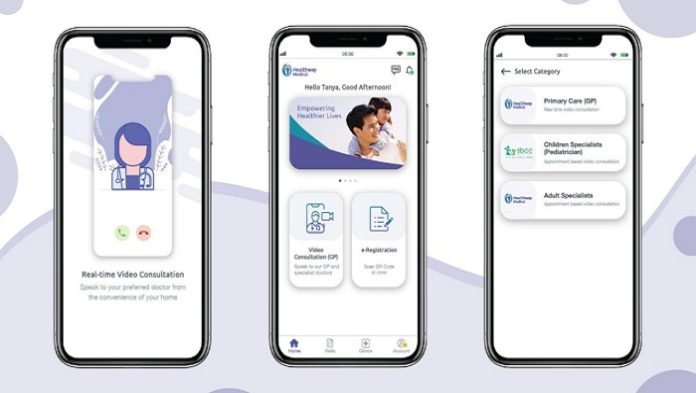
Healthway Medical Corporation Limited (HMC), a private healthcare provider based in Singapore, has announced that its pediatric unit, Singapore Baby and Child Clinic has been onboarded onto its proprietary teleconsultation app. HMC said it will integrate further specialist clinics into the app in the months ahead.

Island Orthopaedics and the Nobel Group of clinics will also be onboarded in the coming months. The Nobel Group encompasses specialist services such as Psychological Wellness, Gastroenterology and Cardiology.

Since its official launch on 15 August 2020, the Healthway Medical app has onboarded 47 of its GP clinics located islandwide.

HOW IT WORKS

With the app, patients can arrange a video consultation with a doctor up till 1030pm daily, with medication delivered to their doorstep. They can scan a QR code displayed at the registration counter of their regular GP clinic to confirm their details automatically.

THE LARGER TREND

As a result of the ongoing COVID-19 pandemic, healthcare providers have been ramping up their teleconsultation and telemedicine services. In May, IHH Healthcare, Asia’s largest privately owned healthcare group, rolled out telemedicine services in Singapore, Malaysia, Turkey, India and Hong Kong, Healthcare IT News reported.

In Thailand, private healthcare provider Samitivej Hospital Group, which is owned by Bangkok Dusit Medical Services (BDMS), launched its Virtual Hospital app in March 2019 – the app includes teleconsultation and medicine delivery services.

Dr Surangkana Techapaitoon, Deputy CEO of Samitivej and BNH Group of Hospitals & Director, Samitivej Children’s Hospital, said in the sixth episode of the HIMSS APAC Digital Dialogue Series that the number of patients using the Samitivej Virtual Hospital service increased six fold during the peak of the pandemic.

ON THE RECORD

“The COVID-19 pandemic has accelerated the adoption and acceptance of telehealth services, particularly catering to those seeking medical assistance for non-COVID related concerns. While teleconsultations cannot replace the necessity of in-clinic care for a range of medical conditions, the provision of teleconsultation services facilitates more efficient doctor-patient interactions, especially when it comes to early diagnosis and preventive care.

The ongoing digital transformation of traditional healthcare services will continue to play an important role in providing complementary holistic care for patients in tandem with in-clinic consultations,” said Dr Nelson Wee, Deputy Head of Primary Care of HMC.

Norton Healthcare integrates Epic with PDMP tools, cuts opioid Rx in half

Norton Healthcare integrates Epic with PDMP tools, cuts opioid Rx in half

In 2012, the state of Kentucky passed a law similar to those in many other states requiring physicians prescribing controlled substances to check their state’s prescription drug-monitoring program database. The database enables providers to view a patient’s controlled substance prescription history to identify potential signs of opioid use disorder or doctor shopping.

THE PROBLEM

Kentucky has been particularly hard hit in the opioid epidemic. More than 1,500 Kentuckians die each year from drug overdoses. A contributor is the state’s opioid prescribing rate, which is 55% higher than the rest of the U.S.
Norton Healthcare is the largest health system in Kentucky, with more than five hospitals and a total of 250 care locations. Staff members say they have a medical and moral responsibility to serve as leaders in the state’s fight against this crisis.

“We’re based in Louisville, which is right on the Indiana border, and serving patients in a metro area spanning two states often means that our physicians are tasked with querying both Kentucky’s PDMP, KASPER, and Indiana’s PDMP, INSPECT, before prescribing controlled substances,” said Dr. Steven Heilman, senior vice president and chief health innovation officer at Norton Healthcare.

“This process used to require physicians to log out of our Epic electronic health record and separately open and search within each state’s web-based PDMP database, and then load the results into the patient’s chart.”

This highly manual process took as long as 10 minutes per patient if checking both states’ PDMPs and was a major interruption to physicians’ workflows, so much so that Norton began to assign medical assistants to help with the process and save physicians’ time. Extracting data from these databases to study prescribing patterns among physicians also was time-consuming, but essential if Norton wanted to reduce the volume of opioids in its communities.

PROPOSAL

An Ohio physician demonstrated medication management and integration IT vendor Appriss Health’s PMP Gateway tool during an Epic users’ conference, and Heilman was immediately intrigued.

“Gateway enables physicians to automatically query the PDMP database from within the EHR workflow when a controlled substance prescription is ordered or at any other time,” he said.

“This alleviates the need to exit the EHR and log in to a separate application. I realized this would help us realize efficiencies. For example, we would no longer need to delegate a medical assistant to query PDMP databases, as physicians would be able to manage this themselves during their workflow.”

Another Appriss Health tool, NarxCare, uses advanced analytics to provide an immediate, point-of-care analysis of a patient’s risk for substance use disorder and other information in a visually interactive format that supports prescribers’ rapid comprehension and decision-making.

“We also learned of the analytics tools that, due to the integration with Epic, would enable us to easily generate reports on physician-controlled substance prescribing behaviors, which can be used to support provider outreach and education,” Heilman explained.

He presented the Appriss Health tools to Norton’s Narcotics Matrix Committee, which works to address and define Norton Healthcare’s prescribing levels and patterns and to identify areas for improvement.

The committee members and other Norton Healthcare leaders understood that providing clinicians with access to the right data using Appriss Health solutions could impact overall prescribing levels and improve patient outcomes, he added.

MARKETPLACE

There are various medication-management technologies on the health IT market today. Some of the vendors of these technologies include Appriss Health, BD, Cureatr, DrFirst, Kit Check, LogicStream Health, Medication Management Partners, Medisafe, Mediware Information Systems and Talyst.

MEETING THE CHALLENGE

About a year ago, Norton implemented Gateway and NarxCare in the departments where opioids are most often prescribed – primary care, emergency, orthopedics and pain management – as well as for the organization’s hospitalists.

“Appriss Health had completed numerous successful PDMP integrations for other large health systems using the Epic platform, so the implementation was smooth,” Heilman recalled. “Now our physicians can access PDMP data as well as actionable information on the patient’s substance use disorder risk at the point of care, just as they would any other EHR information.”

This integration with the EHR has made it easier for providers to comply with Kentucky and Indiana mandatory-use laws and has eliminated the need to assign the task of checking PDMPs to a medical assistant, he said.

RESULTS

The success metric Norton Healthcare is most proud of is the number of opioids prescribed by providers, which has decreased by 51% since last year.

“We have achieved this significant volume reduction despite increasing the number of prescribers in our health system by 100 to 150 each year through acquisition, integration and other clinical staff growth,” Heilman noted.

“Using the analytic and reporting tools, for example, we were able to identify protocols among care teams where physicians would prescribe 120 opioid tablets after certain surgical procedures, when only 90 or 60 would suffice,” he said.

Reducing the number of prescribed tablets not only decreases the health and safety risks for the patients, it also reduces the availability of tablets that could be sold or stolen in the communities served, he added.

“We’re also seeing that our prescribers check the PDMP more often using the Gateway tool,” he said. “For example, in June 2020, 850 prescribers accessed Gateway 9,861 times. Just two months later, in August, roughly the same number of prescribers accessed Gateway 12,248 times.”

Norton has not yet quantified the time savings due to the integration of the PDMP data within the EHR, but because of the automation afforded by Appriss, Heilman is certain that staff is saving hours each week in time for medical assistants’ who were tasked with querying the PDMP databases.

The previous process for accessing PDMP data took about four to five minutes per patient and involved creating a report that needed to be scanned to the patient’s chart. Now, the process is automatic.

ADVICE FOR OTHERS

“Integrating PDMP access into providers’ EHR workflow has been a relatively simple and fast way to improve their workflow efficiency while complying with state mandates to check PDMP databases before prescribing or dispensing a controlled substance,” Heilman advised.

“More important, though, it has helped us much more easily understand and adjust our physicians’ prescribing behaviors so we can be part of the solution to reduce the availability of prescription opioids in the communities we serve.”

Heilman urges other health systems to consider such a solution to help providers identify patients with potential opioid use disorder, or those who are at risk for developing OUD, so they can align them with the appropriate care resources to achieve safe and better outcomes.

Integrated EHR enables shift to virtual post-discharge follow-up

A recent study published in the American Journal of Managed Care found that provider use of a shared inpatient-outpatient electronic health record was associated with a shift toward follow-up delivered through a combination of telemedicine and outpatient laboratory tests, with no differences in 30-day emergency department visits.

“Timely availability of clinical information during health care transitions, in a setting with robust telemedicine access, can shift the method of care delivery without adversely affecting patient health outcomes,” wrote the researchers.

The research team studied nearly 250,000 hospital discharges in patients with diabetes from 2005 to 2011. From 2006 to 2010, they explained, an integrated delivery system staggered implementation of an integrated EHR across 17 hospitals.

“This created a stepped-wedge study design to study the impact of shared inpatient-outpatient EHR use,” the researchers wrote.

The integrated EHR automatically includes patient history and clinical information with the outpatient EHR used by primary care providers and specialists, including order-entry capability for follow-up, medication reconciliation, secure messaging and notifications to outpatient providers that patients had been hospitalized.

After the shared EHR implementation, the researchers found that the proportion of seven-day follow-up delivered via telemedicine and without an in-person office visit increased from 22.9% to 27%.

There were no statistically significant differences in the rates of ED visits or readmission associated with the integrated EHR.

“Because we found that follow-up care was more likely to be delivered through only telemedicine and laboratory tests, without any evidence of adverse changes in downstream health events as measured by ED visits and rehospitalizations, these changes in follow-up care represent potential improvements in the efficiency of health care delivery without adversely affecting quality,” wrote the team.

They noted that this may be yet another advantage of telehealth availability: “Although patient convenience and access are typically considered primary benefits of telemedicine, our finding of EHR-supported efficient post hospitalization follow-up through telemedicine may also be relevant as current crisis-based social distancing to protect patients and providers from infectious disease spread is rapidly shifting many medical office visits to telemedicine.”

The researchers also pointed out that health information exchange availability might affect follow-up patterns in other settings, as could different patient populations.

“Shared EHRs and HIE are only tools to increase information availability; their impact is dependent on the clinical workflow and delivery system context in which they are used,” they wrote.

THE LARGER TREND

Although the study tracked patients from 2005 to 2011, before the current telehealth boom, it offers yet another piece of evidence for why virtual care is likely to remain a staple in healthcare even after the pandemic.

Furthermore, questions of post-discharge patient activity are likely to loom large in the coming weeks, as the Centers for Medicare and Medicaid Services require hospitals to send electronic notifications to other healthcare facilities when a patient is admitted, discharged or transferred.

Some vendors, such as AllScripts’ CarePort Health, have stepped up to assist, with customizable patient-event notifications to help manage the referral process.

ON THE RECORD

“Calls for increases in exchange capabilities at hospital discharge are growing, but few settings have measured the large-scale impact of EHR-based information integration across delivery settings,” wrote the researchers.

“Our study finds that movement toward more seamless health information access, even within an already integrated system, can affect the efficiency of follow-up care after hospital discharge without adversely affecting quality. These shifts may also potentially improve patient convenience through telemedicine follow-up without requiring the transportation and cost of making an in-person visit to health care providers,” they continued.

Saudi Arabia’s National Centre for Artificial Intelligence collaborates with Huawei to develop AI capabilities

Saudi Arabia’s National Centre for Artificial Intelligence (NCAI) has announced a strategic cooperation with Huawei on the Kingdom’s national AI capability development programme.

NCAI is an arm of the Saudi Data and Artificial Intelligence Authority (SDAIA), with responsibility for driving the national AI strategy execution, AI innovation and capabilities building.

Under a memorandum of understanding (MoU), Huawei will support the NCAI to train Saudi AI engineers and students, and to address Arabic language AI-related capabilities.

The partnership will also explore the creation of an AI capability platform to localise technology solutions and aims to create a comprehensive strategy that will develop AI skills and capabilities in line with the aims of the country’s Vision 2030 goals.

The MoU was announced at the Saudi Data and Artificial Intelligence Authority (SDAIA), during the Global AI Summit 2020.

WHY IT MATTERS

The partnership is in line with the NCAI goal to support Saudi Arabia’s National Strategy for Data and AI (NSDAI) and to increase national AI innovation and capabilities.

NCAI and Huawei will also explore the national AI talent cultivation and onboarding programme, which will provide professional training to Saudi university students, researchers and developers, to enable them to master AI technologies and tools.

This ongoing programme is intended to create a supply of qualified AI talent to meet growing demand from public and private sector organisations in Saudi Arabia.

THE LARGER CONTEXT

Mouwasat Hospital in Al Khobar, Saudia Arabia was recently awarded Stage 7 on the HIMSS EMRAM, or Electronic Medical Record Adoption Model, while Dr. Sulaiman Al Habib Hospital in Al Khobar was validated at Stage 6. The EMRAM measures the adoption and maturity of a health facility’s inpatient EMR capabilities from 0 to 7.

ON THE RECORD

Dr Majid Altuwaijri, CEO of NCAI, said: “We welcome this partnership with Huawei which seeks to transform the Saudi workforce so that it can utilise the power of data and AI. This will be done through education, upskilling and reskilling of Saudis to create a steady supply of data and AI-empowered talent for the country’s workforce.

“This initiative will play an important role in supporting the Kingdom in achieving its vision 2030 goals, of which around 70% are directly impacted by the data and AI agenda; and in supporting the national ambition to make Saudi Arabia a world leader in the field of AI.”

Charles Yang, president of Huawei Middle East, commented: “Huawei has adopted an ambitious long-term research and development strategy regarding AI, creating unprecedented opportunities through the synergy of AI with 5G connectivity, cloud, computing, and industry applications. In cooperation with SDAIA, we look forward to creating new value across these tech domains, collaborating with local AI developer and industry partners to transform the Kingdom into a leading data-driven economy.”

ProvideGx and Baxter Healthcare Secure the Supply of Critical Shortage Drug for COVID-19 Patients Requiring Ventilation

Noninvasive Ventilator Obtains EUA from the FDA for At-Home Use for the Treatment of COVID-19

Premier Inc., through its ProvideGx® program, has partnered with Baxter Healthcare to supply pre-filled, single-use IV bags of dexmedetomidine hydrochloride to healthcare providers, helping to stabilize the long-term supply of a medication needed to care for some of the most acute cases of COVID-19.

Dexmedetomidine is a sedative that can be used with initially intubated and mechanically ventilated patients in the intensive care setting as well as with non-intubated patients prior to and/or during surgical procedures. The drug has been on the U.S. Food and Drug Administration’s (FDA) drug shortage list since April of 2020, when large numbers of COVID-19 patients were admitted to hospitals and received mechanical ventilation. According to Premier data, demand for dexmedetomidine during that period increased more than 360 percent when compared to the same period in 2019, and providers typically only received about 62 percent of what they ordered.

“Demand for dexmedetomidine stabilized over the summer after new research was published recommending for a more judicious approach to mechanical ventilation,” said Premier’s President, Michael J. Alkire. “However, severe cases of COVID-19 still require mechanical ventilation, and these cases are on the rise across the country. This is why we continue to see lower than normal fill rates for some sedation drugs and neuromuscular blockers needed for intubation and continue to monitor for any potential future disruptions. The partnership between Premier and Baxter Healthcare will help stabilize the supply of one of these drugs for the benefit of the patients who are counting on ventilation to save their lives.”

“Sourcing dexmedetomidine has been an ongoing challenge for quite some time,” said Thomas Johnson, Assistant Vice-President for Hospital Pharmacy at Avera Health. “Dexmedetomidine is a front-line drug in our intensive care units, especially during this time when we’re dealing with higher numbers of hospitalized COVID-19 patients. In addition to simply having a reliable supply, many of our hospitals benefit tremendously by having access to ready-to-use infusion bags.”

Guided by health systems with more than 1,600 hospitals across the nation, Premier’s ProvideGx program creates long-term committed buying contracts that provide participating manufacturers with the surety needed to increase production or move into new markets. Premier’s programs, including ProvideGx, currently provide members access to more than 150 drugs that are or have been recently designated as shortage drugs, with a pipeline of more than 50 additional drugs. The program has also ensured an adequate safety stock of medicines and has successfully protected supply even as demand surged more than 150 percent during the COVID-19 pandemic.

“Since the onset of COVID-19, Baxter has remained focused on assisting healthcare providers and maintaining business continuity to ensure hospitals have access to the medicines needed for patient care, including dexmedetomidine,” noted Heather Knight, General Manager of Baxter’s U.S. hospital products business. “We are pleased to continue collaborating with ProvideGx and Premier to ensure long-term solutions that help deliver top quality patient care throughout the pandemic and beyond.

About Premier, Inc.

Premier, Inc. is a leading healthcare improvement company, uniting an alliance of more than 4,100 U.S. hospitals and health systems and approximately 200,000 other providers and organizations to transform healthcare. With integrated data and analytics, collaboratives, supply chain solutions, and consulting and other services, Premier enables better care and outcomes at a lower cost. Premier plays a critical role in the rapidly evolving healthcare industry, collaborating with members to co-develop long-term innovations that reinvent and improve the way care is delivered to patients nationwide. Headquartered in Charlotte, N.C., Premier is passionate about transforming American healthcare.

Translate »