









Close
Digital Health & Ai Innovation summit 2026
Medical Taiwan 2026

Imec begins developing SARS-CoV-2 test to identify positive cases and confirm whether someone is contagious in less than 5 minutes

Imec begins developing SARS-CoV-2 test to identify positive cases and confirm whether someone is contagious in less than 5 minutes

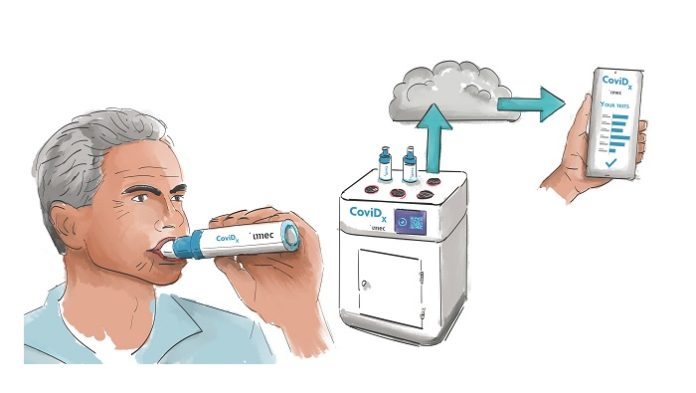
Imec, a world-leading research and innovation hub in nanoelectronics and digital technologies, announced that it has started developing a groundbreaking SARS-CoV-2 test. Unlike current approaches (using blood, saliva, or a nasopharyngeal swab), the new test will identify SARS-CoV-2 virus particles in a person’s exhaled breath. The solution promises the accurate identification of a contagious case in less than five minutes. This will make for faster, easier, more comfortable, and larger-scale testing – an essential requirement for getting a grip on epidemics much sooner while limiting their economic and social impact. Imec is teaming up with the UZ Leuven University Hospital for the solution’s clinical validation. By the summer of 2021, imec intends to test a functional prototype at Brussels Airport.

This year, it has become abundantly clear that viruses are capable of striking hard and turning people’s lives upside down. In order to minimize the effects of epidemics and pandemics on our health, society, and the economy, governments and experts need to be able to swiftly and accurately assess how a virus is spreading. Today’s SARS-CoV-2 diagnostic tools come with quite a few limitations, however.

The most sensitive and reliable tool today is the polymerase chain reaction (PCR) test that aims at detecting the virus’s genetic material in a nasopharyngeal specimen. This tool’s downside is that trained medical personnel must collect the swab, and the process is described by many as highly uncomfortable. Moreover, the test comes with a processing time (in a clinical lab) of about two days.

Another alternative, the rapid antigen test, is less reliable due to its complexity. Lastly, the serological test (which uses a blood sample) is faster and less expensive than a PCR test but only detects whether someone has developed antibodies after the person has been in contact with the virus.

“While each of these tests can provide clues about a current or past infection, none of them can determine to what extent someone can still pass the virus to others. That is why we have started developing a test that indicates, in less than five minutes, whether someone is carrying the SARS-CoV-2 virus and whether they have a high probability of being contagious. To accomplish this, our solution looks for SARS-CoV-2 virus particles in a person’s exhaled breath because research shows that breath particles are the virus’s main transmission method,” says Peter Peumans, CTO of Health Technologies at imec.“Provided positive results in our clinical studies, our tool will make testing for SARS-CoV-2 easier, faster, more comfortable, and possible on a much larger scale. Moreover, we are designing our test to flexibly cope with the rise of other viruses and germs that spread via exhaled particles – such as influenza, RSV, and tuberculosis.”

Peter Piot, director of the London School of Hygiene and Tropical Medicine, confirms this: “It is now clear that the virus is transmitted pre-symptomatically via exhaled particles. SARS-CoV-2 testing via breath sample coupled with an ultrafast molecular analysis would be game-changing since it would allow for the timely detection of individuals who are most likely to transmit the virus. Because a breath sample is much less invasive compared to swabs or saliva, it would also allow for more frequent testing and a faster return to normal.”

Imec’s solution consists of a sample collector and an analysis unit, both of which are being custom developed by imec researchers. Researchers are focusing much of their attention on the sample collector, which will act as the aerosol (and virus particle) collector and support the solution’s high-speed real-time quantitative (RT-q)PCR functionality.

“Merging these tasks using conventional technologies would be extremely hard to do. But thanks to our innovation capability when it comes to using silicon, we have developed a chip that effectively does both. Its silicon microscale PCR cavities make for thousands of impactors that allows us to capture the viral particles, while its powerful RT-qPCR functionality brings down the duration of the PCR effort from 50 to 5 minutes. Importantly as well, the standard silicon technology used to build this chip facilitates mass production at a low cost,” explains Peumans.

“Thanks to a grant of 2 million euro provided by the Flemish government, we are off to a flying start,” says Luc Van den hove, CEO of imec. “After all, the speed with which we will be able to bring this test to the market will greatly depend on the proper financial support. In anticipation of other investors joining this effort, imec has decided to pre-invest the necessary resources as part of our contribution to the global fight against COVID-19.”

“We are happy to be teaming up with imec for this exciting new development,” says professor Katrien Lagrou, head of the molecular diagnostic lab of UZ Leuven. “Not only will we provide extensive clinical support to validate the test, we will also support the development using the PCR diagnostic know-how we built up at UZ Leuven for over 20 years.” The new test could be used very broadly. “Also, for a first SARS-CoV-2 screening of potentially contagious patients or medical staff at hospitals, such a rapid test using exhaled breath will be very valuable,” confirms prof. Lagrou.

Following the development of the underlying technology, experts from the UZ Leuven University Hospital will team up with imec to engage in an extensive clinical study. By the summer of 2021, researchers plan to test a functional prototype at Brussels Airport to ensure that the final solution meets all requirements needed to enable people to travel and meet up again safely and comfortably. “At Brussels Airport, we are convinced that testing is and will be a key element in the recovery of the aviation sector,” says Arnaud Feist, CEO at Brussels Airport Company. “Creating a safe environment for our passengers is our top priority and, in this context, it is imperative for us to rely on rapid and reliable testing”.

DC debuts smartphone-based COVID-19 exposure alert system

DC debuts smartphone-based COVID-19 exposure alert system

The nation’s capital has become one of the first jurisdictions in the country to employ a new COVID-19 notification system, a joint Google-Apple venture that delivers alerts to people’s phones, notifying them that they may have been exposed to the coronavirus.

Mayor Muriel Bowser on Tuesday urged all residents with Apple or Android smartphones to opt in to the new DC COVID Alert Notice system, or DC CAN. Bowser called it “a quick and easy way to know if you might have been exposed to COVID-19. Opting in is one more way you can protect yourself, your friends and family, and our entire community.”

The new Exposure Notification Express model is a major tweak to existing Google-Apple contact tracing software that became available earlier this year. But that tool was not readily embraced by health departments around the country, partially because it required jurisdictions to build and maintain their own apps. The new system claims to be simpler and doesn’t require iPhone users to download an appโ€”although Android users will still have to do so.

Washington, D.C., and the neighboring states of Maryland and Virginia are the first to embrace the ENE notification system. Those who opt in to the program will receive a push notification on their phone if they have been exposed to a positive COVID-19 case. The D.C. Department of Health defines exposure as being within 6 feet (1.8 meters) of an infected person for more than 15 minutes.

The city statement attempts to address privacy concerns by emphasizing that it will not track users’ locations or see their identities. It explains that each person will be assigned a random ID, which will change every 10 to 20 minutes “to help ensure these random IDs can’t be used to identify you or your location.”

Each person’s phone then “periodically checks all the random IDs associated with positive COVID-19 cases against its own list,” the statement says. “If there’s a match, you will receive a COVID-19 exposure notification, with further instructions from D.C. Health on how to keep you and the people around you safe.”

Health Department spokesperson Kimberly Henderson said the DC CAN system will also interact with other COVID-19 tracking apps in Delaware, Nevada, New Jersey, New York, North Carolina, North Dakota, Pennsylvania and Wyoming.

“Users that travel between these regions will receive Exposure Notifications if they come in close contact with another user that has verified a positive test result regardless of the State experience they are using,” Henderson said in an email.

Ezra Receives FDA Clearance for Prostate Cancer Artificial Intelligence

Ezra Receives FDA Clearance for Prostate Cancer Artificial Intelligence

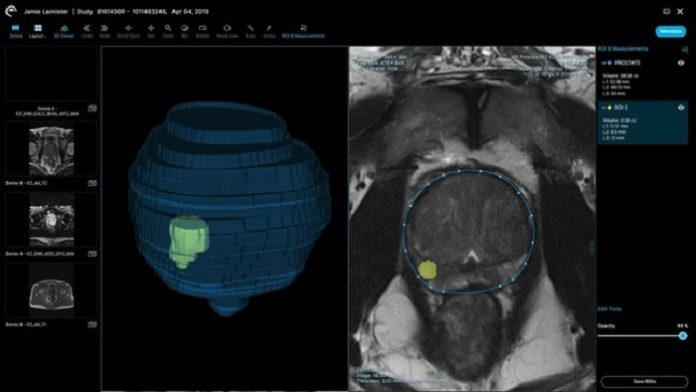
Ezra, the New York-based startup transforming early cancer screening using MRI, announce that it has received FDA 510(k) clearance for its Artificial Intelligence designed to assist radiologists in analyzing and segmenting prostate MRI. Use of the innovative AI technology can help reduce the time and cost of MRI-based prostate cancer screening. It is the first Prostate AI to ever be cleared by the FDA.

As a result of Ezra implementing this new AI technology in its cancer screening service, Ezra is decreasing the price of the Ezra scan by 15%, to $575.

“Over the past two years, our team has worked tirelessly on building Ezra’s Prostate AI, and I’m thrilled to bring it to our imaging partners across the U.S.,” said Emi Gal, CEO and co-founder of Ezra. “We will continue to work towards making the interpretation of prostate MRI scans faster and more affordable, in order to support the millions of men who are at risk of prostate cancer.”

The Ezra AI achieves three important goals:

  • Accurate prostate volume measurements. Accurate prostate volume is critical to screening because the size of the prostate is often an indication of potential disease.
  • Automatic lesion quantification. Under current processes, if a lesion is identified in the prostate, a radiologist has to manually measure the size of the lesion, and grade it using the PI-RADS methodology. The Ezra Prostate AI helps radiologists segment lesions and can display the size of a lesion automatically, saving time, and minimizing patient worry.
  • Automatic 3D volume rendering. Thanks to the Ezra Prostate AI’s segmentation capabilities, radiologists can automatically render 3D volumes of the prostate gland and lesions, which can improve their workflow efficiency.

To integrate the Ezra Prostate AI into radiology workflows, Ezra has also obtained FDA clearance for Plexo, a cloud-based PACS (Picture Archiving and Communications System) that works directly in the browser. This enables radiologists to use the Ezra platform without the need to install any software.

“Ezra is at the forefront of MRI-based cancer screening, and the company’s 510(k) FDA clearance for its Prostate AI is further validation of its innovation capabilities,” said Lawrence Tanenbaum, M.D., FACR, Vice president and CTO, Director of MRI, CT and Advanced Imaging at RadNet.

Ezra launched its MRI-based prostate cancer screening service in January 2019 and rolled out its full-body MRI scan in May 2019. Ezra partners with existing outpatient imaging facilities and all Ezra scans are analyzed by board-certified radiologists. The company’s cancer screening programs are live in New York City, San Francisco, and Los Angeles through its partnership with RadNet, Inc., the nation’s leader in outpatient imaging. In 2019, Ezra helped 4% of its members – all of whom were asymptomatic – detect cancer.

About Ezra

Ezra is a New York-based healthcare technology company utilizing medical imaging and Artificial Intelligence to provide individuals with full-body cancer screening that is fast, accurate, and affordable. By advocating for early cancer detection as part of annual health screenings, Ezra is on a mission to create a new standard of preventative care, providing people with the necessary knowledge to make decisions about their health. The company’s cancer screening services are available in New York, San Francisco, and Los Angeles.

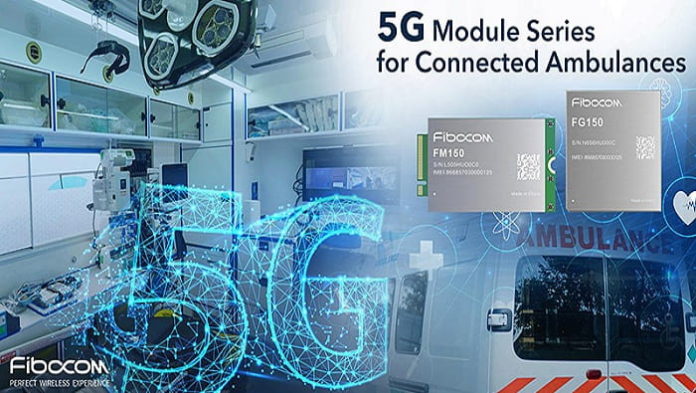
Fibocom 5G Modules Empower Connected Ambulances for Modern Telehealth

 Fibocom 5G Modules Empower Connected Ambulances for Modern Telehealth

With unprecedented demands on emergency services due to COVID-19 pandemic, the need for delivering high quality healthcare is now more critical than ever. In emergency conditions, each and every second is crucial in saving a humanโ€™s life. The success of emergency treatment is greatly influenced by the time, availability and accuracy of contextual information given during emergency call and ambulance transportation. Thereof, the provision of proper and timely treatment at the first scene, and collection of accurate patient vital signs are required to improve the possibility of successful emergency rescue.
What are the issues facing in emergency service delivery?

Ineffective communication is the most common weak link tied to ineffective emergency operations. This will include information passed between patients (or their relatives), ambulances and medical institutions. In reality, information or data given during an emergency call is usually inaccurate or insufficient. And the process of information collection, storage, processing and retrieval, which is conducted during an ambulance transportation, is remaining manual and time consuming. This will lead to a common situation where emergency experts lack patientโ€™s health records and can only base the medical treatment on a series of information collected during transportation or from patient (or his relatives).

Another issue raises in delayed treatment. Nowadays, thousands of lives are being expired before the patient reaches the hospital in ambulances. In rural districts where patients locate distant from hospital, time consuming on long distances driving can be a fatal cause of death; while in crowded urban areas, unpredictable traffic conditions expose a high risk of delay in effective rescue measures.
5G-connected IoT ambulances empower medical emergency system

With the development of the Internet of Things (IoT) technology, many high-tech technologies are gradually introduced into the medical emergency system. Connected ambulances empowered by 5Gโ€™s high band width, low latency, and ultra-reliable connectivity presents tremendous benefits in improving rescue efficiency.

Fibocom 5G connected ambulance use cases

Modern ambulances are equipped with advanced diagnosis and treatment equipment like heart rate sensors, blood pressure testers, ultra-sound scanners, ECG monitors and automatic ventilators. In a connected scenario, connected equipment can monitor a patientโ€™s vitals and symptoms while transmitting in real-time to central hospital database, providing timely and accurate electronic data and report to doctors; and the hospital can also pull up patientโ€™s health records and share with paramedics on ambulances.

5G technology also enable 360 degree 4K/8K video streaming on the ambulances. Emergency experts can obtain a real-time interactive view by using VR headset and gain a better understanding of type and condition of emergency involved in advance. In this way, it avoids the circumstances where wrong treatments are conducted upon inaccurate or insufficient information input.

Video calling between the ambulance and hospital can turn the ambulance into a temporary consultation room. Emergency experts can monitor patientโ€™s condition remotely, diagnose symptoms and prescribe urgent treatment which paramedics can perform on ambulance. On one hand, it saves time by allowing the hospital to do necessary medical preparation before patient reaches; on the other hand, timely implementation of treatment methods will effectively increase the chances of successful rescue.

Smart ambulances are featured with GPS that provides precise positioning that helps emergency center to assign the nearest ambulance for mission, and smart navigation that is able to plan shortest optimal route with least traffic. Furthermore, ambulances can also be connected into cityโ€™s traffic management system. Along their way to the hospital, traffic signals will be operated by using 5G message through cloud, and turn green when ambulances approach. IoT-based traffic control guarantees clearance of paths to hospital and saves time to the utmost extent.

In cases where access to cityโ€™s traffic control system is not supported, or traffic is inevitable, hospital can send out drones to transport necessary medication or equipment to the scene and assist paramedics for further treatment.
Fibocomโ€™s 5G Modules Enable Modern Connected Ambulances

The revolutionary 5G technology creates an innovative new way to connect patient and remote medical experts in real time. It demonstrates new possibilities to modern medical system which 4G technology cannot. Fibocomโ€™s 5G modules support reliable and seamless data, audio and video transmission on medical equipment, cameras, VR/AR headsets, and 5G CPE, making these IoT operations feasible. With super-high transmission rate and ultra-low latency, 5G-enabled equipment can reduce the possibility of misdiagnosis by synchronizing accurate real-time information to hospital. It also moves partial rescue measures forward by allowing emergency experts to instruct treatment from miles away. This would be meaningful, especially in severe and complex emergency cases, as it can shorten rescue time and help ambulance workers to best utilize, as called, โ€œGolden Rescue Hoursโ€.

Fibocom 5G modules for connected ambulance and telehealth

Fibocom FG150 (W)/FM150 (W) 5G modules were launched in 2019 globally. Supporting 5G standalone network (SA) and non-standalone network (NSA) network architectures. It supports the 5G Sub 6 and mmwave bands, and it is also compatible with LTE and WCDMA standards. This eliminates customersโ€™ concern on investment in the initial stages of 5G construction as it helps customers quickly implement 5G applications in different network conditions.

Fibocomโ€™s 5G modules have already been applied in various scenarios like 4K/8K HD live streaming, cloud office, Industrial 4.0, C-V2X, smart grid, smart security and other innovative applications, such as 5G mobile network PC, 5G HD video communication terminals, 5G electric power terminals, 5G connected devices and systems (wireless gateways, routers, CPE, SD-WAN), 5G smart dressing mirrors, 5G drones, 5G robots, 5G AR/VR, 5G cloud gaming terminals, 5G HD digital signage, and more.

What You Should Know About Podiatry

What You Should Know About Podiatry

The feet carry the weight of our entire body and endure so much pressure on a daily basis. Each foot has 26 bones, 30 joints, and over 100 muscles, ligaments, and tendons, and if the constant pressure on the feet harms any one of these, it can disrupt the personโ€™s mobility and balance. That is why it makes sense for there to be a specialized branch of medicine dedicated to the treatment of disorders that affect our feet. This branch of medicine is called podiatry. Here is everything you need to know about this particular medical field and the professionals who practice it.

Understanding Podiatry

Anything to do with your feetโ€™s health, from the ankles to the toes, can be listed under the field of podiatry. Those practicing podiatry, i.e., Podiatrists, study this medical field to help people with problems or injuries in the feet region. Podiatrists do not necessarily go to traditional medical schools; they typically go to specialized medical schools that only focus on this specific major, and they can perform surgeries like any other doctor. Not only are they trained to diagnose and treat different ailments of the lower limbs, but they also prevent and correct foot deformity, treat infections, relieve pain, and keep patients mobile and active.

Reasons to Visit a Podiatrist

Podiatrists treat complications and injuries found in the lower region of the foot, including the ankle and toes. As seen on alignfootankle.com, one should visit a podiatrist if they feel pain in this region or have a chronic condition that prevents normal mobility. A specialized doctor will quickly diagnose your condition, and help restore your mobility, relieving any feeling of discomfort or pain. If you have any issues with your toenails, skin cracks on the soles, or general pain in this area, you must see a podiatrist.

Common Podiatric Conditions

Because our feet endure so much pressure throughout our lives, they can develop certain conditions that make mobility so much harder if not treated quickly and effectively. Some of these conditions include fractures and sprains, which can be too painful if the person does not get the right treatment and rehabilitation for the muscles and ligaments. People with diabetes also tend to have a lot of podiatric issues, including toenail disorders and infections. Heel pains and arthritis are also among the common conditions podiatrists see regularly that need quick intervention to relieve the pain.

If your feet are hurting, it can disrupt your everyday life, both at work and at home, as your mobility could be badly affected. It is essential that you see a podiatrist immediately once you start developing any kind of foot condition, whether itโ€™s due to a chronic illness like diabetes or for no apparent reason. These specialized professionals can help restore your mobility back to normal and eliminate the pain in your feet. Make sure you do your research before visiting any podiatry clinic to receive the best treatment and relief for your hard-working feet and prevent the condition from escalating.

MEDICAL FESTIVAL ASIA: New all-encompassing ecosystem comprising events for the region’s medical and healthcare sector

MEDICAL FESTIVAL ASIA: New all-encompassing ecosystem comprising events for the region's medical and healthcare sector

Medical Festival Asia, a 10-day online event for the medical and healthcare sector will take place from the 9 to 18 December 2020. The Festival will include four pillar components, a trade marketplace with an online exhibition โ€“ MEDICAL FAIR ASIA 2020 Digital Edition, thought-leadership conferences, an awards ceremony recognising the best healthcare companies, and knowledge-sharing seminars and technical presentations.

To be held biennially, Medical Festival Asia is a concept by Messe Dรผsseldorf Asia and GlobalHealth Asia-Pacific (GHAPAC), and will serve the regionโ€™s industry and medical professionals, medical and healthcare establishments, care services, academia and education, and other auxiliary services in providing a stimulating platform for the industry to connect and conduct business, and share best practices.

For Messe Dรผsseldorf Asia, organiser of MEDICAL FAIR ASIA, which recently announced its move to a digital edition for 2020, the all- encompassing concept of a festival has been an idea a long time in the making. The launch of Medical Festival Asia as a one-stop platform offering a multitude of activities represents a tailored approach in expanding the profile of the exhibition beyond a sourcing platform

Ms Daphne Yeo, Senior Project Manager for MEDICAL FAIR ASIA, Messe Dรผsseldorf Asia, said: โ€œThe trade fair component represents our international expertise in organising exhibitions under the global network of MEDICAlliance1 while Medical Festival Asia communicates the leading role of our trade fair portfolio and 23-year history, in creating a marketplace spanning end-to-end of the healthcare and medical ecosystem in this region.โ€

For GHAPAC, a leading healthcare and medical tourism platform, Medical Festival Asia paves the way for more global and cross-industry collaborations, which will in turn grow the stature of healthcare providers across the region. On co-creating a festival-like event for the B2B landscape, Varun Panjwani, Chief Executive Officer, GHAPAC, said: โ€œThe Asia-Pacific region has seen an increase in demand for healthcare services, with the population and economic dynamics spurring incredible levels of activity. Medical Festival Asia will support the ecosystem growth and bring the industry together under one- roof.โ€

Commenting on the collaboration, Andrew Phua, Executive Director, Exhibitions and Conferences, Singapore Tourism Board, said: MEDICAL FAIR ASIA is a key highlight in Singaporeโ€™s business events calendar. As our MICE industry weathers current challenges, Messe Dรผsseldorf Asia and GHAPACโ€™s initiative to launch an umbrella event such as Medical Festival Asia demonstrates both innovation and adaptability. As a preferred destination for MICE events, Singapore remains focused on helping the MICE sector innovate and meet evolving customer needs so as to emerge stronger from COVID-19. We look forward to supporting Medical Festival Asia, and are confident that the event will be a success.โ€

The four key pillars of Medical Festival Asia:

  • Trade marketplace

MEDICAL FAIR ASIA 2020 Digital Edition will present some 300 exhibitors showcasing products, services and innovation for the medical and healthcare industry, focusing on Hospital, Diagnostic, Pharmaceutical, Medical & Rehabilitation Equipment & Supplies.

  • Thought-leadership

This pillar comprises a multi-track conference – GlobalHealth Asia- Pacific Healthcare and Medical Tourism Summit โ€“ gathering industry leaders and senior management personnel for discussions on thought-leading topics such as Business of Healthcare, Digital Transformation & Healthcare Innovation and Private Equity & Start-Up Disruption.

With over 50+ speakers and leading delegates, the insights will set directions and action plans for the coming year. Select speakers include:

  • Mr Alex Boulden, Partner at Bain & Company
  • Dr Timothy Low, Board of Directors, Farrer Park Hospital
  • Dr Ravi Bickram Shrestha, General Manager & Senior Director at Global Healthcare IT at Canon Medical Systems Corporation
  • Dr Prem Pillay, Director of Spine and Pain Services at Neuro Spine and Pain Centre
  • Michael Lints, Partner at Golden Gate Ventures
  • Individuals from Joint Commission International, leading epidemiologists, and many
  • Healthcare Awards

The GlobalHealth Asia-Pacific Speciality Awards will focus on recognising leading Healthcare Clinics and Medical Centres, along with Medical Aesthetic and Wellness providers.

The prestigious awards evening shall honour individuals that have received votes from consumers and deliberated by our esteemed jury members.

Selected jury members on GlobalHealth Asia-Pacificโ€™s panel include:

  • Dr Timothy Low, Board of Directors, Farrer Park Hospital
  • Datuk Dr Kuljit Singh, President, Association of Private Hospitals Malaysia
  • Mr Arifin Ng, Sr. Vice President at Singapore Medical Group and Managing Director at Lifescan Imaging & Lifescan Medical Centre
  • Ms Elayne Soh, CEO at Beyond Medical Group, Singapore, and more.
  • Knowledge-exchange

A series of interdisciplinary seminars and technical presentations held alongside the exhibition will present industry trends and best practices spanning the end-to-end of the healthcare and medical ecosystem. These include:

  • Virtual WT | Wearable Technologies Conference 2020 Asia
  • Exhibitor Technical Presentations
  • START-UP PODIUMยฎ – a series of fireside chats and panel discussions with topics such as Improvising Healthcare during and after the Pandemic, Opportunities in Augmented Reality & Virtual Reality, and more.

For more information on Medical Festival Asia, go to www.medicalfestivalasia.com

1 A global network of medical trade fairs that share the expertise of No.1 exhibitions in their sectors

  • MEDICA, REHACARE and COMPAMED organised by the Messe Dรผsseldorf group in Germany.

About GlobalHealth Asia-Pacific (GHAPAC)

Founded in 2010, Global Health Asia-Pacific quickly became the leading healthcare and medical tourism platform in the region by providing compelling content as well as thought leadership on the healthcare industry.

The crown jewel of the firm is its flagship medical publication, available in-flight and at lounges across the main regional airlines and airport lounges, offering an essential selection of medical news and a forum for commentary, which today has been extended to carrier e-libraries (made available domestically) and the firmโ€™s own digital and social media platforms.

Tapping into its understanding of the industry, the firm is also the organiser of the Global Health Asia-Pacific Awards and Conference โ€” Asiaโ€™s leading healthcare events and awards platform fostering cross-border collaboration.

For more information, visit https://www.globalhealthandtravel.com/

The Endocannabinoid System, Unlocked

The Endocannabinoid System, Unlocked

A major failing of the discourse surrounding cannabis (and other drugs, for that matter) is the lack of understanding of how the drug affects the human body and mind โ€” not in listing the drugโ€™s effects, but in the mechanisms through which the drug produces its effects. How can we say definitively that cannabis is safe or dangerous if we donโ€™t know precisely what the drug is doing after it reaches the blood stream?

Fortunately, we know more about how cannabis acts on the human body than ever before, and thanks to increased funding as a result of legalization efforts, we are discovering more about cannabisโ€™s short- and long-term effects than ever before. Hereโ€™s an explanation of the main system associated with cannabis use, the endogenous cannabinoid system (ECS), to include what it does and how cannabis affects it.

One of the Oldest Animal Systems

Despite only being discovered by researchers in the early 1990s, the endocannabinoid system seems to have been present in the earliest of our animal ancestors. The evidence for this is that all animals โ€” both vertebrates like mammals, birds, reptiles and fish as well as invertebrates like leeches, mussels, nematodes and more โ€” have endocannabinoid systems within them.

This is because the ECS isnโ€™t only used to receive cannabinoids. The first animal lifeform on Earth was not rolling and lighting marijuana joints. Rather, the ubiquitous presence of the ECS in the animal kingdom demonstrates that it has a critical function in maintaining animal life, and cannabinoids seem to interact or interfere with that function in interesting (and fun) ways.

One of the Most Critical Systems in the Body

In truth, more research is warranted to better understand every responsibility of the ECS, but the most substantial goal of the system is to ensure homeostasis. The human body is subject to a constantly shifting environment โ€” just outside the skin, the world is changing temperature, light and humidity; there are evolving threats to safety, like animal predators and varied terrain; there is irregular access to food and water.ย  However, inside the skin, human organs and cells can only operate in a strict set of conditions. For example, if internal body temperature strays too far from 98.6 degrees Fahrenheit for too long, systems start shutting down and the person is likely to perish. Thus, the body must maintain internal balance despite the ever-changing environment โ€” and this is homeostasis.

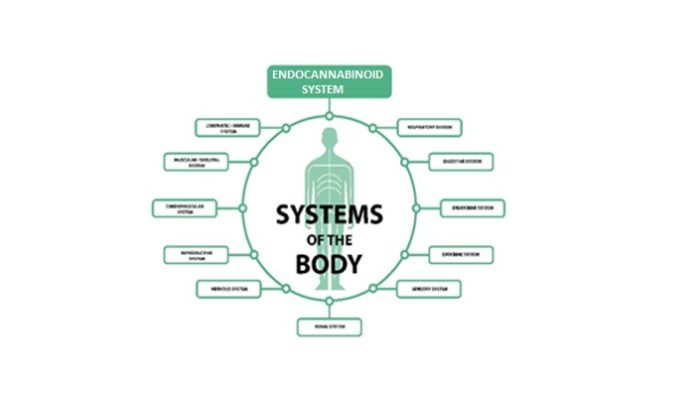
To monitor and manage homeostasis, the ECS is connected to almost every other system within the body, to include the nervous system, the digestive system, the reproductive system, the immune system and more. People can thank their ECS for creating long-term memories, feeling sleepy, enjoying exercise, deploying immune responses and more โ€” though the ECS is also responsible for the experience of pain, hunger and stress.

The ECS utilizes compounds that it creates, called endocannabinoids, to send messages to these systems to encourage important changes for health and wellness, and the ECS can also produce and engage with neurotransmitters, which communicate messages to and from the brain. Both endocannabinoids and neurotransmitters connect with the ECS through two different kinds of receptors, called CB1 and CB2, which are located in various places around the human body.

One of the Easiest Systems to Manipulate

Endocannabinoid receptors are also where cannabis inspires its effects โ€” and they are also where rages the main debate of THC vs. CBD. Tetrahydrocannabinol (THC) and cannabidiol (CBD) are the two most plentiful cannabinoids, or unique compounds, within psychoactive cannabis strains. Not long ago, researchers believed that THC binds primarily to CB1 receptors in the brain and digestive system whereas CBD binds to CB2 receptors in the muscles. Unfortunately, it isnโ€™t that easy.

Indeed, once THC enters the bloodstream, it does bind with CB1 receptors. THC looks remarkably similar to an endocannabinoid produced by the ECS, called anandamide, and thus THC can easily bind to receptors and generate effects. The main difference between THC and anandamide is that there is much, much more THC in a marijuana userโ€™s system than there ever is of any endocannabinoid. As a result, THC causes the ECS to malfunction, causing the body to deviate from homeostasis in specific ways. For example, a loss of memory is commonly associated with high-THC strains, as is a stimulated appetite. If the ECS is too overwhelmed by THC, a user might begin to experience negative effects, like a racing heart, low blood pressure and panic.

In contrast, it seems that CBD doesnโ€™t bind to ECS receptors at all. In truth, researchers arenโ€™t confident they fully understand what CBD does once it enters the bloodstream, but many anecdotal effects of the compound, like pain relief and muscle relaxation, have been shown to be verifiable in several studies. Today, most researchers believe that CBD acts like a neurotransmitter, encouraging the ECS to release certain endocannabinoids and more adeptly manage homeostasis.

Again, more research is needed to fully understand how the ECS works and why cannabis has its effects. Fortunately, as the cannabis industry grows, more funding will be available for such study โ€” and we could soon unlock further insights into the ECS.

Will Getting Surgery Increase an Injury Settlement?

Will Getting Surgery Increase an Injury Settlement?

One of the more common questions that people have regarding compensation claims is the question of whether or not surgery will increase an injury settlement. A good case for this is one where a patient has suffered injuries that resulted from negligence by a medical professional. When a patient is in pain, they are typically unable to work, which means that they will miss out on income and that is certainly going to make it more difficult for them to pay for any other financial matters.

Although a substantial legal settlement can be very motivating, there are some cases where having surgical intervention is not advisable. Lawyers Hipskind and Mcaninch can offer expert legal advice regarding your proposed injury settlement.

Seek Further Legal Advice Before Agreeing to an Injury Settlement

This is why you should seek a medical expert’s advice on whether or not your surgical intervention is worth going through, regardless of the settlement financial consequences to your personal injury. The medical profession might not recommend a lot of invasive procedures for patients who have no previous, serious health problems. It is only when they are advised that a surgery is required that doctors would normally recommend it.

Some patients find that going through a surgery is worthwhile and they end up getting the surgery that they really want. However, there are a number of factors that doctors look at to ensure that a patient will benefit from a particular surgery.

Benefits and Types of Surgical Intervention

First of all, you need to know what the benefits of having a surgical intervention are. If your back pain is due to a muscle tear and not a broken bone, then the amount of money that you will receive for your injury claim will be less. You can get this figure by multiplying your expected recovery time by the amount of time you have spent out of work.

Another factor that doctors will consider is the length of time that you have been out of work. When you were hurt, you were probably looking forward to the end of your back pain.

Type of Surgery is a Factor

The type of surgery that you have is also going to play a role in the amount of money that you get back. Some surgeries are not worth it, as there is often little or no recovery time after the operation. For example, breast implants are often considered a risky surgery for a number of reasons.

You generally will want to be able to return to work fairly quickly after surgery..

Some people choose to take part in physical therapy after their surgery. Although this is an option, it should not be a major one. The reason for this is that physical therapy is not going to do much to improve the range of motion in some specific muscle areas.

Final Thoughts

After the surgery, you may have some pain, but there are many things that you can do to reduce it. You can use ice packs or rest. Your doctor can tell you if you need to avoid lifting heavy objects and certain activities, such as jogging.

LabCorp Transforms the Clinical Trial Experience And Streamlines the Drug Development Process

Why Telemedicine is Needed Now, More Than Ever

LabCorp, a leading global life sciences company that is focused on advancing health and guiding patient care decisions, announced new capabilities that will transform the clinical trial experience with the goal of streamlining the drug development process. This transformation will enable LabCorpโ€™s drug development business, Covance, a global leader in decentralized clinical trials (DCTs), to quickly and efficiently connect patients to clinical trials, which will allow for better access to potential drugs, vaccines, and medical devices. Additionally, the seamless, tech-enabled, patient-centric capabilities will provide a better clinical trial experience for patients, and biopharmaceutical and medical device customers.

LabCorp now offers a comprehensive and fully-integrated patient, site, and customer experience for DCTs. This technology platform will deliver dramatic reductions in patient and study site administrative tasks, improve trial resiliency, and maintain study continuity through the use of the companyโ€™s data, technology, and direct-to-patient outreach capabilities. These results are made possible through the recent acquisitions of GlobalCare, a global mobile nursing and ambulant care organization that provides services in more than 65 countries, and snapIoT, a global medical technology company that provides a digitized clinical platform (mClinical) that supports remote participation in clinical trials.

โ€œBy deploying protocol-specific, tech-enabled solutions, we are providing patient-centric trial experiences,โ€ said Dr. Paul Kirchgraber, CEO, LabCorpโ€™s drug development business, Covance. โ€œIn addition to reducing the burden on patients, our approach improves data quality and provides operational efficiencies that will benefit our biopharmaceutical and medical device customers.โ€

The companyโ€™s innovative digitized clinical trials solution provides data interoperability across the trial delivery continuum and optimizes the site workflow by reducing the number of disparate tools and platforms used during clinical trials to one integrated solution. This solution could include functions such as eConsent, ePRO, and eCOA; telehealth and connected devices to improve data collection; and digitization of mobile nursing visits and sample collections to accelerate benefits of DCT, namely faster enrollment, easier engagement, more efficient studies, and quicker data locks.

A hallmark of this new approach is that LabCorp can now speed up trial design and implementation while de-risking the execution process by providing complete, integrated solutions from a single partner. LabCorpโ€™s services include improved trial design that takes into account its Voice of the Patient and direct-to-patient recruitment strategies; virtual offerings, such as telemedicine to enable more efficient doctor-patient interactions; access to LabCorpโ€™s approximately 2,000 patient service centers; mobile phlebotomy and nursing services; and other clinical trial services the company offers. All of these services and technologies are supported by a high-touch patient contact center and can be delivered by one provider, LabCorp and its drug development business, Covance.

โ€œAs a result of our leading and comprehensive decentralized clinical trial capabilities, we are evaluating all clinical study opportunities for enhancement with our transformative solutions,โ€ said Dr. Kirchgraber. โ€œWe anticipate that by the end of 2021, the majority of our new studies will include a decentralized component.โ€

About LabCorp

LabCorp, an S&P 500 company, is a leading global life sciences company that is deeply integrated in guiding patient care, providing comprehensive clinical laboratory and end-to-end drug development services. With a mission to improve health and improve lives, LabCorp delivers world-class diagnostics solutions, brings innovative medicines to patients faster, and uses technology to improve the delivery of care. LabCorp reported revenue of more than $11.5 billion in 2019.

Stryker Launches Industry’s First Completely Wireless Hospital Bed

Stryker Launches Industry's First Completely Wireless Hospital Bed

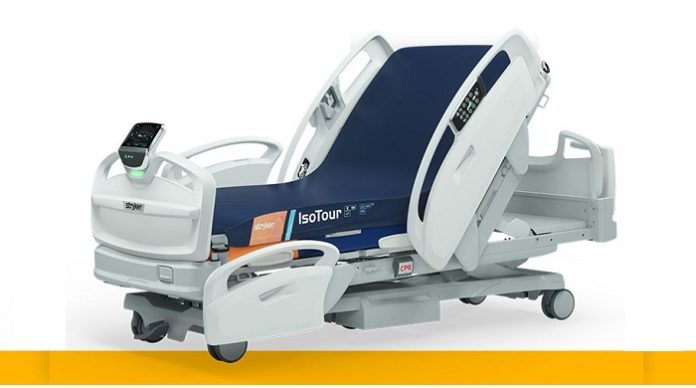
Stryker, one of the world’s leading medical technology companies, announced the global launch of the industryโ€™s first and only completely wireless hospital bed, ProCuityโ„ข. This intelligent bed was designed to help reduce in-hospital patient falls at all acuity levels, improve nurse workflow efficiencies and safety, as well as help lower hospital costs. It is the only bed on the market today that can connect seamlessly to nurse call systems without the use of cables or wires.

โ€œPatient safety is at the foundation of everything we do at Stryker. With rising acuity rates leading to increased bed demand, coupled with the continuing challenge of in-hospital falls, we needed to find a solution to further enhance our response to some of todayโ€™s most pressing healthcare challenges,โ€ said Jessica Mathieson, VP/GM of Acute Care, Stryker. โ€œLeveraging our long history in innovation, ProCuity is the culmination of years of extensive research and feedback from nurses and other healthcare professionals to create what is truly a โ€˜brilliance in a bedโ€™ solution. It was designed to improve patient outcomes and assist caregivers for years to come.โ€

Research shows that between 700,000 and 1 million patients experience a fall while being treated in the hospital annually1, with 79 percent of falls occurring on or near a bed while unassisted2. Strykerโ€™s own research found that 97 percent of hospital nurses reported having encountered a situation where a patient has had difficulty getting out of a hospital bed, with 75 percent reporting they have encountered a situation where a patient has hurt him or herself while getting out of a hospital bed3. Anywhere from 30 to 51 percent of in-hospital falls result in injuries4.

Set at an industry low height of 11.5 inches*, ProCuity is ergonomically designed with the latest technologies to promote safe patient handling and help reduce fall-related injuries, including intuitive patient positioning and bed alarms as well as ergonomic side rails. Helping to address nurse call cable connectivity issues prevalent in hospitals today, ProCuity can be equipped with fully wireless features. Additionally, the bedโ€™s easy-to-use touchscreens and other key components makes the job of caregivers easier and more efficient, while providing for a more enhanced patient experience.

Specific key features of ProCuity include:

Completely Wireless:
Ergonomic Side Rails:
Intuitive Patient and Bed Monitoring Systems:
Zoom Motorized Drive:
Enhanced Patient Experience:
Standard, Customizable Platform:
Guarantee Program:

About Stryker

Stryker is one of the worldโ€™s leading medical technology companies and, together with its customers, is driven to make healthcare better. The company offers innovative products and services in Orthopaedics, Medical and Surgical, and Neurotechnology and Spine that help improve patient and hospital outcomes.

Translate ยป