











Close
Digital Health & Ai Innovation summit 2026
Medical Taiwan 2026

LabCorp Launches Quantitative Antibody Test to Assess Effectiveness of COVID-19 Vaccines in Clinical Trials

LabCorp Will Perform Antibody Test at No Charge to Accelerate COVID-19 Blood Plasma Donation

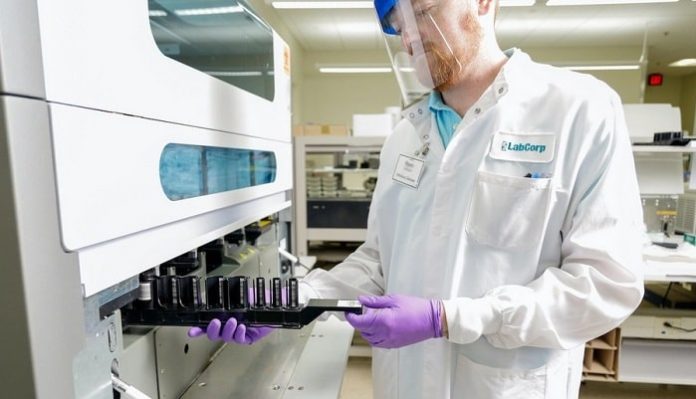
LabCorp , a leading global life sciences company that is focused on advancing health and guiding patient care, announced a test that provides a quantitative measurement of an individual’s SARS-CoV-2 IgG antibodies. LabCorp’s Cov2Quant™ IgG test, which is available only for use in clinical trials and research, was developed to specifically detect and quantify antibodies to SARS-CoV-2, the virus that causes COVID-19. The level of antibodies is an important indicator of the strength of a person’s immune response, which can help determine the effectiveness of vaccines and therapies. Other COVID-19 antibody tests available in the market are qualitative and detect the presence of antibodies, but do not provide information on the individual’s antibody levels.

Pharmaceutical companies will be able to use the test to help evaluate the performance of vaccine candidates in clinical trials. While the level of antibodies needed to be considered immune to SARS-CoV-2 is yet to be determined, ongoing vaccine trials and research should help answer this question. The test is also currently being utilized by the Centers for Disease Control and Prevention (CDC) for SARS-CoV-2 seroprevalence studies to understand the level of antibodies produced through natural exposure and infection with the virus.

“Medical science and technology are the best ways to mitigate COVID-19, and our development of this quantitative assay is an important step in helping to bring effective treatments and vaccines to patients,” said Dr. Paul Kirchgraber, CEO of LabCorp’s drug development business unit, Covance. “LabCorp’s quantitative antibody test represents a significant advancement by giving scientists and researchers a more precise, detailed picture of the level of immune response. This will aid the scientific community as it works to characterize the immune response to SARS-CoV-2.”

The Cov2Quant IgG test is a continuation of LabCorp’s innovations and commitment to help physicians, health systems and patients manage the pandemic. Others include: the first commercially available COVID-19 RT-PCR test (March 5); first FDA Emergency Use Authorization (EUA) for at-home collection (April 20); first online consumer-initiated antibody testing (May 5); first digital service for physician-initiated patient collection (LabCorp At Home, July 7); first FDA EUA for asymptomatic testing and matrixed pool testing (July 24); first combined test for multiple respiratory infections including COVID-19 and flu (September 8); and first FDA EUA for a heat extraction method that improves test efficiency and throughput and for the use of matrixed pooling on samples collected by individuals outside of a healthcare setting (October 2).

LabCorp has performed more than 17 million molecular tests since first making the COVID-19 test available in March and is now able to process 210,000 tests per day, with plans to increase capacity further. The company also has performed 3 million COVID-19 antibody tests with the capacity to perform 300,000 per day.

About LabCorp

LabCorp , an S&P 500 company, is a leading global life sciences company that is deeply integrated in guiding patient care, providing comprehensive clinical laboratory and end-to-end drug development services. With a mission to improve health and improve lives, LabCorp delivers world-class diagnostics solutions, brings innovative medicines to patients faster, and uses technology to improve the delivery of care. LabCorp reported revenue of more than $11.5 billion in 2019.


Olympus to Support Endoscopic AI Diagnosis Education for Doctors in India and to Launch AI Diagnostic Support Application

Olympus to Support Endoscopic AI Diagnosis Education for Doctors in India and to Launch AI Diagnostic Support Application

Olympus Corporation took part in a ground-breaking project as a business promoter, in cooperation with the Ministry of Internal Affairs and Communications (MIC), entitled, “Survey Study for International Expansion of AI Diagnosis Support System Using Ultra-High Magnifying Endoscopes in India.” The project aims to develop advanced endoscopy diagnostics in India, where there are relatively few endoscopists.

In collaboration with CYBERNET SYSTEMS CO,. LTD., Olympus has established an AI diagnostic support system at a major medical institution, the Asian Institute of Gastroenterology (AIG) based in Hyderabad, India. Specialist lecturers and physicians from Showa University Northern Yokohama Hospital provided expert guidance to AIG doctors. In addition to training AIG doctors in techniques for detecting diseases and differential diagnosis by colonoscope, they also trained the doctors on how to instruct the next generation of endoscopists.

The project started on October 12. At the kick-off meeting, Satoshi Hemmi, Deputy Director-General of the Information and Communications Bureau, the Ministry of Internal Affairs and Communications commented, “We hope to contribute to the spread of AI endoscopy systems and the development of medical care in India through training future leaders in AI endoscopy systems in India. We also hope that the cooperation between India and Japan in the field of healthcare ICT will continue to develop.”

In addition to the ultra-magnifying scope Endocyto(*1) released last year, Olympus will release endoscopic diagnostic support software equipped with AI in India from December. The endoscopic diagnostic support software EndoBRAIN(*2) and EndoBRAIN-EYE(*3) will be utilized for physician training in India. Olympus intends to assist in the development of physicians and promote the use of endoscopic diagnostics.

(*1) An endoscope that enables observation at the cellular level in real time with up to 520 times optical magnification.
(*2) AI real-time in-vivo analysis of colon lesions taken with ultra-high magnifying endoscopes, numerically indicating the possibility of neoplastic and non-neoplastic polyps to assist physicians in the differentiation and detection of polyps through figures.
(*3) AI endoscopic diagnostic imaging support software that assists physicians in diagnosing lesions by alerting if a polyp or other lesion is detected using regular colonoscope images.

Background of Olympus’ Participation

In India, the rate of cancer morbidity is expected to increase as the economy grows. On the other hand, there is a severe shortage of doctors who can conduct precision diagnostics with endoscopes, which are essential for early detection and treatment of cancer. Olympus participated in this project to support trained AIG specialists to train doctors in India and neighboring countries and to contribute to the popularization and development of endoscope diagnostics using the latest AI technology.

Ministry of Internal Affairs and Communications Project

– Purpose:
The MIC aims to realize the sustainable development goal and SDG pledges to ensure “no one will be left behind.” To this end, the MIC aims to realize a model that contributes to SDG through digitization and to disseminate and promote an SDG + ICT model domestically and overseas between both public and private sectors. This project aims to contribute to the introduction and dissemination of Japan’s endoscopic AI diagnostic support system to India and neighboring countries in response to the social issue of increasing cancer prevalence in India.

– Projects:
1) Survey on the Current Status of Policies in the Medical Health Sector in India and the Current Status of the Introduction of Medical ICT in India:
Collecting information from major medical institutions and external research institutions and investigating the spread of medical systems, including endoscopic systems.

2) Verification through proof-of-concept tests in India:
Physicians from the Showa University Northern Yokohama Hospital will train AIG physicians, from the detection of disease utilizing a colonoscope to discriminatory diagnosis, and train them as lecturers to train instructors. MIC provided equipment and training courses.

Memorial Hospital Selects Omnicell Central Pharmacy Dispensing Service to Enhance Medication Safety and Dispensing Efficiency

Omnicell, Inc. , a leading provider of medication management solutions and adherence tools for health systems and pharmacies, announced that Memorial Hospital at Gulfport, a Mississippi-based, not-for-profit hospital, has chosen the Company’s Central Pharmacy Dispensing Service, part of the industry-leading medication management platform, to support their pharmacy operations.

Studies have shown dispensing error rates of 0.5 percent annually – or 25,000 dispensing errors for five million annual dispenses.1 This is often the result of manual, inefficient workflows and disconnected systems that leave gaps for mistakes to occur.

Memorial Hospital at Gulfport will be expanding their Omnicell platform through the Central Pharmacy Dispensing Service, which includes Omnicell’s XR2 robotic pharmacy dispensing technology, designed to help eliminate errors during medication dispensing and improve inventory control. XR2 supports both cartless and cartfill distribution strategies through unit dose and multi-dose dispensing capabilities, and supports a complete, seamless, uninterrupted refill process in the central pharmacy. This technology-enabled service is complemented by operational staff, maintenance, and optimization support services to help Memorial Hospital at Gulfport achieve improved patient and business outcomes.

“We chose Omnicell to support expansion of our cartfill distribution model because we’re confident their solution can provide the detail-oriented functionality we need today, but also has the adaptability to grow with our pharmacy,” said Shaun Chastka, RPh, MBA, director of inpatient pharmacy services at Memorial Hospital at Gulfport.

Memorial Hospital at Gulfport is keenly focused on delivering outstanding patient care, and was the recipient Healthgrades 2019 Outstanding Patient Experience Award. Leveraging central pharmacy technology will free clinicians for more patient-focused activities while transforming the Central Pharmacy into a smart, efficient, and accurate hub of care.

“Central pharmacy dispensing automation will allow our pharmacy staff to focus on our patients rather than get slowed down by administrative tasks,” said Jennifer Dumal, RN, BSN, MPH, Chief Operating Officer-Clinical/Chief Nursing Officer of Memorial Hospital at Gulfport.

“Cutting down on dispensing errors is a challenge for many hospitals, which is why technology-enabled services are critical for today’s health system pharmacy,” said Scott Seidelmann, executive vice president and chief commercial officer at Omnicell. “Omnicell’s XR2 robot, as part of our larger Central Pharmacy Dispensing Service, equips Pharmacy to increase efficiency, safety and visibility while also cutting down on the risk of error.”

1 Poon EG, Cina JL, Churchill W, et al. Medication dispensing errors and potential adverse drug events before and after implementing bar code technology in the pharmacy. Ann Intern Med. 2006;145:426-434.

About Memorial Hospital at Gulfport

Memorial Hospital at Gulfport is a not-for-profit medical complex in Gulfport, Mississippi, jointly owned by the City of Gulfport and Harrison County. Memorial’s mission is Building a Healthier Community. It’s one of the most comprehensive healthcare systems in the state, licensed for 328 beds, including a state-designated Level II Trauma Center, three nursing centers, four outpatient surgery centers, satellite outpatient diagnostic and rehabilitation centers, and more than 100 Memorial Physician Clinics.


HP Launches Patient-First Print Technologies to Help Healthcare Workers Stay Safe and Spend More Time Caring for Patients

HP Launches Patient-First Print Technologies to Help Healthcare Workers Stay Safe and Spend More Time Caring for Patients

HP Inc. officially launched new print solutions for the healthcare industry. Based on deep customer insights and co-developed with healthcare providers, associations and partners, HP Healthcare Print Solutions address the most pressing issues facing the healthcare industry today including patient wellness and safety, care coordination, mobility, privacy and security.

“As our healthcare systems continue to battle the ongoing COVID-19 crisis and brace for a second wave colliding with the flu this fall, the issues of patient safety and clinician burnout have intensified,” said Daniel Colling, RN, Global Head Healthcare Industry Solutions & Practice, HP Inc. “With this new portfolio we are reinventing healthcare technology to put the doctor, clinician and patient needs before anything else.”

Reducing the Risk of Virus Transmission and Healthcare Associated Infections
HP’s new Healthcare Edition MFP keyboards and touch-enabled control panels are designed to be disinfected regularly, withstanding up to 10,000X industry-standard germicidal wipes, helping to reduce the risk of health-care associated infections (HAIs) and viral pathogen transmission1,2. HP has further enhanced the disinfection capabilities of high-touch areas of the printer with removable covers/drapes that can be sterilized daily in an autoclave up to 134 ºC. HP is also collaborating with Clorox Healthcare to offer a guide detailing infection prevention best practices and other educational tools.

In order to enhance support of infection prevention policies, HP has also broadened disinfection capabilities of HP Personal System devices to include HP Engage Go3 and HP Elite products such as HP EliteDesks, HP EliteOne (display panel only) 4, ZBook Mobile Workstations and Z Series Desktop Workstations, HP Elite and Z Displays (Z, S, E and P series, Display Panel Only)4,5 and HP Education Notebooks (keyboards only).6

  • The U.S. Centers for Disease Control (CDC) estimates that healthcare-associated infections (HAIs) are responsible for 1.7 million infections and 99,000 associated deaths each year.
  • Infections and viruses add further strains to healthcare organizations’ ability to provide safe, quality care to patients. Influenza alone accounts for an US$11B economic annual burden.7
  • Studies show commonly used technologies, like printers and mobile devices, are often highly contaminated with pathogenic bacteria and viral pathogens. 8,9,10,11
  • Most IT and IoT devices were not designed to be regularly cleaned by hospital-grade disinfectant wipes. Repeated use has shown to damage the integrity of the plastic and, ultimately, the device itself.

Minimizing Contact with Common Points of Transmission

HP’s unique global Managed Print Services (MPS) program with Zebra Technologies provides the HP Advance mobile app on Zebra’s TC52-HC handheld touch computer to enable care providers to minimize contact with common points of infection transmission at the point of care. Providers can walk up to any HP Healthcare Edition MFP, authenticate with the TC52-HC mobile computer and release critical patient documents without having to touch the device.

Reducing the Risk of Electromagnetic Interference (EMI)
Patient and clinical worker mobile and IoT devices add to a very congested radio spectrum that can interfere via electromagnetic interference (EMI) with life-saving medical devices. The new HP Health Solutions portfolio of IoT hand-held devices and IoT print devices are EN/IEC 60601-1-2 certified for EMI safety.12 The EN/IEC 60601-1-2 certification ensures these devices can be used within the patient sphere and shared patient areas without risk of EMI to sensitive patients and surrounding medical equipment.

Helping Ensure Positive Patient ID
Patient identification errors are common and can lead to serious reportable events that harm not only the patient’s health, but also the clinical standing of the healthcare facility where such an error occurred.13 Together, HP and Zebra solutions empower clinicians to better manage positive patient identification through integrated color patient ID wristbands, trackable specimen labels printed on-demand with Radio Frequency Identification (RFID) location services and point of care identification solutions for patients.

About HP Inc.
HP Inc. creates technology that makes life better for everyone, everywhere. Through our product and service portfolio of personal systems, printers and 3D printing solutions, we engineer experiences that amaze.

Astrotech Subsidiary and Cleveland Clinic Partner to Develop a Rapid COVID-19 Breath Test

Astrotech Subsidiary and Cleveland Clinic Partner to Develop a Rapid COVID-19 Breath Test

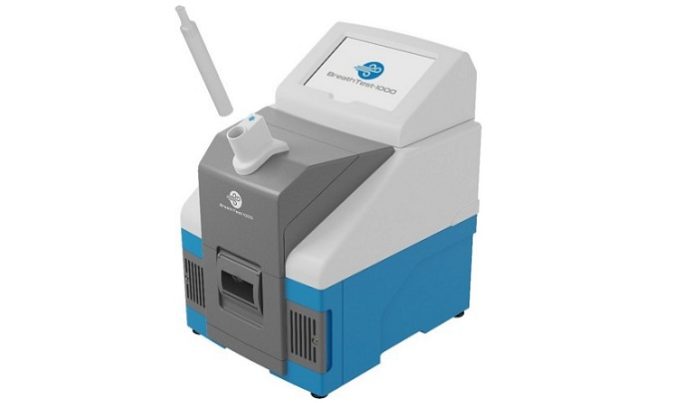
Astrotech Corporation’s subsidiary, BreathTech Corporation announced today that it has signed a joint development agreement (JDA) with Cleveland Clinic to explore leveraging Astrotech’s BreathTest-1000™ mass spectrometer to rapidly screen for COVID-19 or related indicators. The goal of the agreement is to develop a non-invasive device that will use breath samples to identify COVID-19 strains, with the potential to provide a low-cost, self-service screening option that could be deployed on a large-scale.

“This technology has the potential to make COVID-19 testing more accessible and rapidly available as well as to guide critical therapeutic decisions.”

Raed Dweik, M.D., Chairman of Cleveland Clinic’s Respiratory Institute, will lead the Cleveland Clinic team. Dr. Dweik and his research team were some of the first to identify that unique volatile organic compound (VOCs) metabolites in the breath can be used to detect certain diseases. Cleveland Clinic researchers have successfully identified and published studies regarding the unique metabolites associated with asthma, heart failure, pulmonary arterial hypertension and liver disease.

“Each person has a unique breathprint made up of thousands of exhaled compounds, which can tell physicians a lot about what’s happening in the body. The advantage of breath testing is that it is non-invasive and non-intrusive. It does not have a dose limitation like x-rays, an amount limitation like blood or saliva tests, or a timing limitation like PCR, blood and urine tests. So breath testing can be performed repeatedly as needed,” said Dr. Dweik. “This technology has the potential to make COVID-19 testing more accessible and rapidly available as well as to guide critical therapeutic decisions.”

COVID-19 is spread through droplet transmission between individuals and contaminated surfaces, with the virus remaining viable for several days on certain materials. Most individuals infected with COVID-19 experience mild to moderate respiratory symptoms. However, vulnerable populations and individuals with co-morbidities are at risk for acute respiratory distress syndrome with high rates of morbidity and mortality. Additionally, asymptomatic carriers have the potential to spread the disease rapidly in high density areas. Thus, the ability to rapidly and accurately identify individuals infected with COVID-19 is an urgent unmet clinical need.

Researchers from BreathTech and Cleveland Clinic will work together to further develop the Company’s BreathTest-1000™ mass spectrometer to include COVID-19 or related indicators within its detection library. The mass spectrometry based device will be developed to detect metabolites associated with respiratory disease and can potentially screen patients within as little as approximately 60 seconds. The joint team plans to open a clinical trial with the technology in the coming months.

“We are pleased to announce that we have entered into this partnership with a highly experienced respiratory disease detection group. Dr. Dweik and his colleagues have successfully led many clinical trials applying mass-spec to identify unique metabolites using the breath. Over the past months, both teams have evaluated and explored a framework to collaborate in the development of the BreathTech technology at Cleveland Clinic and believe that our mass-spec technology has potential to play an important role in providing a quick, non-invasive, easy-to-use screening device that can be utilized in hospitals, nursing homes, schools and airports in an effort to get all of our lives back to normal again,” stated Thomas B. Pickens III, CEO, and CTO of BreathTech.

About Cleveland Clinic

Cleveland Clinic is a nonprofit multispecialty academic medical center that integrates clinical and hospital care with research and education. Located in Cleveland, Ohio, it was founded in 1921 by four renowned physicians with a vision of providing outstanding patient care based upon the principles of cooperation, compassion and innovation. Cleveland Clinic has pioneered many medical breakthroughs, including coronary artery bypass surgery and the first face transplant in the United States. U.S. News & World Report consistently names Cleveland Clinic as one of the nation’s best hospitals in its annual “America’s Best Hospitals” survey. Among Cleveland Clinic’s 67,554 employees worldwide are more than 4,520 salaried physicians and researchers, and 17,000 registered nurses and advanced practice providers, representing 140 medical specialties and subspecialties. Cleveland Clinic is a 6,026-bed health system that includes a 165-acre main campus near downtown Cleveland, 18 hospitals, more than 220 outpatient facilities, and locations in southeast Florida; Las Vegas, Nevada; Toronto, Canada; Abu Dhabi, UAE; and London, England. In 2019, there were 9.8 million total outpatient visits, 309,000 hospital admissions and observations, and 255,000 surgical cases throughout Cleveland Clinic’s health system. Patients came for treatment from every state and 185 countries. Visit us at clevelandclinic.org.

About Astrotech Corporation

Astrotech is a science and technology development and commercialization company that launches, manages, and builds scalable companies based on innovative technology in order to maximize shareholder value. BreathTech is developing a breath analysis tool to provide early detection of lung diseases. Astrotech is headquartered in Austin, Texas.

Mevion Partners with Hermes Advanced Therapy Systems to Expand Reach in Asia

   Mevion Partners with Hermes Advanced Therapy Systems to Expand Reach in Asia

Mevion Medical Systems is pleased to announce it has entered a partnership agreement with Hermes Advanced Therapy Systems Corp. (HATS) for the distribution of the MEVION S250i Proton Therapy System® in Taiwan and Southeast Asia, including Malaysia, Thailand, and Singapore. As a subsidiary of Hermes-Epitek Corp., a trusted provider of high-tech equipment and services since 1977, HATS will leverage the resources and support Mevion from project planning to customer support.

Proton therapy is a superior form of radiation therapy that can reduce the amount of unnecessary radiation exposure to surrounding healthy tissue and sensitive organs at risk. Adoption of proton therapy has been expanding rapidly because of the development of compact proton therapy systems. Mevion was the first company to innovate this new approach to proton therapy and provides the most compact system available today.

“We are proud to have a well-established partner such as Hermes Advanced Therapy Systems as our extended team in Taiwan and Southeast Asia,” said James Meng, Ph.D. president of Mevion Medical Systems. “There is a growing market for proton therapy in this region and our partnership with HATS will enable access to proton therapy for those cancer patients who need it most.”

“We are excited to work with Mevion to increase the reach of this industry-leading technology to a broader market and extend our group faith – ‘Service by Hermes-Epitek’,” said Eddy Peng, chairman of Hermes Advanced Therapy Systems Corp.

MEVION S250i Proton Therapy System with HYPERSCAN® Pencil Beam Scanning improves on proton therapy benefits by utilizing an adaptive multi-leaf collimator to sharpen the beam and enable a more precise and conformal dose to the tumor than ever before. The system’s advanced clinical capabilities in conjunction with its compact size has changed the landscape of proton therapy.

About Mevion Medical Systems

Since 2004, Mevion Medical Systems has been the leading provider of compact proton therapy systems for cancer care. Dedicated to advancing the design and accessibility of proton therapy worldwide, Mevion was the first company to innovate this new single-room platform and continues to further the science and application of proton therapy. Mevion’s flagship product, the MEVION S250i Proton Therapy System with HYPERSCAN pencil beam scanning, is the world’s smallest proton therapy system that eliminates the obstacles of size, complexity, and cost that exists with other proton therapy systems. Mevion is headquartered in Littleton, Massachusetts, with a presence in Europe and Asia.

Increasing Education on Prone Positioning Could Increase Use Among Those Caring for COVID-19 Patients

   Increasing Education on Prone Positioning Could Increase Use Among Those Caring for COVID-19 Patients

Prone positioning, a technique shown to improve outcomes in patients with acute respiratory distress syndrome (ARDS), a syndrome linked to common conditions such as pneumonia, sepsis, trauma, is not used frequently enough for treating patients with ARDS due most likely to misunderstandings or a lack of knowledge about the technique, according to the Perelman School of Medicine at the University of Pennsylvania. The researchers say that more clinical education about the latest research regarding the technique, adjusting staffing to more easily implement prone positioning, and facilitating identification of eligible patients may lead to greater use—and possibly better patient outcomes—in intensive care units. The findings were published today in Annals of the American Thoracic Society.

ARDS, characterized by fluid in the lungs which causes shortness of breath and rapid breathing, is commonly triggered by severe cases of pneumonia or injury. Most recently, it’s been linked to COVID-19.

After surveying clinicians from intensive care units (ICUs) at several medical centers prior to the pandemic, the study authors found only 46 percent of those surveyed said their primary ICU used prone positioning “frequently,” and 27 percent reported the positioning was used “rarely or never.” The researchers additionally asked questions to understand the reasons why prone positioning was used so infrequently. Largely, incorrect assumptions about prone positioning, the amount of staff needed to move patients, and familiarity with prone positioning were noted as barriers. The Penn researchers then conducted focus groups with leaders across Penn Medicine ICUs to identify specific strategies that might overcome these barriers.

At the start of the pandemic earlier this year, ICU leaders worked to refine and implement strategies—like instruction and resources on the benefits and proper use of prone positioning, and designated teams to assist in moving patients—to increase the use of the technique, which became essential, as ARDS is a feature of severe COVID-19. Prone positioning became one of a few supportive measures that had the potential to improve outcomes.

“Since we are in the midst of a pandemic, our team did not want to just identify issues that needed to be addressed, but we wanted to also work with clinical leaders to make changes that could result in better patient recovery,” said Meeta Prasad Kerlin, MD, MSCE, an assistant professor of Medicine and a Pulmonary Medicine specialist at Penn.

Prone positioning for patients with severe ARDS has been proven in a randomized trial to improve mortality – cutting it in half from more than 30 percent to more like 15 percent.

“We don’t see a lot of interventions in critical care that are this effective,” Kerlin said. “But we realized during our study that although many people were aware of some benefits to prone positioning, there was a belief among many ICU clinicians that prone positioning was more of a ‘last-ditch effort’ and that other treatments, like incorporating other treatments such as ECMO, was a better alternative and should be tried first. While older research questions the usefulness of this technique, new studies have proven its effectiveness for patents with ARDS.”

Prone positioning requires carefully orchestrated movement of patients ultimately onto their stomachs, so extra staff is need to assist, and that can be difficult to find or nonexistent in busy ICUs.

With clear understanding of the barriers, researchers created strategies to increase prone positioning and make it easier to execute in ICUs. At Penn, educational tools were created to provide the latest information on the technique and how to properly do it, and ICU leadership guided their staff on best practices and encouraged its implementation. Penn leadership also created designated teams so clinical staff could call for extra help needed for positioning and moving patients, and system alerts that would recommend prone positioning on certain patients’ digital files were also implemented.

“My colleagues and I are confident that the strategies implemented at Penn can be done at other ICUs with the proper support from their hospital leaders,” said Kerlin. “Prone positioning is and should be top of mind when caring for ARDS patients with COVID-19.”

Caliper revolutionizes the digital healthcare space by introducing the updated healthcare map layers

Caliper revolutionizes the digital healthcare space by introducing the updated healthcare map layers

Caliper recently announced the release of free updated healthcare map layers. They are providing over 6 million medical and healthcare provider points-of-interest. These locations can be analyzed with the tools and data already included with Maptitude, such as counts by health insurance coverage type. The provision of the entire healthcare landscape in a mapping format is unprecedented.

Accountable care and better access to electronic health records are driving the use of Maptitude mapping software by healthcare providers to improve the health of their communities. Maptitude is widely used to better target care interventions, to reduce readmissions, and to help hospitals qualify for incentives for service improvement.

The ability and desire to map health data has exploded. Out of the box, Maptitude 2020 with the U.S. Country Package provides detailed geographic data for the entire country that includes hospitals, emergency rooms, and pharmacies. The free addition of comprehensive healthcare location databases ensures that Maptitude will continue to be at the forefront of the digital healthcare revolution.
The new healthcare data layers are:

Hospitals: now include Health System Names (e.g., Ascension Health)
Healthcare Organizations
Healthcare Providers
Primary Care Service Areas (PCSA)

The data are also available as shapefile, KML, KMZ, or GeoJSON for a fee. Maptitude allows users to explore doctor, patient, and provider locations, verify compliance, map service territories, perform hospital mapping, and conduct health-focused research.

Bayer Healthcare Teams Up with 111 Inc to Explore the Vast Blue Ocean of Online Healthcare

Scientists Develop Portable Covid-19 Test That Can Diagnose Coronavirus Using Smartphone in 30 Minutes

111, Inc. entered into a strategic partnership with Bayer Healthcare Co. Ltd.. The two companies will collaborate on drug commercialization initiatives in China, including the commercialization of innovative drugs and healthcare products, including for chronic disease management, as well as providing reliable and convenient resources for patient education.

111’s omni-channel drug commercialization platform will supplement Bayer Healthcare’s existing sales and marketing network. By leveraging 111’s vast network of pharmacies and healthcare providers, Bayer will be able to enhance its channel management and patient outreach capabilities, as well as increase its market presence in a number of underserved markets in China’s tier 3-6 cities.

With this partnership, 111 and Bayer Healthcare will collaborate to improve drug availability and accessibility and the two companies will also jointly develop a digitalized content portal that will provide online pharmacist training and interactive patient education content and services. A trusted platform with reliable, easily accessible content on disease and healthcare management plays an essential role in empowering patients and healthcare provides to make more informed healthcare decisions. This patient education platform will also enable patients, especially patients with chronic diseases, such as cardiovascular disease or oncology patients, to explore options that could potentially deliver a better quality of life. Further, the patient education platform will allow patients, healthcare providers, and pharmaceutical companies to work together to create a patient-centric healthcare management plan that focus on providing quality service, in a manner that is convenient to the patient.

111’s Co-COO, Mr. WANG Haihui commented that he is confident that the strategic partnership between Bayer Healthcare and 111 will allow the two companies to forge a new frontier in the delivery of healthcare products – convenient and efficient delivery of high-quality healthcare products in a manner that fits into everyone’s busy schedules. As part of our commitment to providing a digitally and technologically-enabled healthcare delivery platform, 111 will continue to pursue partnership opportunities with pharmaceutical and healthcare companies to further enhance our omni-channel drug commercialization capabilities. In addition, we will continue to invest resources in developing a full life-cycle health management solutions for patients and building a comprehensive, patients-centric, healthcare management and service platform that will digitally connect patients with their healthcare providers.

Mr. ZHANG Jingchuan, Head of National Pharmacy Management at Bayer Prescription Drug Division commented that the collaboration will be mutually beneficial as each company brings complimentary expertise. – Bayer Healthcare’s drug discovery and development prowess, coupled with 111’s omni-channel digital healthcare platform will pave the way for improving drug accessibility and better treatment options and outcomes to patients. Ultimately, it is a win-win partnership, but the real winner, and the primary focus of both companies, is always the patients we serve.

About Bayer

Bayer is a global enterprise with core competencies in the life science fields of health care and nutrition. Its products and services are designed to benefit people by supporting efforts to overcome the major challenges presented by a growing and aging global population. At the same time, the Group aims to increase its earning power and create value through innovation and growth. Bayer is committed to the principles of sustainable development, and the Bayer brand stands for trust, reliability and quality throughout the world. In fiscal 2019, the Group employed around 104,000 people and had sales of 43.5 billion euros. Capital expenditures amounted to 2.9 billion euros, R&D expenses to 5.3 billion euros. For more information, go to www.bayer.com.

About 111, Inc.

111, Inc. is a leading digital healthcare platform committed to digitally connecting patients with healthcare products and services in China. The Company provides consumers with better access to pharmaceutical products and healthcare services directly through its online retail pharmacy, 1 Drugstore, and indirectly through its offline virtual pharmacy network. The Company also offers online healthcare services through its internet hospital, 1 Clinic, which provides consumers with cost-effective and convenient online consultation, electronic prescription service, and patient management service. In addition, the Company’s online wholesale pharmacy, 1 Drug Mall, serves as a one-stop shop for pharmacies to source a vast selection of pharmaceutical products. With the largest virtual pharmacy network in China, 111 enables offline pharmacies to better serve their customers with cloud-based services. 111 also provides an omni-channel drug commercialization platform to its strategic partners, which includes services such as digital marketing, patient education, data analytics, and pricing monitoring.

Siemens Healthineers invests in the growth market India and drives digitalization of healthcare by setting up an innovation hub in Bengaluru

15418 - digital_healthcare.jpg

To advance the digitalization of healthcare and better serve the needs of emerging markets, Siemens Healthineers  announced plans to invest EUR 160 million over the next five years in an innovation hub in Bengaluru, India. The innovation hub will be housed in a new state-of-the-art campus that combines the existing R&D center and an ultra-modern medical imaging factory. To expand its digital capabilities, the company plans to add up to 1,800 digital talents in the next ten years. The investment is part of Siemens Healthineers’ strategy 2025, in which India plays an important role as a growth market for the company.

“This investment is the largest we have ever made in India. It will play a key role in taking our business to the next level by driving digitalization and expanding our portfolio for emerging markets. The innovation hub in Bengaluru will demonstrate our commitment to advance healthcare through cutting-edge digital technologies as well as through accessible and affordable innovations driven from India,” said Elisabeth Staudinger, President Asia Pacific, Siemens Healthineers.

The investment aims to make India a manufacturing center for the company’s emerging market products. Today, the Bengaluru factory is successfully manufacturing Cios Fit C-arms and Somatom.go CT scanners. These entry-level systems are designed, developed, and made in India and are sold in South-East Asia, Africa, Eastern Europe, and South America. Siemens Healthineers plans to expand its product portfolio to address the challenge of affordability that is specific to these markets.

The Bengaluru campus will be one of four innovation hubs of the company, with other hubs located in the United States, Germany, and China. The innovation hub at Bengaluru will include centers of competence in digital technologies such as data analytics, artificial intelligence, immersive technologies like augmented and virtual reality, user experience, and cybersecurity.

Explaining the Siemens Healthineers innovation hub concept, Peter Schardt, the company’s Chief Technology Officer, pointed out that “The innovation hub in Bengaluru is an integral part of our global network of innovation that will further accelerate our ability to develop effective solutions quickly and with a strong focus on emerging markets, especially in Asia. The Bengaluru innovation hub will assume increased responsibility for customer centric solutions to serve such markets even better. Special focus is on solutions for the digitalization of healthcare, which is the foundation for value-based and patient-centered medicine within the region and across the globe.”

So far, Siemens Healthineers has already invested about EUR 300 million in R&D in the country. With about 50 percent of all the software engineers in Siemens Healthineers, the existing R&D center at Bengaluru plays a strategic role in developing cutting-edge software products and platforms for all three segments of the company – Imaging, Diagnostics, and Advanced Therapies. Only a few months ago, Siemens Healthineers was recognized as one of the top 5 of India’s Best Workplaces in Healthcare 2020 and certified as a Great Place to Work by the globally active research and consulting institute Great Place to Work®.

When completed in 2025, the first phase of the new campus will include 70,000 square meters of office space for the enlarged R&D center and 5,000 square meters of factory space. To create a modern work environment for the employees and to meet the highest standards in sustainability and energy efficiency, an international architectural competition is planned to bring creativity into the design of the new campus.

About Siemens Healthineers AG
Siemens Healthineers AG is shaping the future of Healthcare. As a leading medical technology company headquartered in Erlangen, Germany, Siemens Healthineers enables healthcare providers worldwide through its regional companies to increase value by empowering them on their journey towards expanding precision medicine, transforming care delivery, improving the patient experience, and digitalizing healthcare. Siemens Healthineers is continuously developing its product and service portfolio, with AI-supported applications and digital offerings that play an increasingly important role in the next generation of medical technology. These new applications will enhance the company’s foundation in in-vitro diagnostic, image-guided therapy, and in-vivo diagnostics. Siemens Healthineers also provides a range of services and solutions to enhance healthcare providers’ ability to provide high-quality, efficient care to patients. In fiscal 2019, which ended on September 30, 2019, Siemens Healthineers, which has approximately 52,000 employees worldwide, generated revenue of €14.5 billion and adjusted profit of €2.5 billion.

Translate »