











Close
Digital Health & Ai Innovation summit 2026
Medical Taiwan 2026

Medovate signs exclusive agreement with Vygon to distribute regional anaesthesia device

 Medovate signs exclusive agreement with Vygon to distribute regional anaesthesia device

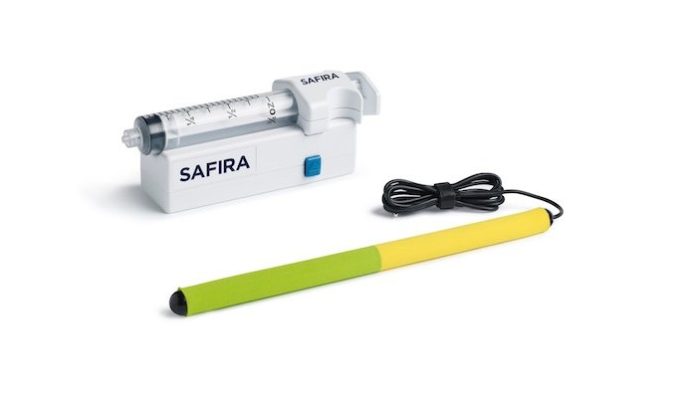
Medovate, a dynamic medical device company dedicated to the development and commercialisation of innovative medical technologies, and Vygon Group, a group specialising in single-use medical devices, announce that they have signed an exclusive deal to distribute SAFIRA® (SAFer Injection for Regional Anaesthesia) across 60 countries. Vygon will start a phased launch of SAFIRA in Europe at the end of 2020, with other global markets to follow.

Developed in collaboration with UK National Health Service (NHS) clinicians, SAFIRA transforms the technique of Peripheral Nerve Blockade into a one-person procedure, giving the anaesthetist full control of the injection at all times. This pioneering technology also improves patient safety by helping reduce the risk of nerve damage, as it prevents anaesthetic from being injected at high pressures. Furthermore, economic modelling has shown SAFIRA has the potential to help generate significant time and cost savings in a medical setting.

Amid the current COVID-19 pandemic, the European Society for Regional Anaesthesia (ESRA) has recommended that regional anaesthesia be considered whenever surgery is planned for a suspected or confirmed COVID-19 patient. Regional anaesthesia preserves respiratory function and avoids aerosolization and the potential for transmission of COVID-19, compared to general anaesthesia. By making regional anaesthesia a one-person procedure SAFIRA helps hospitals meet these recent recommendations.

Vygon is one of the largest independent French medical device companies. It supplies more than 205 million products globally per year. A world-leader in the regional anaesthesia arena, it is perfectly placed to ensure SAFIRA – which recently attained EU CE regulatory approval – achieves its maximum reach and potential across Europe and beyond. Medovate is a medtech company that develops essential new technologies created through its development pipeline of NHS innovations, with a focus on anaesthesia, airway, critical care and surgery.

“This agreement with Vygon marks a significant milestone in the launch of SAFIRA across Europe, the US and a number of other markets,” said Stuart Thomson, Managing Director, Medovate. “This will help establish Medovate on the world stage as a recognized medical device developer and manufacturer. In addition, it raises the international profile of the UK NHS and its clinicians, who are key stakeholders in Medovate and inventors of the SAFIRA innovation.”

“This is a very exciting partnership for Vygon,” said John Kerridge, Vice President, Anaesthesia & Emergency Business Unit, Vygon. “The SAFIRA technology, in terms of its impact on patient safety and clinical end-user efficiency, is in-line with our overall objective of patient/practitioner-based healthcare solutions. The fact that in the very near future the SAFIRA technology will be available in NRFit format further supports this objective. It will enable us to offer a complete NRFit solution for those markets that demand it.”

NRFit (trademark of GEDSA) devices provide dedicated connectors, compliant with ISO 80369-6. NRFit connectors aim to reduce the risk of wrong route administration of medications associated with Regional Anaesthesia procedures.

It is estimated that ten million regional anaesthesia procedures are performed across Europe every year. As the use of regional anaesthesia continues to grow steadily across Europe, SAFIRA has the potential to make a significant impact.

About Medovate
Medovate is a UK medical device company based in Cambridge and dedicated to the development and commercialisation of innovative medical technologies created within the National Health Service (NHS) and beyond. Medovate identifies and works with high potential medtech innovations, providing the specialist management and technical resources, along with the finance required to lead innovation development through clinical trials and regulatory approval. By providing funding and support at a crucial point in the development of innovative medical technologies, Medovate accelerates innovations to market in order to benefit patient care and healthcare delivery. The company has a strong portfolio in anaesthesia, airway management, critical care and surgery. Medovate directly benefits the NHS by providing access to funding, support and expertise to enable innovations created within the NHS to reach the market; delivering commercial returns to the NHS organisations and inventors that created the technologies.
About Vygon Group
Vygon designs, manufactures and markets high-tech single-use medical devices for healthcare professionals in hospital and for private and independent practitioners. Vygon is a world leader within this industry, offering a wide range of products in a number of clinical specialties. Organized in five business units (Intensive Care – Obstetrics Neonatology Enteral – Intravascular Therapies – Cardiovascular & Surgery – Anesthesia & Emergency), Vygon combines local and international in-depth expertise and know-how in each individual field. With expertise right along the value chain, from product design to the delivery of training for medical personnel, Vygon provides health care professionals with effective and innovative products tailored to their needs and those of their patients, for optimum use and safety.


3M Littmann Stethoscopes and Eko Announce New Collaboration

3M Littmann Stethoscopes and Eko Announce New Collaboration

As the world of healthcare and its dependence on auscultation continues to evolve, digital technology is being introduced to meet the advancing demands of the industry. To meet these changing needs, 3M™ Littmann ® Stethoscopes and Eko are announcing a new collaboration that will marry best-in-class 3M Littmann stethoscope technology with advanced Eko digital innovations.

The new 3M™ Littmann® CORE Digital Stethoscope connects to Eko software to allow clinicians to visualize, save, and share sounds at the touch of a button.

The new 3M Littmann CORE Digital Stethoscope offers clinicians access to both analog and digital auscultation options and connects to Eko’s software and AI algorithms 1 to help clinicians better interpret sounds and detect heart murmurs. Benefits to clinicians include:

  • Helps increase confidence in auscultation assessments
  • Amplification 2 and active noise cancellation
  • Visualization of sound data during auscultation
  • Access to Eko’s AI and clinical decision support, helping providers to screen for heart murmurs during routine physical exams
  • Access to Eko’s telemedicine software, making these benefits available for both in-person and remote patient care

“Today, 3M Littmann Stethoscopes embarks upon a new era in our long history as a pioneer in auscultation innovation and quality by introducing our most advanced stethoscope yet,” said Kristi Barnett, Sr. Director, 3M Medical Devices. “The new 3M Littmann CORE Digital Stethoscope combines the superior acoustics of the Littmann Cardiology IV Stethoscope with Eko’s digital technology and software to aid and enhance a clinician’s auscultation assessments.”

The collaboration between 3M Littmann Stethoscopes and Eko brings together two innovative companies that are focused on delivering comprehensive health care solutions that drive better patient outcomes.

“This combination is a gamechanger – allowing a physician in rural America or a nurse treating patients in a non-office setting to have access to cutting-edge clinical decision support.”

In January of this year, Eko received FDA clearance for an algorithm that can detect the presence of suspected heart murmurs. The 3M Littmann CORE Digital Stethoscope can connect to Eko software, including its heart murmur AI 1 and its telemedicine software, enabling enhanced in-person or remote patient care.

“For clinicians, listening is a gateway to making critical diagnoses. Being able to confidently assess heart and lung sounds helps ensure the best cardiac and pulmonary care possible,” said Connor Landgraf, co-founder and CEO, Eko. “Partnering with 3M Littmann Stethoscopes allows us to incorporate the power of our digital and machine learning technology alongside the stethoscope trusted by millions of clinicians worldwide, which can help impact patient outcomes and quality of care. Combining the 3M Littmann CORE Digital Stethoscope with the Eko platform of software and AI helps clinicians elevate cardiopulmonary care to a whole new level.”

For more information on the 3M Littmann CORE Stethoscope or where to buy, please visit: Littmann.com/BuyCORE. For more on Eko software and AI, please visit ekohealth.com/platform.

1 Subscription required. Eko Analysis Software is currently available only in the U.S. Learn more at ekohealth.com/platform

2 Up to 40x amplification based on comparison of analog versus electronically assisted amplified listening with maximum volume at the peak frequency (125 Hz).

About 3M™ Littmann ® Stethoscopes
3M™ Littmann ® Stethoscopes is a global leader in auscultation technology – providing innovative solutions to improve patient care. Littmann stethoscopes are trusted worldwide for precision, acoustic excellence, reliable design and exceptional performance, helping clinicians detect difficult-to-hear body sounds and improve patient outcomes.

About 3M
At 3M, we apply science in collaborative ways that improve lives daily. With $32 billion in sales, our 96,000 employees connect with customers all around the world.

About Eko
Eko is elevating the way clinicians detect and monitor cardiac and respiratory disease by bringing together advanced sensors, patient and provider software, and AI-powered analysis. Its FDA-cleared platform is used by tens of thousands of clinicians treating millions of patients around the world, in-person, and through telehealth. The company is headquartered in Oakland, California and privately held, with investments from ARTIS Ventures, NTT Venture Capital, DigiTx Ventures, Mayo Clinic, Sutter Health, and others.

Merck testing drone delivery for vaccines in North Carolina

Merck testing drone delivery for vaccines in North Carolina

One of the largest pharmaceutical companies in the world is testing the delivery of vaccines via drone to get them to patients faster.

Merck is working with Volansi, a commercial drone delivery company, to pilot the program. Volansi’s drone system enables the delivery of cold chain medicines from Merck’s Wilson, North Carolina, manufacturing site to Vidant Healthplex – Wilson, a Vidant Health clinic.

It’s the first of three phases in a project to learn about drone technology’s role and ability to improve the healthcare supply chain and access to healthcare, the companies said.

The member mobile app is a powerful tool for payers and members. It can help improve health outcomes, reduce operational costs, and drive self-service — anytime, anywhere. In this new eBook, learn tips and tricks to implementing the best mobile app strategy now.
Download eBook

Delivery of vaccines by autonomous drones can significantly reduce the time it takes for a vaccine to reach a patient in need. Merck is using the project to evaluate whether drone delivery can help address logistical and infrastructure barriers that prevent access to high-quality preventive care.

With 1.4 million people across 29 counties, eastern North Carolina’s vast, rural environment can create challenges for accessing care. Many residents live miles from the nearest pharmacy or clinic.

“For those suffering from diseases or chronic conditions, having a supply chain that works for them isn’t just about convenience—it’s a matter of life or death,” Hannan Parvizian, CEO and co-founder of Volansi, wrote in a blog post about the partnership with Merck.

Initial flights in the project resulted in the first drone delivery of temperature-controlled medicines within the U.S., the companies said.

“As a healthcare leader, Merck is very supportive of collaborations using new technologies to explore how one day we could help better serve the healthcare community. Our existing distribution system is strong, and this pilot helps us explore new innovative delivery options that would complement our existing supply chain capabilities,” said Craig Kennedy, senior vice president for global supply chain management at Merck, in a statement.

“We’ve seen the world’s supply chain strained like never before from the impact of coronavirus,” said Parvizian said in a statement.

“There’s now an accelerated need for rapid advancements in supply chain technology, especially in healthcare. Drone delivery is one solution to getting critical supplies where they are needed, at the moment they are needed most,” he said.

Last year, WakeMed Health & Hospitals announced a partnership with UPS to deliver medical samples via unmanned drone at the health system’s campus in North Carolina. Other hospitals that have launched drone programs including UC San Diego Health, Kaiser Permanente and Rady Children’s Hospital.

Last year, Walgreens became the first pharmacy retailer to test drone delivery using drones to fulfill customer orders for food and beverage products and over-the-counter medications. The on-demand drone delivery service is in partnership with Alphabet’s Wing Aviation. CVS Health also has joined forces with UPS to test several different applications for drone delivery, including delivering prescriptions and retail products to patient’s homes.

In September, in response to the COVID-19 pandemic, retail giant Walmart announced it was piloting drone delivery of home sample collection kits for COVID-19 in partnership with Quest Diagnostics.

Merck’s partnership with Volansi builds on previous collaborations to deliver temperature-sensitive medicines in the Bahamas and Puerto Rico after the devastation of hurricanes Maria and Florence, according to Parvizian in the blog post.

“The COVID-19 pandemic has made the need for rapid advancements in healthcare supply chain technology abundantly clear. Our pilot program in North Carolina will help answer this need by exploring innovative new delivery options that can make medical supply chains more flexible and responsive,” he wrote.

The project utilizes Volansi’s VOLY C10, an all-electric drone capable of carrying 10 pounds of cargo to locations up to 50 miles away. The VOLY C10’s vertical takeoff and landing (VTOL) system allows it to deliver fragile cargo with a “soft touch” automated release once the drone has landed at the delivery location. The VTOL system also requires minimal infrastructure to operate and is capable of delivering on the returning flight items to support order confirmation like temperature trackers and shipping confirmation.

Volansi is seeking additional approval from the Federal Aviation Administration to provide deliveries in additional locations for phases two and three of the project, enabling a flexible, on-demand and responsive supply of critical medicines.

Hikma and Arecor expand collaboration with new agreement to develop and commercialise ready-to-administer medicine

Hikma and Arecor expand collaboration with new agreement to develop and commercialise ready-to-administer medicine

Hikma Pharmaceuticals PLC, the multinational pharmaceutical company, and Arecor Limited, the biopharmaceutical company advancing today’s therapies to enable healthier lives, announce they have entered into a new exclusive agreement to co-develop a ready-to-administer injectable medicine in the US through Hikma’s affiliate, Hikma Pharmaceuticals USA Inc. The agreement builds on Hikma and Arecor’s first product co-development agreement, which was announced on 9 January 2020.

The product is being developed using Arecor’s proprietary drug formulation technology platform Arestat™, which is applied to existing therapeutic proteins and peptides to enhance their properties. Hikma will seek approval for the product under the U.S. Food and Drug Administration’s 505(b)(2) regulatory pathway, with filing expected in 2023.

“We are pleased to expand on our partnership with Arecor and add a new ready-to-administer product to our growing pipeline of differentiated injectable medicines,” said Riad Mishlawi, President, Hikma Injectables. Arecor’s state-of-the-art technology platform is a perfect complement to Hikma’s strong manufacturing capabilities and excellent commercial team, with its broad relationships across US hospital systems. We look forward to continuing to work together to bring an important new treatment option to patients and healthcare providers in the US.”

Sarah Howell, Chief Executive Officer of Arecor, added: “Our track record in developing ready-to-administer medicines is further strengthened by this second agreement with Hikma. This growing partnership supports both companies’ product development strategies to bring enhanced products to market that simplify care and improve patient outcomes. Hikma’s manufacturing expertise and strong presence in the US hospital market coupled with Arecor’s world leading formulation technology platform will enable us to jointly bring products to market that are dedicated to improving patient care and the advancement of medication delivery. We look forward to developing this relationship with Hikma further and progressing these products to market as part of this collaboration.”

Under the terms of the royalty-based agreement, Arecor will receive an upfront payment and further payments on the achievement of development, regulatory and commercial milestones. Hikma will be responsible for the manufacture and commercialisation of the product.

St. Elizabeth hospital first in America to successfully implant Bluetooth-connected heart monitor

St. Elizabeth hospital first in America to successfully implant Bluetooth-connected heart monitor

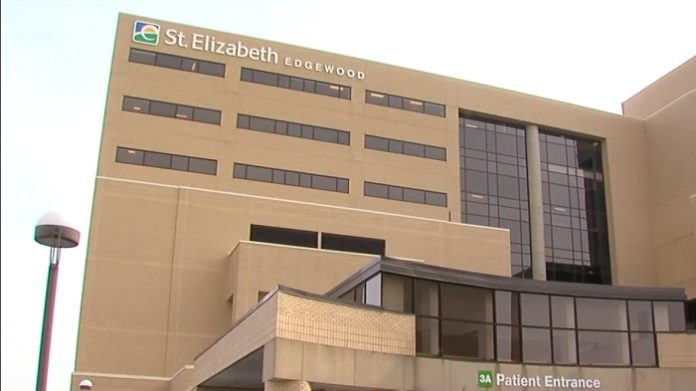
St. Elizabeth Edgewood made history by becoming the first hospital in America to implant a Bluetooth-connected heart monitoring device in a Tri-State patient.

Having critical information about a patient’s heart connected to their smartphone is designed to give the patient greater access to their stats and increase accuracy. Dr. Mohamad Sinno, cardiac electrophysiologist with St. E’s Heart and Vascular Institute, said the surgery for a remote monitoring device hasn’t drastically changed.

Thanks to this groundbreaking technology, the impact on the patient has. “Before now, the remote monitors were small boxes – probably ‘that’ big – would sit on the patient’s bedside,” he said.

The big difference this new Bluetooth-enhanced defibrillator provides is greater accessibility.

“What they saw with the new technology, with the Bluetooth technology, just because of the convenience of having your device be monitored by your cell phone, the compliance increased from about 50% to about 97% where the patient would have communication with their device all the time because the application is there,” he said.

Those with the device can now open that app and in real time access information like battery status and any alerts, even a new way to connect easily with their doctor. It was an easy sell for that very first patient.

“They were very excited from the get-go,” Sinno said. “They came in on the day of the surgery. We got the first device implanted. We saw the patients in our office and follow-up and they are doing very well.”


That surgery was performed last month, and at last check, the patient from that first surgery was doing very well.

SNUH reaffirms efficacy of Lunit’s AI system in detecting lung cancer

SNUH reaffirms efficacy of Lunit's AI system in detecting lung cancer

Researchers at Seoul National University Hospital (SNUH) have confirmed once again the efficacy of an artificial intelligence-based X-ray system, co-developed by the hospital and Lunit, in detecting lung cancer.

More than five million people receive health screening in Korea every year, with many receiving chest X-rays as part of the health screening. This has led to a heavy workload for radiologists and increased risk of reading errors.

As the researchers reaffirmed the AI-based system’s efficacy, the team expects to relieve some of the heavy workloads in the field.

To confirm its efficacy, the team, led by Professors Park Chang-min, Lee Jong-hyuk, Sun Hye-young at the hospital, analyzed the chest X-ray data of 50,070 patients who received a health screening from 2012 to 2018.

The team’s total images amounted to 100,576 copies, while 98 pictures were of actual lung cancer patients. However, the team excluded 51 images, which were hard to be diagnosed as lung cancer by using only X-ray images.

As a result, the AI system showed the accuracy and sensitivity of 97 and 83 percent, respectively. In the cases of highly visible lung cancer images, the system showed 100 percent sensitivity.

“This study is significant, as we tested the machine in an actual clinical setting for healthy adults,” the team said. “While previous tests confirmed the efficacy of an AI diagnostic system, there had been no studies that applied the device to healthy adults with low disease rates until then.”

Even though the lung cancer prevalence among the examined images was 0.1 percent, which was quite low, the test still managed to show high sensitivity in the real world, the team added.

Professor Park said, “The study has confirmed that the AI system is useful for finding lung cancer in a large-scale medical examination.”

The team will continue research and development so that AI can be of practical help to both patients and ordinary people, Park added.

Doctor Anywhere launches online mental health consultation service

Greenway Health develops new telehealth solution to further support healthcare providers in a virtual care environment

Singapore-headquartered telehealth startup Doctor Anywhere announced it has launched an online mental health video consultation service. This is in addition to a suite of other tele-health services including GP consultation, lactation consultancy, and an in-app Marketplace with a range of wellness products and services, including booking appointments for home-based healthcare services.

WHAT’S IT ABOUT

This new service allows users to choose from a panel of registered psychologists and counsellors and book therapy sessions over video consultation on the Doctor Anywhere app. The 60-minute sessions can be conducted in the privacy of the user’s own home via calls that are end-to-end encrypted, and patient records are kept confidential.

WHY IT MATTERS

A systemwide user survey conducted by Doctor Anywhere in June this year highlighted the stigma and barriers faced by youths in seeking mental health support despite their better mental health awareness.

Key findings include:

9 in 10 respondents aged 18 to 24 know of friends or family who are seeing a psychologist or psychiatrist for mental health issues. This may imply a greater awareness and openness to discussing the topic of mental health.

Top conditions stated by respondents aged 18 to 24 that they are most likely to seek therapy for are stress, depression, anxiety, and family and relationship problems.

Fear of judgment and the high cost of therapy are more likely to deter respondents aged 18 to 24 from seeking professional help, compared to other age groups.

Respondents aged 18 to 34 are significantly more receptive to seeking therapy compared to the older age groups.

THE LARGER TREND

Doctor Anywhere launched the COVID-19 Medical Advisory Clinic earlier in April this year and in March, the startup secured a $27 million Series B financing round led by Square Peg – the largest venture capital fund in Australia, Singapore Government investment arm – EDBI, and IHH Healthcare, a leading international healthcare provider.

Seeking mental health help, treatment and support via digital means has grown during the year of the COVID-19 pandemic – in Asia, examples of mental health apps include Wysa and Intellect.

ON THE RECORD

“The unique challenges created by the pandemic have brought about an unprecedented level of stress, anxiety and other symptoms of poor mental health to the world. Since the pandemic started, we’ve observed more users consulting our doctors for stress-related issues such as insomnia. Access to support for mental wellbeing is more critical now than ever before,” said Lim Wai Mun, founder and CEO of Doctor Anywhere.

“The topic of mental health is still a taboo in Asian societies. We want to provide a safe and accessible environment for people to seek help from psychologists and counsellors easily and conveniently. A virtual platform like Doctor Anywhere can reduce the psychological barrier associated with visiting a mental health professional, and provide time and cost savings for both the user and the provider,” he added.

NewYork-Presbyterian Launches Dalio Center for Health Justice

NewYork-Presbyterian Launches Dalio Center for Health Justice

NewYork-Presbyterian today launched the Dalio Center for Health Justice, dedicated to understanding and improving health equity, addressing health justice, and driving action that results in measurable improvements in health outcomes for all.

The Dalio Center for Health Justice is the result of a $50 million grant from Dalio Philanthropies, whose founder Ray Dalio is a NewYork-Presbyterian Trustee and an important thought partner behind the center. Among the center’s priorities will be reducing health disparities that disproportionately affect communities of color.

“Our goal is to contribute to equal healthcare and equal education because we believe that these are the most fundamental building blocks of equal opportunity and a just society,” said Ray Dalio, founder of Dalio Philanthropies and NewYork-Presbyterian Trustee. “We know that these don’t adequately exist, and we are excited to have a great partner in NewYork-Presbyterian, who we are confident will find ways to achieve more health justice.”

“The Dalio Center for Health Justice reflects our shared commitment to proactively addressing health disparities and the systemic inequities that create conditions for poor health,” said Jerry I. Speyer, chair of the NewYork-Presbyterian Board of Trustees. “We are grateful to Ray Dalio for his extraordinary leadership in the fight for health justice and his support as we strive to deliver the highest quality care to every patient and improve the health of all the communities we serve.”

“We are living in a profound time where social, economic and health crises are converging at once, and we recognize our country must address longstanding health disparities due to race, socioeconomic differences, access to care, and other complex factors that impact the well-being of our communities disproportionately,” said Dr. Steven J. Corwin, president and CEO of NewYork-Presbyterian. “NewYork-Presbyterian hopes to be a leader in health justice and developing programs to help solve these issues and improve the lives of our patients and our communities.”

The Dalio Center for Health Justice will be a convener, collaborator and grantor, bringing together renowned experts in diverse fields to fuel change and support health justice among NewYork-Presbyterian team members, our patients and communities, and ultimately local and national policy. The center will be led by Dr. Julia Iyasere, who brings significant experience in medicine and has championed diversity and inclusion throughout her career.

“The COVID-19 pandemic exposed enduring health inequities in a new and alarming way, and the importance of health justice has never been clearer,” said Dr. Julia Iyasere, head of the Dalio Center for Health Justice at NewYork-Presbyterian. “We are committed to improving the health and well-being of our patients and communities through research, dialogue and education, equity in our clinical operations, investment in our communities and advocacy for national change.”

The center will promote health justice and address the health disparities of our employees, patients and communities through research, health education and programs that foster equity in clinical operations and enhance the culturally sensitive care provided by NewYork-Presbyterian. It will focus on comprehensive analysis to understand more fully social determinants of health, creating a robust and diverse health equity database to inform the center’s work in developing community-based initiatives, advocating locally and nationally for change, seeking grants, and producing an institutional equity report. It will also focus on examining and addressing unconscious bias in medicine and clinical trials. The center will inaugurate a Diversity, Inclusion and Health Equity Symposium to encourage discussions across the organization, highlight faculty research and innovations, and provide a career development forum for underrepresented minority fellows and residents, with the goal of producing tangible solutions to health disparities.

The Dalio Center for Health Justice will serve as a central resource for health justice, health equity and community-based work, focused on institutional alignment and the achievement of measurable and consequential outcomes. To foster innovations in research and care delivery, the center will convene local and national groups and become a sponsor for grant funding.
NewYork-Presbyterian

NewYork-Presbyterian is one of the nation’s most comprehensive, integrated academic healthcare systems, encompassing 10 hospital campuses across the Greater New York area, more than 200 primary and specialty care clinics and medical groups, and an array of telemedicine services.

A leader in medical education, NewYork-Presbyterian Hospital is the only academic medical center in the nation affiliated with two world-class medical schools, Weill Cornell Medicine and Columbia University Vagelos College of Physicians and Surgeons. This collaboration means patients have access to the country’s leading physicians, the full range of medical specialties, latest innovations in care, and research that is developing cures and saving lives.

Ranked the #4 hospital in the nation and #1 in New York in U.S. News & World Report’s Best Hospitals rankings, NewYork-Presbyterian Hospital is also recognized as among the best in the nation in the U.S. News Best Children’s Hospitals rankings. Founded nearly 250 years ago, NewYork-Presbyterian Hospital has a long legacy of medical breakthroughs and innovation, from the invention of the Pap test to pioneering the groundbreaking heart valve replacement procedure called TAVR.

NewYork-Presbyterian’s 47,000 employees and affiliated physicians are dedicated to providing the highest quality, most compassionate care to New Yorkers and patients from across the country and around the world.

Nudges Combined with Machine Learning Triples Advanced Care Conversations Among Patients with Cancer

An electronic nudge to clinicians—triggered by an algorithm that used machine learning methods to flag patients with cancer who would most benefit from a conversation around end-of-life goals—tripled the rate of those discussions, according to a new prospective, randomized study of nearly 15,000 patients from Penn Medicine and published today in JAMA Oncology.

Early and frequent conversations with patients suffering from serious illness, particularly cancer, have been shown to increase satisfaction, quality of life, and care that’s consistent with their values and goals. However, today many do not get the opportunity to have those discussions with a physician or loved ones because their disease has progressed too far and they’re too ill.

“Within and outside of cancer, this is one of the first real-time applications of a machine learning algorithm paired with a prompt to actually help influence clinicians to initiate these discussions in a timely manner, before something unfortunate may happen,” said co-lead author Ravi B. Parikh, MD, an assistant professor of Medical Ethics and Health Policy and Medicine in the Perelman School of Medicine at the University of Pennsylvania and a staff physician at the Corporal Michael J. Crescenz VA Medical Center. “And it’s not just high-risk patients. It nearly doubled the number of conversations for patients who weren’t flagged—which tells us it’s eliciting a positive cultural change across the clinics to have more of these talks.”

Christopher Manz, MD, of the Dana Farber Cancer Institute, who was a fellow in the Penn Center for Cancer Care Innovation at the time of the study, serves as co-lead author.

In a separate JAMA Oncology published in September, the research team validated the Penn Medicine-developed machine learning tool’s effectiveness at predicting short-term mortality in patients in real-time using clinical data from the electronic health record (EHR). The algorithm considers more than 500 variables—age, hospitalizations, and co-morbidities, for example—from patient records, all the way up until their appointment. That’s one of the advantages of using the EHR to identify patients who may benefit from a timely conversation. It’s in real time, as opposed to using claims or other types of historical data to make predictions.

This latest trial combined that algorithm with a behavioral nudge, including texts, emails, or notifications to the clinical team, to determine its ability to both identify patients and prompt conversations around end-of-life planning. The study—which included 14,607 patients and 78 physicians across nine oncology clinics in the University of Pennsylvania Health System—was conducted between June 2019 and November 2019.

Among patients with a high-predicted mortality risk, conversations in the intervention group occurred in 304 out of 1,999 patient encounters (15.2 percent) compared to 77 out of 2,125 in the control group (3.6 percent). Even when patients were not flagged as high-risk, clinicians in the trial engaged more in these conversations. Among all patient encounters, serious illness conversations occurred in 155 out of 12,170 encounters (1.3 percent) in the control group, while conversations in the intervention group occurred in 632 out of 13,889 encounters (4.6 percent).

“We’ve taken an algorithm from retrospective validation to real-time validation to actually testing it in the clinic to see if it can shape patient care,” said Parikh, who is also part of the Penn Center for Cancer Care Innovation. “Because of its success, I think we’ve provided of a road map for other institutions that may be thinking of using analytics to drive important behaviors.”

The machine learning tool continues to be utilized in Penn Medicine oncology clinics, and further proved its value during the COVID-19 pandemic. The rates of serious illness conversations continued to remain high after the trial ended, despite many of those conversations taking place online through much of 2020, when many clinical visits had to occur through telemedicine to ensure patient safety.

“This is one of the first applications of combing behavioral nudges with machine learning methods in clinical care,” said senior author Mitesh S. Patel, MD, director of the Penn Medicine Nudge Unit and an associate professor of Medicine in the Perelman School of Medicine at the University of Pennsylvania and a staff physician at the Corporal Michael J. Crescenz VA Medical Center. “There are many opportunities build upon this work and apply it to other aspects of cancer care and to other areas of medicine.”

Co-authors on the study include Dylan S. Small, PhD, Chalanda N. Evans, Corey Chivers, PhD, Susan H. Regli, PhD, William Hanson, MD, Justin E. Bekelman, MD; Charles A.L. Rareshide, Nina O’Connor, MD; Lynn M. Schuchter, MD and Lawrence N. Shulman, MD.


UCSF Team Presents Ethical Framework for Effective COVID-19 Contact Tracing

UCSF Team Presents Ethical Framework for Effective COVID-19 Contact Tracing

In order for COVID-19 contact tracing to be effective in the United States, public health and government leaders must overcome deep ideological and cultural resistance among the public and deal with the ethical and technological challenges of using contact tracing apps, according to an analysis by Bernard Lo, MD, professor of medicine emeritus and director emeritus of the program in medical ethics at UC San Francisco, and Ida Sim, MD, PhD, a UCSF professor of medicine.

The analysis, published Oct. 19 in Annals of Internal Medicine, presents an ethical framework to help policymakers implement successful contact tracing measures that balance the protection of public health against respect for personal privacy.

“Neither digital nor manual contact tracing will be widely accepted unless our leaders do four things,” said Lo, corresponding author of the new paper. “First, listen to the concerns that different communities have regarding contact tracing; second, engage these communities and address their concerns to rebuild trust; third, make timely access to COVID testing and return of results widely available; and fourth, articulate clear and consistent evidence-based messages on the benefits of placing some restrictions on liberty in order to promote the common good.”

Lo noted that manual contact tracing by public health workers – a method that has often been used successfully to control the spread of infectious diseases such as measles and tuberculosis – has been unsuccessful during the COVID-19 pandemic for a number of reasons, including the large number of infected people, downsizing of public health departments, shortage of experienced contact tracers, mistrust of government and lack of cooperation by contacts.

The authors note that smartphone apps have been developed to make contact tracing scalable and more timely while also addressing privacy concerns.

They suggest a combined approach to contract tracing: exposure-notification smartphone apps that preserve privacy and require users to give their explicit consent to share information, along with measures to persuade the public to voluntarily cooperate with manual contact tracers.

Lo said that it is particularly important for public officials to engage with communities of color, “where there is both greater mistrust of contact tracing and a disproportionate amount of harm caused by the disease.”

At the same time, he said, any contact tracing initiative must be part of a “coordinated and sustainable public health effort that includes consistent use of masks and physical distancing.”

Disclosures: Lo reports that he and his wife own stock in Apple and invest in mutual funds that contain Apple and Google. Sim owns stock in Google and invests in mutual funds that contain Apple and Google.

The University of California, San Francisco (UCSF) is exclusively focused on the health sciences and is dedicated to promoting health worldwide through advanced biomedical research, graduate-level education in the life sciences and health professions, and excellence in patient care. UCSF Health, which serves as UCSF’s primary academic medical center, includes top-ranked specialty hospitals and other clinical programs, and has affiliations throughout the Bay Area.

Translate »