Close
Digital Health & Ai Innovation summit 2026
Medical Taiwan 2026

Innovations in Patient Experience Explored by The Beryl Institute

Reinforcing its commitment to elevate the human experience in healthcare, The Beryl Institute publishes a new white paper, Innovation Awards 2020: Celebrating Creativity and Ingenuity in Improving Patient Experience. The white paper recognizes three institutions as award recipients selected from submissions to the Instituteโ€™s second annual Patient Experience Innovation Award program. The awards provide a platform for sharing and celebrating new ideas from across the globe to improve patient experience.

With discoveries and opportunities transferrable to many healthcare settings, the paper also shares other innovative submissions explored through The Beryl Instituteโ€™s Experience Framework. This includes eight strategic lenses through which organizations can address experience improvement and excellence.

Listed in the order of highest submission volume by Innovation Award applicants, the eight lenses are:

  • Patient, Family, and Community Engagement
  • Staff and Provider Engagement
  • Culture & Leadership
  • Innovation & Technology
  • Quality & Clinical Excellence
  • Environment & Hospitality
  • Infrastructure & Governance
  • Policy & Measurement

โ€œWhen we create and hold the space for innovation to happen, to make the suggestion of change ok, we build cultures and environments of care that will work to consistently find new possibilities, to question with respect, to stretch with purpose and to look forward with hope,โ€ said Jason A. Wolf, Ph.D., CPXP, President & CEO of The Beryl Institute. โ€œThe winners of the 2020 Innovation Awards and all the participants in the award process help us see that if we are true to those ideas, great things are possible. There is much to learn on what they helped change and much we can all apply in moving forward.โ€


About The Beryl Institute
The Beryl Institute is the global community of practice committed to elevating the human experience in healthcare. We believe human experience is grounded in experiences of patients & families, those who work in healthcare and the communities they serve. We define patient experience as the sum of all interactions, shaped by an organizationโ€™s culture, that influence patient perceptions across the continuum of care.

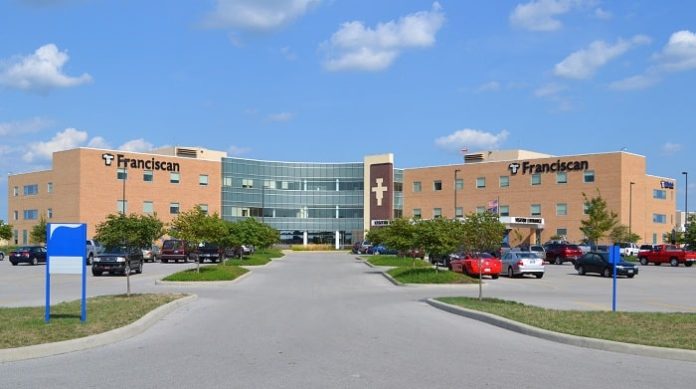
Franciscan Health uses inpatient and ambulatory telehealth, closing gaps in care

Franciscan Health uses inpatient and ambulatory telehealth, closing gaps in care

Prior to the pandemic, Franciscan Health was in the infancy stages of its telemedicine program and had not moved to an ambulatory rollout. Like many other healthcare organizations, it struggled with operationalizing the technology and workflows of a new process.

THE PROBLEM

Franciscan had just started looking at virtual urgent care visits prior to COVID-19.ย At the time, its portfolio of virtual care was limited to behavioral health and telestroke teams. InTouch was its primary telemedicine technology vendor.

โ€œPhysician and provider adoption was low, due to factors such as necessary changes in workflows, patient acceptance, reimbursement, technology adoption and general lack of familiarity,โ€ said Dr. Randall Moore, senior vice president and COO at Franciscan Health. โ€œFurther, telemedicine often was viewed as a substitute for in-person care, despite our messaging being focused on an augmentation and extension of care continuums.โ€

PROPOSAL

The FCC had then awarded the health system a grant to expand telehealth services. The organization had a dual approach to be supported by the grant.

โ€œFirst, enable us to quickly attain critical mass to hit a tipping point across our practices and care delivery sites, enabling not just familiarity, but also experience in net improvements in Triple Aim performance,โ€ Moore explained. โ€œSecond, we desired to build an extensible platform for remote monitoring and connectivity to deliver care when and where needed across several large segments of the population we served.โ€

MARKETPLACE

There are many vendors of telemedicine technology and services on the health IT market today. Healthcare IT News recently compiled a comprehensive list of these vendors with detailed descriptions.

MEETING THE CHALLENGE

โ€œWe focused on broad rollout across our physicians and providers to support ambulatory as well as inpatient patients, and to close the gaps in transitions of care, or fragmentation,โ€ said Craig Miller, senior executive focusing on ambulatory services and virtual and population health at Franciscan Health. โ€œWe were able to use iPads with the hospitalist and nurses to see patients on the COVID-19 unit, connected through telemedicine to interdisciplinary teams.โ€

The teams (cardiology, pulmonology, intensive care, pharmacy, nursing, care management and others) would be located in another room, viewing and interacting with the patient as the hospitalist or nurse was in the room. This team-based care allowed Franciscan to conserve PPE, eliminate possible exposure and provide a collaborative care approach to the patient.

โ€œThis approach often resulted in an improved care plan and team communicationย through caregivers, eliminating barriers to real-time, team-based care,โ€ Moore noted. โ€œOther solutions included real-time specialty consultation in the ER and urgent care settings.ย The largest growth was within home-based visits. Providing virtual EAP services to our coworkers provided critical additional support to many of our healthcare heroes.โ€

RESULTS

To date, Franciscan Health has had more than 170,000 virtual visits and was able to exceed 100,000 within 90 days of the COVID-19 shutdown. The ability of its providers to see patients on their schedule and in the comfort of their home has been great for provider and patient satisfaction, Miller said. More and more patients have felt comfortable doing their visit virtually, thus eliminating driving time and sitting in a waiting room with other sick patients, and increasing convenience, he added.

โ€œReal-timeย expertย interdisciplinary care enabled team members to capture the shared group knowledge while substantially mitigating losses in value historically tied to team members providing their expertise separately.โ€

Indeed, that real-time interaction, with geographic barriers eliminated, enabled group discussion and care planning incorporating the teamโ€™s collective expertise, he added. Results included improved care plans, less need for follow-up conversations, and elimination of actual or perceived conflicting opinions.ย Further, both patient and team member satisfaction improved, he said.

USING FCC AWARD FUNDS

Earlier in the year, the FCC awarded Franciscan Health $929,834 for laptops, tablets, remote monitoring devices and a remote monitoring platform, as well as other telehealth equipment, to treat patients with COVID-19 symptoms or confirmed cases and, by using telehealth and virtual care technology, to assess patients who are symptomatic or believe they may have been exposed to COVID-19 without requiring the patient to leave his or her home.

โ€œThe funds have allowed us to expand our remote patient monitoring and connectivity reach, and demonstrate the value necessary for our physicians and teams to see virtual as a necessary, but not sufficient, part of the health and care continuum,โ€ Moore said.

โ€œThrough the combination of physician and team adoption, experience moving from anecdotal to more than 150,000 visits over a short time, team-based care replacing individual contribution, and preventing escalation of disease as we bring care when and where needed, we have been able to fundamentally alter our care strategy.โ€

Franciscan Health will continue to focus on the combined guides of augmenting and extending patient-centric care continuums and person-centric health continuums, he added.

โ€œEarly results supported by grant funding have not only provided compelling experience we can use telemedicine to provide care, but also that, in combination with traditional care, we can improve Triple Aim outcomes,โ€ he said. โ€œOur journey is early, with considerable additional investment necessary to enhance the underlying development and support infrastructure.

โ€œShould a resurgence in COVID-19 present to our system, or whatever the next similar challenge will be,โ€ he concluded, โ€œour system will be better prepared to meet the needs of our communities.โ€

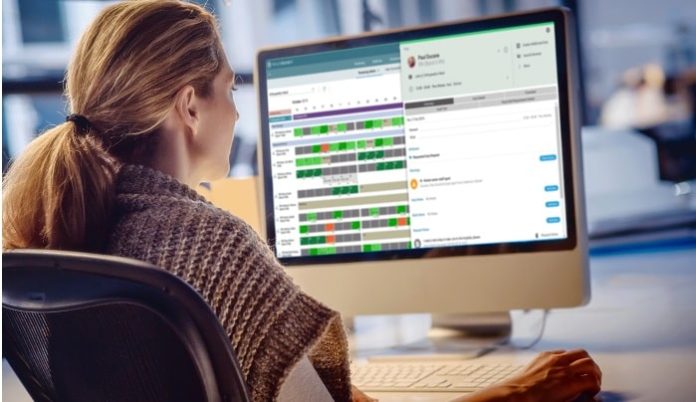
Allocate launches new clinical electronic rostering platform

Allocate launches new clinical electronic rostering platform

The healthcare people management platform aims to free up time for clinicians and make it easier for organisations to create care centred rosters.

UK-based healthcare people management software Allocate, has unveiled the latest model of its flagship e-rostering software platform, making it easier for staff to do clinical eRostering.

HealthRoster 11 will help with the management and rostering of staff whether at their desk or on the go. Roster management has come under significant pressure in responding to the demands of COVID-19.

Designed for tablets and computers, HealthRoster 11 offers a dashboard display summarising all information on one screen to create a faster user experience and freeing up time for patient care.

e-rostering software has been rolled out across the medical workforce to better manage the distribution of clinical staff. Amongst these is James Paget University Hospitals NHS FT, which introduced Allocateโ€™s Activity Manager platform to 320 doctors and medical staff to cover 12 departments.

Allocateโ€™s HealthRoster platform also helped track live NHS absences to help during COVID-19.

Simon Courage, chief solutions architect, Allocate said: โ€œHealthcare teams have faced mounting pressure during the pandemic with staff burnout being a very real and prevalent issue. Effective rostering is key to managing a constantly changing workforce whilst tracking the monitoring of and management of sickness and absence by both at a department level and an individual level.โ€

โ€œWith the rate of COVID-19 infections currently increasing and the winter pressures faced by the NHS, workforce management challenges are only going to increase and therefore the need for simple and effective e-Rostering tools is paramount when it comes to staff planning and deployment.โ€

Andrew Stocken, E-Systems implementation officer, Aneurin Bevan University Health Board said: โ€œHealthRoster 11 is much more visual, intuitive and user friendly and will make a big difference when it comes to training new teams. Reporting is more streamlined meaning you donโ€™t have to export reports into Excel. But the biggest win is being able to use the software on a tablet which means staff can be more mobile which is especially important for clinicians.โ€

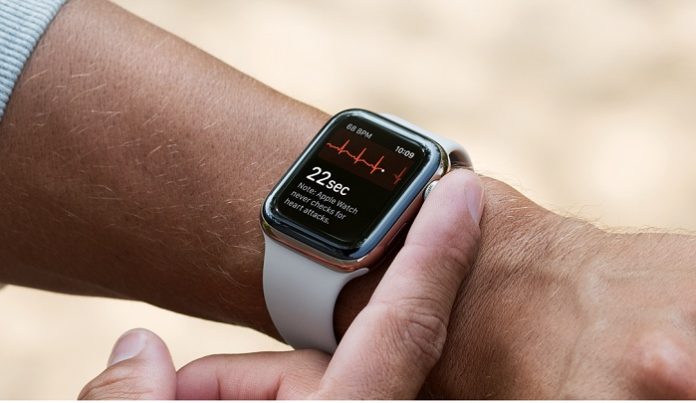
Mount Sinai researchers using Apple Watch to study COVID-19 stress

 Mount Sinai researchers using Apple Watch to study COVID-19 stress

Researchers at Mount Sinai are the latest to leverage wearables to study the COVID-19 crisis. By using the Apple Watch in combination with a unique phone app and simple survey questions, they hope to study the psychological impact of COVID-19 and potentially flag early signs of the disease.

Other researchers have used surveys or medical devices to try and track the spread of the novel coronavirus. What sets their study apart, say Dr. Robert Hirten and Zahi Fayad of the Mount Sinai COVID Informatics Center, is its specific focus on healthcare workers across a variety of occupations.

We didn’t want to focus on a specific group of healthcare workers,” said Hirten in an interview with Healthcare IT News. “We wanted to assess the psychological stress across the spectrum so we can really see who the groups of people are who might be most in need of help.”

As Hirten pointed out, it’s not just frontline workers who are at risk of the psychological and physical impacts of COVID-19. “A person coming in after a [COVID-19] patient is in the room โ€“ there’s a lot of risk for the person cleaning the room,” he said.

Earlier this month, Apple CEO Tim Cook called specific attention to the study as an opportunity to improve healthcare using the Watch.

“Healthcare providers, insurance companies and businesses are also seeing the benefits of offering Apple Watch. They know it can make a big difference in the lives of their patients, customers and employees,” said Cook at the Apple Event in September.

“Recently, the Mount Sinai Health System in New York launched the new Warrior Watch study. Using data from Apple Watch, researchers are studying the impact of COVID on the psychological wellbeing of frontline health care workers by identifying early signs of stress while also looking to predict infection before symptoms appear,” Cook said.

Hirten and Fayad said they’d had previous experience with the Apple health kit and had expert engineers on the team who had done work in the past to customize apps and extract specific physiological measures from the Watch.

For this study, they said, the key measure is heart rate variability, which can shed light on the nervous system.

Perhaps counterintuitively, a lower variability in heart rate is associated with the risk of disease. It means your system is stressed.

“One of the limitations in the literature is they’ve really relied on a single mode of data,” said Hirten. “It’s usually asking people questions: ‘How are your stress perceptions? What is worrying you?'”

This study, he said, will combine “subjective measures” โ€“ in other words, answering those kinds of questions โ€“ “with physical metrics of what’s going on in bodies.”

Another advantage of using Mount Sinai employees, they said, is that they also have access to their medical records, which allows them to get a more complete picture of individuals.

Recruitment is still ongoing, said the researchers. Although interest has been high, they’ve faced hurdles in actually getting Apple Watches into the hands of the people who want to participate.

“We’ve had team members ride around on a bicycle around Manhattan to Apple stores trying to get the watches,” laughed Fayad.

Eventually, they hope to have about 1,000 people enrolled.

The researchers said that following Cook’s shout-out they plan to meet with Apple higher-ups in the next few weeks to have a deeper discussion about the study.

“The hope is that we’re able to identify people who aren’t doing well psychologically … and identify people who are infected with [COVID-19] very early on in the infection or โ€ฆ are asymptomatic carriers,” said Hirten.

Reliance develops RT-PCR kit that can give Covid-19 results in 2 hours

Reliance develops RT-PCR kit that can give Covid-19 results in 2 hours

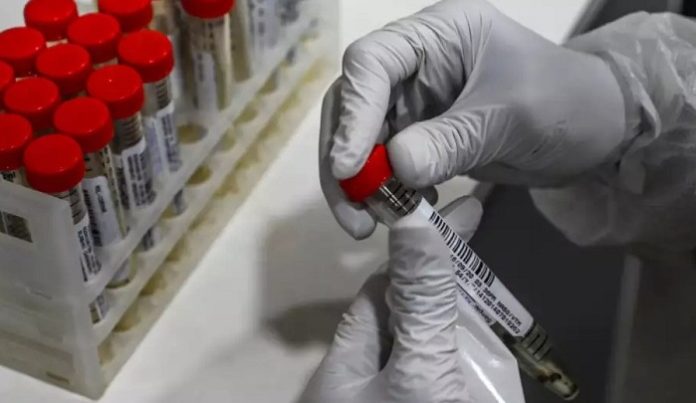
Reliance Life Sciences has developed an RT-PCR kit that promises diagnosis of Covid-19 infection in about 2 hours, company sources said.

At present, Covid-19 RT-PCR test, which is a real-time reverse transcription-polymerase chain reaction (rRT-PCR) test for the qualitative detection of nucleic acid from SARS-CoV-2, takes up to 24 hours to give a diagnosis.

The sources said computational biologists at Reliance Life Sciences, a subsidiary of billionaire Mukesh Ambani-run Reliance Industries Ltd, analysed more than 100 genomes of SARS-CoV-2 sequenced in India and designed unique RT-PCR primers for developing quantitative-Real Time PCR (RT-PCR) kit for Covid-19 detection.

RT-PCR kit is so far considered as Gold standard. The kit, developed by scientists at Reliance Life Sciences, is named R-Green Kit (SARS COV2-real-time PCR) and has been technically validated by ICMR for satisfactory performance, the sources said.

ICMR’s validation process does not approve/disapprove the kit design as well as it does not certify user-friendliness. The sources said the kit can detect the presence of E-gene, R-gene, RdRp gene of SARS COV2 virus with Actin as an internal control.

As per ICMR results, the kit shows 98.7 per cent sensitivity and 98.8 per cent specificity.

This kit is a complete indigenous development by the R&D scientists working at the firm, they said, adding one biggest advantage of this kit is that it is simple to use and uses readily available simple reagents and primers which can be synthesised in India.

The diagnosis time is approximately 2 hours, they added. A separate study by Reliance Life Sciences has indicated that the death rate for Covid-19 pandemic may significantly reduce by the end of 2020.

The study showed mutation occurrence of structural and non-structural proteins of SARS-CoV-2 form more than 7,000 genome sequences of SARS-CoV-2 virus from 49 countries.

Statistical analysis showed an inverse correlation between the mutation rates of two proteins NSP6 and Surface glycoprotein (S) with the death rate, according to the study published in the Scientific Journal of Biology.

It has been predicted that mutations of these two proteins will grow constantly, while the death rate would drop below 0.5 per cent by end of 2020 in cluster I countries (India and Bangladesh).

In the study, it has been observed that the cluster II country (USA) mutation rate of NSP6 and S proteins are lower than cluster I and cluster III (Australia and NZ) countries.

Therefore, it has been proposed that in cluster II country the death rate of Covid-19 pandemic will weaken later than cluster I and III countries, the study says. Reliance also got a US patent for genetically modified microalgae that is said to defend/delay death.

The United States Patent on September 8 issued the patent.

University of Minnesota develops AI algorithm to analyze chest X-rays for COVID-19

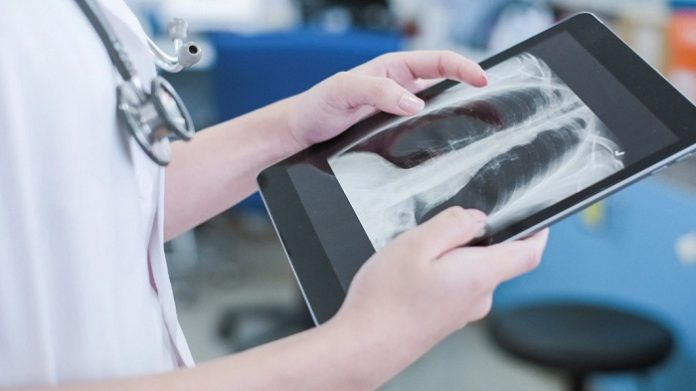
A team of researchers at the University of Minnesota recently developed and validated an artificial intelligence algorithm that can evaluate chest X-rays to diagnose possible cases of COVID-19. Working together with M Health Fairview and Epic, the algorithm will be available at no cost to other health systems through Epic, the medical records software used by many health care organizations across the country. Today, all 12 M Health Fairview hospitals use the new algorithm.

When a patient arrives in the emergency department with suspected COVID-19 symptoms, clinicians order a chest X-ray as part of standard protocol. The algorithm automatically evaluates the X-ray as soon as the image is taken. If the algorithm recognizes patterns associated with COVID-19 in the chest X-ray โ€” within seconds โ€” the care team can see within Epic that the patient likely has the virus.

โ€œThis may help patients get treated sooner and prevent unintentional exposure to COVID-19 for staff and other patients in the emergency department,โ€ said Christopher Tignanelli, MD, assistant professor of surgery at the University of Minnesota Medical School and co-lead on the project. โ€œThis can supplement nasopharyngeal swabs and diagnostic testing, which currently face supply chain issues and slow turnaround times across the country.โ€

Tignanelli led the project with several key players, including Ju Sun, PhD, assistant professor at the U of M College of Science and Engineering; Erich Kummerfeld, PhD, research assistant professor at the U of M Institute of Health Informatics; Genevieve Melton-Meaux, MD, PhD, professor of surgery at the U of M Medical School and chief analytics and care innovation officer for M Health Fairview; and Tadashi Allen, MD, assistant professor of radiology at the U of M Medical School.

To develop the algorithm, the team led by Sun analyzed de-identified chest X-rays taken at M Health Fairview since January. To train it to diagnose COVID-19, Sunโ€™s team used 100,000 X-rays of patients who did not have COVID-19 and 18,000 X-rays of patients who did.

โ€œThe power of modern AI and computer vision is precise, and automatic extraction of effective visual patterns from imaging data enables rapid decision-making. Our model learns from thousands of X-rays and detects COVID-19 in seconds, then immediately shows the risk score to providers who are caring for patients,โ€ Sun said.

Once the team validated the algorithm, Melton-Meaux worked with colleagues at M Health Fairview and Epic to build the infrastructure around the algorithm, designing it to seamlessly and immediately translate the algorithmโ€™s findings into the medical record software and notify care teams. The U of M and Fairview teams decided to make their algorithm available free of charge in the Epic App Orchard for more than 450 health care systems worldwide.

โ€œThis project speaks to the power of our M Health Fairview partnership, and our ability to apply research in real time to improve patient care,โ€ Melton-Meaux said. โ€œUsing this tool gives us the ability to reduce the spread of COVID-19 and save lives, so sharing it with other health systems makes a lot of sense. Especially in regions with high infection rates or potentially less access to testing, the fight against COVID-19 requires all of us to work together.โ€

Drew McCombs, an Epic software developer who worked closely with the U of M and Fairview teams, says current customers can install Cognitive Computing and the new algorithm in as little as 10 days, then begin end-user training.

โ€œEpic software puts the University of Minnesotaโ€™s algorithm for predicting COVID-19 from X-rays into practice,โ€ McCombs said. โ€œOur Cognitive Computing platform quickly pulls the X-ray, runs the algorithm, and shows the resulting prediction directly in Epic software that doctors, nurses, and support staff use every day โ€” speeding up treatment and helping protect staff. The algorithm is available to healthcare organizations around the world that use Epic.โ€

About the University of Minnesota
The University of Minnesota System, with campuses in Crookston, Duluth, Morris, Rochester and the Twin Cities, is driven by a singular vision of excellence. We are proud of our land-grant mission of world-class education, groundbreaking research and community-engaged outreach, and we are unified in our drive to serve Minnesota.

About M Health Fairview
M Health Fairview is the newly expanded collaboration between the University of Minnesota, University of Minnesota Physicians, and Fairview Health Services. The healthcare system combines the best of academic and community medicine โ€“ expanding access to world-class, breakthrough care through our 10 hospitals and 60 clinics.

About Epic
Epic puts patients at the heart of everything we do, helping people get well and stay well.

Going Beyond the EHR to Continue the Success of Value-Based Care

Going Beyond the EHR to Continue the Success of Value-Based Care

The healthcare industry is in the midst of an unprecedented revolution. Historically, the industry has not been known to embrace rapid change. Yet recent efforts to move providers from volume to value seem to be bucking the trend.

With the help of health IT tools and strong investment from key players across the care continuum, value-based care is taking off in a big way.

The latest evidence comes from the 2019 performance results of the Medicare Pathways to Success Program, previously known as the Medicare Shared Savings Program (MSSP).

In September, CMS Administrator Seema Verma announced that 2019 was the best year yet for savings. Five hundred and forty-one accountable care organizations (ACOs) generated $1.19 billion in total net savings for Medicare, with risk-bearing ACOs and low-revenue, physician-based groups leading the way. The journey clearly is continuing.

More than 11.2 million Medicare beneficiaries are currently reaping the benefits of a value-based approach to their care. But there are millions more patients โ€“ and thousands of providers and health systems โ€“ who will need to adopt the same strategies in order to truly make a dent in the nationโ€™s staggering spending totals and poor health outcomes.

Digital data from electronic health records (EHRs) has been instrumental in enabling the proactive population health management activities that have made value-based care work thus far. However, taking the next step in value-based care will require even more sophisticated, targeted interactions with large and complex datasets, without interrupting the clinicians

To continue the successes of value-based care, organizations need amp up their ability to leverage precise, relevant, timely, personalized information about patients and their individual needs at exactly the right time.

Examining the financial and clinical opportunities of value-based care

Pathways to Success is only one component of the value-based care ecosystem, but it serves as a valuable bellwether for concurrent efforts from commercial payers and Medicaid. The latest results from the Pathways program hold important lessons for both physician practices and larger health systems looking to improve efficiency and generate better outcomes for patients.

The data shows that, in 2019, smaller โ€œlow-revenueโ€ ACOs, generally led by physician practices, averaged higher per-beneficiary savings than โ€œhigh-revenueโ€ ACOs anchored by hospitals and health systems. On average, low-revenue ACOs generated $201 in savings per beneficiary while high-revenue groups saved $80 per beneficiary, CMS says.

The difference is due, in part, to more aligned incentives for physicians who typically focus on delivering outpatient care. Preventive care, chronic disease management, and wellness services are at the core of the value-based care ethos, since they help to reduce the need for more expensive inpatient services and support better long-term outcomes for individuals.

For physician practices not yet participating in a value-based care model, the positive results of the Pathways program for low-revenue ACOs are a strong incentive to get started. To realize similar gains, providers will need access to meaningful, precise, and actionable patient data delivered in an intuitive manner.

For health systems which must manage both the inpatient and outpatient settings, there are also opportunities to improve performance. Expanding the delivery of preventive care at the physician practice level โ€“โ€“ and taking advantage of revenue enhancement opportunities like transitional care management (TCM) and Medicare Annual Wellness Visits (AWVs) โ€“ will help to balance revenue and foster better outcomes.

Just like their low-revenue peers, high-revenue ACOs built around health systems will need to boost their visibility into patient activities and equip their inpatient and outpatient providers with easy-to-use tools for making decisions about a patientโ€™s next steps.

The challenge of fragmentation in the value-based care environment

Electronic data has made value-based care possible at a scale never seen before. EHRs have been the critical catalyst for documenting data in a standardized manner for clinical analytics and appropriately detailed billing.

Over the past decade, stakeholders have been working diligently to leverage this new wealth of data to improve coordination, manage populations at scale, and identify opportunities to avoid clinical and financial waste.

Unfortunately, there have been some significant speed bumps along the way. EHRs were indeed designed as highly capable systems of record, but they werenโ€™t necessarily built to handle the extensive health information exchange needs of the evolving value-based environment.

The resulting fragmentation has left providers struggling to understand the full scope of a patientโ€™s historical activities and future needs. Key data elements are often trapped behind the artificial walls of disjointed data systems, leading to gaps in knowledge and poor experiences for patients and providers alike.

Taking the next steps in technology to accelerate value

Healthcare providers cannot be expected to break down these barriers by themselves at the point of care. Multiple portals, convoluted workflows, and unanswered requests dramatically increase the cognitive load of working on even the most basic tasks.

Instead, clinicians deserve an effortless way to engage with valuable, targeted data and take advantage of everything the EHR has to offer. By reducing the time and complexity involved in synthesizing data for decision-making, providers can spend more time on their patients and ensure they are meeting all the goals of value-based care.

As more providers get involved in accountable care organizations and other value-based care models, building upon the foundation of the EHR will be crucial for achieving ambitious clinical and financial goals. Clinicians will need to leverage intelligent, aware, and intuitive communication tools that can proactively retrieve useful information from wherever it resides and present insights in a personalized, contextualized data stream embedded in the existing workflow.

With this type of smart system to automate the process of information acquisition and synthesis, providers will be better equipped to make shared decisions, close gaps in clinical care or coding, and avoid unnecessary or duplicate services. This approach will help clinicians go beyond the basics of the current health IT environment without the need for a prohibitively expensive rip-and-replace of valuable and useful EHR tools.

As value-based care continues to capture the interest of physician practices and health systems, equipping clinicians with this new type of intelligent, assistive technology will prevent waste, improve outcomes, and keep the healthcare industry on track for even better results in the near future.


4 Things to Know Before You Take a Home DNA Test

4 Things to Know Before You Take a Home DNA Test

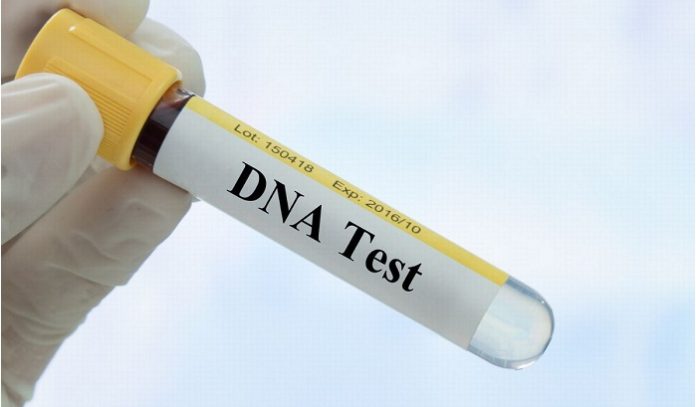
In the last few years, DNA testing has become more popular than ever because of its wide availability through the home testing kits. Because this test can reveal intriguing facts about an individual, many people are swooning over it right now. So whether you are interested in knowing the family history or getting in touch with your cousins across the globe, the home DNA test kit will reveal interesting facts about you and your family. With a price range between $60 to $100, DNA testing is more popular than ever. However, before you decide to buy a home DNA test kit, here are a few things for you to know:

  1. You won’t Get to Know Everything About Your Genetics

In simple words, if you buy a home DNA test kit to undergo genetic testing at home, the information you receive is limited to what studies and data are available. You will be intrigued to know; the human genome sequence is made up of 3 billion base pairs. Technology limits the data that can be gathered from a saliva which is the most common method of DNA extraction from testing kits. Experts believe, if you want to undergo a thorough DNA test, it will easily cost you around $10,000. The sample collected from an individual is just a small part of identifying the genome sequence. So the DNA testing kits at home can provide you with a fair amount of information including family history, common disease vulnerabilities, and other biological indicators but cannot tell you pinpoint information.

  1. Using Information Wisely is Important

Apart from knowing about your ancestors, you will also come across a vast array of information from the DNA testing. With a DNA test, you can easily know about the prospective health risks and genetic carrier status. Sometimes, a DNA test might reveal if there is a chance of you getting stuck with ovarian or breast cancer in the future. So as soon as you come across such information, you shouldnโ€™t consider it inconsequential. This is why you need to take this information with caution and check with a doctor as soon as possible. Most people sugarcoat their issues with a denial that can be very damaging in the long run. This is why doctors suggest people undergo DNA testing at the clinic.

  1. Results Can Vary

If you talk to anyone who wants to take the DNA test, they will tell you about undergoing the DNA test for the sake of learning about their ancestry and ethnicity. You need to know, the results at the ethnic levels can be very accurate at home; however, when it comes to the more advanced information, it is hard for you to come across the right facts and figures. Secondly, because every company has a different perspective on genome sequencing, it is hard for you to come across the right ethnicity findings. Secondly, if you compare the results of the home DNA test kits at home with those of the labโ€™s findings, you will find a demarcation between the two. So you have to be mindful enough when choosing to take the DNA test at home.

  1. Be Prepared for Surprises

If you are taking the DNA test to know about your ancestry, it is not the only information you will be entitled too. Sometimes, a DNA test can reveal shocking facts about a family and reveal heartbreaking facts at the very same moment. So if youโ€™re willing to take up this test at home, you better sit close to a loved one of yours. You never know when your excitement of undergoing might turn into the worst heartbreak of your life. So never underestimate the power of a DNA test when youโ€™re looking for valuable information about yourself and the family.

BD Announces CE Mark of Portable, Rapid Point-of-Care Antigen Test to Detect SARS-CoV-2 in 15 minutes

BD Announces CE Mark of Portable, Rapid Point-of-Care Antigen Test to Detect SARS-CoV-2 in 15 minutes

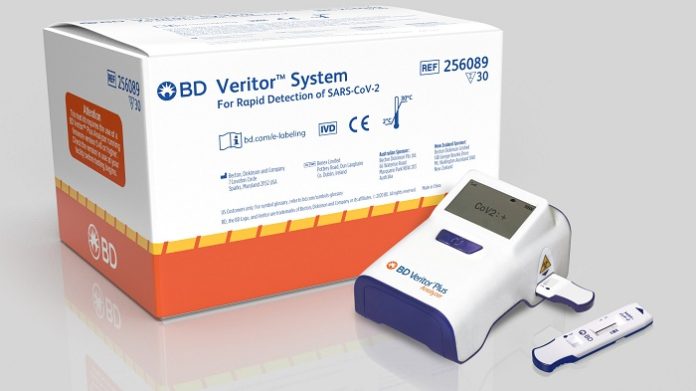
BD (Becton, Dickinson and Company), a leading global medical technology company, announced its rapid, point-of-care, SARS-CoV-2 antigen test for use on the BD Veritorโ„ข Plus System has been CE marked to the IVD Directive (98/79/EC).

BD has announced CE Mark of a portable, rapid point-of-care antigen test to Detect SARS-CoV-2 in 15 minutes, with commercial availability in Europe by the end of October.

The new test delivers results in 15 minutes on an easy-to-use, portable instrument, which is a critical improvement in turnaround time for COVID-19 diagnostics, because it provides real-time results and enables decision-making while the patient is still onsite. The company expects commercial availability of this new assay at the end of October for countries in Europe that recognize the CE mark.

โ€œAvailability of the SARS-CoV-2 assay on the BD Veritorโ„ข Plus System in Europe builds on our molecular test on the BD MAXโ„ข System that has been available since March,โ€ said Roland Goette, president of BD EMEA Region. โ€œThe addition of a truly portable, point-of-care test that can deliver results while the patient waits will be welcomed by health care providers and patients alike to help protect against additional waves of COVID-19.โ€

The test, which has been available in the United States since July through an Emergency Use Authorization by the U.S. Food and Drug Administration (FDA), uses the BD Veritorโ„ข Plus System, which is already in use across Europe to test for conditions such as Group A Strep, influenza A+B and Respiratory Syncytial Virus (RSV). The BD Veritorโ„ข Plus System, which is slightly larger than a mobile phone, offers an easy-to-use workflow that makes it an ideal solution for point-of-care settings. It also offers customers traceability and reporting capabilities through the optional BD Synapsysโ„ข informatics solution.

The European Centre for Disease Prevention and Control (ECDC) recently released guidance that all patients with acute respiratory symptoms should be tested for both SARS-CoV-2 and influenza A+B in parallel during flu season1. The BD Veritorโ„ข Plus System can test for both infections on the same platform.

BD is leveraging its global manufacturing network and scale to produce 8 million SARS-CoV-2 antigen tests per month by October and expects to produce 12 million tests per month by March 2021.

For Product Enquiries and How to Order:
All BD SARS-CoV-2 diagnostic products have regulatory authorizations in the markets where they are sold. European customers interested in BD diagnostic solutions for SARS-CoV-2 should visit bd.com/VeritorSystem-EU or contact BDโ€™s local customer service.

About the BD Veritorโ„ข System for Rapid Detection of SARS-CoV-2 Assay
The BD Veritorโ„ข Plus System for Rapid Detection of SARS-CoV-2 Assay has been CE marked to the IVD Directive (98/79/EC), but has not been cleared or approved by FDA. The test has been authorized by FDA under an EUA for use by authorized laboratories. The test has been authorized only for the detection of proteins from SARS-CoV-2, not for any other viruses or pathogens; and, the test is only authorized for the duration of the declaration that circumstances exist justifying the authorization of emergency use of in vitro diagnostics for detection and/or diagnosis of COVID-19 under Section 564(b)(1) of the Act, 21 U.S.C. ยง 360bbb-3(b)(1), unless the authorization is terminated or revoked sooner. The BD Veritorโ„ข Plus System for Rapid Detection of SARS-CoV-2 Assay is not authorized for use by consumers or for at-home use.

About BD
BD is one of the largest global medical technology companies in the world and is advancing the world of health by improving medical discovery, diagnostics and the delivery of care. The company supports the heroes on the frontlines of health care by developing innovative technology, services and solutions that help advance both clinical therapy for patients and clinical process for health care providers. BD and its 65,000 employees have a passion and commitment to help enhance the safety and efficiency of cliniciansโ€™ care delivery process, enable laboratory scientists to accurately detect disease and advance researchersโ€™ capabilities to develop the next generation of diagnostics and therapeutics. BD has a presence in virtually every country and partners with organizations around the world to address some of the most challenging global health issues. By working in close collaboration with customers, BD can help enhance outcomes, lower costs, increase efficiencies, improve safety and expand access to health care.

DexCom G6 Continuous Glucose Monitoring System Launches In Turkey

DexCom G6 Continuous Glucose Monitoring System Launches In Turkey

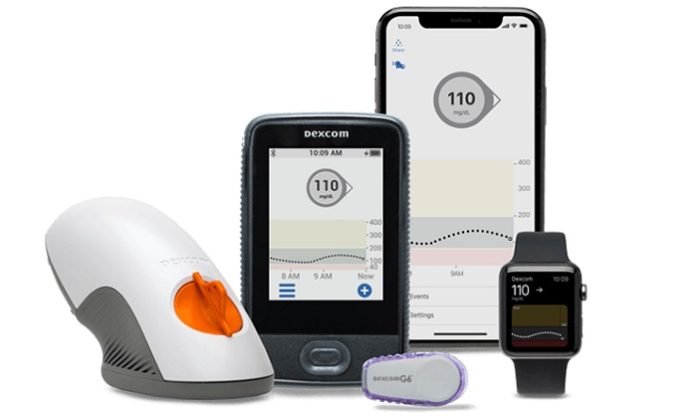
DexCom, Inc., a leader in continuous glucose monitoring (CGM) for people with diabetes, announced market entry into Turkey, with the launch of its Dexcom G6 CGM System for people with diabetes ages two years and older.

The Dexcom G6 uses a small, wearable sensor and transmitter to continuously measure and send glucose levels wirelessly to a receiver or compatible smart device*, enabling patients to receive near real-time glucose data without the need to prick their fingerโ€ . The system also offers customizable alerts and alarms to help avoid dangerous low and high blood sugar events.

“At Dexcom, we are committed to continuing to expand access to CGM for people with diabetes around the world. The launch of Dexcom G6 in Turkey represents a significant step forward in diabetes management, bringing CGM technology to patients and healthcare providers across the country,” said Erik Bjorkman, general manager and senior vice president for EMEA at Dexcom.

The Dexcom G6 app for compatible iOS and Android devices* also allows patients to share their glucose information with up to five followersโ€ก, enabling family, loved ones and healthcare providers to remotely monitor patients for extra peace of mind.

Dexcom G6 features that empower users to take control of their diabetes:

  • Elimination of fingersticks for calibration and diabetes treatment decisionsโ€ 
    Continuous glucose readings sent automatically using Bluetooth technology to any compatible smart device*, or to a Dexcom receiver, at five-minute intervals
  • Customizable alerts and alarms, including a new Urgent Low Soon alert, which can warn users up to 20 minutes in advance of an urgent hypoglycemic event, so they can take steps to prevent it
  • Near real-time data sharing with the Dexcom G6 app, allowing the user to share their glucose data with up to five followersโ€ก to monitor their glucose levels remotely for extra peace of mind
  • 10-day sensor allowing for longer wear (3 days longer than the previous generation Dexcom CGM)
  • A slimmer transmitter with a lower profile for more discreet wear ability
  • An auto-applicator designed to make sensor insertion simple with the touch of a button
  • A newly designed receiver with a touchscreen display (optional display device)
  • New sensor membrane that enables acetaminophen use without any effect on glucose readingsยง

It has been estimated that there are almost 10 million people with diabetes in Turkey, making the incidence rate of diabetes in Turkey twice as high as the world average and three times the European average. The number of Type 1 diabetes patients is estimated to be around 200,000. Although the rate of diabetes patients using CGM is below the European average, the number is growing.

“Thanks to the Dexcom G6 CGM system, painful and time consuming fingerstick glucose testing is becoming a thing of the past for people with diabetes,” said Mete Bilgic, a representative of Medsalus, the distributor of Dexcom products in Turkey. “The launch of the G6 system in Turkey will undoubtedly lead to a better quality of life for those using the system.”

How to get Dexcom G6 in Turkey

The Dexcom G6 can be ordered through the website www.dexcomtr.com or by calling +90 216 573 48 48. Current users can upgrade today to the Dexcom G6 system, which includes a new G6 transmitter and sensor. The system connects to the Dexcom G6 app, available for download from the Apple App Store or Google Play store, for use with a compatible Apple or Android smart device. Alternatively, patients can see glucose readings on the optional Dexcom G6 touch screen receiver, that can be purchased separately.

The Dexcom G6 received its CE Marking in June 2018, confirming that the G6 system meets the Essential Requirements of the Medical Device Directive MDD 93/42/EEC as amended by 2007/47/EC. The powerful and ground-breaking new system is also the first CGM system to receive the US Food and Drug Administration’s (FDA) De Novo classification. With this new classification, the Dexcom G6 CGM system is indicated for use as both a stand-alone CGM and for integration into automated insulin dosing (AID) systems.

About DexCom, Inc.

DexCom, Inc. empowers people to take control of diabetes through innovative continuous glucose monitoring (CGM) systems. Headquartered in San Diego, California, and with operations across Europe, Dexcom has emerged as a leader of diabetes care technology. By listening to the needs of users, caregivers, and providers, Dexcom simplifies and improves diabetes management around the world.

Translate ยป