








Close
Digital Health & Ai Innovation summit 2026
Medical Taiwan 2026

Alvotech and DKSH expand their partnership to give Asian patients access to more high-quality biosimilars

Alvotech and DKSH expand their partnership to give Asian patients access to more high-quality biosimilars

DKSH Business Unit Healthcare, Asia’s leading partner for healthcare companies, and biopharmaceutical company Alvotech, have announced their extended partnership to bring additional biosimilars, or biologic medical products to Asia. The collaboration will include the following markets: Taiwan, Korea, Hong Kong, Philippines, Vietnam, Thailand, Cambodia, Myanmar, Malaysia, Singapore, Indonesia, India, Bangladesh and Pakistan.

A biosimilar is a biologic medical product, highly similar to an already approved biological medicine. Unlike generic drugs, biosimilars are not an exact copy of an existing drug’s chemical composition, but “highly similar”, meaning close enough in duplication to accomplish the same therapeutic and clinical result.

To accelerate DKSH’s entry into the fast-growing market of biosimilars and help widen access to critical medicines in Asia, the company has extended its partnership with Alvotech, obtaining the exclusive rights for six additional Alvotech biosimilars. This will enable DKSH to provide Asian patients access to state-of-the-art and cost-effective biosimilars.

DKSH signed its first biosimilar deal with Alvotech last year for AbbVie’s HUMIRA®, a leading drug indicated for the treatment of several autoimmune diseases. AbbVie’s HUMIRA® recorded global sales of about USD 20 billion, making it the largest-selling blockbuster medicine in the world.

Mark Levick, Chief Executive Officer of Alvotech, commented: “We have been delighted to work with DKSH since our initial partnership began earlier this year. The partnership is designed to accelerate improved patient access for high quality biosimilar medicines in the Asian biosimilar industry. This is also another milestone for Alvotech, where we continue to extend our network of leading commercial partners around the globe.”

Bijay Singh, Global Head of Business Unit Healthcare, DKSH, said: “The extended partnership with Alvotech demonstrates our commitment to bringing high-quality medical products to Asian patients and enriching their lives. At DKSH, we believe biosimilars offer a tremendous opportunity to enhance the standard of care in several disease areas across Asian markets. This partnership brings together two strong players – Alvotech, with their leading position in the development and manufacturing of biosimilars worldwide, and DKSH as the leading commercial outsourcing partner for healthcare companies in Asia.”

About Alvotech

Alvotech is a multinational biopharmaceutical company focused on the development and manufacture of high quality biosimilars for global markets. The company specializes in biotechnology, seeking to be a global leader in the biosimilar space by delivering high quality, cost-competitive products and services to its partners and to patients worldwide. Its fully integrated approach, with high-quality in-house competencies throughout the value chain, enables the accelerated development of biosimilar products. Alvotech’s initial pipeline contains several monoclonal-antibody and fusion-protein biosimilar candidates aimed at treating autoimmunity, oncology and inflammatory conditions to improve quality of life for patients around the world.

About DKSH

DKSH is the leading Market Expansion Services provider with a focus on Asia. The Group helps companies to grow across the Business Units Healthcare, Consumer Goods, Performance Materials and Technology. The service portfolio covers sourcing, market insights, marketing and sales, eCommerce, distribution and logistics as well as after-sales services. Publicly listed on the SIX Swiss Exchange, the Group operates in 36 markets with 33,350 specialists, generating net sales of CHF 11.6 billion in 2019. With its Swiss heritage, DKSH has been deeply rooted in Asia Pacific since 1865. The DKSH Business Unit Healthcare distributes pharmaceuticals, consumer health and overt-the-counter (OTC) products as well as medical devices. With around 8,220 specialists, the Business Unit generated net sales of CHF 6.0 billion in 2019.
T-knife and Catalent Sign Technology Transfer and Manufacturing Agreement for Autologous T-Cell Receptor-Based Cell Therapy

T-knife and Catalent Sign Technology Transfer and Manufacturing Agreement for Autologous T-Cell Receptor-Based Cell Therapy

T-knife GmbH, a next-generation adoptive T-cell company using its proprietary humanized T-cell receptor (HuTCR) mouse platform to treat solid tumors, and Catalent, the leading global provider of advanced delivery technologies, development, and manufacturing solutions for drugs, biologics, cell and gene therapies, and consumer health products, announced they have signed an agreement to provide technology transfer and CGMP clinical manufacturing of T-knife’s T1367 T-cell receptor (TCR) program.

T1367 is an autologous T-cell receptor-based cell therapy derived from T-knife’s proprietary humanized T-cell receptor (HuTCR) mouse platform and specifically targets MAGE-A1 positive tumors in cancer patients. The therapy is expected to be manufactured for clinical trials in both the European Union and the United States.

Under the terms of the agreement, Catalent will undertake transfer of T-knife´s platform process for T-cell receptor-based cell therapy at its site in Gosselies, Belgium, with the goal of manufacturing clinical batches for European trials in 2021. T-knife will also prepare for the transfer of the TCR manufacturing platform to Catalent’s Houston, Texas, facility with a view to initiating clinical trials in North America in the future.

“The product candidates based on our proprietary HuTCR platform require sophisticated, state-of-the-art manufacturing capabilities and deep cell and gene therapy know-how,” said Michael Buchholz, Director Manufacturing of T-knife. “We are convinced that Catalent is the right partner for T-knife to ensure premier manufacturing of our pipeline programs, covering all stages from clinical trials to market.”

“Catalent is well-suited to support T-knife with focused technology transfer and process industrialization in both Gosselies and Houston,” commented Manja Boerman, Ph.D., President, Cell & Gene Therapy, Catalent. “Emerging and innovative treatments like T1367 are moving rapidly to the clinic. Catalent is committed to continual investment and expansion to support our clients as they continue on the journey to commercialization.”

Catalent’s 2,400 square-metre (25,830 square-foot) facility in Gosselies, Belgium, provides clinical through commercial-scale cell therapy manufacturing, for both autologous and allogeneic cell therapy treatments. The facility accommodates four process development laboratories, nine flexible manufacturing clean rooms for CGMP manufacturing, as well as fill and finish services and quality control laboratories. An additional large-scale commercial manufacturing plant is currently under construction at the site and expected to be fully commissioned in 2021. The company also has a clinical manufacturing site in Houston, which is under qualification and expected to be fully commissioned in 2020.

ABOUT T-KNIFE

T-knife is a next-generation adoptive T-cell company utilizing its proprietary humanized T-cell receptor (HuTCR) mouse platform technology to treat solid tumors. It was founded as a spin-off from Max-Delbruck Center for Molecular Medicine together with Charité University Hospital in Berlin in 2018.

T-knife´s mission is to use its unique technology to bring highly effective and safe T-cell receptor-based therapeutics to market. Based on the unparalleled T-cell immunology expertise of its founders and the unique and proprietary HuTCR platform, the Company develops fully human TCRs which are expected to set new technology standards and to provide superior safety and efficacy. The Company has demonstrated pre-clinical proof-of-concept and its lead TCR has entered clinical development. In addition, T-knife has validated the platform for over 90 undisclosed cancer targets, with several follow-on drug candidates being already in preclinical development. The Company expects to bring three additional TCRs into the clinic by 2022. T-knife is executing a two-pronged corporate growth strategy: developing an internal pipeline of best-in-class therapeutics and in parallel, establishing external partnerships by out-licensing already patented TCRs and/or providing the Company’s HuTCR mouse for unbiased discovery of new epitopes. T-knife is backed by top tier investors Versant Ventures, RA Capital, Andera Partners, and Boehringer Ingelheim Venture Fund.

About Catalent Cell & Gene Therapy

With deep experience in viral vector scale-up and production, Catalent Cell & Gene Therapy is a full-service partner for adeno-associated virus (AAV) and lentiviral vectors, and CAR-T immunotherapies. When it acquired MaSTherCell, Catalent added expertise in autologous and allogeneic cell therapy development and manufacturing to position it as a premier technology, development and manufacturing partner for innovators across the entire field of advanced biotherapeutics. Catalent has a global cell and gene therapy network of dedicated, large-scale clinical and commercial manufacturing facilities, and fill-finish and packaging capabilities located in both the U.S. and Europe. An experienced partner, Catalent Cell & Gene Therapy has worked with industry leaders across 70+ clinical and commercial programs.

ABOUT CATALENT

Catalent is the leading global provider of advanced delivery technologies, development, and manufacturing solutions for drugs, biologics, cell and gene therapies, and consumer health products. With over 85 years serving the industry, Catalent has proven expertise in bringing more customer products to market faster, enhancing product performance and ensuring reliable global clinical and commercial product supply. Catalent employs approximately 14,000 people including around 2,400 scientists and technicians, at more than 45 facilities, and in fiscal year 2020 generated over $3 billion in annual revenue.

Airedale Hospital is one of first in the country to use pioneering Surgicube technology

Airedale Hospital is one of first in the country to use pioneering Surgicube technology

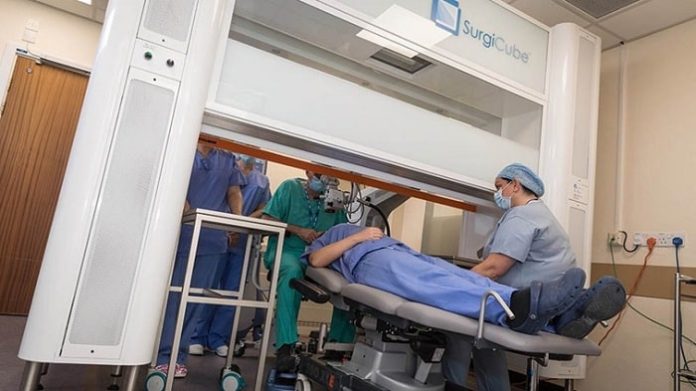
AIREDALE NHS Foundation Trust is the first hospital in Yorkshire and one of the first trusts in the country using the latest pioneering technology for patients having cataract surgery. The opening of Airedale Hospital’s brand new SurgiCube operation unit, means patients can now have microsurgeries, like cataract surgery, quickly, easily and safely as day patients in the Dales Suite.

The £100,000 Surgicube creates a clean operating room by using a mobile surgical hood which gives an ultra-clean airflow directly around the operating area where it’s needed, significantly reducing the risk of infection for the patient. The team will be able to treat more patients each week as a result.

For patients it also means they don’t have to prepare for surgery in the same way. The patient can be placed under the ultra-clean air flow of the SurgiCube in various ways allowing for a ‘small surface surgery’ to be performed on various parts of the body. They don’t need to dress for surgery and the fact that they can sit down themselves on the treatment chair and the surgery is completed quickly creates a much more relaxing experience.

Mr Paul Brogden, Consultant Ophthalmologist and specialist in cataract surgery said: “Cataract surgery is one of the most common surgical procedures done by the NHS and because of our older population, a higher number of people will be at risk of eye problems in the future, which means an even greater need for our service.

“We need to continue providing a walk in, walk out service and the state of the art Surgicube allows us to continue offering this service. We are proud to be one of the first hospital Trusts to use the Surgicube which ensures a safe clean environment to perform cataract surgery.”

By expanding operating capacity it means the Dales Suite will be able to accommodate minor surgical procedures in the future, such as minor hand and foot surgeries. By performing the procedures in the SurgiCube, it means the main theatre operating rooms can be used more effectively for other procedures. Preparation time for surgery is also much less than in a conventional operating room, making it more efficient and a perfect alternative treatment environment for many smaller procedures.

David Crampsey, Medical Director at Airedale NHS Foundation Trust said: “This is a fantastic state of the art piece of equipment for Airedale and we are very pleased to be able to offer this new facility to our patients.

“We are one of the first Trusts in the UK to have this. It is part of our ambition to be at the forefront of NHS care; developing, innovating and transforming the services we provide to our community – and equipping our clinical teams with cutting edge technology.”

SMART researchers develop fast and efficient method to produce red blood cells

SMART researchers develop fast and efficient method to produce red blood cells

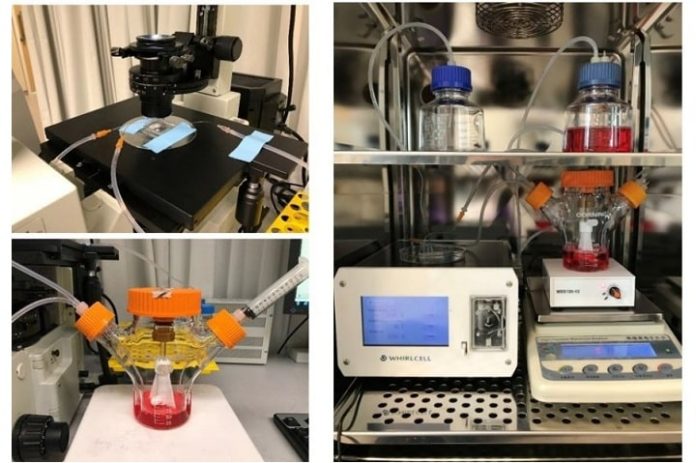
Researchers from Singapore-MIT Alliance for Research and Technology (SMART), MIT’s research enterprise in Singapore, have discovered a new way to manufacture human red blood cells (RBCs) that cuts the culture time by half compared to existing methods and uses novel sorting and purification methods that are faster, more precise, and less costly.

Blood transfusions save millions of lives every year, but over half the world’s countries do not have sufficient blood supply to meet their needs. The ability to manufacture RBCs on demand, especially the universal donor blood (type O+), would significantly benefit those in need of transfusion for conditions like leukemia by circumventing the need for large volume blood draws and difficult cell isolation processes.

Easier and faster manufacturing of RBCs would also have a significant impact on blood banks worldwide and reduce dependence on donor blood, which has a higher risk of infection. It is also critical for disease research, such as malaria, which affects over 220 million people annually, and can even enable new and improved cell therapies.

However, manufacturing RBCs is time-consuming and creates undesirable by-products, with current purification methods being costly and not optimal for large-scale therapeutic applications. SMART’s researchers have thus designed an optimized intermediary cryogenic storage protocol that reduces the cell culture time to 11 days post-thaw, eliminating the need for continuous 23-day blood manufacturing. This is aided by complementary technologies the team developed for highly efficient, low-cost RBC purification and more targeted sorting.

In a paper titled “Microfluidic label-free bioprocessing of human reticulocytes from erythroid culture,” recently published in the journal Lab on a Chip, the researchers explain significant technical advancements they have made toward improving RBC manufacturing. The study was carried out by researchers from two of SMART’s Interdisciplinary Research Groups (IRGs) —  Antimicrobial Resistance (AMR) and Critical Analytics for Manufacturing Personalised-Medicine (CAMP) — co-led by principal investigators Jongyoon Han, a professor of electrical engineering and computer science and of biological engineering at MIT, and Peter Preiser, a professor at NTU. The team also included AMR and CAMP IRG faculty appointed at the National University of Singapore and Nanyang Technological University.

“Traditional methods for producing human RBCs usually require 23 days for the cells to grow, expand exponentially, and finally mature into RBCs,” says Kerwin Kwek, lead author of the paper and senior postdoc at SMART CAMP. “Our optimized protocol stores the cultured cells in liquid nitrogen on what would normally be Day 12 in the typical process, and upon demand thaws the cells and produces the RBCs within 11 days.”

The researchers also developed novel purification and sorting methods by modifying existing Dean flow fractionation (DFF) and deterministic lateral displacement (DLD) and by developing a trapezoidal cross-section design and microfluidic chip for DFF sorting and a unique sorting system achieved with an inverse L-shape pillar structure for DLD sorting.

SMART’s new sorting and purification techniques using the modified DFF and DLD methods leverage the RBC’s size and deformability for purification instead of spherical size. As most human cells are deformable, this technique can have wide biological and clinical applications, such as cancer cell and immune cell sorting and diagnostics.

On testing the purified RBCs, they were found to retain their cellular functionality, as demonstrated by high malaria parasite infectivity, which requires highly pure and healthy cells for infection. This confirms SMART’s new RBC sorting and purifying technologies are ideal for investigating malaria pathology.

Compared with conventional cell purification by fluorescence-activated cell sorting, SMART’s enhanced DFF and DLD methods offer comparable purity while processing at least twice as many cells per second at less than a third of the cost. In scale-up manufacturing processes, DFF is more optimal for its high volumetric throughput, whereas in cases where cell purity is pivotal, DLD’s high precision feature is most advantageous.

“Our novel sorting and purification methods result in significantly faster cell processing time and can be easily integrated into current cell manufacturing processes. The process also does not require a trained technician to perform sample handling procedures and is scalable for industrial production,” Kwek continues.

The results of their research would give scientists faster access to final cell products that are fully functional with high purity at a reduced cost of production.

SMART was established by MIT in partnership with the National Research Foundation of Singapore (NRF) in 2007. SMART is the first entity in the Campus for Research Excellence and Technological Enterprise (CREATE) developed by NRF. SMART serves as an intellectual and innovation hub for research interactions between MIT and Singapore, undertaking cutting-edge research projects in areas of interest to both Singapore and MIT. SMART currently comprises an Innovation Center and five IRGs: AMR, CAMP, Disruptive and Sustainable Technologies for Agricultural Precision, Future Urban Mobility, and Low Energy Electronic Systems.

SMART research is funded by the NRF under the CREATE program.

The AMR IRG is a translational research and entrepreneurship program that tackles the growing threat of antimicrobial resistance. By leveraging talent and convergent technologies across Singapore and MIT, they tackle AMR head-on by developing multiple innovative and disruptive approaches to identify, respond to, and treat drug-resistant microbial infections. Through strong scientific and clinical collaborations, they provide transformative, holistic solutions for Singapore and the world.

MEDICAL FAIR ASIA 2020 goes Digital with Online Convenience for Medical Sourcing Needs

MEDICAL FAIR ASIA 2020 goes Digital with Online Convenience for Medical Sourcing Needs

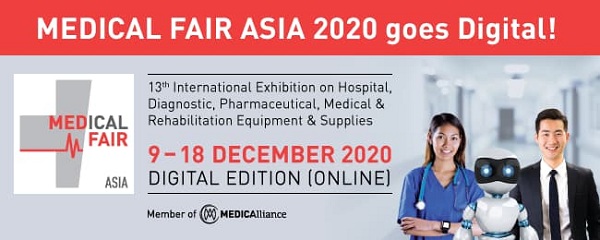
Messe Düsseldorf Asia announced that the 13th edition of MEDICAL FAIR ASIA will take place as a digital edition from 9-18 December. MEDICAL FAIR ASIA Digital Edition will offer a purpose-built online B2B experience for manufacturers, suppliers, distributors and trade buyers from the medical and healthcare sector to conduct business on a secure sourcing platform.

The well-established medical and healthcare exhibition first started in 1997 has since grown to be one of the most recognised regional events for sourcing hospital, diagnostic, pharmaceutical, medical and rehabilitation equipment and supplies. This shift to a digital event is in response to the dynamic situation of the COVID-19 pandemic, where travel and physical restrictions are still in effect globally.

Moving from in-person interactions at a physical trade event to making virtual connections anywhere in the world, MEDICAL FAIR ASIA Digital Edition aims to deliver the onsite benefits of a trade fair but with all the convenience of an online experience.

Mr Gernot Ringling, Managing Director, Messe Düsseldorf Asia, said: “It is a new reality in these trying economic times and we continue to adjust how we do business in the face of new customer habits and digital trends. Taking care of our customers is a top priority, and in the absence of a physical exhibition this year, staying true to the MEDICAL FAIR ASIA brand, both exhibitors and visitors can be assured that the digital edition will be an effective platform connecting global sellers and quality buyers.”

“On the back of the COVID-19 pandemic, there are clear signals that indicate an acceleration of omni-channel selling, tech-enabled selling and e- commerce. We believe the digital edition is well timed in serving the current needs of the medical industry, as well as medium term needs as potential demand for elective and delayed essential procedures see resurgence,” added Mr Ringling.

More than 300 international companies are expected to participate at the digital edition. In addition, over 30 presentation and conference sessions will run concurrently – live and on-demand, with speakers from the Start-Up Podium and Wearable Technologies ASIA Conference.

Ms Daphne Yeo, Senior Project Manager, MEDICAL FAIR ASIA, Messe Düsseldorf Asia said: “We are excited to announce this digital edition and believe it will be a fresh experience for exhibitors and visitors to do business and remain connected via this new format. The live-streaming and video call features where exhibitors and visitors can interact face-to-face is as personal an encounter as is possible and coupled with the multi-language capabilities, we are confident it will be an effective business platform.”

Strategic sourcing online

MEDICAL FAIR ASIA Digital Edition will offer trade visitors focused and targeted sourcing opportunities – from medical products and devices, rehabilitative equipment and new technology, telemedicine, to pandemic management solutions.

The digital exhibition will allow companies to present their product offerings and services online, with live-streaming of product demonstrations, real- time interaction with buyers via one-to-one video meets and instant chats. On a user-friendly dashboard, both exhibitors and visitors can view suitable matches and personalised meeting suggestions based on their interests and profile through AI driven smart business matching. Trade visitors will also have access to a comprehensive technical presentation showcase throughout the exhibition.

Attendees to the concurrent line-up of activities will experience the full benefits of a live conference including presentations and Q&A sessions. Content will also be available on-demand for delegates based in different time zones.

Mr Darren Liao, Product Manager of Milli-Q Lab water Division, Merck Pte Ltd, said, “Joining the digital edition this year was a natural decision particularly with the challenging travel restrictions. We look forward to join the exhibition, so we can share our solutions to clinical, pharmaceutical and medical device companies and at the same time, contribute to the COVID diagnostic and related research.”

Commenting on the positive feedback from exhibitors on the move to a digital edition, Mr Ringling said that after an extended period of isolation, businesses are likely to have an appetite to get back on track as economic recovery begins and remains hopeful in playing a part to stimulate activity and investment in the B2B event space with the digital edition. “The visceral enthusiasm and our human need to interact and for personal encounters at exhibitions are irreplaceable and will result in recovery in time. We are optimistic and look forward to staging the physical exhibition at the next edition of the MEDICAL FAIR series which will take place next year in Bangkok,” he said.

For more information on MEDICAL FAIR ASIA Digital Edition, please visit www.medicalfair-asia.com

About Messe Düsseldorf Asia

Messe Düsseldorf Asia is a subsidiary of Messe Düsseldorf in Germany, one of the world’s leading trade fair organisers responsible for organising more than 20 global No. 1 exhibitions held in Düsseldorf, Germany; across various sectors such medical and healthcare, workplace safety, security and health, packaging, printing, plastics, rubber, wire and tube, and wine and spirits, With extensive expertise in organising trade fairs in Southeast Asia, Messe Düsseldorf Asia has developed a portfolio of well-established trade fairs in the region since 1995. For more information, visit http://mda.messe-dusseldorf.com/

Roche launches new quantitative antibody test to measure SARS-CoV-2 antibodies, to support the evaluation of vaccines

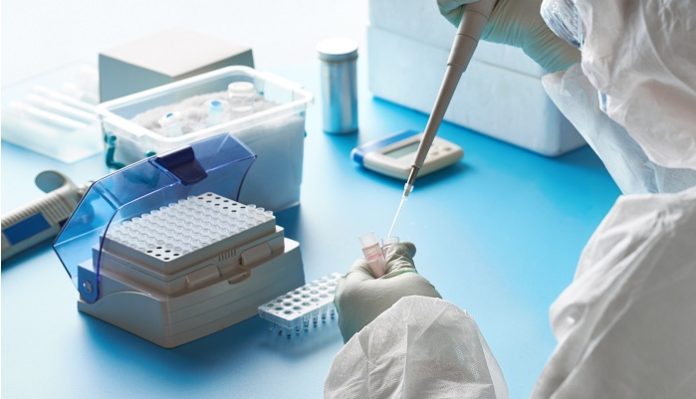
CD Genomics Announces Advanced CDAMP Panel Kits for SARS-CoV-2 Detection

Roche announced the launch of its Elecsys® Anti-SARS-CoV-2 S antibody test for markets accepting the CE Mark. Roche has filed for Emergency Use Authorisation (EUA) from the U.S. Food and Drug Administration (FDA).

The Elecsys Anti-SARS-CoV-2 serology test can be used to quantitatively measure antibodies in people who have been exposed to the Severe Acute Respiratory Syndrome Coronavirus 2 (SARS-CoV-2) and can play an important part in characterising a vaccine-induced immune response.

Specifically, the test targets antibodies which are directed against the particular region of the viral spike protein responsible for binding to the host cell receptor, which is required for the virus to enter the host cell. The majority of current candidate vaccines aim to induce an antibody response against the spike protein.

“As the possibility of an effective SARS-CoV-2 vaccine becomes a reality, quantitative measurement of antibodies will be crucial in the evaluation of any potential vaccine. The new quantitative Elecsys antibody test can play a pivotal role in vaccine clinical trials as well as helping clinicians assess patients immune response.This will be instrumental in protecting people most vulnerable to the virus, as well as in overcoming COVID-19 for society in general.” said Thomas Schinecker, CEO Roche Diagnostics. “This new test, the twelfth in the Roche SARS-CoV-2 testing portfolio, is another essential addition to support healthcare systems and patients as we jointly fight COVID-19.”

Before a vaccine is administered it is important to know the starting level of antibodies a person has, in order to evaluate any change in antibody levels that the vaccine induces, especially the development of antibodies directed against the SARS-CoV-2 spike protein. These antibodies have been shown to have potent antiviral activity and correlate to potential immunity.2 Measuring antibody levels could also be vital in establishing vaccine efficacy in the prevention of infection and/or the development of severe COVID-19.1

Alongside its importance to vaccine design and efficacy evaluations, the Elecsys Anti-SARS-CoV-2 S serology test can be used to determine antibody levels in plasmapheresis donations. Performing a combination of the Elecsys Anti-SARS-CoV-2 S and Elecsys Anti-SARS-CoV-2 tests can also help to more effectively define what percentage of a given population has developed antibodies (seroprevalence) against SARS-COV-2, especially in low to moderate seroprevalence settings.3 Knowing a given population’s seroprevalence is important in understanding how to contain the spread of the virus, as well as how to safely ease lockdown restrictions.

The test is the latest addition to the comprehensive Roche diagnostic portfolio to help healthcare systems combat COVID-19 through testing in the laboratory and at the point of care. Currently, this portfolio includes molecular, serology and digital solutions which help diagnose and manage COVID-19 during the initial stages of infection, during the recovery phase, as well as following the resolution of infection.

About SARS-CoV-2
Coronaviruses (CoV) are a large family of viruses that cause illness ranging from the common cold to more severe diseases such as Middle East Respiratory Syndrome (MERS-CoV) and Severe Acute Respiratory Syndrome (SARS-CoV). The novel coronavirus (SARS-CoV-2) is a new strain which has not previously been identified in humans.

Signs of infection include respiratory symptoms such as cough, shortness of breath, difficulty breathing, and fever. In more severe cases, pneumonia, severe acute respiratory syndrome, kidney failure and death can occur.

About Roche
Roche is a global pioneer in pharmaceuticals and diagnostics focused on advancing science to improve people’s lives. The combined strengths of pharmaceuticals and diagnostics under one roof have made Roche the leader in personalised healthcare – a strategy that aims to fit the right treatment to each patient in the best way possible.

Roche is the world’s largest biotech company, with truly differentiated medicines in oncology, immunology, infectious diseases, ophthalmology and diseases of the central nervous system. Roche is also the world leader in in vitro diagnostics and tissue-based cancer diagnostics, and a frontrunner in diabetes management.

Founded in 1896, Roche continues to search for better ways to prevent, diagnose and treat diseases and make a sustainable contribution to society. The company also aims to improve patient access to medical innovations by working with all relevant stakeholders. More than thirty medicines developed by Roche are included in the World Health Organization Model Lists of Essential Medicines, among them life-saving antibiotics, antimalarials and cancer medicines. Moreover, for the eleventh consecutive year, Roche has been recognised as one of the most sustainable companies in the Pharmaceuticals Industry by the Dow Jones Sustainability Indices (DJSI).

The Roche Group, headquartered in Basel, Switzerland, is active in over 100 countries and in 2019 employed about 98,000 people worldwide. In 2019, Roche invested CHF 11.7 billion in R&D and posted sales of CHF 61.5 billion. Genentech, in the United States, is a wholly owned member of the Roche Group. Roche is the majority shareholder in Chugai Pharmaceutical, Japan.

Versius surgical robotic system launched in France

Versius surgical robotic system launched in France

UK-based medical devices company, CMR Surgical (CMR) has launched Versius Surgical Robotic System at Clinique du Parc Hospital in Saint-Etienne, France. Versius will provide technology that can support the use of robotic minimal access surgery (MAS), otherwise known as keyhole surgery.

WHY IT MATTERS

Across France, over 1,500 hospitals currently perform MAS, yet only 6% of medium-sized public hospitals have a robotic surgery department.Versius can be moved and used in any operating room, allowing a single system at Clinique du Parc to be used to perform up to 300 cases every year, making surgical robotics more routinely available.

MAS is associated with better outcomes for patients and shorter hospital stays compared to open surgery – two factors that are increasingly important in minimising exposure to COVID-19.

THE LARGER CONTEXT

Given the highly infectious nature of COVID-19, minimising human contact has been integral to slowing down the spread of the virus.The introduction of robotic technologies has been welcomed as a way to perform repetitive tasks that reduce infection for healthcare workers and alleviate the work burden. For instance, Brain Navi developed a nasal swab test robot recently to safely collect patient samples.

In January, Southmead Hospital partnered with Bristol Robotics Laboratory to look at how socially assistive robots could improve patient care.

ON THE RECORD

Per Vegard Nerseth, chief executive officer of Cambridge-based CMR Surgical said: “France is one of the largest surgical robotics markets in the world and we are delighted to be launching Versius into such a highly influential region. In Versius we have created a unique system with the potential to radically transform surgery – making the best surgical care more accessible than ever before.

“Over the past year CMR has seen global interest in Versius increase exponentially and today is another important step forward as we continue to bring this pioneering technology to surgeons and hospitals across Europe and beyond.”

Karine Giroudon, division director at C2S and manager of Clinique du Parc, said: “The arrival of Versius is a remarkable opportunity for Clinique du Parc – the first hospital in France to benefit from this exceptional technology. Versius’ versatility and the fact that it is easily transportable means we have complete flexibility.

“Unlike anything before it, Versius can be used many times a day, in different theatres and by teams working across multiple disciplines such as gastroenterology, urology and gynaecology. Our surgical teams are leading the way in the use of this surgical tool, allowing us to offer the benefits of MAS to more patients than ever before.”

Wadhwani Institute to design AI tool to screen cough to detect Covid-19

Wadhwani Institute to design AI tool to screen cough to detect Covid-19

The Wadhwani Institute for Artificial Intelligence in Mumbai has announced that it has secured a US patent for its AI based tool “Cough against Covid”.

The tool can effectively screen for COVID-19 based on cough sounds. In what could be a real breakthrough for more efficient, effective COVID-19 testing, the AI tool can even identify asymptomatic individuals – those who have the infection but without a cough or any obvious symptoms.

The results are instantaneous and the tool works on a basic smartphone. It does not require an app, special device or trained personnel. Commenting on this breakthrough, Dr. Rahul Panicker, Chief Research and Innovation Officer, Wadhwani Institute for Artificial Intelligence, said, “Testing for COVID-19 has been a major challenge since the start of the pandemic. This prompted us to think about how we could use AI to develop a

non-invasive COVID-19 testing tool that was affordable and accessible to a large population. After months of hard work, we are proud to present our patented Cough against Covid AI tool that can identify both symptomatic and asymptomatic individuals. We believe it will help health care and civic authorities speed up testing and also focus their resources better, by filtering out patients with Covid-19 – like symptoms but without the infection. We will continue to work towards making it accessible to those who need it most. We also plan to share our research widely so that people around the world can benefit from the tool.”

Having achieved a balance between high sensitivity and low specificity, Wadhwani’s AI tool can be used as a COVID-19 triaging tool. It is expected that the tool can increase the testing capacity of a healthcare system by 43% without additional supplies, trained personnel, or physical infrastructure (at assumed disease prevalence of 5%).

Vection Technologies signs first public hospital to trial its Augmented Reality healthcare solutions

Vection Technologies signs first public hospital to trial its Augmented Reality healthcare solutions

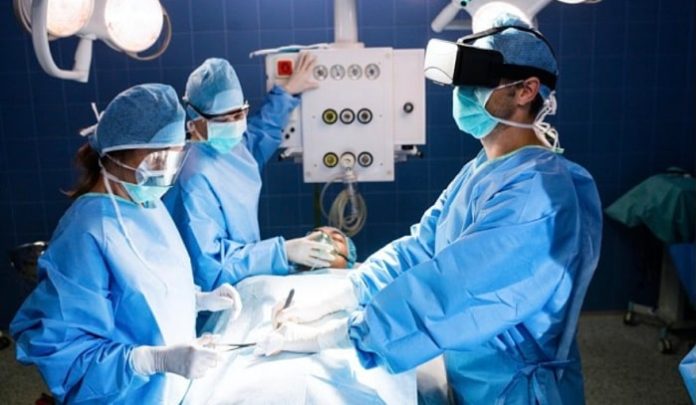
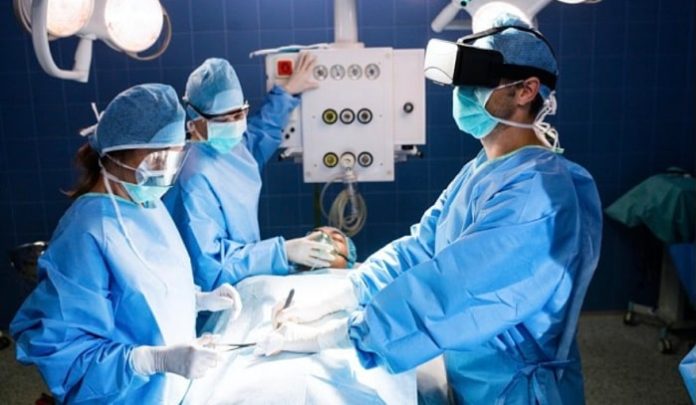
Vection Technologies Ltd. (Vection), a provider of real-time augmented and virtual reality (AR/VR) custom creations and software, has announced that it has signed its first public hospital to trial the company’s augmented reality healthcare solutions.

Vection will collaborate with Italy-based AORN S.G. Moscati hospital and LUISS Business School to introduce AR solutions in the Italian Model for Risk Management in Healthcare promoted by LUISS Business School, a national model that operators must adopt to manage risk in Healthcare.

The trial will focus on integrating Vection’s AR Healthcare solutions within the Moscati hospital, focusing on: 

  • Real-time integration of data fields from endoscopic equipment in the surgeon’s field of view, through AR wearable devices. The company states that this solution helps to deliver a more precise and safer AR-based navigation system compared to conventional endoscopic procedures;
  • Real-time integration of electronic medical record systems with AR, enabling healthcare professionals to access medical information through AR wearable devices.

“We are pleased to have signed this initial trial with Vection Technologies to introduce real-time solutions within the Italian Model for Risk Management in Healthcare,” commented Enzo Peruffo, Associate Dean for Executive Education and Life-Long Learning of Luiss Business School. “Augmented reality represents the key to the digital healthcare transformation, potentially transforming healthcare practices across all critical functions, from training to in-practice usage.” Peruffo added, “We are looking forward to support Vection, and the widespread adoption of these technologies, across the national health system to secure safer outcomes for health professionals and patients alike” 

“This initial trial represents the culmination of a lengthy regulatory process with key public stakeholders enabling Vection Technologies to affirm itself at the forefront of the digital healthcare transformation, introducing augmented reality as a new standard in healthcare risk management,” commented Gianmarco Biagi, Managing Director of Vection Technologies. “This agreement represents a key commercial milestone setting the foundations for long-term growth, providing for a strong opportunity for recurring revenue growth during the second half of FY21 and into FY22.” 

Vectiondevelops AR applications for tablets, smartphones and wearables with mono or bifocal viewers in order to generate virtual information for viewing in real-life contexts. Devices that the company states its solutions work with include: iPhone, Google Pixel, iPad Pro, Google Glass, Google Tango, Vuzix, Epson Moverio, Microsoft’s HoloLens 1 and HoloLens 2, Magic Leap and more. 

Since different devices manage information in a completely different way and offer very different applications to users, Vection identifies the most suitable technology for each individual project to respond to its customers’ needs. The company indicates that the primary applications of its AR solutions are in the areas of remote assistance, staff training, marketing and communication activities.


Siemens Healthineers Announces Collaboration Agreement for Assay Development with an Initial Focus on Multiple Sclerosis

Siemens Healthineers announced a master collaboration agreement with Novartis Pharma AG to design, develop, and commercialize diagnostic tests for therapeutic products across Novartis’ therapeutic pipeline. The initial program supports the development of a serum neurofilament light chain (sNFL) immunoassay to support Novartis’ MS and other neuroscience programs.

NFL is a highly specific biomarker for nerve cell injury measured in cerebral spinal fluid and blood . Blood NFL levels have been reported to change in variety of serious neurological conditions including MS and have been related to disease activity and disability outcomes.

Multiple sclerosis (MS) is a chronic inflammatory disease of the central nervous system characterized by myelin destruction and axonal damage in the brain, optic nerves and spinal cord.2 The Multiple Sclerosis foundation estimates that more than 2.5 million people in the world and more than 400,000 people in the United States have MS. By 2025, an estimated $23 billion will be spent annually on treating the disease.3

Novartis, as a leading pharmaceutical company in neuroscience, has a strong ongoing commitment to bring transformative treatments to people suffering from neurological conditions, such as Multiple Sclerosis, where there is a high unmet need.

This collaboration will leverage Siemens Healthineers’ expertise in the development of innovative clinical diagnostic solutions that may be run on Siemens Healthineers global population of ADVIA Centaur and Atellica immunoassay platforms designed for use in hospitals, reference laboratories, and specialty laboratories.

“We are looking forward to our collaboration with Novartis as it promises to yield innovative diagnostic solutions to address critical unmet clinical needs,” said Deepak Nath, PhD, President, Laboratory Diagnostics, Siemens Healthineers. “Our initial focus on blood-based diagnostic solutions for Multiple Sclerosis patients is another example of Siemens Healthineers commitment to shape the future of precision medicine.”

The global burden of chronic neurology disease4 continues to increase, and a 2016 study concluded that neurology disorders are the second leading cause of death and leading cause of DALYs (disability-adjusted life-year). sNFL expands Siemens Healthineers Laboratory Diagnostics Neurology test menu, which also includes AB42 and Tau for the clinical diagnosis of Alzheimer’s disease. Both AB42 and Tau were recently granted FDA Breakthrough Device Designation for expedited reviews.

Additionally, Siemens Health laboratory, based in Berkeley, California offers a range of neurobiomarker testing services including sNFL, for biopharmaceutical company therapy development programs. Siemens Healthineers offers a comprehensive range of Neuroradiology products and services, and was the first company worldwide to announce a comprehensive amyloid imaging solution for the U.S. market for the detection of amyloid plaques.

About Siemens Healthineers AG
Siemens Healthineers AG is shaping the future of Healthcare. As a leading medical technology company headquartered in Erlangen, Germany, Siemens Healthineers enables healthcare providers worldwide through its regional companies to increase value by empowering them on their journey towards expanding precision medicine, transforming care delivery, improving the patient experience, and digitalizing healthcare. Siemens Healthineers is continuously developing its product and service portfolio, with AI-supported applications and digital offerings that play an increasingly important role in the next generation of medical technology. These new applications will enhance the company’s foundation in in-vitro diagnostic, image-guided therapy, and in-vivo diagnostics. Siemens Healthineers also provides a range of services and solutions to enhance healthcare providers ability to provide high-quality, efficient care to patients. In fiscal 2019, which ended on September 30, 2019, Siemens Healthineers, which has approximately 52,000 employees worldwide, generated revenue of €14.5 billion and adjusted profit of €2.5 billion.

Translate »