











Close
Digital Health & Ai Innovation summit 2026
Medical Taiwan 2026

NextGen Healthcare Unveils Latest Behavioral Health Suite

NextGen Healthcare Unveils Latest Behavioral Health Suite

NextGen Healthcare, Inc., a leading provider of ambulatory-focused technology solutions, announced the availability of the next generation of its behavioral health suite. Building upon an award-winning electronic health record (EHR) and practice management system, the NextGenยฎ Behavioral Health Suite is the industryโ€™s only platform that integrates comprehensive physical, behavioral and oral health in one software solution. This upgraded software solution includes the most advanced capabilities from the companyโ€™s Topaz Information Solutionsยฎ acquisition, with new features and specialized content including:

  • Packet Navigation โ€“ Clinicians can define workflows without requiring outside assistance
  • Content for Residential Treatment Programs โ€“ Enhanced clinical content for targeted treatment reduces total cost of ownership (TCO)
  • Electronic Medication Administration Record (eMAR) and Bed Board Solutions โ€“ Single sign-on (SSO) allows clinician documentation in inpatient and residential settings

NextGenยฎ Behavioral Health Suite is ideal for physician practices, community health clinics, behavioral health centers and public health departments that offer targeted case management, crisis intervention, residential substance use disorder (SUD) services, psychiatric rehabilitation, Certified Community Behavioral Health Clinics (CCBHC) support and more. Additionally, it enables easy data exchange across the care continuum and mobile access allows clinicians to provide informed care outside of a clinic or office setting.

โ€œWe chose the NextGen Behavioral Suite because it provides robust client results to boost whole-person care for our clients,โ€ said Sherman Hayes, chief information officer for Geminus Corporation, a Regional Health Systems company. โ€œUtilizing the platform has allowed us to broaden our outreach and services programs to deliver care to the community we serve.โ€

โ€œResearch shows the strong interconnection between mental and physical health, yet for years the healthcare industry has struggled with coordinating care treatment,โ€ said John Beck, chief solutions officer for NextGen Healthcare. โ€œWith so many people suffering from various behavioral health conditions during this pandemic, it has never been a more important time to offer a solution that delivers whole person care.โ€

In a recent survey by Qualtrics, 66 percent of people reported higher levels of stress since the COVID-19 outbreak.

Through an ideal combination of organic development and acquisition, NextGen Healthcareโ€™s offering is among the most differentiated and practice-friendly in the industry. In addition to purpose-built specialty solutions, the company offers telehealth, revenue cycle management, a patient engagement platform and managed cloud services. The result is a unified solution that providers from any specialty can adapt to their practices and more efficiently treat their patients.

About Geminus Corporation (a Regional Health Systems company)

Geminus Corporation offers community-based social services and provides administrative and support services to Regional Health Systems. As Northwest Indiana’s largest community mental health service, Regional Health Systems counsels adults, teens and children in need of high quality, affordable mental and behavioral health services and/or substance abuse treatment. Residents from throughout Indiana are assisted with emergency mental health services, mental health treatment, and alcohol and substance abuse treatment programs. Itโ€™s holistic approach centers around the clients overall well-being.

About NextGen Healthcare, Inc.

NextGen Healthcare empowers the transformation of ambulatory careโ€”partnering with medical, behavioral and dental providers in their journey to value-based care to make healthcare better for everyone. They go beyond EHR and PM. Their integrated solutions help increase clinical productivity, enrich the patient experience, and ensure healthy financial outcomes.
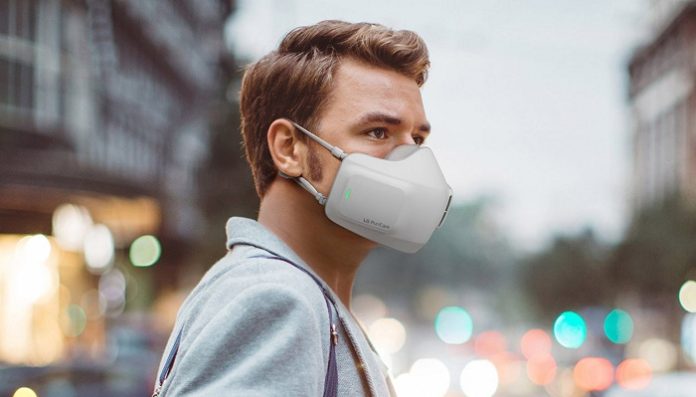

LG unveils battery-powered face mask dubbed wearable air purifier

LG unveils battery-powered face mask dubbed wearable air purifier

LG has announced a new battery-powered face mask, which the tech giant describes as a “wearable air purifier”. The device, called the PuriCare Wearable Air Purifier, allows the person wearing it to breathe in clean air both inside and outside.

With a battery life of eight hours on a single charge, the design features two H13 HEPA filters – similar to those found in home air-purifying products. These filters can capture 99.97% of particles in the air.

The mask also has dual fans, and patented respiratory sensors can adjust the speed of these so that they match the breathing speed of the user.

The storage case provided contains UV-LED lights that have the ability to kill germs. The case also sends alerts to an app to let users know when the filters need to be replaced.
Advertisement

The tech firm is pitching the air purifier as an alternative to homemade masks, which vary in quality, and disposable masks that have often been in short supply during the COVID-19 pandemic.

The company has not offered specifics on just how effective the device is at preventing the spread of coronavirus, however it said it would deliver “meaningful” health benefits.

LG president Dan Song said: “The PuriCare Wearable Air Purifier is an exciting addition to our growing line-up of products designed to deliver meaningful health and hygiene benefits.

“At a time when consumers are seeking ways to make life safer and more convenient, it’s important that we’re able to offer solutions that add measurable value.”

Scientists Develop Portable Covid-19 Test That Can Diagnose Coronavirus Using Smartphone in 30 Minutes

Scientists Develop Portable Covid-19 Test That Can Diagnose Coronavirus Using Smartphone in 30 Minutes

Scientists, including one of Indian-origin, have developed a prototype of a rapid COVID-19 test using a simple-to-use portable instrument for reading the results with a smartphone in 30 minutes, an innovation that may enable point-of-care diagnosis without needing to send samples to a lab.

According to the study, published in the journal PNAS, the new technology may help overcome bottlenecks in supplies and laboratory personnel which have led to long waiting times for COVID-19 test results in several parts of the world amidst the ongoing pandemic.

“If such a device and test were available, we could test for COVID-19 at public events, auditoriums, large gatherings and potentially even at home for self-testing. The results could be sent back to the appropriate public health system for coordination,” said Rashid Bashir, a professor of bioengineering at the University of Illinois, Urbana-Champaign in the US.

In one of the common methods to test for the novel coronavirus SARS-CoV-2, healthcare workers take a sample from patients with a long nasopharyngeal swab, which is put into a substance called viral transport media, and send to a lab for extracting, isolating, and multiplying the viral genetic material, the scientists said.

This viral RNA multiplication process, called RT-PCR, requires several temperature fluctuation cycles, specialised equipment, and trained personnel, said Brain Cunningham, another co-author of the study.

In the current research, the scientists used a simpler process to analyse the viral transport media, called LAMP, which bypasses the RNA extraction and purification steps.

“LAMP only needs one temperature — 65 C — so it is much easier to control,” said Anurup Ganguli, the first author of the study.

“Also, LAMP works more robustly than PCR, especially when there are contaminants in the test sample. We can just briefly heat the sample, break open the virus, and detect the genetic sequence that specifically identifies SARS-CoV-2,” Ganguli said.

When the researchers compared the LAMP assay with PCR, they found the results were in agreement, following which they documented the sensitivity and specificity of the LAMP test.

The scientists then incorporated the assay onto a small 3D-printed cartridge that has two input slots for syringes — one for the sample-containing viral transport media, one for the LAMP chemicals.

Once the two syringe components are injected, they the react within the cartridge, the study noted.

“We use modern, high speed additive manufacturing to make these cartridges. The entire thing can be quickly scaled up to hundreds of thousands of tests,” said Bill King, another co-author of the study from the University of Illinois.

“Production scale-up is typically the biggest obstacle for commercial applications of microfluidic cartridges, and we can overcome that obstacle using this new approach. Modern additive manufacturing is elastic and scalable, and it can be ramped up very quickly compared with legacy manufacturing technologies,” King said.

According to the researchers, the cartridge can be inserted into a hand-held portable instrument with a heating chamber, which heats the cartridge to 65 degrees Celsius for the duration of the reaction, and a smartphone cradle is in place for reading the results.

In approximately 30 minutes, a positive result will emit fluorescent light, they said.

“The reader illuminates the liquid compartments with light from blue LEDs, while the phone’s rear-facing camera records a movie of the green fluorescent light being generated,” Cunningham explained.

The scientists noted that they are currently assessing whether the assay would work with saliva samples to eliminate the need for nasopharyngeal swabs.

Australian health tech company Alcidion launches ‘smart clinical asset’ in the UK

Australian health tech company Alcidion has launched a โ€˜smart clinical assestโ€™ in the UK which it hopes will help the NHS.

Miya Precision integrates information from healthcare organisationโ€™s current systems, uses it to automate routine tasks, care plans and pathways, and overlays existing data with advanced clinical decision support.

This allows hospitals to realise clinical workflow benefits from clinical noting, natural language processing, electronic observations, electronic prescribing, flow management, mobility and more โ€“ to align with their digital strategies.

It will enable the NHS to quickly adopt new and emerging technologies and algorithms, as well as address strategic priorities.

Miya Precision, which has been called a โ€˜smart clinical assetโ€™, has already seen early adoption in the NHS, with Dartford and Gravesham NHS Trust the first in the UK to sign up.

Neil Perry, director of digital transformation at the trust, said: โ€œMiya Precision sits at the centre of our digital strategy. It provides a catalyst for us to harness digital technology in ways that allow our clinical staff to make informed decisions more easily, whilst focussing their time and efforts on delivering the best possible patient care and clinical outcomes.

โ€œIt is providing us with a new platform to become digitally mature, whilst leveraging artificial intelligence, natural language processing and many other advanced technologies. I look forward to sharing our approach with more hospitals considering this option.โ€

Alcidion is currently best known in the UK for its Patientrack early warning and electronic observations system. It recently went live at the NHS Nightingale hospital in Manchester in April 2020.

Lynette Ousby, general manager for Alcidion in the UK, added: โ€œWe want to give the NHS a new option when it comes to technology that makes a difference to the way clinicians work. Miya Precision will automate care plans and pathways whilst relieving the cognitive burden still faced by healthcare professionals who very often still need to spend hours each day remembering to carry out hundreds of routine tasks.

โ€œThe NHS is faced with the challenge of delivering modern and engaging technology to clinicians whilst still needing to get value from its historic healthcare technologies. We believe we can offer an alternative to unlock that value, to join together systems and expose data in ways that really helps the people delivering care.โ€

SpeeDx, Nepean Hospital receives funding for respiratory virus biomarker testing

SpeeDx, Nepean Hospital receives funding for respiratory virus biomarker testing

Innovative molecular diagnostic solution developer SpeeDx Pty. Ltd. based in Sydney has collaborated with researchers in the intensive care unit of Nepean Hospital in the Nepean Blue Mountains Regional Health District (NBMLHD) in Australia to obtain MTPConnect Biomedical Translational Bridging (BTB) project funding.

Funds will support the commercialization of respiratory virus-host response testing, which is a rapid response test that can enhance current COVID-19 treatment activities and future virus pandemic prevention.

SpeeDx are adapting to detect NBMLHD developed in the laboratory, the test targets the kind of respiratory virus response and unique expression of key genetic markers of infection, markers of disease progression associated with the level of 1,2.

This commercial test uses the newly acquired patented In Signia TM technology to enhance the measurement of gene expression. It will be a fast, high-throughput tool to support the risk stratification of patients with respiratory viral diseases (including COVID-19).

The Australian governmentโ€™s BTB project delivered through MTPConnect is a 22.3 million Australian dollars MRFF initiative, providing up to 1 million Australian dollars of supporting funds to support the conversion of new therapeutic drugs, technologies and medical devices to proofs-of-concept to transform innovative medical ideas become a reality.

AnyVision biometric software reminds visitors to wear masks in hospital

AnyVision biometric software reminds visitors to wear masks in hospital

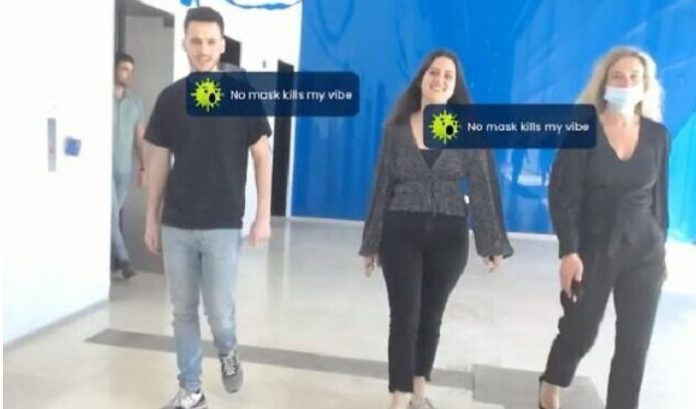
At Sheba Medical Center in Ramat Gan, Israel, AnyVisionโ€™s biometric facial recognition technology uses hospital surveillance cameras to detect individuals who are not wearing masks and uses behavioral economics to force visitors to switch to the proper use of masks, The Times of Israel reports.

The software will send different messages on screens, depending on whether the person is wearing a mask or not, such as โ€œNo mask kills my vibe.โ€ People are not identified by name or reported, they will only receive โ€œnudgesโ€ to build social pressure and be reminded to wear masks correctly in the facility.

โ€œIn a playful manner we increase awareness regarding masks,โ€ Alex Zilberman, chief operating officer at AnyVision, told the publication in a phone interview. According to Zilberman, airports, public transportation and public building operators have also expressed interest in the software.

At the request of the Health Ministry, the facial recognition system was initially deployed at the hospital to prevent the spread of COVID-19 among staff members and assist with medical investigations. To be part of the project and for their identity to be used, staff were requested for consent.

Zilberman explained the algorithm was trained to identify people based on visible features such as eyes, forehead and nose bridge. Recognition is not possible with sunglasses and a mask, but does deliver 99 percent accuracy if regular glasses and a mask are worn. Zilberman claims the algorithm was built to be non-biased.

In November 2019, AnyVision was audited on behalf of Microsoft by a team led by former U.S. Attorney General Eric Holder; the tech giant divested its stake in the startup in March. The audit, which was initiated following media reports that AnyVisionโ€™s technology had been used by the military for surveillance in Palestinian territories, found no such activities.

Since 2015, AnyVision has secured $74 million from multiple investors, including Robert Bosch Venture Capital, Qualcomm Ventures and Lightspeed Ventures.

In July, Boon Edam integrated AnyVisionโ€™s facial recognition and biometric liveness technology for access control with its security doors and optical turnstiles for enhanced security and a seamless entry experience.
Related Posts

Fujitsu and Tokyo Shinagawa Hospital to develop an AI-based technology to support COVID-19 diagnosis

Fujitsu and Tokyo Shinagawa Hospital to develop an AI-based technology to support COVID-19 diagnosis

Fujitsu and Tokyo Shinagawa Hospital have announced the launch of a joint R&D project for AI technology to support diagnostic imaging via chest CT (Computed Tomography), which represents a promising candidate for the effective diagnosis of COVID-19 pneumonia.

The newly-proposed technology supports doctors performing diagnostic imaging on patients suspected of having COVID-19 pneumonia, presenting the likelihood of infection through a numerical, three-dimensional visualization of the spread of shadows in the lungs using chest CT imaging. Applying AI to this analysis could significantly reduce the burden on doctors who diagnose COVID-19 pneumonia by automating a process that normally demands the visual confirmation of hundreds of chest CT images per patient. Fujitsu and Tokyo Shinagawa Hospital anticipate that the system will deliver early detection of cases of COVID-19 pneumonia based on chest CT image findings, even in cases in which the possibility of infection is determined to be low upon initial examination.

This joint research will enhance AI diagnostic support technology for novel coronavirus pneumonia, and Fujitsu ultimately aims to commercialize the technology as a healthcare solution for frontline medical professionals

When treating patients who are strongly suspected of having a novel coronavirus infection, the diagnosis and treatment plan are determined holistically based on PCR test results as well as other test results including blood tests and chest CT test (Figure 1). Even if the PCR test is negative, the diagnosis of new-onset coronavirus pneumonia can be made by other tests, and imaging with chest CT is an important consideration.

Doctors make lung disease diagnoses based on the characteristics of the shadows in the lesion on the patient’s chest CT image. In addition to identifying abnormalities, they visually check hundreds of chest CT images per patient to understand the three-dimensional distribution of shadows throughout the lung. A growing demand for technologies that reduce the burden on doctors and support speedy decision-making has accompanied the spread of the COVID-19 virus. It is also important to identify novel coronavirus pneumonia from a CT scan of the patient’s chest if there is a low likelihood of a novel coronavirus infection during the examination and PCR testing is not performed. In response to the need for diagnostic support, Fujitsu and Tokyo Shinagawa Hospital will jointly embark on the development of AI-assisted diagnostic imaging technology for chest CT scans, which are considered to be an effective method in diagnosing novel coronavirus pneumonia.

About the joint development of AI imaging support technology

Past CT image data of COVID-19 pneumonia patients from Tokyo Shinagawa Hospital will aid in the development of AI technology that detects abnormal shadow patterns in the lungs. As the AI learns from this data about the possibility of COVID-19 pneumonia, Fujitsu and Tokyo Shinagawa Hospital will work together to evaluate the effectiveness of the technology.

When diagnosing COVID-19 pneumonia, patterns of abnormal opacities in the lungs as well as the spread of shadows across the entire lung is important information. Patterns of abnormal shadows are detected using AI developed by Fujitsu Laboratories, Ltd. The lung is divided into four areas on the CT image: the right lung periphery, the right lung center, the left lung center, and the left lung periphery. The distribution of shadows in the vertical direction in each area is displayed in a histogram(1). This will enable the development of new AI that can quantify the three-dimensional spread of shadows, while using the detected abnormal shadow patterns and shadow distributions to identify COVID-19 pneumonia.

While showing the possibility of COVID-19 infection with the AI technology, the aim is to shorten the amount of time doctors spend visually confirming the three-dimensional spread of the shadow from hundreds of chest CT images and to allow even non-specialists to efficiently diagnose COVID-19 pneumonia.

Future Plans

Through this joint research and development, Fujitsu and Tokyo Shinagawa Hospital aim to deliver technology that leverages a variety of information for diagnosis of COVID-19 pneumonia to achieve improved diagnostic support from chest CT image diagnosis.

Fujitsu is considering the commercialization of this technology as a healthcare solution. By linking it with electronic medical record information, the goal is to support diagnosis by doctors based on chest CT images, while also expanding the application area of this technology.

Muse Wearables Launches AI-powered Smart Band To Alert COVID-19 Symptoms To Users

Muse Wearables Launches AI-powered Smart Band To Alert COVID-19 Symptoms To Users

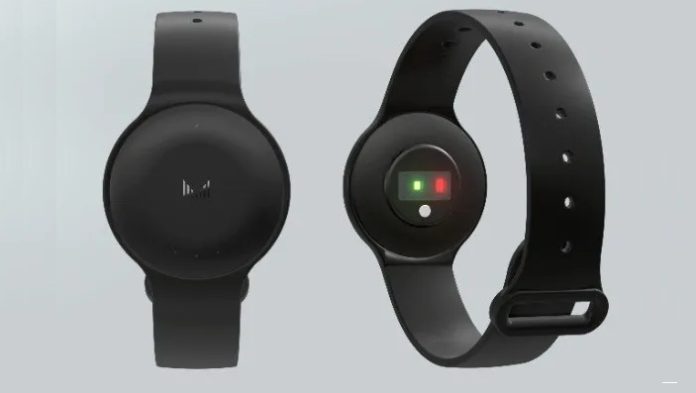
Indian Tech Startup Muse Wearables has launched an Artificial Intelligence-powered Personal Wellness Smart Band equipped with a skin temperature sensor and โ€˜context-awareโ€™ activity tracking. Called โ€˜Muse Cue,โ€™ this made-in-India device can detect silent hypoxia at an early stage and has an Intelligent โ€˜cough analysisโ€™ tool to predict and alert users in advance of the onset of COVID-19 symptoms.

Launched on Friday in a virtual event, Muse Cue is the ideal smart wearable to manage personal fitness and monitor vitals including SPo2 (oxygen saturation) and heart rate. Its AI-infused technology can accurately measure and raise alerts. The Muse Care Platform will enable digital consultations with doctors.

With Muse Cue, the IIT Madras-incubated Startup Muse Wearables has taken personal wellness assistance to a new level. Muse Health app enables a user to be proactive in case of any vitals going off baseline values and with one click, it can connect the user to a specialist. Unlike existing tele-consulting, the healthcare professional assigned to the user by Muse Care will have real-time access to the body vitals and can provide necessary medical guidance accordingly.

โ€œMuse Cue Smart Band can detect in advance of one to three days before the onset of COVID-19 symptoms, like high body temperature or low Oxygen levels, and notifies the user. Based on the vitals of the user, the Muse App triggers the alert to take a โ€˜cough analysisโ€™ and within 30 seconds, it predicts the health risk. Continuous tracking also helps monitor the progression of COVID-19 from the pre-symptom stage, through symptom stage until the recovery stage,โ€ he added.

Muse Wearables sells the worldโ€™s first payment-enabled hybrid smartwatches across 70 countries with its wearable payments service live in 29 countries. Muse Wearables Startup was founded by KLN Sai Prasanth and Yathindra Ajay KA, graduates of IIT Madras, and K Prathyusha, an NIT Warangal Graduate.

The Launch Price of the product is Rs 3,599 (till September 20, 2020) after which the regular price would be Rs 4,999. It can be ordered using the link โ€“ https://in.musewearables.com/pages/muse-cue. Pre-orders will be accepted until September 20, 2020, after which the deliveries will commence, Muse Wearables said.

Muse Cue has a battery life of seven days with intelligent monitoring and up to 45 days, without intelligent monitoring. It has many more features such as temperature alerts, hypoxia alerts, Call alerts, sleep alarm, hypoxia alerts, health cues, social distancing and contact tracing, among others.

Muse Cue has two main key functionalities. Continuous monitoring of the body vitals whether the user is awake or asleep, and then it concludes on the Baseline values of their body. The AI system in Muse Tracker learns from these baseline values to gain an understanding of the body patterns and provides concrete alerts during discrepancies.

Trackers usually measure vitals based on various electrical impulses, requiring the users to stay still for highly accurate measurements, which help reduce the noise in the signals captured. The Muse tracker is context-aware and can judge the best moment to start measuring body vitals. The motion compensator will factor in the slightest of movements that might normally affect readings. Once the measurements are taken, Muse Cue sends all of the data onto the Muse Health App.

Muse Wearables is based out of Bengaluru with registered offices in Chennai, Singapore and London. It currently caters to nearly 70 countries through โ€˜Direct to Consumerโ€™ Business Model (selling products through online platforms directly to the consumer).

In the next five years, Muse Wearables aims to be a leading innovative technology company in India and build a global consumer brand with cutting-edge innovations across consumer electronics, consumer health tech, digital id and cashless payments.

Abbott’s once-a-day Ivabradine receives DCGI approval for heart failure and angina patients

acute myocardial infarction

The global healthcare company Abbott recently announced that it has received approval from the Drugs Controller General of India (DCGI) for its Ivabradine, once-a-day formulation for chronic conditions such as cardiac diseases in India.

The DCGI is very much significant as adherence to treatment is typically low and when medicines have to be taken multiple times a day, convenience becomes a key patient need.

To address this unmet need for more convenient dosing, Abbott developed Indiaโ€™s first โ€œonce dailyโ€ prolonged release (PR) version of Ivabradine indicated for patients with chronic heart failure and chronic stable angina. This formulation will be more convenient for patients, which will help facilitate treatment adherence with the aim to improve health outcomes. Abbott plans to launch the Ivabradine PR tablets in the Indian market in the coming weeks.

In India, estimates of people with heart failure range between 1.3 and 4.6 million, with 0.5โ€“1.8 million new cases recorded every year. According to the Global Burden of Disease study, an estimated 14.4 million men and 7.7 million women have lost their productive years to coronary heart disease-related disability.

While the burden of the disease is high in the country, non-adherence to treatment remains a key challenge. Studies have found that many people with cardiac disease in India donโ€™t take their medicines as prescribed by their doctor and an AIIMS study estimates that non-adherence to medication ranges from 24% for people with cardiac disease to 50%-80% for people with hypertension.

With its new formulation, Ivabradine PR tablets can be prescribed as a once-a-day medicine compared to the multiple dosing generally required by patients for the management of the disease. A phase 3 clinical study conducted by Abbott across 21 centers in India, the first of its kind to be conducted for this formulation, showed Ivabradine PR once-a-day formulation to be comparable with the conventional Ivabradine twice-a-day, in the management of patients with stable chronic heart failure, with comparable efficacy and safety profile.

Talking about Ivabradine as a therapy for heart failure patients, Dr. Jamshed Dalal, MD, DM CARD, Kokilaben Dhirubhai Ambani Hospital explains, โ€œ45% of patients suffering from heart failure have a high heart rate with about 40% being hospitalized. The new once daily formulation of Ivabradine will facilitate patient adherence to treatment by reducing the pill burden. This will help control their heart rate and thus reduce hospitalization and improve quality of life.โ€

This formulation has been developed at Abbottโ€™s innovation & development (I&D) center in Mumbai. The I&D center is an important global innovation hub for Abbottโ€™s pharmaceutical business. Researchers at the I&D center use local insights to anticipate patient needs. These insights are linked with existing and innovative technologies to deliver meaningful innovation. Insights from physicians revealed the need for a simpler, more convenient dosing for Ivabradine, which led to the once-a-day solution.

Commenting on the new formulation, Abbottโ€™s regional medical director, Dr Balagopal Nair, said, โ€œOur goal is to improve health by enhancing medicines to meet patientsโ€™ unmet medical needs. Adherence to therapy is a critical factor to maximize the overall health of people with chronic heart failure or chronic stable angina. We have used the best technology and science to develop this new dosage formulation. The convenient once-a-day formulation will help improve overall treatment adherence, leading to better health outcomes.โ€

Chronic heart failure is a progressive condition in which the heart is unable to pump sufficiently to maintain blood flow to meet the body’s demands for oxygen. Chronic stable angina usually occurs due to obstruction or spasm of the arteries that supply blood to the heart muscle. Ivabradine helps maintain a stable heart rate and prevent it from spiking, which is an important prerequisite in reducing symptoms and in improving the prognosis of both conditions.

In India, Abbott was established in 1910 and is one of the country’s oldest healthcare companies. With over 12,000 employees in the country, Abbott in India is helping to meet the healthcare needs of consumers, patients and doctors throughout urban and rural India.

Fujifilm Sonosite Receives FDA COVID-19 510(k) Clearance for Comprehensive Point-of-Care Ultrasound Portfolio

Fujifilm Sonosite Receives FDA COVID-19 510(k) Clearance for Comprehensive Point-of-Care Ultrasound Portfolio

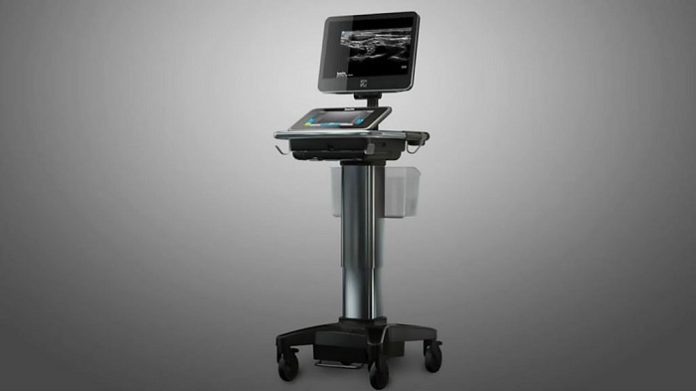
FUJIFILM Sonosite, Inc., specialists in developing cutting-edge point-of-care ultrasound (POCUS) solutions, and part of the larger Fujifilm Healthcare portfolio, announced that the company has received 510(k) Clearance from the U.S. FDA for the company’s entire POCUS portfolio to support healthcare providers in performing accurate lung and cardiac imaging in COVID-19 patients.

Fujifilm Sonosite creates point-of-care ultrasound systems and medical informatics solutions along with transducers and accessories that can help physicians improve time-to-diagnosis, patient outcomes, procedural efficiency, and workflow.

“POCUS has emerged as a critical tool to support clinicians in their tireless efforts to evaluate lung and cardiac complications of COVID-19,” said Diku Mandavia, MD, FACEP, FRCPC, Senior Vice President and Chief Medical Officer of FUJIFILM Sonosite, Inc. “We’re very pleased that Fujifilm Sonosite’s POCUS portfolio has received this clearance from the FDA and most importantly, that our technology is contributing to helping physicians care for patients during one of the world’s worst pandemics in history.”

Coinciding with the company’s newly cleared 510(k), Fujifilm Sonosite announced the release of a comprehensive user guide designed to assist healthcare professionals on how to best utilize POCUS technology to correctly interpret ultrasound images to recognize the most typical COVID-19 findings relating to lung and cardiac conditions.

“COVID-19 patients can deteriorate rapidly in a matter of minutes to hours, and ultrasound is there and ready when we don’t have minutes to spare. And while ultrasound alone doesn’t tell me exactly what the disease is, it allows me to look for typical COVID-19 ultrasound findings as well as assess the disease severity to determine the optimal management plan for the patient,” says Dr. Vi Dinh MD, FACEP, RDMS, RDCS, emergency medicine and critical care physician at Loma Linda University Medical Center, in Loma Linda, California. “I appreciate that point-of-care ultrasound is much safer, faster to use, and easier to sanitize than many other medical devices in the emergency department and intensive care unit. This technology is truly critical in the fight against COVID-19.”

“Fujifilm Sonosite has long demonstrated its commitment to educating clinicians such as emergency physicians and ICU physicians who typically use POCUS to do bedside imaging,” said Rich Fabian, President and Chief Operating Officer of FUJIFILM Sonosite, Inc. “However, this pandemic calls for support from all medical professionals. So many diverse specialists are being asked to get in the trenches and help save lives in the COVID-19 battle. So now, with such widespread use of POCUS by so many types of clinicians, education is more important than ever and Sonosite is here to help.”

About Fujifilm Sonosite
FUJIFILM Sonosite, Inc. is the innovator in bedside and point-of-care ultrasound, and an industry leader in ultra high-frequency micro-ultrasound technology. Headquartered near Seattle, the company is represented by a global distribution network in over 100 countries. Sonosite’s portable, compact systems are expanding the use of ultrasound across the clinical spectrum by cost-effectively bringing high-performance ultrasound to the point of patient care.

FUJIFILM Holdings Corporation, Tokyo, Japan, brings cutting edge solutions to a broad range of global industries by leveraging its depth of knowledge and fundamental technologies developed in its relentless pursuit of innovation. Its proprietary core technologies contribute to the various fields including healthcare, graphic systems, highly functional materials, optical devices, digital imaging and document products. These products and services are based on its extensive portfolio of chemical, mechanical, optical, electronic and imaging technologies. For the year ended March 31, 2020, the company had global revenues of $21 billion, at an exchange rate of 109 yen to the dollar. Fujifilm is committed to responsible environmental stewardship and good corporate citizenship.

Translate ยป