






Close
Digital Health & Ai Innovation summit 2026
Medical Taiwan 2026

DJO Introduces Two New EMPOWR Systems Designed To Accelerate Surgical Efficiency

DJO Introduces Two New EMPOWR Systems Designed To Accelerate Surgical Efficiency

DJO, LLC, a leading global provider of medical technologies to get and keep people moving, announced two new EMPOWR systems, EMPOWR Acetabular™ and EMPOWR Partial Knee. Both systems were designed to restore healthy kinematics and optimize surgical procedure efficiencies by allowing implantation with a single tray.

With more than 450,000 total hip arthroplasty (THA)1 and 75,000 unicompartmental knee arthroplasty (UKA)2 procedures performed each year in the United States, the EMPOWR Acetabular and Partial Knee Systems provide surgeons with a comprehensive and efficient solution for all THA and UKA approaches and settings. Instrument efficiency makes these systems especially relevant for outpatient and ambulatory surgery center procedures where surgeons may place an even greater priority on cost minimization opportunities.

“We are building on the proven success, deep clinical research, and differentiated design technologies of the EMPOWR™ platform with the launch of these new systems,” noted Louis Vogt, VP of Sales & Marketing of DJO Surgical®. “DJO is committed to improving patient outcomes and surgeon success, and with just a single tray, these EMPOWR systems will enable surgeons to be more efficient and effective, especially in the rapidly growing outpatient setting.”

EMPOWR system efficiency is driven by premium, intelligently designed single-tray instrumentation, resulting in up to a 50% reduction in storage and sterilization costs compared to other systems on the market3. Streamlined, intuitive instrumentation was designed to improve surgical workflow by reducing turnover time and waste. “These EMPOWR advances support the acceleration of outpatient total joint procedures and the procedure migration to the ASC setting where surgeons increasingly rely on streamlined solutions,” Vogt said.
EMPOWR Acetabular System

The EMPOWR Acetabular System design leverages anthropometric data and advanced material technologies to help restore healthy kinematics and individual patient anatomy. P2™, a proprietary Titanium porous coating that aids in the apposition of bone, has shown on a legacy design the disappearance of zone 2 radiolucent lines at one year follow-up signifying osseointegration4,5. HXe+™ liners are specifically designed for ball and socket kinematics and blended with vitamin E to significantly reduce oxidation and long-term wear6.

“I’ve been using the EMPOWR Primary Knee System® on patients for years, and I am extremely pleased with the early results of the EMPOWR Acetabular System,” said Dr. Douglas Padgett, Chief of Adult Reconstruction and Joint Replacement Service at the Hospital of Special Surgery in New York City and former President of The Hip Society. “The EMPOWR Acetabular System provides predictable biologic fixation with P2 in-growth coating and acetabular screw placement. Enhanced features such as reliable liner locking feature, larger diameter heads in smaller shells, and efficient one-tray design have made this implant my acetabular system of choice,” noted Padgett.
EMPOWR Partial Knee™

The EMPOWR Partial Knee™ was developed with the same advanced material technologies and joint restoration principles as the EMPOWR™ Knee Platform, one of the industry’s most modern total knee systems, which has been clinically validated to increase patient satisfaction7. The EMPOWR Partial Knee was also designed using anthropometric data to create anatomically shaped femoral and tibial components for comprehensive bone coverage in either medial or lateral compartments while minimizing the potential for overhang and maximizing natural motion.

“EMPOWR is the knee of choice for all of my primary total knee replacements. The addition of the EMPOWR Partial Knee allows me to provide the full continuum of care from isolated unicompartmental disease to complex primary/revision knees with associated bone loss,” said Dr. Scott Sporer, Professor, Orthopaedic Surgery at Rush University Medical Center and Midwest Orthopaedics at Rush in Chicago, IL. “The outstanding clinical outcomes and predictable kinematics within the EMPOWR line of implants has allowed countless patients in my practice to return to their active lifestyles. In this ever changing medical climate, DJO has delivered a system that provides one tray of intuitive instrumentation to aid in efficiency and cost savings,” noted Sporer.

Rakuten Medical Announces Acquisition of Medlight SA

Community Health Systems Announces Definitive Agreements to Sell Three Virginia Hospitals

Rakuten Medical, Inc. announced the acquisition of Medlight SA. Medlight produces and commercializes a large range of catheters and diffusers for optical light delivery.

The acquisition of Medlight provides Rakuten Medical with a strategic partner, including resources and its network of well-qualified subcontractors to facilitate rapid development of new optical devices under the European and US medical regulatory standards. This acquisition also ensures Rakuten Medical has access to and more comprehensive oversight of a supply chain vital to the development of the company’s diagnostics and therapeutic light technologies.

Previously Medlight served as a contract manufacturer for Rakuten Medical’s device finishing facility in Germany. Medlight was also a labeler for clinical trial materials and provided QA oversight for upstream manufacturing activities.

Founded in 1997, Medlight technologies have been used by more than 35 biotech companies in over 70 different diagnostic and therapeutic applications. Though cancer is the primary therapeutic indication, Medlight’s technologies have also been applied to treat cardiovascular diseases, Parkinson’s disease, ophthalmic, dermatologic, and dental diseases.

Medlight has a strong track record of working cooperatively with health care professionals, industrial partners, academic institutions, and pharmaceutical companies to develop specific medical devices for therapeutic light delivery. Headquartered just outside of Lausanne, Switzerland, Medlight’s proximity to Rakuten Medical’s device development group in Sinn-Fleisbach, Germany provides additional logistic benefits.

“Medlight is an ideal acquisition, as they are global leaders in the development of light dosimetry technologies for a variety of diseases,” said Hiroshi Mikitani, Chairman and CEO of Rakuten Medical. “This acquisition secures our supply chain, ensuring the needs of patients are met by optimizing and managing continuous improvement of our delivery system.”

Founder and CEO, Medlight SA, Roland Bays commented, “Our agreement with Rakuten Medical is a strategic and operational fit. We are very excited to combine our innovative technologies to yield the maximum benefit to the medical community, the patients, and families that are battling cancer.”

About Rakuten Medical, Inc.

Rakuten Medical, Inc. is a global biotechnology company developing precision, cell-targeting investigational therapies on its IlluminoxTM platform, which, in preclinical studies have shown to lead to rapid and selective cell killing and tumor necrosis. Illuminox therapies have not yet been approved by any regulatory authority. Rakuten Medical is committed to its mission to conquer cancer and aims to realize a society where cancer patients can lead fulfilling lives. Headquartered in the United States, Rakuten Medical has 6 locations in 5 countries, including Japan, the Netherlands, Germany and Taiwan.

About Illuminox

The Illuminox platform is an investigational platform based on a cancer therapy called photoimmunotherapy, which was developed by Dr. Hisataka Kobayashi and team from the National Cancer Institute in the United States. Rakuten Medical is developing the Illuminox platform as a technology consisting of a drug, device and other related components. The drug component of the platform consists of a targeting moiety conjugated with one or more dyes leading to selective cell surface binding. The device component consists of a light source that locally illuminates the targeted cells with non-thermal light to transiently activate the drug. Pre-clinical data have shown that this activation elicits rapid and selective necrosis of targeted cells through a biophysical process that compromises the membrane integrity of the targeted cells. Therapies developed on Illuminox may also result in local and systemic innate and adaptive immune activation due to immunogenic cell death of the targeted cells and/or the removal of immunosuppressive elements within the tumor microenvironment. Illuminox therapies have not yet been approved as safe or effective by any regulatory authority.

Adventist Health and Synchronous Health Announce Strategic Partnership

Adventist Health and Synchronous Health Announce Strategic Partnership

Synchronous Health, a behavioral health company that combines the strength of human empathy with artificial intelligence (AI) to increase access and quality of behavioral health services, and Adventist Health, a nonprofit integrated multi-state health system servicing over 10 million people in more than 80 communities on the West Coast and Hawaii, announced a strategic partnership that provides customized behavioral healthcare and well-being solutions to key populations.

Through this partnership, Synchronous Health and Adventist Health will co-develop behavioral health and well-being solutions to address the biggest drivers of health costs and community needs. Synchronous Health’s technology and clinical models have already been tapped by Adventist Health to address the needs of two critical populations during the COVID-19 pandemic: caregiver burnout and resiliency among the health system’s 37,000 associates, and depression and isolation among more than 2 million older adults in communities served by Adventist Health. Adventist Health is not only fortifying the well-being of its team and community by providing the custom-designed Synchronous platform, but also investing in the dynamically growing company as part of the partnership.

“This partnership directly reflects the market’s need for our vision and solution of an entirely new model for delivering behavioral health and well-being services,” said Guy Barnard, CEO of Synchronous Health. “By combining the benefits of human connection and technology, Synchronous can scale to serve more populations with broader reach, greater impact, and sustained improvements.”

Synchronous Health offers a unique combination of person-to-person telehealth sessions through a national network of licensed counselors paired with its proprietary AI platform, Karla®, a bot that delivers precision coaching support between sessions. The Karla platform is customized per individual to include proactive and reactive coaching through messages and alerts, as well as direct access to a behavioral health specialist when indicated. This comprehensive approach can be both scaled to serve large populations and tailored to individual preferences and conditions in a timely way.

“Behavioral health and well-being are two-thirds of our mission statement and consistently represent the highest needs of the communities we serve,” said Adventist Health CEO Scott Reiner. “Our 10-year transformation strategy includes bringing accountable, needs-based community well-being improvement solutions to the forefront. Synchronous Health fits exactly into that strategy. We will continue our 150-year legacy of whole-person care for our associates, patients, and communities by ensuring they are cared for in mind, body and spirit and the critical importance of innovating how healthcare is delivered and received.”

The partnership currently provides Adventist Health’s caregivers trauma resilience assistance through virtual visits with highly trained behavioral health specialists. Together with their specialist, Adventist Health caregivers design their personalized support plan through Karla®, which uses predictive analytics and AI to deliver interventions in the moment they are needed – rather than waiting for the next scheduled appointment. The program, which launched in April 2020, took only 10 days to implement, demonstrating how flexible the platform is in configuring solutions to meet the specific needs of the population and any individual in it.

“The endurance and tenacity of our colleagues on the front lines have been tested like never before, especially for those who see the effects of the COVID-19 pandemic firsthand,” said Bill Wing, president of Adventist Health. “Because our clinicians’ well-being is central to our mission, we needed an innovative solution, and we needed it fast. In Synchronous, we found a unique approach that allows us to quickly expand the care and support needed for our front-line workers.”

Additionally, the two organizations co-developed and launched a program last month to improve the well-being of older adults who are more isolated now due to COVID-19 and at higher risk for anxiety and depression. The pilot program incorporates both a physical and mental health assessment and facilitates access to community resources, a connection to peers and telehealth services with Karla® support. This is one example of how this partnership will demonstrate the tremendous savings in total cost of care when behavioral health is addressed.

“Adventist Health shares our passion for creating better ways to care for the whole person,” said Lisa Henderson, chief operating officer of Synchronous Health. “With our platform and Adventist Health’s expert clinical assets and deep-rooted community presence, we are delivering individualized, precision care to millions of people. We started Synchronous Health to extend care beyond the appointment – our goal is to help everyone, everywhere have more good days.”

About Adventist Health

Adventist Health is a faith-based, nonprofit integrated health system serving more than 80 communities on the West Coast and Hawaii. Founded on Seventh-day Adventist heritage and values, Adventist Health provides care in hospitals, clinics, home care agencies, hospice agencies and joint-venture retirement centers in both rural and urban communities. Our compassionate and talented team of 37,000 includes associates, medical staff physicians, allied health professionals and volunteers driven in pursuit of one mission: living God’s love by inspiring health, wholeness and hope. Together, we are transforming the American healthcare experience with an innovative, yet timeless, whole-person focus on physical, mental, spiritual and social healing.

About Synchronous Health

Synchronous Health is reinventing population behavioral health, working primarily with large employers, health systems, payors, and universities. Through a national network of credentialed mental health counselors, combined with an advanced technology and artificial intelligence platform called Karla®, the company works to improve mental health and well-being among its participants and communities. Through Karla®, the platform brings together seemingly unrelated or inconsequential data to provide real-time and predictive insights to guide human services and deliver digital support when and where it is needed.

FDA clears way for world’s first fully transparent surgical mask

FDA clears way for world's first fully transparent surgical mask

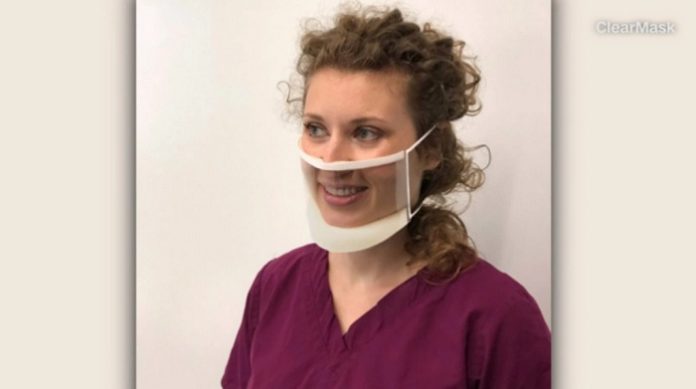
ClearMask LLC, a privately held American medical supply company, announced that it received the U.S. FDA 510(k) clearance for its ClearMask™, a fully transparent surgical mask.

ClearMask™ is the world’s first FDA-cleared, fully transparent surgical mask that can be used in hospitals, clinics, schools, retail, hospitality, and other settings. The mask is optimized for maximum clarity and comfort, and meets applicable ASTM Level 3 requirements for fluid resistance and flammability, which offers a high level of protection for medical use in environments such as operating rooms.

In this disheartening time as the world fights against the COVID-19 pandemic, the ClearMask™ helps provide protection while bringing much-needed relief through a reassuring smile and familiar face among fear, confusion, and suffering. In addition to blocking particles or droplets with its fully transparent, anti-fog plastic barrier, the ClearMask™ helps improve visual communication, which may help avoid costly errors and adverse outcomes. Transparent communication during the customer experience can be critical in establishing rapport and earning trust, while assuring safety as a priority.

The company, consisting of Johns Hopkins University graduate students and alumni, started developing the transparent mask in 2017 after their deaf co-founder experienced an adverse experience during her surgery. Traditional surgical masks blocked her providers’ faces, impeding effective communication and safety.

“After three years of research, development, and testing, we are thrilled to bring a human-centered mask to everyone who needs it, especially those who can benefit from improved visual communication, such as children, older adults, deaf and hard of hearing people, and those who do not speak the same language. The ClearMask™ is well-positioned to join the fight against the current pandemic,” said Allysa Dittmar, President of ClearMask.

The ClearMask™ is the first product in ClearMask LLC’s growing portfolio of novel masks to receive FDA clearance as a Class II medical device. To fulfill the current and rising demand as the company ramps up production of the FDA-cleared mask, the company is currently offering a non-medical, consumer face mask that similarly helps to improve visual communication and provide protection at a lower price. The consumer masks have provided much relief to different communities in need, including state emergency management agencies and essential workers.

To date, the company has provided the masks in bulk volumes, typically in the tens to hundreds of thousands. The consumer masks can now be purchased through ClearMask’s website at buy.theclearmask.com, starting at a box of 24 masks. The company has partnered with several distributors, including Cardinal Health Canada, McKesson, Oaktree Products, and Grainger to help get the masks out to as many people as possible.

“Regulatory clearance and mass production are two significant milestones in ClearMask’s mission to get the ClearMask out to as many people as possible,” said Aaron Hsu, CEO of ClearMask. “This achievement is a testament to our company’s hard work and commitment to serving different communities in need during this time.”

Greiner Bio-One supports Red Cross emergency aid in Lebanon

Greiner Bio-One supports Red Cross emergency aid in Lebanon

Kremsmünster, August 2020 – The gaping 43-metre-deep crater is proof of the force of this blast. Authorities say more than 160 people have died, over 6000 people were injured and hundreds of thousands have been left homeless. The United States Geological Survey (USGS) registered an explosion equivalent to an earthquake magnitude of 3.3.

Donation to relief effort

This catastrophe has hit the crisis-torn country hard. The Lebanese Red Cross re-acted quickly and is providing vital emergency aid on the ground. At the same time, the Red Cross is gearing up to support reconstruction efforts and to provide further aid in the long term – whether it be the supply of blood, support with accommodation, expanding the medical emergency service or meeting any other needs. Since 2019, Greiner Bio-One has been a partner of the Swiss Red Cross, working with them on their project to develop a blood donor service in Lebanon. In order to make a quick contribution and avoid red tape, Greiner Bio-One decided to support the relief effort with a monetary donation.

Bumrungrad International Hospital Becomes One of the Worlds First to Fully Digitize End-to-End Processes of the Microbiology Lab, Using InterSystems TrakCare Lab Enterprise

Bumrungrad International Hospital Becomes One of the Worlds First to Fully Digitize End-to-End Processes of the Microbiology Lab, Using InterSystems TrakCare Lab Enterprise

InterSystems, a creative data technology provider dedicated to helping customers solve the most critical scalability, interoperability, and speed problems, announced that Bumrungrad International Hospital has used InterSystems TrakCare® Lab Enterprise to create one of the first fully digital microbiology laboratories in the world.

The digitization of end-to-end process in microbiology follows Bumrungrad’s go-live with the InterSystems TrakCare unified healthcare information system in October 2018 to support world-class care delivery throughout the hospital. The deployment included the digitization of Bumrungrad’s core laboratory handling 60-70% of the hospital’s five million annual tests on around one million samples.

The hospital microbiology lab has now also gone fully digital with TrakCare Lab Enterprise, the only business management system for clinical labs. Currently, very few microbiology labs have fully digitized their operations. This is partly because of the complexity of their workflows. It is also due to a lack of electronic medical record (EMR) systems that support either end-to-end lab processes or integrated workflows across the best-of-breed systems used in microbiology labs.

Unlike traditional lab data and analytical management solutions, TrakCare Lab Enterprise integrates patient data within the EMR for improved clinical support and patient-centered workflows, has built-in integration capabilities for interoperability with other systems, and captures comprehensive operational data for better lab decision making.

InterSystems partnered closely with Bumrungrad to understand its requirements and realize its vision. The complex nature of microbiology testing required extensive use of TrakCare Lab Enterprise’s flexible configuration capabilities. With no product customization needed, however, the configuration will continue to work with future, enhanced versions of TrakCare.

As a core function, microbiology labs culture and identify microbes and test their susceptibility to antibiotics to establish the best treatments for patients. They follow an investigative process with each step dependent on the results of the previous step. Bumrungrad, for example, identifies up to three organisms per sample and tests multiple antibiotics against each.

To digitize this process, Bumrungrad created a decision tree to map its microbiology workflows and TrakCare Lab Enterprise was configured to support them. The product’s interoperability capabilities were also used to integrate with the BD EpiCenter™ microbial identification and VITEK® antibiotic susceptibility systems via standard HL7 messaging. TrakCare Lab Enterprise now digitally manages the entire end-to-end testing process.

The benefits of this digital transformation include improved service delivery, increased patient safety, reduced turnaround times, and enabling the optimization of robotics and automation. For example:

  • Clinicians at Bumrungrad can place microbiology orders in TrakCare and receive results within a patient’s EMR, improving turnaround times and ease of use.
  • Reports delivered in a structured data format – rather than a PDF scan – enable clinicians to analyze results in context and make full use of decision support systems.
  • Patient safety is protected by eliminating manual transcription errors and validating sample and cultured materials using system-generated barcodes. This ensures that the right test is performed on the right patient with the right result.

“Our clinicians are very happy with the digital transformation of microbiology,” said Jeremy Ford, Laboratory Research and Technology Director for Bumrungrad. “The primary outcome is improved service delivery – making it easier for clinicians to deliver care, having confidence in the results with no transcription errors, and reporting results in a much more timely way.”

“Longer term, the transformation will have a profound impact,” said Ford. “It enables accurate, real-time reporting for infection control, for example, which is very important for both patient safety and government reporting. It can take hospitals weeks to compile infection control reports using spreadsheets. In TrakCare, with digitized processes and an integrated EMR, you can run an infection control report every day.”

Bumrungrad will roll out further enhancements to TrakCare Lab Enterprise in its surgical pathology and referral laboratories later this year, with the blood bank following in early 2021, making all lab processes fully digital and paperless. “Each of the departments needs to be digital to allow high throughput robotics and automation,” said Ford. “It is no good investing in complex robotics if you have paper flowing around and you cannot digitally optimize its use.”

“We are excited to be working with Bumrungrad to fully support the digital transformation of their laboratories with TrakCare Lab Enterprise,” said Martin Wilkinson, Product Director, Laboratories for InterSystems. “Clinical labs face growing demands for faster, more reliable, more accountable, and more comprehensive processing and reporting of results. Where they could once rely on manual methods, labs like Bumrungrad’s are adopting automated methods of plating, identification, and susceptibility testing to meet those demands – and increasingly require digital technology platforms to drive that transformation.”

About InterSystems

Established in 1978, InterSystems is the leading provider of data technology for extremely critical data in the healthcare, finance, and logistics sectors. Its cloud-first data platforms solve scalability, interoperability, and speed problems for large organizations around the globe. InterSystems also develops and supports unique managed services for hospital EMRs, unified care records for communities and nations, and laboratory information management systems. InterSystems is committed to excellence through its award-winning, 24×7 support for customers and partners in more than 80 countries. Privately held and headquartered in Cambridge, Massachusetts, InterSystems has 25 offices worldwide.

LabCorp Will Perform Antibody Test at No Charge to Accelerate COVID-19 Blood Plasma Donation

LabCorp Will Perform Antibody Test at No Charge to Accelerate COVID-19 Blood Plasma Donation

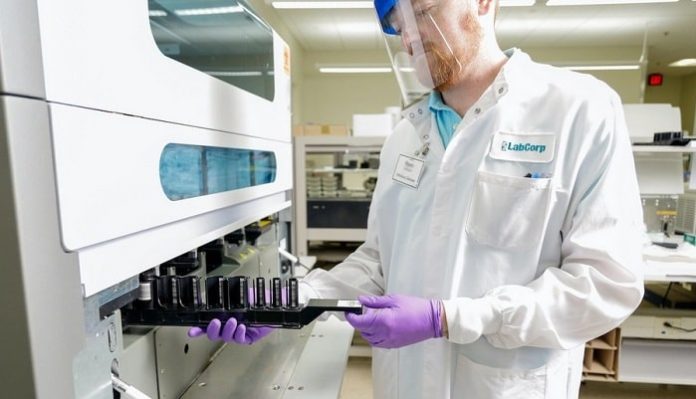
LabCorp, a leading global life sciences company that is deeply integrated in guiding patient care, announced details of a no charge antibody testing program in response to federal health authorities’ request to increase donations of COVID-19 blood plasma. Plasma with COVID-19 antibodies may be helpful when treating patients with an active COVID-19 infection and is being evaluated as a possible treatment.

Beginning today for the next three months, LabCorp will perform the high-affinity antibody test at no charge to patients, insurance companies, or the government. When patients are receiving other medically necessary blood tests as part of a medically necessary exam or treatment, this program allows providers to add the SARS-CoV-2 Antibodies Test to the same order at no charge. The no-charge high-affinity antibody testing program will use only the Roche Elecsys® Anti-SARS-CoV-2 and does not apply to other COVID-19 antibody tests, such as the IgG test.

Patients will be able to access their results through the LabCorp Patient™ portal and through their doctor. Result data from the antibody testing program will also be reported to the CDC and state public health agencies to further support COVID-19 surveillance and response efforts.

Individuals who have tested positive for COVID-19 and have not experienced symptoms for at least two weeks, or who have been confirmed to have antibodies to the virus are likely candidates for plasma donation. Many people who have had COVID-19 do not experience symptoms and may be unaware they have antibodies that can help other patients. The antibody test performed by LabCorp can help determine if an individual has been exposed to the virus by detecting antibodies in the blood. Antibodies comprise part of the immune response to the virus.

Patients who test positive for COVID-19 antibodies are encouraged to donate their blood plasma. Donating plasma does not affect the donor’s immunity, as their body will continue to produce antibodies. More information can be found about plasma donation at TheFightIsInUs.org.

Adam Schechter, chairman and CEO of LabCorp, said: “Many people have antibodies and are unaware that they could potentially use them to help save lives. LabCorp is offering antibody tests at no charge through a patient’s doctor to make it easier for more people to know if they should consider giving plasma. If you have antibodies and donate your plasma, you are helping the fight against the pandemic.”

For more information on antibody tests and LabCorp’s diagnostic COVID-19 testing options, as well as information on how to get involved, go to our website. Patients interested in donating plasma should visit TheFightIsInUs.org. The website can help check eligibility criteria and connect patients directly to plasma and blood donation centers nearby.

For Healthcare Providers

Under this program, providers can order the high-affinity antibody test that is based on an in-solution double-antigen sandwich format and can detect antibodies to SARS-CoV-2, the virus that causes COVID-19. The test will be performed at no charge for the next three months. Antibodies could signal whether a person has already been infected and potentially developed immunity to the virus. LabCorp’s antibody test uses the Roche Elecsys® Anti-SARS-CoV-2 platform, has 99.8 percent specificity and shows no cross-reactivity to the common cold, HIV and other coronaviruses. This means it can lower the chance of false positives due to the detection of similar antibodies that may be present in an individual. The Anti-SARS-CoV-2 test detected antibodies with 100% sensitivity in samples taken 14 days after a PCR-confirmed infection. Please note, the no-charge antibody testing program includes the Roche Elecsys® Anti-SARS-CoV-2 and does not apply to specific antibody tests, such as the IgG test.

Emergency Use Authorization (EUA) Status

The Elecsys Anti-SARS-CoV-2 test has not been FDA cleared or approved. It has been authorized by FDA under an EUA for use by authorized laboratories. This test has been authorized only for detecting the presence of antibodies against SARS-CoV-2, not for any other viruses or pathogens. It is only authorized for the duration of the declaration that circumstances exist justifying the authorization of emergency use of in vitro diagnostics for detection and/or diagnosis of COVID-19 under Section 564(b)(1) of the Act, 21 U.S.C. § 360bbb-3(b)(1), unless the authorization is terminated or revoked sooner.

About LabCorp 

LabCorp (NYSE: LH), an S&P 500 company, is a leading global life sciences company that is deeply integrated in guiding patient care, providing comprehensive clinical laboratory and end-to-end drug development services. With a mission to improve health and improve lives, LabCorp delivers world-class diagnostics solutions, brings innovative medicines to patients faster, and uses technology to improve the delivery of care. LabCorp reported revenue of more than $11.5 billion in 2019.

ONVIF Introduces Release Candidate for Profile D for Access Control Peripherals

ONVIF Introduces Release Candidate for Profile D for Access Control Peripherals

ONVIF®, the leading global standardization initiative for IP-based physical security products, has published the Release Candidate for Profile D, a draft specification that covers interfaces for access control peripherals. This newest profile candidate is designed to provide ONVIF interoperability for peripheral devices such as locks, credential/biometric readers, PIN pads, license plate recognition cameras, door phones, sensors and displays.

“Profile D, together with access management profiles like ONVIF Profile A and C, and video profiles like ONVIF Profile T, will help users build modern and secure IP-based access control systems,” said Patrik Björling, Chair of the ONVIF Profile D Working Group. “It will allow for the integration of products from different manufacturers and help further drive the adoption of ONVIF interfaces in the physical access control and video surveillance space.”

Using Profile D, a peripheral device can pass credential identifiers to a securely located Profile D conformant client, such as an access control unit or management software. The client or controller, which stores access rules, schedules and credentials, can then take the access decision and send a command back to the peripheral device to grant or deny access, display a message or request additional input such as a PIN code. Having sensitive information on a separate controller in a secured area enhances security. Communications between the device and client are secured using ONVIF security protocols such as TLS.

The Profile D specification enables a conformant client to configure a conformant device with the necessary data such as which door and access point the device is responsible for, as well as configure a list of allowed or blocked credential identifiers in a device that supports this capability.

The need for standardized interfaces between access control management systems and peripheral devices is driven by innovative identification technologies such as license plate recognition cameras for parking management, bar code reading cameras for visitor management, wireless locks and sensors for access control, and video door stations for intercom management.

ONVIF Profile D complements Profile A and Profile C in enabling standardized communications in an IP-based electronic access control system. Profile D devices can also support video profiles such as Profile T to enable an integrated video and access control system using ONVIF interfaces. Such devices include a door phone that combines a reader and lock with audio/video intercom, or an IP camera with a relay output connected to a lock that can be used by a guard to visually identify a visitor and remotely unlock the door.

Founded in 2008, ONVIF is a leading and well-recognized industry forum driving interoperability for IP-based physical security products. The organization has a global member base of established camera, video management system and access control companies and nearly 19,000 profile conformant products. ONVIF offers Profile S for streaming video; Profile G for video recording and storage; Profile C for physical access control; Profile Q for improved out-of-the-box functionality, Profile A for broader access control configuration, and Profile T for advanced video streaming. ONVIF continues to work with its members to expand the number of IP interoperability solutions ONVIF conformant products can provide.

About ONVIF

ONVIF® is a global and open industry forum that is committed to standardizing communication between IP-based physical security products to ensure their interoperability and to facilitate their integration. ONVIF was established in 2008 to develop a global open standard for IP-based physical security products. Membership is open to manufacturers, software developers, consultants, system integrators, end-users and other interest groups that wish to participate in the activities of ONVIF.

InterSystems Helps SA Health Prepare for Potential Second COVID-19 Wave

InterSystems Helps SA Health Prepare for Potential Second COVID-19 Wave

InterSystems, a creative data technology provider dedicated to helping customers solve the most critical scalability, interoperability, and speed problems, today announced that the South Australian Department for Health and Wellbeing (SA Health) has used InterSystems interoperability software and support to rapidly interface its Notifiable Infectious Disease Surveillance system (NIDS) to a new workflow system to help prepare for a potential second wave of COVID-19.

Integration between the workflow system and NIDS – which receives notifications of infectious disease cases from testing laboratories and maintains a central record – is provided by SA Health’s Health Information Broker (HIB), a state-wide health information exchange based on InterSystems technology. With these capabilities, South Australia is well prepared to scale up its public health efforts to meet the challenges of a new pandemic.

With available resources in short supply, the HIB support team asked InterSystems to help meet an urgent deadline to integrate the Salesforce-based workflow system to get it up and running quickly. “We raised a case with InterSystems and within hours were partnered with a contact,” said Steve Korossy, Integration Manager for SA Health. “InterSystems took an active, altruistic interest in our challenges and invested many long hours in overcoming them at no financial charge or penalty.”

InterSystems demonstrated a true sense of partnership, and the integration project was completed within three weeks, said Korossy. “This is a great example of the responsiveness and teamwork required to bring us through the COVID-19 pandemic and illustrates the value of having comprehensive health information management capabilities.”

Integration between the workflow system and NIDS was complicated by the fact that Salesforce supports a modern RESTful application programming interface (API), but the older NIDS system does not. As it has done many times before, SA Health turned to the HIB to enable real-time communication between the two systems.

The HIB maintains connections with different healthcare systems across the state, normalising and sharing healthcare data whilst also providing data integrity checks. Based on InterSystems technology, the HIB also provides the interoperability and rapid development environment needed to build interfaces to new systems and fill functional gaps. The HIB team has previously built interfaces to the federal government’s My Health Record, Royal Adelaide Hospital, BreastScreen SA, Eye Bank of South Australia, and Smart Health Cystic Fibrosis systems, among others.

“InterSystems has prioritised supporting customers and overcoming any technology challenges they face during the COVID-19 crisis,” said Darren Jones, Regional Director, Customer Relations & Sales at InterSystems. “The fact that South Australia is one of the least affected parts of the world is testament to its preparedness in fighting infectious diseases. We are proud to have played a part in boosting that preparedness for a potential second wave or new pandemic.”

Darren McGlade, Information Manager at SA Health, congratulated everyone involved in boosting South Australia’s preparedness. “It was one of the most intense projects I have worked on, but the professionalism across the board was fantastic. Everyone talks about the second wave and, if it happens, we can ramp up very quickly. If we have an infected cruise ship come in with thousands of passengers, the new system can be used for contact tracing and end-to-end management for all the cases.”

About InterSystems

InterSystems is the leading global provider of creative data technology. Its cloud-first data platforms solve interoperability, speed, and scalability problems that enable digital transformation through the use of healthy data. InterSystems also develops and supports unique managed services for a hospital EMR, a unified care record for communities and nations, and a laboratory information management system. For over 40 years, InterSystems has provided excellence via 24×7 support to customers and partners in more than 80 countries. Founded in 1978, InterSystems is privately held and headquartered in Cambridge, Massachusetts with 25 offices worldwide.

The Role of Sociology in Health Affairs

The Role of Sociology in Health Affairs

Health sociology is the study of the link between society and well-being. Societal norms and trends are examined for their effects on chronic illness numbers and mortality rates. The prevailing relationship investigated when embarking on a health sociology study is the professional-patient link and how vital the role of healthcare professionals in society is.

According to leading sociologists, ill-health is not purely a physiological state as it is influenced heavily by societal factors.

The difference between research and sociology

Medical research aims to collect data on illnesses, whereas the sociology of health seeks to study the spread of health conditions and what causes it. Taking the current example of the coronavirus pandemic, researchers deal with the number of infections.

However, sociologists are studying its spread in communities and how it is influenced by factors such as ethnicity, socio-economic circumstances, and traditional beliefs and practices. If you are also studying sociology or any related area, you must know about https://eduzaurus.com/free-essay-samples/sociology/. It’s a free online resource trusted by students from all parts of the world for its free essays on every subject. The wide variety of sociology topics on EduZaurus will prove to be valuable in your studies.

The value of health sociology

While many people might question the relevance of health sociology, its proponents believe it is essential. The link between sociology and a student’s mind gives them critical insight into their career of choice, with the medical professional being no exception.

Without understanding the sociology behind the spread of a disease or condition, medical professionals are hard-pressed to implement preventative measures and create effective treatment programs.

For these workers, a study of the overall health of those in immediate proximity is vital as this is where they source their patient base. Understanding the prevalence of medical conditions in different ethnic and socio-economic groups enables them to understand underlying causes and how these issues affect mortality rates.

A study of trends

It stands to reason that developed and developing countries would vary when it comes to the sociology of health. However, even within the first world, trends differ between countries with universal healthcare and those that do not.

For example, the USA has an outstanding healthcare system, but it is accessible only at a price. In contrast, Canadians can seek similar medical services regardless of their ability to pay for it. Despite cutting edge technology, denial of access to care for those families in middle and low-income brackets means that some diseases and conditions are more prevalent in these groups.

Historical factors, which may go back many generations, have left ethnic groups trapped in the poverty cycle. The lines along which these groups are drawn tend to focus on religion and ethnicity. For others, past and present conflict severely impact their health status.

In developing countries, alternative medical practices are more common as their inhabitants still believe in traditional healers and medicines. Obesity rates in these countries are also lower, while malnutrition is more common. The opposite applies to developed economies. Some first world countries buck this trend due to their traditional diet, such as Mediterranean countries in Europe.

Communicable diseases are a common feature in third-world countries because of overcrowding, poor sanitation, malnutrition, and a lack of healthcare access.

There is an ideological resistance to using long-term medication or prolonging the wait to seek medical care in some cultures, thereby allowing a condition to worsen. This is prevalent in African culture. In other groups, people are prone to self-diagnosis instead of approaching a medical professional for their advice.

Universal trends

Some factors that cause illness and death that exist around the world. Among them are alcohol abuse and smoking, which seem to permeate all societies to a certain extent. Lung cancer and liver failure occur in many areas. However, they are found in higher ratios in wealthier countries, where people have more disposable income to spend on alcohol and cigarettes.

The increased consumption of processed foods has led to global increases in heart conditions, hypertension, and type 2 diabetes. These are medical issues that occurred only infrequently in some areas, but the incidences are rising.

Conclusion

A failure to consider the sociology of wellness can severely hamper medical practitioners’ ability to treat their patients successfully. The current pandemic has proven that certain groups, based primarily on ethnicity and socio-economic status, are more vulnerable to both infection and death, even in countries that provide excellent healthcare. There are known reasons for this, but an ongoing study will uncover more and identify the best ways to eliminate it.

Author’s Bio:

Robert Everett works as a software developer for a tech company that mainly caters to the needs of health and pharma sector.

Translate »