Close
Digital Health & Ai Innovation summit 2026
Medical Taiwan 2026

PIH Health Hospital Offers an Alternative to Long-Term Warfarin Medication for Atrial Fibrillation with Next-Generation Watchman FLX Implant

PIH Health Hospital

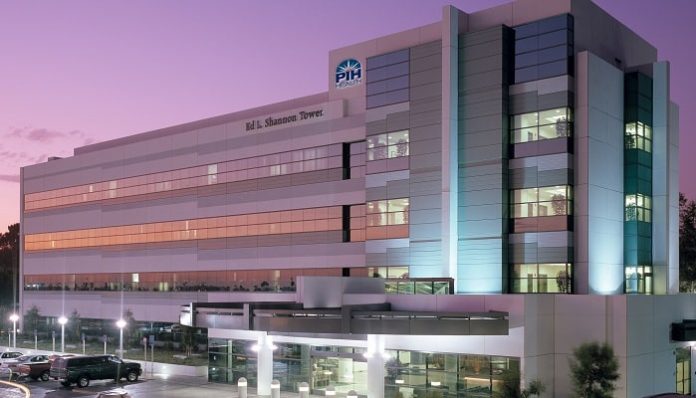
PIH Health Good Samaritan Hospital is one of the first hospitals in Los Angeles to offer the next-generation Watchman FLX™ Left Atrial Appendage Closure (LAAC) implant to patients with non-valvular atrial fibrillation (AF). The implant is an alternative to long-term warfarin medication.

Up to 6 million Americans are estimated to be affected by AF – an irregular heartbeat that feels like a quivering heart.i According to the National Stroke Association, people with AF have five times greater risk of stroke than those with normal heart rhythm.ii The WATCHMAN FLX device closes off an area of the heart called the left atrial appendage (LAA) to keep harmful blood clots that can form in the LAA from entering the blood stream and potentially causing a stroke. By closing off the LAA, the risk of stroke may be reduced and, over time, patients may be able to stop taking their blood thinner, such as warfarin. The next-generation technology has a new design to help treat more patients safely and effectively to ensure the best long-term outcomes.

“The new Watchman FLX implant is a breakthrough treatment,” said Steven Burstein, MD, medical director of the Cardiac Catheterization Laboratories at PIH Health Good Samaritan Hospital. “For patients with non-valvular a-fib who are in need of an alternative to warfarin, the implant offers a potentially life-changing stroke risk treatment option that could free them from the challenges of long-term warfarin therapy.”

The WATCHMAN technology has been implanted in more than 100,000 patients worldwide and is done in a one-time procedure. It is a permanent device that does not have to be replaced and cannot be seen outside the body. The procedure is done under general anesthesia and takes about an hour. Patients commonly stay in the hospital overnight and leave the next day.

About Atrial Fibrillation
Atrial fibrillation (AF) is a heart condition where the upper chambers of the heart (atrium) beat too fast and with irregular rhythm (fibrillation). AF is the most common cardiac arrhythmia, currently affecting up to 6 million Americans. i,iii Stroke is the most common complication of AF, and AF-related strokes are also more frequently fatal and disabling.iv,v In people with non-valvular AF, more than 90 percent of all stroke-causing clots that come from the heart form in the LAA.vi The most common treatment to reduce stroke risk in patients with AF is blood-thinning medication, such as warfarin. While very effective at reducing the risk of stroke, blood thinners increase the risk of serious bleeding overtime and come with certain requirements and restrictions.

About PIH Health

PIH Health is a nonprofit, regional healthcare network that serves approximately 3 million residents in the Los Angeles County, Orange County and San Gabriel Valley region. The fully integrated network is comprised of PIH Health Downey Hospital, PIH Health Good Samaritan Hospital, PIH Health Whittier Hospital, 27 outpatient medical office buildings, a multispecialty medical (physician) group, home healthcare services and hospice care, as well as heart, cancer, digestive health, orthopedics, women’s health, urgent care and emergency services. The organization is recognized by Watson Health as one of the nation’s Top Hospitals, and College of Healthcare Information Management Executives (CHIME) as one of the nation’s top hospital systems for best practices, cutting-edge advancements, quality of care and healthcare technology.

Olympus announces acquisition of Arc Medical Design Limited from Norgine B.V.

   Olympus announces acquisition of Arc Medical Design Limited from Norgine B.V.

Olympus Corporation announced it has signed a definitive agreement to acquire Arc Medical Design Limited (Arc Medical Design), a subsidiary of Norgine B.V. The acquisition underscores Olympus’ commitment to expanding its offering in gastrointestinal therapeutic devices and the development of advanced colonoscopy tools through M&A (mergers and acquisitions) opportunities as well as through R&D (research and development) with the overarching goal of improving early detection and treatment of colorectal cancer (CRC).

Under the agreement Olympus will acquire Arc Medical Design and obtain full rights to its suite of innovative medical products. Olympus will convert its current exclusive distribution rights of ENDOCUFF VISION™ to a full acquisition of the ENDOCUFF family of products, which also includes ENDOCUFF™, ENDOCUFF GLIDE™ and ENTEROCUFF™, as well as WIDE-EYE™ POLYTRAP and several products currently in development.

By acquiring Arc Medical Design, Olympus is assuming worldwide responsibility for design, manufacturing, distribution and business strategy for the product portfolio with an immediate effect. It will further enable the company to improve clinical outcomes, reduce overall costs and enhance quality of life for patients.

“It is a great pleasure to announce our acquisition of Arc Medical Design”, said Mike Callaghan, Vice President/General Manager of Global GI EndoTherapy Business Unit at Olympus. “ENDOCUFF VISION has been a pivotal tool in our EndoTherapy portfolio, and we are delighted to expand our product portfolio to include the entire ENDOCUFF family.”

The flagship product ENDOCUFF VISION is a device attached to the distal end of a colonoscope, designed to maintain and maximize visibility during colonoscopy. Through its unique design, ENDOCUFF VISION can manipulate large folds, anchor the scope tip during loop reduction and stabilize during complex procedures, such as a polypectomy.

Data has shown a colonoscopy with ENDOCUFF technology can increase the adenoma detection rate (ADR) by up to 11% compared to a standard colonoscopy*1. Research shows that, for every 1% increase in ADR, there is a 3% decrease in CRC risk*2. Higher detection rates and more accurate diagnosis could, therefore, help reduce the number of deaths from preventable digestive cancers, such as CRC. CRC is a leading cause of cancer death for both men and women and screening is one of the powerful weapons against the disease. Colonoscopy is considered the beneficial method for detection and removal of hard-to-find adenomatous polyps.

Callaghan sums up: “We are excited about the acquisition of Arc Medical Design as it expands our expertise in innovative medical technology, strengthens our global leadership in endoscopy and reinforces the commitment to our purpose of making people’s lives healthier, safer and more fulfilling.

About Olympus’ Therapeutic Solutions business

In its Therapeutic Solutions business, Olympus uses innovative capabilities in medical technology, therapeutic intervention, and precision manufacturing to help healthcare professionals deliver diagnostic, therapeutic, and minimally invasive procedures to improve clinical outcomes, reduce overall costs, and enhance the quality of life for patients. Starting with its early contributions to the development of the polypectomy snare, Olympus’ Therapeutic Solutions portfolio has grown to include an array of surgical energy devices and a wide range of instruments to help prevent, detect, and treat disease.

Avacta announces SARS-CoV-2 rapid antigen test clinical collaboration

Synergy Laboratories Adds Medical Testing Expertise to Fight the Coronavirus and COVID-19

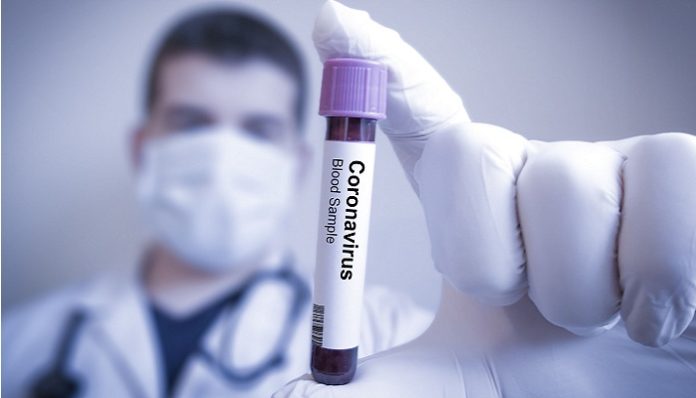
Avacta Group plc, the developer of Affimer® biotherapeutics and reagents, is pleased to announce that it has entered into a collaboration with the Liverpool School of Tropical Medicine (“LSTM”) to clinically validate the rapid, saliva-based coronavirus antigen test that Avacta is developing with Cytiva.

LSTM has been at the forefront of research into infectious, debilitating and disabling diseases since 1898 and was the first institution in the world dedicated to research and teaching in tropical medicine. It has a research portfolio of around £320 million and projects and partnerships in more than 70 countries.

Under the terms of the collaboration, LSTM will carry out the clinical validation of the Avacta COVID-19 antigen rapid saliva test in their category 3 laboratories on patient samples. In addition to working with the UK government’s CONDOR programme to provide Avacta with access to patient samples in the UK, the partnership with LSTM also provides the opportunity to access patient samples in Africa and South America. The higher prevalence of the disease in those regions means that samples for prospective clinical validation studies are more readily available which, if necessary, could be used to speed up the validation process.

Clinical validation is the process of evaluating the performance of a diagnostic test using real patient samples. Clinical validation generates the sensitivity and specificity performance parameters which are most often used to define the performance of a diagnostic test.

LSTM is currently evaluating the performance of prototype lateral flow tests provided by Cytiva alongside Avacta’s ELISA laboratory test using SARS-CoV-2 coronavirus samples, as a precursor to full clinical validation studies.

Dr. Alastair Smith, Chief Executive of Avacta Group commented:

“I am delighted to have established this collaboration with the Liverpool School of Tropical Medicine. It is an important partnership which provides Avacta with access to patient samples both in the UK and abroad, where the incidence of the disease is currently much higher, to ensure prompt access to a sufficient number of samples for clinical validation.

We have been working with the Liverpool School of Tropical Medicine for some time to define the target performance specifications of the saliva-based rapid test and their insight has been tremendously helpful in this regard.

I look forward to updating the market on further progress in due course.”

Dr Lisa Baldwin, Business Development Manager, LSTM commented:

“The partnership between Avacta and LSTM exemplifies the role of the LSTM in translational work to advance products to market and we are pleased to be working with Avacta on this coronavirus antigen test.”

Carestream Introduces New DRX-Compass X-ray System

 Carestream Introduces New DRX-Compass X-ray System

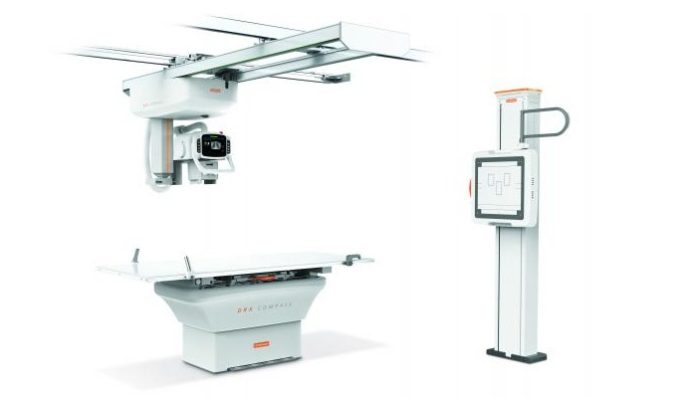
Carestream Health has launched its DRX-Compass X-ray System for mid-tier hospitals and medical imaging centers worldwide. The system offers a flexible and scalable approach to digital imaging with an eye to the future, while increasing workflow efficiency and reducing costs.

“The DRX-Compass is a fully digital unit for customers. No matter where they are today, we can build on their system, helping them navigate for where they’ll be tomorrow,” said Steve Romocki, Worldwide Product Line Manager for Radiology Systems at Carestream. “A customer can choose the X-ray components that are ideal for their facility now knowing the system can be easily enhanced to meet their future needs, all while protecting their current investment.”

The CARESTREAM DRX-Compass X-ray System is an upgrade-friendly unit that mitigates technology obsolescence with a set of advanced features and options. It has vertical auto-tracking and auto-centering, as well as an optional tilting wall stand to support a wide range of exams. Developed for easy positioning, this system was designed to decrease set-up time and increase throughput for every facility. Its intuitive, graphical user interface reduces training time for technicians and allows for a secure, swipe-and-go login. The auto long-length imaging option is especially useful for patients who have trouble standing or young children who are unable to hold still for long periods.

The system includes the current version of Carestream’s ImageView clinical acquisition software, powered by Eclipse Imaging processing, to securely enhance productivity and patient care in a single platform. Through this software platform, facilities will have the option to purchase additional capabilities to their DRX-Compass systems as needed over time.

By providing the full benefits of a digital X-ray room, the DRX-Compass is ideal for community, rural and private hospitals. It is also well suited for urgent care centers, orthopaedic and large radiology practices. With the ability to select components for specific locations, the system can easily adapt to space requirements. Developed with customer feedback in mind, the DRX-Compass offers a bridge for healthcare facilities looking to move from an analog or retrofitted X-ray room to a digital system.

“The DRX-Compass is a system that can be configured to fit most facilities’ budgets and can grow with customers as their needs change, with minimal downtime,” Mr. Romocki said. “This will offer our customers who are still using analog the opportunity to move to a new digital platform and it provides flexibility for what the future will bring.”

Senseonics Announces Strategic Collaboration with Ascensia Diabetes Care

Senseonics Announces Strategic Collaboration with Ascensia Diabetes Care

Senseonics Holdings, Inc., a medical technology company focused on the development and commercialization of long-term, implantable continuous glucose monitoring (CGM) systems for people with diabetes, announced the formation of a strategic partnership with Ascensia Diabetes Care (Ascensia), through a commercialization and collaboration agreement, which will make Ascensia the exclusive worldwide distributor of Senseonics’ Eversense® CGM systems. The company also announced a concurrent financing agreement with PHC Holdings Corporation, the parent company of Ascensia. In addition, Senseonics also announced a financing agreement with Masters Special Situations, LLC and affiliates thereof (“MSS”). The financing arrangements collectively provide for a total of up to $80 million of debt and equity capital.

Ascensia Diabetes Care is a global diabetes care company that is dedicated to helping people living with diabetes. It is a leader in the blood glucose monitoring (BGM) market with its CONTOUR® portfolio of devices that are known for their accuracy and ease of use. Ascensia markets its BGM devices in over 125 countries across the world. The Switzerland based company is owned by PHC Holdings Corporation, a KKR portfolio company.

“We are extremely excited to be partnering with Ascensia, a leader in the global diabetes space. Ascensia is well known for their high-quality CONTOUR products used by more than 10 million patients world-wide to help manage their diabetes. We believe their global commercial infrastructure and commitment to the Eversense systems will drive market adoption while allowing Senseonics to focus on further development of our implanted technology,” said Tim Goodnow, PhD, President and CEO of Senseonics.

Under the terms of the agreements, Ascensia will become the exclusive worldwide distribution partner for Senseonics’ CGM systems including Eversense®, Eversense® XL and future generation products. In the U.S., Ascensia will initiate marketing and sales activities in the coming months, with full responsibility and commercial ramp up expected in the first quarter of 2021. In the U.S., the commercial efforts for the remainder of 2020 are intended to re-initiate marketing Eversense to drive new patient starts, as well as to prepare for the launch of the new 180-day Eversense product, if approved. In Europe, Ascensia will begin commercialization activities in select countries where Eversense XL has already launched, once any existing distribution relationships have concluded. These exclusive distribution rights are expected to last through 2025, with the exact timing dependent on factors including the launch dates for certain future generation products.

Ascensia’s parent company, PHC Holdings Corporation, will also provide up to $50 million to Senseonics through (i) the purchase of $35 million in aggregate principal amount of convertible debt securities in a transaction expected to close on or about August 14, 2020 and (ii) a commitment to purchase up to an additional $15 million in convertible preferred stock, at Senseonics’ option and contingent upon FDA approval of the 180-day Eversense sensor in the U.S.. Both organizations share a vision focused on providing leading technology to diabetes patients around the world to lessen the burden of disease management. With strong commitments to collaboration, Senseonics will enhance focus on advancing its pipeline of long-term implantable CGM solutions, while Ascensia will be responsible for sales, marketing, market access, patient and provider onboarding, and customer support.

“In line with our goal of ensuring the long-term success of Eversense in the marketplace, Ascensia has demonstrated a high level of commitment to our products that we expect will be beneficial for patients and healthcare providers for years to come,” said Francine Kaufman, MD, Chief Medical Officer of Senseonics.

“We are thrilled to be entering into this partnership with Senseonics and strongly believe in the value of the Eversense technology. They have highly accurate and effective products on the market and a strong pipeline of innovative solutions that can address the needs of people with diabetes,” said Robert Schumm, President of Ascensia Diabetes Care. “We believe that the combination of our commercial expertise and infrastructure, alongside Senseonics’ focus on product development and manufacturing, will help to get the Eversense and Eversense XL products into the hands of people with diabetes who can benefit from them. Our aim is to work together to bring these highly effective technologies to more people with diabetes, therefore providing further choice in CGM for diabetes management.”

Collaboration and Commercialization Agreement

The collaboration and commercialization agreement is designed to drive adoption of the Eversense CGM systems and future product generations by combining the strengths of the two organizations. Incentives for penetration of the market are aligned through a mutually beneficial revenue sharing agreement. Senseonics will retain all product development, branding, regulatory approval and manufacturing responsibilities.

Ascensia will assume exclusive commercialization rights of Senseonics’ products for five years following U.S. availability of the 180-day Eversense product including the associated expenses, subject to extension in certain circumstances. Throughout 2020, Senseonics will lead a collaborative program for the Ascensia commercial team to receive field-based training and hands on experience supporting the current Eversense patient base as well as new patient and practice on-boarding. This creates the potential to increase the overall installed base later this year. Upon the launch of the 180-day product in the U.S., if approved, Ascensia will assume full marketing, market access, sales, healthcare provider training, and frontline patient and provider support responsibilities. Ascensia has begun expanding its U.S. commercial organization and expects to be fully staffed by end of the first quarter 2021 in support of Eversense.

About Eversense

The Eversense® brand of continuous glucose monitoring (CGM) systems are indicated for continually measuring glucose levels in persons age 18 and older with diabetes. The Eversense® CGM system, available in the U.S. is indicated for up to 90 days and as a replacement of fingerstick blood glucose (BG) measurements for diabetes treatment decisions. Fingerstick BG measurements are still required for calibration twice per day, and when symptoms do not match CGM information or when taking medications of the tetracycline class. The Eversense® XL CGM system, available outside of the U.S., is indicated for up to 180 days and is intended to complement, not replace, fingerstick blood glucose monitoring. The sensor insertion and removal procedures for both systems are performed by a health care provider. The Eversense and Eversense XL CGM systems are prescription devices; patients should talk to their health care provider to learn more.

About Senseonics

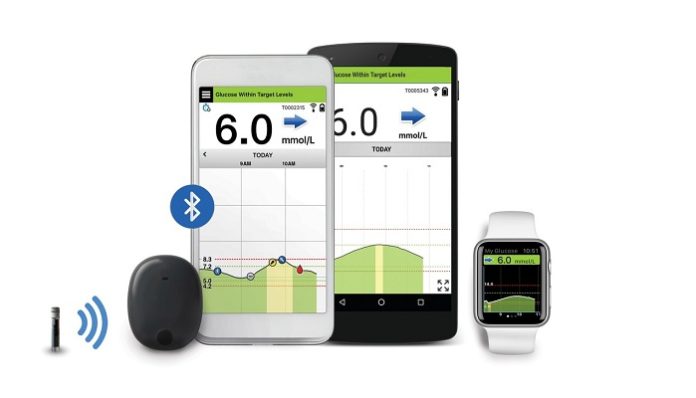
Senseonics Holdings, Inc. is a medical technology company focused on the design, development and commercialization of transformational glucose monitoring products designed to help people with diabetes confidently live their lives with ease. Senseonics’ CGM systems, Eversense® and Eversense® XL, include a small sensor inserted completely under the skin that communicates with a smart transmitter worn over the sensor. The glucose data are automatically sent every 5 minutes to a mobile app on the user’s smartphone.

About Ascensia Diabetes Care

Ascensia Diabetes Care is a global specialist diabetes care company, dedicated to helping people living with diabetes. Their mission is to empower people living with diabetes through innovative solutions that simplify and improve their lives. They use innovation and specialist expertise in diabetes to develop high quality solutions and tools that make a positive, daily difference for people with diabetes.

Home to the world-renowned CONTOUR® portfolio of blood glucose monitoring systems, Ascensia’s products combine advanced technology with user-friendly functionality that help people with diabetes to manage their condition.

Ascensia Diabetes Care was established in 2016 through the sale of Bayer Diabetes Care to PHC Holdings Co., Ltd (formerly Panasonic Healthcare Holdings Co., Ltd). Ascensia Diabetes Care products are sold in more than 125 countries. Ascensia Diabetes Care has around 1,700 employees and operations in 31 countries.

Canon Medical Launches Mobile Digital X-ray System for Enhanced Versatility and Performance

Canon Medicals 3T MR System Receives FDA Clearance for AI Based Image Reconstruction Technology

Hospitals and healthcare facilities regularly require rapid imaging exams performed in a variety of complex situations, often at the patient’s bedside. With the launch of Canon Medical Systems USA Inc.’s all-new SOLTUS® 500 Mobile Digital X-ray, facilities now have access to a system that is equipped with enhancements that can streamline bedside exams to help improve workflow and productivity.

The FDA 510(k)-cleared SOLTUS 500 has a compact design with advanced features that promote efficiency and patient safety, without compromising image quality.

The FDA 510(k)-cleared SOLTUS 500 has a compact design with advanced features that promote efficiency and patient safety, without compromising image quality. Features include:

Enhanced ease-of-use with intuitive tubehead controls, including an 8.4-inch touchscreen display and dual collimator controls for increased access and accuracy.

Increased detector wireless range and productivity with Canon Medical patented technologies. The Distributed Antenna System optimizes detector wireless range, and the Enhanced Workflow Package supports the exam from start to finish at point of care.
Exceptional safety and security features for patient, clinician and facility, including anti-collision technologies, pressure sensitive steering, improved maneuverability and smart ID card log-in for secure accessibility.

Simplified detector charging and storage capacity allows space and functionality for detector charging, storage and accommodating accessories such as disinfecting wipes and protective bags.

“Today’s hospitals are challenged with productivity demands and it’s imperative that their x-ray systems are able to perform seamlessly where and when they need them,” said Jay Aboujaoude, managing director, X-Ray Business Unit, Canon Medical Systems USA, Inc. “The SOLTUS 500 meets that need without compromising on image quality, which is made possible with the unparalleled Canon detector technology that is at the heart of the system.”

About Canon Medical Systems USA, Inc.

Canon Medical Systems USA, Inc., headquartered in Tustin, Calif., markets, sells, distributes and services radiology and cardiovascular systems, including CT, MR, ultrasound, X-ray and interventional X-ray equipment.

About Canon Medical Systems Corporation

Canon Medical offers a full range of diagnostic medical imaging solutions including CT, X-Ray, Ultrasound, Vascular and MR, as well as a full suite of Healthcare IT solutions, across the globe. In line with our continued Made for Life philosophy, patients are at the heart of everything we do. Our mission is to provide medical professionals with solutions that support their efforts in contributing to the health and wellbeing of patients worldwide. Our goal is to deliver optimum health opportunities for patients through uncompromised performance, comfort and safety features.

At Canon Medical, we work hand in hand with our partners – our medical, academic and research community. We build relationships based on transparency, trust and respect. Together as one, we strive to create industry-leading solutions that deliver an enriched quality of life.

Who Pays for a Wrongful Death Lawsuit?

Who Pays for a Wrongful Death Lawsuit?

If the defendant in a wrongful death lawsuit is found to be negligent by the court, they will be responsible for paying the settlement or award. In most cases, this money will not come out of their own pocket. The defendant’s insurance providers often pay. When there is no insurance or there isn’t enough coverage, they will be personally responsible for paying.

Deaths that were caused by another person’s negligence never should have happened. These deaths are mistakes that were preventable, and they often leave the deceased’s loved ones struggling emotionally and financially. If someone was taken from you due to negligence, you have every right to take them to court.

Nothing will bring your loved one back, but financial compensation may make coping with the aftermath of their death less of a financial struggle. Some of the damages you may be able to claim include:

  • Medical bills: The deceased may have been hospitalized for days, weeks, or even months before they passed.
  • Emergency transportation: The deceased may have been transported by ambulance, and this can cost upward of $2,000.
  • Funeral and burial expenses: The average cost of a funeral and burial in the United States is approximately $23,000.
  • Lost income: This includes the salary your deceased loved one would have earned from the time of their injury through retirement.
  • Loss of consortium: This can include the loss of companionship, a sexual relationship, guidance, and even the moral support of the deceased.
  • Pain and suffering: Knowing your loved one didn’t have to die can leave you with intense emotional anguish, and you deserve to be compensated for it.
  • Punitive damages: If the negligent act that caused your loved one’s death was criminal, the court may also award punitive damages.

Any party that you believe is responsible for your loved one’s death can be sued. This could be anyone from a drunk driver to the manufacturers of a defective product to an employer who failed to provide safety gear. Doctors and surgeons can also be sued for wrongful death if it can be proven that they are negligent.

Who Can Be Awarded Damages?

The laws regarding who can file a case and be compensated are different in every state. Depending on where you live, the following parties may be able to receive compensation.

Spouses

In every state the spouse of the deceased has a right to make a claim. In some states, if you were in a civil union or domestic partnership with the deceased, you will also have the right to file a lawsuit.

Children

When a child loses a parent to an act of negligence, they have the right to file a wrongful death lawsuit. Children can be awarded damages for the loss of their parent’s support, both emotional and financial. Adult children also may be awarded damages.

Parents

Parents of minor children who were killed by the negligent act of another may collect damages in a wrongful death lawsuit. In most cases, parents of a deceased adult child will not be able to file a wrongful death claim.

Other Family Members

When a single adult who does not have parents, children, or a spouse passes away due to someone else’s negligence, some states allow other family members to file a wrongful death lawsuit. This can include siblings, aunts or uncles, or grandparents. Other family members who were receiving financial support from the deceased may also be able to file a lawsuit.

You may want to consider seeking representation for wrongful death case if you believe your loved one’s death was caused by another party’s mistake, recklessness, or criminal act. An attorney can tell you who can file a case in your state, what the statute of limitations are, and whether or not your case is likely to be successful.

How To Be Eligible To Take Licensure Examinations

How To Be Eligible To Take Licensure Examinations

One’s academic journey doesn’t end after the completion of a degree. To guarantee the reliability and quality of service, many disciplines impose further requirements and procedures. For instance, in the medical and healthcare industry, you can only begin your practice after obtaining a license.

What Is A License?

Doctors, nurses, lawyers, and teachers have one thing in common. Before stepping into their career fields, they must have the right credentials in carrying out their roles, which are in the form of licenses and certifications.

These titles are granted to individuals once they complete practical experiences, such as on-the-job training, residency, and internship. A license is important to your career since this will prove your knowledge and skills required for the job.

Also, issuing licenses to recognized professionals will protect the public from inexperienced workers that are claiming to be professional ones.

Essentially, these are some occupations and fields that require a license:

  • Healthcare
  • Education, training, and library
  • Legal and protective service
  • Architecture and engineering
  • Community and social services
  • Personal care and service
  • Transportation services
  • Real estate and planning
  • Business and finance

However, people often interpret licensure and board certifications synonymously. While they both enable professionals to practice in their discipline, it’s still essential to differentiate these two to help them select and receive services from qualified professionals.

Licensure Vs. Board Certification: A Look At The Medical Industry

To practice medicine, obtaining a license is the minimum requirement for all health professionals. Basically, an individual claiming to be a health professional who doesn’t have a license is a fake physician. Before the licensure process, eligibility requirements will be discussed later on.

On another end, board certifications are more specific. While a license doesn’t identify a specific area of practice, a board certification only caters to an individual’s specialty. As the medical industry continues to flourish today, differentiating a licensed health professional from a board-certified one is a beneficial tool to see who acquired more advanced training.

Before achieving board certification, having your license is the most fundamental piece of your career. Knowing the steps for your licensure is paramount to kickstart your career while you’re still a student.

In this article, you’ll explore a comprehensive guide on preparing for a licensure exam. Keep in mind that requirements and processes might be different in every state and country.

For instance, the National Council Licensure Examination (NCLEX) is a national examination for nurse licensure exclusive in Canada and the United States. Check out this NCLEX Eligibility to acquire your licensure as a Licensed Practical Nurse (LPN) or Registered Nurse (RN).

Here are the elaborated steps on how to be eligible for licensure examinations in the healthcare and medical industry:

Licensure Examinations In Different Regions

Professional licensure for medical careers is required in every country, but they can have variations. Political, demographic, economic, and geographic factors drive the standards and regulations in these particular regions. Some licenses may only be available in the country of origin, while some are approved for use in other states or countries.

Generally, medical licenses have three main categories for diagnosis and treatment of patients, while certain individual state boards may add other categories:

  • D. (medical doctor)
  • A. (physician assistant)
  • O. (doctor of osteopathy)

An example of separate medical licenses in other states is: the Kentucky state has a different license for medical fellowship training and faculty; also, Oregon acknowledges podiatric doctors and acupuncturists with a separate license.

Furthermore, U.S. and Canadian physicians and surgeons have various licensing types and descriptions, which depend on which licensure examination they took:

  • Type A: Licensure from a) LMCC, USMLE, or FLEX examination, or b) international graduate whose pathway to licensure encompasses mentioned exams or authorized combinations of FLEX, NBME, and USMLE.
  • Type C: Medical school graduate whose licensure pathway originated from another state, which can also be subject to the C-SPEX examination.
  • Type G: Medical school graduate whose licensure pathway depends on the NBME examination.
  • Type PTL: A unique license type that identifies an LMCC or USMLE passer and is a resident of a board-approved postgraduate training program.

Basic Education Requirements

Now that you’ve had a glimpse of licensure examinations and the types of licenses usually issued in medical professionals, you can proceed with your requirements.

Fundamentally, the initial requirement to be eligible for a licensure examination is to complete your academic degree in the medical field. It can either be a doctorate degree from the United States or an internationally accredited medical school.

Other basic requirements that your licensure provider might ask are:

  • Age requirement of 18 or 21 years old
  • Proof of medical residency from an accredited program
  • Accomplished one year of postgraduate training from a hospital-affiliated program (two years for an international medical school)

If you don’t hold a medical degree from a board-approved institution, you must have at least the following:

  • Passed a multi-part licensure examination, such as FLEX, USMLE, NBME, and NBOME
  • Accomplished a basic science examination issued by a medical licensing authority
  • Fulfilled three years of postgraduate training in a board-approved program

Take note that these requirements may or may not be asked from your country, and they might have additional requirements not mentioned here. To have further information about the requirements, contact the right institution or organization involved in medical licensures.

For the NCLEX, requirements will be identified by the nursing regulatory body (NRB). Should you need more information about licensure examination eligibility, you can contact the NRB.

Choosing The Right State Board

Your current location and living conditions can affect your future licensure application. So, it’s better to think ahead of this before taking your college path

Keep in mind that you won’t necessarily end up working in the state where you took your licensure examination, but it’ll more likely depend on which facility chooses you. Therefore, you’ll still have to apply for license endorsement in which state you’re assigned, regardless of your U.S. license.

When choosing which state to apply for the NCLEX, it’s wiser not to choose based on factors such as the state’s popularity. Look into and evaluate the requirements, as there might be some that could delay your application.

For example, avoid states which require the following:

  • Clinical experience
  • TOEFL or IELTS results
  • Social Security Number (SSN)

License Application Fees

Indeed, medical school is expensive. Before applying for your licensure, you should prepare your pocket for licensure fees and payments and other costs you’ll encounter along the way.

Medical licensing fees vary according to each country or state, so it’s important to coordinate with your license provider. Below is a rough estimate of state medical license costs that you should expect:

  • Application and initial state licensing fee: Several states usually combine the initial licensing fee with the initial application fee. The average cost is USD$500.
  • Multi-state licensing service costs: Fortunately, some state boards are acknowledging multi-state licensing, but this will cost more.

Case in point, the Federation of State Medical Boards (FSMB) charges a USD$60 one-time fee, verifying and sending out your profile for a base fee of USD$375, then USD$95 for every additional state licensing board.

  • Miscellaneous fees: These involve transcripts, criminal background checks, notary fees, postage, fingerprinting, and more–starting from USD$10 to USD$60.

To be eligible in taking your licensure examination, you need to comply with these fees. Thankfully, some state boards offer a reimbursement program that can be of great financial help. The NCLEX has the Qualified Veterans Reimbursement Program for nurse licensure candidates.

Authorization To Test

Once you’ve complied with the requirements and payments, you might undergo a Credential Evaluation Service (CES) Registration. Upon being declared as eligible by your state board, you should receive an email confirming your Authorization to Test (ATT).

Then, you’ll have to use this email address to settle an appointment to take your licensure examination. Don’t hurry too much in choosing your date and time of examination; think about it carefully.

According to the NRB, here are some rules attached to the ATT regarding the validity dates:

  • Your ATT is only valid according to their specified period. The average length of the ATT is 90 days.
  • Your ATT must contain your unique authorization number, candidate identification number, and the ATT expiration date.
  • Your ATT validity date can’t be canceled or extended.

Increasing Your Eligibility Odds

Did you know that you can further increase your odds of licensure examination eligibility? Most license takers are starters who have recently completed their coursework and graduated from their training program. Although you don’ t have a headstart compared to more experienced takers, you can still be at your edge.

Here are some tips and reminders on enhancing your NCLEX eligibility, helping you achieve your dream career:

  • Your moral character is extremely important for evaluating your eligibility. If you have offenses, prepare to open your application.
  • Before submitting your application, make sure you’re an eligible citizen of the country you’re applying in. Supplying in other essential documents such as proof of citizenship, Social Security Number, and photographic identification is helpful.
  • On another end, if you’re a foreign candidate, make sure to browse and follow guidelines posted on their websites to guarantee a smooth process.

Bottom Line

As an addition to increasing your eligibility odds, your topmost priority should be to study well for the licensure examination. State boards have varying rules, requirements, and fees, but they all meet at the same pedestal. They aim in selecting individuals fit for medical practice and provide quality services to the public.

If you’re ready to take on another career challenge, your license will be your stepping stone towards advancement. Thus, make the most out of it by ensuring your spot on the exams.


Can CBD be a Potential COVID-19 Treatment?

Can CBD be a Potential COVID-19 Treatment?

There is a lot of research going on in the quest to find a cure for Covid-19. Having proved its ability to deal with many health and wellness issues, researchers are considering marijuana and its derivatives as a possible source of the solution. Research on CBD oil for Covid-19 regards its ability as an anti-inflammatory agent and its ability to fight against viruses. Let’s look at some of the reasons why researchers might consider CBD to be a serious contender for the Covid-19 cure.

The Endocannabinoid System

CBD oil pros and cons are felt in every part of the body due to the widespread nature of the endocannabinoid system (ECS). The ECS is also found in the lungs, and through it, CBD can affect the lungs one way or the other.

The primary role of the endocannabinoid system is to restore homeostatic balance to different parts of the body. One of the main symptoms of Covid-19 is a fever – which is in itself a loss of homeostatic balance, and CBD can help reduce it.

One of the well-known CBD facts is that it inhibits neurotransmitters responsible for sending pain signals to the brain. In this way, it can reduce chest pains that a Covid-19 patient experiences due to Acute Respiratory Syndrome Disorder (ARSD) that comes with the disease.

CBD as an Antiviral Agent

Previous research on the effects of CBD on viruses showed that CBD didn’t kill the Hepatitis B and C viruses on which it was tested. It, however, inhibited the multiplication of the virus by 84.6%. This is encouraging because if CBD is found to have the same effect on the CoronaVirus, it can significantly reduce the multiplication of the virus in patients. Such a reduction would allow antiviral drugs an easier time dealing with the lower viral load. More clinical research, however, needs to be done in this area.

Research so Far

Answering the question of whether to use CBD for the treatment of Covid-19 is not as easy as finding the pros and cons of taking CBD to sleep. CoronaVirus is itself new, it has no cure at the moment, and it has been disruptive enough to close down the world; thus, the stakes are very high. Researchers are working feverishly to come up with a solution to this problem.

A study conducted by Augusta University in Georgia, United States, shows that CBD may reduce the ‘Cytokine Storm’ that usually accompanies advanced cases of Covid-19. The cytokine storm is a term used to refer to severe inflammation of the lungs in people who have ARDS. ARDS is the deadliest symptom of Covid-19 that lowers the lungs’ ability to take in oxygen.

The Augusta study was conducted on mice that showed the use of CBD helped to reduce the production of cytokines that facilitate inflammation in the lungs. CBD does this by targeting IL-6, IL-1b, and IL-17, all of which are pro-inflammatory cytokines.

Through targeting these cytokines, CBD reversed ARDS in participating mice, either entirely or partially. The CBD also helped the mice increase their lymphocyte levels. Lymphocytes are essential in the body because they help the body reduce infections, and their increase improves the body’s ability to retaliate against Coronavirus and other diseases.

Findings from this research aren’t enough for regulatory authorities to recommend even the best CBD as a treatment for Covid-19. Clinical studies and other studies are required to establish the effects CBD would have on humans. However, the information outlined above is quite encouraging for CBD enthusiasts, researchers, and the whole world where matters to do with Covid-19 are concerned.

7 Things You Need to Know About Car Accidents

7 Things You Need to Know About Car Accidents

Car accidents are among the leading causes of fatalities in the country. Data from the National Safety Council shows that an estimated 38,800 people died in car crashes in 2019. Often, these accidents will affect motorists and pedestrians. Car manufacturers are continually upgrading driver assistance systems such as lane departure warning systems and blind-spot monitoring to help drivers mitigate the risk of accidents while driving.

1. More Accidents Closer Home

Studies show that most accidents occur close to people’s homes. Some studies suggest this can be as close as within 5 minutes of your home. Many neighborhoods invest in amenities such as pedestrian walks and green spaces to attract more people. Car crashes put joggers, kids playing, people talking on a walk, and other people in the neighborhoods at risk. Frequent car crashes also drive down real estate prices in these areas.

Motorists driving close to their neighborhoods might get into a comfort zone and sometimes become lazy in practicing safe driving procedures such as indicating before turning or wearing a safety belt. Motorists driving close to their homes might be less attentive due to fatigue, overconfidence, speeding to beat the traffic, or driving under the influence of alcohol.

2. Insurance Is Important

Driving a car without any type of insurance is reckless and dangerous. It is mandatory to carry an active car insurance policy in 49 of the 50 states in the US. Accidents can affect the occupants of vehicles involved in the accident, as well as pedestrians. Here are some common types of motor vehicle insurance covers:

  • Collision coverage
  • Personal injury protection
  • Uninsured and underinsured motorist coverage
  • Auto liability coverage
  • Comprehensive coverage

Having an active car insurance policy will enable you to enjoy benefits such as:

     ●     Personal accident cover

Covers injury, disabilities, or deaths happening to the driver or passengers of the vehicle.

     ●     Third-Party Claims

If you are involved in an accident resulting in damage to property or loss of life to third parties, the car insurance coverage will pay the damages ensuing and protect you from any legal liabilities arising from the accident.

     ●     Car Damage/Loss

If the event that the insured car is lost or damaged during an accident, car insurance can replace it or pay for repairs. It is important however to be fully cognizant of the types of incidents that can be covered under your insurance policy.

3. Alcohol Is the Main Cause

Alcohol ranks as one of the highest causes of car crashes across the world. According to the NHTSA, out of 36,560 motor vehicle deaths in 2018, 10,511 people died as a result of alcohol impairment in the USA.

4. It Can Happen to Anyone

Car accidents can happen to anyone. This is perhaps why drivers need to be vigilant and fully aware while driving. Car crashes caused by driver negligence can lead to the loss of innocent lives. In such events, the affected persons should hire an attorney to help them pursue compensation for damages. The experts from LevinInjuryFirm.com state that drivers can also get involved in car crashes that they have not caused. For instance, drivers getting hit from behind by other vehicles, or speeding vehicles hitting pedestrians crossing the road at designated crossings. Overall, drivers and pedestrians need to be vigilant while on the road.

5. Always Go to the Hospital

Even if you feel fine after an accident, go to the hospital for a medical checkup as soon as you can. It is not wise to play the tough guy and brush the incident aside. Most victims of car crashes will not even know that they are injured due to shock. In a car crash, the shock might lead people to behave differently.

Internal injuries resulting from the car accident might sometimes go unnoticed. Also, secondary infection from open injuries might lead to health complications. Besides, some insurance companies might only pay after you have been assessed by a medic following a car accident.

6. Distracted Driving Kills

If you text, check your email, take photos, or get preoccupied with the car music system while driving, you might need to rethink all this. Distractions are common in everyday life, and driving is no exception. The difference is that a split-second distraction can mean the difference between life and death. Just keep all distractions at bay and focus on driving.

7. More Men Involved in Accidents than Women

Statistics show that more men are likely to be involved in car accidents than women. In accidents that cause fatalities, more men are likely to be intoxicated than women. Car crashes can lead to damage or property and loss of lives. The effects of these accidents might be felt for a long time. All road users need to remain vigilant at all times.

Translate »