











Close
Digital Health & Ai Innovation summit 2026
Medical Taiwan 2026

Airific Systems introduces UV Heal SafeAir to break spread of airborne diseases including COVID-19

 Airific Systems introduces UV Heal SafeAir to break spread of airborne diseases including COVID-19

As the world is going through the worst ever public health crisis, multiple challenges are cropping up with infections taking place from viruses. Many of these viral infections are proven to be airborne. Experts, scientists and ASHRAE claim that viruses like COVID-19 can easily spread through indoor air circulation systems, which means that a single infected person can trigger the infection to countless others.

To overcome this biggest challenge of the pandemic, Airific Systems, a Delhi-based tech start-up, has introduced โ€˜UVHeal SafeAirโ€™ โ€“ an ultra-modern UV-based HVAC Air disinfectantโ€™ for central air conditioning systems to break the spread of airborne diseases.

UVHeal SafeAir uses the proven UVGI (ultraviolet germicidal irradiation) technology to disinfect the circulated air by destroying the DNA or RNA of the dangerous viruses and bacteria present and hence stopping these airborne pathogens from replicatingโ€“ right at the point from where the air is supplied to any premises. The product is suitable to be used in all the public places equipped with central air conditioning systems like airports, hospitals, theatres, hotels, offices, schools & colleges, restaurants, and even industrial areas.

The International Ultraviolet Association (IUVA) & ASHRAE has also suggested that UVC disinfection technology can efficiently combat the viruses responsible for causing epidemics like COVID-19, SARS COV-1, SARS COV-2, MERS-COV, etc.

Ankit Sharma, Director, Airific Systems states, โ€œAt Airific Systems, we aim to work on a consumer-centric approach where we bring future-driven technology that makes the lives of our customers joyful. The ongoing COVID-19 pandemic has adversely affected individuals as well as organisations. Now is the time when we adapt ourselves to the scenario. So, when it comes to the health, comfort, and well-being of the community, UVHeal SafeAir will turn out to be the most effective solution.

Technology has always been at the forefront of all our products and businesses and UVHeal SafeAir is no different. There are many in built technology features within the product, and we have developed a special software based on computational fluid dynamics and using simulation tools to get the highest efficient design with the highest desired efficiency to work on customer solutions.โ€

CD Genomics Announces Advanced CDAMP Panel Kits for SARS-CoV-2 Detection

CD Genomics Announces Advanced CDAMP Panel Kits for SARS-CoV-2 Detection

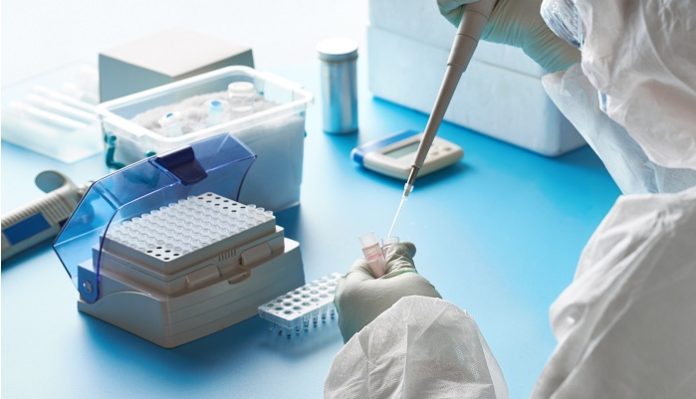
CD Genomics, an internationally leading provider of microbial testing services, microbial genomics services, and integrated bioinformatics services for hospitals, food, diagnostics, pharma, agriculture, biotechnology, and research institutes, announces advanced CDAMPยฎ Panel Kits for SARS-CoV-2 detection. The newly launched products include CDAMPยฎ SARS-CoV-2 Panel Kit, CDCAPยฎ Respiratory Virus Panel Kit and CDCAPยฎ ฮฒ-CoVs Panel Kit.

CDAMPยฎSARS-CoV-2 Panel Kit is a highly multiple target enrichment panel covering the entire genome of SARS-CoV-2 virus. The purified RNA sample can be amplified to the library in 5.5 hours through a quick and simple workflow. This panel is mutation resistant to allow sequence variability. The panel can generate highly accurate data with minimal RNA input.

?As long as COVID-19 threatens any country, the entire world is at risk and therefore every effort must be made to avoid mistakes of the past by ensuring protection is extended to everyone on earth, not just those with the means to afford it. CD Genomics provides CDAMPยฎ Panel Kits for coronavirus detection to help the diagnosis of this disease. We have served the pharmaceutical and biotechnology industries for years and in such hard times will still be fully supportive to our clients worldwide.? commented vice president of CD Genomics.

CDCAPยฎฮฒ-CoVs Panel Kit is specially designed for fast and easy workflow in next-generation sequencing (NGS) applications on the Illumina platform for target enrichment and library preparation. The kit is based on a target enrichment panel captured by hybridization, covering the entire genome of the SARS-CoV-2 virus and other ฮฒ-coronaviruses. The purified RNA sample can be directly used for library preparation and hybridization capture through a simple and high-throughput workflow.

CDCAPยฎ Respiratory Virus Panel Kit is specially designed for target enrichment and library preparation using a fast and simple workflow, in next generation sequencing (NGS) applications on Illumina platforms. The Kit is a hybridization capture-based target enrichment panel covering 36 respiratory disease-related viruses, such as SARS-CoV-1, MERS-CoV, SARS-CoV-2, influenza A/B/C virus, etc. Purified RNA sample can be directly used for library preparation and hybrid capture by a simple and high-throughput workflow.

What are the characteristics of the CDAMPยฎ Panel Kits at CD Genomics?

Complete genome coverage with uniformity.
Ultra sensitivity and specificity.
Less external interference, convenient for data analysis.

?As a company that specializes in providing genome services and products, CD Genomics has been committed to accelerating the detection and research of this new coronavirus during the COVID-19 pandemic, and at the same time making every effort to take action to prevent the spread of coronavirus.? said Dr. Charlie.

About CD Genomics

CD Genomics enjoys a high reputation for sequencing, microarray analysis, library construction and genotyping, providing reliable services to pharmaceutical and biotechnology companies as well as academia and government agencies.

Cerner, LRV Health invest $6M in digital prescribing platform Xealth

Nisum Announces Pro Bono Technology Development Services for Companies and Organizations Fighting the Spread of COVID-19

Xealth, a Seattle, WA-based company enabling digital health at scale, and Cerner Corporation, today announced a collaboration that will bring digital health tools to clinicians and patients to improve the healthcare experience. As part of this agreement, Cerner and Xealth plan to jointly develop digital health solutions that extend the value of the electronic health record (EHR). Already integrated into Epic, this integration puts Xealth in the EHR of record for more than half of the U.S. hospital systems.

In addition, Cerner and LRVHealth have together invested $6M in Xealth. Cerner joins Xealth investors including Atrium Health, Cleveland Clinic, Froedtert and the Medical College of Wisconsin, MemorialCare Innovation Fund, Providence Ventures and UPMC as well as McKesson, Novartis, Philips, and ResMed.

Xealth/Cerner EHR Integration Details

At its core, the relationship between Xealth and Cerner aims to give patients their own digital data so they can be more engaged in their treatment plans. The Xealth platform is designed to help clinicians easily integrate, prescribe and monitor digital health tools for patients from one location in the EHR. Care teams will be able to order solutions directly from the EHR to manage conditions including chronic diseases, behavioral health, maternity care and surgery preparation. Incorporating Xealth into Cernerโ€™s technology and patient portal provides easier access to personal health information and gives care teams the ability to monitor patient engagement with the tools and analyze the effects of increased engagement on their healthcare and recovery.

The collaboration between Cerner and Xealth will provide care teams and patients convenience and help improve care accessibility. Better communications and engagement with key members of their care team will create an experience that is connected across settings before, during and after a care encounter.

Why It Matters

During the recent surge of COVID-19 across the world, tools that automate patient education, deliver virtual care, support telehealth and offer remote patient monitoring have become even more prominent, creating new methods to inform care decisions and keep care teams and patients connected.

โ€œToday, we have the unique opportunity to improve peopleโ€™s lives by allowing active participation in their own treatment plans,โ€ said David Bradshaw, Senior Vice President, Consumer and Employer Solutions, Cerner. โ€œPatients want greater access to their health information and are motivated to help care teams find the most appropriate road to recovery. Xealth and Cerner are making it easier and more convenient for patients and clinicians to accelerate healthcare in a more consumer-centric experience.โ€

Incorporating Xealthโ€™s digital health platform with clinician recommendations has been shown to increase patient engagement rates as compared to a direct to consumer approach. The company powers more than 30 digital health solutions, connecting patients with educational content, remote patient monitoring, virtual care platforms, e-commerce product recommendations and other services needed to improve health outcomes.

โ€œIn order for digital health to have lasting impact, it needs to show value and ease for both the care team and patient,โ€ said Mike McSherry, CEO and Co-Founder of Xealth. โ€œWe strongly believe that technology should nurture deeper patient-provider relationships and facilitate information sharing across systems and the care settings. It is exciting work with Cerner to simplify meaningful digital health for its health partners.โ€

โ€œCombining our expertise in developing interactive digital solutions that improve the patient experience with Cernerโ€™s world-class platforms creates immense opportunity for our clients to better meet the needs of todayโ€™s highly connected healthcare consumer,โ€ concluded McSherry.

Chatbots and Telemedicine Join Vietnam’s COVID-19 Fight

Why Telemedicine is Needed Now, More Than Ever

The pandemic has brought artificial intelligence (AI) more of a spotlight as nations around the world look for uses, from combing data for clues to predict an outbreak, to robot waiters that reduce human contact. In Vietnam, which has reported remarkably low infection and death figures, the possible uses are still being tested. They include chatbots to dispense information, face recognition technology, predictive mapping, and software to combat rumors about the disease.

For instance, FPT Corp., the nationโ€™s biggest telecommunications and software company, introduced a web application that uses automation to assess COVID-19 risk. How it works: Vietnamese go to the Corona Check website and enter data on where they have been recently. The app then cross references that with data on the location, timing, and quantity of cases nationwide to calculate the odds someone has come into contact with the coronavirus.

โ€œOur AI system is continuously updating data to improve itself,โ€ Tran Hoang Giang, the FPT Software vice president, said. โ€œCurrently it could predict the probability of coronavirus infection with 90% accuracy. But itโ€™ll get even better as more people submit self-assessments on the web.โ€

The process is helped in part by the fact that Vietnam, which has had 841 COVID-19 cases this year, publishes uniquely detailed, anonymized data on patientsโ€™ movements so that others can check if they went somewhere at the same time as an infected person. For instance, one record showed the times that a patient had gone to a mall, a cafe, and a market.

Warning system

The work on machine learning sends a good message, according to FPT chairman Truong Gia Binh.

โ€œNot only tech enthusiasts in developed countries but also young, talented Vietnamese have the opportunity to exchange knowledge and research about AI,โ€ he said.

Vietnam has also joined in on a popular AI strategy globally to map out many data points that might predict where the next cluster of COVID-19 cases will occur. The data points can number in the dozens and may not seem directly related, such as weather, density in a shopping center, or popular Google searches. However, taken together, the right data can correlate with disease outbreaks and serve as a warning system that detects risks before humans do.

In addition to models that assess the threat of a disease, Vietnam has a COVID-19 map that is paired with news articles, which are updated through automation software to dispel misinformation. The Southeast Asian nation has taken a hard line against pandemic rumors, which could prove deadly and in other nations have encouraged unscientific home remedies.

Telemedicine

Beyond machine learning, COVID-19 is also spurring more interest in another emerging technology called telemedicine. For instance, the company Doctor Anywhere now has physicians assessing Vietnamese patients for signs of the disease via video consultations, which are also conducted in Thailand and Singapore.

All of this is part of Industry 4.0, a term for the latest advancements that are supposed to help economies move to the next stage of development. Vietnam expects these advances to help it recover from the pandemic, too.

โ€œAI is considered a core technology for Industry 4.0 that has implications for post COVID-19 healing,โ€ Chu Ngoc Anh, the Minister of Science and Technology in Vietnam, said.

His government is working with Australia, which said last week it donated 650,000 Australian dollars โ€œto find new ways to use AI as Vietnam recovers from COVID-19.โ€

The money will fund things like a contest in which programmers submit competing ideas to put machine learning to use.

โ€œIn the face of the global pandemic, it [innovation] has become more important than ever,โ€ Robyn Mudie, the Australian Ambassador to Vietnam, said.

She added: โ€œThis AI initiative is a great example of how new technology can be adapted quickly to respond to Vietnamโ€™s emerging needs.โ€

Healthify Partners with Algorex to Use Predictive Analytics to Address Social Determinants of Health

Healthify Partners with Algorex to Use Predictive Analytics to Address Social Determinants of Health

Healthify, a company that works with payers and providers to create social determinants of health (SDoH) infrastructures, announced a partnership with healthcare data analytics company Algorex Health Technologies to offer social determinants of health (SDoH) predictive analytics to health plans and provider organizations to better understand and proactively address the social needs of members and patients that can impact overall health outcomes.

“Social determinants of health โ€“ such as access to where a person lives, the type of job they hold and their level of education โ€“ have a dramatic impact on health and wellbeing. The COVID-19 pandemic has exposed how inequalities in access to food, housing, employment and other resources can put disadvantaged communities at greater risk and can have a negative impact on health outcomes,” said Manik Bhat, Chief Executive Officer of Healthify. “Together with Algorex we’re applying community-level data science and predictive analytics to help health plans, providers, and policy makers proactively identify at-risk populations and the impactable cost of different interventions to ensure we’re funding the highest priority social interventions.”

Healthify creates the infrastructure that drives collaboration among community-based organizations, healthcare payers, providers and policy makers to address food insecurity, housing instability, access to medical care and other social disparities with aligned incentives and accountability. The new offering integrates Algorex’s machine learning capabilities and advanced analytics into Healthify’s SDoH Platform to help healthcare organizations identify social needs at a granular level and identify community-based social service organizations that are best equipped to provide support for people in need.

“When building a robust SDoH program, healthcare organizations need to determine both the specific needs of their communities and what interventions would be most beneficial for them,” said Jacob Luria, Managing Partner at Algorex Healthcare Technologies. “Predictive analytics is a critical first step in uncovering the non-clinical needs of patients and identifying social risk factors. We’re proud to partner with Healthify to apply our advanced analytics capabilities to equip healthcare payers, providers and community-based organizations with the specific, in-depth data they need to proactively address social needs through targeted interventions.”

About Healthify
Powered by a mission to build a world where no one’s health is hindered by their need, Healthify builds the infrastructure to support social determinants of health (SDoH) initiatives at scale. The company builds and manages accountable networks of community-based organizations and provides the necessary interoperable technology platform to allow the healthcare sector to coordinate care within the network. Healthify works with health plans, providers and community partners in all fifty states and is dedicated to community partner sustainability and demonstrating ROI for social service interventions to ensure that families receive the services they need to thrive.

About Algorex
Algorex Health Technologies LLC, a Boston-based data science company, provides social determinant data analytics and campaign management to support value-based care initiatives. Algorex Health is on a mission to make healthcare analytics easy and actionable, while demonstrating the return on investment that SDoH interventions have for organizations and the patients they take care of. Healthcare organizations turn to Algorex Health to proactively surface social determinant needs and manage their overall programs.

Innovaccer, CareSignal Partner to Enable Deviceless Remote Patient Monitoring

   Innovaccer, CareSignal Partner to Enable Deviceless Remote Patient Monitoring

Innovaccer, Inc., and CareSignal today announce a partnership to address healthcareโ€™s urgent need amidst the COVID-19 pandemic: to create and maintain solid, clinically actionable relationships with patients in a new setting of predominantly virtual care.

Partnership Details

The partnership combines more than two dozen condition-specific patient monitoring programs with population health data insights for a more integrated care and improved clinical outcomes with industry-leading financial returns.

CareSignal offers evidence-based end-to-end support services for chronic medical conditions such as asthma, CHF, COPD, diabetes, depression, hypertension and hospital discharge support, and maternal health monitoring. With a focus on prevention and addressing the social determinants of health, each program offers personalized clinically-validated features to deliver even more value from Innovaccerโ€™s population health, care management, and organization-specific offerings.

โ€œInnovaccer has always stayed on top of delivering on promises to our customers, and our partnerships with leading organizations have been instrumental in achieving 100% client satisfaction,โ€ says Abhinav Shashank, CEO at Innovaccer. โ€œWorking with CareSignal supports our mission to help healthcare care as one. With CareSignal as our partner, we will strengthen our approach towards better patient engagement and enable smart deviceless remote patient monitoring.โ€

Hamilton Health helps design a “smart” hospital bed

Hamilton Health helps design a "smart" hospital bed

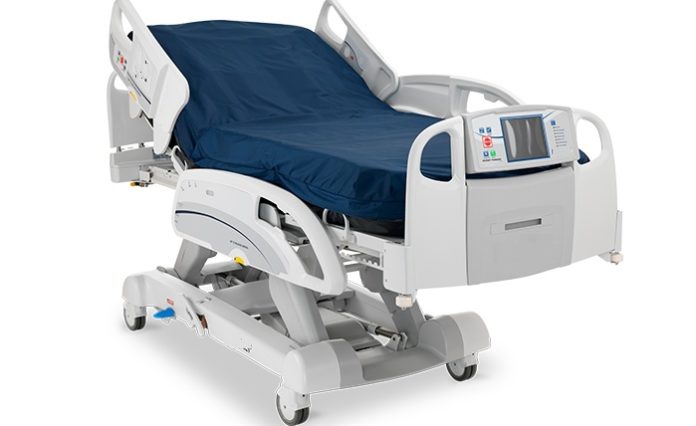
Hamilton Health Sciencesโ€™ Centre for Aging Research a Norwegian-based medical supplier was developed a prototype of the worldโ€™s first โ€˜smartโ€™ hospital bed.

The bed, developed by Ably Medical was designed to assist caregivers as well as patients, since its technology is intended to help prevent pressure ulcers and falls, and help reduce injuries to nursing staff by making it easier to safely maneuver patients in their beds.

Ably in partnership with HHS GERAS Centre for Aging Research led the research study to pilot the bed and assess its impact on patient care and the work of health care providers. HHS staff, management and leadership provided feedback on the initial prototype as well as a modified version.

โ€œIt was amazing to watch the dedicated staff at HHS engage in the design thinking process to modify and improve the Ably prototype bed,โ€ said George Ioannidis, associate scientific director for GERAS. โ€œThe staffโ€™s enthusiasm and excitement for the co-design method ensure that the Ably Bed meets the needs of frontline care professionals and their patients.โ€

In 2018, staff, management and leadership spent four weeks testing the initial prototype bed at HHS St. Peterโ€™s Hospital and provided feedback to Ably. Recommendations included suggestions about the placement and design of a control panel since the prototype didnโ€™t have one. Nurses also suggested that it have the ability to go lower, so it would be easier to maneuver patients safely.

The Ably Bed combines a groundbreaking movement system as well as a range of sensors that monitor and improve the comfort of the patient while reducing workload of clinical staff.

Ablyโ€™s โ€˜smartโ€™ bed frame consists of motion springs that allow for new movement possibilities, supporting patient treatment and healthcare workers in their everyday work, including lifting and moving patients. This wireless bed has sensors built in that allow for continuous vital sign monitoring of patients including heart rate, breathing rates, weight and movement patterns.

The next phase of research will include patient trials to determine if the technology improves pressure ulcer prevention and fall prevention, as well as reducing the physical and mental nurse burden in a hospital setting. Further studies and health economics analysis are required to specify actual cost savings/cost effectiveness to healthcare systems.

Prestige Hospital utilises tech innovation to improve healthcare

   Prestige Hospital utilises tech innovation to improve healthcare

Since its official opening in March this year, The Prestige Hospital has been focused on developing the services of the Singaporean-standard hospital in Phnom Penh in the endeavour to become a โ€œlifetime healthcare partnerโ€ of the Cambodian people, ensuring its services offer the latest in medical technological innovation on a par with international standards and methodologies.

In an exclusive interview with Khmer Times, The Prestige Hospital CEO Dr Christopher Tay, who is the former COO at Singaporeโ€™s Tan Tock Seng Hospital, said TPH is setting itself apart becoming a โ€˜smart hospitalโ€™.

โ€œWe employ technology in a way that makes us special,โ€ Dr Tay said. โ€œMost hospitals utilise technology to organise administration โ€“ but we took it further โ€“ incorporating technology across all our services to make sure what we deliver is faster, better, safer and cheaper.โ€

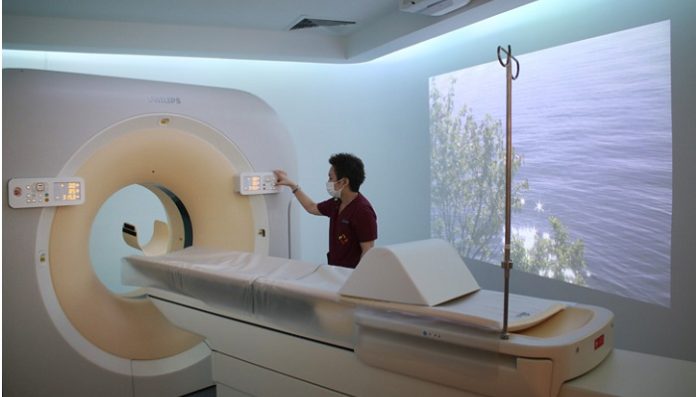
TPH has the only โ€˜ambient experienceโ€™ CT scanner in Cambodia, which uses intelligent coloured lighting and visual stimuli to put patients and children at ease while scans are performed.

Also, the electronic medical record system allows doctors to view patient data and provide care from any terminal in the hospital โ€“ even from the POS terminal in the cafรฉ if necessary.

โ€œData is initially saved locally on encrypted servers in case we lose internet connectivity. However, in the evenings the patient data is compressed, encrypted and then backed up to webservers,โ€ Dr Tay explains.

โ€œThis method gives us speed โ€“ the speed to access files quickly and from multiple locations but also the peace of mind to know should a server failure occur we can still access patient files at the hospital.โ€

However, TPH isnโ€™t stopping there and is already looking at several other features to improve its services for patientโ€™s convenience, including mobile apps that will allow patients to interact directly with their data, giving them the ability to view hospital reports, test results, schedule new appointments and even have teleconsultations.

โ€œThe further we innovate using technology the more we discover what is possible to us, to the benefit of our service users. Without technology everything seems impossible, with technology it is endless possibilities,โ€ Dr Tay added.

Sunway University Researchers Work to Advance World’s First Holistic and Comprehensive Index on COVID-19

Sunway University Researchers Work to Advance World's First Holistic and Comprehensive Index on COVID-19

As the world is grappling with Covid-19, there is a slew of news, data, and opinions on the pandemic. With so much going around, Sunway University is collaborating with PEMANDU Associates and Ministry of Science, Technology and Innovation (MOSTI) Malaysia on the Global COVID-19 Index (GCI), a method to consolidate data on the pandemic from verified sources of 184 countries into a comprehensive index which governments, businesses, and communities can refer to.

With the GCI, countries will be able to compare their performance with that of other countries that are performing better to identify best practices and efforts during the Covid-19 pandemic. Updated daily, the GCI includes data on the rate of recovery, active cases, and the number of tests conducted.

The GCI also considers countriesโ€™ previously evaluated ability to detect, respond, and treat infections of any epidemic based on the publicly available Global Health Security Index published in October 2019. The GCI can be used to track recoveries in countries of neighboring regions, monitor when restrictions can be relaxed for possible easing of border restrictions.

According to Professor Peh Suat Cheng, Professor of Pathology and Dean, School of Healthcare and Medical Sciences at Sunway University, โ€œWe are currently deriving data that produces insights that can help governments and societies identify emerging trends from the GCI. For example, we have identified that countries that have high ambient temperatures and low latitudes appear to have low COVID-19 case fatality rates which can serve to inform policy decisions and epidemiological research.โ€

Researchers from the School of Healthcare and Medical Sciences will also look into developing their own research papers using the data from GCI and other multivariate statistical analysis, machine learning, and mathematical modeling data from researchers at the Universityโ€™s School of Mathematical Sciences.

The GCI encompasses the Severity Index and the Recovery Index. โ€œThe Country Severity Index is a measure of how severely impacted the Country has been since the outbreak from a healthcare perspective as it takes into consideration the total number of confirmed cases and total proportionate death due to COVID19 since the outbreak commenced. These contribute 70% of its weightage and behaves more like a โ€˜scarring parameterโ€™, which tells us whether the country is recovering from a lower case/death toll or a higher one. It is not a measure of current ongoing severity. The Severity Index also takes into consideration the overall Healthcare Preparedness by utilizing a 30% weightage assigned to pre-existing static sub-indicators completed by the Global Health Security Index (GHS) previously. We are in the midst of improving and potentially replacing the latter static indicators through our engagements with the World Health Organisationโ€, said Woody Ang, Executive Vice President at PEMANDU Associates.

The Recovery Index measures how well a country is handling the crisis from a health and safety perspective. Professor Serge Demidenko, Dean of the School of Science and Technology at Sunway University said his researchers have been interested to provide specialist support in Computer Database Technologies and application of Artificial Intelligence (AI) to Data Analytics aiming to not just analyze past data, but also forecast and model future trends.

โ€œDuring this Covid-19 time, AI and Analytics will allow us to use available data to understand the impact of the pandemic better and thus to assist to propose appropriate solutions. Our academics are available to team up with collaborators both locally and internationally to explore new recovery solutions for the post- COVID-19 worldโ€, said Professor Serge.

The GCI has enabled best practice analysis in the form of the Global Pathfinder: Global Lessons in Tackling COVID-19, a 118-page detailed report on best practices in health interventions for COVID-19 which was a collaboration that PEMANDU Associates undertook with the UK-Based Delivery Associates. The report is available here.

The Global COVID-19 Index (GCI) is an international collaboration between Sunway University, PEMANDU Associates, and Ministry of Science, Technology, and Innovation (MOSTI) Malaysia.

FDA Approves joimax Intracs Electromagnetic Navigation System for Endoscopic Minimally Invasive Spine Surgery

FDA Approves joimax Intracs Electromagnetic Navigation System for Endoscopic Minimally Invasive Spine Surgery

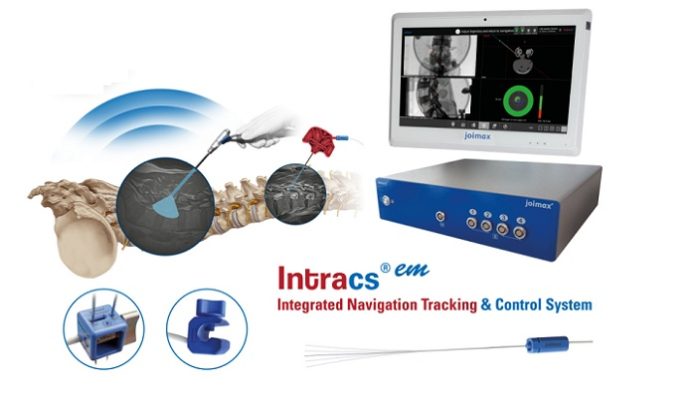
joimaxยฎ, the German-based market leader in technologies and training methods for full-endoscopic and minimally invasive spinal surgery, is pleased to announce that Intracsยฎ em, its electromagnetic navigation tracking and control system, has been approved by the FDA.

The Intracsยฎ em Navigation System allows for spinal procedures to be carried out with minimal X-ray control, drastically reducing radiation exposure, access time, and the entire length of the surgical procedure. In fact, all joimaxยฎ instruments and scopes can be tracked and accurately navigated through the appropriate sensors, which improves safety, expands endoscopic indications, and flattens the learning curve.

Intracsยฎem is a multiyear development. Its first cadaveric trials were made with a group of surgeons at the ESPINEAยฎ Labs in Karlsruhe, Germany and Irvine, CA.

According to Prof. Dr. med. Michael Kraus of ORTHIX Zentrum in Augsburg, Germany, who headed the preliminary trials: โ€œUsing Intracsยฎ em Navigation System in the full endoscopic spine surgery is safe and easily applicable. The technology helps master precise access to the spine, and the clinical trials have confirmed the techniqueโ€™s multiple advantages.โ€

Prof. Dr. Chris Hofstetter of UW Medical Center in Seattle, Washington, USA, adds: โ€œjoimaxยฎ Intracsยฎem constitutes a highly precise image-guided navigation platform designed for the specific needs of full-endoscopic spine surgery. Using electromagnetic navigation technology allows to track the leading edge of endoscopic instruments in real time, and facilitates needle targeting and orientation during the surgery, while minimizing radiation exposure. No doubt, this technology will expand the indications for full-endoscopic spine surgery and pave the way for innovations in minimally invasive arthrodesis techniques.โ€

About joimaxยฎ

Founded in Karlsruhe, Germany in 2001, joimaxยฎ is the leading developer and marketer of complete systems for full-endoscopic and minimally invasive spinal surgery. With the Endoscopic Surgical Systems TESSYSยฎ (transforaminal), iLESSYSยฎ (interlaminar) and CESSYSยฎ (cervical) for decompression procedures, MultiZYTEยฎ for facet and sacroiliac joint pain treatment, EndoLIFยฎ and Percusysยฎ for minimally-invasive endoscopically assisted stabilizations, established systems are provided, addressing a whole range of indications. In procedures for herniated disc, stenosis, pain therapy or spinal stabilization treatment, surgeons utilize joimaxยฎ technologies to operate through small incisions under local or full anesthesia, via tissue and muscle-sparing corridors and through natural openings in the spinal canal, e.g. the intervertebral foramen, the so-called โ€œKambin triangleโ€.

Translate ยป