Close
Digital Health & Ai Innovation summit 2026
Medical Taiwan 2026

CHI Texas Health Network Partners with Innovaccer for FHIR-Enabled Data Activation Platform

Health Care IT Standards: Challenges and Opportunities in 2020

Innovaccer, Inc., a leading healthcare technology company, recently collaborated with CHI Texas Health Network, a Clinically Integrated Network (CIN) of health professionals. This partnership will enable CHI Texas Health Network to enhance its provider performance and deliver holistic care to patients levering its Innovaccerโ€™s FHIR Data Activation Platform.

CHI Texas Health Network is a nonprofit, faith-based health system that strives to fulfill its mission each day by creating and nurturing healthy communities across the nation. The networkโ€™s aim is to reduce medical expenses while providing improved care to patients and increasing patient satisfaction. CHIโ€™s expressed strategy is โ€œto excel in clinical and operational performance while advancing personal and community health beyond a traditional acute care focus.โ€ CHI Texas Health Network operates numerous care sites across the state of Texas and manages the health of over 55,000 lives.

FHIR Data Activation Platform

Innovaccerโ€™s FHIR Data Activation Platform will enable CHI Texas Health Network to improve its physician performance and optimize utilization to enhance network integrity. By leveraging Innovaccerโ€™s Care as One framework, the health network will be able to access actionable insights into various facets of utilization such as emergency department visits, skilled nursing facilities operations, population health statistics, and more. In addition to that, their physicians will be equipped with unified patient records of all patients managed within their system, available right at the point of care without having to leave the EHR experience. Innovaccer will also deliver automated care management workflows and patient outreach strategies to care as one for their patients and keep them engaged, which will increase network integrity and patient satisfaction.

โ€œCHI Texas is passionate about creating a welcoming and caring environment for employees, patients, and families while serving the community. The role of technology in this endeavor cannot be overlooked,โ€ says Michael J. Camacho, Division Vice President of CHI Texas Health Network. โ€œPartnering with Innovaccer will enable us to leverage our data for a deeper understanding of our network. We believe Innovaccerโ€™s FHIR Healthcare Data Platform will empower us with cost-effective solutions to manage our services and deliver efficient and timely healthcare to our patients.โ€

Universal Preoperative COVID-19 Screening Improves Safety by Identifying Otherwise Asymptomatic Pediatric Surgical Patients

Vystar Resumes Production of FDA-Certified UV Light Air Purifiers

Universally screening pediatric patients for COVID-19 before they undergo surgical procedures has allowed hospitals to improve safety by identifying all patients who test positive for the virus, half of whom have no symptoms, according to new research led by Children’s Hospital of Philadelphia (CHOP). The study, which analyzed universal screening procedures at CHOP and two other major children’s hospitals, found that screening patients for COVID-19 allowed hospitals to ensure patients and physicians were not exposed to the virus.

“CHOP’s commitment to screening every patient preoperatively has significantly improved patient safety,” said lead author Apurva Shah, MD, MBA, an orthopaedic surgeon in CHOP’s Division of Orthopaedics. “Our study shows that many pediatric patients who have COVID-19 are asymptomatic, even though the overall number of positive cases is small, so parents can feel reassured that their children and other children undergoing procedures have been screened for the virus.”

The research team, which consisted of physicians from CHOP, Seattle Children’s Hospital, and Texas Children’s Hospital, gathered COVID-19 screening data on preoperative pediatric patients for one month, from late March to late April 2020. CHOP had begun screening all preoperative patients for COVID-19 on March 26, 2020, as part of its hospital-wide safety procedures. Each of the three hospitals used an in-house, lab-developed reverse transcriptase polymerase chain reaction (RT-PCR) assay to detect COVID-19 in patients with scheduled surgical procedures.

Of the 1,295 patients included in the study, the overall incidence of COVID-19 was 0.93%. However, the researchers found significant variation across hospitals, ranging from 0.22% to 2.65%. Even more striking, at CHOP, 55.56% of positive patients were from a single township, indicating that the incidence in children may vary depending on COVID-19 infection rates in the patients’ communities.

Among those pediatric patients who tested positive for COVID-19, half had no symptoms. Of those who did have symptoms, the most common were fever and a runny nose. Nevertheless, the researchers noted symptoms were not useful in differentiating those who tested positive for COVID-19 and those who tested negative.

Given that the study covered a time period when all three hospitals had cancelled elective surgeries, the data reflect pediatric patients who required time-sensitive surgery and thus may not represent the incidence in children undergoing elective surgery. However, the authors say the findings show the value of universal screening in protecting both patients and physicians from COVID-19 exposure in all types of surgery at times when the SARS-CoV-2 virus is actively circulating in a community.

“If a patient tests positive for COVID-19, and the procedure doesn’t need to happen immediately, providers can reschedule surgery for a time when the patient has recovered,” Shah said. “But in some cases, surgery cannot wait, and in that situation, knowing a patient is positive for COVID-19 allows staff to protect themselves with appropriate personal protective equipment and prevent that patient from coming into contact with other patients and families.”

“As we start to relax social distancing measures, and children return to their ‘new normal’ with exposure to the community, universal testing for children undergoing surgery will be even more important,” said first author Elaina E. Lin, MD, an anesthesiologist in CHOP’s Department of Anesthesiology and Critical Care Medicine. “As an anesthesiologist that performs many procedures with the highest risk of respiratory virus transmission, I appreciate patients and families partnering with us to keep everyone safe.”

About Children’s Hospital of Philadelphia: Children’s Hospital of Philadelphia was founded in 1855 as the nation’s first pediatric hospital. Through its long-standing commitment to providing exceptional patient care, training new generations of pediatric healthcare professionals, and pioneering major research initiatives, Children’s Hospital has fostered many discoveries that have benefited children worldwide. Its pediatric research program is among the largest in the country. In addition, its unique family-centered care and public service programs have brought the 564-bed hospital recognition as a leading advocate for children and adolescents.

SOC Telemed Partners with Beauregard Health System to Build Multi-specialty Telemedicine Solution

SOC Telemed Partners with Beauregard Health System to Build Multi-specialty Telemedicine Solution

SOC Telemed (SOC), the leader in acute care telemedicine and Beauregard Health System, a rural acute hospital in DeRidder, Louisiana announced a partnership to deliver scalable, flexible telemedicine services across five key specialties including the first SOC deployment of teleCardiology services.

By partnering with SOC, Beauregard gains access to specialists and care that might otherwise be unavailable to the rural Louisiana community. Beauregard implemented SOC’s Telemed IQ telemedicine platform to provide psychiatry, critical care, inpatient neurology, emergency neurology and most recently, cardiology via telemedicine. The teleNeurology program is staffed by SOC neurologists while their telePsychiatry, teleICU, and teleCardiology programs are staffed by existing members of Beauregard’s Medical Staff who live and operate locally or in regional city centers like Alexandria and Lake Charles.

The 49-bed not-for-profit hospital system at Beauregard is the first to utilize SOC Telemed’s platform for teleCardiology services. After the departure of the community’s sole full-time cardiologist in April 2019, Beauregard was forced to transfer an average of 30 monthly cardiology cases to other hospital systems.

“Our community was vulnerable without a full-time local cardiologist,” said Traci Thibodeaux, chief operating officer for Beauregard Health System. “We wanted to partner with a cardiology group in Lake Charles, but knew they couldn’t meet our needs for an onsite full-time physician. Luckily, we’d already deployed SOC’s platform in other hospital departments. By pairing the Telemed IQ platform with a regional cardiology group out of Lake Charles, we were able to close the care gap and improve access to cardiac care for our community.”

Dr. Raman Saharan, an internist and hospitalist at Beauregard, noted an additional benefit of acute telemedicine in their ICU during the COVID-19 pandemic, “Unlike some rural hospitals which had to close their doors due to this pandemic, we not only kept our hospital running but also were able to provide a higher level of care including transfusion of Convalescent plasma.

With SOC Telemed in place, the hospital already reports a higher case mix index, fewer transfers and broad patient satisfaction thanks to improved access to cardiologists as well as the specialists in the other four telemedicine-enabled departments.

“Across the nation, rural hospitals struggle to staff specialists in key areas like neurology and stroke care, psychiatry and even cardiology. However Beauregard, although rural, is ahead of many other hospitals by not allowing clinical care to be constrained due to its location or the artificial walls of the hospital that existed before telemedicine,” said Jason Hallock, MD, chief medical officer for SOC Telemed. “Whether the doctors who ultimately provide the care are based in Lake Charles, New Orleans or anywhere else in the country, the SOC Telemed platform stands ready to deliver flexible solutions that connect communities in need with specialized medicine, on demand.”

About SOC Telemed
SOC Telemed is the largest national provider of telemedicine technology and solutions to hospitals, health systems, post-acute providers, physician networks, and value-based care organizations. Built on proven and scalable infrastructure as an enterprise-wide solution, SOC’s technology platform, Telemed IQ, rapidly deploys and seamlessly optimizes telemedicine programs across the continuum of care. SOC virtually delivers clinicians to patients through teleNeurology, telePsychiatry and teleICU, as well as enables healthcare organizations to build sustainable telemedicine programs in any clinical specialty. SOC helps organizations to enrich their care models and touch more lives by supplying healthcare teams with industry-leading solutions that drive improved clinical care, patient outcomes, and organizational health.

BGL Announces Merger of Synergy Surgicalists and EA Health Solutions, With a Simultaneous Recapitalization by Enhanced Healthcare Partners

BGL Announces Merger of Synergy Surgicalists and EA Health Solutions, With a Simultaneous Recapitalization by Enhanced Healthcare Partners

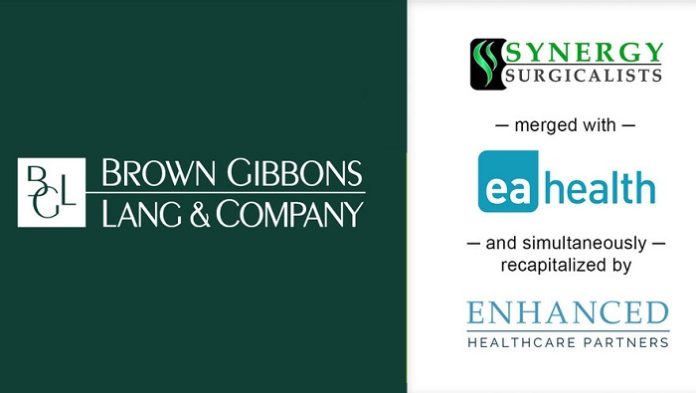
Brown Gibbons Lang & Company is pleased to announce the merger of Synergy Surgicalists, one of the nation’s top providers of surgicalist staffing to acute care settings, with EA Health Solutions , the nation’s leading provider of specialty physician on-call compensation solutions and physician staffing services. BGL’s Healthcare & Life Sciences team served as the exclusive financial advisor to Synergy. The transaction furthers BGL’s ongoing commitment to, and experience in, clinical outsourced services. The specific terms of the transaction were not disclosed.

Enhanced Healthcare Partners, a leading New York-based private equity firm specializing in middle-market healthcare businesses, facilitated the business merger through a joint recapitalization to form a new company, EA-Synergy. EA-Synergy will offer clinical staffing and performance management services for emergency medicine, emergency department surgical services, and specialty physician on-call services. Its leadership team includes executives from both organizations and will be led by Chief Executive Officer Sriram Iyer, former CEO of EA Health. Industry veteran Bill Sanger, former chairman and CEO of Envision Healthcare, will become chairman of EA-Synergy.

“There exists a tremendous opportunity for innovation in managing the complexities of today’s emergency departments,” said Sanger. “Our company will leverage significant leadership experience, analytics, and a ‘physician-first’ culture to drive results for our hospital clients.”

Synergy Surgicalists was founded in 2012 in Bozeman, Montana, and provides outsourced surgical staff (or “surgicalists”) to approximately 50 hospitals across the U.S. in response to hospital systems who struggle to find doctors willing to do full-time on-call emergency room work, particularly in rural areas.

EA Health was founded in 1992 in San Diego, California, and offers data analytics, revenue-cycle management services and physician staffing services to help hospitals and doctors manage emergency medical programs. In addition to providing outsourced emergency and surgical staffing, EA Health gathers data across a range of issues to help hospitals better coordinate their staffing and manage physician compensation costs.

Driven by the belief that an integrated emergency medicine model offers greater efficiency and efficacy, EA-Synergy will leverage EA Health’s technology, including its robust analytical tools, to offer physicians and hospitals valuable insight that will encourage modernization of emergency medicine. EA-Synergy will offer coordinated medical care to patients originating in the emergency department and delivered by front-line emergency physicians and call panel physiciansโ€”including surgicalists and specialty physiciansโ€”both in-person and via telemedicine.

About Brown Gibbons Lang & Company
Brown Gibbons Lang & Company is a leading independent investment bank and financial advisory firm focused on the global middle market. The firm advises private and public corporations and private equity groups on mergers and acquisitions, divestitures, capital markets, financial restructurings, valuations and opinions, and other strategic matters. BGL has investment banking offices in Chicago, Cleveland, and Philadelphia, and real estate offices in Chicago, Cleveland, Denver, and San Antonio. The firm is also a founding member of Global M&A Partners, enabling BGL to service clients in more than 30 countries around the world. Securities transactions are conducted through Brown, Gibbons, Lang & Company Securities, Inc., an affiliate of Brown Gibbons Lang & Company LLC and a registered broker-dealer and member of FINRA and SIPC.

Understanding the Purpose of a Nursing Home

Aging is a natural process of the cycle of life and that we are unable to stop, as human beings. As we age, we naturally become less able to look after ourselves and many aging people develop both physical and mental health issues that seriously impair their ability to be alone.

Opting to move into a nursing or care home, or moving a loved one, can be a difficult decision and there are often a lot of stigmas attached to the idea of older adults being moved into care homes by their loved ones.

However, there are many benefits of nursing home services and these are not always commonly known. In this article, we will discuss the purpose of a nursing home so that you can better understand this and decide on whether this is the right choice for you or your loved one.

What Services Do Care Homes Offer?

Services offered to differ from care home to care home with diverse benefits, but they often include:

  • Suitable and Safe Accommodation
  • Administering medication
  • Personal care (such as dressing, bathing, and toilet assistance)
  • 24-hour emergency care
  • Social and recreational activities

What Kind of Care Do Care Homes Offer?

Nursing homes provide extensive care to an elderly person. If you want to find out exactly what a particular care home facility offers make sure you check their website so that you can find the most suitable one for you or your loved one. Nursing homes are the most hands-on support older people can access outside a hospital. Care homes are equipped with trained professionals to look after the residents. This can be anything from bathing and eating to administering medication and monitoring health conditions.

What Are The Benefits Of Nursing Homes?

Managing the diverse issues that develop due to age can be very difficult, not only for the aging individual but also for the family members. Family and friends are not always equipped to deal with these issues and they may not be able to provide their loved ones with the best possible care. Care homes are designed to provide a safe environment for the elderly, where they have constant access to support.

1. Support with Day-to-Day Living

As mentioned above, older individuals may find it difficult to achieve everyday basic tasks, such as their care, causing them to self-neglect. Even eating and drinking can become a challenge and this will have a detrimental impact on their health. In a care home, there is always a member of staff available to support residents with these basic tasks.

2. Healthcare Services

Nursing homes staff teams always include trained nursing staff, who can monitor residentโ€™s health and deal with any urgent medical concerns that may arise, whereas someone living alone or with family may have to wait for an ambulance to arrive to get medical assistance. Moreover, staff can ensure people take their medication at the appropriate time and arrange reviews with health professionals when required.

3. Increased Safety

One of the scariest aspects of having a loved one who may be vulnerable due to physical or mental health deterioration issues is the fact that they are easy targets to become victims of fraud or even violent crime. They are unable to protect themselves, and a care home provides a safe environment where staff members have criminal checks completed before getting a job, and strangers are not allowed on the premises. By being in a care home, you can be assured your older family member will be in good hands.

4. Social Engagement Activities

Something that ails people of old age, is the fact that they become lonely and potentially isolated as they stop having contact with others for diverse reasons. In a care home, there are many residents who are in the same position and are able to relate to each other. Nursing homes also often organize events such as trips or in-house group activities to ensure everyone engages socially with each other as much as possible.

5. Housekeeping Services

The support offered by nursing homes is all-inclusive, and your loved one will not have to worry about cleaning or doing the laundry as the staff would be doing this for them. This is a basic daily task that many older people may struggle with. Care home staff ensures the place and residents are clean and maintain good levels of hygiene.

6. Access to Resources

Another great benefit of nursing homes is that they can help residents with modern technology such as computers and smartphones, which is something older generations are not yet fully used to. This way you can even maintain more regular contact with your loved one by video call if the facility allows it.

The essential purpose of a care home is to look after elderly individuals who may suffer from physical and/or mental health conditions. When people age, it is natural to require additional support and a nursing home provides a great environment for people where they can enjoy themselves whilst staying safe and well looked after.

Can Zantac Be The Reason For Cancer?

Can Zantac Be The Reason For Cancer?

Zantac, with the generic name of ranitidine, is an over-the-counter medicine that relieves heartburn and other stomach problems. Hence, itโ€™s one of the most commonly used heartburn drugs.

According to wired.com, around 60 million Americans experience heartburn once a month, and about 15 million of them take Zantac to alleviate their upset stomach.

However, in 2019, the US Food and Drug Administration (FDA) recalled Zantac for the carcinogenic contaminants found in it. These carcinogens are capable of causing cancer, specifically in the body tissues.

Now, many people are questioning the efficacy, safety, and side effects of this medicationโ€”especially those who took the medicine long-term. To help you out with your concerns, keep reading this article for an in-depth discussion on whether you can develop cancer from taking Zantac.

What Is Ranitidine?

As mentioned, ranitidine is the generic term of Zantac. Physicians prescribe this drug to prevent heartburn or treat gastronomic ulcers, along with other gastrointestinal conditions. Aside from its medical properties, it gained popularity for its low price in comparison to other stomach problem medications.

Unfortunately, reports resurfaced that this certain drug contains a carcinogenic substance called N-nitrosodimethylamine (NDMA). This organic compound showed hepatotoxic and cytotoxic effects that can increase the risk of acquiring cancer from taking anything with this ingredient. Following this discovery, the FDA pulled out all its supplies from pharmaceutical industries and drugstores immediately.

Why Is NDMA Harmful?

NDMA is a hazardous contaminant that is found in the environment, food, and water. Research studies have also shown that itโ€™s carcinogenic and dangerous to humans even at very low levels.

However, it should be noted that NDMA is not immediately harmful to human beings. Side-effects are evident when there is either a short-term exposure in high doses, or long-term exposure in low doses.

In the Code of Federal Regulations, NDMA has been listed as a toxic material for human beings. Itโ€™s the by-product of many industrial processes; the chlorination of water has also shown a small amount of this substance.

Other industrial processes that result in the production of NDMA as a by-product include:

  • By-products from tanneries
  • Manufacturing of plant pesticides
  • Manufacturing of rubber or tires
  • Fish processing facilities

Moreover, NDMA has other variants known as:

  • Dimethylnitrosamine,
  • N,N-Dimethylnitrosamine
  • DMNA
  • N-Methyl-N-nitroso-methenamine
  • N-Nitroso-N, N-dimethylamine

Signs And Symptoms Of NDMA Poisoning

NDMA modifies your genetic structure, which is why itโ€™s a harmful carcinogenic substance. It targets the liver, kidneys, and lungs. Furthermore, research has shown that people who consume ranitidine have high levels of NDMA present in their urine.

Some of the symptoms as a result of NDMA intoxication include:

  • Nausea
  • Vomiting
  • Diarrhea
  • Abdominal cramps
  • Headache
  • Fever
  • Enlarged liver
  • Jaundice
  • Decrease in liver function
  • Kidney
  • Disruption of pulmonary functions

Zantac, NDMA, And Cancer

You may wonder that since there are no evident studies available to prove what amounts of NDMA are needed to cause cancer, then what are your chances? High levels of NDMA accelerates the process of cancer.

NDMA causes cancer in some areas of the body, such as the nasal passage, kidneys, lungs, or liver. Since Zantac contains NDMA, it can possibly cause cancer, especially to those who have had long-term exposure and high-dose usage.

NDMA could end up in your medicines as a result of contamination during the manufacturing of these substances. Even the conditions at which these drugs are processed can affect its production.

Since NDMA is an environmental contaminant present in most foods, like meat, dairy products, and vegetables, ranitidine is prescribed only for a short-term period. Also, the FDA recommends less than 96 nanograms of NDMA for human consumption.

Some of the known forms of cancer due to NDMA are:

  • Stomach cancer
  • Colorectal cancer
  • Cancer in the intestines
  • Liver cancer
  • Pancreatic cancer
  • Leukemia
  • Bladder cancer
  • Esophageal cancer

Signs And Symptoms Of Cancer To Watch Out For

Cancer is insidious. It creeps up in your life unannounced without any visible signs. However, some symptoms might surface, so itโ€™s important to be aware of the possible changes your body is presenting.

Here are some symptoms of cancer that you should be aware of:

  • Abrupt weight loss
  • Loss of appetite
  • Vomiting
  • Nausea
  • Blood in the stool (an indicator of intestinal bleeding)
  • Greasy or light-colored stools
  • Anemia
  • Dizziness
  • Heartburn or abdominal pain
  • Itchy skin
  • Dark urine
  • Blood in urine
  • Painful urination
  • Yellow skin or eyes (jaundice)

If you experience heartburn or stomach ulcers consistently, itโ€™s better to consult with your doctor about it. You can also seek help from a Zantac cancer lawyer if youโ€™re a cancer patient and believe that itโ€™s the main cause of your illness.

To learn more about signs and symptoms of cancer, especially their correlation to pharmaceutical drugs, you can visit Drug Injury News to stay up-to-date.

Lawsuits Against Zantac

As of this writing, there are two lawsuits against Zantac. One has been filed from Florida and the other from the state of Pennsylvania. These complainants accused Zantac of being the cause of pancreatic cancer in their deceased loved ones.

The deceased victim was a regular consumer of Zantac while the other one stated that she developed colon cancer after consuming the over-the-counter heartburn drug. She even went through invasive surgery to remove huge parts of her colon.

As stated before, Zantac has been associated with colon and pancreatic cancer.

Now, both the victims and their families are seeking compensation for the damages due to their regular Zantac intake.

Filing lawsuits against Zantac is possible with the help of a professional lawyer who can analyze your case. However, you should have all your preceding medical records for the lawyer to do their research.

Relevant Facts Related To NDMA In Ranitidine

Here are some facts related to the NDMA in ranitidine according to the FDA:

  • Time and temperature can affect and increase the levels of NDMA in some ranitidine products above 96 nanograms per day as observed in the laboratory tests conducted by the FDA.
  • The recommended amount of NDMA consumed for 70 years will not cause cancer.
  • There is no scientific evidence as to how long NDMA has been present in ranitidine.
  • The presence of NDMA is detected recently. Hence, there is little evidence as to how long it has been contaminated with.
  • Animal-approved drugs donโ€™t have ranitidine according to the investigations of the FDA. However, it still needs further investigation.
  • Injectable forms of ranitidine are also not safe for consumption.
  • There are many FDA-approved alternatives to ranitidine to treat heartburn and ulcers that doesnโ€™t contain NDMA.
  • Fortunately, NDMA is not present in some similar medications, such as cimetidine (Tagamet), esomeprazole (Nexium), famotidine (Pepcid), lansoprazole (Prevacid), or omeprazole (Prilosec).

Moreover, itโ€™s recommended that consumers should dispose all ranitidine products properly. Itโ€™s also recommended to stop buying over-the-counter Zantac, and consult your doctor for alternatives that might relieve chronic gastrointestinal conditions.

Types Of Zantac

The FDA warns the public against the use of Zantac since 150 milligrams of a Zantac tablet contains 2.5 million nanograms of NDMA. The recommended amount of this drug is 300 milligrams a day for only 4 to 8 weeks. Consumption of Zantac longer than 4 to 8 weeks will expose you to the risk of cancer immediately.

Some of the Zantac variants are the following:

  • Zantac 150 Tablets
  • Wal-Zan 150
  • Wal-Zan 75
  • Zantac 75 Tablets
  • Heartburn Relief
  • Acid Reducer
  • Zantac 150 Maximum Strength
  • Zantac 150 Maximum Strength Cool Mint
  • Acid Control

Other Medicines With NDMA

Since NDMA is a common contaminant present in water, food, and soil, NDMA has also been detected in many other drugs like some heart medications. FDA recalled a nizatidine oral solution (15 mg/mL) for high levels of NDMA. Nizatidine is a drug used to treat stomach ulcers, heartburn, and stomach pain.

Moreover, NDMA has also been found in metformin, a drug commonly used to control blood sugar levels in patients with type-2-diabetes. According to the FDA, metformin has 10 times the recommended levels of NDMA in one dosage of metformin. On 28 May 2020, the FDA finally recalled metformin products.

What Causes Ulcers?

The lining of the stomach and intestines have a protective mucus to guard it from stomach acids, which primarily help in food digestion.

Ulcers are sores in the stomach or intestines due to the insufficient production of mucus. As the protective layer of mucus is removed, the acid begins to damage the lining, causing ulcers. According to a statistic, one out of ten people suffers from stomach ulcers.

Stomach ulcers have been previously cured with Zantac and other variants. However, due to the presence of NDMA, itโ€™s not safe for consumption. There are other FDA-approved drugs alternative to Zantac, which can help treat ulcers.

Treating ulcers should not be ignored. If left untreated, it can cause stomachaches, internal bleeding, and in worst conditions, stomach cancer. Take action and call your doctor immediately as soon as you observe the signs of ulcers in your body.

How To Prevent The Symptoms Of Heart Burn Naturally

Another common symptom that Zantac previously treated was heartburn. Unlike ulcers, heartburns can easily be treated naturally at home.

Many alternatives of Zantac or ranitidine for heartburn are now available and accessible. However, you can reduce the symptoms by changing your lifestyle and following these tips:

  • Avoid spicy food.
  • Avoid excessive fat in food such as grease.
  • Avoid consuming large amounts of alcohol.
  • Drink ginger and mint tea to relieve the symptoms of heartburn naturally.
  • Drink apple cider vinegar with chilled water.
  • Stand up straight for a while, especially after eating.
  • Avoid binge eating.
  • Take meals in small amounts.
  • Drink water with baking soda mixed in it.
  • Wear loose clothing.

Bottom Line

The bottom line is that the FDA has officially recalled the use of Zantac (ranitidine) due to its high levels of NDMA, which is unsafe for human consumption. Carcinogenic substances like NDMA can be the cause of many types of cancer. Other drugs that have NDMA are metformin, which is also a common drug.

If youโ€™re looking for heartburn drug replacements, you can also find FDA-approved drugs that arenโ€™t contaminated with NDMA.
Syngene and HiMedia partner to manufacture Covid-19 test kits in India

Syngene and HiMedia partner to manufacture Covid-19 test kits in India

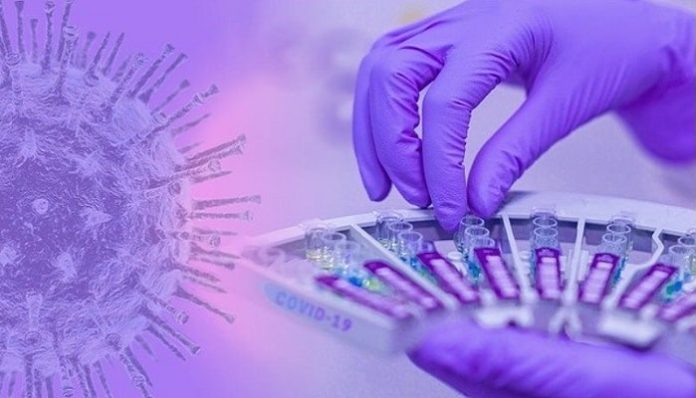
Bioconโ€™s research arm Syngene has partnered with bioscience company HiMedia Laboratories to manufacture and distribute ELISA antibody test kits for Covid-19 in India.

Syngeneโ€™s anti-COV-2 IgG Enzyme-Linked Immunosorbent Assay (ELISA) is considered to be a highly reliable test that detects the presence of SARS-COV-2 antibodies in blood samples. The test has the capacity to run multiple samples at once and deliver results in three hours.

Following the partnership, HiMedia will manufacture the kits at its facility in Mumbai and distribute it across India.

For developing the prototypes for CDSCO approval, Syngene will begin tech-transfer of the kits to HiMedia. The test was developed by Syngene at its research facility in Bengaluru.

Syngene International chief operating officer Dr Mahesh Bhalgat said: โ€œAt a time when the number of Covid-19 cases is increasing at an alarming rate across the country, there is an urgent need to make available reliable testing kits, using advanced technology to test patients and identify positive cases.

โ€œTo fill this gap, Syngene, with its expertise across diverse scientific domains, has developed an ELISA kit that allows higher throughput and generates faster results. We are happy to tie-up with HiMedia who will make the kits available at a large scale to significantly increase serological testing in India.โ€

HiMedia is expected to roll out the kits in two weeks after receiving the approval and market it under its brand name ELISafe 19.

HiMedia Laboratories Cell Culture and Immunology research and development (R&D) director Dr Vishal Warke said: โ€œWe are happy to partner with Syngene in manufacturing and distributing their ELISA kits. This partnership brings together our mutual expertise in research and manufacturing and will further strengthen our fight against the Covid-19 pandemic.โ€

Syngene previously collaborated with Pune-based molecular diagnostics company Mylab Discovery Solutions to provide raw materials for RT-PCR based Covid-19 test kits.

Axonics Announces U.S. FDA Approval of Wireless Patient Remote Control with SmartMRI Technology

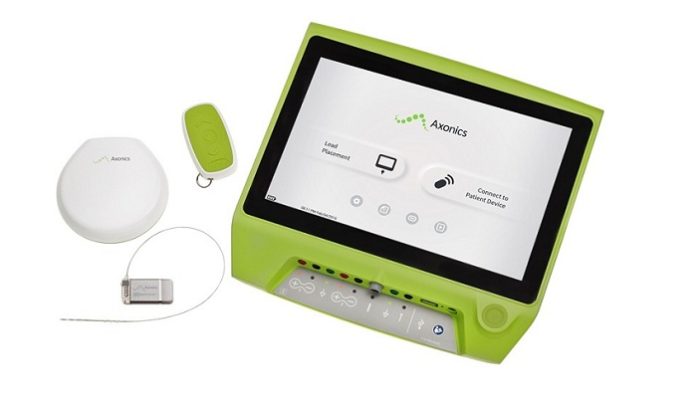
Axonics Modulation Technologies, Inc., a medical technology company that has developed and is commercializing novel implantable Sacral Neuromodulation (SNM) devices for the treatment of urinary and bowel dysfunction, announced U.S. FDA approval of its new wireless patient Remote Control with SmartMRIโ„ข technology for the Axonics r-SNMยฎ System under a premarket approval (PMA) supplement.

The new Remote Control simplifies the process by which patients can receive a full-body MRI. An MRI technician can perform a simple check using a patientโ€™s Remote Control immediately prior to an MRI, avoiding the need for the patient to visit their implanting physicianโ€™s office or involving personnel from Axonics. The new patient Remote Control with SmartMRI technology will be included in all new orders of the Axonics r-SNM System in the United States beginning this month.

The Axonics r-SNM System is approved for 1.5T full-body MRI scans in the United States and both 1.5T and 3.0T full-body MRI scans in Canada and Europe. In April 2020, Axonics submitted a PMA supplement to the FDA for the purpose of gaining full-body MRI conditional labeling for 3.0T MR scanners in the United States. The FDA review of this expansion of labeling is expected to be completed in early Q4 2020.

Raymond W. Cohen, CEO of Axonics commented, โ€œDelivering a superior experience to patients, physicians and their staff has been the key focus of our product development initiatives since Axonicsโ€™ founding. The introduction of this new patient Remote Control provides for significant convenience and reduces the burden on physician practices. This FDA approval follows the recent approval of both our next generation implantable neurostimulator and programmer and is part of a cadence of product enhancements that we are committed to pursuing.โ€

About Axonics Modulation Technologies, Inc.

Axonics, based in Irvine, Calif., has developed and is commercializing novel implantable SNM devices for patients with urinary and bowel dysfunction. These conditions are caused by a miscommunication between the bladder and the brain and significantly impact quality of life. Overactive bladder affects an estimated 87 million adults in the U.S. and Europe. Another estimated 40 million adults are reported to suffer from fecal incontinence/accidental bowel leakage. SNM therapy has been employed to reduce symptoms and restore pelvic floor function for the past two decades. Reimbursement coverage is well established in the U.S. and Europe. The Axonics System is the first long-lived rechargeable SNM system approved for sale in the world, and the first to gain full-body MRI conditional labeling.

Coala launches first real-time Telemedicine solution for virtual diagnostics of heart and lungs

 Coala launches first real-time Telemedicine solution for virtual diagnostics of heart and lungs

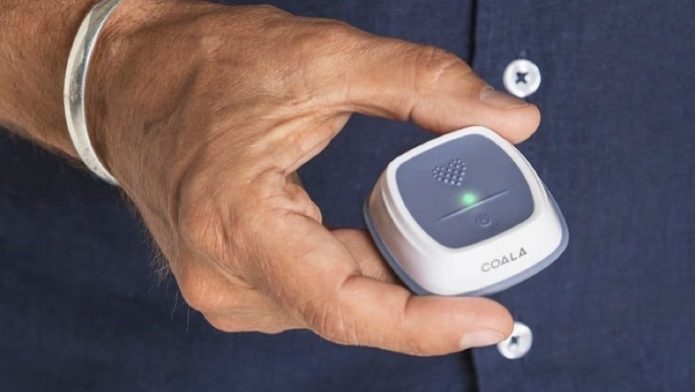
Coala Life, a Swedish innovator in remote cardiac and respiratory monitoring, has launched the first smartphone powered virtual cardiac and respiratory diagnostics solution with real-time, p-wave based detection of nine common arrhythmias. The Coala is also powered by algorithms that enables physicians to remotely detect murmurs and auscultate heart and lungs during in patientโ€™s daily life.

Following expanded indications, Coala Life now offers the first comprehensive and configurable solution with home-based enrollment capabilities, patch-free, multi-lead and high-resolution ECG analysis as well as real-time data transmission of heart and lung sounds. The Coala also offers integrated 24/7 monitoring services to support specific reimbursement requirements, provided in partnership with the St Louis Heart and Vascular (SLHV) Clinics.

โ€œThe transition to telemedicine and virtual diagnostics is here to stay. The Coala is a powerful tool for real-time diagnostics, and ideal for patients with suspected or confirmed cardiac disease, as well as monitoring pulmonary issues such as COPD.โ€ comments Gil Vardi, MD, Cardiologist and Partner with SLHV.

The Covid-19 pandemic has quickly transformed cardiovascular medicine with shift from traditional hands-on care to remote hands-off telemedicine to keep patients and their medical staff safe. Coalaโ€™s Microsoft Azure-based platform enables physicians to remotely access data to optimize the management of patients.

The Coala Heart Monitor is used for virtual cardiac diagnostics, longer term chronic care programs, rural health programs and post-procedural monitoring. Common denominator is enabling virtual diagnostics and empowering the patient. The Coala has proven in clinical studies to help reduce palpitation symptoms and increase quality of life.

Coala Lifeโ€™s clinical partner SLHV is a full-service cardiology and vascular practice with six practice locations in St. Louis, St. Charles, and Bridgeton, Missouri, and Granite City, Illinois. SLHV Cardiology offers some of the most advanced, state-of-the-art diagnostic and treatment services in the Midwest.

Alpha Tau raises $26m for alpha-radiation cancer therapy trials

Alpha Tau Medical is a cancer therapy developer focused on research, development, and commercialisation of its Alpha DaRT to treat solid tumours.

Israeli medical device company Alpha Tau Medical has secured $26m in a Series B equity financing to support the clinical development of its Alpha DaRT therapy.

Existing investors including Shavit Capital, Medison Ventures, and OurCrowd, along with various new private and family office investors from Israel and North America have participated in the funding round.

Established in 2016, Alpha Tau Medical is a cancer therapy developer focused on research, development, and commercialisation of its Alpha DaRT to treat solid tumours.

Alpha Tau Medical CEO Uzi Sofer said: โ€œWe are humbled by the groundswell of continued support weโ€™ve seen from both existing and new investors.

โ€œThis will enable us to push forward our mission to help cancer patients across the world, even during these challenging times in which COVID-19 is the focus of everyoneโ€™s health concerns.โ€

Alpha DaRT is delivered by intratumoral insertion of radium-224 impregnated seeds, to enable highly potent and conformal alpha-irradiation of solid tumours.

The short-lived daughters of the radium are released from the seed while it decays, and disperse emitting high-energy alpha particles that destroy the tumour.

As alpha-emitting atoms diffuse only a short distance, Alpha DaRT would primarily affects the tumour and leaves the healthy tissue around it unaffected.

In 2019, Alpha Tau has completed the first-in-human clinical trial of Alpha DaRT in squamous cell carcinoma patients from Italy and Israel.

The company is currently conducting clinical trials in different clinical indications across the world, including a US trial at Memorial Sloan Kettering Cancer Center in New York, a pancreatic cancer trial at CHUM in Montreal, and trials at three academic institutions in Japan.

Alpha Tau Medical CFO Raphi Levy said: โ€œWe have been very fortunate to continue our progress at full speed across all fronts, including R&D, clinical and operations, and now financing as well, even during a period of global turmoil.

โ€œAs concerns associated with systemic cancer therapies that affect the immune system have become more salient, we see strong interest in our trials from clinicians, patients, and investors who recognize the advantages of a focused and highly potent cancer therapy.โ€

Translate ยป