Close
Digital Health & Ai Innovation summit 2026
Medical Taiwan 2026

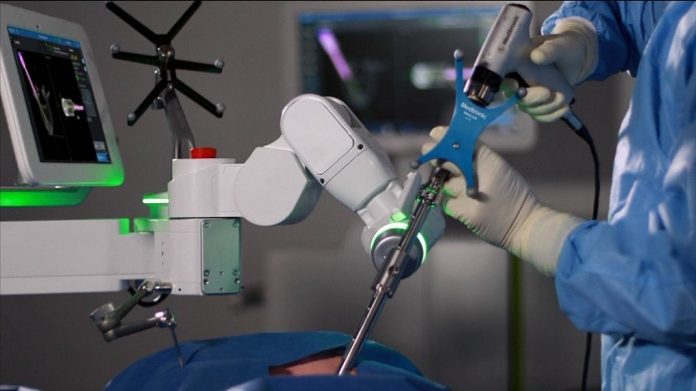
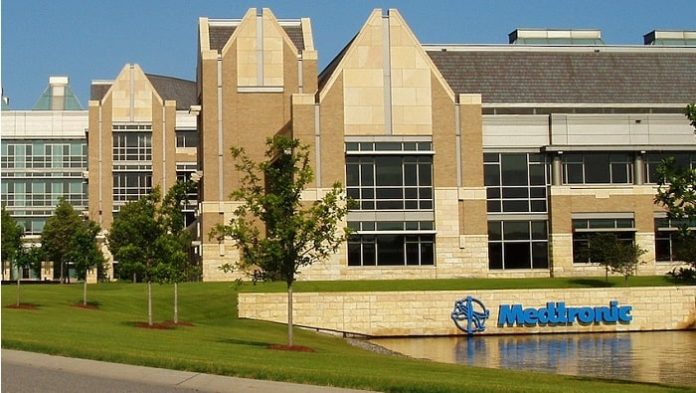
Titan Medical, Medtronic agree to cooperate on surgical robotics development

Titan Medical, Medtronic agree to cooperate on surgical robotics development

Titan Medical announced that it entered into an agreement with Medtronic to progress the development of robot-assisted surgical technologies.

The development and license agreement to develop those technologies is accompanied by a separate license agreement with Medtronic in respect of certain intellectual property of Titan Medical, according to a news release.

Under the agreement, both companies can develop robot-assisted surgical systems in their respective businesses, while Titan will receive a series of payments that reach $31 million in return for Medtronicโ€™s license for the technologies. The payments will arrive as milestones are completed and verified.

A steering committee made up of representatives from each company will be established to oversee the milestones, one of which is Titanโ€™s task to raise an additional $18 million in capital within four months of the development start date that is expected to come this month.

Titan has also received a senior secured loan from Medtronic worth $1.5 million that will be increased by an amount equal to certain legal expenses related to transactions and intellectual property with an interest rate of 8% per annum. It is repayable on June 4, 2023, or upon the earlier completion of the agreementโ€™s last milestone. Until it is repaid, Medtronic may have one non-voting observer attend meetings of Titanโ€™s board.

Under the separate license agreement, Medtronic licensed certain robot-assisted surgical technologies from Titan for $10 million upfront. Titan still has the right to continue to develop and commercialize those technologies for its own business.

โ€œThese agreements with Medtronic will allow Titan to continue to develop its single-port robotic surgical technologies while sharing our expertise and technologies with Medtronic,โ€ Titan Medical president & CEO David McNally said in the news release. โ€œWe are very excited about the opportunity to continue Titanโ€™s pioneering work to bring new single-port surgical options to the market.โ€

The agreements are another step in Medtronicโ€™s effort to break into the robot-assisted surgery space, which remains dominated by Intuitive Surgical and its da Vinci SP.

Medtronic completed a $1.7 billion purchase of Mazor Robotics in December 2018. A month later, the company launched its Mazor X Stealth robotic-assisted spinal surgical platform in the U.S. In September 2019, Medtronic unveiled its new Hugo system that is set to rival the da Vinci SP.

After the announcement, shares of TMD were up 222.9% at 90ยข per share in late-afternoon trading today. Last week, the company announced that it was in danger of Nasdaq delisting.

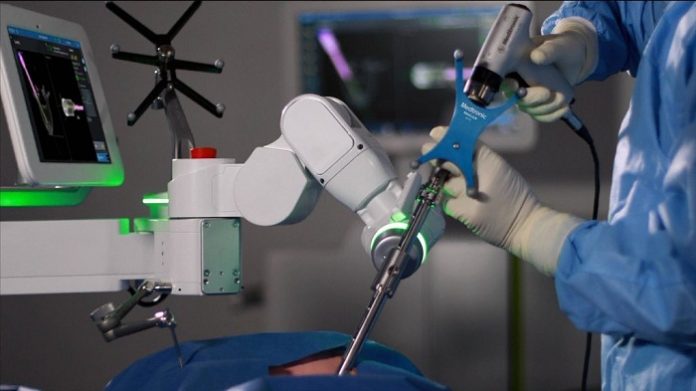
Titan Medical, Medtronic agree to cooperate on surgical robotics development

Titan Medical, Medtronic agree to cooperate on surgical robotics development

Titan Medical announced that it entered into an agreement with Medtronic to progress the development of robot-assisted surgical technologies.

The development and license agreement to develop those technologies is accompanied by a separate license agreement with Medtronic in respect of certain intellectual property of Titan Medical, according to a news release.

Under the agreement, both companies can develop robot-assisted surgical systems in their respective businesses, while Titan will receive a series of payments that reach $31 million in return for Medtronicโ€™s license for the technologies. The payments will arrive as milestones are completed and verified.

A steering committee made up of representatives from each company will be established to oversee the milestones, one of which is Titanโ€™s task to raise an additional $18 million in capital within four months of the development start date that is expected to come this month.

Titan has also received a senior secured loan from Medtronic worth $1.5 million that will be increased by an amount equal to certain legal expenses related to transactions and intellectual property with an interest rate of 8% per annum. It is repayable on June 4, 2023, or upon the earlier completion of the agreementโ€™s last milestone. Until it is repaid, Medtronic may have one non-voting observer attend meetings of Titanโ€™s board.

Under the separate license agreement, Medtronic licensed certain robot-assisted surgical technologies from Titan for $10 million upfront. Titan still has the right to continue to develop and commercialize those technologies for its own business.

โ€œThese agreements with Medtronic will allow Titan to continue to develop its single-port robotic surgical technologies while sharing our expertise and technologies with Medtronic,โ€ Titan Medical president & CEO David McNally said in the news release. โ€œWe are very excited about the opportunity to continue Titanโ€™s pioneering work to bring new single-port surgical options to the market.โ€

The agreements are another step in Medtronicโ€™s effort to break into the robot-assisted surgery space, which remains dominated by Intuitive Surgical and its da Vinci SP.

Medtronic completed a $1.7 billion purchase of Mazor Robotics in December 2018. A month later, the company launched its Mazor X Stealth robotic-assisted spinal surgical platform in the U.S. In September 2019, Medtronic unveiled its new Hugo system that is set to rival the da Vinci SP.

After the announcement, shares of TMD were up 222.9% at 90ยข per share in late-afternoon trading today. Last week, the company announced that it was in danger of Nasdaq delisting.

CAREMILLE INT. Launches PPE, Pro Guard for Medical Professionals to Help Battle Against the COVID-19 Pandemic

PPE, Pro Guard for Medical Professionals

Even in the global pandemic situation, South Korea’s successful response and protocol to COVID-19 is highly regarded, and interest in Korean disinfection and protection products is increasing significantly.

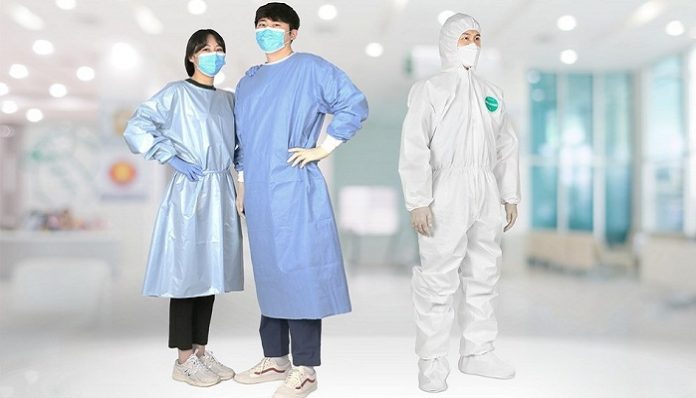
In this regard, CAREMILLE INT, a Korea-based company, is a leading firm with more than 20 years experience in the medical device industry, announced that it launched a new protective suit, ‘Pro Guard’ and a surgical gown, ‘Pro Guard S1 & S2’ in May of 2020.

Pro Guard is approved as Type 4 by the Korea Occupational Safety & Health Agency meeting all criteria level of virus and nuclear fallout protection. It consists of a full body suit with a hood and non-slip shoe covers. This product can be used for both industrial and medical purposes.

Pro Guard protective suit is made of 100% polypropylene with advanced hard coat offering advantages of lighter weight and increased durability and strength. The most important factor being which 100% of the Pro Guard products are made in Korea.

Moreover, the Pro Guard S1 & S2 are personal protective garments intended to be worn by health care personnel during surgical or high-risk pandemic situations to protect both the patient and health care personnel from the transfer of microorganisms, body fluids, and particulate matter. In accordance to the AAMI classification, the S1 & S2 are registered as Level 3 moderate to high risk gown with the purpose to be used in conditions such as arterial blood draw, inserting an Intravenous (IV) line, in the Emergency Room, or for trauma cases.

In the midst of this pandemic, CAREMILLE INT takes seriously its commitment to help medical professionals manage the impact of the COVID-19 outbreak worldwide. CAREMILLE INT also intends to fulfill its commitment by providing its PPE at a below market rate specifically for those seeking to purchase PPE for donation purposes.

In addition to the PPE, CAREMILLE INT is also an authorized distributor for many COVID-19 related products such as, but not limited to, COVID-19 RT-PCR and rapid kits to Universal Transport Mediums (UTM).

MyBio launches highly accurate COVID-19 antibody test

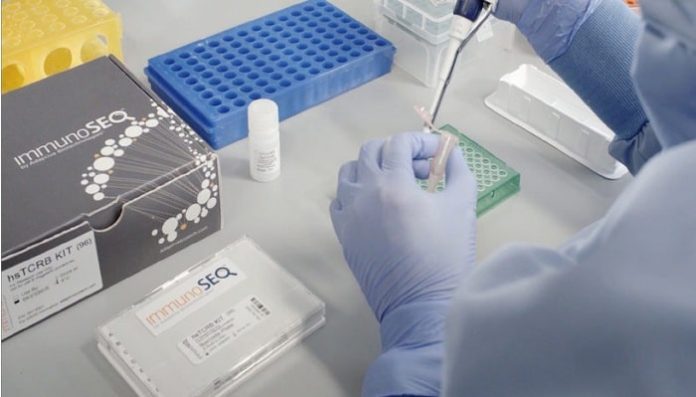
Adaptive Biotechnologies, Microsoft Launch Immune Response Trial For COVID-19

Kilkenny based life sciences company MyBio has has signed an exclusive distribution agreement in Ireland with German manufacturer MรถLab GmbH for its highly accurate COVID-19 antibody diagnostic test kit.

The potentially game-changing test kit provides nearly perfect diagnostic specificity (99.5% IgG, and 99.2% IgM) โ€“ a measurement of how likely the test will tell you whether the antibodies are in your system. This makes it the most accurate antibody test of its kind available in Ireland.

MyBio believe the test can play a crucial role as the lockdown eases and more people return to work. โ€œWe anticipate strong demand for this kit from corporations, businesses, professional laboratories, and other life science companies and institutes across the countryโ€, said Dan Dilks, the companyโ€™s head of sales and business development. โ€œIf offered by their employer, this test kit will provide an important and simple pre-screening service for employees in Ireland, which will prove an invaluable tool in the fight against COVID-19 in the coming months as people return to work and desire to know if they have been exposedโ€.

Currently available for professional use, the test kit provides a quick, on-the-spot result in 10 minutes. Itโ€™s easy to use, needing only a finger-prick sample much like a blood glucose test. The test can also be run with serum or plasma samples.

Unlike the test to determine if somebody is currently carrying the virus, antibody testing determines if a person has had the infection in the past. This is done by detecting the presence of antibodies produced by the immune system against COVID-19.

A recent study in Heinsberg, Germany has suggested that the coronavirus infection rate could be much higher than initially thought. The research showed that close to a quarter of those tested were asymptomatic โ€“ showing no signs of having caught the virus. MyBioโ€™s test kit will help diagnose such cases, on-site and quickly.

Commenting on the announcement, Linda Nolan, chief executive said: โ€œWeโ€™re delighted to partner with MรถLab in providing an antibody test kit with the highest specificity and sensitivity to the market hereโ€.

โ€œCompanies and Institutions are looking for ways to reopen while taking every step to reduce the risk of coronavirus exposure. Ensuring employees feel safe returning to work is crucial in this process and this kit, which is affordable and easy to use, is another weapon in the fight against COVID-19.โ€

As a result of the new partnership, MyBio Ltd will provide marketing, sales, customer service and technical support for the sale of MรถLab`s Covid-19 antibody diagnostic kit. The kit is currently being sold in the UK and across the EU.

Vapotherm To Expand Production Capacity For Potential Demand For Nasal Cannula Systems For Covid-19

Vapotherm To Expand Production Capacity For Potential Demand For Nasal Cannula Systems For Covid-19

Vapotherm, Inc., a global medical technology company focused on the development and commercialization of its proprietary Hi-VNIยฎ Technology products that are used to treat patients suffering from respiratory distress, announced a major expansion in its capital equipment manufacturing capabilities. This expansion is expected to enable the company to increase production of its Precision Flowยฎ systems by up to 20X above pre-COVID-19 pandemic levels.

At maximum capacity, Vapothermโ€™s manufacturing increase would create up to an additional 350 manufacturing jobs at its New Hampshire facility. This scaling up is in response to a potential increase in demand for the companyโ€™s Precision Flow Hi-VNIยฎ system in the event of additional waves of COVID-19. The Precision Flow Hi-VNI system is an advanced high-flow nasal cannula (HFNC) system using high velocity to treat the respiratory distress experienced by COVID-19 patients.

โ€œThe COVID-19 pandemic has greatly accelerated a process we were already seeing of respiratory experts recognizing the benefits of our Precision Flow Hi-VNI system for treating patients with all types of respiratory distress,โ€ commented Joe Army, CEO of Vapotherm. โ€œAs hospitals and governments across the United States and around the world prepare for potential future waves of COVID-19 patients and subsequent pandemics involving respiratory disease, we are expanding our manufacturing capabilities to be in a position to meet the needs of hospitals and patients for our therapy. The expansion also provides us with optionality and flexibility when thinking about our ability to bring new products to market faster.โ€

Since the outbreak of the COVID-19 pandemic, a growing number of public health authorities and medical specialty societies in the United States and around the world have expressed support for the use of HFNC as a first line therapy for treating the respiratory distress experienced by hospitalized COVID-19 patients over early intubation and mechanical ventilation. For example, the Center for Disease Control (CDC), the National Institutes of Health (NIH), the Society of Critical Care Medicine (SCCM), and the American College of Emergency Physicians (ACEP) recommended HFNC over early invasive mechanical ventilation when possible. Additionally, SCCM further suggests HFNC is preferable to non-invasive positive pressure ventilation (NiPPV) in the management of COVID-19 respiratory distress.

The Company is also seeing expressions of interest from domestic and foreign governments, including a $9.9 million blanket purchase agreement (BPA) from the Department of Defense (DoD) that was awarded on May 22, 2020 to support the acquisition of Precision Flow units by the countryโ€™s 51 DoD hospitals. Vapotherm is the only HFNC company eligible under this BPA. DoD hospitals have the option to seek funding, and if approved, place orders against the BPAโ€™s $9.9 million cap to acquire Precision Flow devices for up to one year from the date of issuance.

Michael McQueen, M.D., Vice President of Medical Affairs at Vapotherm, commented, โ€œThe U.S. medical community did a phenomenal job of quickly recognizing the limitations and possible issues of early intubation and mechanical ventilation in the management of COVID-19 patients. Along with working tirelessly on the front lines, they were continually communicating, sharing information, and adapting real time to changing management paradigms. One of the most visible examples of that has been the complete U-turn from the initial management recommendations of avoiding HFNC and proceeding with early intubation, to the current standards suggesting the opposite โ€“ avoid intubation and mechanical ventilation if possible, and utilize HFNC aggressively early in the course of treatment.โ€

Vapotherm invented HFNC and now sells an advanced form of HFNC that provides high flow at a high velocity, rapidly flushing the dead space in the limited time between breaths when respiratory rates are elevated. The Precision Flow Hi-VNI system also offers a number of additional benefits relative to other conventional HFNC systems, including:

COVID-19 respiratory distress is characterized in particular by patients needing more oxygen. Vapothermโ€™s Precision Flow Hi-VNI system provides more precise control over the amount of oxygen being delivered to patients than conventional HFNC systems, as the Vapotherm Precision Flow Hi-VNI allows flow rates and oxygen concentrations to be titrated independent of each other. This is vital in treatment of the respiratory distress experienced by COVID-19 patients as published data on critical care patients has suggested that the delivery of either too much or too little oxygen can lead to increased mortality rates.

Vapothermโ€™s Precision Flow Hi-VNI system, which is clinically proven to treat both Type 1 (hypoxic) and Type II (hypercapnic) respiratory distress, is the only HFNC product listed under the United States Food and Drug Administrationโ€™s QAV product code, which was included by the FDA at the outset of the COVID-19 pandemic on a list of devices used to provide ventilation and ventilatory support to patients with respiratory failure or respiratory insufficiency during the COVID-19 public health emergency.

Vapothermโ€™s proprietary Precision Flow Hi-VNI system provides optimal humidification of the delivered oxygen. This humidification is important to maintain the integrity and mucous-clearance capacity of the patientโ€™s airways.

The Vapotherm Precision Flow Hi-VNI system allows for rapid disinfection between patients – less than five minutes, while other conventional HFNC systems may take up to an hour.

Vapothermโ€™s Precision Flow Hi-VNI system uses a disposable patient circuit to deliver the humidified oxygen to the patient, with a new circuit being used for each patient, an important characteristic when treating respiratory distress from an infectious cause.

Vapotherm, Inc. is a publicly traded developer and manufacturer of advanced respiratory technology based in Exeter, New Hampshire, USA. The company develops innovative, comfortable, non-invasive technologies for respiratory support of patients with chronic or acute breathing disorders. Over 2.2 million patients have been treated with Vapotherm Hi-VNI Technology.

Medtronic Resolute Onyx DES Receives First and Only One-Month DAPT Indication for High Bleeding Risk Patients in Europe

Medtronic Resolute Onyx DES Receives First and Only One-Month DAPT Indication for High Bleeding Risk Patients in Europe

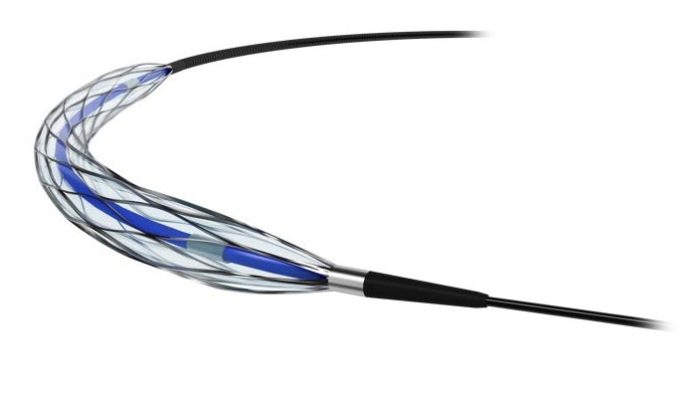
Medtronic Resolute Onyx DES Receives First and Only One-Month DAPT Indication for High Bleeding Risk Patients in EuropeMedtronic plc, the global leader in medical technology, announced it has received CE (Conformitรฉ Europรฉenne) Mark for a one-month dual antiplatelet therapy (DAPT) indication for high bleeding risk (HBR) patients implanted with the Resolute Onyxโ„ข Drug-Eluting Stent (DES). For HBR patients, whose bleeding risk may be increased by taking longer DAPT regimens (a combination of aspirin and anti-clotting medication), this new, first-of-its-kind indication allows physicians to recommend a shorter, one-month regimen of DAPT, following a percutaneous coronary intervention (PCI) with Resolute Onyx.

The approval is the first of its kind globally. Resolute Onyx DES is available for use in the United States, as well as in Europe and other countries that recognize the CE Mark. Resolute Onyx DES is not currently indicated for HBR patients with one-month DAPT in the United States. Data have been submitted to the FDA with the intent of obtaining a one-month DAPT US Indication for Resolute Onyx DES.

HBR patients โ€“ including older patients, those with history of bleeding, or those on oral blood-thinning drugs โ€“ are a complex patient population that makes up nearly 40 percent of all PCI patients1. HBR patients on longer DAPT regimens are three times more likely to have bleeding events than the general population undergoing PCI2. Due to its biocompatible polymer and the ability to promote fast vessel healing, the Resolute Onyx DES has demonstrated through pre-clinical and clinical studies that it is well-suited for patients who may benefit from a shorter DAPT duration.

โ€œThe use of DAPT for DES is a challenge for HBR patients who may not be able to safely tolerate the same therapy duration as recommended for the broader patient population,โ€ said Azeem Latib, M.D., section head of interventional cardiology & medical director of structural heart interventions at Montefiore Medical Center in New York City. โ€œThrough the Onyx ONE Global Clinical Program, we have observed that Resolute Onyx DES with one-month of DAPT in these complex patients is safe and effective. This indication will further substantiate the option for shorter DAPT regimens, if individual patient needs demand it.โ€

The indication is based on results from the Onyx ONE Global Study, the first prospective, randomized, one-month DAPT trial comparing Resolute Onyx to a competitive DES (BioFreedomโ„ข DCS) in nearly 2,000 HBR patients. In the study, Resolute Onyx met its primary composite endpoint of cardiac death, myocardial infarction (MI) or stent thrombosis (ST) at one-year showing non-inferiority versus BioFreedom DCS. Results from the global study were shared during a Late-Breaking Clinical Trial session at the 31st Transcatheter Cardiovascular Therapeutics (TCT) Conference in September 2019 and were also published in the New England Journal of Medicine3.

“The growing body of clinical evidence supports the use of Resolute Onyx to meet the needs of complex patient populations,โ€ said Dave Moeller, vice president and general manager of the Coronary and Renal Denervation business, which is part of the Cardiac and Vascular Group at Medtronic. โ€œResolute Onyx has shown exceptional outcomes in complex patient populations and anatomies, including those at a high risk of bleeding, which has helped pave the way for this first-of-its-kind approval.โ€

The Onyx ONE Global Study, together with the Onyx ONE Clear Study, a study that evaluated Resolute Onyx DES in HBR patients with one-month DAPT in the United States and Japan, make up the robust Medtronic Onyx ONE Month DAPT Program that has enrolled approximately 2,700 patients at up to 130 sites worldwide. To date, more than 22,000 patients have been studied in Medtronic sponsored and funded clinical trials that have addressed DAPT duration.

In collaboration with leading clinicians, researchers, and scientists worldwide, Medtronic offers the broadest range of innovative medical technology for the interventional and surgical treatment of cardiovascular disease and cardiac arrhythmias. The company strives to offer products and services that deliver clinical and economic value to healthcare consumers and providers around the world.

About Medtronic
Medtronic plc, headquartered in Dublin, Ireland, is among the worldโ€™s largest medical technology, services and solutions companies โ€“ alleviating pain, restoring health and extending life for millions of people around the world. Medtronic employs more than 90,000 people worldwide, serving physicians, hospitals and patients in more than 150 countries. The company is focused on collaborating with stakeholders around the world to take healthcare Further, Together.

Transit Scientific gets FDA nod for XO Score PTA scoring sheath platform

Transit Scientific gets FDA nod for XO Score PTA scoring sheath platform

Transit Scientific announced the FDA cleared the XO Scoreยฎ Percutaneous Transluminal Angioplasty (PTA) Scoring Sheath platform for use in iliac, ilio-femoral, popliteal, infra-popliteal, and renal arterial plus synthetic and/or native arteriovenous hemodialysis fistula.

Angioplasty is performed with expandable polymer balloon catheters to dilate stenosed, or narrowed, vessels. Calcified, fibrous, and/or resilient stenosis may require special scoring or cutting angioplasty balloons with integrated wires or blades on the balloon. The added features focus and improve dilating force but result in large crossing profiles and limited deliverability while increasing cost and inventory.

“XO Score transforms regular PTA balloons into scoring and cutting systems,” said Greg Method, President, Transit Scientific, Park City, Utah. “Clinicians insert an off-the-shelf PTA balloon into the XO Score tableside and then the system can be used over-the-wire to dilate calcified plaque and prep vessels.”

The XO Score is a patented, low-profile, flexible, metal-alloy exoskeleton with a balloon expandable scoring section. One XO Score sheath can be used with a number of 4-8mm diameter and 20-40mm long balloons to save the hospital, outpatient lab, ambulatory surgery center (ASC), or office-based lab (OBL) money on each scoring or cutting procedure.

“XO Score is a new way to prep the vessel,” said Jihad Mustapha, MD Interventional Cardiologist, Advanced Cardiac & Vascular Center, Grand Rapids, MI. “The low-profile design is smooth for tracking to and from the treatment site. But, during balloon inflation, XO Score struts rotate 90ยฐ on edge to score and cut. Upon deflation, the XO Score rewraps back-to-flat for smooth withdraw.”

Competitive scoring/cutting balloons feature 1-5 fixed-depth scoring wires/blades that add bulk, profile, and stiffness. XO Score has up to 22 scoring/cutting struts that lay flat while tracking but rotate 90ยฐ during balloon inflation to score and cut 0.25mm (0.010″), 0.35mm (0.014″), or 0.50mm (0.020″) deep. Struts rotate 90ยฐ back during deflation.

“XO Score adds new technology and value to angioplasty,” continued Mr. Method. “Rotating struts allow clinicians to vary scoring depth without increasing device profile. Economically, XO Score offers a direct value proposition: (1) XO Score + (1) off-the-shelf PTA balloon will cost less than (1) specialty PTA scoring or cutting technology.”

This FDA clearance covers the 6.3Fr (French) XO Score in 65cm & 125cm working lengths with 0.25mm (0.010″), 0.35mm (0.014″), or 0.50mm (0.020″) scoring or cutting depths to enable precise dilation across a range of lesion types. Future 3Fr, 4Fr, and 5Fr over-the-wire and rapid-exchange XO Score versions are under development for smaller vessel and coronary use.

In May 2020, Transit Scientific received FDA clearance for the XO Cross 2Fr, 2.6Fr, and 3.8Fr low-profile, high-torque, and high-push non-tapered microcatheter platform. Transit Scientific is a private company with more than 26 combined issued and pending patents to commercialize medical devices including the FDA cleared XO Scoreยฎ and XO Crossยฎ platforms.

How Hospitals Benefit From Getting Mobile Medical Vehicles

Mobile medical vehicles are custom-made medical clinics that use integrated technology to ensure medical access to a broader population. According to the World Health Organization, they deploy mobile medical vehicles to underprivileged areas that are cut off from medical facilities. The WHO further reports that the demand for these vehicles is continuously rising due to their numerous benefits.

A collaborative research made by Mobile Health Map records the impact created by using mobile medical vehicles, mentioning that per $1 spent investing in a mobile medical vehicle results in saving up to $12. These are gaining popularity in the US due to their cost-efficient services. The data collected says that children mainly use mobile clinics (42% are under 18) along with minority groups (40% visitors identified as Latino/Hispanic and 30% of visitors identified as African-American).

Before we delve into the benefits of mobile medical vehicles, we need to first classify what it provides. Most of these vehicles offer primary and preventive care, while others provide dental care. However, these vehicles are not a one-stop healthcare solution but focus more on underprivileged areas.

That said, here are how hospitals can benefit from getting mobile vehicles:

Provides Services To Medically Underserved Areas

Mobile medical vehicles have several kinds of services, but its main focus is to provide medical services to areas that don’t have any access to these. Globally, rural populations and poverty-stricken regions are unaware of their existing medical condition since most people canโ€™t even afford to have a proper checkup due to their location and financial constraints. Having mobile medical vehicles can be beneficial to this issue.

Extremely Cost-Effective

Due to the pandemic, healthcare systems are on the verge of collapse, and are overburdened and understaffed. The world is not ready to face a healthcare fiasco and the fact that there is immense pressure on healthcare facilities to cater to those deprived of healthcare, mobile medical vehicles may serve as medical saviors. They can lessen visits to emergency hospital units and improve the patientโ€™s quality of life in general.

As per the 2015 Cost Trends Report published by the Massachusetts Health Policy Commission, 40% of non-emergency ER visits could have been catered to by primary care physicians. Amid Covid-19, many healthcare systems would shift their attention to pandemic-affected patients, and may make the conscious choice of doing so. In such a situation, mobile health units are much more effective and responsive in terms of handling incoming patients. A classic example is mobile testing vans for the novel coronavirus. Majority of the developing countries have an unequal hospital distribution, mainly located in urban centers.

Public healthcare experts in India and other countries with the same economic challenges are testing large segments of their population through mobile vans, which are easily accessible.

They Improve Accessibility

Mobile health units target the most inaccessible of patients, which is why they are a prominent choice for many relief and welfare organizations, including the WHO, United Nations High Commissioner for Refugees (UNHCR), United Nations (UN), etc. Mobile medical units are a resource that provides flexible and easy options for these groups and treatment in these affected areas.

As per the WHO, Syrian children in Aleppo were treated with the use of these mobile clinics. Apart from Syria, we see similar facilities in Iraq, Gaza, Yemen, etc. The provision of this humanitarian health support would not have been possible had it not been for the ease of mobility and service that mobile clinics provide. Additionally, they help tackle the healthcare stigmaโ€”many families in such areas are reluctant to go to a hospital either due to cultural or economic constraints. Families in rural areas cannot travel to urban centers for routine medical check-ups. When a medical vehicle is stationed in their respective vicinity, they are at ease and get themselves checked.

Moreover, a healthcare mobile facility can reduce appointment times and enable immediate attendance for the elderly and other emergency patients. According to a report, Sweden has been incorporating mobile healthcare units to improve the accessibility and quality of facilities, as well as services for the elderly.

Technology Improves Useability

With the big leaps and advances that the world is seeing in medical technology today, using it to build purpose-driven mobile health units can be of very tangible use for the global healthcare system.

With a mobile medical facility, one may not even need the office space to treat patients. If the technological changes are used to the best of their abilities, there may be a chance that cases can be handled beyond primary care.

With new diseases like Covid-19 hitting the globe, it is essential to be prepared with vehicles that can start treatment during transit so that the patient may have a higher chance of surviving. Many Covid-19 patients expired because it took too long to reach a hospital. In particular, those with respiratory illness needed an immediate ventilator or oxygen supply at the very least. The advent of mobile medical vehicles can ensure timely access to essential medical equipment.

In cases where diseases rapidly change form, and the world has new problems to counter, base vehicles can be enhanced and updated as per requirements, creating a safe backup for healthcare systems.

Locating Patient Information Becomes Easy

Another huge luxury that people enjoy due to the technological boom around the world is that information can be stored online and accessed from anywhere. Most hospitals tend to be places for patient visits because their doctor has their medical history and records stored in the backrooms of the facility. However, having the data online provides the patient with ease in visiting their doctor at their comfort and convenience.

Not only does this save file space, but it also provides the patient and primary care physician with immediate information, given that they have mobile facilities and technology working to their advantage.

Patient-Centric Approach

In cases where patients donโ€™t have the appropriate means to visit their healthcare professional, it is common for them to wait unless their condition is irreparable. Instead of asking patients, who are unwell, to make the trip, doctors can reach out to them instead.

This holistic and patient-centric approach is beneficial for communities that are unaware of their underlying medical conditions. The availability of mobile health vehicles would encourage many patients to reach out for early diagnosis and treatment.

Useful In Attracting New Patients

A mobile medical vehicle can also help healthcare professionals gain new patients and create a brand name for themselves without doing anything to actively attract patients. The physical presence of the clinic on the road is bound to gain attention, and there is a high probability of patients calling you up in terms of medical situations that are not precisely emergencies to avoid making a trip to the hospital.

Visibility is also increased in the eyes of the patient if a hospital sends a mobile facility to an underprivileged area with limited healthcare choices. The resident population will feel obliged to reach out in case of a medical condition.

An Innovative Solution

Mobile health clinics are innovating medical services. By integrating technology and medical services, along with the ease of a moving vehicle, the healthcare system has found a new way to create a better and more efficient global response to medical issues.

The ongoing pandemic has taken over the world, creating the dilemma of choosing between health and the economy. Until there are global initiatives to enhance healthcare facilities through technology and innovation, pandemics cannot be prevented.

A mobile health facility will have an everlasting impact in terms of healthcare access to developing economies, war-torn areas, conflict zones, etc. Such facilities can save thousands or perhaps millions of lives by effective deployment.

Enhance Health Literacy

Concerning medical access, the weak strata of the population are the last to receive quality healthcare, which lowers their health literacy, and numerous diseases amongst them go unreported.

Through the advent of mobile clinics, such segments of the global population, particularly refugees, can gain access to reliable and useful healthcare information, which can trigger healthy habits, encourage hygiene, family planning techniques, self-diagnosis, etc.

Make Your Medical Vehicles Mobile!ย 

With all these great medical benefits, mobile medical vehicles can serve patients in a better way. Keep in mind that the purpose of medical advancements is to also enhance its reach and cater to more patients, especially those in underprivileged or far-flung areas, as well as war or conflict zones that cannot be easily reached or have limited healthcare facilities. Mobile medical vehicles also also help contribute to a better global healthcare response, especially during pandemics. As discussed above, mobile medical vehicles can also benefit many healthcare professionals by letting them attract new patients since more people would be encouraged to visit healthcare facilities, as well as get early diagnosis and treatment. Literacy about healthcare can also be enhanced as many people would be educated about how to better take care of themselves by applying the right hygiene practices. In this technological world, mobile medical vehicles are hailed as the savior of the health industry.

Resource: https://www.sammedical.com/products/sam-sugar-tong-splint

Seek Scan Becomes One of The Most Affordable Thermal Imaging Solutions Following FDA Guidelines During COVID-19 Public Health Emergency

Seek scan

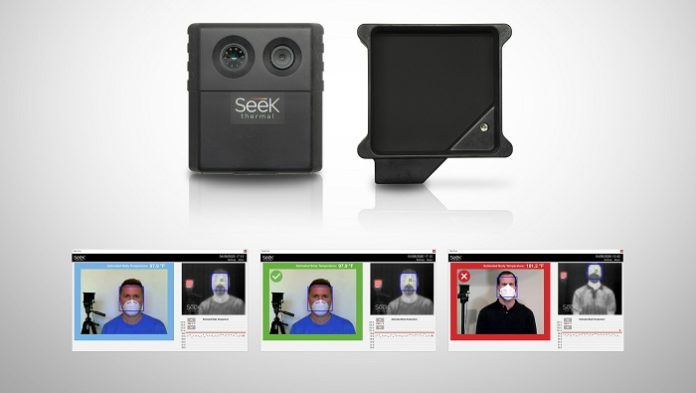
Following the guidance from the U.S. FDA and further updated documentation released Seek Scanโ„ข is now one of the most affordable thermal scanning solutions that meets FDA guidelines for initial body temperature assessment during the COVID-19 public health emergency.

As U.S. businesses reopen, the Centers for Disease Control and Prevention has formally released its recommendations to create safe and healthy workplaces to protect workers and visitors. Within its guidelines, the CDC encourages employers and building operations specialists to consider conducting daily in-person or virtual health checks (e.g., symptoms and/or temperature screening) of employees before they enter the work site.

For businesses and institutions looking for highly affordable temperature scanning capabilities, Seek Thermal offers Seek Scan (MSRP $1,995), a thermal imaging system designed to quickly automate body temperature screening using skin temperature as a proxy. Seek Scan is specifically designed and calibrated to deliver accurate skin temperature measurements while enabling social distancing protocols. In a few seconds, the system automatically detects a face, identifies the most reliable facial features for measurement and displays an alert if the readings are warmer than the customizable alarm temperature.

“Thermal imaging systems are an important singular component of a broader strategy to create safer and healthier environments as we reopen our country,” said Bill Parrish, Co-Founder and Chief Technical Officer of Seek Thermal. “There is plenty of ongoing discussion about the technology’s capabilities. The position of Seek Thermal is that products such as Seek Scan can provide an initial assessment of a person’s body temperature and should follow FDA guidelines by meeting the accuracy specification, including a reference heat source (black body) and be made for single person screening at a fixed distance. While thermal imaging is not a panacea for detecting anyone with novel coronavirus, the technology can help detect elevated temperatures and provide safer environments for businesses and other gathering places.”

Seek Thermal has developed customer relationships with a diverse group of leading organizations including manufacturers, government institutions, hospitals and medical facilities, office buildings, hotels and hospitality providers, small businesses, arts and entertainment venues and promoters, and professional sports organizations.

Seek Scan utilizes infrared thermal imaging technology, a temperature-controlled heat source and Seek Scan software to accurately measure and screen for skin temperature. Additional key features are below:

Designed & Calibrated for Skin Temperature โ€“ Unlike typical industrial thermal cameras, Seek Scan was developed for precise skin temperature measurement and also includes a fixed heat source to maximize accuracy.

Enables Social Distancing โ€“ Delivers the same performance as a temporal thermometer โ€“ but with a safe social distance.
Fast, Automated Screening โ€“ In seconds, the system automatically detects a face, finds the most accurate spot for measurement and displays a pass/fail alert.
Easy to Install and Easy to Use โ€“ Start scanning in minutes using two tripods and a Windows PC
Proven Technology โ€“ Thermal imaging has been tested, studied and deployed globally for years in skin temperature measurement applications
Affordable โ€“ One of the most affordable thermal imaging solutions following FDA guidelines during the COVID-19 Public Health Emergency
Manufactured in the USA โ€“ Seek Scan is manufactured in Santa Barbara, California and is NDAA compliant

Volumes and availability:

Seek Thermal continues to expand production capacity to meet increasing demand from businesses of all sizes. For pricing and availability, please contact us at thermal.com.

Seek Scan should not be used to diagnose, or exclude diagnosis of, COVID-19 or any other disease or condition. A diagnostic test by medical professionals must be performed to determine if someone has COVID-19.

About Seek Thermal
Seek Thermal engineers and manufactures low-cost, high-resolution thermal imaging cameras and OEM thermal cores. The company was founded in 2012 by two industry pioneering scientists, Bill Parrish, PhD and Tim Fitzgibbons PhD, who spent 40 years advancing the state of military and professional-grade thermal imaging technology. Following their previous two companies, Amber Engineering and Indigo Systems, each with successful acquisitions, Seek Thermal is their third venture with the mission to make thermal imaging a part of everyday life. As one of the few companies in the world capable of building sensors, Seek Thermal has shipped hundreds of thousands of thermal imaging products around the world as it continues to make thermal imaging an accessible, everyday tool, so people can do their jobs safer, faster and smarter.

Allegheny General Hospital Joins CDC-Funded Study of Best Ways to Reduce Risk of COVID-19 Infection in Emergency Clinicians

Allegheny General Hospital

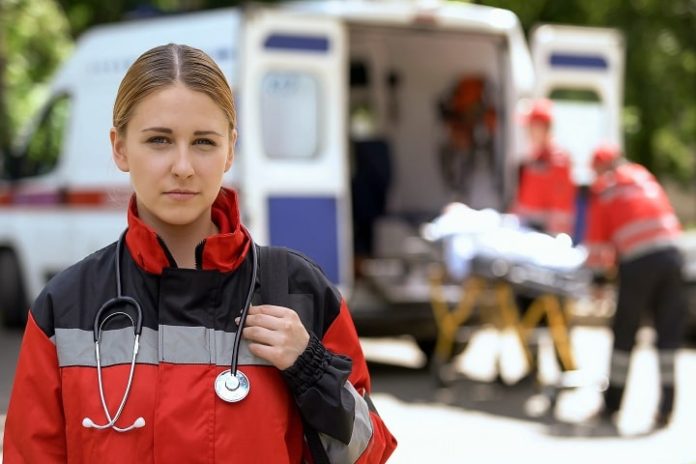
Allegheny General Hospital (AGH), part of Allegheny Health Network (AHN), is among 20 academic health centers nationwide participating in a new study examining the best ways to reduce the risk of COVID-19 infection among front line health care workers in hospital emergency departments.

Supported by a $3.7 million grant from the Centers for Disease Control and Prevention (CDC), the COVID-19 Evaluation of Risk in Emergency Departments (COVERED) Project is a

12-week study involving 1,600 emergency department personnel in 20 academic health care institutions across the country. It includes physicians, nurses, and staff such as clerks, social workers or case managers.

The goal of the study is to determine what practices and personal protective equipment (PPE) most effectively prevent exposure to COVID-19 in an emergency setting, where incoming patients may or may not have the virus, and emergency procedures can increase the risk of spreading the virus through the air. PPE includes face masks, face shields, gowns, and gloves, among other equipment.

The study will enroll both emergency physicians who do and do not typically perform endotracheal intubation (inserting a breathing tube) in suspected COVID-19 patients, as well as emergency department nurses and non-clinical staff.

The study team chose to track endotracheal intubation procedures because these are aerosol-generating procedures that have been shown in past SARS and MERS epidemics to increase the risk of virus transmission to health care workers.

Emergency department staff enrolled in the study will be followed for three months and undergo screenings and biweekly blood tests and nasal swabs to evaluate for COVID-19 exposure. Questionnaires also will be completed weekly so that procedural practices are documented.

At AHN, the study is led by principal investigator Jestin Carlson, MD, an emergency physician at the Networkโ€™s Saint Vincent Hospital and co-investigator Arvind Venkat, MD, an emergency physician at AGH.

โ€œWe are thrilled to be participating in this study aimed at finding the most effective ways to prevent transmission of COVID-19 in the emergency environment,โ€ Dr. Carlson said. โ€œWe believe its benefits will extend beyond this current COVID-19 pandemic, but also serve to protect health care workers and the public in any future pandemics or epidemics.โ€

National co-principal investigators are Nicholas Mohr, MD, associate professor of emergency medicine and vice chair for research in the Department of Emergency Medicine at the University of Iowa Carver College of Medicine, and David Talan, MD, professor of emergency medicine and infectious diseases at the David Geffen School of Medicine at UCLA.

The COVERED project is a collaboration between EMERGEncy ID NET, a network of 12 US emergency departments funded by the CDC to study emerging infectious diseases and led by Dr. Talan, and the National Emergency Airway Registry (NEAR).

For more information about the COVERED study and a list of participating institutions, visit http://www.covered-study.org.

About the Allegheny Health Network:
Allegheny Health Network (AHN.org), a Highmark Health company, is an integrated healthcare delivery system serving the greater Western Pennsylvania region. The Network is composed of 12 hospitals, ambulatory surgery centers, Health + Wellness Pavilions, multiple employed physician organizations, home and community-based health services, a research institute, and a group purchasing organization. The Network provides patients with access to a complete spectrum of advanced medical services, including nationally recognized programs for primary and emergency care, trauma care, cardiovascular disease, organ transplantation, cancer care, orthopedic surgery, neurology and neurosurgery, womenโ€™s health, diabetes, autoimmune disease and more. AHN employs approximately 21,000 people, has more than 2,500 physicians on its medical staff and serves as a clinical campus for Drexel University College of Medicine, Temple University School of Medicine, and the Lake Erie College of Osteopathic Medicine.

Translate ยป