Close
Digital Health & Ai Innovation summit 2026
Medical Taiwan 2026

Siemens Healthineers and Geisinger Announce Value Partnership to Drive Digital Healthcare

Siemens Healthineers and Geisinger Announce Value Partnership to Drive Digital Healthcare

Siemens Healthineers and Geisinger have established a 10-year Value Partnership to advance and support elements of Geisinger’s strategic priorities related to continually improving care for their patients, communities, and the region.

Geisinger is a nationally recognized regional healthcare system that provides highly effective care delivery. As a leader in transforming delivery of healthcare, Geisinger has pioneered a high-performance digital care environment. A global pioneer in medical technology, Siemens Healthineers will provide Geisinger access to its latest digital health innovations, diagnostic imaging equipment, and on-site staff to support improvements during the life of the agreement. Education and workflow resources will also be available, which will provide Geisinger staff with the ability to efficiently make decisions and continually optimize workflows.

Building on a successful history of mutual research collaboration and technology enablement, Siemens Healthineers is dedicated to this long-term alliance producing impactful benefits for the patients who trust Geisinger for their care and the community.

“By expanding our relationship with Geisinger, this becomes one of the largest Value Partnership relationships in North America and will allow us to work together to improve the patient experience for residents of Pennsylvania and the region,” said David Pacitti, President and Head of the Americas, Siemens Healthineers. “As the recognized leader in digitalizing healthcare, we are excited about this next step in our relationship to transform care delivery.”

“Making better health easier by bringing world-class care close to home is central to everything we do at Geisinger,” said Matthew Walsh, chief operating officer, Geisinger. “This partnership will allow us to continue to equip our facilities with the most advanced diagnostic imaging technology in the market to care for our patients.”

“Healthcare is changing rapidly, even more so now. This strategic partnership between Geisinger and Siemens Healthineers strengthens our ability to identify and respond to health concerns more quickly, resulting in exceptional patient care for the communities we serve in central and northeastern Pennsylvania,” said Michael Haynes, associate vice president of operations, Geisinger Radiology.

How to Gauge Your Hospital’s Financial Health

How to Gauge Your Hospital's Financial Health

Some rural hospitals that were already struggling are now in serious financial trouble due to the coronavirus. The suspension of elective surgery and non-urgent care in most states led to an abrupt drop in patient volumes and hospital revenue. That loss, combined with the cost of preparing for COVID-19 protections for patients and employees, has forced rural hospitals into deeper distress. It’s especially important in these challenging circumstances to keep a close eye on key metrics that gauge a hospital’s financial health.

By monitoring indicators, creating transparency and responding swiftly to warning signals of financial distress, hospitals can stave off bankruptcy or closure while states loosen restrictions on elective and non-urgent procedures.

A Shared Responsibility

Signs that a hospital is headed for, or already in, financial distress include obvious indicators such as declining revenues or a dip in patient volume. Although some distress signals seem loud and clear, problems persist at many hospitals due to lack of communication and financial assessment across the enterprise. Too often, it’s left to the chief financial officer to monitor overall financial health by measuring against budgets and recent trends. However, a regular review of key metrics should be a shared responsibility for the entire healthcare leadership team.

Data Points to Review

Hospitals may need to adjust key targets to bring them in line with what’s realistically achievable while the pandemic persists, particularly when it comes to productivity and net revenue metrics. Think wisely and as a team about how to reassess targets. The following data points should be monitored regularly.

  • Aggregate volume and provider utilization trends. This data can offer a big-picture perspective to leaders and managers across departments.
  • Operating ratios, including expenses as a percentage of net operating revenue. Make sure costs such as labor, supplies and purchased services remain in check.
  • Labor costs relative to patient volume. Measure productivity in each department against department-specific staffing targets as well as the overall FTE per adjusted occupied bed target for the hospital as a whole.
  • Patient revenue indicators. These include bad debt percentage and net to gross percentage by payer class. Are there shifts in payer mix that need to be addressed?
  • Liquidity ratios. These include net days in patient accounts receivable and cash collections as a percentage of net revenue. What steps can be taken to improve cash flow?

Information Gathering

Hospital leadership should conduct a monthly review of the key measures listed above. In addition, procedures should be put in place by the hospital’s finance department, with input from department managers, to produce accurate monthly stats and financial performance metrics to facilitate these periodic reviews. Annually, take a closer look at these financial indicators, as these will form the basis of strategic planning.

Federal Funding

The COVID-19 crisis reinforces the need for financial diligence and discipline. Rural hospitals received federal funding to help them during the crisis, and this created another layer of data to monitor. Whether in the form of a CARES Act grant, a PPP loan or some other type of funding, these outlays must be closely controlled, properly managed and restricted in use so the hospital does not run out of cash. In certain cases, the federal government will require hospitals to document the use of funds. For example, for CARES Act stimulus payments, hospitals must provide attestation (quarterly beginning in July) that funds are used for COVID-related costs and COVID-related loss of revenue. In any case, CHC recommends that hospitals set up a tracking system to account for these funds.

Connect the Dots

Regular reviews of financial indicators can identify operational best practices, support strategic planning efforts, create accountability, and, if necessary, redirect financial sustainability efforts. The COVID-19 crisis accelerates the timeline during which financial improvements must be made.

The most critical element of this entire process is answering, “Why?” This means finding the root causes for financial difficulties. Another critical element is clear communication of expectations and goals across hospital leadership in order to accomplish desired changes. The team, armed with data and clear objectives, can then get to the root of any problems.

Microbiotica, Cancer Research UK and Cambridge University Hospitals Collaborate in Landmark Cancer Microbiome Study

Microbiotica, Cancer Research UK and Cambridge University Hospitals Collaborate in Landmark Cancer Microbiome Study

Microbiotica, a leading player in microbiome-based therapeutics and biomarkers, Cancer Research UK and Cambridge University Hospitals NHS Foundation Trust (“CUH”), announce a collaboration to identify and develop microbiome co-therapeutics and biomarkers for cancer patients receiving immune checkpoint inhibitor therapy.

The collaboration is based on clinical studies conducted by CUH that evaluate immune checkpoint inhibitor drug response in cancer patients, combined with Microbiotica’s unrivalled microbiome profiling and analysis capability.

Two clinical studies are involved: MELRESIST, a completed class-leading melanoma study, and MITRE, a major landmark study in melanoma, lung and renal cancer, involving 1,800 patients, specifically designed for evaluation of microbiome and other biomarker effects.

The MITRE study will be co-led by Dr Trevor Lawley, Microbiotica’s co-founder and CSO, and Dr Pippa Corrie, Consultant in Medical Oncology at CUH, and will involve comprehensive patient sample collection, data collection and biochemical analysis, with medicines provided by the NHS. Microbiotica will undertake mass culturing of patient gut bacteria, microbiome sequencing and machine learning analysis.

Checkpoint inhibitors have transformed the management of cancer, due to the range of cancers that can be treated and their high levels of efficacy, including complete remission in some cases. However, response rates are low, typically in the range 10-40% of patients. There is therefore a major unmet need for co-therapies to extend the number of responders and for biomarkers to stratify patients for treatment.

Several studies have shown that the gut microbiome plays a critical and causative role in determining which patients respond to these medicines. However thus far they have failed to identify a consistent gut bacterial signature associated with treatment response or resistance. Microbiotica has used its unique microbiome profiling platform with MELRESIST data to identify for the first time a common signature predictive of drug response across multiple melanoma studies, and this is being progressed within the Company. MITRE will take this further by examining the effects in different cancers, a range of immunotherapy regimens, as well as association with side-effects of immunotherapy.

Microbiotica’s platform comprises the world’s leading Reference Genome Database and Culture Collection of gut bacteria, and an unrivalled capability to culture and characterise all gut bacteria from patients at scale. This is complemented by a suite of bioinformatic and machine learning tools that enable the identification of previously undetectable gut bacterial signatures linked to patient phenotype. The Company also has capabilities to develop and take such products to the clinic.

The collaboration will identify specific gut bacterial signatures correlated with drug efficacy and side effects in patients under treatment for melanoma, non-small cell lung cancer and renal cancer. From these signatures, Microbiotica will progress live bacterial products as co-therapies and microbiome biomarkers predictive of immunotherapy response and toxicity into the clinic.

Mike Romanos, Co-founder and CEO, Microbiotica, said:

“Checkpoint inhibitors have already impacted the lives of many cancer patients for the better but fewer than half of patients respond. There is strong evidence that response rates can be increased through manipulation of the microbiome and Microbiotica’s platform has already been able to identify consistent bacterial signatures predictive of drug response in melanoma for the first time.

“The collaboration enables us to base our therapeutic and biomarker programs on two exceptional studies, MELRESIST and MITRE, bringing together well-powered data in patient efficacy and safety response, immunological and tumour biochemistry, with the most comprehensive microbiome classification and analysis.

“We have been applying our technology in other large-scale clinical studies to identify drug response signatures for biomarker and therapeutic discovery, such as our collaboration with Genentech in IBD, the most precise large-scale microbiome clinical study to date. We are delighted that Cancer Research UK and CUH have also recognized Microbiotica’s leadership in the microbiome and have chosen to partner with us in this landmark cancer microbiome study.”

Tony Hickson, Chief Business Officer, Cancer Research UK, said:

“Cancer Research UK is always looking at the most promising new science to advance the treatment of patients, and we believe that the microbiome represents a very exciting new area that could play a major role in cancer therapy. We believe this partnership is very well placed to do the quality of science required to identify the specific link between the gut microbiome and checkpoint inhibitors in multiple cancers. We look forward to working with the excellent teams in Microbiotica and Cambridge University Hospitals to progress new microbiome medicines and biomarkers toward the clinic.”


About Microbiotica

Microbiotica is a leading player in the field of microbiome-based therapeutics, biomarkers and targets. The Company is building a growing pipeline of best-in-class differentiated products based on high quality clinical datasets and unique bacterial signatures that drive biology, identified by its proprietary platform.

Consisting of the world’s leading microbiome Reference Genome Database, Culture Collection, mass culturing technology (Personalised Bacterial Bank) and proprietary AI tools, Microbiotica’s platform enables unrivalled strain-level microbiome analysis linked to patient phenotypes. The Company’s current therapeutic areas of focus are immuno-oncology and IBD, and it has established major clinical and academic partnerships, including a $534m collaboration with Genentech.

Spun out of the Sanger Institute in 2016 by Dr Mike Romanos, Dr Trevor Lawley and Professor Gordon Dougan, the Company is based at the Wellcome Genome Campus in Cambridge, UK, with offices in the Biodata Innovation Centre and laboratories in the Sanger Institute. Microbiotica’s investor syndicate includes Cambridge Innovation Capital, IP Group plc and Seventure Partners.


SKT scales up investment in Nanox to enter next-gen medical device market

SKT scales up investment in Nanox to enter next-gen medical device market

SK Telecom, Korea’s leading ICT company, has upped its stake in Nasdaq-heading Nanox, a medical imaging technology company, with an additional $20 million equity investment, with eyes on possible opening in the telemedicine market in Korea.

With the investment, SK Telecom will become the second major shareholder in Israel-based company with exclusive business rights in Korea and Vietnam, the company said last weekend. The transaction follows an initial $3 million investment made by SK Telecom a year ago. Nanox is an Israeli company with proprietary technology that digitally converts filament-based analog X-ray imaging using a semiconductor nano approach.

Fuji Film, Foxconn and Yozma Group are also shareholders of Nanox, which is preparing to be listed on the Nasdaq.

SK Telecom plans to establish a digital X-ray production plant in Korea. A conventional X-ray system generates electrons by heating filaments made of copper and tungsten and then rotates them rapidly for imaging, but a digital X-ray system digitally controls silicon semiconductors to generate electrons and convert them to X-rays.

It is excellent in imaging quality and speed, and it is also advantageous in weight reduction since it does not require a cooling device. Most of all, the imaging cost is only a tenth that of an analog system, according to SK Telecom.

SK Telecom is considering the application of this digital X-ray technology to medical, security, and industrial services, involving its ICT affiliates such as SK Hynix, ADT Caps, and Invites Healthcare.

SK Telecom CEO Park Jung-ho said the two companies have a common philosophy of creating better social value with advanced technology, adding the combination between next-generation medical technology, 5G and artificial intelligence will lead to innovation in the post-COVID-19 world.

SAP Joins Open COVID Pledge and Provides Access to Patents to Fight COVID-19

SAP Joins Open COVID Pledge and Provides Access to Patents to Fight COVID-19

SAP SE adopted the Open COVID Pledge, committing to make all its patents available, at no cost, to help combat the COVID-19 pandemic and mitigate its impact. This pledge helps remove barriers to intellectual property and underscores our efforts to use technology to help businesses and communities during this time of need.

In addition to opening access to all patents, we’ve also made select solutions free to businesses to ensure continuity, and we created the Bringing Citizens Home initiative to help stranded citizens return home. We currently are working with Deutsche Telekom to create the Corona-Warn App, on behalf of the German Federal Government, to help trace infection chains of SARS-CoV-2 in Germany.

The terms of SAP’s pledge to open access to its patents are defined in the Open COVID License – Patent (OCL-P) v1.1 and can be found here. We hope that by opening access to our patents, innovation to aid in the fight against COVID-19 will thrive. The pandemic can be stopped only if we come together as a community and encourage the emergence of new technology and solutions to help communities and businesses recover.

About SAP

As the Experience Company powered by the Intelligent Enterprise, SAP is the market leader in enterprise application software, helping companies of all sizes and in all industries run at their best: 77% of the world’s transaction revenue touches an SAP system. Our machine learning, Internet of Things (IoT), and advanced analytics technologies help turn customers’ businesses into intelligent enterprises. SAP helps give people and organizations deep business insight and fosters collaboration that helps them stay ahead of their competition. We simplify technology for companies so they can consume our software the way they want – without disruption. Our end-to-end suite of applications and services enables more than 440,000 business and public customers to operate profitably, adapt continuously, and make a difference. With a global network of customers, partners, employees, and thought leaders, SAP helps the world run better and improve people’s lives.

DocsApp merges with MediBuddy to create India’s largest digital healthcare platform

DocsApp merges with MediBuddy to create India's largest digital healthcare platform

Online doctor consultation platform, DocsApp has merged with MediBuddy’s digital consumer health business. This coming together of DocsApp and MediBuddy, a leader in digital consumer health for enterprises, promises to create one of India’s largest and most comprehensive digital healthcare platform.

With digital health being the new normal, DocsApp and MediBuddy are now equipped to be at the forefront, to help millions of Indians to access high-quality healthcare. Combining their respective strengths, the joint entity is well-positioned to take a leadership position in enabling 24×7 access to healthcare. The platforms will continue to focus on enabling healthcare services like online specialist doctor consultations, lab tests, preventive health checks, delivery of medicines, and more to customers across India.

Together, the combined entity is servicing the healthcare needs of over 3 crore Indians, with a partner network of over 90,000 doctors, 7000 hospitals, 3000 diagnostic centers, and 2500 pharmacies covering over 95 percent of all pin codes in India.

Addressing a press conference to announce the partnership, Satish Kannan, CEO of the merged entity said, ‘This combined entity will offer a comprehensive platform to our customers that deliver on the promise of a digital healthcare future. As first-movers, we are confident that we will establish market leadership and fulfill our mission to provide quality healthcare to every Indian’.

Satish Gidugu, CEO, Medi Assist, added, ‘We are excited to join forces and set a bold new vision for the digital healthcare ecosystem in India. Combining the capabilities of DocsApp and MediBuddy will deliver an on-demand healthcare platform providing exceptional customer experience for both enterprise and retail users’.

The promise this healthcare platform shows is evident in investments being directed towards the same, even at a time when uncertainty and caution are prevalent worldwide.

CEO, Satish Kannan announced a $20 Million (150 Crore) Series B round of funding led by Bessemer Venture Partners, Fusian Capital, Mitsui Sumitomo (MSIVC) & Beyond Next ventures. Existing investors including Milliways Ventures and Rebright Partners also participated in this round.

The joint entity will utilise the funding to further strengthen its doctor base, patient reach, product, and technology to move a step closer to its mission of providing high-quality healthcare to a billion people.
Elaborating on this investment, Vishal Gupta, MD, Bessemer Venture Partners said, ‘As a result of its targeted solutions and exceptional metrics, DocsApp has achieved a leadership position. We are pleased to be a part of this growth journey and believe that the merger with MediBuddy is the boost it requires to provide quality healthcare to all. We will now be able to deliver services across the value chain and also have become the largest player in terms of the customer base’.?

Rakuten Medical and MD Anderson Announce Strategic Alliance to Advance Illuminox Platform for Cancer Treatments

 Improve Access to Cancer Care

Rakuten Medical, Inc. and The University of Texas MD Anderson Cancer Center announced a strategic alliance collaboration agreement to advance the development of new cancer therapies based on Rakuten Medical’s proprietary Illuminox™ technology platform.

Under the terms of the agreement, Rakuten Medical and MD Anderson will collaborate to conduct studies based on the Illuminox technology platform and to determine study designs, combination therapies, and target patient populations for future clinical trials. The alliance is designed to expand development of the technology and bring a novel therapeutic approach to patients with cancer, with an initial focus on those with head and neck cancers. This agreement expands upon an existing sponsored research agreement between Rakuten Medical and MD Anderson.

“We are honored that MD Anderson has recognized the exciting potential of our Illuminox technology by entering into this strategic alliance agreement,” said Hiroshi Mikitani, Chairman and CEO of Rakuten Medical. We believe our collaboration will allow us to develop novel treatments for different cancer types. We are energized by MD Anderson’s shared optimism and conviction to bring treatments to patients in need.”

The Illuminox technology platform is based on a cancer therapy called photoimmunotherapy, developed by Dr. Hisataka Kobayashi and colleagues from the National Cancer Institute. Illuminox is a technology combining drugs and laser device systems being evaluated for the treatment of different cancers.

“The Illuminox technology represents a new form of therapy with the potential to selectively target cancer cells while sparing surrounding normal tissues through light-activatable antibody-dye conjugates,” said Jeffrey Myers, M.D., Ph.D., chair of Head and Neck Surgery at MD Anderson. “We are pleased to build upon our collaborative relationship with Rakuten Medical to work toward bringing investigational treatment options forward with the goal of providing the best options for our patients.”

About Rakuten Medical, Inc.

Rakuten Medical, Inc. is a global biotechnology company developing precision, cell-targeting investigational therapies on its Illuminox™ platform, which, in pre-clinical studies have shown to lead to rapid and selective cell killing and tumor necrosis. Illuminox therapies have not yet been approved as safe or effective by any regulatory authority. Rakuten Medical is committed to its mission to conquer cancer and aims to realize a society where cancer patients can lead fulfilling lives. Headquartered in the United States, Rakuten Medical has 6 locations in 5 countries, including Japan, the Netherlands, Germany and Taiwan.

About MD Anderson

The University of Texas MD Anderson Cancer Center in Houston ranks as one of the world’s most respected centers focused on cancer patient care, research, education and prevention. The institution’s sole mission is to end cancer for patients and their families around the world. MD Anderson is one of only 51 comprehensive cancer centers designated by the National Cancer Institute (NCI). MD Anderson is ranked No.1 for cancer care in U.S. News & World Report’s “Best Hospitals” survey. It has ranked as one of the nation’s top two hospitals for cancer care since the survey began in 1990 and has ranked first 15 times in the last 18 years. MD Anderson receives a cancer center support grant from the NCI of the National Institutes of Health (P30 CA016672).

About Illuminox

The Illuminox platform is an investigational platform based on a cancer therapy called photoimmunotherapy, which was developed by Dr. Hisataka Kobayashi and team from the National Cancer Institute in the United States. Rakuten Medical is developing the Illuminox platform as a technology consisting of a drug, device and other related components. The drug component of the platform consists of a targeting moiety conjugated with one or more dyes leading to selective cell surface binding. The device component consists of a light source that locally illuminates the targeted cells with non-thermal light to transiently activate the drug. Pre-clinical data have shown that this activation elicits rapid and selective necrosis of targeted cells through a biophysical process that compromises the membrane integrity of the targeted cells. Therapies developed on Illuminox may also result in local and systemic innate and adaptive immune activation due to immunogenic cell death of the targeted cells and/or the removal of immunosuppressive elements within the microenvironment. Illuminox therapies have not yet been approved as safe or effective by any regulatory authority.

Researchers at IIT-Hyderabad develop low-cost test kit that can detect Covid-19 within 20 minutes

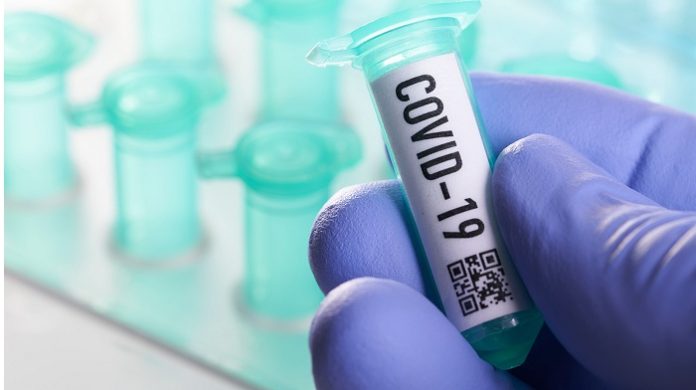
Todos Medical Announces First Commercial Sale of COVID-19 Antibody Tests

A research team of the Indian Institute of Technology (IIT), Hyderabad, has claimed to have developed a testing kit than can detect Covid-19 infection within 20 minutes.

The researchers claimed that the alternative test method is not based on the Reverse Transcription Polymerase Chain Reaction (RT-PCR) — the method currently used for Covid-19 testing, media reports said.

They said the testing would cost around Rs 550, which could get reduced to Rs 350 if produced in bulk.

The team has filed for a patent for the test kit and sent a model to ICMR for approval. The team has conducted clinical trials at ESIC Medical College and Hospital in Hyderabad and sought approval from the Indian Council for Medical Research (ICMR).

“We have developed a Covid-19 testing kit that can deliver results for symptomatic and asymptomatic patients in 20 minutes,” the team said to media.

The uniqueness of this test kit is that it functions sans the Reverse Transcription Polymerase Chain Reaction (RT-PCR),” Shiv Govind Singh, professor at IIT-Hyderabad’s Electrical Engineering department, told PTI.

“The low-cost test kit is easy to carry and tests can be done at point of care. The testing method used is an alternative to the currently used method. We identified a unique sequence of conserved regions of Covid-19 genome,” Singh, who led the three-member team, said.

IIT-Hyderabad is the second academic institution in the country after IIT-Delhi to come up with a testing kit for novel coronavirus.

IIT-Delhi has already obtained the ICMR’s approval for a real-time PCR-based diagnostic assay.

It had claimed that the current testing methods were “probe-based” while the one developed by its students was a “probe-free” method, which reduces the testing cost without compromising accuracy.


FDA Approves Abiomed’s First-in-Human Trial of Impella ECP, World’s Smallest Heart Pump

FDA Approves Abiomed's First-in-Human Trial of Impella ECP, World's Smallest Heart Pump

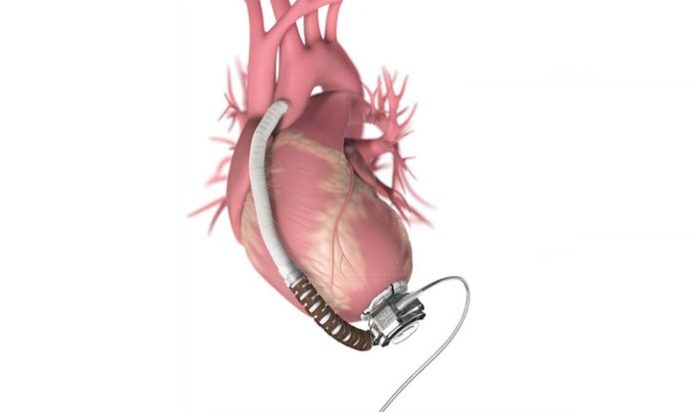
Abiomed announces the United States FDA has approved the company’s investigational device exemption application to start an early feasibility study with a first-in-human trial of the 9 French (Fr) Impella ECP™ heart pump. Impella ECP, which stands for expandable cardiac power, will be studied in high-risk percutaneous coronary intervention (PCI) patients.

Impella ECP is the world’s smallest heart pump. It achieves peak flows greater than 3.5 L/min and is delivered through a slender-profile sheath. It is un-sheathed in the descending aorta and expands to approximately 18 Fr. Using a specially designed pigtail, it crosses the aortic valve without a wire, and pumps from inside the ventricle. When the procedure is complete, the pump is re-sheathed back down to 9 Fr and removed with that same profile.

A unique design feature of Impella ECP is that it sits across the valve with a soft atraumatic polyurethane cannula that opens only when the pump is flowing. If the pump stops for any reason, this cannula relaxes allowing the valve leaflets to close around it, maintaining valve competency. Impella ECP is intended for short-term mechanical support in patients undergoing a high-risk PCI, to provide both circulatory support and left ventricular unloading.

For interventional cardiologists, vascular access and closure are critical to the success of PCI procedures with mechanical circulatory support. Typically, these procedures require placement of sheaths or cannulas ranging from 13-24 Fr to perform the intervention. Impella ECP allows for a smaller access site, which may increase adoption.

“We are excited about the benefits of this new breakthrough technology, which advances the field of heart recovery,” said Michael R. Minogue, Abiomed’s Chairman, President, and Chief Executive Officer. “Abiomed is making significant investments to develop smaller, smarter, and more connected technology that forms the foundation of the company’s continued leadership in the field of mechanical circulatory support.”

The prospective, multi-center, non-randomized early feasibility study will allow Abiomed, the study investigators, and the FDA to make qualitative assessments about the safety and feasibility of Impella ECP use in high-risk patients. The primary endpoint of the study is successful delivery, initiation and maintenance of adequate hemodynamic support and a composite rate of major device-related adverse events during high-risk PCI. The study protocol will enroll and treat up to five U.S. patients who require revascularization. If successful, enrollment will be expanded to additional patients, pending FDA approval. Study investigators will begin patient enrollment later this calendar year for the first-in-human trial.

Impella ECP is available for investigational use only and is not approved for use outside of clinical studies.

ABOUT IMPELLA HEART PUMPS

The Impella 2.5® and Impella CP® devices are U.S. FDA PMA approved to treat certain advanced heart failure patients undergoing elective and urgent percutaneous coronary interventions (PCI) such as stenting or balloon angioplasty, to re-open blocked coronary arteries. The Impella 2.5, Impella CP, Impella CP with SmartAssist®, Impella 5.0®, Impella LD®, and Impella 5.5™ with Smart Assist® are U.S. FDA approved heart pumps used to treat heart attack or cardiomyopathy patients in cardiogenic shock, and have the unique ability to enable native heart recovery, allowing patients to return home with their own heart. The Impella RP® is U.S. FDA approved to treat right heart failure or decompensation following left ventricular assist device implantation, myocardial infarction, heart transplant, open-heart surgery. The Impella RP is also authorized for emergency use by healthcare providers (HCP) in the hospital setting for providing temporary right ventricular support for up to 14 days in critical care patients with a body surface area ≥1.5 m2, for the treatment of acute right heart failure or decompensation caused by complications related to Coronavirus Disease 2019 (COVID?19), including pulmonary embolism (PE). The Impella RP has neither been cleared or approved for the treatment of acute right heart failure or decompensation caused by complications related to COVID-19. The Impella RP has been authorized for the above emergency use by FDA under an EUA and has been authorized only for the duration of the declaration that circumstances exist justifying the authorization of the emergency use of medical devices under section 564(b)(1) of the Act, 21 U.S.C. § 360bbb-3(b)(1), unless the authorization is terminated or revoked sooner.

In Europe, the Impella 2.5, Impella CP and Impella CP with SmartAssist are CE marked for treatment of high-risk PCI and AMI cardiogenic shock patients for up to 5 days. Impella 5.0 and Impella LD are CE marked to treat heart attack or cardiomyopathy patients in cardiogenic shock for up to 10 days. The Impella 5.5™ with Smart Assist® is CE marked to treat heart attack or cardiomyopathy patients in cardiogenic shock for up to 30 days. The Impella RP is CE marked to treat right heart failure or decompensation following left ventricular assist device implantation, myocardial infarction, heart transplant, open-heart surgery, or refractory ventricular arrhythmia.

To learn more about the Impella platform of heart pumps, including their approved indications and important safety and risk information associated with the use of the devices, please visit www.impella.com.

ABOUT ABIOMED

Based in Danvers, Massachusetts, USA, Abiomed, Inc. is a leading provider of medical devices that provide circulatory support. Our products are designed to enable the heart to rest by improving blood flow and/or performing the pumping of the heart. For additional information, please visit: www.abiomed.com.

Abiomed, Impella, Impella 2.5, Impella 5.0, Impella 5.5, Impella LD, Impella CP, Impella RP, SmartAssist and Impella Connect are registered trademarks of Abiomed, Inc., and are registered in the U.S. and certain foreign countries. Impella BTR, Impella ECP, CVAD Study and STEMI DTU Study are pending trademarks of Abiomed, Inc.

Beacon Healthcare Systems Unveils New Appeals and Grievances Product for Small to Midsize Health Plans

Beacon Healthcare Systems Unveils New Appeals and Grievances Product for Small to Midsize Health Plans

Beacon Healthcare Systems announced the introduction of a new appeals and grievances product designed expressly for small to midsize health plans and other managed care organizations. Concurrently, Beacon announced that this new product—named “VAM Out of the Box”—will launch initially at HealthTeam Advantage, a North Carolina-based Medicare Advantage health plan.

Beacon is home to the healthcare industry’s leading compliance, appeals and risk management technologies. Among its core products is its Virtual Appeals Manager (VAM), the industry’s most intuitive and easy-to-use appeals and grievances tool. VAM is a highly configurable, automated solution that can be implemented in record time and provides unparalleled control and transparency of cases from intake to review while reducing a massive amount of health plan letters into a manageable and efficient core of templates. VAM has also been shown to improve star ratings, resulting in financial rewards from the Centers for Medicare & Medicaid Services to health plans.

“VAM Out of the Box” incorporates all of VAM’s best practice workflows, reporting and letters into an easy-to-implement, lower-cost solution ideally suited for the needs of small to medium-sized plans. Similar to its highly acclaimed VAM product, “VAM Out of the Box” was designed by health plan compliance and operational experts and meets all compliance and operational requirements.

“After seven years of working with plans of all sizes across the country, we are excited to launch this new product with HealthTeam Advantage who will make great partners in this effort,” said Beacon CEO Ken Stockman. “Together we’ll be able to leverage the best of what we’ve learned through the years in ways that help HealthTeam Advantage enhance their efficiencies and serve their members even better.”

HealthTeam Advantage is a health insurance company founded in 2016 in Greensboro, North Carolina. HTA offers Medicare Advantage plans to eligible Medicare beneficiaries in certain counties in North Carolina and is committed to the health and well-being of its members and communities. HTA offers medical and prescription drug benefits, dental, vision, hearing as well as personalized customer service.

“From the first time I saw the VAM product in action at a conference last year, I was in awe,” said Bethany Carter, director of operations, provider services and claims at HealthTeam Advantage. “When it came time for our organization to look for a platform to support our growing needs, Beacon immediately came to mind. When we saw the personal demonstration in January, we were hooked; and now that we are in the midst of implementation, we are beyond excited.”

Beacon Healthcare Systems is home to the healthcare industry’s leading compliance, appeals and risk management technologies, providing health plans of all sizes and sponsorships with customizable and scalable SaaS (Service as a Software) solutions that ensure accountability, accuracy and operational efficiency. With a focus on appeals, grievances, compliance and analytics, Beacon HCS is the first place health plans turn to when they are looking for a trusted, experienced partner who can help them reduce costs, grow revenue and achieve their strategic goals. Founded in 2011, Beacon HCS is a privately held California-based company with a technology center located in Austin, Texas.

Translate »