Close
Digital Health & Ai Innovation summit 2026
Medical Taiwan 2026

Memorial Health System Expands Telehealth With Convenient Online Platform During COVID-19 Pandemic

Porter expands telehealth services to ensure safety of patient and health care providers

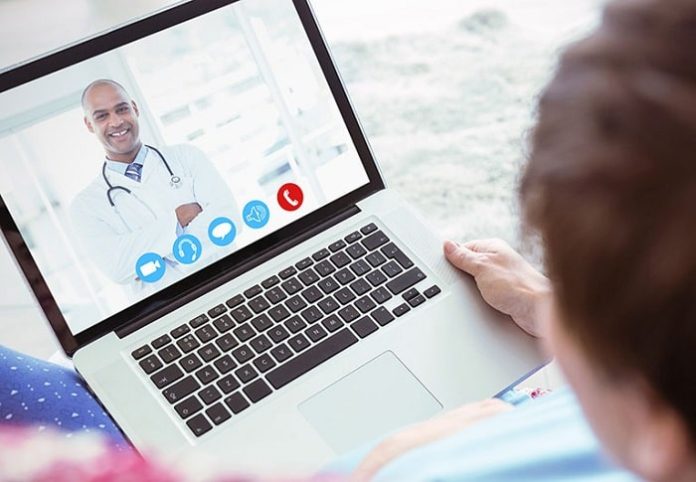
Memorial Health System has launched a major expansion of telehealth to provide safe and convenient outpatient services when an in-person visit isn’t required.

Two-way, real-time video visits, which began on a limited basis in April, are available for patients of Memorial Physician Services, Decatur Memorial Hospital Medical Group, Memorial Weight Loss & Wellness Center and other Memorial outpatient programs, including home hospice.

Patients can arrange a telehealth visit by calling their provider’s office to see whether the service is appropriate for their care needs. Visits are conducted via Microsoft Teams, an online platform that complies with the federal Health Insurance Portability and Accountability Act.

“This is an easy way to connect with your care provider,” said Travis Dowell, president and chief executive officer of Memorial Physician Services.

Added Dr. Ashish John, a Memorial pediatrician: “It’s been a pretty big success so far. Parents and patients have been highly appreciative.”

Memorial’s telehealth visits, conducted with webcam-equipped home computers and apps on smartphones and tablets, allow patients to resume regular visits with providers while promoting social distancing and reducing the potential spread of COVID-19.

Memorial has offered a different form of telehealth visits since 2017 through MemorialNow. The service is available 24 hours a day and involves nurse practitioners interacting with patients via two-way messaging to treat symptoms such as coughs, colds, sore throats and skin rashes.

The health system’s expansion into real-time video visits with physician offices is part of a nationwide trend that has been building for years because of advances in technology and has accelerated during the COVID-19 pandemic, Dowell said.

“COVID-19 basically has forced everybody to go down this path faster,” he said. “This is a safe way to get great care.”

Video visits are covered by health insurance with the same co-pays and out-of-pocket expenses as in-person visits. The visits began in April and were offered first to patients of Memorial psychiatrists, then patients of pediatricians. Video visits now are offered to patients throughout Memorial’s ambulatory care network, Dowell said.

Dr. Abigail Buoy, a psychiatrist at Memorial Physician Services-Vine Street, said she and her colleagues welcomed the option of video visits. “We knew our patients were going to need even more care during this stressful time,” she said.

Rebekah Ibisch, 29, a preschool teacher living in Murphysboro, said her video visit with Buoy in Springfield “went just as well as if I had been there.”

Bureau Veritas Appoints Cleveland Clinic as Medical Advisor

Bureau Veritas Appoints Cleveland Clinic as  Medical Advisor

Bureau Veritas, a world leader in testing, inspection, and certification (TIC) services announced Cleveland Clinic will serve as their Chief Medical Director for its “Restart your Business with BV” program that includes operation continuity audits, laboratory hygiene testing, safety protocol audits, and more. Cleveland Clinic’s innovative Medical Director Program will ensure Bureau Veritas is able to leverage the strategic insight, advice and recommendations of the world’s leading medical community to develop protocols, guidelines and standards that help businesses restart their operations safely and meet appropriate health, safety and hygiene requirements.

 Natalia Shuman, Executive Vice President and CEO Bureau Veritas North America, commented:

“As we look to the weeks ahead, and strategic plans to reopen businesses are deployed, Bureau Veritas feels a strong sense of responsibility to support the health, safety and hygiene procedures for our clients and communities. Our work with Cleveland Clinic confirms Bureau Veritas’ commitment to deploy a hygiene and health safety certification program that’s built on a foundation of excellence, and science-based evidence. Together, we can help businesses both restart safely and build confidence with employees, customers and our communities across North America.”

Bringing the best of Cleveland Clinic to support Bureau Veritas as Chief Medical Director, Cleveland Clinic will provide access to leading healthcare expertise including guidance on:

  • Infectious exposure and toxicology
  • Crisis and organizational risk management
  • Medical contingency plans and process development
  • Pandemic and infrastructure response planning and prevention

Cleveland Clinic’s Medical Director Program was born in Canada for companies and is supported by Cleveland Clinic Canada’s experienced leadership team, which includes Mike Kessel, President and CEO of Cleveland Clinic Canada.

“It is critical that we deploy strategies to mitigate the epidemiological spread of COVID-19 in our communities, particularly as businesses begin to reopen their operations. Cleveland Clinic is proud to support Bureau Veritas as a Chief Medical Director. Our extensive experience in Medical Directorship Programs, health policy and skilled emergency management, in combination with Bureau Veritas’ 192 year legacy in providing testing, inspection and certification services means we can continue to work holistically as “one global society” to fight the pandemic together.”

 “Restart your Business with BV”

The Safe Guard Hygiene Excellence Label is a suite of services offered through Bureau Veritas’ “Restart Your Business with BV” program. As an independent third-party partner, Bureau Veritas provides laboratory hygiene testing, hygiene and safety protocol audits, e-training programs, and continued monitoring of safety protocols to ensure businesses restart operations safely. In addition to the support of the Cleveland Clinic, protocols, standards and guidelines will continue to be developed in partnership with leading epidemiologist as well as members of the scientific community and in compliance with local government agencies across North America. The hygiene excellence program supports the restart efforts for all places where people live, travel and work including construction sites and factories, to offices, schools, hotels, restaurants, transportation hubs, shops and public facilities. Companies who adhere to the criteria are eligible to receive Bureau Veritas’ Safe Guard Hygiene Excellence Label.

About Bureau Veritas

Bureau Veritas is a world-leading provider in testing, inspection and certification. Created in 1828, the Group has more than 78,000 employees located in more than 1,500 offices and laboratories around the globe. Bureau Veritas helps its clients to improve their performance by offering services and innovative solutions in order to ensure that their assets, products, infrastructure and processes meet standards and regulations in terms of quality, health and safety, environmental protection and social responsibility.

Bureau Veritas is listed on Euronext Paris and belongs to the Next 20 index.


Taproot Health Expands First-of-Its-Kind Oncology Database and Research Marketplace

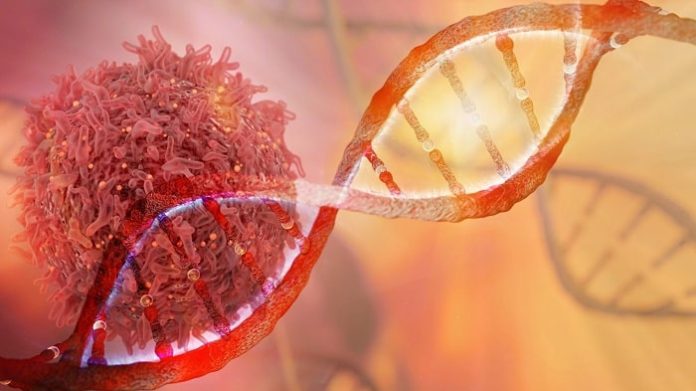
Taproot Health announced that it had taken the next step in expanding its first-of-its-kind transparent data marketplace for cancer research. A data-as-a-service enterprise that unites all oncology stakeholders, Taproot’s unique model is now stepping up the enrollment of oncologists, with the goal of enrolling patients by the third quarter of 2020.

“Every day, 1600 Americans die from cancer. The challenge of this disease is too big a problem for any one group to solve,” says company Founder and CEO, Dane Dickson, M.D. “The lack of access to comprehensive real-world data hinders efforts to treat patients with new treatments, creates obstacles for research and testing, and halts the use of precision medicine. That is why we developed this unique approach: prospectively collect regulatory-grade oncology data at the point of care and generate the highest research value for real-world clinical evidence. With the Taproot research marketplace, all stakeholders—from oncologists to patients to pharmaceutical companies to academics—will benefit.”

Taproot introduced ROOT™, a novel Master Observational Trial, earlier this year in a peer-reviewed publication, along with three initial NCI cancer centers that will participate in the data collection effort. ROOT is the vehicle that enables patients and clinicians to identify, collect, and share real-time, real-world cancer data.

Taproot collects patient-consented, regulatory-grade data from late-stage cancer patients across the nation into a single, comprehensive database of real-time patient testing, treatment, experience, and matched outcomes data. Taproot will then allow access to this information through its research marketplace. These insights will help to advance precision medicine and accelerate patient access to novel testing and new cancer therapies considerably faster than the 10-15 years it currently takes.

“Every piece of patient data is valuable for research, but only when that data is well-defined and when we know what questions to ask,” said Rebecca Owens, President and Co-Founder of Taproot. “Furthermore, how that data is combined is omnipotent. Through our 20 years of experience in cancer diagnostics and oncology, we have developed a comprehensive plan for collecting data at the point of care and transparently making it accessible. Taproot will unite the oncology community to actualize precision medicine and make personalized medicine a reality.”

In addition to improving real-world data collection methods, Taproot’s approach is unique in the industry in four other ways.

Helps get more patients tested by genomic sequencing. Taproot helps clinics identify patients who can benefit from existing targeted therapies, qualify for novel clinical trials, or be candidates for further biomarker testing.

Combines patient data with research-grade clinical data from oncologists. Taproot brings the ability to collect real-world, real-time observational data and combine it with research-grade clinical data from practicing oncologists. It’s the ability to combine patient and clinical data that makes Taproot’s database so valuable to all oncology stakeholders.

Includes a scientific framework that enables world-class research—the ROOT database. The adaptability and modularity of ROOT allow the advancement of projects in drug discovery, molecular testing, and AI/machine learning. It also serves as a gateway to more detailed observational studies or interventional trials. The ROOT dataset can be used as a benchmark to validate other real-world data efforts, both retrospectively and prospectively.

Captures data from cancer patients cared for by both community and academic oncologists. More than 80 percent of cancer patients are cared for in community-based clinics. It has been historically difficult for oncologists to participate in trials because of the administrative cost and time constraints. Taproot partners with oncologists and shares revenue to offset these barriers to participation. Through streamlined methods and a partnership model, Taproot enables both community clinics and academic centers to collect the most valuable, regulatory-grade data needed to accelerate cancer research.

Taproot’s publication on the MOT validated a novel scientific framework for the broad collection of real-world data that is necessary to generate real-world evidence to fight cancer. Through this publication, commitment of oncology clinics, and expansion of oncologist recruitment, Taproot is well on its way to meeting its objectives.

About Taproot Health

Taproot Health is uniting all oncology stakeholders in launching the National Oncology Master Observational Trial, clinical network and database to establish the “gold standard” of real-world oncology data. Co-founded by oncology veterans who have committed their careers to solving gaps in cancer care delivery, Taproot is changing the game by working with patients and medical providers to contribute much-needed—and never before available—observational data. This one-of-a-kind real-world registry of de-identified patient data is transparent and accessible by all. The data can be analyzed to gain new insights about which therapy is the best option for particular patients—actualizing the power of precision medicine.

Carrum Health Expands into Texas Through Collaboration with Tenet Healthcare and Northeast Baptist Hospital

Carrum Health Expands into Texas Through Collaboration with Tenet Healthcare and Northeast Baptist Hospital

Carrum Health, the first cloud-based platform connecting employers and employees with Centers of Excellence (COEs) for surgical procedures, announced a new collaboration with Tenet Healthcare’s Northeast Baptist Hospital in San Antonio, Texas. This agreement is the latest milestone in Carrum Health’s national expansion, making it easier for self-insured employers to lower healthcare costs for employees while also working with providers to improve patient outcomes.

The COVID-19 pandemic put a temporary halt on elective surgeries, and as state restrictions are lifted, local health systems are rescheduling much needed surgeries that had been deferred. Through this collaboration, Carrum Health will work with Northeast Baptist, their physicians and patients, to reschedule procedures in accordance with strict safety guidelines. Northeast Baptist, which is a designated COE, has certified to the State of Texas that it meets all requirements to resume scheduled procedures.

Carrum Health’s technology-powered platform helps employers avoid variation in cost and guide patients to the most appropriate care options. This agreement with Tenet makes it easier to provide patients high quality, more affordable care. Carrum’s existing customers across the country – many of whom have employees living and working in Texas, New Mexico, Oklahoma, and Louisiana – can now receive world-class bariatric and hip or knee replacement surgeries at Northeast Baptist for little to no out-of-pocket costs.

“We started Carrum Health to change how we pay for and experience healthcare. We exist to move the system away from the inefficient and wasteful fee-for-service model and toward one that focuses on value,” said Sach Jain, Founder and CEO at Carrum Health. The COVID-19 pandemic has only amplified how important it is for us to push for better health outcomes and appropriate costs. We’re thrilled and lucky to be able to work with leaders like Tenet Healthcare and Northeast Baptist Hospital who are paving the way for this all-important goal.

“Our collaboration with Carrum Health expands direct-to-employer offerings so we can offer high-quality and affordable healthcare to a larger population,” said Phillip Young, CEO at Northeast Baptist Hospital. “We are excited about bringing Northeast Baptist’s orthopedic and bariatric care to Carrum Health’s customers and their plan members in Texas and beyond.”

“We share Carrum Health’s commitment to enhance the patient experience, improve the quality of care and provide patients with multiple options for affordable care,” said Clint Hailey, Tenet’s Chief Managed Care Officer. “We look forward to serving Carrum’s customers through our large network of facilities that offers convenient access to excellent inpatient and outpatient services.”

CARMAT Announces the First Implantation of Its Total Artificial Heart in Denmark

CARMAT Announces the First Implantation of Its Total Artificial Heart in Denmark

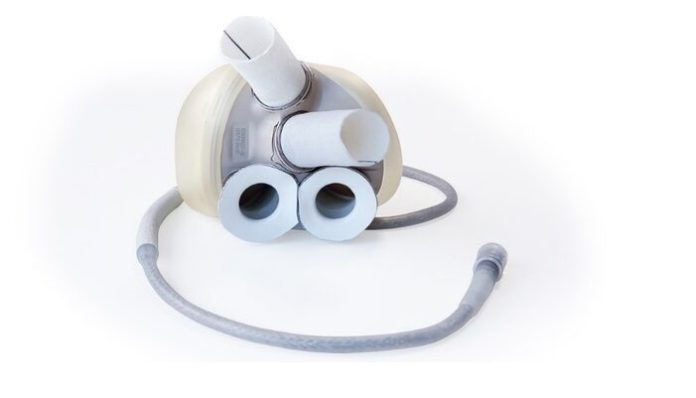
CARMAT , the designer and developer of the world’s most advanced total artificial heart, aiming to provide a therapeutic alternative for people suffering from end-stage biventricular heart failure, announces the first implantation of its bioprosthetic artificial heart in Denmark.

The implant procedure was performed by the team of Dr. Peter Skov Olsen, cardio-thoracic surgeon at the Heart Center of Rigshospitalet in Copenhagen. It is the first Danish hospital to implant the CARMAT total artificial heart and the third international medical center contributing to the PIVOTAL study, together with the Institute for Clinical and Experimental Medicine (IKEM) in Prague, Czech Republic, and the National Research Center for Cardiac Surgery in Nur-Sultan, Kazakhstan.

Finn Gustafsson, MD, PhD, Professor of Advanced Heart Failure and Transplantation at the Heart Center and principal investigator of the study, comments: “We are excited to gain clinical experience with the CARMAT artificial heart and to contribute to the PIVOTAL study. With its hemocompatibility, autoregulation and silent operation, the CARMAT TAH could become a real alternative treatment to heart transplantation for patients suffering from end-stage heart-failure.”

Stéphane Piat, Chief Executive Officer of CARMAT, adds: “Rigshospitalet has developed a strong expertise in treating advanced heart failure and has participated in front-line clinical studies with innovative medical therapies and devices in this field. I am delighted that such an internationally recognized site becomes the third international center to implant our device. With the recent release of certain COVID-19 pandemic-related restrictions, CARMAT’s teams and proctors were able to prepare and participate in the surgical procedure and early post-operative follow up. To date, 13 patients have received our device in the PIVOTAL study and, subject to the progressive ramp-up in recruitments across our three active study centers, we estimate that 4-5 months are needed to complete enrollment and reach the total of 20 patients.”

In accordance with good clinical practice and subject to regulatory obligations or specific circumstances, CARMAT will not provide individual updates on patients’ implantations or their health condition. However, it is planning to communicate when major milestones in the PIVOTAL study are reached, such as the opening of new centers and the overall progression of patient recruitment.

About CARMAT: the world’s most advanced total artificial heart project

A credible response to end-stage heart failure: CARMAT aims to eventually provide a response to a major public health issue associated with heart disease, the world’s leading cause of death: chronic and acute heart failure. By pursuing the development of its total artificial heart, composed of the implantable bioprosthesis and its portable external power supply system to which it is connected, CARMAT intends to overcome the well-known shortfall in heart transplants for the tens of thousands of people suffering from irreversible end-stage heart failure, the most seriously affected of the 20 million patients with this progressive disease in Europe and the United States.

The result of combining two types of unique expertise: the medical expertise of Professor Carpentier, known throughout the world for inventing Carpentier-Edwards® heart valves, which are the most used in the world, and the technological expertise of Airbus Group, world aerospace leader.

The first physiological artificial heart: given its size, the use of highly biocompatible materials, its unique self-regulation system and its pulsatile nature, the CARMAT total artificial heart could, assuming the clinical trials are successful, potentially save the lives of thousands of patients each year with no risk of rejection and with a good quality of life.

A project leader acknowledged at a European level: with the backing of the European Commission, CARMAT has been granted the largest subsidy ever given to an SME by Bpifrance; a total of €33 million.

Strongly committed, prestigious founders and shareholders: Matra Défense SAS (subsidiary of the Airbus Group), Professor Alain Carpentier, the Centre Chirurgical Marie Lannelongue, Truffle Capital, a leading European venture capital firm, ALIAD (Air Liquide’s venture capital investor), CorNovum (an investment holding company held 50-50 by Bpifrance and the French State), the family offices of Pierre Bastid (Lohas), of Dr. Antonino Ligresti (Santé Holdings S.R.L.), of the Gaspard family (Corely Belgium SPRL and Bratya SPRL) and of M. Pierre-Edouard Stérin (BAD 21 SPRL), Groupe Therabel as well as the thousands of institutional and individual shareholders who have placed their trust in CARMAT.

SWORD Health launches remote pulmonary rehabilitation to help COVID-19 survivors breathe easy again

SWORD Health launches remote pulmonary rehabilitation to help COVID-19 survivors breathe easy again

SWORD Health, a digital therapy provider, launched a remote pulmonary rehabilitation program to meet the urgent need for and significant shortage of rehabilitation programs for COVID-19 patients. The program is the first of its kind in the US, pairing physical therapists with medical-grade and wearable technology so patients can make a full recovery from the comfort and safety of their homes.

For COVID-19 patients, the battle to breathe again doesn’t end when they are well enough to leave the hospital. Many of those who develop moderate to severe symptoms of COVID-19 will need to continue rehabilitation after they are discharged or risk developing chronic lung issues that can significantly impair their quality of life and ability to return to work. Pulmonary rehabilitation is effective in improving the physical function, quality of life, mental health and vitality of these patients, but it remains largely inaccessible and expensive in the U.S. today, with risks of contagion worsening what was already a difficult-to-access treatment.

“We take breathing for granted – but when you can’t breathe well, you can’t live well,” said Virgílio Bento, Founder and CEO of SWORD Health. Everyone who suffered from COVID-19 deserves a full recovery, especially those putting themselves at risk to save lives and keep our cities going. We want to help people put COVID-19 behind them and get their lives back.”

To help COVID-19 survivors breathe easily again, SWORD Health accelerated development of its fully-remote pulmonary rehabilitation program and made it immediately available to businesses whose employees need it. The program extends SWORD’s highly effective musculoskeletal therapy solution for back, joint and muscle pain, which has been found to be 30% more effective, with higher retention rates (54% more) than in-person therapy – adding blood oxygen and heart rate monitors to ensure pulmonary patients can progress safely through their recovery at home without putting others at risk. Treatment is highly personalized by SWORD physical therapists for each of their patients, and is based on the gold standard defined by the American Thoracic Society: exercise training, education, and behavior change.

“The need for pulmonary rehab is already significant, and it’s growing with the COVID-19 pandemic,” said Fernando Correia, SWORD Health Chief Medical Officer. “With this new program, physical therapists will be able to provide immediate, clinical grade care to more patients, without burdening our essential workers with extra health and financial costs.”

SWORD’s full digital therapy program is available to all U.S. employers and health plans, and will be offered to essential businesses at no cost for their employees.


4DMedical’s Lung Imaging Technology Receives FDA Clearance as COVID-19 Intensifies Global Focus on Respiratory Health

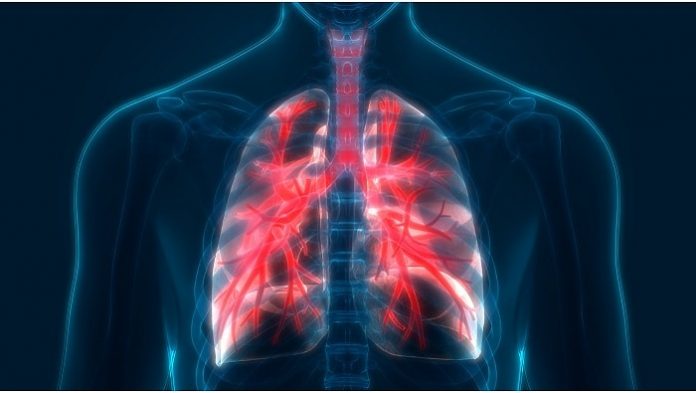
4DMedical, an Australian medical technology company specializing in medical imaging innovation software, announced it has received clearance from the U.S. FDA to market its XV Technology™, a patented four-dimensional lung imaging process that rapidly and automatically analyses any functional lung impairment from a single X-ray. 4DMedical’s U.S. operations are based in Woodland Hills, California.

“Our XV Technology™ is a valuable new respiratory diagnostic tool,” said 4DMedical founder and CEO, Andreas Fouras, Ph.D. It provides critical information about the functional and structural state of a patient’s lungs in the treatment of illnesses such as COVID-19, asthma, chronic obstructive pulmonary disease, cystic fibrosis and lung cancer.

The clearance comes at a time when there has never been a greater focus on respiratory health around the world, as countries deal with the COVID-19 pandemic.

“FDA clearance means we can fast track our ‘go-to-market’ strategy to ensure hospitals and doctors in the United States have almost immediate access to our XV Technology™ Ventilation Reports,” added Fouras.

4DMedical’s XV Technology™ process is a software-as-a-service (SaaS) diagnostic tool, available through secure cloud subscription, and can be implemented immediately, utilizing existing hospital and clinical infrastructure with no capital expenditure or training required. Imaging departments simply electronically send an X-ray (using existing fluoroscopy equipment) to 4DMedical.

XV Technology™ is not intended to replace molecular tests as the primary diagnosis method for COVID-19; however, 4DMedical believes its ventilation reports will prove essential in providing quantitative support for diagnosis and follow up examinations for patients with, or recovering from COVID-19.

4DMedical software then rapidly and automatically analyzes and applies its proprietary algorithms to identify and quantify any functional impairment. The software generates a ventilation report and sends it to the hospital to enable clinicians to determine the most effective treatment course of action and allocation of finite hospital resources. The end-to-end process can be completed and a report generated within three hours.

4DMedical’s XV Technology is supported by 15 years of preclinical and clinical trials and ongoing collaborations with leading hospitals worldwide.

It has also been validated via an extensive vetting process as part of the Australian Government’s Medical Research Future Fund (MRFF) Frontier Health and Medical Research Program (including international scientific peer review) with the technology being awarded an MRFF Stage One Frontiers grant in 2019 and now being considered for a Stage Two grant.

“The clinical trials and peer reviews undertaken over the past 15 years in conjunction with the FDA’s 510(k) clearance provide a solid foundation for 4DMedical to obtain regulatory approval to offer its XV Technology™ in other geographic markets such as Australia, Europe and Asia,” said Fouras

Ground-breaking air disinfection system offers protection against COVID-19

Eschmann Technologies has launched a revolutionary air disinfection system developed by Novaerus to help protect dentists against the spread of airborne viruses such as COVID-19.

The portable air disinfection units, which could help thousands of UK dentists go back to work following the Government’s social distancing measures, use patented plasma technology to eradicate pathogens.

Novaerus reduces the amount of bioburden in the air, in turn reducing surface bacteria, infections and odours, making dental working environments much safer for clinicians and patients.

Air is drawn into the units by the internal fan, where contaminants are rapidly and safely destroyed at DNA level by an ultra-low energy plasma field generated by an internal coil. Healthy air, free of all contaminants, is then returned to the room.

The technology has been independently tested to reduce MS2 Bacteriophage, a surrogate for SARS-CoV-2 (COVID-19), by 99.99%. It is also proven to reduce other pathogens and airborne bacteria, including measles, influenza, C-diff, mould spores, dust mites, and pollen.

Although hand hygiene and surface disinfection are seen as the international gold standard for infection control in healthcare environments, the quality of the air that circulates within these places has long been overlooked.

This is especially relevant in dental practices, which were ranked the most damaging work environment to a person’s health by the Business Insider. Using data from the US Department of Labour’s database of occupational health risks, 6 of the top 7 spots were occupied by dental professions, including dentist, dental hygienist and dental lab technician.

Sean Brennan, UK Business Director at Eschmann Technologies explains: “Cleaning the air is a fundamental component of managing infectious outbreaks especially in dental practices, where the air circulating within the surgery will be heavily contaminated – a result of the aerosols created by the high-speed instruments used in routine treatment. COVID-19 has highlighted to the world that measures are urgently needed to minimise cross-infection and Novaerus provides this missing element.”

Developed and manufactured in Ireland by Irish based Novaerus, the air disinfection units are compliant with EU regulations.

The technology is available in three configurations – the largest takes in 900 cubic metres of air in an hour, the smallest 80 cubic metres. The units can be free-standing, or in the case of the two smaller units, wall-mounted or placed on any surface, and can be used in clinics, reception areas, bathrooms, and staff rooms to provide healthier, cleaner air.

Dental environments are frequently exposed to high levels of contaminated indoor air from aerosol generating procedures that are conducted daily. Ultrasonic scaling, tooth extractions, implant surgery, and root canals all generate pathogenic fusions of saliva, blood, plaque, tooth debris, and gum secretions, which all carry risks of contamination and infection. An increase in a variety of bacteria, viruses and fungi has been detected on surfaces and in the air following these procedures. Dental professionals are also at risk of infections transmitted from patients who may be carriers of viruses.

While personal protective equipment (PPE) is used for staff safety, less emphasis has been placed on improving and managing the ongoing air quality. Evidence suggests that proactive management of indoor air quality in dental workspaces should be a vital component of minimising airborne bioburden and infection risk.

Sean added: “The risk to human life as a result of this global pandemic has never been so stark. Novaerus employs a non-selective, rapid killing technology, offering a unique and safe solution to kill airborne viruses 24/7. We want to keep dentists and their patients safe and help them get back to work as quickly as possible.”

About Eschmann Technologies

Eschmann Technologies is a long established British medical device manufacturer that supply a wide range of products and services to clinical professionals worldwide, both direct and through a network of trusted distributors. Based in Lancing, West Sussex, the company specialises in dentistry products including decontamination, air filtration and instrument decontamination. Eschmann also employ 60 service engineers that cater for the needs of UK dentist practices. For over 190 years, Eschmann have recognised that people make the company who they are and are proud to offer the ‘Eschmann Experience’ to customers everywhere by continuing to invest in products, services and people.

15 Reasons Digital Signage is Important in a Hospital Setting

Digital Signage is Important in a Hospital Setting

Digital signage is a subsection of the electronic signage. Digital signage utilizes the advanced technologies like LED, LCD, e-paper and projection to show webpages, digital imagery, videos, weather information, restaurant menus or text information.

Digital signage in a hospital setting makes a whole difference for the patient experiencing stressful times. The interaction dynamics of digital signage also works in favor of employees, and the relationship between them and patients. Not to forget that digital signage attracts way more attention compared to traditional signs. Any communication that needs to be made can be communicated with the attention that digital signage attracts.

  1. Patient Information

During a long stay in the hospital, patients can easily miss important information they need. Nurses and doctors attend to several patients at a time during long stays, and it’s likely that humans become overwhelmed with information and as a result, they forget. Digital signage helps doctors and nurses, by constantly relaying messages that are required to be communicated to the patients. Communication that patients appreciate for instance includes shower times, visiting times, and mealtimes. Imagine how many patients might not know this information and get frustrated when nurses and doctors are unavailable and they need to ask this info? Experts in digital signage such as Omnially, are trained to make sure that patients remain engaged with the digital signage communication. The engaging style of communication keeps patients occupied and distracted from the stresses that come with hospital environments.

  1. Navigation

Figuring out where you are supposed to go to a hospital can be confusing, whether you are a patient or a visitor. Those who are regular, eventually navigate the space effortlessly. First-timers however, may get frustrated from trying to figure out where they wish to go. Digital signage draws more attention compared to print signage. It’ll be hard to miss the directions and signs to different hospital spaces. In this case, digital signage would’ve made a difference for the visitor who finds their loved one easily, and for the patient that needs to navigate the spaces for the duration of the stay.

  1. Safety Alerts

Spaces such as hospitals, need to have efficient safety alerts in position for any given situation that compromises the safety of everyone in the hospital. Unfortunate situations such as a fire, or external circumstances such as earth tremors and floods, can occur with people inside a hospital. Together with voice over alerts, digital signage makes sure that every person in the building is aware of the actions that needs to be taken. The presence of the digital signage presence means that updates regarding the situations are always available to the respective staff. There’s no risk of miscommunication and misinformation.

  1. Saves Time

Patients in the hospital are a priority to the staff on site. Emergencies may occur frequently and can’t be compromised because of absentee staff. Digital signage makes sure that hospital staff are busy attending to patients, rather than communication administration. Cued information on digital signage saves time and resources. Staff members work are at ease knowing, the messages that are to be conveyed, whether to patients or colleagues, are displayed timely. Meanwhile they can focus on matters concerning patients.

  1. Caregiver Information

Digital signage is a space that can cater to the caregivers who’ll be responsible after the patient has been discharged. Digital signage can include information such as how to dress a wound, how to clean a patient, how to change aiding machinery and the number of times medication should be administered. Educating caregivers in the hospital, rather than leaving this to the caregiver’s discretion, is a positive strategy of branding a hospital. This gives the message that the hospital cares for the patient beyond the premises of hospitals.

  1. Staff Training

Hospital staff members need constant guidance and training throughout their careers. Certain subject areas or topics don’t require meetings and training sessions. These can be communicated on digital signage. Signage can be stationed in staff eating rooms or restrooms. Employees that feel that their professional development is taken seriously, become loyal to the workplaces. As a result, turnover is low.

  1. Patient and Staff Appreciation

The beauty of digital signage is that you can tailor the message to suit your need and preference. A birthday message for an employee makes them feel appreciated in the workplace. A patient being discharged from a threatening illness can have a congratulatory message displayed on the digital signage. Such gestures leave a positive impact in a person’s day and as a result, the hospital is branded positively.

  1. Flexibility

Digital signage has the advantage of being able to change the communication displayed at any time. Perhaps, a sudden event occurred and the hospital feels it needs to spread the message across the board. A traditional billboard can’t be as flexible to make a sudden shift in communication. The flexibility to suit the day is an appreciated branding and client care advantage.

  1. Versatility

Digital signage can cater to a versatile target market. The messages displayed can be in different languages, tones and styles, depending on the target group at that particular moment. Paper or board signage is unable to cater to a wide audience in short time-frames. This risks the exclusion of certain groups of clienteles. However, through digital signage you can ensure that everybody receives the message intended to be circulated throughout the staff and patients.

  1. Lightens Up The Mood

Hospital spaces are described as dark and depressing. Of course, any space that signifies illness, deaths and uncertainties, isn’t a favorite spot for most of us. Digital signage however, can lighten up the mood with the number of creative ways. Messages can be displayed in the form of animation or accompanied by feel-good soft music. Small inclusions such as these, make a big difference in a hospital setting.

  1. Relevance

The fact that the information displayed on digital signage can be changed at any given moment, the communication displayed remains relevant. Traditional signage such as billboards can become quickly outdated. By the time the billboard is taken down, the target market would’ve moved on to more relevant information. Staying relevant in this fast-paced age of information is crucial for business survival and branding.

  1. Hospital Services Displayed

Digital signage in a hospital makes marketing of services offered by the hospital, more natural. Not every person who visits the hospital uses the services that day. Also, not all patients are aware of all the services that are provided by the hospital. Displaying the hospital’s services and admired work ethic will encourage people to seek future services with the hospital. The patient care provided has to go hand in hand with what is advertised on the digital signage. Having impressive digital signage but poor client care, won’t help the business and image aspects of the hospital.

  1. Cost-Effective

Digital signage is cost-effective because of the simple rolling out method of new material. Traditional marketing such as billboard signage means that the hospital has to pay for the billboard space every time it wishes to change the message to be displayed. Digital signage also provides a platform to communicate more messages that the hospital would’ve been able to display, on a single outdoor billboard.

  1. Emergency Callings

In the case where a staff member is required in an emergency but can’t be located, digital signage can help alerting them about the situation. The fact that digital signage attracts a lot of attention, the call to attention is readily made and appropriate actions are immediately put in place. Voice over callings and physically searching for the staff members in question, may waste the time in an emergency. Digital signage’s ability to alert several people at a glance makes for effective contingencies.

  1. Less Risk Of Damage

Billboards are known to be ruined due to extreme weather, vandalism and accidents. Digital signage is protected within the confinement of the hospital. The fact that the messages are displayed digitally implies that the message can’t be destroyed. Any digital problems that occur can be digitally fixed by a professional team, without taking down the whole message, as is the case of a billboard or paper signage.

Conclusion

Digital signage in a hospital setting is important for many reasons. The flexibility, relevance, safety, cost-effectiveness and customized communication, stand to place a hospital in a favorable position among clients. Employees also appreciate the constant update of information. Any information that concerns patients is valuable to the staff. Employees will also appreciate the ability to access the information that’ll help them improve their skills and mandates. The safety of digital signage from vandalism, weather damage and accidents, are all reasons why these are worth the investment.

Digital signage can make a huge difference for the hospital that provides efficient services. Moreover, it can help the hospital in making a lasting impression on both clients and staff members. Agencies that are experienced in providing these services, work together with hospitals to ensure the communication within the hospital runs smoothly for both staff and patient convenience. Hospitals should engage professional agencies equipped to install, program, assess and report the success of digital signage.

How To Manage Urological Problems At Home

How To Manage Urological Problems At Home

Urological problems are painful and can be life-threatening. These conditions need urgent medical intervention. Once you’ve been prescribed medicine, you’ll also get precautionary information depending on your urological condition. Precautions for urological problems may include catheter care at home, diet strategies and natural products to complement the prescribed medicine.

In this article, we’ve enumerated the ways to manage urological problems at home, as well as a rundown of what exactly urological problems are.

What Are Urological Problems?

Urological problems are experienced in different forms by various people. Urological problems can affect both males and females differently, as they differ in the anatomical structures.

  1. Prostate Cancer

Though the causes of prostate cancer are not clear, however it’s one of the most common cancers observed in males. Harbored in the prostate, it grows slowly and if left unattended, spreads rapidly in other parts of the body. Symptoms of prostate cancer include frequent urinating, decreased urinating pressure and blood in the semen. It’s important to research as much as one can regard prostate cancer, as it’s a popular type of cancer in men. Urological Research Foundation provides in-depth information regarding prostate cancer. When detected early, the chances of a successful process of treatment is high.

  1. Urinary Incontinence

This is the condition where one doesn’t have control over their bladder. Although people are embarrassed when faced with loss of bladder control, it’s a fairly common situation for most of the elderly. Causes of urinary incontinence include pregnancy due to weakened pelvic muscles, diabetes, enlarged prostate, old age and diseases such as Parkinson’s disease.

  1. Urinary Tract Infections

Urinary tract infections occur when bacteria or viruses attack the urinary tract. The result of this invasion by bacteria is an infection. One experiences pain when urinating, and urinates quite frequently. Doctors usually prescribe antibiotics in hopes that the infection will go away within 3 to 5 days.

  1. Uteral Stones

Uteral stones occur when kidney stones move into the urethra. The path, in which urine is supposed to flow, is as a result blocked, causing pain and inflammation. Depending on the severity of the condition, doctors prescribe medication, or in some cases, surgery.

Symptoms Of Urological Problems

Symptoms of urological problems include erectile dysfunction in men, pelvic and abdominal pains, frequent urinating, painful urinating, and blood in urine, bloating and infertility. If you experience any of these symptoms, be sure to contact a doctor skilled in the area or urological conditions.

These symptoms aren’t only indicative of urological problems. Hence, it’s important to avoid self-diagnosis, or receiving guidance and information from uncertified internet platforms. A doctor should always be the first point of contact when you begin to experience such symptoms.
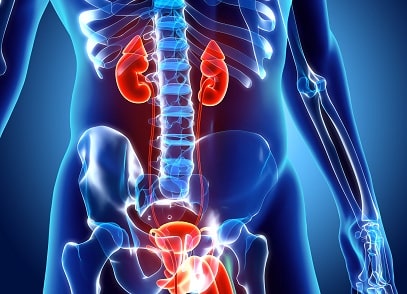
Now that we have explored the different ways urological problems can present themselves, let us take a look at how these can be managed at home.

  1. Catheter

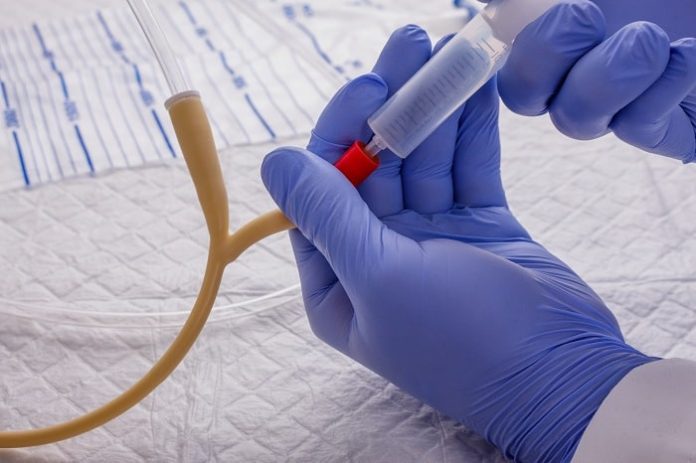
There are urological cases where one is unable to urinate in the bathroom. Take, for instance, a prostate cancer patient who has undergone surgery. After being discharged from the hospital, the patient and the caretaker have to receive training regarding the working and usage of a catheter, without risking damage and infections. It’s essential to get training from professionals and not from random information on the internet. Doctors are knowledgeable in the processes, and inform you when you need to call the doctor during the processes of using the catheter at home. Extreme care needs to be taken when using a catheter at home to avoid infection. Once the patient gets an infection from a mishandling of the catheter, damaging the ripple effects of this will be experienced. Not only are such mistakes costly, but life threatening as well.

  1. Diet

When facing urological problems at home, you have to be mindful of the food that you intake. You must avoid foods that cause inflammation. Fruits, vegetables and water have to be the main foods in your diet because of the nutrients that are required to restore your urinary processes. Non-vegetarian foods may cause more harm than aid in such health situations. The methods of cooking also have to be in line with the healthy eating strategy. Deep fat fried foods and added sugars to the foods that you are supposed to take, is counter-productive to the healing process.

  1. Prescribed Medicines

Doctors will prescribe medicines that have to be taken according to the times that are stated. Skipping the times that are meant for the taking of medicines, will make the patient experience excruciating pain. Skipping medicine also slows down the process of healing.

  1. Exercise

When going through physical pain and ailments, it is tempting to spend the day in bed. Light exercises are encouraged to get the blood flowing and prevent blood clots. Your doctor advises about the kind of exercises and duration of your workout, depending on the urological problem that you might be experiencing. Be sure that you don’t over-exert yourself, as this causes more pain.

  1. Rest

Your doctor might recommend bed rest to you. Rest is needed for your body to recover and regenerate. If you’re too physically active during the process where your body is supposed to be healing, the process is prolonged. You might damage yourself even more than before, placing yourself at a worse health risk. Take that time to try and enjoy the much needed sleep that you need.

  1. Call Your Doctor

When you’re managing urological problems at home, you must have your doctor on speed dial. Your doctor would have informed you that you must call him or her when certain symptoms occur. If the pain continues to be excruciating, or you begin to see a lot of blood passed through the catheter, you must not stay silent in your home. Such symptoms may be indicative of other underlying health problems, or be a sign that the urological system is worsening. Your doctor can advise on the next steps to take, once you have contacted him or her.

  1. CBD Oil

CBD is a natural remedy that’s appreciated for its possible healing properties. Its anti-inflammatory properties can reduce the aches and pains that are experienced when facing urological problems. CBD also has relaxing properties that are sought for when experiencing discomfort throughout long periods. CBD doesn’t contain the TCH psychoactive component, though it may have calming and soothing effects. You might be able to sleep peacefully as a result, and wake up feeling better than the prior day.

CBD oil can be taken in many different forms to alleviate the pains that come with urological problems. You can take CBD in form of pills, droplets and lotion cream to massage on the paining areas of the body. You can also purchase products, infused with CBD such as beverages and gummies.

There’s currently no official recommended dosage of CBD oil. It’s therefore important to speak to the doctor who’s tackling your urological problems, before including CBD oil in your healing process. Your doctor is able to diagnose you and recommend the correct dosage and time for taking CBD oil. It is also important to research the types of CBD oil products that are available and the possible side effects. Your doctor can discuss all this information with you. CBD oil is not to be used as a replacement for medication regarding urological problems. It is simply a natural remedy that may complement medical advice and treatment.

Conclusion

There are different kinds of urological problems that must be tackled in the early stages, before these become life threatening. These include prostate cancer, urinary tract infections, uteral stones and urinary incontinence. Different symptoms are associated with the various urological conditions. Therefore, a specialized doctor qualified in this field, needs to be contacted. Once the medical processes for healing starts with the doctor, the patient and the care giver have to carry on the care and precautions at home. Care at home may include the use of a catheter, an intentional diet, exercise, and natural remedies that can alleviate pain, inflammation and discomfort. It is important not to replace medical intervention with natural remedies in conditions such as these that may be life threatening. Natural supplements such as CBD don’t have officially recommended dosages required for the treatment of these conditions. Patients also respond to natural remedies differently from each other. Hence, it’s advisable to start by taking small test dose and see how your body responds to it. Some may suffer from side effects, which serves to hinder the process of healing which is the ultimate goal. It’s important to remain in contact with your doctor when you are managing urological problems at home. You’re also encouraged to journal the progress or lack there-of, so that your doctor can map the way forward regarding your condition. Your doctor will make sure that you’re equipped to overcome urological problems at home and possibly enjoy a clean bill of health.

Have you ever experienced urological problems? How have you been coping and managing this issue at home? Let us know in the comments below.


Translate »