










Close
Digital Health & Ai Innovation summit 2026
Medical Taiwan 2026

EKF secures COVID-19 novel sample collection kit manufacturing and supply contracts

EKF secures COVID-19 novel sample collection kit manufacturing and supply contracts

EKF Diagnostics, the global in vitro diagnostics company, announces it has secured new contracts for the manufacture and supply of a novel, patented sample collection device which allows COVID-19 samples to be rapidly inactivated in the collection tube, avoiding contamination and preserving RNA without need for refrigeration. To support the increase in COVID-19 testing globally, a safe and easy sample collection and transport mechanism is essential, this is provided by the PrimeStoreยฎ MTM sample collection device.

EKF is a contract manufacturer and supplier for the PrimeStore MTM, which is an FDA-cleared and CE-marked microbial nucleic acid storage and stabilization device, owned and created by Longhorn Vaccines and Diagnostics LLC (Bethesda, Maryland, US). PrimeStore MTM deactivates viruses, bacteria, fungi and mycobacterium tuberculosis allowing safe sample handling and transport, and eliminating the risk of infection during transport and in laboratories. In addition to removing the need for cold chain storage of samples, RNA and DNA are perfectly preserved ready for safe testing immediately on arrival at a laboratory and without need for containment. COVID-19 has led to a significant increase in global demand for this unique device, which is the only FDA Class II cleared device for microbial nucleic acid storage and stabilization (RNA and DNA) available for the safe transportation of samples which may contain viruses.

In addition to more than doubling its current manufacturing capacity of this device in the US on behalf of Longhorn, EKF has now rapidly repurposed its European manufacturing facilities in Cardiff, UK, and soon Germany. This substantial increase in manufacturing capacity is to meet not only new US orders, but also new European supply contracts for PrimeStore MTM; including an agreement with Source BioScience UK Ltd to be used for its growing COVID-19 testing service.

Source BioScience provides ISO:15189 laboratory testing services for the NHS and private healthcare. It is working with a number of businesses to provide them with COVID-19 testing services for their staff to enable them to bring back those who may be self-isolating due to concerns over infection, or that of a family member. Being able to use the PrimeStore MTM transport media allows a significant benefit of removing the cold chain transportation that is a necessary protocol for other transport media.

โ€œWe are delighted to supply Longhornโ€™s PrimeStore MTM collection kits to Source BioScience, a well-established provider of testing services to the NHS. These collection kits will ensure that COVID-19 samples can be handled and transported without expensive refrigeration or fear of contamination,โ€ said Julian Baines, CEO of EKF Diagnostics. โ€œThis is a key part of the testing supply chain which can underpin the safe and rapid increase of testing capacity. In addition to the US, we will continue to ramp up our production capacity here in the UK and in Europe to meet increasing demand and support efforts to limit the spread of Coronavirus globally.โ€

Jay LeCoque, Chairman and CEO of Source BioScience, added, โ€œWe are very encouraged with this partnership and significant development from EKF, which allows the removal of cold chain transportation, making logistics of samples less expensive and more available to the many hospitals and businesses needing to regularly test key workers and staff. This dramatically expands the reach of COVID-19 testing services to a larger population and will support a faster economic recovery.โ€

PrimeStore MTM was invented and patented by Longhorn Vaccines and Diagnostics LLC in 2006 in preparation for a worldwide pandemic and has already been used in testing for many infectious diseases and high consequence pathogens including influenza, RSV, TB, HIV and coronavirus. As it inactivates pathogens rapidly and stabilises the RNA for up to four weeks with no requirement for cold storage, this makes the logistics of sample collection less expensive and allows testing to be more readily available to institutions and businesses that need to test staff regularly. Furthermore, in the case of COVID-19, by inactivating the virus, testing can now take place outside of containment facilities opening up capacity for more testing laboratories.

About EKF Diagnostics

EKF Diagnostics Holdings plc, which includes the EKF Diagnostics, Stanbio Laboratory and DiaSpect brands, specializes in the development, production and worldwide distribution of point-of-care analyzers for use in the detection and management of diabetes and anemia, and also in sports and maternal medicine. EKF products are sold in more than 100 countries around the globe, through a network of specialist distributors.

Point-of-care diagnostics: EKF Diagnostics designs and manufactures world-class diagnostic devices, as well as distributing rapid test kits for infectious diseases and pregnancy. The EKF analyzer range is used widely in GP surgeries, pharmacies, blood banks, sports clinics, hospitals and laboratories for glucose, lactate, hemoglobin, hematocrit and HbA1c measurement.

Central laboratory: EKF, through its wholly owned subsidiary, Stanbio Laboratory (Boerne, Texas, USA), manufactures a comprehensive range of clinical chemistry reagents, as well as associated analyzers. In addition, EKF Life Sciences (Elkhart, Indiana, USA) manufactures enzymes used in reagent development and also provides contract fermentation facilities.

Elekta Further Develops Its Focus On Cancer Care Providers Through Acquisition Of Kaiku Health

Elekta announced that it will further develop its focus on cancer care providers and their patients through its acquisition of Kaiku Health. The Finnish company is best known for its app that monitors patient-reported outcomes, providing intelligent symptom tracking and management for healthcare providers in routine oncology care and studies.

The Kaiku Health app screens for patientsโ€™ symptoms, notifies the care team on their development and provides value-based personalized support for patients. It is easily implemented into existing hospital information systems and can be integrated with Elektaโ€™s MOSAIQยฎ Oncology Information System (OIS). This makes Kaiku Health a valuable tool for healthcare teams to collate patient-recorded feedback and act immediately if anything unusual is reported.

Richard Hausmann, Elekta President and CEO, says: โ€œIncluding intelligent patient-monitoring software in the Elekta portfolio supports the companyโ€™s oncology informatics strategy. This is a concrete step towards expanding our digital portfolio to further digitally connect our two most important stakeholders: our customers and their patients. Kaiku Healthโ€™s solution has demonstrated it can improve quality of life and reduce costs of healthcare.โ€

Lauri Sippola, Kaiku Health CEO and Co-Founder adds: โ€œThis is a very exciting step for Kaiku Health, but also for Elektaโ€™s network of thousands of customers. Together we will continue to develop personalized digital interventions in order to help improve the lives of cancer patients globally. Measuring what matters to patients is paramount in value-based healthcare and it will benefit patients, healthcare providers and society.โ€

Kaiku Health has modules for more than 25 types of cancer across different cancer care pathways. It is currently in use in over 40 European cancer clinics and hospitals. The acquisition took effect May 15, 2020 with Elekta owning 100 percent of Kaiku Health.

About Elekta
For almost five decades, Elekta has been a leader in precision radiation medicine. Our more than 4,000 employees worldwide are committed to ensuring everyone in the world with cancer has access to โ€“ and benefits from โ€“ more precise, personalized radiotherapy treatments. Headquartered in Stockholm, Sweden, Elekta is listed on NASDAQ Stockholm Exchange.

About Kaiku Health
Kaiku Health was founded in 2012 at Aalto University, Finland by five software developers deeply passionate about healthcare. Today Kaiku Health has grown into a company of 35+ in staff and the Kaiku Health platform is in clinical routine use in over 40 cancer clinics and hospitals all over Europe. With the help of its dedicated team, driven customers and leading life sciences partners Kaiku Health keeps on pursuing its vision: providing personalized digital health interventions for every cancer patient.

GenesisCare makes major investment in Elekta cancer treatment equipment as it enters U.S. market

Elekta announced that Australian-headquartered cancer care provider GenesisCare has ordered several Elekta linear accelerators (linacs) โ€“ of which 11 are Elekta Unity MR-Linac systems โ€“ to ensure that U.S. cancer clinics have the latest treatment solutions available. The total order value is around USD 200 million (approx. SEK 2 billion) over the next five years. The order value booked during the first quarter of Elektaโ€™s fiscal year 2020/21 will be around USD 100 million (approx. SEK 1 billion).

GenesisCare announced the acquisition of major U.S. oncology services provider, 21st Century Oncology, in December 2019, marking its entry into the U.S. This follows GenesisCareโ€™s successful expansion into Spain and the UK over the past five years. In announcing this recent acquisition, GenesisCare said it would invest USD 300 million in the U.S. including installation of state-of-the-art equipment.

Dan Collins, GenesisCare Founder and Chief Executive Officer, said: โ€œThrough our collaboration with 21st Century Oncology, we will have a global network of almost 200 treatment centers. Our goal is always to provide patients with high quality cancer care close to home, and we look forward to increasing access to innovative technology with Elekta. Weโ€™re especially excited to be introducing Unity to many regions in the U.S. and contributing to the body of clinical evidence demonstrating the huge potential of magnetic resonance radiation therapy.โ€

Unity is Elektaโ€™s MR-Linac, a magnetic resonance radiation therapy (MR/RT) system that enables personalized precision radiation therapy through real-time MR imaging of the tumor during treatment. With this order, Elekta exceeds the target of 75 Unity orders by mid-year 2020, reaching a current total of 80 Unity orders.

โ€œWe are very happy to extend our longstanding relationship with GenesisCare as it builds up its presence in the United States,โ€ said Richard Hausmann, Elektaโ€™s President and CEO. โ€œTheir high ambitions in precision radiation medicine goes well together with ours. This will enable GenesisCare to offer the best outcomes to their cancer patients.โ€

About Unity
Elekta Unity is a state-of-the art MR-Linac that is defining a new standard for personalized radiation therapy based on real-time high resolution anatomical and biological MRI at the point-of-care. Unity combines a Philips high-field 1.5T MRI scanner with a best-in-class 7MV linear accelerator and breakthrough online dose replanning software that are fully integrated to enable adaptive radiotherapy and real-time target monitoring.

About Elekta
For almost five decades, Elekta has been a leader in precision radiation medicine. Our more than 4,000 employees worldwide are committed to ensuring everyone in the world with cancer has access to โ€“ and benefits from โ€“ more precise, personalized radiotherapy treatments. Headquartered in Stockholm, Sweden, Elekta is listed on NASDAQ Stockholm Exchange.

University of Glasgow leads COVID-19 research response in Scotland

University of Glasgow leads COVID-19 research response in Scotland

The University of Glasgow is at the heart of COVID-19 research response in Scotland and the UK. Covid-19 is a new disease in humans, caused by a member of the coronavirus family of viruses. Thought to have originated in bats, it was first recorded in humans in China in late 2019, and can cause a fever, cough and breathing problems. Experts currently think around 80% of cases are mild, however a small portion of infected people go on to have complications such as pneumonia, and require a period of hospitalisation.

So far, it has spread to most countries around the world, and has already affected more than 300,000 people, and tens of thousands in the UK. The WHO currently estimate the death rate at 3.4%, however scientists believe the real mortality rate may be lower as there is evidence that not everyone with mild forms of the disease have been tested.

Scientists at the University are currently working on a number of vital COVID-19 related research projects, including treatment, virus behaviour, health complications and the wider effects of the pandemic on society.

The MRC-University of Glasgow Centre for Virus Research (CVR) is working in partnership with colleagues across the UK on a range of research areas related to the new coronavirus, including working closely with colleagues in Public Health England to understand linkages across the UK in an effort to shut down ongoing transmission in real-time. Research areas include fundamental studies to understand the nature of SARS-CoV-2, the coronavirus which causes COVID-19, genomic sequencing and bioinformatics analyses of the virus from patient samples, and the identification of potential therapies.

The University of Glasgow is also hosting a major COVID-19 testing centre at our Clinical Innovation Zone at the Queen Elizabeth University Hospital campus. The Lighthouse Lab in Glasgow, officially opened on 22 April and is made possible by collaboration and support from Scottish and UK Governments, NHS, industry partners and with the help of over 500 staff volunteers.

Key University of Glasgow COVID-19 response include:

On the 23 March the CVR was named as one of 13 key centres in a pan-UK alliance of scientists, working on COVID-19 whole genome sequencing. One of only two facilities involved in Scotland, the CVR will play a key role in the new ยฃ20m COVID-19 Genomics UK Consortium. The consortium is backed by the government and the UKโ€™s Chief Scientific Adviser and is comprised of the NHS, Public Health Agencies, The Wellcome Sanger Institute, and 13 academic institutions, including the University of Glasgow.
The CVR will use its labs to sequence the genome of the virus from confirmed Scottish patients, and work with partners to map how COVID-19 spreads and behaves in populations around the UK. It is hoped that the genetic code could arm public health agencies and clinicians with a unique, cutting-edge tool to combat COVID-19.

The Scottish Government awarded the University of Glasgow more than ยฃ1m to carry out nine COVID-19 rapid response research projects, on areas such as underlying health conditions, treatments and wider pandemic effects.
The Bill and Melinda Gates Foundation, along with Wellcome and Mastercard, awarded the University of Glasgow and the University of Dundee ยฃ225,000 to rapidly screen for potential COVID-19 treatments.

The CVR has also been announced as playing a key role in new COVID-19 scientific project, led by the University of Edinburgh which has received ยฃ4.9m of rapid response government funding to tackle the coronavirus pandemic.

Senior researchers at the CVR have contributed to a new public website for those interested in the science of COVID-19 โ€“ making their expertise relevant to the current coronavirus outbreak available to the general public.

Professor Massimo Palmarini, Director of the CVR, said: โ€œThe CVR and its scientists are at the centre of Scotlandโ€™s โ€“ and the UKโ€™s โ€“ response to the current coronavirus outbreak. As the largest group of virologists in the UK with the facilities to handle samples from infected patients, we are well placed to conduct pivotal research into emerging diseases such as COVID-19.

โ€œIn the coming weeks and months, our scientists will continue to work in collaboration with NHS Scotland, sequencing the virus, as well as conducting further research into SARS-CoV-2, its mechanisms of action and potential therapies.โ€

In early March 2020, CVR scientists working in partnership with the NHS Greater Glasgow & Clyde West of Scotland Specialist Virology Centre, rapidly sequenced the virus from the first COVID-19 patient confirmed in Scotland.

Professor Emma Thomson, Dr Ana Da Silva Filipe and a team of scientists at the Centre, will continue to rapidly sequence SARS-CoV-2 virus from COVID-19 samples obtained from patients, from across Scotland, as long as the outbreak lasts. This genomic information will be made publically available immediately following sequencing and genomic analysis.

The rapid sequencing of COVID-19 samples is essential to further research into the virus. Scientists from around the world are able to extract information from the genetic code โ€“ or blueprint โ€“ of this new coronavirus, that will ultimately help the creation of vaccines.

Dr Ana Filipe, Head of the CVRโ€™s Viral Genomics facility who led the efforts to rapidly sequence this virus said: โ€œThe rapid turnaround of the sample and interpretation of the data was only possible due to excellent coordination between clinicians, diagnostic labs, and research partners. These collaborations are critically important to ensuring an effective response to outbreaks like this. Equally important is the trend of open sharing of reagents and protocols amongst researchers and the public sharing of sequencing data, which has been a defining feature of the response to recent viral epidemicsโ€.

Speaking in the media recently, Professor Emma Thomson said: โ€œWe know that we need to respond rapidly to this outbreak, which is why this laboratory has taken the decision to prioritise efforts to sequence and understand this virus.โ€

The CVR is also a partner in the International Severe Acute Respiratory and Emerging Infection Consortium (ISARIC), while Dr Antonia Ho โ€“ a Clinical Senior Lecturer at the CVR and Honorary Consultant in Infectious Diseases โ€“ is currently coordinating the recruitment of Scottish patients to the ISARIC UK Clinical Characterisation Protocol., The study aims to answer urgent questions on how to treat patients and control the outbreak in the UK. CVR will act as the repository for samples from patients recruited to this protocol in Scotland, and will undertake full genome sequencing of SARS-CoV-2 from these samples.

Dr Ho said: โ€œThis coronavirus is a new virus, to which none of us have prior immunity to. Therefore, most of the UK population are susceptible. It appears to be very infectious โ€“ much more so than flu โ€“ as evident by the high number of healthcare workers that have been infected.

โ€œWe should be worried but there is no need to panic. For the UK public, frequent handwashing, good cough and sneezing etiquette, avoid touching your face and close contact with anyone who appear unwell remains the key measures to avoid infection. Furthermore, keep up-to-date with evolving FCO travel advice and Government advice, look after vulnerable family members and friends, and ensure you are up-to-date with vaccinations.โ€

The CVR is also working to develop a toolbox of reagents that will help current and future studies of this virus. This includes a partnership with the MRC Phosphorylation Unit at the University of Dundee to generate antibodies against SARS-CoV-2. All of these reagents will be made available to the research community.

The MRC-University of Glasgow Centre for Virus Research (CVR) was established in 2010 and represents the UKโ€™s largest grouping of human and veterinary virologists. The CVR is embedded within the Institute of Infection, Immunity and Inflammation at the University of Glasgow which provides excellent research opportunities to investigate virus-host interactions and immune response to virus infection. The Centre is funded by the Medical Research Council, the UKโ€™s leading publicly funded biomedical research organisation, and by a variety of other funding bodies including the Wellcome Trust, the BBSRC, EU and others.

Accuray Synchrony Real-time Adaptive Technology for the Radixact System Wins 2020 MedTech Breakthrough Award

First Asia-Pacific hospital treats patients with RayStation and Radixact

Accuray Incorporated announced that MedTech Breakthrough, an independent market intelligence organization that recognizes the top companies, technologies and products in the global health and medical technology market, has selected the AccuraySynchronyยฎ Real-time Adaptive Technology for the Radixactยฎ System as the winner of its “Best Overall Medical Device Solution” award in the fourth annual MedTech Breakthrough Awards program.

The Radixactยฎ System, the next-generation TomoTherapyยฎ platform, is a radiotherapy system designed to provide oncology clinical teams with the imaging capabilities, treatment flexibility and precise dose delivery they had come to expect with its predecessor device, with the addition of components that can significantly enhance interoperability and increase patient throughput.

Originally developed to expand on the AccurayCyberKnifeยฎ System’s unique automatic motion tracking and synchronization capabilities, Synchrony for the Radixact System is designed to adapt for tumors that move as a result of bodily processes, including respiration and digestion, as well as patient movement. Some tumors may be located in areas of the body that move regularly, such as the lungs. Also, filling of the bladder, gas in the bowel or even slight patient movements can shift the tumor target by a millimeter or more.

Tracking tumor movement โ€” and synchronizing precise treatment delivery with that movement using the Accuray Synchrony Real-time Adaptive Technology โ€” helps to maximize treatment effectiveness and minimize dose to surrounding tissues. The beams of radiation are delivered continuously throughout the treatment session as the patient breathes naturally. In comparison, gating methods deliver radiation only when the tumor is close to the expected location and pause treatment delivery when the moving tumor is outside of the “treatment window.” This lengthens the time the patient needs to be on the treatment table.

Cancer is increasingly being managed as a chronic condition. With this will be a corresponding rise in the use of radiation therapy, and a need for technology that can precisely and accurately treat each patient’s unique tumor,” said Joshua H. Levine, president and CEO at Accuray. “Our one-of-a-kind, artificial-intelligence driven Synchrony software combined with the Radixact System delivers a breakthrough in precision radiation therapy treatments. Synchrony is the only technology that uses image guidance to automatically adapt and synchronize the radiation beam to the position of the tumor if and when it moves during treatment. When used with the Radixact System, it facilitates the efficient and effective delivery of both hypofractionated and standard radiation therapy, making it easier for clinical teams to provide treatments tailored to meet each individual patient’s needs.”

The mission of the MedTech Breakthrough Awards is to honor excellence and recognize the innovation, hard work and success in a range of health and medical technology categories, including Robotics, Clinical Administration, Telehealth, Patient Engagement, Electronic Health Records (EHR), mHealth, Medical Devices, Medical Data and many more. This year’s program attracted more than 3,750 nominations from over 15 different countries throughout the world.

“The Synchronyยฎ Real-time Adaptive Technology for the Radixactยฎ System embodies the spirit of the MedTech Breakthrough Awards program by delivering a true breakthrough for cancer patients and the clinicians who treat them,” said James Johnson, managing director, MedTech Breakthrough. “Accuray has developed a powerful portfolio of advanced technology solutions that is revolutionizing radiation therapies for patients, minimizing the amount of healthy tissue exposed to high-dose radiation and, ultimately, helping to improve patient outcomes. We are thrilled to award Accuray with the marquee “Best Overall Medical Device Solution” designation for their breakthrough technology that is strengthening and advancing the toolkit for cancer-fighting solutions. Congratulations to the entire Accuray team on their well-deserved industry recognition with this 2020 MedTech Breakthrough award.”

About Accuray
Accuray Incorporated develops, manufactures and sells radiotherapy systems that are intended to make cancer treatments shorter, safer, personalized and more effective, ultimately enabling patients to live longer, better lives. Our radiation treatment delivery systems in combination with fully-integrated software solutions set the industry standard for precision and cover the full range of radiation therapy and radiosurgery procedures.

About MedTech Breakthrough
Part of Tech Breakthrough, a leading market intelligence and recognition platform for global technology innovation and leadership, the MedTech Breakthrough Awards program is an independent program devoted to honoring excellence in medical and health related technology companies, products, services and people. The MedTech Breakthrough Awards provide a platform for public recognition around the achievements of breakthrough health and medical companies and products in categories that include Patient Engagement, mHealth, Health & Fitness, Clinical Administration, Healthcare IoT, Medical Data, Healthcare Cybersecurity and more.

Panasonic produces prototype breathing devices to assist COVID-19 patients

Panasonic produces prototype breathing devices to assist COVID-19 patients

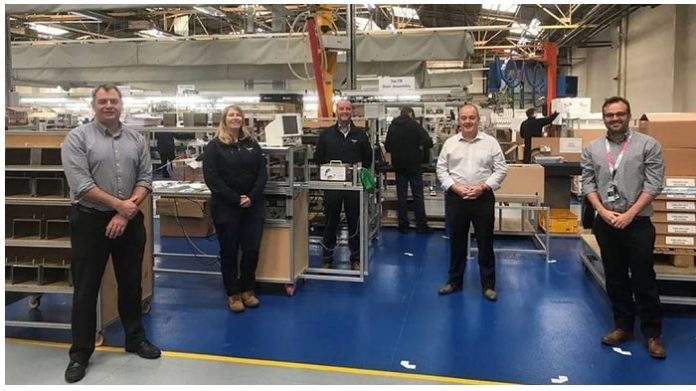
The team at Panasonic Manufacturing UKโ€™s facility in Cardiff have produced 80 prototype breathing devices to assist hospital patients suffering from COVID-19. The emergency breathing aid โ€“ a CPAP (continuous positive airway pressure) device โ€“ was designed by Dr Rhys Thomas at Glangwili Hospital in Carmarthen and Maurice Clarke of engineering firm CR Clarke & Co. Panasonic staff from across the manufacturing centre then worked around the clock, in response to a Welsh Government request, to procure parts and produce the units for regulatory approval and use in clinical trials.

The device has been given initial approval by the Medicines and Healthcare products Regulatory Agency, an executive agency of the Department of Health and Social Care that is responsible for regulating all medicines and medical devices used in the UK. Clinical trials are ongoing and the Panasonic facility is on standby to produce a 1,000 more devices if required.

The CPAP unit provides a controlled flow of positive pressure, highly oxygenated air to coronavirus patients, helping to improve their blood oxygen levels. The breathing aid can reduce the number of patients requiring invasive mechanical ventilation in Intensive Care Unit treatment.

Expertise from across the 400-strong staff at the Panasonic facility came together to assist in refinement of the design, procurement of parts and manufacturing. The team, from the Mobile Solutions Business, which produces rugged notebooks and tablets, and the Home Appliance Division, created the new production line for the CPAPs in just two days. The prototypes were delivered just three weeks after receiving the initial request for support.

โ€œWe reached out to the Welsh Government to see if we could use our skills and facilities to help in these difficult times and they responded with this request,โ€ said Robert Blowers, Panasonic Home Appliance Division Director. โ€œThe team has worked public holidays and weekends to make it work and it was great to see how people from the different businesses across our very diverse site came together to answer the challenge. We are standing by to mass produce the devices but, of course, are hoping that they will never be required.โ€

Staff at the Panasonic facility have also been involved in a number of other initiatives to help the community during the coronavirus crisis. This included another request by the Welsh Government to carry out Electromagnetic Compatibility (EMC) testing and reporting on a new Oximeter developed by the University of South Wales to measure levels of oxygen in the blood. In addition, engineers have been using 3D printers to produce Personal Protective Equipment (PPE) for the NHS, and the company donated Panasonic TOUGHBOOK mobile computing devices to help patients in isolation communicate with relatives.

The Panasonic Mobile Solutions Business at the site has also been supporting first responders and key workers across Europe with the priority repair and servicing of rugged Panasonic TOUGHBOOK mobile computing devices, which are used by healthcare workers and emergency services personnel carrying out their life-saving duties.

Commenting on the efforts of staff across the whole of the manufacturing facility over the past two months, Kevin Jones, Managing Director of the Panasonic Mobile Solutions Business division, said: โ€œLike everyone else, our staff were initially concerned about continuing to work during the coronavirus outbreak but they wanted to make a difference – both for their customers and the local community. We quickly agreed additional safety measures in line with Government advice and Iโ€™m incredibly proud of the team. They realise the customers they support are working on the frontline and they have a clear sense of purpose. Everyone wants to make a difference. They are all heroes in my eyes.โ€

About Panasonic

Panasonic Corporation is a worldwide leader in the development of diverse electronics technologies and solutions for customers in the consumer electronics, housing, automotive, and B2B businesses. The company, which celebrated its 100th anniversary in 2018, has expanded globally and now operates 582 subsidiaries and 87 associated companies worldwide, recording consolidated net sales of Euro 62.5 billion for the year ended March 31, 2019. Committed to pursuing new value through innovation across divisional lines, the company uses its technologies to create a better life and a better world for its customers.

St. Elizabeth Healthcare Partners with CTI and Pulmotect Becoming First Hospital Site for Phase-2 Clinical Trial Targeting COVID-19

ReWalk Robotics Ltd. announced a revision to the sponsored research agreement with Harvard to extend the term of the collaboration.

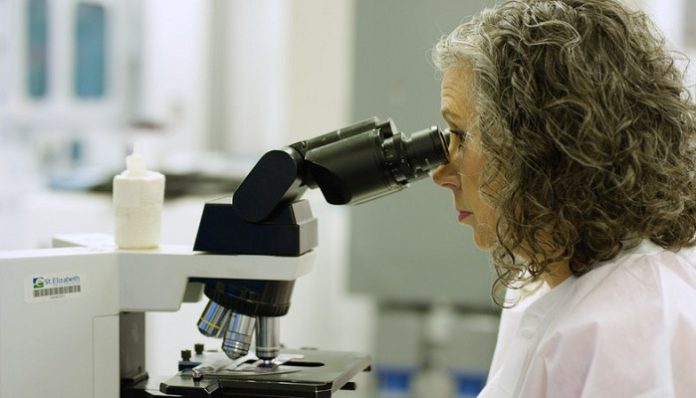
St. Elizabeth Healthcare has been selected as the first site of the FDA-approved Phase-2 COVID-19 clinical trial studying the drug PUL-042 of Pulmotect, Inc., in partnership with CTI – Clinical Trial and Consulting Services (CTI), a global full-service contract research organization. The clinical trial will study the safety and efficacy of PUL-042, Pulmotect’s inhalation solution, for the prevention of disease progression in patients with early COVID-19 disease. U.S. Food & Drug Administration (FDA) approval occurred last week and the trial is active and will be conducted at up to 10 clinical sites throughout the country, starting with St. Elizabeth in Northern Kentucky, the first hospital site in the world to be able to start dosing patients.

St. Elizabeth Healthcare in Edgewood, Kentucky becomes first hospital site in new clinical trial targeting COVID 19 in partnership with CTI and Pulmotect.

“The drug PUL-042 boosts the innate immunity in the lungs and potentially prevents further lung damage when used early in the COVID-19 disease,” says Chaitanya Mandapakala, MD, pulmonologist and principal investigator, for the Pulmotect clinical trial at St. Elizabeth. “If this clinical trial is sucessful it can help heal the disease faster, decrease length of hospital stay and improve outcomes without needing to get on a ventilator, which is exciting.”

This clinical trial represents the latest example of St. Elizabeth Healthcare’s strategic partnership with CTI. Both organizations look forward to rapidly expanding this relationship to include other diseases, including oncology, immunology, and nephrology, given the high-quality facilities, as well as the dedicated medical and research teams at St. Elizabeth, which is located close to CTI’s headquarters. They hope to bring more local attention to clinical trials and the importance of research.

“The COVID-19 pandemic demands an unprecedented response from the pharmaceutical and biotechnology communities, requiring innovation, collaboration, and prioritization of speed without the cost of safety,” said Tim Schroeder, Founder and CEO of CTI. “We are proud to have the opportunity to collaborate on such a response with the St. Elizabeth team and to work together to develop an effective treatment solution for those hardest hit by COVID-19. The leadership from CEO, Garren Colvin, and his executive team has been outstanding in every aspect. They are the first site to begin screening on this trial because of their ability to quickly execute contracts, develop a site budget, receive IRB approval, and be trained faster than any other site in the US.”

About CTI

CTI Clinical Trial and Consulting Services is a global, privately held, full-service contract research organization (CRO), delivering a complete spectrum of clinical trial and consulting services throughout the lifecycle of development, from concept to commercialization. CTI’s focused therapeutic approach provides pharmaceutical, biotechnology, and medical device firms with clinical and disease area expertise in rare diseases, regenerative medicine/gene therapy, immunology, transplantation, nephrology, hematology/oncology, neurology, infectious diseases, hepatology, cardiopulmonary, and pediatric populations. CTI also offers a fully integrated multi-specialty clinical research site that conducts phase I-IV trials. CTI has a passion for helping life-changing therapies succeed in chronically and critically ill patient populations. With clinical trial experience across 6 continents, CTI partners with research sites, patients, and sponsors to fulfill unmet medical needs. CTI is headquartered in the Greater Cincinnati, OH area, with operations across North America, Europe, Latin America, and Asia-Pacific.

About St. Elizabeth Healthcare

St. Elizabeth Healthcare operates five facilities throughout Northern Kentucky and more than 115 primary care and specialty office locations in Kentucky, Indiana and Ohio. A member of the Mayo Clinic Care Network, St. Elizabeth is a mission-based organization committed to improving the health of the communities it serves, providing more than $116 million in uncompensated care and benefit to the community in 2018.

ReWalk Robotics Increases Focus on Telehealth Opportunities

Four years after entering into a collaboration with researchers at Harvard University to develop wearable exosuits for patients with limited mobility, ReWalk Robotics Ltd. announced a revision to the sponsored research agreement with Harvard to extend the term of the collaboration. Continuing the ongoing project until March 2023, the research team will investigate how their novel designs for wearable exosuits may incorporate features that support the increasing demand for tele-healthcare, including remote data provision, analysis and remote physical therapy for patients with their therapists.

Since 2016, ReWalk has funded a collaborative research project at the Wyss Institute for Biologically Inspired Engineering at Harvard University (“Wyss Institute”). The research is led by Conor Walsh, Ph.D., in his Harvard Biodesign Lab, a robotics research laboratory. Walsh is the Paul A. Maeder Professor of Engineering and Applied Sciences at the Harvard John A. Paulson School of Engineering and Applied Sciences and a Core Faculty Member at the Wyss Institute.

“We are pleased to extend our collaboration with Conor Walsh and his team,” said Larry Jasinski, ReWalk CEO. We have seen that the U.S. healthcare system is quickly evolving to utilize telehealth capabilities to respond to the COVID-19 pandemic. With our collaborators, we are eager to see how telehealth technology may be incorporated into next-generation exosuits. Such designs may better meet the need for home-based management and rehabilitation therapy for a mobility-challenged patient population.”

The Harvard Biodesign Lab brings together researchers from the engineering, industrial design, apparel, biomechanics, physical therapy, and business communities to develop and translate soft wearable robotic technologies for medical and industrial applications. “My lab is motivated to advance innovations that address real clinical challenges, in collaboration with clinicians and industry partners, and in response to patients’ evolving needs,” said Harvard’s Walsh. “It’s clear that there is a need for remote home care with feedback and monitoring capability for clinicians. My research team is interested to see how we can optimize our technologies to meet that need as our collaboration with ReWalk continues.”

The Harvard Biodesign Lab’s foundational work on wearable robotics, and the lab’s research collaboration with ReWalk, have already resulted in innovations to benefit patients. Arising technologies licensed by ReWalk enabled the development of the company’s ReStore system, which received FDA clearance in 2019 for use by stroke survivors in the rehabilitative setting.

Telehealth is an area of increasing focus for ReWalk. The decision by the Centers for Medicare & Medicaid Services (“CMS”) in March of this year to temporarily add physical and occupational therapy to the list of services that can be provided via telehealth provides a fundamental component to expand telehealth for a large number of patients nationwide. While these changes are in response to the COVID-19 pandemic and are currently scoped to expire in June 2020, the company recognizes that this telehealth expansion may be extended if the crisis continues and provides an opportunity for the healthcare system to evaluate how telehealth can affect patient care and healthcare economics.

Under the revised agreement, effective April 30, 2020, ReWalk’s initial funding commitment to this research collaboration will now be spread out over an additional nine months.

About ReWalk Robotics Ltd.

ReWalk Robotics Ltd. develops, manufactures and markets wearable robotic exoskeletons for individuals with lower limb disabilities as a result of spinal cord injury or stroke. ReWalk’s mission is to fundamentally change the quality of life for individuals with lower limb disability through the creation and development of market leading robotic technologies. Founded in 2001, ReWalk has headquarters in the United States, Israel and Germany.

Microsoft HoloLens helps protect frontline staff and patients at some of London busiest hospitals

Microsoft HoloLens helps protect frontline staff and patients at some of London busiest hospitals

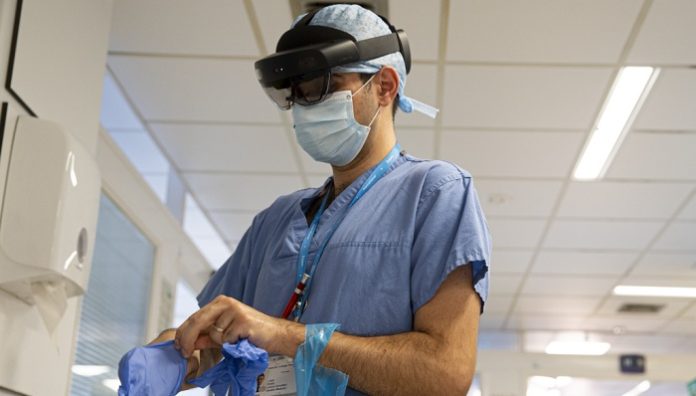
One of the largest NHS trusts in England is using Microsoft HoloLens on its Covid-19 wards to keep doctors safe as they help patients with the virus. Staff at Imperial College Healthcare NHS Trust are wearing the mixed-reality headset as they work on the frontline in the most high-risk area of some of Londonโ€™s busiest hospitals.

HoloLens with Dynamics 365 Remote Assist uses Microsoft Teams to send a secure live video feed to a computer screen in a nearby room, allowing health care teams to see everything the doctor treating Covid-19 patients can see, while remaining at a safe distance.

Imperial College Healthcare NHS Trust, which includes Charing Cross Hospital, Hammersmith Hospital and St Maryโ€™s Hospital, says using HoloLens has led to a nearly 83% reduction in the amount of time staff are spending in high-risk areas. It is also significantly reducing the amount of personal protective equipment (PPE) being used, as only the doctor wearing the headset must dress in PPE. Early estimates indicate that using HoloLens is saving up to 700 items of PPE per ward, per week.

โ€œIn one week, our hospital trust switched from being a place that delivered acute, elective care and planned treatment into a giant intensive care unit,โ€ says James Kinross, a consultant surgeon at Imperial College Healthcare and senior lecturer at Imperial College London, who has been using HoloLens for many years at the hospital. โ€œWe werenโ€™t just trying to restructure an entire building, we were trying to redeploy and retrain our staff, while at the same time we had to cope with an ever-growing number of very sick people.โ€

Georgia Hospital Adds Wing for COVID-19 Treatment

Wanda Group, UPMC to develop and co-manage network of international hospitals in China

In an effort to increase treatment capacity amid the ongoing pandemic posed by the coronavirus, Phoebe Putney Memorial North hospital is adding a 24-unit modular unit specifically for patients afflicted with COVID-19.

The Georgia Emergency Management and Homeland Security Agency (GEMA) recently announced a partnership with modular manufacturer BMarko Structures of Duluth, Georgia, and CertainTeedโ€”a firm with Georgia offices in Athens, Social Circle and Peachtree Cityโ€”on the addition to the hospital facility in Albany. The new 24-unit extension will be constructed in the parking lot of the Phoebe Putney Memorial North facility.

The modular units are basically large shipping containers that are being repurposed for patient treatment. The units can be lowered directly into place in front of Phoebe Putney Memorial North, and from there outfitted with medical equipment. The unitsโ€”which are meant to be hermetically sealed for long voyages across oceans, with their contents kept intact and safe even during travel over choppy seasโ€”can be utilized in this new paradigm to keep covid patients isolated and thus away from medical staff working on non-covid patients inside the main medical facility.

The shipping containers have been retrofitted such that they are outfitted with washable ceilings and other surfaces that can be treated to avoid the further spread of pathogens. Furthermore, the units are outfitted with HVAC, plumbing and insulation for various weather patterns that can range from the chilly to Georgiaโ€™s notorious summer heat and humidity. This way, patients suffering from the coronavirus can also be treated in an intensive care setting that is comfortable as well as keeping the virus from spreading as much as possible.

Georgia Gov. Brian Kemp announced the gradual relaxation of certain social distancing requirements throughout the state late in April. This meant that certain businesses, including nail salons, massage parlors, gyms, bowling alleys and certain restaurants and movie theaters, were allowed to reopen. However, given sporadic outbreaks of the coronavirus in various other areas of the world that have tentatively reopenedโ€”including a recent hotspot in Seoul, South Korea, due to eager young people flooding back into recently reopened nightclubs, which have since been re-shutteredโ€”it is uncertain how long or how extensive Kempโ€™s dictum will be. Furthermore, Kempโ€™s policies are at odds with those of Atlantaโ€™s mayor, Keisha Lance Bottoms, who advises continued caution in Georgiaโ€™s capital and largest city.

A second similar modular structure is being planned for another hospital in Macon, Georgia, in the weeks to come. The Peach State has so far recorded over 34,000 confirmed cases of the novel coronavirus and nearly 1,500 deaths, according to the Georgia Department of Public Health. Efforts such as those at the Phoebe Putney Memorial North facility are meant to help the state ease its path in treating future cases of covid-19 throughout the state.

Translate ยป