Close
Digital Health & Ai Innovation summit 2026
Medical Taiwan 2026

TransEnterix Announces CE Mark Approval for Pediatric Indication for Senhance Surgical System

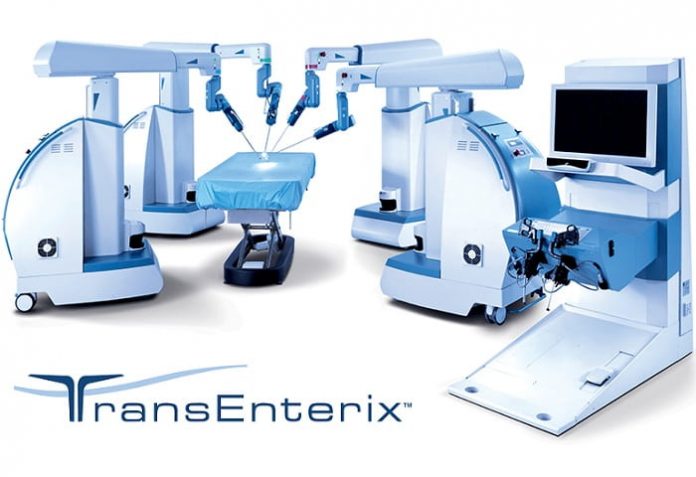
TransEnterix, Inc. , a medical device company that is digitizing the interface between the surgeon and the patient to improve minimally invasive surgery, announced that the Company received CE Mark approval for an expanded indication to treat pediatric patients above 10kg (approximately 22 lbs) with the Senhance® System.

“Given the size of the patients, pediatric surgery seeks to use the smallest instruments and scopes possible to minimize invasiveness, yet it is critical to maintain a high degree of precision,” said Anthony Fernando, president and chief executive officer of TransEnterix. “The Senhance System is designed to maximize control of instruments as small as 3 mm and be compatible with small scopes while also retaining the sense of touch through haptic feedback. This makes our technology uniquely positioned to meet the requirements of pediatric surgeons, and we look forward to working closely with leading European hospitals to serve the needs of their pediatric patients.”

“The ability to use 3 mm microlaparoscopic instruments on a robotic platform is very exciting and is a large step forward in treating pediatric patients,” said Prof. Dr. Wim van Gemert, chairman of the department of pediatric surgery, Maastricht University Medical Center+ in the Netherlands. “Especially in younger patients, smaller ports and instruments are critically important in achieving the best outcomes given the body size constraints in these patients.”

The Senhance® Surgical System is the first and only digital laparoscopic platform designed to maintain laparoscopic MIS standards while providing digital benefits such as haptic feedback, robotic precision, eye-sensing camera control, comfortable ergonomics, advanced instrumentation including, 3 mm microlaparoscopic instruments, eye-sensing camera control and reusable standard instruments to help maintaining per-procedure costs similar to traditional laparoscopy.

Senhance European Indication for Use

The Senhance® Surgical System has received a CE Mark according to the Medical Device Directive and is intended to be used for laparoscopic surgery in the abdomen, pelvis and limited uses in the thoracic cavity excluding the heart and greater vessels. The system is indicated for adult and pediatric use in CE marked territories.

About TransEnterix

TransEnterix is a medical device company that is digitizing the interface between the surgeon and the patient to improve minimally invasive surgery by addressing the clinical and economic challenges associated with current laparoscopic and robotic options in today’s value-based healthcare environment. The Company is focused on the commercialization of the Senhance Surgical System, which digitizes laparoscopic minimally invasive surgery. The system allows for robotic precision, haptic feedback, surgeon camera control via eye sensing and improved ergonomics while offering responsible economics. The Senhance Surgical System is available for sale in the US, the EU, Japan and select other countries.

Philips to study outcomes of PCI guided by iFR and X-ray images

Philips to study outcomes of PCI guided by iFR and X-ray images

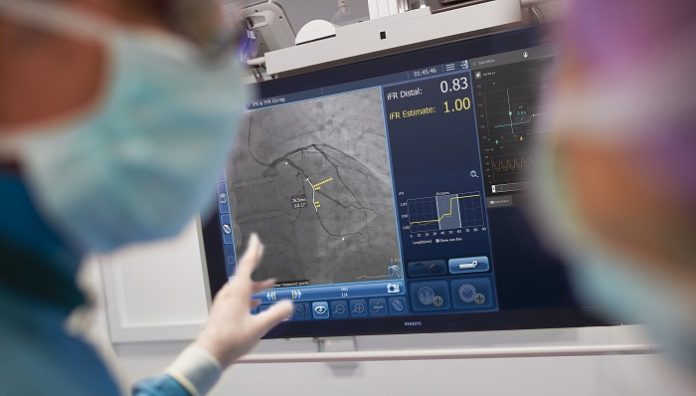
Royal Philips , a global leader in health technology, announced a new randomized controlled trial to assess patient outcomes after receiving a percutaneous coronary intervention (PCI) guided by Philips’ unique co-registration platform, which combines data of an instant wave-Free Ratio (iFR) measurement and the angiogram (interventional X-ray image), compared with standard of care treatment guided by an angiogram alone. PCI is one of the main treatment options to open narrowed coronary arteries of the heart in patients with coronary artery disease.

European and US guidelines already endorse the use of coronary physiologic measurements with iFR and Fractional Flow Reserve (FFR) for diagnostic purposes to determine the significance of a narrowed coronary artery. The DEFINE GPS (Distal Evaluation of Functional performance with Intravascular sensors to assess the Narrowing Effect: Guided Physiologic Stenting) study will be the first time that the use of iFR in conjunction with the Philips Image-Guided Co-registration System (SyncVision) is evaluated for PCI guidance and the optimization of treatment outcomes.

PCI is an image-guided, minimally invasive treatment to open a coronary artery blockage (stenosis) that is causing a reduced blood flow (ischemia) to heart tissue. Under the current standard of care, clinicians navigate a balloon catheter and coronary stent to the treatment area using interventional X-ray guidance (coronary angiography). In the study, an iFR pullback measurement, which uses pressure wires to map the pressure profile of the disease distribution along the length of the affected vessel, will be overlaid on the X-ray image to guide treatment. iFR is a next-generation physiologic measurement that uses the same pressure guide wires and equipment as FFR but avoids the administration of hyperemic agents to patients.

“PCI has made a major positive impact on many coronary artery disease patients’ lives,” said Allen Jeremias, MD of St. Francis Hospital, Roslyn, NY, and Cardiovascular Research Foundation, New York, NY, U.S. and principal investigator of the DEFINE GPS study. “However, when we look back at all the major, high-quality stent trials over the past 20 years we see that around 20-30% of patients continue to have recurring chest pain at one year after receiving treatment. With the DEFINE PCI study we observed that the current approach to PCI has limitations for identifying the locations of physiologically significant arterial lesions. With DEFINE GPS we will be able to determine if a physiology-based PCI approach results in superior patient outcomes when compared with standard angioplasty.”

“As coronary stenting is applied to increasingly complex patients, it is essential that we ensure that all segments of coronary artery disease that need treatment are treated, a process that we believe can be facilitated by iFR assessment of the entire coronary artery, co-registered to the angiogram.” said Dr. Gregg W. Stone, chairman of the DEFINE GPS trial, Director of Academic Affairs for the for the Mount Sinai Heart Health System, Professor of Medicine (Cardiology) and Professor of Population Health Sciences and Policy at the Zena and Michael A. Wiener Cardiovascular Institute, Icahn School of Medicine at Mount Sinai, New York, NY. “We are thrilled to be able to examine the extent to which this technique improves patient outcomes in the large-scale DEFINE GPS trial.”

The global multicentre, prospective, randomized controlled DEFINE GPS study will investigate the impact of iFR Co-registration on both outcomes and cost effectiveness. The primary endpoint is target vessel failure (a composite of cardiac death, target vessel Myocardial Infarction and ischemia-driven target vessel revascularization) or rehospitalization for progressive or unstable ischemia at two years.

“iFR continues to be adopted into clinical practice, with mounting evidence that this innovative technology contributes to improving outcomes, reducing costs [1, 2, 3] and enhancing the patient experience,” said Chris Landon, Senior Vice President and General Manager Image Guided Therapy Devices, Philips. “This major study will provide a definitive answer to the question of the overall improvement resulting from the use of a functional guidance strategy on patient outcomes and cost.”

The Philips Image-Guided Co-registration System (SyncVision) is part of Philips’ unique portfolio of systems, smart devices, software and services in image-guided therapy, which combine to provide healthcare providers with sophisticated, procedure-oriented solutions.

The DEFINE GPS study is sponsored by Philips with the Cardiovascular Research Foundation overseeing core lab and clinical event committee activities. The first patients will be recruited in the second half of 2020.


Medtronic to Advance Solutions and Capabilities in Surgical Data and Analytics with Acquisition of Digital Surgery

Medtronic to Advance Solutions and Capabilities in Surgical Data and Analytics with Acquisition of Digital Surgery

Medtronic plc , the global leader in medical technology, announced the acquisition of Digital Surgery, a privately-held pioneer in surgical artificial intelligence (AI), data and analytics, and digital education and training. The acquisition of Digital Surgery will strengthen the Medtronic robotic assisted surgery platform and has applicability for the Medtronic broader portfolio. The terms of the agreement are not being disclosed.

“Capabilities and solutions in the data and analytics space play a critical role in our continued focus on advancing minimally invasive surgery – from education and training, to clinical decision support, to reducing cost and unwarranted variability,” said Megan Rosengarten, vice president and general manager of the Surgical Robotics business, which is part of the Minimally Invasive Therapies Group at Medtronic. “We are thrilled to bring the Digital Surgery team and their expertise into Medtronic, not only due to the strategic fit from a technology perspective, but due to the shared belief that patients around the world deserve access to quality surgical care. By pairing digital solutions with robotic platforms and instrumentation, we can have a big impact on expanding patient access.”

Headquartered in London, England, Digital Surgery’s mission is to digitize surgical protocols using cutting-edge computing and to support the delivery of consistent, data-driven and evidence-based surgical care.

“Joining Medtronic creates an incredible opportunity to realize the promise of reducing unwarranted variability in surgery,” said Dr. Jean Nehme, surgeon, CEO and co-founder of Digital Surgery. “We have always believed in computational power and data as two central drivers of consistency and quality in surgery. Computational power has impacted our lives in so many ways, and within surgery it is almost absent. By joining forces with Medtronic, we will finally apply computing and AI to surgery on a meaningful scale with a goal of helping more patients in more places benefit from consistently high-quality surgical care.”

Digital Surgery will remain headquartered in London where there are plans for continued investment and workforce expansion. The company’s executive team, including the two surgeon co-founders, Dr. Andre Chow and Dr. Jean Nehme, will remain in place and continue to provide leadership. Digital Surgery and Medtronic’s co-developed digital solutions are expected to be offered on future Medtronic soft tissue robotic assisted surgery systems.

About Medtronic
Medtronic plc, headquartered in Dublin, Ireland, is among the world’s largest medical technology, services and solutions companies – alleviating pain, restoring health and extending life for millions of people around the world. Medtronic employs more than 90,000 people worldwide, serving physicians, hospitals and patients in more than 150 countries. The company is focused on collaborating with stakeholders around the world to take healthcare Further, Together.


Q BioMed Launches Non-Opioid Treatment for Metastatic Bone Pain

Q BioMed Launches Non-Opioid Treatment for Metastatic Bone Pain

Q BioMed Inc. , a commercial stage biotech company, announced the launch of its FDA approved non-opioid drug Strontium89 (Strontium Chloride Sr-89 Injection, USP), which has been shown in clinical studies to help relieve persistent pain associated with cancer that has metastasized to bone. In several multicenter, placebo-controlled trials in cancer patients with persistent pain after external beam radiation therapy for bone metastases, pain relief occurred in more patients treated with a single injection of Strontium89 than in patients treated with an injection of placebo, with a greater percentage of patients experiencing pain scores of zero without any need for opioid or non-opioid rescue analgesics. Duration of pain palliation has been shown to range from 2 to 5 months in most patients.Strontium89 can be redosed every 90 days.

An estimated 10 million people are living with bone metastases. Due to the opioid crisis, clinicians and patients are looking for pain management alternatives. Strontium89, which is administered every 3 months, has been shown to relieve pain in over 70% of patients who received the treatment. Q BioMed is hopeful that broad market reacceptance will be swift.

Use of Strontium-89 Chloride Injection in patients with evidence of seriously compromised bone marrow from previous therapy or disease infiltration is not recommended unless the potential benefit of the treatment outweighs its risks. Bone marrow toxicity is to be expected following the administration of Strontium-89 Chloride Injection, particularly white blood cells and platelets. The extent of toxicity is variable.

Q BioMed has already received U.S. hospital orders and will begin delivering doses in February. Q BioMed’s contract manufacturing facility is manufacturing initial commercial-scale quantities now; manufacturing will reach full production quantities in March. Under its distribution relationship with Jubilant Radiopharma, Q BioMed has the capability to reach patients in all 50 states. Orders can be placed by calling Jubilant Radiopharma at (901) 345-3434. Commercial and marketing activities, including conferences and sales, will begin concurrently with commercial availability. Strontium89 is reimbursed by Medicare and most insurance companies.

“This is a major milestone for Q BioMed. We are now a revenue-generating entity. This was a goal we set for ourselves when we founded the company almost 5 years ago. The journey to producing this critically important drug has not been easy, but we are now here. It’s a great achievement and a testament to all those who have helped get us to this point. We look forward to being able to help serve the unmet needs of the millions of patients suffering from debilitating bone pain associated with metastatic cancer. Years of well-documented data show that Strontium89 can help alleviate the pain suffered by most patients with painful bone metastases. We believe this drug has a very important role to play as clinicians move toward proven non-opioid therapeutics for pain palliation,” stated Q BioMed CEO Denis Corin.

Q BioMed plans to launch the drug in global markets, including Europe, in the coming quarters. Q BioMed is also planning further research for Strontium89 for potential label extension into therapeutic use for survival benefit in metastatic bone cancer through a Phase IV study.

Industry-First Bedside MRI Secures FDA Clearance

Hyperfine Research Gets FDA Approval For Bedside MRI System

Inpatients around the United States could soon experience the convenience of having an MRI scan without leaving their hospital rooms. The U.S. Food & Drug Administration announced it has approved 510(k) clearance for Hyperfine Research, Inc.’s first-in-industry bedside MRI system.

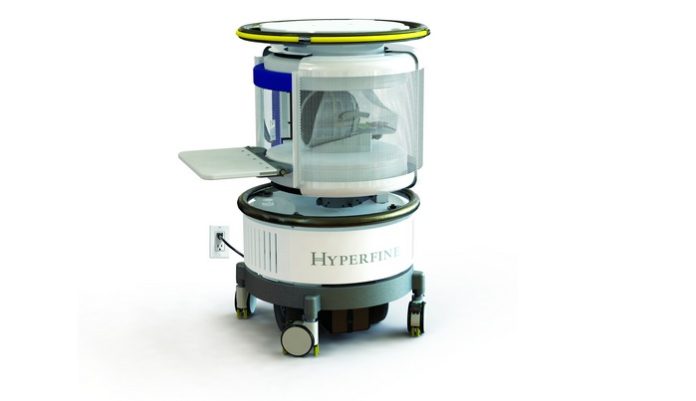
This system is designed to improve MRI accessibility, bringing the technology to patients at almost any time in any environment. According to company data, the Hyperfine system costs 20-times less and weighs 10-times less than current conventional MRI machines. This portable system also consumes 35-times less power.

“More than 40 years after its first use, MRI remains a marvel. Unfortunately, it also remains inaccessible. It’s time that MRI made the jump to point-of-need just like X-ray and ultrasound have before it,” said Khan Siddiqui, M.D., Hyperfine’s chief medical officer, in a press statement. “Going beyond that, nearly 90 percent of the world has no access to MRI at all. With FDA’s decision, we are now ready to rewrite the rules of MRI accessibility.”

The 510(k) clearance approves usage for head imaging in patients ages 2 and over.

The system, which stands roughly 5-feet-tall with a 30-centimeter bore, can be wheeled throughout the hospital and directly into patient rooms. It plugs into a standard electrical wall outlet and is controlled with a wireless tablet.

Investigational Subcutaneous Formulation of Vedolizumab Achieves Clinical Remission at Week 52 in Patients with Moderately to Severely Active Crohns Disease

Investigational Subcutaneous Formulation of Vedolizumab Achieves Clinical Remission at Week 52 in Patients with Moderately to Severely Active Crohns Disease

Takeda Pharmaceutical Company Limited announced results from the phase 3 VISIBLE 2 clinical trial evaluating the efficacy and safety of an investigational subcutaneous (SC) formulation of the gut-selective biologic vedolizumab (Entyvio®) for use during maintenance therapy in adult patients with moderately to severely active Crohn’s disease (CD). The study evaluated patients who achieved clinical response* at week 6 following two doses of open-label vedolizumab intravenous (IV) induction therapy at weeks 0 and 2. The results show that at week 52, significantly more patients on vedolizumab SC compared to placebo were in clinical remission (48.0% [n=132/275] vs. 34.3% [n=46/134] respectively; [p=0.008]),** meeting the study’s primary endpoint.1 These data were announced during an oral presentation at the 15th Congress of the European Crohn’s and Colitis Organisation (ECCO) in Vienna, Austria.

“The VISIBLE 2 study showed that the investigational subcutaneous formulation of vedolizumab helped patients with moderately to severely active Crohn’s disease achieve clinical remission at week 52, after first responding to induction therapy with intravenous vedolizumab,” said SéverineVermeire, MD PhD, Head of the Department of Chronic Diseases & Metabolismat the KU Leuven and Honorary Member of ECCO. “These results suggest that the investigational subcutaneous formulation of gut-selective vedolizumab can provide a new treatment modality for patients who might prefer a therapy that can be self-administered outside of the hospital setting.”

Results for the following secondary endpoints were also presented at the congress. The enhanced clinical response*** rate was 52.0% (n=143/275) in patients receiving vedolizumab SC versus 44.8% (n=60/134) in patients on placebo at week 52.1 The difference between the treatment groups was not statistically significant, and consequently statistical testing for the remaining secondary endpoints was not performed.Among patients receiving corticosteroid treatment at baseline, the corticosteroid-free clinical remission†rate at week 52 was 45.3% (n=43/95) in patients who received therapy with vedolizumab SC versus 18.2% (n=8/44) who received placebo.1 The study enrolled patients who were naïve to treatment with anti-tumor necrosis factor-alpha (anti-TNFα) therapy, as well as those with previous experience of anti-TNFα therapy. Of the anti-TNFα-naïve patients, 48.6% (n=52/107) vs. 42.9% (n=27/63) were the clinical remission?rates at week 52 in the vedolizumab SC and placebo arms, respectively.1

Patients received vedolizumab SC injections beginning at week 6 and every 2 weeks up to week 50, with an evaluation of the primary endpoint at week 52.1, The safety findings for vedolizumab SC were in line with the known safety profile of vedolizumab IV in patients with CD.1 Serious infections, malignancy, and liver injury were experienced by fewer than or equal to 5% of patients in both treatment groups.1 Anti-vedolizumab antibodies were detected in 2.5% of patients treated with vedolizumab SC, of whom approximately half developed neutralizing antibodies.1 Fewer than 3% of patients treated with vedolizumab SC reported injection-site reactions.1

“These data indicate that the investigational subcutaneous formulation of vedolizumab seems to havea similar safety profile to the intravenous formulation,” said William Sandborn, MD, Director of the Inflammatory Bowel Disease Center at the University of California, San Diego. “If approved, subcutaneous vedolizumab, together with the intravenous formulation, could provide more choice to patients in how they receive their therapy, helping to meet their individual needs and preferences.”

The investigational subcutaneous formulation of vedolizumab has been submitted for regulatory review with a number of key regulatory authorities worldwide.

* Clinical response is defined as a ≥70 point decrease in Crohn’s Disease Activity Index (CDAI) score from baseline (week 0).1
** Primary endpoint: Clinical remission is defined as a CDAI score ≤150 at week 52.1
*** Secondary endpoint: Enhanced clinical response is defined as decrease of ≥100 in CDAI score from baseline (week 0).1
† Secondary endpoint: Corticosteroid-free remission is defined as participants using oral corticosteroids at baseline (week 0) who have discontinued oral corticosteroids and are in clinical remission (CDAI score ≤150) at week 52.2
‘Secondary endpoint: Anti-TNFα-naïve patients in clinical remission (CDAI score ≤150) at week 52.2

About the VISIBLE 2 Study
VISIBLE 2 is a phase 3, randomized, double-blind, placebo-controlled study to evaluate the efficacy and safety of vedolizumab SC for use during maintenance therapy in patients with moderately to severely active CD.2 The study enrolled 644 participants, all of whom had an inadequate response with, loss of response to, or intolerance to corticosteroids, immunomodulators, or tumor necrosis factor-alpha (TNFα)-antagonist therapy prior to being enrolled.2 Patients who achieved clinical response at week 6 (n=409), following two doses of open-label vedolizumab IV 300 mg therapy at weeks 0 and 2, were randomized into one of two treatment groups, vedolizumab SC 108 mg or placebo SC.1,2 Both treatment groups received a subcutaneous injection every two weeks starting at week 6 up to week 50, with an evaluation of the primary endpoint at week 52.1,2

About the VISIBLE Clinical Trial Program
The VISIBLE clinical trial program aims to assess the efficacy and safety of an investigational subcutaneous (SC) formulation of vedolizumab for use during maintenance therapy in adult patients with moderately to severely active ulcerative colitis (UC) or Crohn’s disease (CD).

The VISIBLE program consists of three phase 3 studies involving over 1,000 UC and CD patients which includes two randomized, double-blind, placebo-controlled studies examining the proportion of patients achieving clinical remission at week 52, and an open-label extension study to determine the long-term safety and efficacy of vedolizumab SC.2,3,4

About Crohn’s Disease
Crohn’s disease (CD) is one of the most common forms of inflammatory bowel disease (IBD).5 CD is a chronic, relapsing, remitting, inflammatory condition of the gastrointestinal (GI) tract which can progress over time.6 CD can affect any part of the GI tract from mouth to anus and can affect the entire thickness of the bowel wall.7 The condition commonly presents with symptoms of abdominal pain, diarrhea, and weight loss.6 The cause of CD is not fully understood; however, recent research suggests hereditary, genetics, environmental factors, and/or an abnormal immune response to microbial antigens in genetically predisposed individuals can lead to CD.8,9

About Entyvio® (vedolizumab)
Vedolizumab is a gut-selective biologic and is approved as an intravenous (IV) formulation.10,11 It is a humanized monoclonal antibody designed to specifically antagonize the alpha4beta7 integrin, inhibiting the binding of alpha4beta7 integrin to intestinal mucosal addressin cell adhesion molecule 1 (MAdCAM-1), but not vascular cell adhesion molecule 1 (VCAM-1).1,2 MAdCAM-1 is preferentially expressed on blood vessels and lymph nodes of the gastrointestinal tract.13 The alpha 4 beta 7 integrin is expressed on a subset of circulating white blood cells.12 These cells have been shown to play a role in mediating the inflammatory process in ulcerative colitis (UC) and Crohn’s disease (CD).12.14,15 By inhibiting alpha4beta7 integrin, vedolizumab may limit the ability of certain white blood cells to infiltrate gut tissues.12

Vedolizumab IV is approved for the treatment of adult patients with moderately to severely active UC and CD, who have had an inadequate response with, lost response to, or were intolerant to either conventional therapy or a tumor necrosis factor-alpha (TNFα)-antagonist.10,11 Vedolizumab IV has been granted marketing authorization in over 60 countries, including the United States and European Union, with more than 415,000 patient years of exposure to date.16

Therapeutic Indications for vedolizumab IV

Ulcerative colitis
Vedolizumab is indicated for the treatment of adult patients with moderately to severely active ulcerative colitis who have had an inadequate response with, lost response to, or were intolerant to either conventional therapy or a tumor necrosis factor-alpha (TNFα) antagonist.

Crohn’s disease
Vedolizumab is indicated for the treatment of adult patients with moderately to severely active Crohn’s disease who have had an inadequate response with, lost response to, or were intolerant to either conventional therapy or a tumor necrosis factor-alpha (TNFα) antagonist.

Important Safety Information for vedolizumab IV

Contraindications
Hypersensitivity to the active substance or to any of the excipients.

Special warnings and special precautions for use
Vedolizumab should be administered by a healthcare professional prepared to manage hypersensitivity reactions, including anaphylaxis, if they occur. Appropriate monitoring and medical support measures should be available for immediate use when administering vedolizumab. Observe patients during infusion and until the infusion is complete.

Infusion-related reactions
In clinical studies, infusion-related reactions (IRR) and hypersensitivity reactions have been reported, with the majority being mild to moderate in severity. If a severe IRR, anaphylactic reaction, or other severe reaction occurs, administration of vedolizumab must be discontinued immediately and appropriate treatment initiated (e.g., epinephrine and antihistamines). If a mild to moderate IRR occurs, the infusion rate can be slowed or interrupted and appropriate treatment initiated (e.g., epinephrine and antihistamines). Once the mild or moderate IRR subsides, continue the infusion. Physicians should consider pre-treatment (e.g., with antihistamine, hydrocortisone and/or paracetamol) prior to the next infusion for patients with a history of mild to moderate IRR to vedolizumab, in order to minimize their risks.

Infections
Vedolizumab is a gut-selective integrin antagonist with no identified systemic immunosuppressive activity. Physicians should be aware of the potential increased risk of opportunistic infections or infections for which the gut is a defensive barrier. Vedolizumab treatment is not to be initiated in patients with active, severe infections such as tuberculosis, sepsis, cytomegalovirus, listeriosis, and opportunistic infections until the infections are controlled, and physicians should consider withholding treatment in patients who develop a severe infection while on chronic treatment with vedolizumab. Caution should be exercised when considering the use of vedolizumab in patients with a controlled chronic severe infection or a history of recurring severe infections. Patients should be monitored closely for infections before, during and after treatment.

Before starting treatment with vedolizumab, screening for tuberculosis may be considered according to local practice. Some integrin antagonists and some systemic immunosuppressive agents have been associated with progressive multifocal leukoencephalopathy (PML), which is a rare and often fatal opportunistic infection caused by the John Cunningham (JC) virus. By binding to the α4β7 integrin expressed on gut-homing lymphocytes, vedolizumab exerts an immunosuppressive effect specific to the gut. Although no systemic immunosuppressive effect was noted in healthy subjects, the effects on systemic immune system function in patients with inflammatory bowel disease are not known. Healthcare professionals should monitor patients on vedolizumab for any new onset or worsening of neurological signs and symptoms, and consider neurological referral if they occur.

If PML is suspected, treatment with vedolizumab must be withheld; if confirmed, treatment must be permanently discontinued. Typical signs and symptoms associated with PML are diverse, progress over days to weeks, and include progressive weakness on one side of the body, clumsiness of limbs, disturbance of vision, and changes in thinking, memory, and orientation leading to confusion and personality changes. The progression of deficits usually leads to death or severe disability over weeks or months.

Malignancies
The risk of malignancy is increased in patients with ulcerative colitis and Crohn’s disease. Immunomodulatory medicinal products may increase the risk of malignancy.

Prior and concurrent use of biological products
No vedolizumab clinical trial data are available for patients previously treated with natalizumab. No clinical trial data for concomitant use of vedolizumab with biologic immunosuppressants are available. Therefore, the use of vedolizumab in such patients is not recommended.

Vaccinations
Prior to initiating treatment with vedolizumab all patients should be brought up to date with all recommended immunizations. Patients receiving vedolizumab may receive non-live vaccines (e.g., subunit or inactivated vaccines) and may receive live vaccines only if the benefits outweigh the risks.

Adverse reactions include: nasopharyngitis, headache, arthralgia, upper respiratory tract infection, bronchitis, influenza, sinusitis, cough, oropharyngeal pain, nausea, rash, pruritus, back pain, pain in extremities, pyrexia, fatigue and anaphylaxis.

Takeda’s Commitment to Gastroenterology
Gastrointestinal (GI) diseases can be complex, debilitating and life-changing. Recognizing this unmet need, Takeda and our collaboration partners have focused on improving the lives of patients through the delivery of innovative medicines and dedicated patient disease support programs for over 25 years. Takeda aspires to advance how patients manage their disease. Additionally, Takeda is leading in areas of gastroenterology associated with high unmet need, such as inflammatory bowel disease, acid-related diseases and motility disorders. Our GI Research & Development team is also exploring solutions in celiac disease and liver diseases, as well as scientific advancements through microbiome therapies.

About Takeda Pharmaceutical Company Limited
Takeda Pharmaceutical Company Limited is a global, values-based, R&D-driven biopharmaceutical leader headquartered in Japan, committed to bringing Better Health and a Brighter Future to patients by translating science into highly-innovative medicines. Takeda focuses its R&D efforts on four therapeutic areas: Oncology, Rare Diseases, Neuroscience and Gastroenterology (GI). We also make targeted R&D investments in Plasma-Derived Therapies and Vaccines. We are focusing on developing highly innovative medicines that contribute to making a difference in people’s lives by advancing the frontier of new treatment options and leveraging our enhanced collaborative R&D engine and capabilities to create a robust, modality-diverse pipeline. Our employees are committed to improving quality of life for patients and to working with our partners in health care in approximately 80 countries.

Reference


[1] Vermeire S, Sandborn W, Baert F, et al. OP23 Efficacy and safety of vedolizumab SC in patients with moderately to severely active Crohn’s disease: Results of the VISIBLE 2 study. J Crohns Colitis [Internet]. 2020 Jan 15;14(Supplement_1):S020–1.
[2] Efficacy and safety of vedolizumab subcutaneous (SC) as maintenance therapy in Crohn’s disease. Available at: https://clinicaltrials.gov/ct2/show/NCT02611817. Last updated: November 12, 2019. Last accessed: February 2020.
[3] Efficacy and safety of vedolizumab subcutaneously (SC) as maintenance therapy in ulcerative colitis. Available at: https://clinicaltrials.gov/ct2/show/NCT02611830. Last updated: January 23, 2020. Last accessed: February 2020.
[4] Vedolizumab subcutaneous long-term open-label extension study. Available at: https://clinicaltrials.gov/ct2/show/NCT02620046. Last updated: May 6, 2019. Last accessed: February 2020.
[5] Baumgart DC, Carding SR. Inflammatory bowel disease: cause and immunobiology. Lancet. 2007;369:1627-1640.
[6] Baumgart DC, Sandborn WJ. Crohn’s disease. Lancet. 2012;380:1590-1605.
[7] Feuerstein JD, Cheifetz AS. Crohn’s disease: Epidemiology, diagnosis and management. Mayo Clin Proc. 2017;92:1088-1103.
[8] Henckaerts L, Pierik M, Joossens M, et al. Mutations in pattern recognition receptor genes modulate seroreactivity to microbial antigens in patients with inflammatory bowel disease. Gut. 2007;56:1536-1542.
[9] Kaser A, Zeissig S, Blumberg RS. Genes and environment: How will our concepts on the pathophysiology of IBD develop in the future? Dig Dis. 2010;28:395-405.
[10] Entyvio Prescribing Information. Available at: https://general.takedapharm.com/ENTYVIOPI. Last updated: May 2019. Last accessed: February 2020.
[11] Entyvio EPAR _ 20/02/2019 Entyvio – EMEA/H/C/002782_ European Medicines Agency – Entyvio _ Annex I Summary of product characteristics. Committee For Medicinal Products For Human Use. Available at: https://www.ema.europa.eu/en/medicines/human/EPAR/entyvio. Last updated: April 2019. Last accessed: February 2020.
[12] Soler D, Chapman T, Yang LL, et al. The binding specificity and selective antagonism of vedolizumab, an anti-α4β7 integrin therapeutic antibody in development for inflammatory bowel diseases. J Pharmacol Exp Ther. 2009;330:864-875.
[13] Briskin M, Winsor-Hines D, Shyjan A, et al. Human mucosal addressin cell adhesion molecule-1 is preferentially expressed in intestinal tract and associated lymphoid tissue. Am J Pathol. 1997;151:97?110.
[14] Eksteen B, Liaskou E, Adams DH. Lymphocyte homing and its roles in the pathogenesis of IBD. Inflamm Bowel Dis. 2008;14:1298?1312.
[15] Wyant T, Fedyk E, Abhyankar B. An overview of the mechanism of action of the monoclonal antibody vedolizumab. J Crohns Colitis. 2016;10:1437-1444.
[16] Takeda. Data on file. 2019.


Acrisure Pledges $15 Million to Establish Center for Innovation in Children’s Health at Helen DeVos Children’s Hospital

Acrisure Pledges $15 Million to Establish Center for Innovation in Children's Health at Helen DeVos Children's Hospital

Spectrum Health announced that through the generosity of Acrisure LLC, the Acrisure Center for Innovation in Children’s Health will be established at Spectrum Health Helen DeVos Children’s Hospital. The company’s $15 million pledge will create a virtual center to advance programs and services for the future by supporting the dedicated caregivers, physicians and physician scientists in their quest to bring leading-edge care and lifesaving therapies to the young patients at Helen DeVos Children’s Hospital. The gift directly aligns with Acrisure’s vision to positively impact West Michigan and other communities in which it operates.

The Acrisure Center for Innovation in Children’s Health will create hope for the future by strategically investing in programs that accelerate health solutions for children. The initial focus will be genomics and virtual health related to pediatrics. As other needs emerge, the center will support new high impact programs and projects.

“We are grateful to the leadership and employees at Acrisure for this generous commitment to improving children’s health,” said Tina Freese Decker, President & CEO, Spectrum Health. “What an incredible commitment that supports our passion for kids. We’re thrilled to accelerate our focus in the areas of genomics, precision medicine and other innovative advancements in care for children. This remarkable pledge from a West Michigan-based company exemplifies the type of partnerships that help us make it possible to improve health, inspire hope and save lives.”

West Michigan-based Acrisure is a top 10 global insurance broker and the fastest growing insurance broker in industry history, delivering the highest quality insurance solutions through its growing global network. With annual revenues of $2 billion, Acrisure has more than 561 locations in 39 states and 16 international locations. In late 2019 Acrisure announced that it would relocate its headquarters to downtown Grand Rapids from its current location in Caledonia.

“As we move our headquarters to downtown Grand Rapids, beyond the jobs, we intend to make a significant impact on the community,” said Greg Williams, Co-Founder, President & CEO of Acrisure. “Spectrum Health Helen DeVos Children’s Hospital embodies our passion for innovation and strategic growth and is a partnership we’re intensely proud to be part of. It is my hope the commitment to form the Acrisure Center for Innovation in Children’s Health will have a lasting impact on families throughout the community. Many Acrisure employees have been personally impacted by the care provided at Helen DeVos Children’s Hospital and this partnership represents meaningful engagement opportunities for them as well.”

About Acrisure
Acrisure’s success is due to our unique model, powered by an alignment of interests with our Agency Partners. Our Agency Partners maintain local autonomy, keep decisions at the customer level, and are offered tools and resources to accelerate growth. Acrisure is majority owned by employees and has $2 billion in revenue across 561 locations in 39 states and 16 international locations. As a top 10 global broker, we are driven by the pursuit of limitless growth through exceptional partnerships.

About Helen DeVos Children’s Hospital
Spectrum Health System, a not-for-profit, integrated health system, is committed to improving the health and wellness of our communities. We live our mission every day with 31,000 compassionate professionals, 4,500 medical staff experts, 3,300 committed volunteers and a health plan serving 1 million members. Our talented physicians and caregivers are privileged to offer a full continuum of care and wellness services to our communities through 14 hospitals, including Helen DeVos Children’s Hospital, 155 ambulatory sites and telehealth offerings. We pursue health care solutions for today and tomorrow that diversify our offerings. Locally-governed and based in Grand Rapids, Michigan, our health system provided $585 million in community benefit in fiscal year 2019. Thanks to the generosity of our communities, we received $30 million in philanthropy in the most recent fiscal year to support research, academics, innovation and clinical care. Spectrum Health has been recognized as one of the nation’s 15 Top Health Systems by Truven Health Analytics®, part of IBM Watson HealthTM.

FedEx Assists Aid Organization Direct Relief to Transport its First Batch of Medical Supplies to Guangzhou, China

FedEx Assists Aid Organization Direct Relief to Transport its First Batch of Medical Supplies to Guangzhou, China

FedEx Express, the world’s largest express transportation company, has shipped more than 200,000 surgical masks and personal protective equipment such as gowns and gloves from the U.S. to assist the humanitarian work of Direct Relief. The shipment arrived at our Asia Pacific Hub in Guangzhou Baiyun International Airport, China on January 30 morning.

FedEx delivered the medical supplies to China Post, which is coordinating the movement of the supplies from Guangzhou into Wuhan in order to deliver much needed medical equipment as quickly as possible.

Additionally, FedEx is working with Direct Relief to deliver the second shipment of medical supplies, which will include respirator masks, gloves and other protective gear, to Guangzhou.

About FedEx Express
FedEx Express is the world’s largest express transportation company, providing fast and reliable delivery to more than 220 countries and territories. FedEx Express uses a global airand- ground network to speed delivery of time-sensitive shipments, by a definite time and date supported by a money-back guarantee1 .

About FedEx Corp.
FedEx Corp provides customers and businesses worldwide with a broad portfolio of transportation, e-commerce and business services. With annual revenues of $69 billion, the company offers integrated business solutions through operating companies competing collectively and managed collaboratively, under the respected FedEx brand. Consistently ranked among the world’s most admired and trusted employers, FedEx inspi res its more than 490,000 team members to remain focused on safety, the highest ethical and professional standards and the needs of their customers and communities. To learn more about how FedEx connects people and possibilities around the world, please visit about.fedex.com.

Biopharma Freight in Asia: Growing Cost Pressures Drive Smarter Risk Management

How can logistics professionals manage costs without creating unnecessary risks on the biopharma cold chain? Here are a few tips for planning freight shipments in and out of Asia.

As bio-pharmaceutical production accelerates in Asia, global manufacturers are becoming increasingly exposed to supply chain risks on Asian trade lanes. For those dealing with high-volume products, smart management of freight shipments will be crucial for commercial success.

Successful strategies will require biopharma executives to maintain a delicate balance. They face constant pressure to contain costs but have minimal tolerance for supply chain disruptions and quality breaches. And with biopharma supply chains getting increasingly complex and globalized, their job is becoming more challenging every year.

Mounting Cost Concerns

While many biopharma multinationals posted strong financial market performance in 2019, most also face growing cost pressures. Nearly $200 billion in pharmaceutical sales is at risk due to patents expiring over the next 5 years, according to a recent report by Evaluate Pharma, a market research firm.[i] With patent cliffs looming for many of the industry’s biggest blockbusters, heightened competition from biosimilars is right around the corner.

For some biopharma companies, margin erosion for off-patent blockbusters will be offset by launches of new, innovative medicines. Many of these new launches will require strict temperature management, driving continued growth in cold chain transport expenses 1. Total revenues for biopharma cold chain logistics exceeded $15 billion in 2019, according to the 2019 Biopharma Cold Chain Sourcebook, and the figure grows every year.[ii]

At the same time, government-led cost containment measures may compress biopharma margins even further. Many Asian countries—including major pharmaceutical markets like Japan and South Korea—are already implementing policies to accelerate the shift to biosimilars and limit reimbursement on novel medicines.

With so many cost pressures on the horizon, biopharma companies will increasingly seek greater efficiencies at all points on the biopharma cold chain2 , from upstream processes involving movement of ingredients between factories to downstream delivery of finished products to end-user markets.

Balancing Costs and Risks

Most supply chain managers know that total costs are a function of more than just the sticker price of transport and logistics services. One service or approach may be less expensive, but it imposes risks that can generate even greater costs down the road, for example, from mishandled products or unanticipated delays. Such risks should be clearly assessed and accounted for during contract negotiations.

Some logistics providers, for example, achieve cost reductions by outsourcing services to various third parties. Yet every time a product changes hands, it raises risk that problems will happen during the handover or due to lack of coordination between different stakeholders. For this reason, biopharma companies should opt for closed-loop logistics services [More here on FedEx solutions for healthcare sector], with all operations and monitoring managed by in-house teams with a shared quality management system.

Other logistics providers are actively promoting ocean freight as a lower-cost alternative to air freight. This may make sense for manufacturers that can tolerate slower transport times, or those that are moving more time-sensitive ingredients or finished products between nearby countries, such as Japan and South Korea. Although FedEx primarily provides air freight services, multi-modal transport solutions are available in collaboration with FedEx Logistics, a sister company within the FedEx family.

For most manufacturers with high-value products, however, air freight will remain the best option due to its speed and reliability. It also carries fewer risks, particularly in the wake of IMO2020, a new international regulatory regime that aims to reduce the environmental impact of marine fuel. These regulations may not only increase ocean freight costs, but also lead to supply chain delays due to retrofitting or denied port calls.[iii]

[Learn more on how FedEx makes regulation compliance easy].

Year-end capacity issues during peak seasons—a period that encompasses the Western holiday season and the Lunar New Year holidays in Asia—present further risks. As spikes in demand for consumer products put strain on trade lanes, biopharma manufacturers face the ever-present prospect of surging freight prices. They can also cause delays that yield further costs due to re-routing, repackaging, storage, and product spoilage.

One option for avoiding unexpected costs is to work with logistics providers that can offer stable and predictable pricing during seasonal fluctuations in demand. Given its large air fleet, FedEx has more control over its own network than many freight forwarders, so it can manage volumes better and minimize peak season price surges.

Ultimately, every biopharma company will have its own cost considerations, risk appetite, and preferred approach to logistics. When seeking a logistics provider, flexibility and agility are paramount, so look for an experienced solutions team that understands your business and can customize its approach to the unique needs of your business.


Reference

[1]FedEx Temperature Controlled Shipping
[2]FedEx Solutions for Pharmaceuticals
[i]EvaluatePharma World Preview 2019, Outlook to 2014 – 12th Edition, June 2019
[ii]Pharmaceutical Commerce: Biopharma Cold Chain Sourcebook 2019
[iii] SeeBox Lines Brace for Bumpy End to 2019 in AirCargoNews (Jul 2019)

Studies Support Use of Accuray TomoTherapy System for Advanced Rectal Cancer

Studies Support Use of Accuray TomoTherapy System for Advanced Rectal Cancer

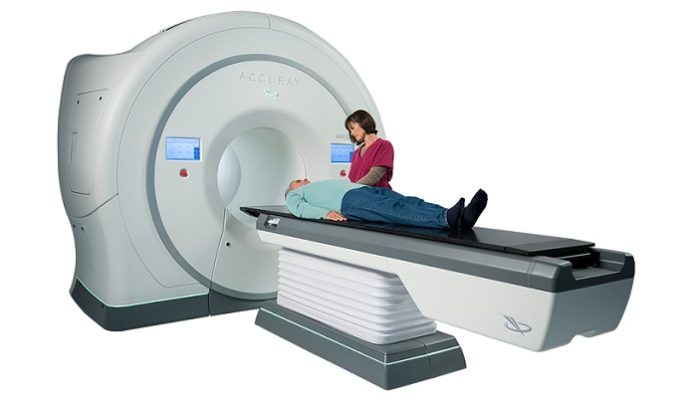
Accuray Incorporated announced that two new studies demonstrate the benefits of the TomoTherapy System in the treatment of advanced rectal cancer. Radiotherapy, with or without chemotherapy, followed by surgery is the standard of care in the treatment of locally, advanced rectal cancer.

However, radiation delivered to surrounding organs, such as the bowel and bladder, may lead to life-changing side effects, making it critically important for the radiation to be delivered with extreme accuracy and precision. The TomoTherapy platform, including the next-generation Radixact System, is capable of helical radiation delivery — continuously delivering image-guided, intensity-modulated radiation therapy (IG-IMRT) from a full 360 degrees around the patient as the treatment table also moves — providing greater control of the radiation dose so it conforms precisely to the tumor and minimizes dose to healthy tissue.

Patients enrolled in the two studies received simultaneous daily radiation and a targeted radiation boost over a 25-day time period. The study investigators found that the TomoTherapy platform’s unique architecture enabled the delivery of a high dose of radiation, directly to the tumor, through the integrated boost of radiation, while minimizing radiation to organs in close proximity to the targeted tumor. As a result, patients in the studies experienced improved treatment results and reduced side effects. These study outcomes compare favorably to conventional radiotherapy, based on results from other studies.

Novel treatment approach shows promising results
The clinical teams at Centre Hospitalier Universitaire Vaudois (CHUV) in Lausanne, Switzerland and the Clinica Luganese in Lugano, Switzerland, reported on their retrospective analysis of patients with advanced rectal cancer treated with TomoHelical. The study titled, “Neoadjuvant chemoradiotherapy delivered with helical tomotherapy under daily image guidance for rectal cancer patients: efficacy and safety in a large, multi-institutional series,” was published in the Journal of Cancer Research and Clinical Oncology, and found:

  • Treatment with TomoHelical is safe, with low rates of severe toxicity
  • Radiation delivered with helical TomoTherapy following daily imaging with the platform’s integrated imaging capabilities allowed for the reduction of treatment margins around the tumor, so less normal tissue was irradiated. The authors highlight a “clear reduction in the rates of acute and late non-hematological toxicities” when compared to a randomized trial evaluating the use of 2D- or conformal 3D-RT techniques, published in the New England Journal of Medicine (NEJM)[1]
  • The four-year outcomes showed excellent local tumor control and disease-free survival rates of 88.4 percent and 74.6 percent, respectively
  • A significantly higher rate of pathological complete response (pCR) was reported in the group of patients who received a simultaneous integrated boost compared to those who did not receive the boost. pCR is an indication of how well the treatment is working, with those patients achieving a pCR experiencing reduced rates of local recurrence and better overall survival

“The results of our analysis are encouraging because they indicate that patients with advanced rectal cancer may have a better option for effectively treating their disease. Further studies are needed, however we believe that highly conformal radiation doses delivered with TomoHelical in combination with daily image guidance may become the new standard of care for pre-surgical treatment in patients with advanced rectal cancer,” said Berardino De Bari, M.D., assistant professor and radiation oncologist in the radiation oncology department, CHUV.

Listen to De Bari share his experience using the TomoTherapy System at this link.

Targeted radiation boost helps maintain patient quality of life
In another study, clinicians at Peking Union Medical College Hospital, Chinese Academy of Medical Sciences and Peking Union Medical College in Beijing, People’s Republic of China, published results of their advanced rectal cancer study titled, “Concomitant dose escalation with image-guided TomoTherapy in locally advanced mid-low rectal cancer: a single-center study,” in Cancer Management and Research. Highlights of the study include:

  • The clinical team used TomoHelical to simultaneously deliver daily radiation treatments and a targeted radiation dose boost to the primary tumor, to improve outcomes and quality of life in patients with advanced rectal cancer
  • TomoHelical treatment was able to significantly reduce the volume of the tumor, while minimizing dose to surrounding organs-at-risk. This enabled surgeons to perform sphincter-preserving surgery while removing the remaining tumor in 80.1 percent of patients in the study, thereby increasing the chance of maintaining normal bowel function and preserving quality of life
  • Treatment resulted in positive outcomes with 95.5 percent of patients showing local tumor control and 70.9 percent exhibiting no signs of cancer five years after the radiation therapy procedure
  • At the study authors’ institution, the outcomes associated with TomoHelical treatment were superior to that with their non-dose-escalated conventional approach

“Surgical treatment of mid-low rectal cancer offers the best option for long-term management of the disease, though can be challenging because of the risk of damaging surrounding organs and the resulting side effects, including bleeding, fecal incontinence, sexual and urinary dysfunction, and pelvic pain,” said Fuquan Zhang, M.D., Ph.D., professor and chairman of the radiation oncology department]. “With the simultaneous use of daily radiation and a targeted boost, delivered with TomoHelical, we were able to effectively reduce the tumor volume while preserving the sphincter and its functionality for the majority of patients in the study,” continued Ke Hu [professor and vice chairman of the radiation oncology department].

Listen to Prof. Zhang share his experience using the TomoTherapy System at this link.

“These most recent studies are a valuable addition to the available literature on the use of chemoradiation prior to surgery in the treatment of advanced rectal cancer. The treatment outcomes are extremely promising and may offer new hope to patients whose previous options were limited,” said Fabienne Hirigoyenberry-Lanson, Ph.D., vice president global medical and scientific affairs, at Accuray. “The treatment regimens described in the studies reinforce the benefits of the unique capabilities of the TomoTherapy platform and what we would also expect to see with the Radixact System. With TomoHelical mode, clinical teams were able to effectively and efficiently treat the rectal tumors while minimizing side effects and importantly, their potential impact on quality of life.”

Translate »