Close
Digital Health & Ai Innovation summit 2026
Medical Taiwan 2026

Benzodiazepine Drugs Market to Grow US$ 2.6 Bn by 2026; the U.S. to Remain Attractive Market

Benzodiazepine Drugs Market to Grow US$ 2.6 Bn by 2026; the U.S. to Remain Attractive Market

The U.S. is expected to account for around one-third of the total share in the global benzodiazepine drugs market by 2026. Growing prevalence of anxiety in parallel with rising awareness regarding benzodiazepine drugs is reflecting on increasing opportunities for players in the U.S. market. As per a report by the Anxiety and Depression Association of America (ADAA), each year, over 40 Mn adults in the U.S. suffer from anxiety disorders.

Presence of a large number of hospital and retail pharmacies further makes it easy for individuals to purchase benzodiazepine drugs. A significant influence of high concentration of leading players is also auguring well for the U.S. benzodiazepine drugs market, which has been discussed in detail, in a recent Fact.MR study.

Key Highlights of Benzodiazepine Drugs Market Study

  • Easy accessibility is a key feature driving substantial sales of benzodiazepine drugs through retail pharmacies. By 2026, these pharmacies are projected to record value tantamount to US$ 1.4 Bn. Additionally, sales prospects for benzodiazepine drugs are likely to grow during the forecast period, as consumers are evincing high interest in online pharmacies.
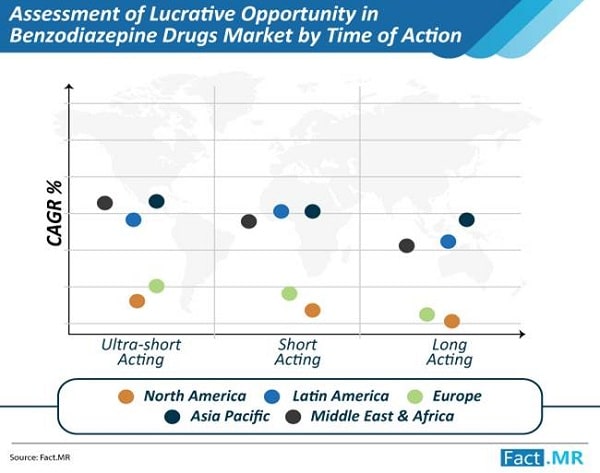
  • Popularity of short-acting benzodiazepine drugs is expected to increase during the forecast period, as these induce less hangover effect and take relatively short time of action. On the back of this, around 77% of the total share would be attributable to the sales of short-acting benzodiazepine drugs.
  • Being a highly prevalent disorder among individuals leading a demanding lifestyle, anxiety is projected to account for a sizeable share tantamount to around 53% in the benzodiazepine drugs market during the forecast period.
  • Reduction in the number of prescriptions for benzodiazepine drugs, especially in countries such as the U.S., the U.K., and Canada, would impede market growth during the forecast period.

A subject matter expert at Fact.MR opines, โ€œRegulations regarding development of benzodiazepine drugs are relatively stringent in developed regions such as North America and Europe, which opens ground for branded as well as generic drugs in developing regions. As a result, entry barriers in developed regions would be high, while those in developing regions would be moderate.โ€

High Popularity of Generic Drugs Puts Pressure on Branded Products of Leading Players

The benzodiazepine drugs market features fragmentation, as leading players operate under the constant pressure of patent expiration of branded products. High investments made towards the development of innovative and new products by leading players intensifies pressure to achieve the desired RoI. For instance, in 2017, F.Hoffmann-La Roche AG invested around one-fifth of the total revenue to strengthen the pipeline of innovative products. Stringent regulations on innovative drugs further make it difficult for leading players to gain desired marketability.

On the other side, the focus of prominent and leading players is on achieving better penetration into the benzodiazepine drugs market through the development of generic drugs. Growing sales of generic benzodiazepine drugs is putting pressure on leading players to squeeze their profit margins and adopt a cost-competitive strategy to have better sales prospects.

Find More Valuable Insights on Benzodiazepine Drugs Market

Fact.MR, in its new offering, brings to the fore an unbiased analysis of the global benzodiazepine drugs market, presenting historical demand data (2016-2019), and forecast statistics for the period of 2020-2026. The study divulges compelling insights on the benzodiazepine drugs market on the basis of distribution channel (hospital pharmacies, retail pharmacies, and others), time of action (ultra-short acting, short acting, and long acting), application (anxiety, seizures, insomnia, alcohol withdrawal, and others), and product (alprazolam, clonazepam, diazepam, lorazepam, and others), across five major regions.

For More Information about this Report, Visit: https://www.factmr.com/connectus/sample?flag=S&rep_id=4432


Heather Thiltgen Named New President of BMC HealthNet Plan and Well Sense Health Plan

Heather Thiltgen Named New President of BMC HealthNet Plan and Well Sense Health Plan

Following a nationwide search, Heather Thiltgen has been named president of Boston Medical Center (BMC) HealthNet Plan and Well Sense Health Plan, both not-for-profit managed care organizations operating in Massachusetts and New Hampshire respectively. The organizations are part of BMC Health System, an academic medical system dedicated to underserved populations and anchored by Boston Medical Center, the primary teaching affiliate of Boston University School of Medicine.

โ€œHeatherโ€™s track record of leading high performing teams that anticipate and take advantage of emerging healthcare trends will be invaluable as we look for opportunities to continue to leverage our expertise in new models of care, like Accountable Care Organizations, in order to enhance the health of our patients, members and communities,โ€ said Alastair Bell, MD, MBA, executive vice president and chief operating officer, Boston Medical Center Health System.

As president of BMC HealthNet Plan and Well Sense Health Plan, Ms. Thiltgen will lead and direct the overall financial and administrative operations throughout both organizations, which have approximately 400,000 members collectively, and work closely with state and federal government entities, regulatory groups, healthcare providers, and other external agencies.

โ€œLeading a mission-driven organization, and working with people who have set such a high bar for managing the care of vulnerable populations, is a great honor,โ€ said Ms. Thiltgen. โ€œBMC HealthNet Plan and Well Sense Health Planโ€™s commitment to providing people with high quality healthcare by addressing both their medical and social needs is driving the company to transform how it cares for and serves its members. I look forward to collaborating across our organization to continue to find new ways to help members get and stay healthy.โ€

Most recently Ms. Thiltgen served as senior vice president of strategic markets for Medical Mutual of Ohio, the stateโ€™s oldest and largest health insurer. In that role, she oversaw all product lines, which drove over $1.2 billion in annualized premiums. In addition, Ms. Thiltgen launched the companyโ€™s Medicare Advantage program in 2016, the largest new plan entrant nationwide that year. Previous to that she held senior leadership positions at CUNA Mutual Group, United Services Automobile Association, and the M/A/R/Cยฎ Group. Ms. Thiltgen received her bachelor of arts from the University of Texas at Austin, and her master of business administration from Vanderbilt University.

About BMC HealthNet Plan and Well Sense Health Plan

Boston Medical Center founded Boston Medical Center Health Plan, Inc. in 1997 as a not-for-profit managed care organization doing business in Massachusetts as Boston Medical Center (BMC) HealthNet Plan. Outside Massachusetts the business name is Well Sense Health Plan. BMC HealthNet Plan currently has nearly 310,000 members in Massachusetts through product lines that include MassHealth, Accountable Care Organization, Qualified Health Plan, and Senior Care Option. In addition, BMC Health HealthNet Planโ€™s Medicaid HMO was rated 4 out of 5 according to the National Committee for Quality Assuranceโ€™s (NCQA) Medicaid Health Insurance Plan ratings 2019-2020 and has achieved Commendable Accreditation. BMC HealthNet Planโ€™s Qualified Health Plan (QHP) program has been awarded Accredited status from NCQA, the highest accreditation level available at this time for QHP plans. Well Sense Health Plan currently has over 85,000 members across New Hampshire. Well Sense Health Planโ€™s Medicaid HMO has received Commendable Accreditation status and is rated 3.5 out of 5 among Medicaid plans in the U.S. according to the National Committee for Quality Assuranceโ€™s (NCQA) Medicaid Health Insurance Plan ratings 2019-2020. For more information, go to bmchp.org or wellsense.org. For more information about BMC HealthNet Plan Senior Care Options, go to seniorsgetmore.org.


Understanding and Improving Patient Financial Clearance

Understanding and Improving Patient Financial Clearance

As industry economics change, health care organizations are increasingly being pressured to provide financial transparency while improving the patient experience. Patient financial clearance (PFC) departments are increasingly under pressure to reduce costs and improve their own performance metrics. Yet it is difficult to improve baseline PFC key metrics such as days outs, denials, patient escalations, and write-offs without adding staff, an additional expense.

How can PFC departments reasonably achieve performance and productivity goals while still fulfilling their core functions? The first step toward PFC improvement is to understand how most PFC departments work, then sequentially adding measures to enhance PFC performance.

Understanding PFC

PFC departments, usually operating within a providerโ€™s revenue cycle division, are typically resource-challenged to curtail internal costs. A PFC departmentโ€™s greatest cost is staffing, since most authorizations require staff-conducted phone calls to payers. Furthermore, authorizations are often complex for PFC to obtain, since they are based on specific payer rules and valid for only a set period of time.

PFC staff are also responsible for communicating the status of the authorization to not only the patient but also clinic staff. Given that a PFC departmentโ€™s most important metrics directly pertain to patient health, it is imperative that PFCโ€™s work is done in a timely manner and that financial status and payment are explained clearly to both the patient and provider, so that both parties can be educated in their decision-making process.

The organizational structure of a PFC department can assist or impede its overall productivity, based on the PFC teamโ€™s technology, workflow, and communication. For example, keeping teams in siloes may make team members specialized in their work but it can also create difficulty in achieving a streamlined overall process, due to the number of handoffs required to complete simple takes. Factors such as these illustrate the need for PFC departments to emphasize continuous improvement and workflow โ€œoptimizationโ€ which aligns technology, people and processes.

Improving PFC Performance

PFC performance improvement starts with understanding the departmentโ€™s technology limitations and exploring potential options to automate PFC functions. For example, technology to verify insurance and benefits should be considered to reduce manual intervention as well as optimizing work queues to improve performance. Most EMRs have integrated insurance verification tools which can be configured to maximize the organizationโ€™s payers.

In addition, PFC departments should consider implementing authorization automation tools. These tools allow users to map specific payer rules and automate the status of a payerโ€™s website. Technologies such as these can significantly reduce errors and manual phone calls to payers. This allows an organization to expand its PFC services while not adding head count.

Organizations can also improve PFC performance by improving their operational alignment based on payer, service line or patient flow. Regardless of what type of operational alignment is employed, it should simplify information-gathering between PFC and clinical staff members, improve financial transparency and physician and clinical service levels, provide greater visibility into PFC metrics and reduce patient complaints about PFC.

For example, payer-based organizational alignment allows PFC staff to make multiple inquiries when talking with payers, as well as gain a deeper understanding on payer-specific rules. Service line organizational alignment allows PFC staff to better understand the organizationโ€™s workflow. Lastly, patient flow-based organizational alignment allows PFC staff to follow the patient through their patient journey throughout the health system.

Lastly, clinical workflows such as treatment plans should be integrated with financial workflows such as authorizations. In most organizations, clinical and financial workflows are disparate, resulting in frequently clunky handoffs between these workflows, leading into miscommunication and potential conflict between clinical and PFC team members. Clinical staff members should understand financial workflows, and vice versa through group meetings and creating integrated workflows through joint working sessions.

In addition, organizations should adopt an authorize-then-schedule (ATS) workflow instead of a schedule-then-authorize (STA) workflow. The key benefit of ATS is that a procedure isnโ€™t formally scheduled until itโ€™s been authorized, significantly reducing denials and allowing for greater PFC efficiency. In most cases, ATS does not impact physician or clinical care models. Furthermore, an ATS workflow reduces patient scheduling problems.

Conclusion

PFC optimization should be a major initiative in most health systems. PFC departments have the potential to create financial and clinical integration and be the center of the revenue cycle, helping manage and connect all of its aspects. A high-functioning PFC also likely means a happier and more productive workforce, as well as more satisfied patients.

BOGE introduces new C-2 generation of screw compressors for industrial, health and food manufacturing plants

BOGE introduces new C-2 generation of screw compressors for industrial, health and food manufacturing plants

More compact, easier to operate and quieter than ever before: BOGE introduces the new generation of its screw compressors from the popular C-series, valued and applied in industrial, health and food manufacturing plants. The C-2 compressors from the Bielefeld-based compressed air expert are available as a complete solution ready for connection together with compressed air receiver and dryer, as well as in a standalone version for larger complete systems.

The machines are compact in design and, thanks to their easily accessible components, particularly maintenance-friendly and ergonomic. Fitted with a sound insulation hood as standard, the new C-2 compressors are once again quieter than their predecessors. BOGE has given all versions of the machine an elegant, uniform design with high recognition value, and offers a range of individual configuration options that is huge.

In summary: BOGE has optimised its popular C-series all round. And what about the long version? Well, what ends up looking so elegant, modern and uniform on the outside, is more diverse than ever before on the inside. BOGE offers its new C-2 compressors belt-driven, directly coupled, frequency-controlled and also directly coupled at the same time, in the same casing. Thanks to a sound insulation hood that is built in as standard, all compressors are even quieter than before. With optional super-soundproofing, the noise level is reduced by even more decibels. While the C-2 compressors are fitted as standard with a high-performance IE3 motor, efficiency is increased to new best values as required thanks to an IE4 motor.

โ€œFrom 7.5 kW, the compressors are available with frequency-controlled fans. What this means is that the cooling capacity can be adapted optimally to the environmental conditions. For example, a dryer can also be integrated across the entire series โ€“ and a control system ideally adapted to customer requirements. So users have the choice between the basic control and the high-end focus control 2.0 version,โ€ says Nalin Amunugama, General Manager of BOGE Kompressoren Asia Pacific.

Plug-and-play: ergonomic and user-friendly

Regardless of which extras are required, it works the same for all users: with the machines from the new C-2 series, you obtain a complete compressed air station as a plug-and-play solution in the smallest space, whether without or โ€“ for the first time ever in this series with a performance up to 22 kW โ€“ also with a receiver. BOGE has ergonomically optimised both installation versions and designed them to be particularly user-friendly: the control panel has been built directly into the front plate or angled, depending on the version. Control cabinet, belts and all other maintenance parts are accessible thanks to plates that are easy to remove.

About BOGE Singapore

With more than 111 years of experience in mechanical engineering, BOGE KOMPRESSOREN Otto Boge GmbH & Co. KG is one of the oldest manufacturers of compressors and compressed air systems in Germany. Be it high speed turbo compressors, screw compressors, piston compressors, scroll compressors, complete systems or individual devices, BOGE meets the most diverse requirements and highest standards. In Southeast Asia, BOGEโ€™s products are sold and serviced through a dedicated network of 48 distributors.


Seasoned leaders named to top roles within St. Lukes Health System

Seasoned leaders named to top roles within St. Lukes Health System

St. Lukeโ€™s Health System President and CEO Chris Roth has named the organizationโ€™s head of acute-care services and the administrator of its provider network to head up key operations and administrative functions for the organization.

Pam Lindemoen has been appointed to serve as St. Lukeโ€™s chief operating officer. Lindemoen joined St. Lukeโ€™s near the beginning of 2018, coming from Dignity Health St. Maryโ€™s Medical Center in San Francisco, where she was president and chief executive officer.

Before that, she was region vice president for Kaiser Permanenteโ€™s Northern California Region, leading operations across 22 medical centers with 25,000 staff members for the organizationโ€™s largest of seven regions, serving approximately 3.5 million health plan members. Lindemoen has been instrumental in helping to shape the systemโ€™s population health capabilities in the past two years; she will continue to be responsible for the organizationโ€™s acute-care services as she takes on the additional responsibilities of operations.

Dave Self, who has served as chief administrative officer for St. Lukeโ€™s Health Partners, has been named to the new position of St. Lukeโ€™s Health Systemโ€™s chief administrative officer and will have oversight responsibility for key functions including strategy and planning; communications, marketing and community health; IHT; external relations; contracting and enterprise business development and sales. As with Lindemoen, Self is a seasoned leader with an impressive history; prior to joining St. Lukeโ€™s in 2014, he served as senior vice president and regional director of Idaho for PacificSource Health Plans, which he joined when the company acquired Primary Health Inc., where he was president and chief operating officer. Self has helped to shape the provider network and St. Lukeโ€™s shift into value-based contracting; more than a third of the organizationโ€™s revenues are tied to risk arrangements.

In addition, with St. Lukeโ€™s Chief Human Resources Officer Phil Johnsonโ€™s retirement, Erin Simms has been named interim CHRO. The search for Johnsonโ€™s permanent replacement is ongoing.

Roth, the organizationโ€™s former chief operating officer, became president and chief executive officer of the system effective Feb. 1, replacing Dr. David C. Pate, who retired at the end of January after serving as president and CEO for more than 10 years.

A community institution since 1902, St. Lukeโ€™s is the only not-for-profit health system based in Idaho. Itโ€™s also Idahoโ€™s largest private employer with 14,830 employees at eight hospitals, St. Lukeโ€™s Childrenโ€™s, a nationally recognized cancer center, more than 200 clinics throughout southern Idaho and into eastern Oregon, and the regionโ€™s first virtual care center.

As an invested participant in our communities, St. Lukeโ€™s cares for and cultivates civic life and wellbeing through millions of dollars in unreimbursed services, care and investments in community services and programs. Philanthropic investment from thousands of donors provides funding for patient access, cutting-edge research, childrenโ€™s programs, technology and life-saving services.

Livingstone Health Unveils New Corporate Identity; Adds Cardiology and Family Medicine Capabilities

Livingstone Health Unveils New Corporate Identity; Adds Cardiology and Family Medicine Capabilities

Singapore-based Livingstone Health (formerly known as Ardmore Medical Group) has unveiled a new corporate identity after adding new capabilities and specialists to position itself as a holistic ASEAN-focused healthcare services player with at least five specialisations.

Following an internal reorganisation and rebranding, Livingstone has added Cardiology as a fourth specialisation and Family Medicine as a fifth, after Orthopaedic Surgery, Pain Management and Anaesthesiology, and Aesthetics and Wellness.

Dr Wilson Tay, Chief Executive Officer of Livingstone, said: “The new corporate identity reflects a bigger team with a clearer value proposition, offering a suite of medical specialisations that will raise our profile and positioning as a provider of healthcare services for ASEAN, a region of rapid economic growth.”

Joining Dr Tay in executive leadership is Chief Business Officer Mr Dax Ng, Chief Operating Officer Dr Rachel Lim and Chief Medical Officer Dr Sebastian Chua.

The Cardiology practice, Livingstone Cardiology, is headed by Dr Ang Teck Kee, a Consultant and Interventional Cardiologist with more than 15 years of clinical experience. Livingstone Cardiology offers a comprehensive range of cardiac services from screening to treatment procedures. The clinic is located at Mount Elizabeth Medical Centre.

The fifth and latest healthcare discipline is Family Medicine, through a partnership between Livingstone and Phoenix Medical Group. The latter focuses mainly on primary healthcare such as chronic disease management and early prevention through its four clinics located across different parts of Singapore.

With the addition of Cardiology and Family Medicine, Livingstone’s roster has grown from five to 11 doctors, and from 30 to 50 staff.

As part of its new business strategy, Livingstone will also offer design and operations consultancy services to third-party healthcare service providers to set up and operate medical centres in emerging ASEAN countries. On 19 November 2019, Livingstone successfully launched an aesthetics and wellness clinic in Phnom Penh, Cambodia – a joint-venture between Livingstone and Soriya Hospital, a leading healthcare provider in the country.

Dr Tay said, “We are pleased to welcome Phoenix Medical Group and all the new doctors to the Livingstone family. With the added expertise of Cardiology and Family Medicine, Livingstone is able to offer a more holistic service to our patients and also expand our footprint within Singapore and the larger Southeast Asia region.”

The ASEAN healthcare landscape has changed very significantly since the 2008-2009 Global Financial Crisis. While patients once came to Singapore for specialist care, local costs have risen at a time when medical specialisation has improved in some parts of ASEAN, which groups 10 countries in Southeast Asia.

“We want to bring the Livingstone brand and medical expertise to patients in ASEAN countries. We have started this process through a partnership in Cambodia to offer health screening and aesthetics and wellness services. In Vietnam we have tied up with a local hospital to offer pain management services,” said Dr Tay.

“We intend to build upon this track record to expand further across ASEAN. As we do so we also increase opportunities for doctors and specialists working under the Livingstone brand,” he added.

About Livingstone Health

Livingstone Health is a Singapore-based multidisciplinary healthcare group specialising in Cardiology, Orthopaedic Surgery, Pain Management & Anaesthesiology, Aesthetics & Wellness, and Family Medicine.

The name “Livingstone” is derived from the succulent plant Lithops, which are often called “living stones”. Both a stone and a plant, living stones symbolise Livingstone Health’s resilience, growth and determination to be recognised as a trusted integrated healthcare provider for patients, as well as a centre of excellence of growth opportunities for medical professionals.

The Livingstone Health emblem is made up of a group of multi-coloured stones to represent its focus on multidisciplinary healthcare, while the trunk of the tree and its branches signify the vast and established network that connects these healthcare disciplines. For more information, please visit: www.livingstonehealth.com.sg


New Technology Implementation Thrives with System Wide Training and Support

New Technology Implementation Thrives with System Wide Training and Support

According to Greek philosophy: Change is the only thing that is constant. This rings particularly true in the provision of health care, where technological advancements continually improve treatment methods. However, while the pace of innovation is steady, it is not always easy. In fact, introducing new technology to a hospital or multi-site healthcare system is notoriously challenging.

Hurdles associated with adoption of new devices or technology include justifying the need for the new equipment, providing iron clad return on investment (ROI) projections for the expenditure, and earning approval by individuals or committees who hold the purse strings. 1,2 Challenges associated with implementation of next generation equipment are more amorphous in nature. For instance, devices may be purchased for use in a specific clinical setting, but fail to be embraced by the designated staff or used to their full potential.3,4 Whatโ€™s more, itโ€™s not uncommon for the same technology to thrive in one institution yet fail in another due to differences in the implementation process.5

Education and Support

This dichotomy was the focus of a qualitative exploratory study that looked at factors impacting successful implementation of newly adopted technology in hospitals.6 ย Langhan and colleagues ย found that implementation of new technology was successful when a strong educational foundation and support system was available. Their research suggests that continuous and timely education and manufacturer support is integral to successful integration of new technology.

As technology grows increasingly complex โ€“ and especially in the case of disruptive technologies that change existing business models or work processes — it is even more crucial to follow up device adoption with an integrated and systematic program that ensures all team members are educated and comfortable with the new product. In response to this need, a growing number of manufacturers are offering tools, training, and other assistance to reduce difficulty and overcome roadblocks when bringing new, disruptive technology on board at the facilities that have purchased their equipment.

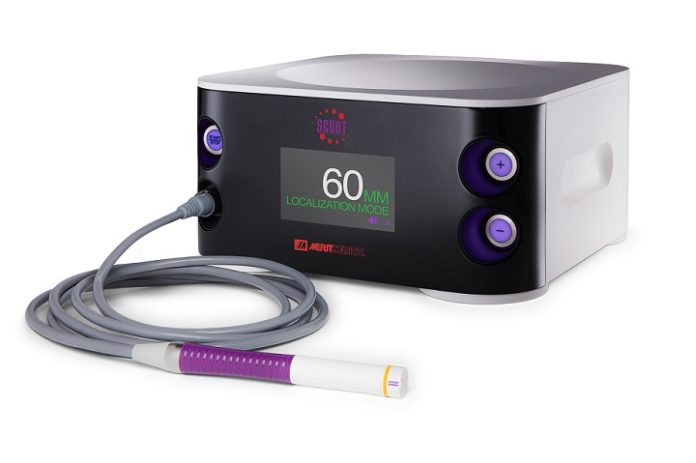
An excellent example of this model is SCOUTCareTM, a program designed to help integrate the SCOUTยฎ Radar Localization System (Merit Medicalยฎ) into healthcare systems after hospital leadership approves acquisition of the new technology.

Wire-Free Technology

SCOUT is a breast surgery localization platform that uses micro-impulse radar to locate and direct the removal of breast tumors. This technology is an alternative to wire-guided localization of non-palpable breast lesions. Instead of wires, SCOUT uses a small reflector the size of a grain of rice that is placed into the breast prior to the day of surgery. With wire localization, the wire is placed during a separate procedure on the day of surgery, which lengthens an already long and stressful day for the patient and her family.

The wire-guided technique has multiple disadvantages including patient discomfort, possible wire migration, suboptimal surgical incision placement due to wire location, and limited scheduling flexibility, which decreases operating room efficiency.7 Using SCOUT, surgeons can precisely target the affected tissue to pinpoint its location within 1mm, which can mean optimized breast conservation strategies and enhanced outcomes for women. SCOUT also has been shown to improve radiology workflow and reduce OR delays.

In 2018, SCOUT replaced wire localization at UCHealthยฎ, a 12-hospital healthcare network serving the metro Denver area and Northern and Southern Colorado.ย  Amanda Wood, MBA, RT, CRA, is the administrator responsible for bringing SCOUT to the attention of UCHealthโ€™s New Technology Assessment Committee. Sheโ€™s the Northern Colorado, Regional Director of Breast Imaging, and in that role she leads UCHealthโ€™s breast imaging teams. Ms. Wood explains that introducing a new product or technology to a hospital/health care facility can be time-consuming and difficult, but that those challenges were minimized in the case of the SCOUT system. โ€œI was able to get the Committeeโ€™s approval in the first round of reviews. Then it was just a matter of getting approval for capital dollars,โ€ she said.

Once the final go-ahead is given, Merit Medical provides an all-encompassing training and support program via SCOUTCare. โ€œThe SCOUTCare program helped us to implement the wire-free technology across the entire UCHealth system,โ€ said Ms. Wood. โ€œThe medical team and I met with every surgeon one-on-one while they were doing their SCOUT training.

This is quite a significant commitment given that we have three OR teams to train just in my region alone, plus all of the technologists, nurses, clerical teams, and surgery schedulers. There was a significant amount of process mapping and development that needed to be done to create the most standardized and streamlined plan for training everyone as we implemented SCOUT in our region,โ€ she explained.

The SCOUTCare program is designed for maximum departmental engagement, and includes training for radiologists, surgeons, and allied health care professionals, as well as CEU credits for technologists and a soon to be implemented CEU for nursing, certification upon completion of the training module, and reimbursement and coding support.

Additional resources include a patient assistance program and marketing and communication tools, as well as ongoing support and interaction with the Merit Medical clinical support team. The overarching goal of SCOUTCare, according to Ms. Wood, โ€œis to ensure that every member of our clinical and allied clinical team becomes expert in the use and knowledge of the SCOUT technology, and I can say that this goal was definitely met.โ€

Being There

The most valuable aspect of the SCOUTCare implementation program from Ms. Woodโ€™s perspective is that the clinical support team was on site throughout the process, and continue to remain on-call. โ€œThey were present whenever we needed them โ€“ whether that meant being with the surgeons in the ORs, or being with my team when we were placing the SCOUT reflectors,โ€ she said. โ€œPlacing SCOUT is very much like placing a conventional breast surgery marking device so the learning curve is not very steep for the radiologists. The real challenge is for the surgeons, because it requires that they modify how they approach their surgical procedure. Having the team available to help with that transition was an important facet of the transition.โ€

Ultimately, she says, the SCOUTCare program lends critical support and reassurance. โ€œThey were there every step of the way providing assistance and positive energy through what could have been a stressful and daunting process.โ€

Supportive Partner

Ms. Wood says SCOUTCare did for UCHealth what SCOUT does for women facing breast surgery. โ€œUltimately, wire-free localization makes the process easier and less stressful for women, and SCOUTCare made implementation of SCOUT easier and less stressful for my team,โ€ she explained. The importance of SCOUTCare training and support gains added weight as the SCOUT model evolves with some institutions giving patients the opportunity to schedule the wire-free localization at the time of biopsy, rather than on a separate date between biopsy and surgery.

Lymphoseek is now being used in some health care systems. Lymphoseek (technetium Tc 99m tilmanocept) is an injectable agent used to identify lymph nodes. When Lymphoseek is used after the SCOUT placement, it decouples all of the processes on the day of surgery, making things easier on the patient, the surgeon, and the radiology department. This Lymphoseek option, like SCOUT, furthers the ultimate goal of making breast cancer surgery easier for women.

The same year that UCHealth adopted the SCOUT system, an IBM Watson Health study identified the sprawling not-for-profit operation as one of the five top-performing large health systems in the U.S. Clearly employing cutting edge technology helps the healthcare system maintain a competitive edge, but without system-wide training and support, even the best equipment is lacking, according to Ms. Wood. โ€œThere are times when an institution adopts new technology and the manufacturer provides some limited resources for a short time, and then they’re on their way. That was not the case with the SCOUT team. Theyโ€™ve been by our side consistently to help us make sure that we adopted this new technology to the best of our ability.โ€

Rochelle Nataloni is a health care writer specializing in practice management, and clinical and surgical issuesย  relatedย  to specialties such as ophthalmology, dermatology, and oncology. RochelleMedWriter@gmail.com

References

  1. Roback K, Gaddlin PO, Nelson N, et al. Adoption of medical devices: perspectives of professionals in Swedish neonatal intensive care.ย Technol Health Care.ย 2007;15(3):157โ€“179.
  2. Laupacis A, Feeny D, Detsky AS, et al. How attractive does a new technology have to be to warrant adoption and utilization? Tentative guidelines for using clinical and economic evaluations. CMAJ. 1992;146(4):473โ€“481.
  3. Greer AL. The state of the art versus the state of the science. The diffusion of new medical technologies into practise. Int J Technol Assess Health Care. 1988;4(1):5โ€“26.
  4. Crow G. Diffusion of innovation: the leaders’ role in creating the organizational context for evidence-based practice. Nurs Adm Q. 2006;30(3):236โ€“242.
  5. Kyratsis Y, Ahmad R, Holmes A. Technology adoption and implementation in organisations: comparative case studies of 12 English NHS Trusts.ย BMJ Open.ย 2012;2(2):e000872.
  6. Langhan M, Riera A, Kurtz J. Implementation of newly adopted technology in acute care settings: a qualitative analysis of clinical staff. J Med Eng Technol. 2015 January ; 39(1): 44โ€“53.
  7. Cheang E, Ha R, Thornton CM, Mango VL. Innovations in image-guided preoperative breast lesion localization. Br J Radiol. 2018;91(1085):20170740.


Chris Roth begins new Role as President and CEO of St. Lukes Health System

Chris Roth is the new president and chief executive officer of St. Lukeโ€™s Health System. The long-time St. Lukeโ€™s executive transitioned to the top position at Idahoโ€™s leading health-care organization on Feb. 1, 2020.

The St. Lukeโ€™s Health System Board of Directors selected Roth to replace Dr. David C. Pate, who retired at the end of January after serving as president and CEO for more than 10 years.

โ€œSt. Lukeโ€™s is such a valued community asset,โ€ Roth said. โ€œI appreciate the immense opportunity and responsibility I have as the new president and chief executive officer of this incredible organization. I am passionate about our mission of improving health throughout the communities we are privileged to serve, and I am proud to be part of such an amazing team of caring professionals.โ€

Roth has more than 30 yearsโ€™ experience in health care, starting as a pharmacy technician with Intermountain Healthcare and moving into positions of increasing responsibility in administration, specialty practice management and executive and leadership positions with Northwest Hospital & Medical Center in Seattle, Ochsner Health System in New Orleans and other health organizations. He joined St. Lukeโ€™s in early 2007, when the organization had been a health system for less than six months.

Roth is a seasoned leader and health-care executive with a proven track record, and his diverse experience made him the perfect fit for his earlier roles at St. Lukeโ€™s, first as vice president and chief operating officer and then as chief executive officer of the Treasure Valley region, responsible for region-wide health-care operations encompassing the Treasure Valley and West Treasure Valley communities of Fruitland, Meridian and Eagle; responsibilities included oversight of St. Lukeโ€™s Eastern Oregon operations. Roth subsequently was promoted by Pate to the position of senior vice president and chief operating officer for the health system before being selected as the new president and CEO.

He has a proven track record of strategic planning, goal setting and driving performance in multiple health-care settings. At St. Lukeโ€™s, Chris has led the Boise downtown hospital, guided development and municipal approval of the St. Lukeโ€™s Boise master campus plan and helped to architect the integration into the system of multiple clinics, practices and hospitals, including what are now St. Lukeโ€™s Elmore and St. Lukeโ€™s Rehabilitation Hospital. Working closely with the St. Lukeโ€™s Health System Board of Directors, Dr. Pate and community stakeholders, he has played a pivotal role in shaping the health system and building a culture of continuous improvement.

โ€œChris is a change leader and a relationship-builder,โ€ St. Lukeโ€™s Health System Board of Directors Chairman Rich Raimondi said. โ€œHe is well tested, ethical and highly committed to our organization, our people and our vision of health-care transformation.โ€

When Dr. Pate announced his retirement, Raimondi said, the board weighed options for internal succession and external recruitment. They assessed highly skilled and talented potential successors before determining St. Lukeโ€™s would be best served with Roth as its new leader.

โ€œWe are fortunate to have had impressive talent internally to consider, which is an indicator of a strong and thoughtful organization, and the board has had a great experience with Chris over the years,โ€ Raimondi said. โ€œWe have every confidence his skillset and ability to connect with people and inspire their best makes him the kind of leader St. Lukeโ€™s needs right now.

โ€œWe very much look forward to working with him as St. Lukeโ€™s president.โ€

Roth has extensive industry knowledge and experience related to emerging technologies, care delivery and care models, and the consumer experience. He has built winning teams, mentored emerging leaders and executives, and cultivated strong community partners and partnerships.

Roth intends to continue St. Lukeโ€™s pursuit of improving the health in the communities it serves and offering the highest quality care. For six of the past 10 years, St. Lukeโ€™s has been named one of the top health systems in the country, putting it in a league of only a handful of the very best health-care organizations in America.

Under Rothโ€™s leadership, the team will continue to execute St. Lukeโ€™s transformation of the health systemโ€™s business model from fee-for-service to value-based care. More than 30 percent of St. Lukeโ€™s business now represents the organizationโ€™s full financial accountability for patientsโ€™ outcomes.

โ€œItโ€™s going to be exciting to see the great things that Chris, the team and all the wonderful employees and physicians of St. Lukeโ€™s accomplish,โ€ said Dr. Pate, who worked directly with Roth to ensure a smooth transition and seamless operations. โ€œChris is committed to our vision of health-care transformation and has substantial end-to-end experience across the health-care delivery continuum.โ€

A community institution since 1902, St. Lukeโ€™s is the only not-for-profit health system based in Idaho. Itโ€™s also Idahoโ€™s largest private employer with 14,830 employees at eight hospitals, St. Lukeโ€™s Childrenโ€™s, a nationally recognized cancer center, more than 200 clinics throughout southern Idaho and into eastern Oregon, and the regionโ€™s first virtual care center.

As an invested participant in our communities, St. Lukeโ€™s cares for and cultivates civic life and wellbeing through millions of dollars in unreimbursed services, care and investments in community services and programs. Philanthropic investment from thousands of donors provides funding for patient access, cutting-edge research, childrenโ€™s programs, technology and life-saving services.

InterSystems Wins Two 2020 Best in KLAS Awards

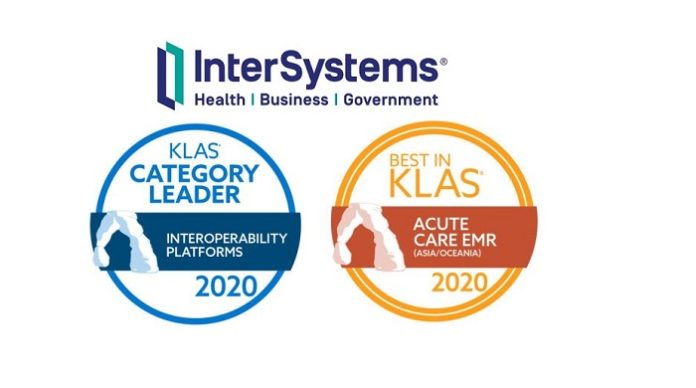
InterSystems, a global leader in information technology platforms for health, business, and government applications announced that KLAS Research has named InterSystems TrakCareยฎ unified healthcare information system as the 2020 Best in KLAS award winner in the Asia/Oceania Region for Global Acute Care EMR, and InterSystems HealthShareยฎ Unified Care Record as the Category Leader for Interoperability Platforms.

The โ€œ2020 Best in KLAS Global Software Servicesโ€ report is based on satisfaction ratings gathered in 2019 by healthcare providers in two segments: Acute Care Electronic Medical Records (EMRs) and the Interoperability Platforms category. It recognizes the software organizations that have excelled in helping healthcare professionals deliver better patient care.

โ€œProviders and payers demand better performance, usability, and interoperability from their vendor partners every year,โ€ said Adam Gale, president at KLAS. โ€œBest in KLAS winners set the standard of excellence in their market segment. Earning a Best in KLAS award should both excite and humble the recipients. It serves as a signal to providers that they should expect only the best from the winning vendors.โ€

Each year, KLAS research collects feedback from thousands of healthcare providers to offer an honest, accurate, and impartial overview of vendor performance in the industry. The Category Leader designation is reserved for top performing solutions that lead select market segments.

TrakCare has been recognized six times with a Best in KLAS Global (Non-US) award in the Patient Administration System and Acute Care EMR categories. This is the third time TrakCare has been recognized with the Global Acute Care EMR award for the Asia/Oceania Region. TrakCare unified healthcare information system is trusted by leading healthcare providers in 25 countries and allows healthcare providers to deliver safer, more efficient, and better coordinated care.

As Category Leader for Interoperability Platforms, InterSystems HealthShare Unified Care Record received a remarkable 91/100 approval rating. HealthShare Unified Care Record helps providers, payers, consumers, social care and wellness services, researchers, and solution developers overcome the challenges of decentralized data by creating a shared, comprehensive, and unified care record.

โ€œAs a global organization, InterSystems sees first-hand how care is delivered in a variety of scenarios and the unique technology challenges different regions encounter,โ€ said Christine Chapman, Vice President for TrakCare at InterSystems. โ€œThrough these insights, we are able to customize our products and services to provide our customers a more robust offering that meets their needs. We are continuously looking to provide our customers with the best technology possible, and this recognition is evidence that we are achieving our goal.โ€

โ€œAt InterSystems, we pride ourselves in developing and delivering technology solutions that empower our customers and partners with healthy data to improve the delivery of patient care and support data analytics and AI efforts,โ€ said Don Woodlock, Vice President of HealthShare for InterSystems. โ€œWe know interoperability is at the heart of the unified healthcare record, and the 2020 KLAS Research Report validates the work we do to create a seamless process for our partners, and as a result, better patient outcomes.โ€

About InterSystems

InterSystems is the information engine that powers some of the worldโ€™s most important applications. In healthcare, business, government, and other sectors where lives and livelihoods are at stake, InterSystems has been a strategic technology provider since 1978. InterSystems is a privately held company headquartered in Cambridge, Massachusetts (USA), with offices worldwide, and its software products are used daily by millions of people in more than 80 countries. For more information, please visit http://www.intersystems.com/.

About KLAS

KLAS is a data-driven company on a mission to improve the worldโ€™s healthcare by enabling provider and payer voices to be heard and counted. Working with thousands of healthcare professionals, KLAS collects insights on software, services and medical equipment to deliver reports, trending data and statistical overviews. KLAS data is accurate, honest and impartial. The research directly reflects the voice of healthcare professionals and acts as a catalyst for improving vendor performance. To learn more about KLAS and the insights we provide, visit https://klasresearch.com/

Accumen’s 3DR Labs Partners with Resonance Health to Expand its MRI Analysis Services

Accumen's 3DR Labs Partners with Resonance Health to Expand its MRI Analysis Services

Accumen Inc., the leader in healthcare performance, announced that its 3DR Labs, LLC company is partnering with Resonance Health Limited to provide FerriSmart magnetic resonance imaging- (MRI-) based liver iron concentration reports for its clients.

FerriSmart uses artificial intelligence (AI) to analyze MRI images and deliver a liver iron quantification result within seconds. This technology allows liver iron concentrations to be monitored effectively and efficiently for individuals with confirmed or suspected systemic iron overload, patients with thalassemia or sickle cell anemia who require regular blood transfusions, and recipients of artificial heart valves who may experience an increase in systemic iron levels over time.

โ€œWe are excited to partner with Resonance Health to provide our clients with this additional resource for mining valuable diagnostic data from their MRI images,โ€ said Accumen President and CEO Jeff Osborne. โ€œ3DR is already working with 900 hospitals in the United States, creating three-dimensional images from their MRI and computed tomography scans. We consider FerriSmart Reports to be a natural extension to the comprehensive MRI analysis services that we already offer to our 3DR clients.โ€

โ€œWe are delighted to partner with 3DR Laboratories and significantly increase the number of patients who can benefit from our non-invasive, MRI-based FerriSmart technology. This important liver iron concentration information can provide invaluable insights and help to guide their treatment options,โ€ said Resonance Health CEO Alison Laws.

โ€œIron deposition disorders, such as sickle cell disease and thalassemia, are a significant health problem not only in the U.S. but worldwide. 3DR is thrilled to partner with Resonance Health in delivering a safer, easier and less expensive AI-based technology to help care for these patients,โ€ said 3DR Labs Chief Medical Officer Robert L Falk, MD.

Sickle cell disease is a group of inherited red blood cell disorders, characterized by hard, sticky, c-shaped red blood cells. These red blood cells die early, so they are always in short supply. They also tend to cause blood clots, which can result in pain, infection, acute chest syndrome and stroke.The US Centers for Disease Control and Prevention estimates that sickle cell disease affects approximately 100,000 Americans and millions of people throughout the world.

Thalassemia is a group of inherited disorders in which there is reduced hemoglobin levels, decreased red blood cell production and anemia.3 They are sub-divided into alpha-thalassemia and beta-thalassemia depending on whether the mutation occurs on the alpha or beta chain of the hemoglobin molecule.4 The incidence of symptomatic cases of beta thalassemia is estimated to be approximately 1 in 100,000 individuals worldwide.

Resonance Health has received 510(k) clearance for FerriSmart from the US Food and Drug Administration, a CE mark from the European Medicines Agency, and regulatory clearance from the Therapeutic Goods Administration in Australia.

About Resonance Health

Resonance Health is an Australian healthcare company specializing in the development and delivery of non-invasive medical imaging software and services. Our products are used by clinicians in the diagnosis and management of human diseases and by pharmaceutical companies in their clinical trials. Resonance Health has gained endorsement by leading physicians worldwide for consistently providing high quality quantitative measurements essential in the management of particular diseases.

Resonance Healthโ€™s dedication to scientific rigor in the development and implementation of its analysis services has enabled it to achieve regulatory clearances in the US, Europe and Australia. This extends to a philosophy of quality management in all aspects of our operations. Resonance Health proudly carries ISO 13485 certification.

About 3DR Labs, LLC

Headquartered in Louisville, Kentucky, 3DR Labs, LLC provides 24/7 access to expert radiological technologists who perform superior 3D medical image post-processing.

Founded in 2005, 3DR Labs, LLC has provided post-processing services to hundreds of hospital radiology departments, stand-alone imaging centers, and radiology practices enabling them to obtain expert processing of their medical imaging cases within hours or even minutes for emergencies. 3DR Labs, LLC is the ideal partner to deliver your 3D post-processing services: their personnel โ€“ exclusively based in the U.S. โ€“ offer a high level of expertise that is unrivaled in the industry and deliver a truly collaborative relationship with hospitals and imaging centers that need solutions beyond just scanning.

About Accumen Inc.

At Accumen, our focus is healthcare performance. Accumen utilizes healthcare technology along with our expert performance team members to drive significant value to hospital, health system, commercial laboratory and payer clients, providing strategic solutions, services and technology that deliver sustainable performance improvements in operations, clinical services, and data management. These offerings include lab and imaging transformation, consulting, supply chain optimization, lab outreach, patient blood utilization, test utilization, anemia management and clinical data exchange.

Accumenโ€™s offerings enable its clients to achieve and exceed their cost, quality, and service targets, as well as deliver excellent patient care through evidence-based data and clinical decision support capabilities.

We share the belief that performance matters. We are inspired to improve operational, clinical, and data performance across the healthcare industry because transformational change will make healthcare better for our clients, our communities and our families.

Translate ยป