













Close
Digital Health & Ai Innovation summit 2026
Medical Taiwan 2026

Top Cyber-Security Tips to Protect Your Health Care Data

Unfortunately, healthcare institutions have become an increasingly large target for hackers in recent years, so it is now more important than ever to practice good cyber-security practices to ensure your data is secure. Try to follow these top cyber-security tips to protect your organization from cyber-attacks.

1. Train Staff in Cyber-Security Practices
More often than not, the weakest link in your cyber-security practices is the user. Training staff to know how to protect your data is essential, as well as enforcing these measures, and education should be continuous. Uninstall any non-essential software and encourage employees to resist downloading any, as well as disabling file-sharing and remote printing to avoid accidental sharing of data to unauthorized personnel.

2. Donโ€™t Put Off Software Updates
It may seem inconvenient to update your software but not doing so can leave your system more vulnerable to attack. Anyone looking to gain access to your data will be able to hack into your system easily if it is running on out-dated software, while they will struggle to break into up-to-date systems.

3. Limit Access to Sensitive Data
While data security in general is essential, maintaining effective cyber-security practices is even more crucial when you are responsible for sensitive private patient information. Sharon Jones, a health blogger at Ukwritings and Boomessays, explains the severity of this situation: โ€œThe consequences of failing to keep these confidential details secure can be severe, as the data is protected by the Health Insurance Portability and Accountability (HIPAA) act.โ€ To prevent this, ensure your security team restrict access to patient records, only allowing certain authorized staff members to access it. Always remove terminated employees from access and monitor access history by auditing the system to verify when and what records were accessed, and by whom.

4. Practice Good Password Habits
Often people have the tendency to make their passwords the same across platforms, but doing so puts your system at high risk of attack. Ensure employees all use unique passwords to access patient data to further protect your system. Employees should also be prompted to change this password on a regular basis and not repeat the same password multiple times. It is also important to store passwords securely โ€“ remind employees to never include their password in a shared or easily accessed document or email, and instead use a reputable password storage system.

5. Implement a Layered Defence System

Michael Brown, a tech writer at Academized and Essayroo, says : โ€œPerforming regular risk assessments to identify your systemโ€™s vulnerabilities will allow you to effectively protect yourself from cyber-attacks.โ€ Having a layered defence simply means having multiple steps in place before someone can access your data, so that, in the case that a hackers gains access, they will still be tripped-up and denied full access to your system. This may be in the form of additional cyber-security, such as a strong firewall and up-to-date anti-virus software, but could also come in the form of physical security, such as surveillance equipment, physical locks, and security officers.

6. Establish a Plan to Recover From Data Breaches
Even after taking all of these preventative steps to ensure the protection of your data, it is still possible to become victim to a cyber-security breach. In the event of an attack, you should have a plan in place to allow your security team to respond immediately. Ensure your employees know what the protocol is in such a situation and regularly review this plan as well as your established security practices.

A data breach can wreak havoc, through identity theft, financial trouble, legal repercussions, and a myriad of other problems. For this reason, it is vital to practice good cyber-security education and protocols and ensure that these measures are enforced ad reviewed on a regular basis.

Molly Crockett is a successful lifestyle writer for Australianhelp and Bigassignments, where she shares her unique lifestyle tips and personal development advice with her audience.

In her spare time, Molly enjoys teaching writing skills to young people at Paperfellows.
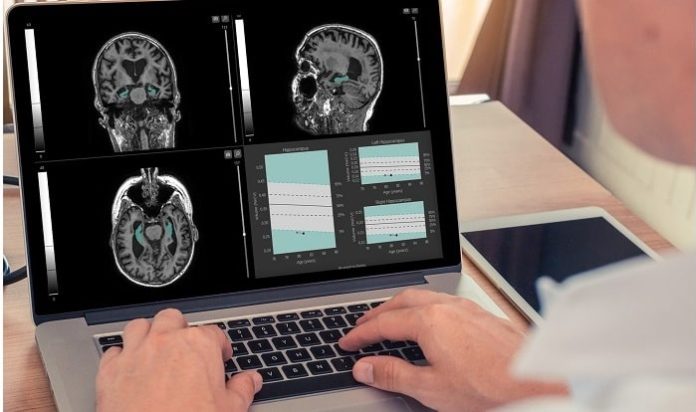
Qynapse receives FDA clearance for QyScore , a novel imaging software for central nervous system diseases

Qynapse receives FDA clearance for QyScore , a novel imaging software for central nervous system diseases

QYNAPSE, a medical technology company, announced that it received U.S. FDA 510(k) clearance for its QyScoreยฎ software. QyScoreยฎ provides robust and precise analyses of brain MRI markers that intervene early in the process of neurodegenerative diseases such as Alzheimerโ€™s disease, Parkinsonโ€™s disease or multiple sclerosis.

The software combines an advanced user interface with patient reports that are generated automatically in minutes. The results are presented in comparison to a healthy subjects database, supporting neurologists and radiologists in their clinical decision-making. QyScoreยฎ is compatible with the clinical routine workflow to support differential diagnosis and measure of clinical progression and is also used in clinical trials for monitoring of drug efficacy and safety.

According to Pr. Bruno Dubois, Professor of Neurology at Sorbonne University, and Director of the Memory and Alzheimerโ€™s Disease Institute (IM2A) at Pitiรฉ Salpรชtriรจre Hospital in Paris, โ€œQyScoreยฎ makes a difference for the diagnosis of dementias at an early stage of the disease when it remains a challenge. The automatic quantification of markers such as brain atrophy, white matter hyperintensities and more, provides highly valuable help to support a timely diagnosis and an efficient monitoring of disease progression.โ€

The software demonstrates its value by quantifying longitudinal changes of regions of interest in the brain, eliminating the inter- and intra-rater variability in images reading, and reducing the time and cost of image analysis.

Commercialization of QyScoreยฎ started in Europe following the CE mark approval in September 2017.

โ€œFDA clearance is a major milestone to expand the commercialization of the software within the U.S.,โ€ said Olivier Courrรจges, CEO of Qynapse. โ€œQynapse will accelerate collaboration with experts and healthcare providers in the U.S. to pursue its journey for better patient care in neurology.โ€

Saal and inHealth collaborate to foster AI in healthcare

Saal and inHealth collaborate to foster AI in healthcare

Saal, an innovative artificial intelligence company based in Abu Dhabi, signed an MoU (Memorandum of Understanding) with Independent Health Information Technology Services , also known as inHealth, to utilize artificial intelligence (AI) and develop pioneering AI-based healthcare solutions.

In the presence of Dr. Saleh Al Hashemi, Managing Director of Saal, the strategic partnership was signed at Saal Headquarters in Al Bateen, Abu Dhabi, by Vikraman Poduval, Chief Executive Officer of Saal and Ramzi Rahal, General Manager of inHealth.

This cooperation between two UAE-based high-tech companies comes in alignment with the UAE Strategy for Artificial Intelligence announced in the second quarter of 2019, the worldโ€™s first of its kind, which aims to increase investment in AI technology within the UAE for improved efficiency and performance.

The private sector has been playing an important role in achieving the vision set by the UAE to be a global tech hub. As Saal and inHealth announce their cooperation, they aim to contribute towards achieving this vision by exploring and identifying areas of collaboration for joint AI initiatives, where Saal will provide healthcare tools powered by AI for inHealthโ€™s extensive product portfolio, and launch joint initiatives that aim to enhance the quality of life for patients, and augment the quality and reach of healthcare services.

Currently, Saal provides smart and AI-based healthcare solutions that cover the overall patient journey, such as a symptom diagnosis checker, a lifestyle disease checker, and medical image recognition. The companyโ€™s health advisor, available in English and Arabic, enhances hospitalsโ€™ customer service and patient satisfaction, with advanced features that allow AI chatbots to recognize medical intent, indirect queries, and more. In addition to its wide AI-based healthcare services, Saal offers a โ€˜no-show predictorโ€™ for hospitals and care centers, a solution that can predict whether patients would arrive or not to an appointment, with up to 80% accuracy.

Currently, inHealth solutions are used by approximately 17,000 end users across 4,500 medical service providers such as hospitals, clinics and pharmacies. inHealth is the first provider in the UAE to provide the solution to allow health insurance companies to replace the traditional health card by the Emirates ID, bringing great efficiency to their business process as well as improving the patient journey. inHealthโ€™s Health Information Exchange platform (HIE) was also the first unified platform solution to prescribe and dispense medication electronically. Their turnkey solutions adopt the latest innovation and the best industry standards.

Commenting on the singing, Vikraman Poduval, Chief Executive Officer of Saal, said: โ€œWe are committed to the enhancement of healthcare services, and we recognize the significance of collaboration between experts to achieve the vision set by the nationโ€™s wise leadership. We are happy to cooperate with inHealth to push forward our collective efforts and goal in harnessing the power of AI and advanced cognitive technologies for the benefit of all. As we look towards the future for inspiration, we are dedicated to exploring more untapped areas in healthcare to contribute to diversifying the economy with the power of artificial intelligence, under Abu Dhabiโ€™s Ghadan 21 and the UAE Strategy for Artificial Intelligence.โ€

Ramzi Rahal, General Manager of inHealth, remarked: โ€œThis is a significant step for us at inHealth as it aligns with our mission to exchange and validate health information powered by smart platforms and standards. As an information technology service provider, our values center around connecting stakeholders within the healthcare community to enhance the patient journey up the highest standards. The signing of this MoU with Saal reflects a great step forward for us and the start of a lasting partnership that has great potential to enhance healthcare services for all patients in the UAE.โ€

inHealth, the Abu Dhabi based company, provides innovative information technology services and smart solutions for the healthcare industry.

Saal builds and deploys a wide range of advanced cognitive solutions, products and platforms for businesses, in efforts to solve challenging real-life problems for the public sector, and the healthcare, education, and banking sectors.

About Saal

Saal is an innovative applied AI company based in Abu Dhabi, UAE. We build advanced cognitive solutions, products, and platforms for businesses that solve challenging real-life problems for customers. Leveraging the power of AI and the myriad of options resulting from human-machine interaction, Saal has strived to unlock the exponential growth opportunities for humanity to live meaningful and compassionate lives. The uniqueness of Saalโ€™s framework of solutions lies in the flexibility it offers, being optimized continuously to integrate and suit any business seamlessly.

www.saal.ai

About inHealth

inHealth or Independent Health Information Technology Services is an information technology service provider committed to delivering timely and reliable health information powered using smart standards and platforms. inHealth services provide a user-friendly, effective, and efficient way to develop the healthcare systems of the healthcare industry in the MENA region, following the worldโ€™s latest proven best practice in innovation and standardization.


When Is Tooth Extraction Necessary?

Tooth removal might be a necessity if the tooth is damaged or broken that itโ€™s challenging for dentists or oral surgeons to apply minor remedies. Many people think that leaving damaged teeth in their mouths can help them save money. But, failure to remove damaged teeth might lead to infections, which may lead to more expensive costs. As such, be sure to drop by dentists like this cosmetic dentist boynton beach before it is too late.

But, there might be an appropriate time when to opt for tooth extraction services. Here are five reasons why you should consider tooth extraction.

Eliminate Overcrowding Teeth

Patients that need to undergo orthodontic treatment might need extra space for the installation of specific tools like braces or retainers. These treatment options might need oral surgeons to remove teeth to make way for dental equipment.

Crowded teeth might put additional discomfort and strain on the wearer of corrective dental equipment. So, teeth removal will not only help make room for the orthodontic tools, but the process should provide enough room for the jaw, gums, and teeth to move in a desirable position.

A Potential Solution for Gum Disease

Many people might think that bleeding gums is a common occurrence when they brush or floss. But, consider this analogy โ€“ you might find it concerning if your hands bled while youโ€™re washing them.

Bleeding and swollen gums might be early indications of periodontal or gum disease. Failure to rectify this oral concern might make the infection spread across the mouth and other areas of the body. Periodontal disease may also destroy structures that help support your teeth.

One solution to help cure periodontal disease is through tooth extraction. Itโ€™s because this ailment might loosen the connection between your teeth and gums. Extracting the offending teeth might help inhibit the spread of infection.

However, dentists might prescribe you with supporting treatments to help cure any signs of infection in your mouth.

Extract an Impacted Tooth

An impacted tooth means that the tooth didnโ€™t erupt, or it didnโ€™t fully erupt. This scenario can cause people several problems, including pain felt where the impacted tooth lies. Third molars or wisdom teeth tend to be the set that becomes impacted.

An x-ray can help determine the existence of impacted teeth. But, tooth extraction might be the only treatment option available to remedy this dental problem. However, the extraction process might differ depending on the severity of the case.

The depth and location of the tooth may play critical roles in the intensity of the tooth extraction operation. Specific cases may only require the oral surgeon to create small incisions before removing the offending teeth. But, fully-impacted teeth might need higher-intensity procedures for the removal to become successful.

Poor Dental Hygiene

Tooth decay might be the result of improper dental hygiene. Failure to brush and floss regularly might leave foodstuff in between the gaps of your teeth. Also, eating too many sweets without proper dental care might lead to cavities, along with other tooth and gum infections.

Consider paying a dentist or oral surgeon a visit when you feel pain in your teeth when you breathe, chew, or talk. The bacteria produced by decaying teeth might cause an infection and pain. The discomfort may lead to a lower quality of life.

The dental professional might offer a root canal procedure to help treat the infection. But, severe cases of tooth decay might need the extraction to avoid infection from spreading to other areas of the mouth.

After having your teeth extracted, it might be the best time to add eating a significant amount of sweets to your โ€œWhat Not to Doโ€ list.

After an Accident

Car collisions and other accidents may happen, and these incidents might leave you with damaged or destroyed teeth. Perhaps, dentists or orthodontists might suggest methods to help preserve your teeth. These procedures might include dental bonding, crowns, or veneers.

But, if the damage is too severe for minor procedures, then tooth extraction might be a recommended solution. Extracting offending teeth and replacing them with new teeth will help recover your beaming smile after a dreadful accident.

Also, many professionals in the dental and oral sectors use updated technologies to help protect teeth from breaking again. So, the replaced teeth might be sturdier than the teeth you lost from the accident.

Conclusion

These moments will tell you if you need a tooth extraction. If you’re a candidate for this dental operation, it might help you if you schedule a consultation with a reliable oral surgeon today. It’s essential to schedule the appointment soon to avoid additional discomfort felt from offending teeth.


Why Mental Health Of Orthopedic Surgeons Is Just As Important As Other Surgeons

An orthopedic surgeon has the education and training to diagnose, operate, and provide treatment options of the musculoskeletal system. These professionals may work together with other healthcare providers to help in the treatment of specific diseases and disorders and in the research for preventions.

Many of these medical professionals might seem happy all the time to cater to the physical and mental well-being of their patients. But, the mental health of orthopedic surgeons should play a critical role in their overall well-being.

What is Mental Health?

Mental health may affect your thought patterns and feelings. The ideas that come into mind may provide options on how people should act and react to particular situations. Excellent mental health may also help combat depression, stress, anxiety, and other psychological concerns.

Professionals like orthopedic surgeons need to put importance in both their mental and physical health. Otherwise, the existence of poor psychological well-being might inhibit the medical expert from creating life-saving decisions.

What are the Early Warning Signs of Mental Health Disorders?

Particular early warning signs may exist to help people tell if an individual might possess mental health disorders. These symptoms may include:

  • Irregular sleeping habits
  • Low energy
  • Feelings of helplessness or hopelessness
  • Sudden outbursts of anger or rage
  • Thinking of harming oneself or others

Aside from these symptoms, people, especially orthopedic surgeons, might have mood disorders. For example, a medical expert might be happy or content while talking to a particular patient. Then, the surgeon might become extremely sad or violent when conversing with another individual.

The Importance of Mental Health for Orthopedic Surgeons

It might be safe to say that all people should take proper care of their mental well-being, including professionals in the orthopedic field. Continue reading to know more about the importance of excellent mental health for orthopedic surgeons.

1. Create a Positive Workplace

Negative thoughts and emotions might have repercussions in a medical establishment and its workers. Orthopedic surgeons experiencing mental health disorders might create an undesirable atmosphere in the workplace.

For instance, an orthopedic surgeon might have an incoming operation for reconstructive surgery. Issuing commands in the operation room with a sound mind might be critical to the success of the procedure.

However, if the surgeon issues instructions or orders to his or her assistants, other staff members in the area might fail to concentrate on helping the patient. The result might lead to an unsuccessful operation, which may lead to an angry patient.

Furthermore, psychological disorders might manifest as physical issues. For instance, anxiety might make the surgeonโ€™s handshake, which can lower the success rate of operations.

Surgeons, regardless of the medical field carrying excellent mental health, can focus on the tasks at hand. Hands might be steady during operations, and the professionals can issue commands to their assistants with a clear mind.

Ultimately, a healthy mind may lead to a medical center exuding a positive atmosphere.

2. Reduce Costly Work-Related Mishaps

Mental illness in the workplace might cost more than angry fits among workers. Orthopedic surgeons who have psychological disorders like anxiety or depression might create pricey mishaps.

For example, anxiety might cause overthinking while issuing a prescription to a patient in need of medications from a spine injury. The influx of thoughts might cloud the mind to prescribe the individual with the correct medicines.

Failure to prescribe the correct drugs might lead to adverse effects on the patient’s well-being. The individual might demand the right medicines from the orthopedic surgeon, and that medical professional might buy the medications from the money in their pockets.

Orthopedic surgeons, along with other medical professionals, should pay close attention to their psychological well-being. Otherwise, expensive errors might take place in and outside the medical establishment.

3. Promote Proper Communication Among Colleagues

Orthopedic health centers need the proper dissemination of information among staff members. But, poor mental health might inhibit surgeons and other colleagues from finding it challenging to converse with other teammates.

Thus, crucial pieces of information like patient data might stay in storage as opposed to delivering the documents to the surgeon or other people of importance. This scenario might lead to delayed operations, which can be harmful to the health of patients.

Final Thoughts

Promoting proper mental health inside an orthopedic health center will help surgeons and other medical professionals in accessing crucial data when needed.

Remember, mental health is equally important when compared to physical well-being, especially for orthopedic surgeons. Promoting a proper work environment in a medical facility will help reduce mistakes in and outside the establishment.


Global Healthcare in 2020: Consumer-led, AI-powered, Productivity-focused

Global Healthcarein 2020: Consumer-led, AI-powered, Productivity-focused

Healthcare organizations worldwide share many critical challenges: aging populations, the rising health toll and cost of chronic diseases, physician and nursing shortages, consumer demand for more convenient and affordable care, growing operational complexity, and tightening financial constraints.

As healthcare leaders look to solve these and other deep-seated issues, they are embracing innovative technologies, new business models, and more consumer-focused strategies to make more significant gains in the coming year.

Consumer-centric healthcare delivery

The growth of a multi-cultural/ multi-generational demographic coupled with an aging population is creating both opportunities and threats to traditional health systems. Increasingly, patients are using technology to take the driverโ€™s seat in managing their healthโ€”and patient preference has become a critical factor in achieving sustainability.

In search of accessible, affordable, and personalized services, many healthcare consumers are attracted to new entrants in the healthcare market, such as technology-based companies, new primary care models, and national providers of outpatient surgery and imaging. The common denominator of these disrupters: an ability to test new models of care with price transparency, unencumbered by the politics and complex decision-making (and fixed costs) of a large hospital or health system organization.

To protect their markets, leading health systems are expanding their services and service areas, improving the coordination of care across the continuum, and working to manage payment policies to address consumersโ€™ cost concerns. Whether rooted in cost, quality, ease of access, or loyalty, consumer preferences vary across age, gender, and ethnicity, and health systems need to understand these preferences to map future services and roles.

Managing return on investment at a deeper level

Savvy financial and operational healthcare leaders and stakeholders are demanding more for their investments. While return on invested capital has always been a focus at the division and department level within a health system, executives are now being challenged to dig deeper and determine the care model, staffing, and utilization of nearly every asset.

Healthcare lags other industries in this regard. For example, large retailers know exactly how much each centimeter of shelf space contributes to their top and bottom lines. Similarly, our most sophisticated clients understand the costs and the return at a device level, from MR and CT systems to outpatient surgery centers. More healthcare providers will need to operate this way in the future. Doing so requires a new operational playbook that includes next-level financial analysis, operational KPIs, alignment on strategy, and a team that is clinically, operationally, and financially aligned.

Stretching resources with AI

Artificial intelligence (AI) and analytics are giving healthcare leaders new tools to optimize clinical outcomes and productivity. Global spending on AI in healthcare is forecast to reach over USD 8 billion by 2026, growing at an annualized rate of nearly 50 percent from 2019 to 2026. Emerging AI-based platforms, ecosystems, and tools are advancing everything from cancer detection and risk prediction to robotic surgery and patient flow optimization.

We see considerable potential in AI platforms and services, launching more than 30 AI-enabled devices and applications in 2019 alone. These included a deep-learning MRI app that improves image quality while lowering scan times; a mobile x-ray device with AI-based algorithms that eliminate hours of repetitive work for technologists; and an operational decision support app that at one hospital has contributed to a 52 percent reduction in excess inpatient days.

This is just the infancy of AI-enabled healthcare services. Expect to see many manufacturers invest in developing smarter software and devices that are even better at tackling incredibly complex challenges (surgery, radiology, census forecasting) as well as the repetitive but essential tasks that doctors, nurses, billers, and other professionals perform day after day.

Going all-in on virtual care

We see virtual care playing a more prominent role in client strategies, as technologies around remote monitoring and cloud-based data management grow in maturity. Virtual care and surveillance platforms give healthcare organizations a way to achieve two critical goals: reduce variations in care delivery and extend the reach of specialized practitioners with advanced skills to more patients.

With the help of virtual care and surveillance platforms, health systems are activating โ€œone to manyโ€ staffing models across multiple critical care locations. In combination with adherence to care protocols, virtual care supports more consistent outcomes, no matter where the patient receives care. It also drives greater productivity and scale from the health systemโ€™s fixed assets and limited specialty resources. While stroke management is an initial focus of many virtual care platforms, providers are also looking at critical care, diabetes management, sepsis surveillance, and other high-risk, high-cost conditions.

Technology is only part of the solution. Moving to the virtual world of care requires leaders to rethink how caregivers, care delivery processes, payment models, risk management, and support capabilities come together– and to develop a robust strategic plan to make it all work.

Addressing complexity with focus and vision

The complexity of what defines a health system will continue to increase as organizations need to be effective across the care continuum and across multiple functions. Thereโ€™s a myriad of potential roles to consider, including payer, technology/innovation accelerator, clinical research resource, educator and professional training site as well as a care provider in acute, post-acute, outpatient, virtual, and retail care. The sheer complexity of running the IT or analytics function for many health systems is daunting, let alone the revenue cycle process for so many different care venues and payment models.

This level of complexity demands new types of leaders and approaches to leadership. It also requires the organization to come to terms with what it can and should do on its own and where partners can bring needed expertise and focus. Even more importantly, it requires the organization to articulate a clear vision of what type of organization it aspires to be, and what it will (and will not) do to achieve that goal.


โ€œArtificial Intelligence (AI) in Healthcare Market Size, Share, Trends and Forecast 2019-2026โ€.
Acumen Research and Consulting, July 8, 2019.

TransEnterix Announces Kitakyushu General Hospital in Japan to Initiate a Senhance Digital Laparoscopy Program

TransEnterix Announces Kitakyushu General Hospital in Japan to Initiate a Senhance Digital Laparoscopy Program

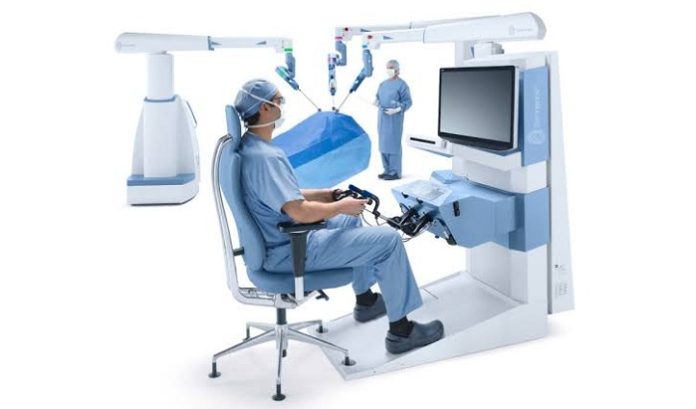
TransEnterix, Inc , a medical device company that is digitizing the interface between the surgeon and the patient to improve minimally invasive surgery, announced that the Kitakyushu General Hospital, a hospital in southwestern Japan, has entered into an agreement to lease and utilize a Senhanceยฎ System.

โ€œWe are excited to partner with Kitakyushu General Hospital to build its Senhance Digital Laparoscopy Program,โ€ said Anthony Fernando, president and chief executive officer at TransEnterix. โ€œWe believe the Senhance System, with its digital laparoscopic interface and responsible economics, is a great fit for the Japanese market. With our first system at Saitama Medical University and now a second system with Kitakyushu General Hospital, we are building the foundation for future Senhance success in Japan.โ€

Kitakyushu General Hospital is a prestigious institution and is recognized as one of the major hospitals in Kitakyushu. It offers both advanced and emergency medical care and is a core part of the Kitakyushu Hospital Group. It is a 360-bed facility that contains a critical care center and is the only general hospital in the Kitakyushu Hospital Group.

โ€œImproving patient care through innovative technologies is important to our hospital,โ€ said Dr. Naoki Nagata, President of Kitakyushu General Hospital. โ€œSenhance will be a welcome addition to our minimally invasive surgery program, leveraging our existing laparoscopic skill sets, enabling maximum precision, visualization and control during delicate surgeries and doing so with cost-effective technology, which addresses the need to minimize healthcare costs.โ€

The Senhanceยฎ Surgical System is the first and only digital laparoscopic platform designed to maintain laparoscopic MIS standards while providing digital benefits such as haptic feedback, robotic precision, eye-sensing camera control, comfortable ergonomics, advanced instrumentation including, 3 mm microlaparoscopic instruments, eye-sensing camera control and reusable standard instruments to help maintaining per-procedure costs similar to traditional laparoscopy.

The Senhance Surgical System was approved for use by the Japanese Ministry of Health, Labor and Welfare (MHLW) in 2019, and has the broadest procedural reimbursement of any abdominal robotic surgery platform in Japan, which applies to 98 benign and malignant laparoscopic procedures across general, colorectal, gynecologic, pediatric and urologic surgeries at reimbursement rates equivalent to traditional laparoscopy in Category A1.

Japan is the second-largest medical device market in the world, valued at over $40 billion annually, including over $5 billion in capital equipment spending. There are more than 8,400 hospitals in Japan, of which approximately 80% are private entities. Japanese laparoscopic penetration in surgery is among the highest in the world. The central government has implemented cost containment initiatives in recent years and has approached recent procedure approvals for robotics by establishing reimbursement at the same rate as traditional laparoscopy, which places a high emphasis on procedure cost to influence adoption.

About TransEnterix

TransEnterix is a medical device company that is digitizing the interface between the surgeon and the patient to improve minimally invasive surgery by addressing the clinical and economic challenges associated with current laparoscopic and robotic options in today’s value-based healthcare environment. The Company is focused on the commercialization of the Senhance Surgical System, which digitizes laparoscopic minimally invasive surgery. The system allows for robotic precision, haptic feedback, surgeon camera control via eye sensing and improved ergonomics while offering responsible economics. The Senhance Surgical System is available for sale in the US, the EU, Japan and select other countries.

Health Catalyst and Amplifire Healthcare Alliance Unite to Boost Measurable Healthcare Improvements

Health Catalyst and Amplifire Healthcare Alliance Unite to Boost Measurable Healthcare Improvements

Health Catalyst, Inc announced a strategic partnership with Amplifire Healthcare Alliance to use clinical knowledge engineering to accelerate healthcare transformation. This long-term partnership will provide highly-targeted, quality improvement-oriented learning modules on a state-of-the-art learning platform.

Healthcareโ€™s changing reimbursement frameworks are increasing risk, external accountability and exposure. Health Catalyst customers will gain immediate access through this partnership to Amplifire learning modules for front-line care givers to provide measurable improvements. Health Catalyst will bolster Amplifireโ€™s platform by developing data literacy, improvement strategy and data governance educational content for five key roles:

  • Data engineers, who aggregate and integrate data;
  • Analytics engineers, who transform data into insights;
  • Healthcare front-line managers, who use insights to propose improvement initiatives;
  • Executive leaders, who prioritize, fund and champion improvement initiatives;
  • Interdisciplinary improvement teams, who help front-line managers design, implement and sustain improvements.

These five roles are critical to establishing and accelerating a customerโ€™s transformation flywheel that Health Catalyst CEO Dan Burton introduced at HAS 19.

โ€œHarnessing valuable data to pinpoint thousands of opportunities for clinical, financial and operational improvements is imperative for healthcare organizations,โ€ said Tom Burton, co-founder and president of professional services of Health Catalyst. โ€œThe Amplifire partnership enables greater physician, nurse and other key staff membersโ€™ competency acquisition and retention around the knowledge required for deep improvements, and it will accelerate an organizationโ€™s ability to leverage analytics for massive improvement.โ€

Health Catalyst has more than a decade of proven success helping clients enhance quality and reduce variation in care and improving clinical, financial and operational performance despite the complexities and pace, amount and frequency of change. Now, Health Catalyst customers will be able to access a library of hundreds of learning modules focused on front-line care delivery professionals that can greatly enhance adoption of best practices.

Dr. Brent James, clinical professor in the Clinical Excellence Research Center (CERC), Stanford University School of Medicine; and visiting lecturer, Harvard School of Public Health said, โ€œI believe that this combination of smart professionals, topically focused and tightly educated around specific competencies, along with effective systems, has the potential to create a care delivery system that would perform far beyond what any of us now believe is possible.โ€

โ€œThe subject matter experts leading the learning modules development at our member organizations, including Partners HealthCare, Intermountain Healthcare, MedStar Health and UCHealth, have proven that we can efficiently deliver expert knowledge on a wider scale with higher impact,โ€ said Bob Burgin, CEO, Amplifire. โ€œThis past year, we have begun to expand the focus across virtually every major area of an integrated delivery network. Historically, we lacked access to operational and data engineering capabilities to support this effort. Health Catalyst brings these capabilities to our partnership. We arenโ€™t aware of anything close to this comprehensive solution provided by our combined offering.โ€

About Amplifire Healthcare Alliance

The Amplifire Healthcare Alliance is an expanding group of leading healthcare organizations that are collaborating to transform care through clinical knowledge engineering. Members are united in identifying and remediating Confidently Held Misinformation and knowledge gaps among providers that cause avoidable harm and unreimbursed care, in order to elevate both clinical and financial performance.

About Amplifire

With over two billion learner interactions, Amplifire is the leading adaptive learning platform built from discoveries in brain science. Itโ€™s proven to help learners master faster, retain knowledge longer and perform better. It detects knowledge gaps and misinformation that exist in the minds of all humans so they can attain their performance potential. Healthcare, education and Fortune 500 companies use Amplifireโ€™s patented learning algorithms, knowledge analytics and diagnostic capabilities to drive exceptional outcomes with a significant return on investment, while also enhancing the learner experience.

About Health Catalyst

Health Catalyst is a leading provider of data and analytics technology and services to healthcare organizations committed to being the catalyst for massive, measurable, data-informed healthcare improvement. Its customers leverage the cloud-based data platformโ€”powered by data from more than 100 million patient records and encompassing trillions of factsโ€”as well as its analytics software and professional services expertise to make data-informed decisions and realize measurable clinical, financial, and operational improvements. Health Catalyst envisions a future in which all healthcare decisions are data informed.


McGinley OrthopedicsLaunches New Plate for Distal Radius Fractures: Lever Action Plate System

McGinley OrthopedicsLaunches New Plate for Distal Radius Fractures: Lever Action Plate System

McGinley Orthopedics, a developer of innovative HandHeld Robotic technology with a goal of changing the standard of medical care, has a new product. The Lever Action Plate Systemโ„ข is a dynamic, fragment reduction technology that assists surgeons in restoring volar tilt and articular congruity. A novel solution for a wide range of distal radius fractures, The Lever Action Plate Systemโ„ข provides precise,beam-assisted reduction of intra-articular fractures, creating a structurally sound fixation.

Details for surgeons and industry leaders:

The innovative Lever Action Plate Systemโ„ขfeatures proprietary beams that align volar tilt. The beams are inserted into the nonreduced fracture and with the turn of a screw, the beams and the fracture are elevated into the surgeon’s desired placement. Optimizing alignment, the beams provide independent fixation of the central and radial column. The designโ€™s contoured, subchondral fixation reduces subsidence. An improvement on the current, generic plates available on the market, the system has optional variable angle screws of varying sizes with patented locking technology. The contour of the plate is designed to adhere comfortably to the watershed line on the radius. It is designed to assist the surgeon with restoring volar tilt and in turn, potentially improve patient outcomes. Used in combination with the IntelliSense Drill Technologyยฎ, a drill that auto-stops at the far side of the bone and indicates depth measurement for accurate screw sizing, the Lever Action Plate Systemโ„ข will improve surgical procedures and outcomes.

Why this innovative technology is critical for patients:

The Lever Action Plate Systemโ„ขaddresses a real and prevalent need in orthopedics. Distal radius fractures account for about 20%of all fractures.1 in 5 ER treated fractures are of the distal radius. A complication rate of 15% has been reported with traditional volar plating and post-op complication rates can be as high as 80%. The Lever Action Plate Systemโ„ขis an improvement on the standard of care. It is patented and currently pending FDA clearance.

Sony Announces FDA Clearance for NUCLeUS, the Smart Operating Room Platform, for Sale in the U.S.

Sony Announces FDA Clearance for NUCLeUS, the Smart Operating Room Platform, for Sale in the U.S.

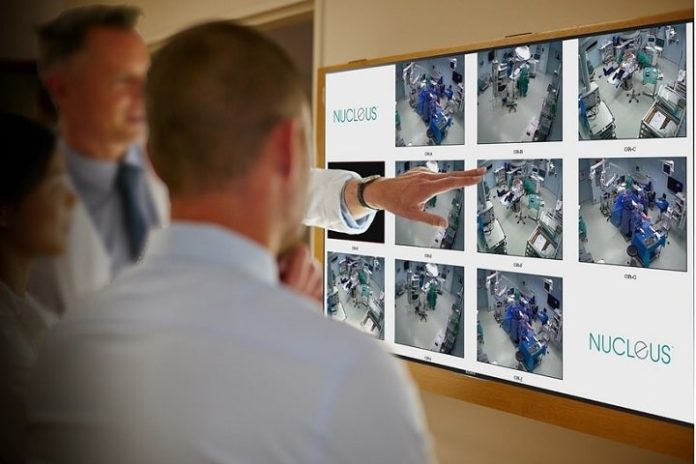
Sony Electronics has received FDA 510(k) clearance from the Food and Drug Administration for the company’s NUCLeUSโ„ข Operating Room, Imaging Management and Collaboration Control platform.

Proven in Europe with more than 500 operating room installations at leading hospitals in the UK, Belgium, Sweden and other locations, Sony is cleared to begin the marketing and sales of the network-based platform in the United States immediately.

Supporting up to 4K resolution using existing network infrastructure, NUCLeUS provides an enhanced, streamlined workflow for operating rooms and clinical spaces with direct access to imaging data from an easy-to-use central dashboard. With secure, managed access, professionals can capture and manage video and audio content in near real-time for collaboration and teaching purposes.

“We are eager to put NUCLeUS in the hands of doctors, nurses and OR managers in the U.S. so they can experience first-hand how the platform can dramatically improve surgical collaboration and potentially contribute to better patient outcomes,” said Theresa Alesso, president of Sony Electronics’ Pro division. “With the ongoing development of unique ‘smart applications,’ NUCLeUS will continue to push the boundaries of what is possible in the OR.”

Capabilities that are a part of NUCLeUS include:

  • providing hospitals with a secure, encrypted means of recording, archiving, distributing and managing surgical video and other types of medical imaging and patient data without requiring expensive network infrastructure upgrades
  • a software-based platform that greatly reduces room hardware requirements
  • fully scalable solution that can be easily extended to serve additional rooms or hospital buildings at any time
  • smart applications and additional optional features can be added remotely as they are released
  • support for third-party applications via APIs and a variety of mechanisms and tools
  • secure HIS integration, fully HL7 and DICOM compliant

About Sony Electronics Inc.

Sony Electronics is a subsidiary of Sony Corporation of America and an affiliate of Sony Corporation (Japan), one of the most comprehensive entertainment companies in the world with a portfolio that encompasses electronics, music, motion pictures, mobile, gaming, robotics and financial services. Headquartered in San Diego, California, Sony Electronics is a leader in electronics for the consumer and professional markets. Operations include research and development, engineering, sales, marketing, distribution and customer service. Sony Electronics creates products that innovate and inspire generations, such as the award-winning Alpha Interchangeable Lens Cameras and revolutionary high-resolution audio products. Sony is also a leading manufacturer of end-to-end solutions from 4K professional broadcast and A/V equipment to industry-leading 4K and 8K Ultra HD TVs. Visit www.sony.com for more information.

Translate ยป