








Close
Digital Health & Ai Innovation summit 2026
Medical Taiwan 2026

FDA Clears ORTHO Sera ID-MTS for Use on the ORTHO VISION Analyzer

FDA Clears ORTHO Sera ID-MTS for Use on the ORTHO VISION Analyzer

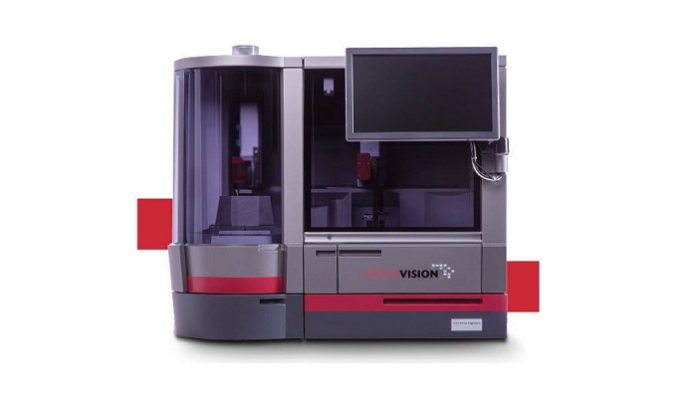
Ortho Clinical Diagnostics, a global leader of in vitro diagnostics announced that ORTHO Sera, a suite of extended antigen phenotyping, has been cleared by the U.S. FDA for use on the ORTHO VISION® Analyzer.

During pre-transfusion testing, lab professionals routinely encounter complex patient samples that require extended antigen typing. These patients have developed atypical antibodies to blood group antigens and require additional testing to find compatible blood.1 ORTHO Sera’s extended phenotype testing covers more than 99 percent of the most commonly tested blood group antigens, providing support for patients with unexpected antibodies.

“It is critically important for lab professionals to deliver the right results for complex and chronically transfused patients,” said Bob Stowers, head of Ortho’s transfusion medicine product portfolio. “That’s why we are excited to be the first to offer automated extended phenotype testing, saving time for the lab professional and giving skilled staff the ability to focus on other critical tasks in the lab, as well as to increase the lab’s ability to standardize testing.”

Allowing virtually all testing to be done on one platform, ORTHO Sera expands the testing menu on the ORTHO VISION Analyzer, driving greater value and efficiency for customers and delivering results in a maximum of 20 minutes. With end-to-end full automation on the ORTHO VISION Analyzer, ORTHO Sera minimizes the potential for human error, improving safety, and provides consistent, reliable results while freeing up lab professionals to focus on value-added tasks.

ORTHO Sera’s antisera additive approach allows extended phenotyping to be personalized according to patient needs, which reduces waste and enhances efficiency. Decreased hands-on manipulation of tests helps to eliminate time-consuming, non-value-added activities and potential for error. The 13 ORTHO Sera reagents available in the U.S. on the ORTHO VISION Analyzer include Anti-Fya, Anti-Fyb, Anti-Jka, Anti-Jkb, Anti-S, Anti-s, Anti-K, Anti-D (IAT), Anti-D (DVI), Anti-P1, Anti-Lea, Anti-Leb and Anti-N.

About Ortho Clinical Diagnostics
Ortho Clinical Diagnostics is a global leader of in vitro diagnostics serving the clinical laboratory and immunohematology communities. Across hospitals, hospital networks, blood banks and labs in more than 125 countries and territories, Ortho’s high-quality products and services enable health care professionals to make better-informed treatment decisions. For the immunohematology community, Ortho’s blood typing products help ensure every patient receives blood that is safe, the right type and the right unit. Ortho brings sophisticated testing technologies, automation, information management and interpretation tools to clinical laboratories around the world to help them run more efficiently and effectively and improve patient care. Ortho’s purpose is to improve and save lives with diagnostics, and it does that by reimagining what’s possible. This is what has defined Ortho for more than 75 years, and it’s what drives Ortho forward. For more information, visit www.orthoclinicaldiagnostics.com.
Cleveland Diagnostics Announces FDA Breakthrough Device Designation for Novel Prostate Cancer Diagnostic Test

 Cleveland Diagnostics Announces FDA Breakthrough Device Designation for Novel Prostate Cancer Diagnostic Test

Cleveland Diagnostics, Inc., a clinical-stage company focused on developing next-generation diagnostic tests for the early detection of cancers, announced that it has received FDA Breakthrough Device Designation for the IsoPSA® Assay, a novel prostate cancer diagnostic test. Published studies from multicenter prospective clinical trials suggest that the non-invasive, blood-based IsoPSA assay has significant superior diagnostic accuracy when compared to traditional prostate-specific antigen (PSA) tests in detecting high-grade prostate cancer.

FDA Breakthrough Device designation is granted to novel medical devices that have the potential to provide more effective treatment or diagnosis of life-threatening or irreversibly debilitating diseases or conditions. Through the Breakthrough Device Program, Cleveland Diagnostics will work more closely and frequently with the FDA to expedite its review of IsoPSA.

“We are very grateful that FDA recognizes the potential of IsoPSA, the first test in our pipeline of simple, affordable, and highly accurate cancer tests that focus on cancer-relevant changes to protein biomarkers in blood,” said Arnon Chait, Ph.D., CEO of Cleveland Diagnostics. “We look forward to working closely with the FDA to expedite the appropriate approvals and get this important new test into the hands of physicians.”

Cleveland Diagnostics has concluded two multicenter clinical trials in top U.S. and international hospitals and clinics, led by Cleveland Clinic, in which the diagnostic accuracy of IsoPSA was compared to that of PSA, the current standard of care in prostate cancer, in men scheduled for prostate biopsy. The results from those studies demonstrated that IsoPSA has superior diagnostic performance to traditional PSA in identifying which patients have high-grade disease.

“The clinical utility of PSA is limited by the relatively poor diagnostic accuracy and predictive value of the test,” said Mark Stovsky, M.D., CMO at Cleveland Diagnostics and urologist at Cleveland Clinic. “Clinicians today are using an array of diagnostic tests and procedures to inform decisions about a patient’s prostate health and the risk of prostate cancer. We believe that IsoPSA has the potential to fill a major void in this space.”

It is estimated that 1 in 9 men will develop prostate cancer in their lifetime. The results of previous studies have shown that IsoPSA could reduce unnecessary biopsies by at least 45 percent, saving men from unneeded invasive, potentially risky and expensive procedures that can sometimes lead to serious and lasting side effects.

About Cleveland Diagnostics, Inc.

Cleveland Diagnostics, Inc., is a clinical-stage diagnostics company developing highly efficacious, lab-friendly, affordable diagnostics tests using proprietary technology to improve cancer diagnostics. Its Solvent Interaction Analysis™ (SIA) technology investigates biomarkers at the structural level as opposed to overall concentration, providing better insights as to the protein origin, improving their specificity to the underlying disease process. Its portfolio of non-invasive cancer diagnostics include prostate and breast cancer, and Alzheimer’s disease. Visit us at cleveland-diagnostics.com.

Xavant Technology Announces First Dual-Sensor Neuromuscular Patient Monitor

Xavant Technology Announces First Dual-Sensor Neuromuscular Patient Monitor

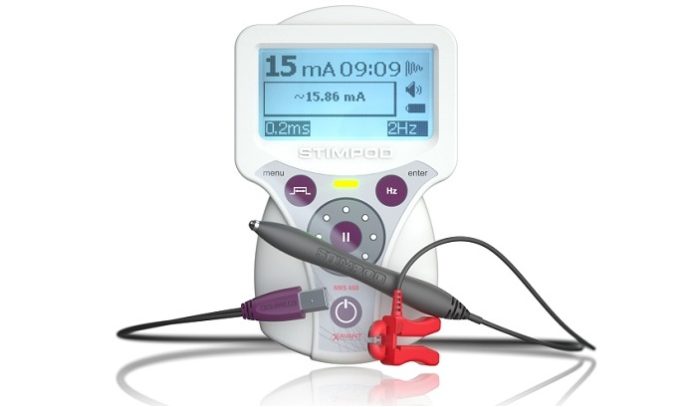
Xavant Technology, a pioneer in neuromuscular monitoring and innovative neuromodulation modalities, announced an addition to the company’s newest generation of Stimpod neuromuscular transmission monitor – the capability of utilizing either of the two most industry prominent types of monitoring sensors, AMG and EMG. The new Stimpod system and EMG sensor accessory will be exhibited at the American Society of Anesthesia (ASA) Annual Meeting, October 19-21 in Orlando, Florida alongside the company’s entire Stimpod portfolio for anesthesia.

“We are excited to announce the EMG modality to our Stimpod line of monitors,” stated Corlius Birkill, CEO of Xavant Technology. “By offering, for the first time, anesthesiologists and clinicians a choice in using either AMG or EMG, we can give them unparalleled clinical and budgetary benefits.” Mr. Birkill continued, “We believe quantitative or objective monitoring of patients who are undergoing neuromuscular block for surgery should be the standard of care. Our goal is to provide physicians with the most optimal and efficient tools to achieve that standard.”

The latest update to the AMG-based Stimpod NMS450X monitor series will enable the use for the first time ever, a dual sensor objective neuromuscular transmission monitor that enables anesthesiologists the choice of using either acceleromyography (AMG) with a reusable sensor or electromyography (EMG) with a disposable sensor to manage patients undergoing neuromuscular block during surgery or while being cared for in the intensive care unit.

By adding an EMG sensor accessory to the Stimpod, clinician opportunities in monitoring will be maximized. Being able to choose either AMG or EMG at site of service, hospitals can perform cost-effective entire-surgery monitoring with the platform that is optimal for that specific case. While AMG is a proven, accurate and cost-effective technology, the EMG sensor will simplify how clinicians monitor patients in more restrictive surgical cases, such as robotic surgery where restricting the hands is common. The EMG accessory is pending FDA clearance.

“The Stimpod NMT monitor is simple and economical way for hospitals to drive patient safety, Operating room, PACU, and ICU efficiency, and manage their very expensive paralytic and recovery drug budgets,” stated Xavant Chairman Roche van Rensburg. “We believe the data is fairly conclusive that hospitals can enhance safety outcomes related to residual neuromuscular block by utilizing objective NMT monitoring. But also important is the power to more effectively manage the time and cost-of-care efficacy for the hospital – we believe the Stimpod system can make a tremendous positive difference on both fronts,” added Mr. van Rensburg.

Interviewing Amitabh Sinha on how different is the 4th Digital India Health Summit & Innovation Awards

Digital India Health Summit & Innovation Awards

1. How different is the 4th Digital India Health Summit & Innovation Awards as compared to its previous editions and what are the key take aways one can expect out of this year’s summit?

Response: This year, we have built upon the experience of the past 3 years and added a whole lot more than what we did in the past three years. We are focusing on leaders who have implemented digital health and can help the healthcare and life sciences companies to deploy digital Health. We have for the first time, did an internal research to find the global leaders driving digital health and luckily, this time, we were able to get the topmost leader in global digital health, Prof. Rajendra Pratap Gupta to chair the summit and help shape the agenda. You will see, that we are addressing topics like AI, ML and big data for the first time in our conference and talking about real life deployments besides the return on investments for digital health. Also, we are conducting a State of Healthcare Survey and we shall be releasing the report at this summit . Besides , we are launching two global initiatives in digital health at this summit . These initiatives will galvanize the entire industry and also, help in capacity building for digital health

2. Tell us something about the vision with which you have introduced this kind of a summit in India?

Response: Our Chairman , Prof. Rajendra Pratap Gupta was clear that we cannot be just another summit where people come and just network .. We have to use knowledge for action, and this is what this summit is all about. We are getting the global implements to share their knowledge for action . So , anyone attending the summit will have interactions, and knowledge sharing with leaders who are implementing solutions, and they will share the do’s and don’ts for digital health deployments . Also, we will discuss key issues about digital health and how the field of AI and big data is going to impact healthcare besides the wearable age and how to engage with the tech savvy patient.

3. We are all aware that India has a symbolic role to play in achieving it’s Healthcare and Pharma goals, how effective have “Digital Health Summit” been in mixing digitization with both of them?

Response; As India moves towards universal health coverage, digital health will become a prerequisite . Without digital health, we will not be able to achieve the goals, be it pharma or healthcare . Moreover, cost structures are getting attention due to price controls, this again calls for asset light models and digitization holds the key. So, i think, this summit will be a great value for all the attendees who are looking at containing cost and improving quality

4. We know the impact digitization has on this industry, what is your views on the immediate developments one can witness in the times to come?

Response: Digitization has just taken off. With PM-JAY , the flagship insurance scheme, unless the hospital is digitised, claims processing and approvals cannot happen. Similarly, for pharma, the doctor-patient relation is becoming digital and this will have its impact on digital health deployment. Supply chains are increasingly becoming tech driven and with online pharmacies scaling , up a whole new ecosystem is getting developed. We can see major transformations in healthcare and life sciences in the next 1-2 in the way healthcare is delivered to the patient

5. When we talk about digital healthcare, there is a significant amount of industry-to-industry engagement that takes place, how well can “Digital Health Summit” help the players in achieving that connections.

Response:This is the core of the summit; on one side, you have the entire industry and on the other side, those leaders who have deployed digital health solutions and reaped the benefits or faced the challenges. They will share their experience and knowledge so that future deployments can be foolproof and fail proof. Also, post the summit , all the attendees will have an opportunity to carry forward the discussions through the initiatives we are launching at this summit

6. If you can put some light on the methodology of giving out Digital India Health Innovation awards? Also, tell us something more about the process of selection of the jury.

Response: The Jury has been selected based on their experience in planning and successful implementing digital strategy in their respective fields. This also should have positive impact on the healthcare services. The Nominations would be forwarded to the group of Jury, based on their area of expertise. The jury would give rating based on criteria. the rating of all the jury will be compiled and arrive at the average. In the entire process, the identity of the nominee is not disclosed.

7. What are the benefits a healthcare company can derive from these regular interactions and by doing so what is the next level of technology advancements one can expect in healthcare?

Response: Digital Health is a promising and evolving field, and those who have implemented can help those who are implementing . During this summit , we launching a platform to help industry in learning about digital health, plan and implement the digital health solutions. This Virtual platform for the industry will immensely helpful right from the clinicians to top honchos in their professional life

8. How do you define the future of Digital Health in India and it’s role in benefiting the Healthcare industry in India with where do “Digital Health Summit” fit in and the benefits the industry could derive from it?

Response: Digital health will impact all segments and across the continuum. We will see the role of digital health moving from billing to patient experience and after care. Digital Health summit is aiming to update people on global and local developments , knowledge sharing from people who have deployed digital health tools, and answering their concerns regarding ROI on digital health deployments

Omega Medical Imaging First in the World to Receive FDA Clearance on AI Imaging System that Reduces Dose

Omega Medical Imaging

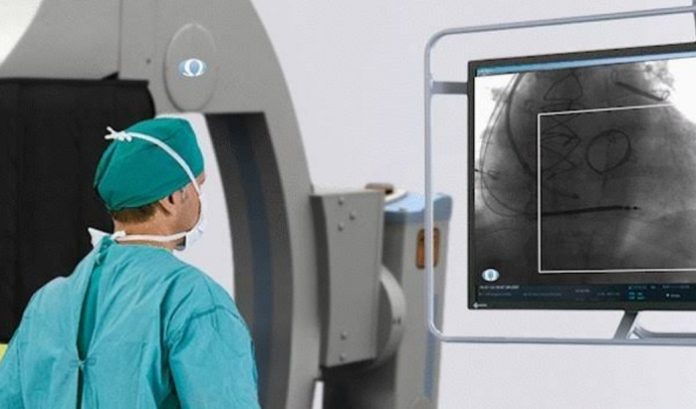
Omega Medical Imaging, manufactures of Artificial Intelligence Fluoroscopy/Cine (AIF/C) Imaging systems, just announced the FDA 510 (k) clearance of FluoroShield with their 2020 Cardiac Flat Panel Detector.

The unique FluoroShield™ system allows for auto collimation during interventional fluoro or cine cases while maintaining a perspective of surrounding anatomy. The blended image incorporates a lower frequency refresh of the peripheral image area. This combined image (live fluoroscopy or cine of ROI + background refreshed at a rate of once or twice per second) increases the quality of information presented during interventional procedures. Brian Fleming, President of Omega Medical Imaging states, “Until now products on the market have only been able to manage radiation to patients and staff. FluoroShield™ is the only system in the world that provides an actual reduction in dose. The impact of this groundbreaking solution for patients and healthcare providers is substantial. I am very grateful to be a part of a team that pushes the envelope in the development of safer healthcare solutions.”

Benefits of FluoroShield™

Image quality is improved via auto-collimation resulting in a reduced FOV and subsequently less exposure to harmful X-ray.
Anatomical landmarks and devices visible outside the Region of Interest (ROI) provide important clinical information which are viewed at a reduced exposure level / Rate.
Fluoroshield™ can be sized and positioned in manual mode, as opposed to conventional collimation, which is generally limited to positioning about the center of the image.
Auto ROI automatically follows the movement of devices i.e., catheters, etc., minimizing distraction and input requirements for the operator.

Omega Medical Imaging LLC based in Sanford Florida USA is an innovator in the design, manufacture, delivery, and support of Artificial Intelligence Fluoroscopy/Cine (AIF/C) Imaging systems for hospitals and healthcare facilities around the globe.

To request further information about Omega Medical Imaging, please visit its website at https://www.omegamedicalimaging.com/.

University Hospitals Applauds HHS Proposal to Modernize Rules and Enhance Value-Based Care

University Hospitals Applauds HHS Proposal to Modernize Rules and Enhance Value-Based Care

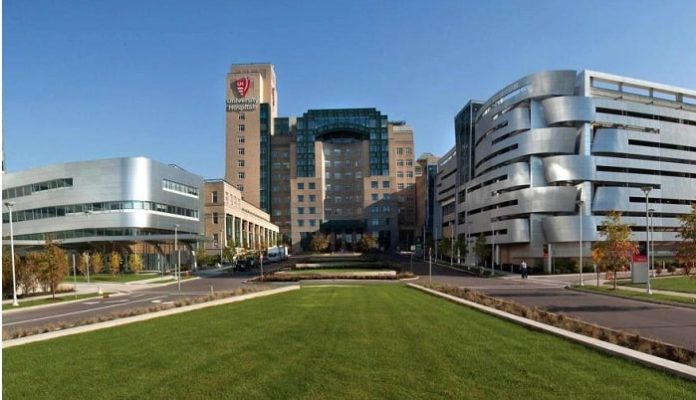
University Hospitals (UH), one of the largest health systems in Northeast Ohio that cares for 1.3 million patients annually, offers the following statement in reaction to the announcement by the U.S. Department of Health and Human Services to reform the Physician Self-Referral Law (the “Stark Law”) and the Federal Anti-Kickback Statute.

“At University Hospitals, we have aligned around a new narrative to keep people healthy at home,” explained Thomas F. Zenty III, Chief Executive Officer of University Hospitals. “To facilitate this objective, we are enhancing the way we deliver care across the continuum by aiming to provide the best health outcome and the best patient experience at the lowest annual cost. Modernizing rules that help foster this paradigm shift to a value-based care environment will help our industry better provide the high-value care patients deserve and providers desire.

In order to keep pace with our evolving industry, it’s important to continuously evaluate legislation and processes that could hinder providing the American people with the best possible care. We support HHS’ efforts to identify defects in value and create solutions that fuel innovation in patient care.”
About University Hospitals / Cleveland, Ohio
Founded in 1866, University Hospitals serves the needs of patients through an integrated network of 18 hospitals, more than 50 health centers and outpatient facilities, and 200 physician offices in 16 counties throughout northern Ohio. The system’s flagship academic medical center, University Hospitals Cleveland Medical Center, located in Cleveland’s University Circle, is affiliated with Case Western Reserve University School of Medicine. Advancing the Science of Health and the Art of Compassion is UH’s vision for benefitting its patients into the future, and the organization’s unwavering mission is To Heal. To Teach. To Discover.

Apyx Medical Corporation Receives 510(k) Clearance for the Apyx Plasma/RF Handpiece

Apyx Medical Corporation Receives 510KClearance for the Apyx Plasma/RF Handpiece

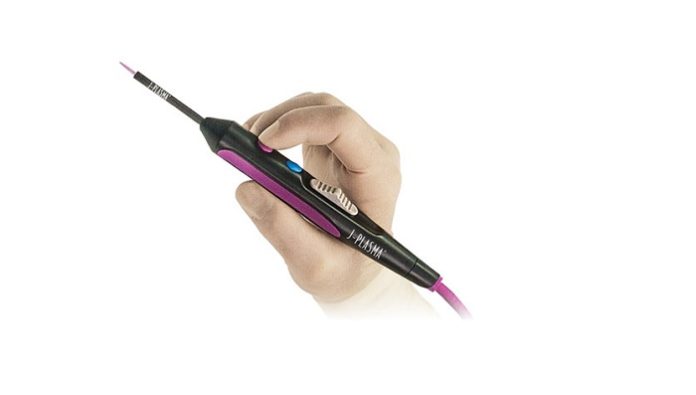
Apyx Medical Corporation, formerly Bovie Medical Corporation, a maker of medical devices and supplies and the developer of its Helium Plasma Technology, marketed and sold as Renuvion® in the cosmetic surgery market and as J-Plasma® in the hospital surgical market, announced that it received U.S. FDA 510(k) clearance to market and sell the Apyx Plasma/RF Handpiece, a new addition to the Renuvion product family.

The Apyx Plasma/RF Handpiece was cleared as a sterile, single use electrosurgical (monopolar) device intended to be used in conjunction with compatible generators for the percutaneous delivery of radiofrequency energy and/or helium plasma for cutting, coagulation and ablation of soft tissue. The Apyx Plasma/RF Handpiece features several important enhancements compared to prior generations, including a smaller diameter instrument shaft (3mm in diameter vs. 5mm in diameter), a bullet-shaped instrument tip that directs the flow of plasma energy from ports on the side of the instrument tip, as opposed to the front of the instrument tip, and a new handle design with improved ergonomics. The handpiece is designed to be used percutaneously.

The handpiece will be available in three configurations: a handpiece with a twin port tip and either a 27cm or 15cm long shaft and a handpiece with a single port tip and a 15cm long shaft. All configurations of the Apyx Plasma/RF Handpiece include features to help minimize unwanted energy application near the incision entry site. Specifically, each handpiece configuration has distance indicators on its tip and will be sold with accompanying epidermal marking templates to help surgeons determine the proximity of the device tip to the entry of the insertion site.

“Apyx Medical Corporation is pleased to announce FDA 510(k) clearance of the Apyx Plasma/RF Handpiece, the latest addition to our Renuvion product family,” said Charlie Goodwin, Chief Executive Officer. “The Apyx Plasma/RF Handpiece is designed specifically for subdermal coagulation and features important enhancements to meet the needs of our surgeon customers in the cosmetic surgery market. During the product development process, we obtained extensive feedback and input from our surgeon customers, as well as the distinguished plastic and cosmetic surgeons on our Medical Advisory Board. We are proud of this robust product development process, and look forward to initiating a limited commercial launch of the Apyx Plasma/RF Handpiece during the fourth quarter of 2019.”

About Apyx Medical Corporation:
Apyx Medical Corporation (formerly Bovie Medical Corporation) is an advanced energy technology company with a passion for elevating people’s lives through innovative products in the cosmetic and surgical markets. Known for its innovative Helium Plasma Technology, Apyx is solely focused on bringing transformative solutions to the physicians and patients it serves. The company’s Helium Plasma Technology is marketed and sold as Renuvion® in the cosmetic surgery market and J-Plasma® in the hospital surgical market. Renuvion offers plastic surgeons, fascial plastic surgeons and cosmetic physicians a unique ability to provide controlled heat to the tissue to achieve their desired results. The J-Plasma system allows surgeons to operate with a high level of precision and virtually eliminating unintended tissue trauma. The Company also leverages its deep expertise and decades of experience in unique waveforms through original equipment manufacturing (OEM) agreements with other medical device manufacturers. For further information about the Company and its products, please refer to the Apyx Medical Corporation website at www.ApyxMedical.com.

Abbott and Omada Health Partner to Offer Integrated Digital Health for People with Type 2 Diabetes

Abbott and Omada Health Partner to Offer Integrated Digital Health  for People with Type 2 Diabetes

Abbott and Omada Health announced they are partnering to integrate Abbott’s revolutionary FreeStyle Libre system, a continuous glucose monitoring (CGM) technology, with Omada Health’s pioneering digital care program, aiming to create a new paradigm for people with Type 2 diabetes. More than 30 million Americans are living with diabetes – with roughly 95% of them living with Type 2 diabetes1 – and many are looking for simple ways to better manage their condition and overall health.

“The mission of Omada Health has always been to empower meaningful, sustainable behavior change for those individuals living with Type 2 diabetes and other chronic conditions,” said Omada co-founder and chief executive officer Sean Duffy. Partnering with Abbott to give individuals access to FreeStyle Libre as part of the Omada program will deliver a unique combination of personalized human coaching and technology-enabled care to support those goals.

With a one-second scan using a smartphone over the FreeStyle Libre sensor worn on the back of the upper arm, users get real-time glucose readings every minute, historical trends and patterns, and arrows showing where glucose levels are going without having to fingerstick.2 The integrated solution with Omada will provide real-time glucose data and actionable information for participants to better manage their diabetes and guide personalized recommendations from their coaches.

“We’ve seen how FreeStyle Libre transforms lives through its proven track record in improving health outcomes, and our goal is to find new ways for even more people with diabetes to benefit from this technology,” said Jared Watkin, senior vice president, Diabetes Care, Abbott. Through this collaboration, we’re creating a personalized care experience that combines Abbott’s leading CGM technology with Omada Health’s professional coaching and digital platform – giving people with Type 2 diabetes actionable information that leads to better health.

HOW THE PROGRAM WILL WORK
Omada Health will offer the integrated solution to employers and health plans. People diagnosed with Type 2 diabetes who are eligible will be guided through a tailored experience that includes an online physician consultation, obtaining a prescription of Freestyle Libre and delivery of a welcome kit that includes the CGM system and a wireless scale.

Abbott and Omada Health’s integrated solution is powered by the companies’ proprietary algorithms and analytics and provides participants with personalized digital care, directly from their smartphones,3 to help better manage their diabetes. Participants will be able to track progress and receive proactive, tailored recommendations from their assigned certified diabetes educator (CDE) coaches through online chats in Omada’s app. The program also includes interactive educational lessons about diabetes, support from an online peer group and a tailored action plan to help the user build long-term healthy habits to achieve their goals.

“I’ve worked as a registered dietitian and certified diabetes educator for more than 10 years,” said Danene ‘DJ’ Moberly, registered dietitian and CDE coach, Omada Health. “The biggest barriers to success for my patients have always been immediate access to a diabetes educator when they need it most and a lack of accurate glucose and nutrition data so that we can personalize treatment. It’s exciting that this partnership addresses both needs and will give people living with Type 2 diabetes access to an unprecedented suite of tools and personalized support to better manage their condition.”

About Omada Health:
Omada is a digital care program that empowers people to achieve their health goals through sustainable lifestyle change. Working primarily through health plans, employers, and integrated health systems, the company delivers personalized interventions for individuals at risk for, or dealing with, type 2 diabetes and hypertension, as well as anxiety and depression. Combining data-powered human coaching, connected devices, a proprietary technology platform, and curriculum tailored to an individual’s specific conditions and circumstances, Omada has enrolled more than 250,000 participants to date. Omada partners include Cigna, Kaiser Permanente, Blue Cross Blue Shield Minnesota, and other leading health plans. For additional information, please visit www.omadahealth.com.

About the FreeStyle Libre System:
Abbott’s FreeStyle Libre, the #1 sensor-based glucose monitoring system used worldwide,4 reads glucose levels through a sensor that can be worn on the back of the upper arm for up to 14 days, eliminating the need for fingersticks.2 The FreeStyle Libre portfolio has changed the lives of more than 1.5 million people across 46 countries,5 and has secured partial or full reimbursement in 34 countries, including France, Ireland, Japan, the United Kingdom, and the U.S.

Abbott’s FreeStyle LibreLink app3 enables users to capture and view their real-time glucose levels, their eight-hour glucose history and how their glucose is currently changing on their smartphone. LibreView is a secure cloud-based diabetes management system that gives people with diabetes and healthcare professionals clear, easy-to-understand reports from the FreeStyle Libre system.

About Abbott:
Abbott is a global healthcare leader that helps people live more fully at all stages of life. Our portfolio of life-changing technologies spans the spectrum of healthcare, with leading businesses and products in diagnostics, medical devices, nutritionals and branded generic medicines. Our 103,000 colleagues serve people in more than 160 countries.

New UnitedHealthcare App Now Gives Millions of Plan Participants On-Demand Access to Virtual Visits

New UnitedHealthcare App Now Gives Millions of Plan Participants On-Demand Access to Virtual Visits

Millions of Americans now have access to on-demand telemedicine services 24/7 with the new UnitedHealthcare app.

The UnitedHealthcare app provides health information for people on the go, offering plan participants a single source to help maintain and improve their well-being, access care and make the most of their health benefits. Eligible plan participants can now use the app to directly schedule and conduct a Virtual Visit with a doctor, helping eliminate the need for multiple sign-ins or to download a separate app.

The app is available now for download at no additional charge for Android and Apple devices to more than 27 million people enrolled in UnitedHealthcare health benefit plans.* People enrolled in most UnitedHealthcare employer-sponsored plans have coverage for virtual physician visits, giving plan participants secure, online access to a physician via mobile phone, tablet or computer 24 hours a day.

“Digital health resources are fundamentally changing how people navigate the health system, making it possible to access care from anywhere at any time and helping remove barriers to care,” said Anne Docimo, M.D., UnitedHealthcare chief medical officer. “The new app is part of UnitedHealth Group’s more than $3 billion annual investment in data, technology and innovation, helping build a health system that is more intuitive, affordable and convenient.”

Implementing more virtual care solutions is a top priority for many employers, with 51% of companies planning to do so, according to a 2019 study by the National Business Group on Health. The expansion is especially important for people with chronic conditions and the 20% of the U.S. population that lives in rural areas where access to health care, particularly specialty care, is often lacking.

About 25% of emergency room visits involve conditions that could appropriately be addressed with a virtual visit.[1] Virtual care generally costs less than $50 per visit compared to an average of $740 for an emergency room visit for a similar low-severity condition[2], and is designed to provide an alternative way to access care when clinics and urgent care facilities are closed.

Virtual visits typically last about 20 minutes, and doctors can diagnose a range of nonemergency medical conditions, including allergies, flu, colds, pinkeye, fevers and rashes. If needed, doctors can prescribe medications and send prescriptions to local pharmacies for pickup.

The UnitedHealthcare app also enables people to:

  • access their health plan ID card on their smartphone, and email it directly from the mobile device to the plan participant’s physician office or hospital;
  • review and manage prescription medications;
  • comparison shop for care based on quality and cost, including the ability to review information for approximately 800 medical services;
  • save their favorite care providers within the UnitedHealthcare network, and save claims and insert notes for follow-up;
  • locate nearby physicians, hospitals, and urgent care centers using a smartphone’s GPS functionality, which may make it easier for consumers to find care providers when they are out of town;
  • schedule a call with a UnitedHealthcare customer service advocate using the callback feature to address any questions about claims and benefits**; and
  • view information on the status of deductible and out-of-pocket spending, and check account balances for health reimbursement, flexible spending and health savings accounts.

* Additional out-of-pocket costs may be required for telemedicine services depending on the plan and any applicable state requirements. 

** Most UnitedHealthcare employer-sponsored plan participants have access to the callback feature.

About UnitedHealthcare
UnitedHealthcare is dedicated to helping people live healthier lives and making the health system work better for everyone by simplifying the health care experience, meeting consumer health and wellness needs, and sustaining trusted relationships with care providers. In the United States, UnitedHealthcare offers the full spectrum of health benefit programs for individuals, employers, and Medicare and Medicaid beneficiaries, and contracts directly with more than 1.3 million physicians and care professionals, and 6,500 hospitals and other care facilities nationwide. The company also provides health benefits and delivers care to people through owned and operated health care facilities in South America. UnitedHealthcare is one of the businesses of UnitedHealth Group (NYSE: UNH), a diversified health care company.

NVIDIA Collaborates with UCSF on AI Center for Radiology

NVIDIA Collaborates with UCSF on AI Center for Radiology

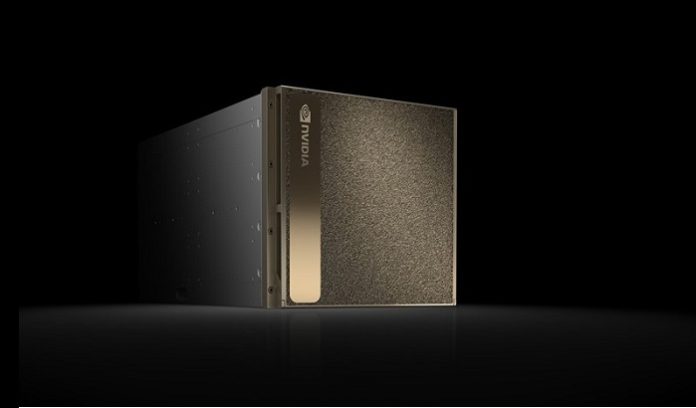
University of California, San Francisco, one of the world’s top medical schools for research, unveiled a center to develop AI tools for clinical radiology — leveraging the NVIDIA Clara healthcare toolkit and the powerful NVIDIA DGX-2 AI system.

As a founding partner of the Center for Intelligent Imaging, known as ci2, NVIDIA is working with UCSF to foster an ecosystem of industry and academic collaboration in healthcare. In addition to contributing technology tools, NVIDIA developers will work with UCSF researchers on several AI projects, including brain tumor segmentation, liver segmentation and clinical deployment.

Integrating AI into the radiology workflow can help medical institutions keep pace with an ever-growing stream of medical imaging data. The number of images acquired during common studies like MRI and CT scans has swelled in recent years from tens of images each to hundreds or thousands. It’s a challenge compounded by a rise in the number of patients being imaged.

“It makes for an absolutely overwhelming volume of information to digest,” said Christopher Hess, chair of the UCSF Department of Radiology and Biomedical Imaging. “We’re hoping to use AI to help radiologists better navigate and interact with data, to derive more meaning out of images, and to improve the value of medical imaging for the individual patient.”

Hess says the university also plans to use AI for quantitative imaging, predictive analytics and resource scheduling — giving medical professionals access to insights that were once too time-consuming to calculate or impossible to find without deep learning methods.

UCSF Adopts NVIDIA Clara and DGX Systems DGX-2 at UCSF AI for radiology center

A leading healthcare institution with more than a century of work in radiology, UCSF has long been an innovator in medical imaging. Its radiology department collaborated with industry partners in the 1970s to develop the first MRI systems,now used worldwide to diagnose a variety of conditions, including spinal fractures and brain and heart diseases.

Close to half a million imaging studies are performed at UCSF annually. The medical center has amassed at least a petabyte of imaging data over the years — ranging from small X-ray images to much larger PET/MRI studies. These bigger files can take up gigabytes or now even terabytes of data storage.

Training deep learning models on these massive datasets requires immense computational power. By adopting the high-performance NVIDIA DGX-2, Hess estimates UCSF researchers could cut the time to train AI models from months or days down to hours or even minutes.

The DGX-2 will also enable UCSF to harness multimodal data sources to develop more sophisticated deep learning models to accelerate the radiology workflow.

“We’re interested in integrating data from not only imaging, but also from medical records, genetics and other information sources in the healthcare system,” said Hess. “When we talk about computation at scale, we need access to a high-throughput, highly efficient and computationally sophisticated platform like DGX-2 to accelerate our development cycle.”

UCSF has also adopted the NVIDIA Clara developer toolkit for medical imaging. Its researchers are using the Clara Train SDK to train deep learning models that reconstruct and analyze CT and MRI scans, and the Clara Deploy SDK to optimize integration with the center’s clinical infrastructure.

“We’re really focusing on developing ways in which to implement algorithms from the modality to the reading room,” said Hess. “NVIDIA Clara will be an essential platform to create this ecosystem to implement, validate and use AI algorithms.”
Weaving AI Into the Clinical Workflow

NVIDIA and UCSF are working together to develop AI models that can be deployed into the medical center’s imaging workflow, starting with deep learning models to analyze scans of the brain and liver.

When doctors treat brain cancer patients, MRI scans provide critical information about how a tumor is responding to radiation treatment and chemotherapy. Today, radiologists analyze scans visually with manual tools. AI can instead provide a quantitative measurement, calculating the precise volume of a tumor. By tracking how a tumor’s volume changes from scan to scan, clinicians can better assess how a patient is responding to treatment over time.

The team is also developing an AI model that can segment and measure the left and right lobes of an organ donor’s liver from CT images. These metrics are critical for doctors planning liver transplants from a living donor to a patient, and take up to two hours to delineate and compute by hand. With deep learning, Hess estimates, it could be done in seconds.

UCSF and NVIDIA will also collaborate on tools that could improve the quality, efficiency and reproducibility of medical imaging exams. AI can be used to denoise medical images so that scans can be taken faster and are less susceptible to patient motion during scanning.

Beyond the day-to-day medical imaging workflow, the collaboration will explore predictive analytics tools to provide radiologists and other physicians insights from imaging scans, medical records and even patient sensors.

Additional deep learning algorithms will be created to improve operational efficiency at UCSF, helping its technologists optimize how the medical center’s fleet of imaging scanners is used.

Translate »