







Close
Digital Health & Ai Innovation summit 2026
Medical Taiwan 2026

Sony Announces Plans for the Next Generation of NUCLeUS, the Smart Imaging Platform for Hospitals

Sony NUCLeUS

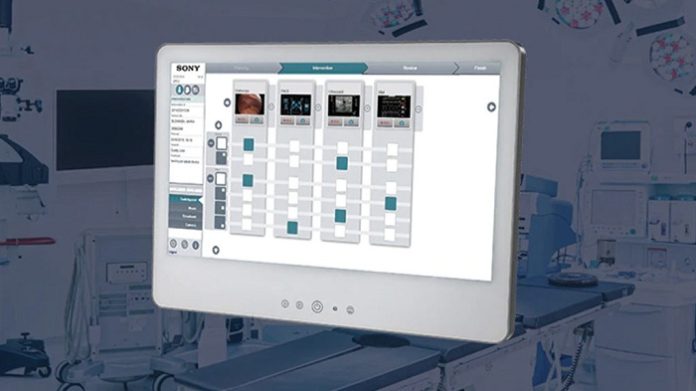
Sony plans to release a new, more user-friendly workflow version of its modality-neutral NUCLeUS™ medical imaging platform, pending FDA 510(k) clearance. The next generation platform is intended to offer hospitals a streamlined digital imaging workflow and create valuable efficiency improvements, in addition to supporting 4K resolution. It is also designed to easily route and deliver key information, such as video, audio and other pertinent clinical data, wherever and whenever it is needed across the hospital campus.

With simple and secure access from anywhere over a hospital’s IP network, professionals will be able to capture and manage video and audio content in near real-time for centralized storage and access through NUCLeUS, offering new workflows and operational efficiencies.

NUCLeUS will offer hospitals a host of revolutionary benefits, from enhanced training and education tools to cost-effective networked medical image content management. It is designed to streamline the workflow in operating rooms and laboratory facilities by providing fast access to relevant imaging data via an easy-to-use central dashboard. It is also intended to provide users with a virtually real-time transmission function to help clinicians and management teams make more informed decisions.

At Sony, we are experts in 4K and IP technology in the broadcast and production realm, and it is a natural evolution for these technologies to provide the same benefits and efficiencies to the healthcare space,” said Theresa Alesso, pro division president, Sony Electronics. “With the next generation of the NUCLeUS platform, Sony will offer a modality-neutral, digital solution that will efficiently address the demands of O.R. managers and integrators. As connected devices gain a foothold in hospitals, clinicians will gain new capabilities to centrally collect, store and distribute medical imaging files across a hospital network, enabling more effective and informed patient care.

Working off a flexible, software-based environment, NUCLeUS showcases Sony’s continued investment in the healthcare industry with this introduction of a new NUCLeUS smart application designed to utilize existing hospital network infrastructures.

Highlights of the design features of the next generation NUCLeUS platform include:

Workflow-orientated features for clinicians

  • Ability to handle multi-format, multi-standard and resolution up to 4K
  • Enhanced streaming and recording of high-quality audio and video, powered by advanced video switching and routing capabilities
  • Improved image routing and viewing options, enabling smoother imaging workflows through all phases of a surgical intervention, from the planning stage to post-operative patient reviews
  • Updated education and teaching broadcasting capabilities by using virtually real-time communication tools such as smarter annotation features
  • Workflow enhancement through NUCLeUS smart applications such as rotation correction

IT-oriented features

  • Fully scalable solution that can be easily extended to other rooms or hospital buildings at any time
  • Provides IT managers with a secure and encrypted way of remote and preventive solution maintenance, including self-monitoring capabilities

Integration-oriented features

  • Modality-neutral, software-driven platform supports routing images from many different manufacturers
  • Greater support for third-party applications via business APIs and a variety of mechanisms and tools
  • Secure HIS integration and fully HL7/DICOM compatible

Customers outside of the United States that have deployed Sony’s current NUCLeUS imaging platform in a move to create enhanced surgical imaging workflows and optimize their operations include:

  • University Hospitals Leuven (UZ Leuven), one of Belgium’s leading teaching hospitals with almost 2,000 patient beds and more than 9,000 employees, uses the NUCLeUS platform to perform thousands of surgical interventions every year across 34 of its digital operating rooms
  • Karolinska University Hospital in Sweden chose the NUCLeUS platform as its standard video-over-IP platform; 31 NUCLeUS systems were installed to manage video-based workflows inside the operating rooms and also outside connection to auditoriums and lecture rooms, as well as remote advisory through telestration

Sony is committed to helping healthcare organizations streamline their imaging workflows, so that clinical staff can provide the best professional offerings. The NUCLeUS imaging platform is an innovative system for medical imaging that is designed to contribute to operational efficiency and quality improvements and to provide tools for better informed clinical decisions.

This next generation is the result of Sony’s acquisition in 2016 of eSATURNUS, a Belgium-based company that provides leading clinical video-over-IP solutions for the medical field. This expertise, combined with Sony’s leading imaging and AV/IT technologies, has led to the continual investment and development of the NUCLeUS imaging platform.

The next generation NUCLeUS platform is planned to be available in the U.S. in December 2019, pending FDA 510(k) clearance. For more information, please visit pro.sony/medical.

About Sony Electronics Inc.
Sony Electronics is a subsidiary of Sony Corporation of America and an affiliate of Sony Corporation (Japan), one of the most comprehensive entertainment companies in the world, with a portfolio that encompasses electronics, music, motion pictures, mobile, gaming, robotics and financial services. Headquartered in San Diego, California, Sony Electronics is a leader in electronics for the consumer and professional markets. Operations include research and development, engineering, sales, marketing, distribution and customer service. Sony Electronics creates products that innovate and inspire generations, such as the award-winning Alpha Interchangeable Lens Cameras and revolutionary high-resolution audio products. Sony is also a leading manufacturer of end-to-end solutions from 4K professional broadcast and A/V equipment to industry leading 4K and 8K Ultra HD TVs. Visit http://www.sony.com/news for more information.
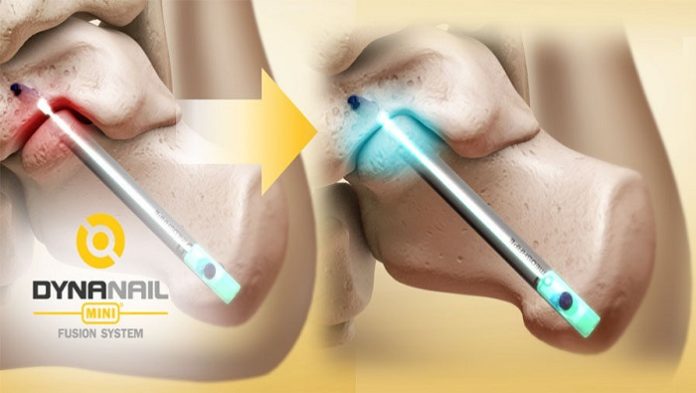

MedShape Announces Commercial Launch of DynaNail Mini for Subtalar Fusion

DynaNail MiniTM Fusion System

MedShape, Inc., the industry leader in orthopedic devices using advanced functional materials, announced the launch of the DynaNail MiniTM Fusion System. Featuring MedShape’s patented superelastic nickel titanium (NiTiNOL) technology, the DynaNail Mini is the first orthopaedic device designed specifically for subtalar fusion that offers maintained active compression post-surgery to promote healing and joint stability. The DynaNail Mini will be featured at the upcoming American Orthopaedic Foot & Ankle Society Annual Meeting in Chicago at the company’s booth #643.

The DynaNail Mini represents the latest innovation in the DynaNail product line to feature an internal NiTiNOL Compressive Element. NiTiNOL and its pseudoelastic properties have shown to be advantageous in applications where dynamic compression is required to facilitate healing of a fusion site.

While NiTiNOL has been used in orthopaedic surgery for over a decade primarily in bone staples, manufacturers have been challenged to machine NiTiNOL beyond simple two-dimensional geometries. MedShape engineers first revolutionized the use of NiTiNOL in alternate forms with the patented DynaNail® TTC Fusion System by incorporating an internal NiTiNOL component inside an intramedullary nail. Commercially available since 2013, the DynaNail has demonstrated successful outcomes in treating high-risk patient populations with challenging clinical scenarios with results reported in several peer-reviewed publications.1,2 The release of the DynaNail Mini signifies another milestone with the successful miniaturization of the internal NiTiNOL Element while still retaining the same dynamic compression performance, thus expanding the DynaNail brand to other applications.

Under a limited market release since earlier this year, the DynaNail Mini has been successfully implanted in a number of subtalar fusion procedures by leading foot & ankle surgeons across the country. Terrence Philbin, DO (Orthopedic Foot & Ankle, Columbus, OH) was one of the first users and has found the DynaNail Mini to be most useful in more complex cases.

According ot Dr. Philbin, “I was initially attracted to the DynaNail due to its excellent post-operative compression, particularly in patients with poor bone quality. From my experience so far, I have found the Mini nail to be easy to use and the results reproducible across my patient population.”

Naohiro Shibuya, DPM (Texas A&M College of Medicine) was also an early adopter of the new technology and shared similar sentiments: “There is finally an option to achieve dynamic compression in the foot other than staples. The DynaNail Mini nail allows long-term stability of the arthrodesis site without losing compression after bone resorption.”

During surgery, the Compressive Element is held in the stretched “activated” position and fixated with transverse screws in the talus and calcaneus. Post-surgery, the Compressive Element will automatically recover its stretched length in response to bone resorption or settling, allowing for compression to be maintained throughout the healing process. Manual compression can also be applied during surgery using the Mini Targeting Frame ensuring tight bone apposition immediately post-surgery. The carbon-fiber PEEK frame also features a robust, universal one-arm design allows for reliable drilling and screw placement. Unlike its predecessor, the DynaNail Mini comes packaged with the Compressive Element pre-stretched on a disposable Nail Guide that is attached to the Targeting Frame, thereby reducing the number of steps in the OR.

“As a market leader in NiTiNOL devices, we are proud to provide another novel solution that surgeons can add to their arsenal of surgical tools to address challenging pathologies,” said Kurt Jacobus, Chief Executive Officer of MedShape, Inc. “The early successful outcomes observed with the DynaNail Mini further validate the expansion of the DynaNail technology to other foot and ankle and trauma fusion applications. We are excited to see what the future holds.”

About MedShape, Inc.
MedShape, Inc. is a privately held medical device company working to develop and commercialize a portfolio of surgical solutions that uses its patented advanced functional material technologies to address the increasing demand for improved joint fusion, soft tissue repair and musculoskeletal trauma products in the foot & ankle.

Cleveland Clinic Akron General Designated a Thrombectomy Capable Stroke Center

Cleveland Clinic Thrombectomy Capable Stroke Center

Cleveland Clinic Akron General has been certified as an Advanced Thrombectomy-Capable Stroke Center by The Joint Commission, an important validation of the quality care it provides for stroke patients.

“Our capabilities in advanced thrombectomy and the time-sensitive care we provide here in Akron undoubtedly have made a major impact for patients,” said James Gebel, M.D., of the Cerebrovascular Center at Akron General. “The Joint Commission’s certification of our procedure is a reflection of the outstanding work of our acute stroke team, and our commitment to providing the highest level of quality and safety.”

To achieve this designation, Akron General underwent a rigorous onsite review. During the visit, a Joint Commission reviewer evaluated compliance with related certification standards, which are developed in consultation with health care experts and providers, measurement experts and patients. The reviewer also conducted onsite observations and interviews.

In order to be eligible for this certification, an organization must have performed mechanical thrombectomy (procedure to remove a clot from a blood vessel) and post-procedure care for at least 15 patients with ischemic stroke in the past 12 months or at least 30 patients over the past 24 months. The organization must also have an acute stroke team available 24/7, have a neurologist accessible 24/7 in person or via telemedicine, have designated stroke beds, maintain sufficient diagnostic services, have the ability to provide IV thrombolytics, and track, monitor and report performance measures.

“Cleveland Clinic Akron General receiving this designation is another great achievement for our stroke system of care,” said Shazam Hussain, M.D., director of the Cerebrovascular Center at Cleveland Clinic. “This designation will aid patients, physicians and our EMS colleagues in directing patients and allowing them to get to the right hospital, the first time.”

Certification recognizes health care organizations committed to fostering continuous quality improvement in patient safety and quality of care, according to Mark Pelletier, R.N., M.S., chief operating officer, Accreditation and Certification Operations, and chief nursing executive at The Joint Commission.

“We commend Akron General for using certification to reduce variation in its clinical processes and to strengthen its program structure and management framework for stroke patients,” Pelletier said in a statement.

About Cleveland Clinic Akron General
Cleveland Clinic Akron General is a nonprofit healthcare organization that has been improving the health and lives of the people and communities it serves since 1914. Akron General serves as the hub for Cleveland Clinic’s Southern Region and includes a 532-registered-bed teaching and research medical center in downtown Akron; Akron General Partners, which includes Partners Physician Group; three Health & Wellness Centers; Lodi Hospital; Visiting Nurse Service; and Akron General Foundation. Recently, U.S. News & World Report ranked Akron General Medical Center as the 11th best hospital in Ohio.

About Cleveland Clinic
Cleveland Clinic is a nonprofit multispecialty academic medical center that integrates clinical and hospital care with research and education. Located in Cleveland, Ohio, it was founded in 1921 by four renowned physicians with a vision of providing outstanding patient care based upon the principles of cooperation, compassion and innovation. Cleveland Clinic has pioneered many medical breakthroughs, including coronary artery bypass surgery and the first face transplant in the United States. U.S. News & World Report consistently names Cleveland Clinic as one of the nation’s best hospitals in its annual “America’s Best Hospitals” survey. Among Cleveland Clinic’s 66,000 employees are more than 4,200 salaried physicians and researchers and 16,600 nurses, representing 140 medical specialties and subspecialties. Cleveland Clinic’s health system includes a 165-acre main campus near downtown Cleveland, 11 regional hospitals in northeast Ohio, more than 180 northern Ohio outpatient locations – including 18 full-service family health centers and three health and wellness centers – and locations in southeast Florida; Las Vegas, Nev.; Toronto, Canada; Abu Dhabi, UAE; and London, England. In 2018, there were 7.9 million total outpatient visits, 238,000 hospital admissions and observations, and 220,000 surgical cases throughout Cleveland Clinic’s health system. Patients came for treatment from every state and 185 countries. Visit us at clevelandclinic.org

The World Heart Federation launches a new Global Roadmap on the prevention of cardiovascular disease among people living with diabetes

prevention of cardiovascular disease among people living with diabetes

At ESC Congress 2019 together with the World Congress of Cardiology, the World Heart Federation launched a new “roadmap” aimed at reducing the global burden of CVD in people living with diabetes. The Roadmap on the prevention of cardiovascular disease among people living with diabetes is a key reference document for anyone involved in the planning, organisation, implementation and monitoring & evaluation of approaches related to CVD prevention in people living with diabetes. It outlines a vision of an ideal pathway of care, potential roadblocks along this pathway, and proposed solutions, with examples from practice.

Rapid urbanization, unhealthy diets and increasingly sedentary lifestyles have resulted in fast-growing rates of obesity and diabetes, with an estimated 425 million people currently living with diabetes worldwide – around 90 percent have type 2 diabetes. Alarmingly, the situation is set to deteriorate further in the coming decades, with the total number of people with diabetes predicted to increase to over 600 million by 2045. It has been estimated that globally, up to 50 percent of people with diabetes are unaware of their disease.

While diabetes is treatable, even when glucose levels are under control it greatly increases the risk of cardiovascular disease (CVD) – people with diabetes are 2 to 3 times more likely to have increased risk of coronary artery disease, stroke, myocardial infarction and angina pectoris compared to those without diabetes. Prevention of CVD in people with diabetes is a necessity and preventive strategies predominantly focus on lifestyle management and risk factor interventions.

Professor Karen Sliwa, President of the World Heart Federation (WHF), said “Diabetes and its related CVD complications are a huge global issue. All over the world, due to limited resources, countries are struggling to provide the necessary preventive or medical care, with a disproportionate burden falling on low-and middle-income countries. Given the worldwide impact of the epidemic of CVD and diabetes, we decided to take action to address it globally through this new roadmap on the prevention of CVD among people living with diabetes.”

Developed in partnership with the International Diabetes Federation (IDF), the Roadmap draws on the expertise of diabetes expert clinicians, researchers, implementation science experts and patients from around the world, and presents an integrated approach to patient care, involving the patient perspective, healthcare system perspective and health policy perspective.

Laurence Sperling, Chair of the CVD and Diabetes Roadmap Writing Group explains, “We have identified important gaps in the care of people living with diabetes who are a high cardiovascular risk, and focused on priorities and key action areas to close these gaps. We also provide an ‘implementation toolkit’ for successful translation of the Roadmap to national and local initiatives, aiming to ensure that as many people living with diabetes as possible receive optimal preventive care and treatment.”

“In order to be implemented successfully, the CVD and Diabetes Roadmap requires committed global action. Today, the Roadmap will be launched at the largest cardiovascular congress in the world, which represents the perfect forum to raise awareness of this impactful global epidemic. Our goal is to demonstrate how utilization of this roadmap can help a broad base of stakeholders begin to tackle the problem and make a longstanding difference.”

The WHF Global Roadmap on the prevention of CVD among people living with diabetes was launched at ESC Congress 2019 together with the World Congress of Cardiology in a session entitled ‘Heart failure and diabetes: what is on the horizon’ on Monday 2 September 2019, 11:00 – 12:30 CEST. WHF would like to thank Boehringer-Ingelheim, Eli Lilly and Company, Novo Nordisk, Regeneron and Sanofi for their financial support.

The WHF Global Roadmap on Heart Failure will also be launched at ESC Congress 2019 together with the World Congress of Cardiology in a session entitled ‘Expert Advice Optimising the organisation of heart failure care,’ on Monday 2 September 2019, 16:40 – 17:50 CEST.WHF would like to thank Novartis for their financial support.

The Roadmapswill be published in open-access in the WHF journal,Global Heart. These two new documentsadd to existing Roadmaps on secondaryprevention of CVD, raised blood pressure, tobacco control, cholesterol, rheumatic heart disease and non-valvular atrial fibrillation.Further details can be found at: www.cvdroadmaps.org.

About the World Heart Federation (WHF)
The World Heart Federation is dedicated to leading the global fight against CVD, including heart disease and stroke. We are the only global advocacy and leadership organization bringing together the entire CVD community to drive the CVD agenda and help people live longer, better, more heart-healthy lives. We and our Members – more than 200 organizations, scientific societies, foundations and patient associations in over 100 countries – believe in a world where heart health for everyone is a fundamental human right and a crucial element of global health justice. Because every heartbeat matters.

For more information on WHF, please visit: www.worldheartfederation.org

About WHF Global Roadmaps
In 2014, the World Heart Federation launched an initiative to develop a series of Global Roadmaps, with the aim to identify potential roadblocks on the pathway to effective prevention, detection and management of CVD, along with evidence-based solutions to overcome them. The resulting documents provide a framework to translate strategic intent into action on integrating epidemiology, population and cardiovascular outcome trial data into national plans for optimal CVD management.

The Roadmap publications have become the cornerstone of WHF activities as resources for implementation to guide initiatives to support heart health globally, translating science into policy and influencing agencies, governments and policymakers alike.

With this framework, countries can develop or update national NCD programmes aligned with the WHF Global Action Plan for the Prevention and Control of NCDs 2013-2020. The overall aim is to drive efforts within national agendas to meet the ambitious target set out in the UN Sustainable Development Goals: a 30% reduction in premature mortality caused by NCDs, including CVD, by 2030.


True Diagnostics and Veravas, Inc. Announce Strategic Alliance in the Commercialization of VeraTest Biotin

VeraTest Biotin

True Diagnostics, Inc , a leading company for Point of Care (POC) answers, and Veravas, an emerging diagnostic company focusing on proprietary sample preparation products and new diagnostic tests, announced their Strategic Alliance in the commercialization of VeraTest Biotin, a portable and easy-to-use digital qualitative test that can rapidly screen patient samples to determine if significant biotin is present, helping safeguard against potential biotin interference. The collaboration, recently announced at the 71st Annual American Association for Clinical Chemistry (AACC) meeting in Anaheim, California, focuses on improving the accuracy of current diagnostic test results to ensure proper diagnosis, treatment and patient care management

Biotin, or B7, has become an everyday supplement for many people. It’s found in over the counter (OTC) multivitamins, prenatal vitamins, and dietary supplements for hair, skin, and nail growth, however, the use of high-dose biotin supplements has been found to skew results in some diagnostic tests. Today, 59% of immunoassay diagnostic tests on the market are using biotin in their assay design. As a result, in 2017, the FDA issued a safety communication alerting that biotin can significantly interfere with certain lab tests and cause incorrect test results which may go undetected. In 2019, the FDA also issued guidance to IVD manufacturers regarding testing for biotin interference to address incorrect test results.

True and Veravas have partnered to develop a simple and immediate solution that screens for biotin interference. This new test leverages components from the TrueDX Reader Platform that was previously FDA cleared for a separate indication earlier this year. VeraTest provides a qualitative yes or no answer to determine if biotin levels are above 15 ng/ml – levels which may impact patient test results. With True’s manufacturing capabilities, proprietary screening assay platform and technology, in addition to Veravas’ nano magnetic particle technology that can remove and confirm the clinical significance of interferences, customers now have a way to detect and manage biotin interference while IVD companies work to update their assays.

“The number of people taking biotin for health and cosmetic reasons is becoming more prevalent each year, so we’re excited to announce this collaboration with Veravas to bring a product like VeraTest to market,” stated Jerry Lee, CEO and President of True Diagnostics. “Veravas is quickly emerging as the leader in raising the standard of care in laboratory medicine and we look forward to co-developing tools that are essential to support the IVD market and improving the lives of so many patients.”

“The issue of biotin interference has been discussed in the industry for years, so we’re excited to be first to market with a ready-to-use solution. Our collaboration with True utilizing their device technology has resulted in a test that’s easy to use and displays patient results in five minutes. Speed is critical in settings such as emergency departments, where a diagnostic answer is needed urgently to ensure proper diagnosis and treatment,” said Carroll E. Streetman Jr., Chief Executive Officer of Veravas. “We are confident that the combined technology of our two companies will assist healthcare providers and laboratory users to tackle biotin interference for improved test results.”

True and Veravas continue to collaborate and expand their portfolios with other emerging organizations and institutions to bring diagnostic solutions and products like VeraTest to market.

About True Diagnostics
True Diagnostics (True) designs and develops innovative POC diagnostic tests and devices based on its proprietary TrueDX™ Platform, which utilizes reliable and low-cost lab methods and its own proprietary or partnered biomarkers to offer rapid diagnoses to facilitate treatment decisions in point-of-care, point-of-incidence and remote-of-care settings. The TrueDX Platform’s portability and affordability allow it to be easily adopted into emerging markets to provide accurate diagnosis within minutes. For the $21 billion point-of-care market, the power of the TrueDX Platform lies in its simplicity and flexibility. Tests have an 18-month or longer shelf life with no refrigeration required. The platform’s flexible design additionally permits it to quickly commercialize a myriad of biomarkers discovered for cancer, autism, Alzheimer’s, diabetes, drugs of abuse, infectious diseases, cardiac health, traumatic brain injury, viral and bacterial infections and more.

About Veravas
Veravas is transforming laboratory medicine with technology that delivers superior test results, providing confidence to clinicians and patients that diagnoses are accurate. The company is rapidly driving the commercialization of proprietary sample preparation products and new diagnostic tests. Veravas’ nano magnetic particles can identify, remove, and measure select substances from patient samples to reduce the effects of complex interferences and detect low-abundance biomarkers. Led by a passionate and dedicated team, Veravas is devoted to improving patient lives by minimizing the harmful effects of unnecessary treatments and deaths associated with poor quality diagnostic results. Because every patient deserves the correct result, every time. To learn more about our technologies and clinical applications, visit veravas.com.

Philips debuts innovations in ultrasound and enterprise informatics to advance cardiac care at ESC 2019

Philips

Royal Philips, a global leader in health technology, is showcasing its latest cardiac care innovations at the ESC Congress 2019. At the congress, Philips is showcasing Release 5.0 of its EPIQ CVx cardiology platform for the first time in Europe. The platform includes automated applications for 2D assessment of the heart, as well as robust 3D right ventricle volume and ejection fraction measurements, making accurate exams faster and easier to conduct [1]. Philips also announced that it is collaborating with digital health company LindaCare to combine the company’s innovative OnePulse™ cloud-based solution for the remote monitoring of patients with cardiac implantable electronic devices (CIEDs) with the Philips IntelliSpace Cardiovascular informatics platform.

“Monitoring and follow-up of cardiac arrhythmia patients with CIEDs can be often complex, with data trapped in different silos that need to be reviewed individually,” said Calum Cunningham, Business Leader for Enterprise Diagnostic Informatics at Philips. “LindaCare’s innovative OnePulse solution consolidates this data, and by incorporating OnePulse into our IntelliSpace Cardiovascular platform, caregivers can see this additional information as part of the broader cardiovascular history of each patient, allowing them to make the most appropriate treatment decisions for each patient.”

By incorporating OnePulse into our IntelliSpace Cardiovascular platform, caregivers can see this additional information as part of the broader cardiovascular history of each patient, allowing them to make the most appropriate treatment decisions for each patient.

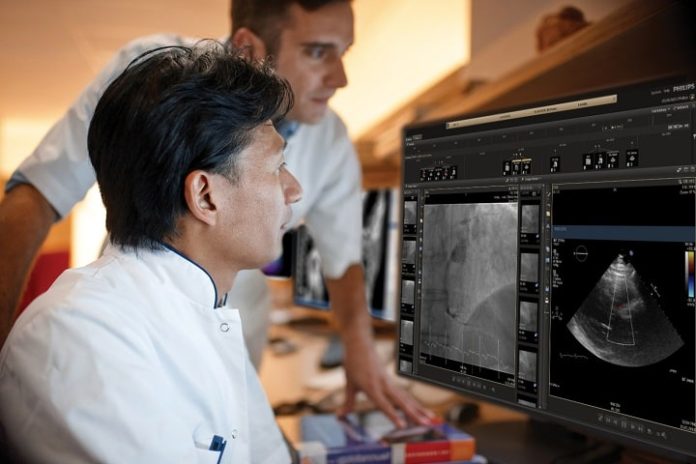
Philips IntelliSpace Cardiovascular is a web-based image and workflow management platform which streamlines the workflow of cardiology departments and across hospitals by consolidating multi-modality images and data and enabling access to an open ecosystem of cardiovascular software applications.

The seamless combination of IntelliSpace Cardiovascular with LindaCare’s OnePulse solution allows clinicians to more easily access data from their patients’ CIEDs remotely. This results in a more seamless overall workflow, including alert management and triaging, supporting more proactive care. Philips is also introducing a new module on IntelliSpace Cardiovascular which complements the remote monitoring workflow by automating, standardizing and streamlining reporting for patients with CIEDs during hospital visits. Both the OnePulse interface and the new module will be available on the platform later this year. Since 2018, Philips has owned a minority interest in LindaCare through Philips Health Technology Ventures, which manages a business-agnostic digital health fund investing capital in future partners to help drive Philips’ digital transformation and jointly achieve the Quadruple Aim in healthcare.

Increasing diagnostic confidence with the EPIQ CVx cardiology ultrasound platform

At the ESC Congress 2019 Philips is also highlighting the new advanced automation capabilities available on the EPIQ CVx cardiology ultrasound platform. By incorporating advanced automation, there is less variability between scans, leading to confident treatment decisions which benefits patients. The new release of EPIQ CVx is a major step forward, reducing the number of touches of the system by 21% in each exam, which is equivalent to more than 400 exams each year [2].

The AutoStrain LV application uses advanced Automatic View Recognition technology to identify the different views of the heart, providing exceptional visualization and analysis of left ventricular function – extremely important diagnostic information for patients at risk of developing cardiovascular disease. Also new are the AutoStrain LA and AutoStrain RV applications, which automate the measurement of left atrial and right ventricular longitudinal strain respectively. By creating reliable and reproducible strain measurements for the left ventricle, left atrium and right ventricle, the AutoStrain LV, LA and RV applications support clinicians treating patients with atrial fibrillation, arrhythmia and other complex heart conditions.
Enabling value-based cardiac care

With the shift to value-based care, healthcare providers are increasingly focused on balancing the need to provide the highest quality care with managing their operational costs. Philips provides intelligent solutions that help clinicians to be more efficient and effective, enabling them to deliver a consistent standard of care, optimize care pathways, simplify workflows and drive better treatment outcomes.

The ESC Congress 2019 will take place at the Paris Expo Porte de Versailles, France. Visit Philips at Stand #590. During the event, Philips will host a Satellite Symposium on Ultrasound featuring leading worldwide experts. For more information about the symposium and other events, as well as general information about Philips’ presence at the show, visit www.philips.com/esc.

Miracor Medical granted FDA Breakthrough Device Designation for the PiCSOImpulseSystem

Miracor Medical

Miracor Medical SA has been granted Breakthrough Device Designation by the U.S.FDA  for its PiCSO Impulse Systemfor treatment of STEMI patients.

The FDA BreakthroughDevice designation isintendedto speed time to market for treatments oflife-threatening or irreversibly debilitating diseases or conditionsand recognizes the novelty of the PiCSO Impulse System and its potential to benefit patients with anterior STEMI heart attacks. The Centers for Medicare & Medicaid Services (CMS)also recently acknowledged the importance of this designation by establishing an alternative reimbursement pathway for products that receive FDA marketing authorization and held the Breakthrough Designation

PiCSOtherapy isprovided by interventional cardiologists during PCI (Percutaneous Coronary Intervention) in patients experiencing ST-elevated myocardial infarction (STEMI). The PiCSOImpulse System clears the coronary microcirculationby intermittently occluding the coronary sinus outflowresulting inimprovedperfusion of the infarcted area of the heart. This mechanism of action is unique and very differentiated.

The PiCSOImpulse System is intended to reduceinfarct size after STEMI, which is strongly associatedwithreductions in heart failure hospitalizations and reduced mortality1. Heart failure occurs in18-28% of patients within the first 90 days after STEMI2and the one-year mortality rate for STEMI is 14% despite all improvements and widespread use of reperfusion strategies and adjuvant pharmacological therapies3

“TheBreakthrough Designation demonstrates FDA’s continued commitment to encouraging medical device innovation to address clinical needs and improve patient care. Thisdesignation highlights the need for improving care of STEMI patientsand will helpMiracor acceleratethepathway in the USA.” said Olivier Delporte, CEO.

“Despite effective treatment, patients with STEMI often have large heart attacks, resulting in heart failure. Early studies have shown the potential for PiCSO to reduce infarct size in STEMI. The FDA Breakthrough designation acknowledges the need for therapies like PiCSO that may be able to reduce infarct size in patients with STEMI.”said Prof. Dr. Gregg Stone,NY, USA.

In July of this year, Miracorannouncedthe start of its European randomized study, PiCSO-AMI-I, to further evaluate the benefitsof PiCSOtherapyas compared withconventionalPCI for the treatment of anterior STEMI patients.

About Miracor Medical Miracor
Medical(www.miracormedical.com), located in Awans, Belgium, provides innovative solutions for the treatment of severe cardiac diseases, aiming to improve short and long-term clinical outcomes and reduce associated cost.Miracor Medical has developedthe PiCSOImpulse System, the first and only coronary sinus intervention designed toreduce infarct size,improve cardiac functionby clearing microcirculationand potentially reduce the onsetof heart failure following acute myocardial infarction.


Samsung Collaboration with Kaiser Permanente Delivers Improvements in Home-Based Cardiac Rehabilitation

Samsung Home-Based Cardiac Rehabilitation

The home-based cardiac rehabilitation program experienced just 2 percent readmission rates and saw a 74 percent improvement in completion rates compared to clinic-based programs

Samsung Electronics revealed the results of a joint cardiac rehabilitation initiative, developed in collaboration with Kaiser Permanente, the largest not-for-profit integrated health system in America. Samsung and Kaiser Permanente collaborated to bring a home-based cardiac rehabilitation solution that is demonstrating promising results for better patient outcomes based on results and details that were published today in New England Journal of Medicine (NEJM) Catalyst.

The results of the program, chronicled in the NEJM article, showed significant improvements over traditional cardiac rehabilitation programs. While the U.S. national average hospital readmission rate for these conditions is approximately 10-15 percent, participating program patients experienced a readmission rate of less than 2 percent. The program achieved an 87 percent patient completion rate, which is a 74 percent improvement over center-based rehabilitation programs.

“This program took a fresh, digital-first approach to cardiac rehabilitation and put control in patients’ hands,” said Peter Koo, Corporate SVP and Head of the Health Service Team, Mobile Communications Business at Samsung Electronics. “It produced higher program completion rates than programs requiring excessive trips to the doctor’s office.

The Kaiser Permanente program, according to the NEJM article, enrolled more than 2,300 patients and more than 80% of the program’s participants completed the program, compared with a national average of less than 50% completion. Kaiser Permanente is now evaluating expansion of the program beyond Southern California.

The program clearly demonstrated the potential of digital healthcare at-scale. The solution paired commercially available Samsung’s smartwatches that have built-in optical sensors – Gear S3 and Galaxy Watch, with the Samsung’s HeartWise1 application to track each patient’s daily heart rate and activities. A report of patients’ activities was logged directly to their physician’s dashboard used to set exercise goals and monitor patients’ progress.

“Our legacy in devices enables us to deeply understand users’ needs, and develop best-in-class hardware to address them. We are committed to delivering comprehensive health, wellness and fitness solutions that give users a more personalized and insightful experience. For this initiative, we took a human-centered design approach and began by examining the problem through the lens of our users, and then built a digital solution to fit the needs of our users,” highlighted Koo. “Bringing together wellness, engineering and user experience minds enabled us to address this problem with a fresh perspective, and produce an innovative, secure and engaging user-centric solution.”

Piedmont Newton Hospital Designated as a Remote Treatment Stroke Center

Piedmont Newton Hospital

Piedmont Newton Hospital has been designated as a Remote Treatment Stroke Center by the Georgia Department of Public Health Office of EMS and Trauma. The designation recognizes Piedmont Newton’s excellence in providing stroke care to patients in Newton County and surrounding communities.

“We know time is of the essence when it comes to stroke diagnosis and treatment. Patients exhibiting stroke-like symptoms need emergency medical treatment which they will receive at Piedmont Newton eliminating the need for the extra time required to travel to a facility outside of the community,” said Norris Little, M.D., chief medical officer at Piedmont Newton Hospital.

Stroke is the fifth leading cause of death and No. 1 cause of disability in the United States. Georgia is in the stroke belt, an 11-state region where studies show that the risk of stroke is 34 percent higher for the general population than in other areas of the country.

Stroke is the obstruction of blood flow to the brain. This can be caused by a clot (called an ischemic stroke) or a blood vessel rupturing (called a hemorrhagic stroke). A TIA (transient ischemic attack), or “mini stroke”, is caused by a temporary clot.

“Approximately 2 million brain cells die each minute when you are having a stroke so getting to the closest stroke-ready hospital is key in preventing disability,” said Erica Walker, BSN, RN, stroke and cardiovascular program manager at Piedmont Newton. ““Unlike other parts of the body, the brain cannot repair itself so the damage that occurs during a stroke is permanent.”

To treat acute ischemic stroke, emergency physicians can administer the clot-busting drug Alteplase (tPA) or tissue plasminogen activator. However, to be effective, Alteplase (tPA) must be given within three to four-and-a-half hours of the onset of symptoms.

“When a patient arrives at the emergency department with stroke-like symptoms, all departments know that we have a small window of time to be able to administer Alteplase (tPA),” said Walker. “The tremendous collaboration between the emergency department, radiology, laboratory, registration and just about every other department supports a quick diagnosis of the patient and initiation of appropriate treatment.”

Piedmont Newton began the certification process in November 2018. The process to become a Remote Treatment Stroke Center is intricate and demanding with all departments involved with treating a stroke patient receiving intense training, including Piedmont Newton EMS staff. The Georgia Department of Public Health Office of EMS and Trauma collects and reviews hospital-specific data before making a decision to grant certification, and, ongoing, the hospital continuously reports information to the DPH to ensure it is meeting the guidelines and standards set by the certifying department.

“Being recognized as a Remote Treatment Stroke Center for the high-quality stroke care we provide at Newton demonstrates our commitment to being an integral part of a comprehensive and growing stroke care system throughout the state,” said Little. “We want to work with our community to reduce the incidence of stroke and improve the health and lives of the residents we serve.”

Members of the community should know the BEFAST acronym so they can recognize signs of a stroke and get help as quickly as possible.
Balance – Watch for sudden loss of balance.
Eyes – Check for vision loss.
Face drooping – Does one side of the face droop or is it numb? Ask the person to smile. Is the person’s smile uneven?
Arm weakness – Is one arm weak or numb? Ask the person to raise both arms. Does one arm drift downward?
Speech difficulty – Is speech slurred? Is the person unable to speak or hard to understand? Ask the person to repeat a simple sentence, like “The sky is blue.” Is the sentence repeated correctly?

How Much Can You Trust Your Therapy App?

How Much Can You Trust Your Therapy App?

E-Therapy is becoming increasingly preferable, with many people searching for therapists online from the comfort of their homes and offices. This form of therapy is increasing in popularity at a rapid rate. It is understandable, especially with the convenience it provides. According to research, the Online Therapy Services Market Industry is expected to reach a market value of USD 53.2 billion before 2027. The same report was published, indicating that the Global Online Therapy Services Market is expected to grow significantly in 2019 alone. It is also projected that by 2026, it will reach millions.

This is a growing industry, and at the rate that people are seeking online therapy, it can only get better. However, how much can you trust these therapy over the internet?

Safety of therapy online

If you are using online therapy, you don’t have to meet physically with your therapist. It helps tremendously in dealing with cases of stigma as many people don’t like being seen walking to a therapist’s office. Therapy apps provide a safe space for many individuals who need support to break free from a life that makes them unhappy.

The good thing with this method of therapy is that they provide more information. In most cases, you find that people are not willing to share their mental health concerns with anyone. They would instead withhold all that information to themselves. Internet therapy makes mental health information more accessible. Once you are in the app, you can find out all you need to know without anyone finding out about your problem. It’s a secure way that guarantees privacy to people going through mental health issues. Using a therapy app, you can also learn about health behaviors as well as coping strategies that facilitate better psychological health.

Safety concerns over therapy apps

When you are taking any form of online therapy, you will be concerned about confidentiality, privacy, and unreliable technology. You want to keep all this information as private as possible, but E-therapy presents a particular layer of complexity. Just as with traditional therapy, confidentiality is quite essential. The last thing you need is your information leaking out to the public. It can be very traumatizing.

However, since online therapy involves information being transmitted online, privacy leaks and hacks become a significant concern. With so many hackers on the rise, you can’t help but think that someone can hack all your personal information and access it from wherever they are. As such, it becomes a huge concern when using therapy apps.

Indeed, online therapy does not come without some risks, but that’s the case with everything else in life. It’s worth noting that if you are using an app, it’s highly unlikely that your data will be stolen. Most of these apps undergo a lot of scrutinies before the public can access them. Most of them are secure, but when choosing an app, you should select a verified one. Remember, in as much as your data might be stolen in an online app, that also could be the case with a real-life therapist as well.

REFERENCES


Translate »