








Close
Digital Health & Ai Innovation summit 2026
LiGHT26

How Are Nasal Polyps Removed? What Patients Should Expect

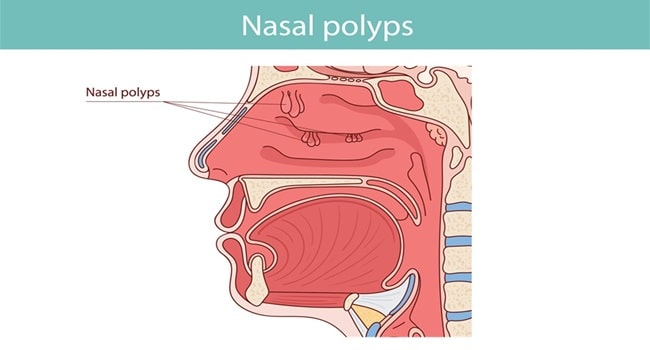
Nasal polyps are benign growths on the mucous membrane of the nasal passages or sinus cavities. The bigger the size of the polyp, the higher the risk of experiencing serious health problems. For patients who have severe symptoms, nasal polyps removal may be recommended to restore nasal breathing and improve quality of life.

This article explains the removal process and what patients should expect. Keep reading to learn more

Understanding Nasal Polyps and Their Impact

Nasal polyps frequently lead to airway obstructions or breathing issues. Patients may suspect they have nasal polyps based on a combination of signs and symptoms:

  • Persistent nasal congestion: A constant feeling of a blocked or stuffy nose that doesn’t improve with typical cold or allergy treatments.
  • Reduced sense of smell: A noticeable decrease in the ability to smell, which may also affect taste.
  • Runny nose: Chronic nasal drainage, often with clear or colored mucus.
  • Facial pain or pressure: A sense of discomfort, heaviness, or tightness in the face, often concentrated around the sinus areas.
  • Postnasal drip: The feeling of mucus accumulating or trickling down the throat from the back of the nose.
  • Snoring or sleep disturbances: Breathing difficulties caused by nasal obstruction may lead to snoring or disrupted sleep.
  • Recurrent sinus infections: Frequent or chronic sinus infections that don’t respond well to treatment.
  • Breathing difficulties: Trouble breathing through the nose, particularly if it worsens over time.

If these symptoms persist for more than 10 days or recur frequently, it’s essential to consult an otolaryngologist or an ENT (ear, nose, and throat) specialist.

The development of nasal polyps is often linked to chronic inflammation caused by conditions like allergic rhinitis, chronic sinusitis, or cystic fibrosis. While conservative treatments can help manage symptoms, some patients may require nasal polyps removal for long-term relief.

When Is Nasal Polyp Surgery Necessary?

When medical treatments like nasal corticosteroid sprays, saline nasal sprays, or oral steroids fail to alleviate symptoms, surgical solutions may be considered. This is especially true for patients with obstructive nasal polyposis or those experiencing a significant loss of smell, recurrent sinus infections, or severe nasal obstruction.

The most common type of surgery for nasal polyps is endoscopic sinus surgery, also known as endoscopic nasal polypectomy. This minimally invasive procedure allows sinus specialists to remove polyps and clear blocked sinus passageways, improving airflow and reducing the risk of future sinus infections.

What to Expect During Nasal Polyp Removal Surgery

Nasal polyp removal surgery is generally an outpatient procedure. Before the surgery, your healthcare provider may recommend avoiding certain medications or strenuous activity in the days leading up to the procedure.

During the surgery, the sinus specialist uses a thin, flexible tube with a camera or endoscope to visualize the nasal cavities and sinus cavities. Specialized tools, such as an electric microdebrider, are used to remove the polyps and clear any blockages. The goal is to achieve complete sinus clearance while minimizing trauma to the nasal lining.

Most patients experience bearable pain during the procedure, and anti-anxiety medication may be offered to help anxious patients feel more comfortable. The surgery typically takes one to two hours, and patients are monitored for complications like excessive bleeding or hypotension during nasal procedures.

Recovery After Nasal Polyp Surgery

In the hours after surgery, patients may experience mild discomfort, nasal pressure, or a dull ache. To manage post-operative pain, you can use over-the-counter pain relievers and topical medications. Meanwhile, nasal congestion and a stuffy nose are common in the days after surgery, but these symptoms usually improve as the nasal passages heal.

Aside from managing pain post-procedure, patients are advised to avoid strenuous activity for at least a week and to follow their healthcare provider’s instructions for proper care. This may include using saline nasal sprays, sinus irrigation kits, or nasal corticosteroid sprays to keep the sinuses clean and reduce the risk of recurrence.

Most patients can return safely and comfortably go back to their daily activities within a few days after sinus surgery. Still, patients must track their healing progress and address any concerns when they go to follow-up appointments with their doctor. In some cases, additional treatments like allergy shots or biologic medications may be recommended to prevent the recurrence of nasal polyps.

Long-Term Results and Considerations

While nasal polyp removal surgery can significantly improve symptoms and quality of life, it’s not a permanent cure for nasal polyps. The condition has a high recurrence rate. Moreover, long-term use of nasal steroid sprays and regular sinus irrigation can help reduce the risk of recurrence.

For patients with severe or recurrent polyps, a sinus specialist may recommend a more complex procedure or additional medical therapy. In some cases, randomized studies and case-control studies have shown promising results with newer treatments like biologic medications, which target the underlying inflammation responsible for polyp formation.

Conclusion

Nasal polyps can significantly impact daily life, which is why some patients may require nasal polyp removal surgery for long-term relief. This surgery is a safe and effective solution for removing polyps and enhancing nasal airflow.
By understanding what to expect before, during, and after surgery, patients can feel more confident in their decision to pursue treatment. Also, with appropriate care and regular follow-up, most patients see a notable enhancement in their symptoms and overall quality of life.

The 5 Essential Stages of Sports Injury Rehabilitation

Introduction

Getting injured while playing sports can be frustrating. You want to return to doing what you love as soon as possible. But rushing back too soon can cause more harm than good. Thatโ€™s why sports injury rehabilitation follows a structured process. This helps athletes recover properly and safely return to their sport.

Rehabilitation is not just about resting. It involves specific exercises and treatments to rebuild strength, coordination, and confidence. In this guide, we will walk you through the five essential stages of sports injury rehabilitation. By understanding these stages, you can take control of your recovery and come back stronger than before.

Stage 1: Rest and Protect

When you first get injured, your body needs time to heal. This is why the first stage of rehabilitation is all about rest and protection. The goal here is to prevent the injury from worsening and reduce pain and swelling.

Key Steps in Stage 1:

  • Stop using the injured area: Continuing to play with an injury can make it worse. Itโ€™s important to rest the affected part of your body.
  • Use ice and compression: Ice can help reduce swelling and pain. Wrapping the injured area with a bandage can also help keep swelling down.
  • Elevate the injury: Keeping the injured area raised above heart level can help reduce swelling.
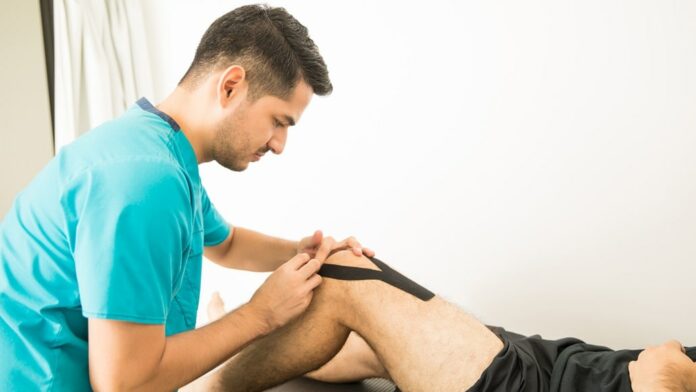
  • Use braces or crutches if needed: Depending on the injury, a brace, splint, or crutches might be needed to prevent further damage.

This stage is usually short, lasting a few days to a week. Once the pain and swelling are under control, it is time to move on to the next stage.

Stage 2: Mobility and Movement

After resting, youโ€™ll likely notice that the injured area feels stiff. Thatโ€™s because when you stop using a muscle or joint, it can lose flexibility. The second stage of rehabilitation focuses on restoring movement and flexibility to the injured area.

Key Steps in Stage 2:

  • Gentle stretching: Simple stretches can help loosen tight muscles and improve joint movement.
  • Range of motion exercises: Moving the joint in safe, controlled motions can help prevent stiffness.
  • Pain management techniques: Ice, heat, or physical therapy may be used to ease discomfort while restoring movement.

Itโ€™s important not to rush this stage. Pushing too hard too soon can cause setbacks. Instead, focus on slow, controlled movements and listen to your body.

Stage 3: Strength and Stamina

Once mobility is restored, itโ€™s time to rebuild strength and endurance. After an injury, the muscles around the affected area can become weak. This stage helps rebuild muscle power and overall fitness.

Key Steps in Stage 3:

  • Strength training: Light weights, resistance bands, or body-weight exercises can help rebuild muscle strength.
  • Endurance exercises: Low-impact activities, such as swimming or cycling, can help rebuild stamina without putting too much stress on the injury.
  • Core and balance training: Strengthening your core and improving balance can prevent future injuries.

Strength training should be done gradually. Start with light exercises and slowly increase intensity as you progress.

Stage 4: Reconnecting to Coordination

At this point, your strength is returning, but your body may still struggle with balance and coordination. After an injury, the connection between your brain and muscles can weaken. This stage helps retrain your body to move properly again.

Key Steps in Stage 4:

  • Balance exercises: Standing on one foot or using a balance board can help improve stability.
  • Reaction drills: Simple drills like catching a ball or changing directions quickly can help restore coordination.
  • Proprioception training: This involves exercises that help your body sense movement and positioning.

The goal is to regain full control of your body so you can move confidently and safely.

Stage 5: Rebuilding Sport-Specific Technical Movements

Now that youโ€™ve regained strength and coordination, itโ€™s time to prepare for your return to sports. This stage focuses on movements that mimic your sportโ€™s demands.

Key Steps in Stage 5:

  • Sport-specific drills: If youโ€™re a soccer player, you might start passing and dribbling drills. If youโ€™re a basketball player, you might begin shooting and agility drills.
  • Speed and agility training: Sprinting, jumping, and quick changes in direction help prepare your body for game-time movements.
  • Gradual return to full activity: Start with light practice sessions before jumping into full competition.

During this stage of sports injury rehabilitation, it is important to work closely with a coach, trainer, or physical therapist. They can help you progress at the right pace and prevent re-injury.

Conclusion

Recovering from a sports injury takes time and patience. Following these five stagesโ€”rest and protect, mobility and movement, strength and stamina, reconnecting to coordination, and rebuilding sport-specific movementsโ€”can help you heal properly and safely return to your sport.

Remember, every injury is different. It is always best to listen to your body and work with medical professionals during your recovery. By following a structured rehabilitation process, you can reduce the risk of re-injury and come back stronger than before.

Injuries may slow you down, but they donโ€™t have to stop you. With the right approach, you will be back in action quickly!

BNH Hospital Goes 100% Paperless with InterSystems TrakCare EMR System

Private hospital in Thailand invests in change management program, engaging clinicians for future technology success

Bangkok & Singapore, February 19, 2025ย โ€“ย InterSystems,ย a creative data technology provider dedicated to solving critical scalability, interoperability, and speed challenges for its customers,ย announced thatย BNH Hospitalย in Bangkok has gone 100% paperless with a newย InterSystems TrakCareยฎย electronic medical record (EMR) system after investing in a change management program involving clinicians, managers, and InterSystems.ย This significant change comes as part of Thailandโ€™s ongoing efforts to modernize healthcare services and enhance patient care through digital transformation.

BNH Hospital, the first international private hospital in Thailand, was established in 1898. BNH Hospital was recentlyย acquired byย Bangkok Dusit Medical Servicesย (BDMS), Thailandโ€™s largest private hospital company, and is now part of the Samitivej group along with six other hospitals. By standardizing on the TrakCare EMR system, Samitivej aims to improve operational efficiency and streamline the introduction of new technological solutions, such as advanced data analytics, which are essential for better clinical decision-making.

While three members of the Samitivej group have used InterSystems TrakCare for almost a decade, the other four members previously used different EMR systems. This made it difficult to standardize across the group for effective data analytics. InterSystems has worked with Samitivej to help deploy TrakCare across the group, with the last of the four new implementations completed in April.

Given BNH Hospitalโ€™s rich culture and a previous system that had been heavily customized to meet cliniciansโ€™ preferences,ย the transition to a new system created opportunities for growth and improvement.ย To ensure clinician adoption, InterSystems worked closely with BNH Hospital on a change management program.

Led by surgeon and BNH Assistant Hospital Director Dr. Apichai Chaiyaroj, cardiologist Dr. Natthinee Mattanapojanat, and informatics nurse Ms. Sareeyanan Sasiyabhand, the program was strongly supported by the hospitalโ€™s executive managers and engaged clinicians from the start of the TrakCare implementation.

As a result, BNH Hospital has achieved 100% adoption by clinicians since completing the initial implementation of TrakCare. This is significantly better than the 70% adoption rate of its previous EMR system.ย With the full adoption of the TrakCare system, BNH Hospital now benefits from improved access to clinical, operational, and financial information, allowing for a more comprehensive view of patient data.ย Future technology innovation will also be easier because BNH Hospital uses the most up-to-date local version of TrakCare with no customizations. This allows the hospital to take advantage of continuous updates of new clinical functionality and support for Thailand regulatory requirements.

Looking ahead,ย the leadership team at BNH Hospital plans to engage clinicians in exploring additional functionalities available in TrakCare.ย Dr. Chaiyaroj emphasized their commitment to achieving a fully paperless environment for both inpatients and outpatients. He noted that the focus has always been on creating a user-friendly system for doctors, and that close collaboration with InterSystems has been crucial. โ€œWeโ€™ve streamlined data entry into TrakCare and will leverage it fully, avoiding unnecessary add-ons,โ€ he explained, highlighting the importance of teamwork in this transition.

As for future plans, Dr. Chaiyaroj expressed enthusiasm about engaging clinicians with more features in TrakCare. โ€œWeโ€™re looking forward to expanding closed-loop medication management, which weโ€™ve successfully piloted, as well as diving into data analytics. Weโ€™re also integrating mobile devices, allowing for even greater accessibility for our doctors.โ€

Luciano Brustia, InterSystems Regional Managing Director, Asia Pacific, commented, โ€œOur collaboration with BNH Hospital on this change management process has been rewarding. The leadership demonstrated by Dr. Chaiyaroj and his team has been key to making resources available and ensuring a smooth transition. Achieving 100% clinician engagement is a significant milestone that supports the hospitalโ€™s goal of leveraging new technology for improved patient care.โ€

Mobile Anesthesia: Bringing Safety and Comfort to Your Office

Imagine youโ€™re facing a medical procedure that requires anesthesia. You’re sitting in a stark, crowded hospital waiting room, feeling your anxiety build. For many, this is an all-too-familiar scenario. You might worry about the drive, the sterile environment, or coordinating your recovery away from home. These are common pain points for patients needing anesthesia but reluctant to undergo it in traditional settings.

Mobile anesthesia offers a revolutionary solution to these problems by bringing medical safety and comfort right to your office. This approach transforms your experience by eliminating the stress of travel and unfamiliar environments, allowing you to undergo necessary procedures with ease and security.

What Is Mobile Anesthesia?

Mobile anesthesia brings the complete setup of anesthesia services to locations outside of traditional hospital settings. This includes all necessary equipment and skilled personnel to perform sedation for various medical procedures. It’s especially useful in dental offices, plastic surgery centers, and for podiatric surgeries. These settings benefit from mobile anesthesia because it allows patients to receive specialized care without the stress of visiting a hospital.

The core of a mobile anesthesia setup involves not just advanced medical equipment but also a team of highly trained professionals, as exemplified by Nightlight Anesthesia. Anesthesiologists and nurse anesthetists typically lead these teams, equipped with the latest in sedation technology and monitoring devices to ensure the highest standards of patient care.

They bring their expertise directly to the patientโ€™s side, customizing anesthesia to individual needs, which enhances safety and comfort. Each provider is not only certified but has also undergone rigorous, specialized training in mobile environments to handle any situation with precision. This commitment to excellence ensures that every procedure is conducted with the utmost professionalism and adherence to safety protocols.

Such preparation ensures they can deliver care with the same level of safety and effectiveness as found in traditional hospital environments. This aspect of mobile anesthesia not only maintains high standards but also builds trust with patients and facility staff alike.

Benefits of Mobile Anesthesia

Mobile anesthesia enhances comfort and convenience for patients. Procedures done in familiar surroundings significantly reduce anxiety. This setup is particularly advantageous for those with mobility challenges or hectic schedules, as it eliminates the need to travel to a hospital. Patients can receive care in their preferred environment, making the experience less intimidating and more relaxed.

Safety is a paramount concern, and mobile anesthesia meets the highest standards. Recent studies confirm its safety record is comparable to traditional hospital settings. Anesthesia providers follow strict protocols during each procedure, ensuring every aspect of patient care is covered. This meticulous approach to safety reassures patients and healthcare providers alike.

Personalized care is another significant benefit. Mobile anesthesia allows for closer interactions between patients and healthcare providers. This closeness enables providers to tailor anesthesia plans to individual needs and specific medical conditions. Customizing care in this way not only enhances comfort but also improves overall outcomes.

Implementation in Various Specialties

In dental offices, mobile anesthesia transforms patient experiences during complex procedures. Dental surgeries such as wisdom tooth extractions and dental implants can be daunting. Mobile anesthesia brings the required sedation directly to the dental chair, enhancing patient comfort and reducing anxiety associated with such surgeries.

Cosmetic and elective surgeries also benefit from mobile anesthesia. In settings like cosmetic dermatology offices or clinics where minor plastic surgeries are performed, mobile anesthesia allows for a seamless experience. Patients can undergo procedures such as botox injections, lip fillers, or minor facial surgeries with enhanced comfort, without the need for hospital admission.

For orthopedic and minor surgeries, such as carpal tunnel release or minor joint repairs, mobile anesthesia offers a practical solution. These procedures can be completed efficiently in outpatient settings, reducing the need for hospital stays. This not only speeds up recovery time but also reduces medical costs, making it a preferred choice for both patients and surgeons.

Trends and Innovations in Mobile Anesthesia

As healthcare continues to evolve, mobile anesthesia is at the forefront of emerging trends and technological advancements. The use of cutting-edge technology, such as portable monitoring devices and compact, yet powerful, anesthesia machines, is enhancing the capabilities of mobile setups. Innovations in pharmacology are also playing a crucial role, with the development of faster-acting, shorter-duration anesthetics that are ideal for outpatient settings. These advancements contribute to safer, more efficient procedures, minimizing downtime and improving patient outcomes.

Furthermore, telemedicine is integrating with mobile anesthesia to provide real-time consultations during procedures. This allows anesthesiologists to collaborate with other specialists, ensuring comprehensive care. These technological integrations not only improve the quality of care but also expand the reach of mobile anesthesia services, making them accessible to a broader range of medical practices and patient populations.

Regulatory and Ethical Considerations

The expansion of mobile anesthesia services also brings attention to regulatory and ethical considerations. Compliance with state and federal regulations is paramount for practitioners in this field. Providers must navigate complex healthcare laws, which can vary significantly from one jurisdiction to another, to ensure that they meet all legal requirements for mobile medical services.

Ethical considerations are equally important. The commitment to patient safety and quality care must remain at the core of mobile anesthesia practices. This involves not only adhering to the highest medical standards but also ensuring informed consent and maintaining patient privacy and dignity. As mobile anesthesia becomes more prevalent, ongoing education and ethical training for providers are crucial. This ensures that theyโ€™re not only proficient in the latest medical procedures but also sensitive to the ethical dimensions of providing care in non-traditional settings.

Conclusion

Mobile anesthesia brings a host of benefits, notably enhancing safety, comfort, and providing personalized care directly at your practice. This innovative service transforms traditional medical environments, offering patients a less intimidating and more convenient alternative to hospital-based anesthesia.

Consider the impact that mobile anesthesia could have on your practice. Could it streamline your operations and improve patient satisfaction? Reflect on how this service might reshape the way you manage patient care, particularly in specialized procedures.

To explore the possibilities of mobile anesthesia further, reach out to a provider for a consultation tailored to your practice’s needs. Additionally, attending a webinar or training session can provide deeper insights into the comprehensive benefits and implementation strategies of mobile anesthesia.

Navigating Chronic Back Pain: When to Consider Surgery

People who endure chronic back pain experience ongoing discomfort and frustration as if they are stuck on an eternal journey. The National Institutes of Health states that chronic low-back pain stands out as a major disability factor requiring innovative solutions. People enduring ongoing back pain may question when surgical treatment becomes necessary.

Things to Take Away

  1. Understanding chronic back pain and its impact
  2. Conservative treatment options to try first
  3. Key indicators that surgery might be necessary
  4. Types of surgical interventions available
  5. Recovery expectations and lifestyle adjustments

Chronic back pain represents a complex condition that extends beyond simple discomfort.

Chronic back pain presents as a serious health condition because it creates substantial disruptions to your quality of life. Chronic back pain continues beyond twelve weeks post-injury even when the original injury has healed whereas occasional back pain tends to be short-lived.

To develop an effective treatment strategy for back pain patients the expertise of professionals from pain management is essential. Specialists will assess your condition and direct you through different treatment options to address your needs prior to surgical consideration.

Conservative Treatment Options: Your First Line of Defense

Non-surgical treatments must be thoroughly investigated before deciding on surgery. Medical experts typically advise patients to explore non-invasive treatment methods before moving to surgical procedures.

  • Physical therapy and targeted exercises
  • Medication management
  • Injection therapies
  • Alternative treatments like acupuncture
  • Lifestyle modifications and weight management

Patients who maintain regular adherence to these treatment methods often experience substantial symptom reduction. You should contemplate surgical solutions after numerous conservative treatments have failed to alleviate your pain.

When Surgery Becomes a Consideration

Choosing to have back surgery requires serious consideration and thoughtful deliberation. Recent data shows that over three years, U.S. hospitals performed more than 200,000 unnecessary back surgeries on Medicare beneficiaries alone. This data shows why people must evaluate surgical options carefully and perform proper assessments before deciding to proceed with surgery.

There are specific signs that suggest surgery may be required:

  1. Chronic pain persists beyond six months even when non-surgical treatments fail.
  2. Progressive neurological symptoms
  3. Significant limitation in daily activities
  4. Clear structural problems identified through imaging
  5. Failed response to multiple non-surgical treatments

Types of Surgical Interventions

Multiple surgical interventions become available when surgery becomes necessary based on the particular condition of the patient.

Minimally Invasive Procedures

  • Microdiscectomy
  • Endoscopic procedures
  • Laser spine surgery

Traditional Surgical Options

  • Spinal fusion
  • Laminectomy
  • Artificial disc replacement

The Future of Back Pain Treatment

Back pain treatment options keep developing and changing over time. The failed back surgery syndrome market will reach USD 20.9 billion by 2035 while experiencing a CAGR of 4.1% between 2025 and 2035. The increase in this market demonstrates both the persistent difficulties in back pain treatments together with the creation of new therapeutic alternatives.

Making an Informed Decision

Make sure to evaluate these essential aspects before deciding on back surgery.

ย  ย  ย  ย  1. Comprehensive Evaluation

  • Get multiple medical opinions
  • Review all imaging and test results
  • Understand the proposed procedure thoroughly2. Risk Assessment
  • Discuss potential complications
  • Consider age and overall health
  • Evaluate recovery requirements3. Lifestyle Impact
  • Recovery time expectations
  • Post-surgery limitations
  • Long-term lifestyle changes4. Alternative Options
  • Explore all non-surgical treatments
  • Consider newer treatment modalities
  • Investigate clinical trials

Recovery and Rehabilitation

Success after back surgery largely depends on:

  • Following post-operative instructions carefully
  • Participating actively in rehabilitation
  • Making necessary lifestyle modifications
  • Maintaining patience during the recovery process
  • Building a strong support system

Looking Ahead: Life After Surgery

Surgery often offers major relief to patients but maintaining realistic expectations is essential. A successful outcome often requires:

  1. Commitment to post-operative care
  2. Regular exercise and physical therapy
  3. Proper body mechanics and posture
  4. Ongoing pain management strategies
  5. Lifestyle modifications for long-term spine health

Preventive Measures for Long-term Spine Health

Maintaining good spine health remains essential regardless of your decision to undergo surgery. These essential guidelines will help you protect your back.

ย  ย  ย  ย 1. Proper Posture

  • Maintain neutral spine alignment
  • Use ergonomic furniture
  • Take regular breaks from sitting2. Exercise and Strength Training
  • Core-strengthening exercises
  • Low-impact cardiovascular activities
  • Regular stretching routines3. Lifestyle Modifications
  • Weight management
  • Proper lifting techniques
  • Stress reduction practices
  • Quality sleep habits

Maintaining back health demands continuous attention and care throughout your life. Engaging in preventive measures along with professional medical guidance allows you to improve your back pain management and possibly prevent the requirement for surgical treatment later on.

Preparing for Your Surgical Consultation

You must prepare thoroughly prior to your consultation with a spine surgeon to maximize the value of your visit. Here’s what you should bring and discuss:

ย  ย  ย  1. Medical History Documentation

  • Complete pain history timeline
  • Previous treatments and their outcomes
  • Current medications list
  • Past surgical procedures
  • Family medical history

    2. Imaging and Test Results
  • Recent X-rays
  • MRI or CT scan results
  • EMG studies if completed
  • Physical therapy reports
  • Pain management records3. Daily Impact Documentation
  • Pain diary detailing severity and triggers
  • List of limited activities
  • Effect on work and lifestyle
  • Current pain management strategies

Questions to Ask Your Surgeon

During your consultation ask these critical questions to make a well-informed decision about back surgery.

ย  ย  ย  1. About the Procedure

  • What specific surgery are you recommending?
  • Can you explain why this surgical approach stands out as the ideal treatment for my condition?
  • What is your experience with this procedure?
  • How often does this surgical procedure produce successful results?2. Recovery Expectations
  • What is the typical recovery timeline?
  • When can I return to work?
  • What activities will be restricted?
  • Which types of assistance will be necessary for me at home during recovery?3. Risks and Alternatives
  • Which specific risks do I face with this procedure?
  • What happens if I delay surgery?
  • Are there any alternative treatments?
  • How dangerous can it be if I decide against surgery?

Cost and Insurance Considerations

Proper preparation for back surgery requires comprehensive knowledge of its financial elements.

ย  ย  ย  1. Insurance Coverage

  • Verify coverage for specific procedures
  • Understand out-of-pocket expenses
  • Check pre-authorization requirements
  • Review in-network provider options2. Additional Costs
  • Physical therapy sessions
  • Post-operative medications
  • Medical equipment needs
  • Follow-up care visits3. Financial Planning
  • Payment plan options
  • Medical savings accounts
  • Disability coverage during recovery
  • Time off work considerations

Final Thoughts on Your Back Pain Journey

Choosing to have back surgery involves complex personal considerations. Patients who find relief through surgery need to evaluate this choice with detailed research and careful deliberation. Engage your healthcare team in the decision-making process while thoroughly investigating all possible options to make a choice that fits both your health objectives and personal lifestyle requirements.

The key factors for surgical success include selecting the right procedure with the help of an experienced surgeon while expecting active patient participation in recovery and maintaining realistic expectations. Invest time to understand your medical condition thoroughly while exploring every possible treatment option before making a decision that supports your long-term health and well-being.

Community-Based Support Networks for Addiction Recovery in Massachusetts

People struggling with addiction recovery need support from others and do not walk this path alone. Massachusetts features a strong community-based support network which serves as a vital foundation for assisting people to recover from substance use disorders and sustain long-term sobriety. The support networks bring together professional treatment services and peer support groups with community resources to deliver complete recovery programs.

Inside This Guide:

  1. Understanding Community Support Networks
  2. Key Components of Recovery Support
  3. Massachusetts Recovery Resources
  4. Success Through Community Connection
  5. Getting Started with Recovery Support

Understanding Community Support Networks

Addiction recovery needs more than medical treatment because a solid support system offers guidance along with understanding and accountability. Between 2017-2019 in Massachusetts about 3.4% of residents battled drug use which exceeded the national average of 2.9% therefore community-based support networks became essential.

Community support networks function as essential lifelines that deliver multiple care levels to help people achieve recovery. If you’re considering treatment options, you can tour a drug rehab in Massachusetts to learn about their programs and support services that can enhance your journey to recovery.

Key Components of Recovery Support

Community-based recovery support networks achieve effective results through their comprehensive methods of addiction therapy and continuous recovery support. These networks typically include:

Professional Treatment Services

Several specialized treatment programs operate in Massachusetts including the Massachusetts Alcohol and Substance Abuse Center (MASAC) based in Plymouth. This facility provides comprehensive treatment services, including:

  • Drug and alcohol use counseling
  • Addiction recovery services
  • Structured treatment programs lasting 30-90 days
  • Professional medical supervision

Legal Support Systems

The state offers progressive legal support systems for individuals who are battling addiction. Massachusetts runs adult and juvenile drug courts which prioritize treatment options over penalties for drug offenses. These specialized courts can help participants:

  • Access mandatory treatment programs
  • Receive reduced sentences upon completion
  • Have charges potentially dropped
  • Get connected with community resources

Peer Support Groups

Peer support functions as one of the strongest components of community-based recovery networks. These groups provide:

Medical Resources

Medical interventions have enabled the state to make substantial advancements in its fight against addiction. The Massachusetts Prescription Monitoring Program shows a 48% reduction in opioid drug prescriptions between the third quarter of 2022 and the first quarter of 2015. The decline in opioid prescriptions reveals Massachusetts’ dedication to reducing addiction rates and providing recovery support through essential services.

  • Medication-assisted treatment options
  • Regular health monitoring
  • Mental health services
  • Withdrawal management support

Massachusetts Recovery Resources

Massachusetts recovery support networks demonstrate their power through widespread availability and a wide range of options. A wide range of resources suitable for different situations is available throughout Massachusetts for individuals seeking support.

Community Health Centers

Addiction recovery services rely heavily on community health centers which provide:

  • Initial assessments and treatment planning
  • Ongoing medical care and monitoring
  • Connection to social services
  • Family support programs
  • Multilingual services for diverse communities

Recovery Community Organizations (RCOs)

RCOs serve as essential elements in sustaining successful recovery for extended periods. Recovery-focused individuals frequently manage these grassroots organizations which offer:

  • Peer recovery coaching
  • Social activities and sober events
  • Skills training and job placement assistance
  • Housing support and referrals
  • Recovery advocacy and education

Family Support Services

The impact of recovery extends beyond the individual to encompass their whole family. Massachusetts recovery networks provide comprehensive family support services to acknowledge the impact of recovery on entire families.

  • Family therapy sessions
  • Educational workshops about addiction
  • Support groups for family members
  • Resources for children affected by addiction
  • Crisis intervention services

Employment and Housing Programs

Long-term recovery from addiction depends heavily on maintaining stable employment and housing. Specialized programs within community-based support networks assist people by offering several targeted assistance options.

  • Develop job search skills
  • Connect with recovery-friendly employers
  • Find stable, supportive housing
  • Access educational opportunities
  • Build financial literacy skills

Success Through Community Connection

The fundamental principle of connection establishes the effectiveness of community-based recovery support networks. The likelihood of individuals sustaining long-term recovery increases when they feel understood and supported by their community.

Building a Support System

Multiple layers of community connection are necessary to establish an effective support system.

  • Primary Support consists of immediate family members and dependable friends who offer daily motivation and accountability.
  • Healthcare providers along with counselors and recovery specialists offer professional guidance throughout the recovery journey.
  • The Peer Support network comprises people who have recovered from similar issues and can share their experiences and insights.
  • Community Support includes organizations and resources within the local area that deliver practical assistance along with opportunities.

Maintaining Recovery Momentum

The key to achieving sustained recovery rests on individuals maintaining active participation within their support networks. Successful recovery programs encourage individuals to:

  • Attend regular support group meetings
  • Maintain consistent communication with recovery coaches
  • Participate in community service activities
  • Engage in healthy lifestyle programs
  • Build new sober social connections

The Role of Technology

The utilization of technology in modern recovery support networks expands accessibility and effectiveness.

  • Virtual support group meetings
  • Mobile apps for recovery tracking
  • Online resource directories
  • Telehealth counseling services
  • Digital community forums

Getting Started with Recovery Support

Recovery initiation can overwhelm individuals yet Massachusetts community support networks aim to simplify access to recovery resources.

Initial Assessment and Planning

The initial stage of recovery support journeys involves a thorough assessment which determines the subsequent steps for treatment.

  • Level of care needed
  • Most appropriate treatment options
  • Available support resources
  • Potential barriers to recovery
  • Individual goals and preferences

Navigating Insurance and Payment Options

The Massachusetts recovery networks work to make treatment available for everyone who needs it:

  • Most insurance plans cover addiction treatment
  • State-funded programs for eligible individuals
  • Sliding scale payment options
  • Financial assistance programs
  • Payment plan arrangements

Creating a Personalized Recovery Plan

Every individual’s recovery journey is unique. Support networks work to develop personalized treatment plans by taking into consideration various factors.

  • Personal recovery goals
  • Work and family commitments
  • Cultural and religious preferences
  • Co-occurring mental health conditions
  • Available support systems

Building Long-term Success

Sustainable recovery requires ongoing support and commitment. Community networks help individuals:

  • Develop relapse prevention strategies
  • Create healthy daily routines
  • Build stress management skills
  • Strengthen family relationships
  • Plan for future challenges

Your Next Steps Forward

The path to recovery becomes more feasible when individuals have access to the appropriate support system. Massachusetts’ community recovery networks deliver extensive resources and support services aimed at assisting individuals throughout their entire recovery process.

Both new recovery starters and supporters of loved ones should be aware that assistance options are available. Professional expertise along with peer support and community resources work together in these networks to establish a solid foundation for sustained recovery achievements.

The journey to recovery presents several obstacles but Massachusetts’ strong community support systems ensure you have companionship along the way. You can start your journey to lasting recovery by connecting with available resources and support systems today.

Understanding Recovery Success

The efficacy of Massachusetts’ community-driven recovery support networks stands out through personal accounts and comprehensive statistical data. The state’s addiction recovery treatment approach along with its outcomes have experienced significant positive changes due to these networks.

Measuring Progress

Various indicators help measure successful recovery outcomes.

  • Sustained periods of sobriety
  • Improved physical and mental health
  • Stronger family relationships
  • Stable employment and housing
  • Active community engagement
  • Personal growth and development

Community Impact

Strong recovery support networks deliver benefits that extend past individual achievements to support entire community well-being.

  • Reduced healthcare costs
  • Lower crime rates
  • Increased workforce participation
  • Stronger family units
  • Enhanced community resilience
  • Greater public health awareness

The extensive community benefits demonstrate why it is crucial to maintain and grow support networks throughout Massachusetts so that everyone requiring assistance can receive the resources needed for successful recovery.

Boehringer Ingelheim’s The Healing Kit Eases Hospital Stays for Patients Living with Generalized Pustular Psoriasis (GPP)

  • โ€˜The Healing Kitโ€™ is a care package whose contents have been especially selected to reduce the discomfort of patients suffering from Generalized Pustular Psoriasis (GPP) flares.
  • GPP is a rare, unpredictable and potentially life-threatening neutrophilic skin disease1. It is characterised by recurrent, sudden flares of widespread painful, red, inflamed skin with numerous pustules that may coalesce to form โ€˜lakesโ€™ of pus on the skin2.
  • When their skin comes into contact with conventional hospital gowns and towels, patients with GPP flares experience immense discomfort and their symptoms can be aggravated, which can severely reduce their quality of life.

Kuala Lumpur โ€“, Boehringer Ingelheim in collaboration with the Psoriasis Association of Malaysia (PAM) and Oxwhiteยฎ, an exclusive lifestyle brand specialising in premium affordable essential wear, unveiled The Healing Kit, a care package whose contents have been especially selected to bring comfort to patients experiencing Generalised Pustular Psoriasis (GPP) flares.

GPP is a rare and potentially life-threatening neutrophilic skin disease, which is distinct from plaque psoriasis1,3. It is characterised, by recurrent, sudden flares of widespread, painful, red and inflamed skin with numerous pustules. These pustules may coalesce to form โ€˜lakesโ€™ of pus and may subside, leaving behind peeling or scaling skin2.

In Malaysia, the prevalence of GPP is 198 per million population, affecting more women than men (267 vs 127 per million population). It has a particularly high prevalence among the Chinese population, affecting 271 per million population, compared to Malay and Indian ethnicities at 186 per million population and 179 per million population respectively2.

Agonizing hospital stays

When their skin comes into contact with conventional hospital gowns and towels, patients with GPP flares can experience immense discomfort and their symptoms can be aggravated, which can severely reduce their quality of life.

โ€œThe challenges experienced by patients with GPP go beyond the skinโ€™s surface. During acute flares, patients endure extreme pain due to the inflammation and fluid-filled pustules covering their body. Basic movements, such as walking or turning in bed, can be excruciating as their skin is inflamed and feels raw, and as a result they are unable to perform even simple daily tasks. Many GPP patients also experience social stigma as well as emotional and psychological distress, which severely reduce their quality of life4,โ€ shares Dr Azura Mohd Affandi, Head of Dermatology Subspecialty in the Ministry of Health, Malaysia, and Head of Department and Consultant Dermatologist, Hospital Kuala Lumpur.

Ms Kristina Siranjivi, a 31-year-old GPP patient who has been battling the disease since 2019 shares, โ€œDuring a flare, I am usually in immense pain as my skin feels so raw. I have pustules all over my body and the pus often oozes out and sticks to clothing and bedsheets. As such, wearing any type of clothing or hospital gowns causes me tremendous pain and discomfort, and can worsen my flares.โ€

โ€œOur conversations with people who experience GPP flares gave us a deeper understanding on the day-to- day challenges that they endure. We worked closely with patients and dermatologists during the development of The Healing Kit, to ensure it truly meets their needs. Our hope is that The Healing Kit can offer comfort, beyond medication, to the patients,โ€ shares Dr Mohd Azhar Ahmad, Head of Medicine, Boehringer Ingelheim Malaysia, Singapore and Indonesia.

A thoughtful collaboration

The Healing Kit contains two sets of hospital gowns made of soft, breathable fabric โ€” one in calming green and another in bright orange and blue โ€” and a set of good quality soft bamboo-cotton towels that are skin- friendly and absorbent. It also contains a patient journal, an educational book that is especially helpful for newly-diagnosed GPP patients to navigate their journey and obtain critical and reliable information about their condition. All items are placed inside a sturdy army-green tote bag that will be provided to the patients upon registration with the Psoriasis Association of Malaysia (PAM).

PAM contributed critical input to the development of The Healing Kit. Ms Sofia Lovi Ramasamy, Interim President of PAM, who suffers from plaque psoriasis, shares, โ€œChronic diseases such as psoriasis and GPP which have no cure and require long-term management, can be very debilitating for those living with it. It is not just a physical disease but one that affects patientsโ€™ mental and emotional states. The Healing Kit is a thoughtful initiative and the comfort it offers helps patients to focus more on our recovery and be less consumed by the discomfort and pain that are typical of hospital stays.โ€

Mr C.K. Chang, Founder of Oxwhiteยฎ, remarks, โ€œEveryone deserves to feel confident inside and out, and one way to achieve this is through what we wear. What I learned about GPP was eye-opening for me; the severity of pain that patients have to endure, even in hospital, moved us to collaborate on this project with Boehringer Ingelheim. We wanted to create a gown that not only looked contemporary but also provided comfort for GPP patients, whether they wear it in hospital or at home.โ€

โ€œAs a patient, The Healing Kit is very meaningful to me as each item has been really well thought out and helpful for people like me to manage our symptoms more comfortably. Efforts like these make me feel seen and not forgotten,โ€ says Kristina.

The Healing Kit is currently available to patients living with GPP by registering with PAM. For more information, visit https://www.psoriasismalaysia.org/healingkit.

References

  1. Zheng M, et The Prevalence and Disease Characteristics of Generalized Pustular Psoriasis. Am J Clin Dermatol. 2022; 23(1): 5-12. https://www.ncbi.nlm.nih.gov/pmc/articles/PMC8801400/
  2. Choon SE, et al. Incidence and prevalence of generalized pustular psoriasis in multiethnic Johor Bahru, Malaysia: a population-based cohort study using routinely captured electronic health records in the Teleprimary Care (TPCยฎ) clinical information system from 2010 to 2020. 2023; 189(4):410โ€“418. https://academic.oup.com/bjd/article/189/4/410/7159128?login=false
  3. Choon SE, et Clinical course and Characteristics of Generalized Pustular Psoriasis. Am J Clin Dermatol. 2022; 23(Suppl 1):21-22. https://pubmed.ncbi.nlm.nih.gov/35061227/
  4. Bhutani T, et Clinical and Disease Burden of Patients with Generalized Pustular Psoriasis: A Review of Real-World Evidence. Dermatol Ther (Heidelb). 2024; 14(2):341โ€“360. https://pmc.ncbi.nlm.nih.gov/articles/PMC10891013/

Yourgene Health Launches IONA Care+ Non-invasive Prenatal Testing Service

Manchester:ย Yourgene Health (part of the Novacyt group of companies), a leading international molecular diagnostics group, today announced the launch of IONAยฎย Care+, a fully comprehensive non-invasive prenatal screening service for genetic conditions, in the UK. The service will utilise Yourgeneโ€™s IONAยฎย Nx NIPT Workflow to deliver safe, fast and accurate non-invasive prenatal testing (NIPT) results. This reduces the need for invasive tests and the associated risks, while helping to decrease stress and anxiety for expectant parents.

IONA Care+ builds upon Yourgene Genomic Servicesโ€™ current NIPT offering, providing an extensive menu-based approach where expectant parents can select screening tests to measure the likelihood that a fetus is affected by a genetic condition. Yourgeneโ€™s NIPT Service screening menu includes Downโ€™s, Edwardsโ€™ and Patauโ€™s syndromes (trisomy 21, 18 and 13, respectively) and other autosomal aneuploidies and monosomies as well as sex chromosomal aneuploidies, such as Turner, Triple X, Klinefelter and Jacobs syndromes. With the launch of IONA Care+, the comprehensive menu now includes clinically relevant microdeletion syndromes, namely DiGeorge Syndrome, Prader-Willi, Angelman, 1p36 deletion, Cri-du-Chat and Wolf-Hirschhorn Syndrome.

NIPT is performed on a small maternal blood sample from as early as 10 weeks gestation and uses next generation sequencing to estimate the risk of a fetus being affected by a genetic condition. Expectant parents and healthcare professionals can choose the most suitable NIPT service from three different clinical options to suit their individual needs: the IONA test for the three most common trisomies including Downโ€™s Syndrome, the IONA Care which includes trisomies and sex chromosome aneuploidies, and now the IONA Care+ which includes clinically relevant microdeletions. Screening results will be available from Yourgene Genomic Servicesโ€™ laboratories in Manchester, UK within 3โ€“5 working days via their local midwife or private clinic. The test is only available for singleton and monochorionic twin pregnancies.

Lyn Rees, CEO of Novacyt, said:ย โ€œWe are pleased to announce our newest service โ€” the most comprehensive clinical menu in our portfolio of screening tests offered to pregnant women by our Genomic Servicesโ€™ laboratories.

IONA Care+ is the extension of our NIPT Service portfolio running in our Manchester Service Laboratory. Yourgene Health launched the first CE-IVD NIPT in 2015, with the original IONA test, so itโ€™s great to see us continuing to enhance the NIPT landscape 10 years later.

We are very proud, once again, to be contributing to patient care where it’s needed and continue to work with healthcare professionals to provide high-quality and safe screening for pregnant women during their pregnancies.โ€

For more information about Yourgeneโ€™s IONA Care+ Service, please visit:ย https://yourgenehealth.com/our-services/nipt-sample-service/nipt-service-for-healthcare-professionals/prenatal-screening-service/iona-care-plus-comprehensive-menu

BioIntelliSense Partners with Hicuity Health to Offer Scalable End-to-End Continuous Patient Monitoring for U.S. Health Systems

DENVER and ST. LOUIS February 17, 2025โ€“BioIntelliSense, a leader in continuous health monitoring and clinical intelligence, andย Hicuity Health, a leading provider of tech-enabled virtual care services, today announced a strategic partnership to offer fully managed, end-to-end continuous patient monitoring to hospitals and health systems. This partnership addresses critical infrastructure and staffing challenges faced by hospitals and health systems, empowering them to deploy proven, scalable monitoring solutions for in-hospital care, hospital-at-home programs, post-hospital discharge and chronic remote care management.

Through this partnership, the BioIntelliSense FDA-cleared BioButtonยฎย multi-parameter device and BioDashboardโ„ข clinical intelligence system will integrate seamlessly with Hicuity Healthโ€™s 24/7 virtual patient monitoring services, to provide nurses and other clinicians with actionable health insights and workflow efficiencies. Hicuity Health services are designed to reduce the workforce burden of on-site clinical teams and leverage decades of experience and leadership in high-acuity patient monitoring, delivering over 11 million hours annually of patient monitoring across its nationwide client base.

โ€œThe BioIntelliSense award-winning medical-grade solution, combined with Hicuity Healthโ€™s extensive experience in patient monitoring services, ensures that health systems of all sizes can now deploy and scale continuous care programs from in-hospital to home,โ€ said James Mault, MD, CEO and Founder of BioIntelliSense. โ€œThis partnership addresses current staffing challenges for health systems by offering a comprehensive tech-enabled solution for scalable continuous care that is proven to enable earlier interventions, better patient outcomes, and more efficient use of clinical resources.โ€

The addition of the Hicuity Health patient monitoring service is an ideal option for hospitals and health systems looking to either initiate or expand their virtual care programs. The rechargeable, wireless BioButtonยฎย wearable continuously and passively monitors patient vital signs and biometrics, automating the collection of 1,440 measurements per patient per day. The BioDashboard clinical intelligence engine provides algorithmic-based analytics and vital sign trends which are then securely monitored by Hicuity Health. Hicuity Healthโ€™s clinical teams follow predefined workflows and escalation protocols in collaboration with the health system to support timely interventions and better patient outcomes.

โ€œAt Hicuity Health, we are committed to transforming the way healthcare is delivered through trusted and innovative virtual care solutions that scale to the needs of hospital systems nationwide,โ€ said Lou Silverman, CEO of Hicuity Health. โ€œBy partnering with BioIntelliSense, weโ€™re bringing an unparalleled level of support, flexibility and scalability to hospitals and health systems, helping them provide the highest level of care for patients in-hospital and at-home.โ€

Follow BioIntelliSense onย LinkedInย for the latest news and information.

InterSystems TrakCare Receives 2025 Best in KLAS Awards Recognition for Asia/Oceania

Sydney, Australia & Singaporeย โ€“ย February 17, 2025ย โ€“ย InterSystems,ย a creative data technology provider dedicated to solving critical scalability, interoperability and speed challenges for its customers,ย today announced that the 2025 Best in KLAS awards has recognised theย InterSystems TrakCareยฎย electronic medical record (EMR) system as the top Acute Care EHR for Asia/Oceania.

Theย 2025 Best in KLAS Awards – Global Software reportย is based on satisfaction ratings gathered from thousands of healthcare providers. Best in KLAS Awards recognition is reserved for top-performing solutions, with rankings based largely on customer input.ย KLAS Research, which evaluates IT systems in the healthcare industry, placed InterSystems TrakCare in the top rank of theย Acute Care EHR (Global) (Asia/Oceania)ย category.

The category covers electronic health record software products used outside the United States that provide core inpatient functionality, including a clinical data repository, order entry, ePrescribing, results reporting, and/or clinician charting and documentation. The Asia/Oceania region includes countries where InterSystems has a major presence, including Australia, China, Indonesia, Japan, New Zealand, Singapore and Thailand.

โ€œThis Best in KLAS award reflects high customer satisfaction ratings for InterSystems TrakCare amongst our customers, including leading private hospitals and public healthcare providers in the region,โ€ said Luciano Brustia, Regional Managing Director, Asia Pacific at InterSystems.

โ€œInterSystems works collaboratively with healthcare providers to help them transform care and meet challenges including rapidly changing consumer preferences, business priorities, government regulations and technology,โ€ said Brustia. โ€œTrakCare is a flexible and powerful EMR system that we are constantly innovating to drive care transformation, and we are proud to see that reflected in the latest customer input to KLAS Research.โ€

โ€œCongratulations to the 2025 winners of the Best in KLAS awards!โ€ said Adam Gale, CEO of KLAS Research. โ€œWinning a Best in KLAS award signifies a commitment to delivering outstanding value and innovation to healthcare providers and patients alike. It is my hope that these awards inspire the winners and other companies to reach new heights.โ€

Translate ยป