







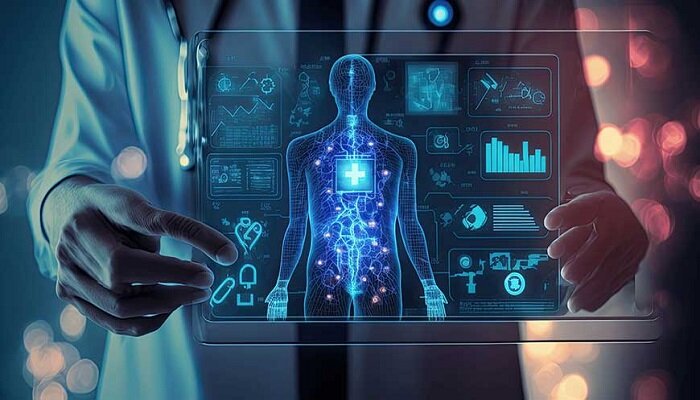
In recent years, the intersection of artificial intelligence (AI) and the medical sector has sparked unprecedented advancements, revolutionizing patient care, diagnosis, treatment, and research. This synergy has brought forth a new era of possibilities, allowing healthcare providers to harness the power of data-driven insights and automation. From streamlining administrative tasks to enhancing diagnostic accuracy, the integration of AI into the medical field has the potential to reshape healthcare as we know it.
Empowering Diagnostics and Personalized Treatment
One of the remarkable achievements of AI in the medical sector is its ability to enhance diagnostic precision and subsequently tailor treatments to individual patients. Through the analysis of extensive patient data, AI algorithms can identify subtle patterns and indicators that might elude human observation. This becomes especially crucial in addressing challenges like the failure to diagnose. AI-enabled systems meticulously sift through medical records, images, and lab results, significantly reducing instances of failing to diagnose potential issues. This not only leads to earlier interventions but also minimizes the risks associated with incorrect diagnoses.
Revolutionizing Medical Imaging
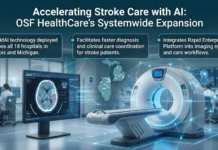
Medical imaging, a cornerstone of modern diagnostics, has witnessed a profound transformation with the integration of AI. Complex tasks such as analyzing radiology images or identifying tumors within MRI scans have been expedited and improved. AI algorithms excel in recognizing minute details that might be overlooked, ensuring radiologists have comprehensive information to base their assessments on. Moreover, this technology enhances real-time monitoring during procedures, reducing errors, and enabling doctors to make well-informed decisions during critical moments.
Enhanced Drug Discovery and Development
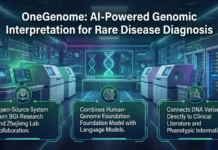
The traditional drug discovery process is not only time-consuming but also costly, often taking years to bring a single drug to market. Here, AI has emerged as a catalyst for change. By swiftly processing vast databases of genetic, chemical, and clinical data, AI algorithms can identify potential drug candidates and predict their success rates. This expedites the identification of promising compounds, accelerates clinical trials, and reduces the overall cost of research and development. Consequently, AI is ushering in an era of more targeted, effective medications that can address a wider range of medical conditions.
Enriching Patient-Centric Care
AI’s influence on the medical sector extends beyond diagnosis and treatment. It’s also reshaping the way healthcare is delivered to patients. Virtual health assistants powered by AI can provide round-the-clock support:answering questions, scheduling appointments, and even offering medication reminders. These AI-driven tools enhance patient engagement and enable healthcare providers to allocate their time more effectively, focusing on complex cases that require human expertise. Moreover, wearable devices equipped with AI can monitor vital signs in real time, alerting both patients and healthcare providers to any deviations from normal ranges, thus promoting proactive intervention and wellness.
The transformative impact of AI on the medical sector is undeniable. From mitigating the risks of misdiagnosis to revolutionizing drug development and delivering patient-centric care, AI is paving the way for a more efficient, accurate, and accessible healthcare landscape. As this technology continues to evolve, collaboration between medical professionals and AI systems will be crucial to harnessing its full potential and ensuring that the well-being of patients remains at the heart of these innovations.