









Orthodontics is evolving with new technology, changing how dental care is provided. These changes help orthodontists offer better and more personalized treatments. Keeping up with these advancements improves patient care and sets new standards in dentistry.
In modern orthodontics, technology plays a crucial role in reshaping dental care practices. As a professional orthodontist in Shelbyville KY might tell you, keeping up with the latest technological innovations is essential for delivering improved patient care. These advancements have introduced precision and customization into orthodontic procedures, allowing for more effective treatment outcomes. From digital imaging to 3D printing, the adoption of new technologies has transformed how practitioners diagnose and treat their patients.
Digital imaging improves diagnosis and planning
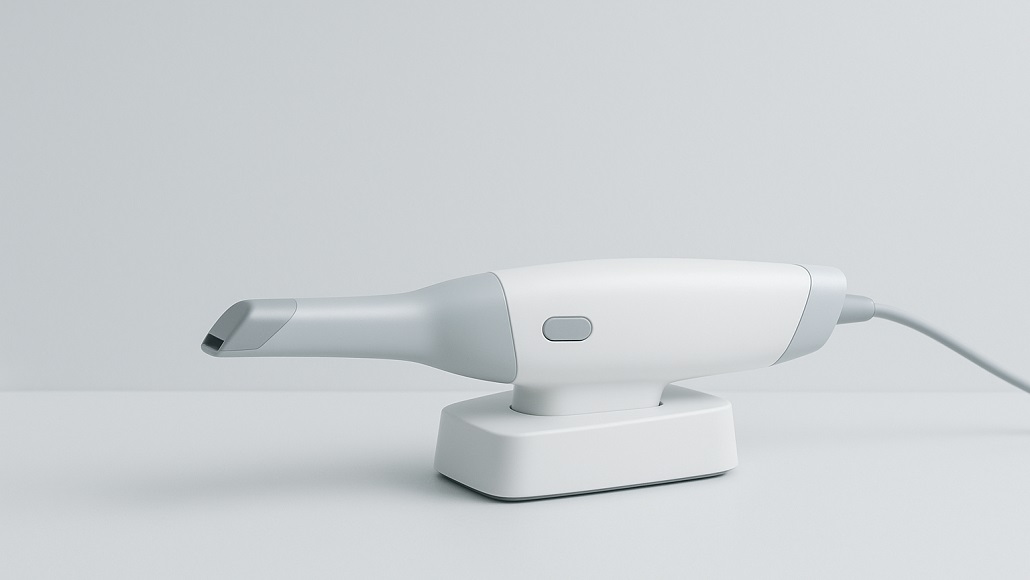
The use of digital imaging has greatly enhanced orthodontic diagnostics and treatment planning. By utilizing advanced imaging techniques, orthodontists can obtain detailed visualizations of a patient’s oral structure. This precision allows for accurate diagnosis and tailored treatment strategies that cater to individual needs. Digital imaging facilitates the detection of issues that may not be visible through traditional methods, enhancing overall diagnostic accuracy.
This technology benefits both patients and practitioners by reducing the need for physical impressions and repeat visits. Patients experience less discomfort and shorter appointment times, while orthodontists can rely on more precise data to craft effective treatment plans. The transition to digital imaging represents a significant shift in orthodontic practices, improving efficiency and patient satisfaction.
3D printing changes how appliances are made
3D printing has become a major innovation in crafting customized orthodontic appliances. This technology enables the production of highly personalized devices, tailored specifically to each patient’s unique dental anatomy. By utilizing digital scans as a blueprint, 3D printers can create appliances with remarkable accuracy, ensuring a perfect fit that traditional methods struggle to achieve.
This approach not only enhances the effectiveness of treatments but also speeds up the manufacturing process. Patients benefit from receiving their custom appliances more quickly, while practitioners appreciate the reduction in production costs and material waste. As 3D printing continues to advance, its integration into orthodontics promises even greater levels of personalization and efficiency.
Teleorthodontics enhances remote patient care
The emergence of teleorthodontics has introduced new ways for patients to engage with their treatment plans remotely. This innovation allows for virtual consultations and remote monitoring, making it easier for patients to stay connected with their orthodontists without frequent office visits. Teleorthodontics enhances accessibility, particularly for those living in remote areas or with demanding schedules.
Remote monitoring tools empower patients by providing real-time feedback on their progress, fostering a sense of involvement in their own care journey. For many, this highlights how technology can bridge gaps in traditional healthcare delivery models, ultimately leading to improved treatment adherence and satisfaction. As these tools become more sophisticated, they are set to play an important role in shaping the future of orthodontic care.
Future technologies will redefine orthodontics
Looking ahead, emerging technologies like artificial intelligence (AI) and machine learning are set to further transform orthodontic practices. These technologies offer the potential to automate routine tasks and enhance decision-making processes through data-driven insights. AI applications could analyze vast amounts of clinical data to predict outcomes and recommend optimal treatment pathways.
The impact of these innovations extends beyond clinical settings; they offer opportunities for enhanced training and education within the field. As you explore these emerging trends, it’s clear that embracing technological advancements will be crucial for practitioners who wish to remain at the forefront of dental care innovation. By adopting these tools, you can enhance your practice’s capabilities and offer superior patient experiences.