











Maintaining health and independence is a shared goal among seniors, families, and healthcare providers alike. Preventive medicine has become a cornerstone of senior care, focusing on strategies that not only extend life but also improve its quality. The growing awareness around early detection, healthy lifestyle choices, and regular screenings has contributed to a shift in how people approach aging. As Dr. Joel Ross notes, communities and policymakers are working to address common barriers such as access, cost, and education, ensuring that more seniors benefit from these proactive measures.
The Role of Preventive Medicine in Senior Health
Preventive medicine focuses on reducing the risk of illness and supporting long-term wellness, especially important for older adults. As people age, they become more susceptible to chronic diseases, making proactive health management crucial. The emphasis on prevention helps shift attention from treating illness to maintaining vitality and independence for as long as possible.
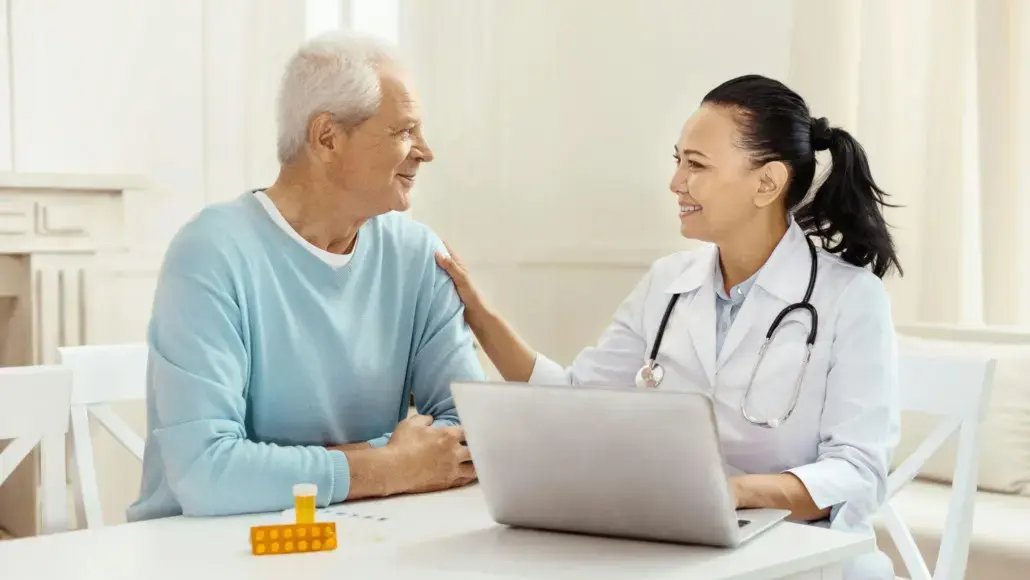
Routine checkups and early interventions help seniors maintain better health and avoid complications. Taking steps such as managing blood pressure and adopting healthy habits can delay the onset of conditions like diabetes or heart disease. Communities with strong preventive care programs often see seniors living more independently and enjoying a higher quality of life. These programs may include regular health fairs, educational seminars, or partnerships with local fitness centers to encourage participation in wellness activities.
Essential Preventive Services for Older Adults
Health screenings are a pillar of preventive care, allowing early detection of conditions such as high cholesterol or cancer. Seniors benefit greatly from routine assessments, as timely intervention can make treatment more effective and less invasive. Vaccinations, including those for influenza and shingles, also play a key role in protecting older adults from serious illness.
Mental health evaluations and cognitive assessments help identify issues like depression or memory decline at an early stage. Incorporating gentle exercise routines, such as walking groups or tai chi, further supports overall well-being by promoting mobility, balance, and social connection, while counseling and medication reviews ensure that seniors receive comprehensive care tailored to their unique needs.
The Positive Outcomes of Preventive Approaches
Proactive health measures often lead to fewer hospital visits and help seniors manage chronic illnesses more effectively. Many older adults who engage in preventive care routines find they need less assistance with daily activities, fostering independence and confidence. Over time, these practices contribute to better management of ongoing health issues like arthritis or high blood pressure, reducing the need for emergency interventions.
Communities that prioritize prevention tend to report lower healthcare expenses and better health outcomes among their senior residents. By staying ahead of potential health problems, older adults can maintain a more active and fulfilling lifestyle. Local wellness initiatives, such as group fitness classes or nutrition workshops, foster camaraderie and motivation among participants, making healthy habits easier to maintain.
Overcoming Barriers to Preventive Care
Access to preventive care can be challenging for seniors who face transportation difficulties or limited mobility. Some may find it hard to reach medical appointments, especially in rural areas where healthcare facilities are few and far between. Financial worries, such as concerns about co-pays or insurance coverage, can also deter older adults from seeking routine services. Language barriers and lack of digital literacy further complicate access for some individuals, highlighting the need for tailored outreach.
Raising awareness is vital. When seniors and their families are well-informed about the benefits and availability of preventive care, participation increases. Support from community programs can make a significant difference in bridging these gaps, ensuring more people receive the care they need. Simple solutions, such as organizing transportation services or providing educational workshops, can empower seniors to take charge of their health.
Pathways to Effective Integration
Policy adjustments and community initiatives are playing a growing role in making preventive care more accessible. Telemedicine has enabled many seniors to consult with healthcare providers from the comfort of their homes, reducing the impact of mobility challenges. Wearable health devices, which track vital signs and activity levels, are becoming popular tools for monitoring health between visits. These advances allow for more personalized care and early intervention when issues arise, providing peace of mind to seniors and their families.
Collaboration among healthcare professionals, community leaders, and family members strengthens the network of support around older adults. These partnerships often lead to more coordinated care and better health outcomes, as multiple resources are aligned toward shared goals. Regular communication and shared decision-making further reinforce the effectiveness of preventive strategies and ensure that seniors’ unique preferences are respected.
Empowering Seniors and Their Support Networks
Education is a powerful tool in motivating seniors to take charge of their health. When older adults understand how preventive measures can enhance their independence, they are more likely to adopt healthy habits and seek regular screenings. Family members and caregivers also play a crucial role by encouraging appointments and a trusting environment. Sharing knowledge about available resources, community programs, and new technologies further empowers seniors and their support networks.
Stories of older adults who have maintained active lives through preventive care can inspire others to do the same. These accounts highlight the positive impact of staying engaged with health services and building supportive relationships.