







The Synthesis of Digital and Physical Medicine
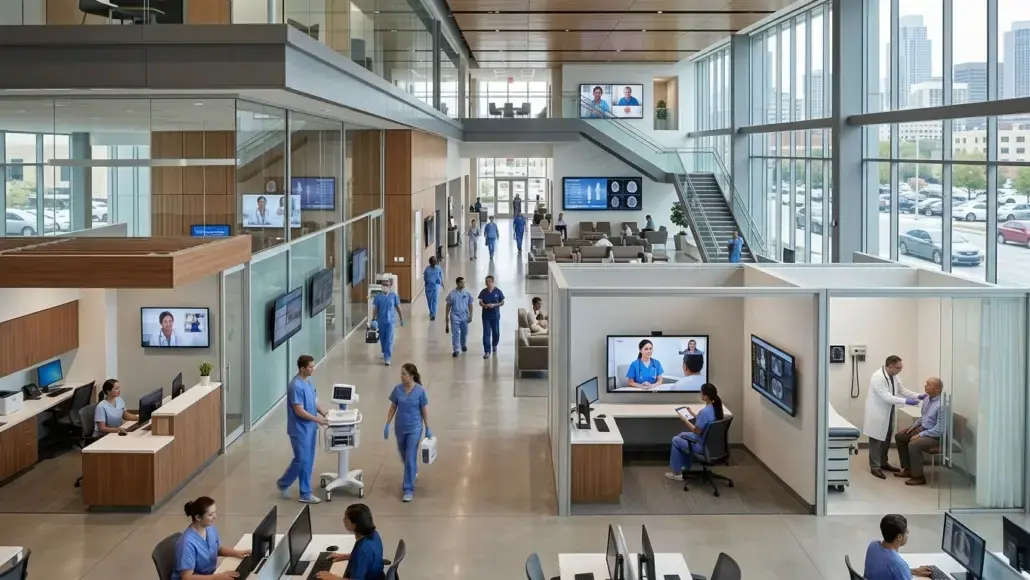
In the contemporary medical landscape, the choice between in-person and virtual care is no longer a binary one. Today’s healthcare institutions are building sophisticated hybrid environments that leverage the strengths of both modalities. The introduction of hybrid care models transforming healthcare delivery flow addresses the limitations of the traditional brick-and-mortar model, such as long travel times and the risk of hospital-acquired infections, while maintaining the essential human connection and physical assessment capabilities of the clinic. A hybrid model might involve a digital first-visit for triaging and initial consultation, followed by a targeted in-person visit for diagnostic testing or physical intervention, and finally a long-term digital monitoring phase to ensure a successful recovery. This integrated approach ensures that the “clinical conversation” is never interrupted, regardless of where the patient is physically located.
This synthesis is particularly transformative for the management of chronic conditions and postoperative care. For a patient recovering from a major surgery, the traditional model required frequent, stressful, and often unnecessary trips back to the hospital for simple follow-up assessments. In a hybrid care model, the patient can be monitored at home using wearable devices and mobile health platforms, with virtual check-ins allowing the surgical team to monitor their progress in real-time. If the data indicates a potential issue, the patient can be brought into the clinic immediately for a physical evaluation. This “active-surveillance” model is a key component of virtual care innovation, as it provides a higher level of safety and convenience than traditional care alone. By making the hospital “omnipresent” in the patient’s life, hybrid models are fostering a deeper sense of security and a more proactive approach to health maintenance.
Digital Care Pathways and Seamless Coordination
At the heart of a successful hybrid model is the digital care pathway a structured, automated, and personalized journey that guides the patient through every stage of their treatment. These pathways ensure that the transition between physical and digital environments is seamless and that no critical information is lost. For example, when a patient is scheduled for an in-person procedure, the digital pathway can automatically send them preparation instructions, collect their preoperative history, and answer common questions through an AI-driven interface. This reduces the administrative burden on the clinical staff and ensures that the patient is fully prepared for their visit. This level of coordination is a cornerstone of hybrid care models transforming healthcare delivery flow, providing a consistent and supportive experience that mirrors the standards of the best service industries.
Digital care pathways also allow for the collection of high-fidelity data throughout the entire patient journey. By tracking how a patient progresses through their pathway, clinicians can identify patterns and bottlenecks that may indicate a need for a change in treatment or operational strategy. This data-driven insight is essential for the continuous improvement of healthcare transformation, as it allows for a more evidence-based approach to both clinical and administrative decision-making. Furthermore, pathways can be highly personalized to the patient’s specific needs, cultural background, and language preferences. This ensures that the care experience is not only efficient but also profoundly inclusive and respectful. By building the technology around the human journey, rather than the other way around, hybrid models are creating a more resilient and empathetic healthcare system for all.
Flexible Access and the Hospital-at-Home Movement
One of the most ambitious expressions of the hybrid model is the “hospital-at-home” movement, which allows for the delivery of acute-level care in the comfort of the patient’s own residence. This is achieved through a combination of mobile clinical teams, advanced remote monitoring, and sophisticated logistics systems. Patients who would traditionally require an inpatient stay for conditions like pneumonia or heart failure can instead receive the same standard of care at home, with the support of a digital command center and daily in-person visits from a nurse or paramedic. Hybrid care models transforming healthcare delivery flow are the primary engine for this movement, as they provide the infrastructure needed to manage the complexities of decentralized care. This not only improves the patient’s comfort and recovery but also significantly reduces the pressure on hospital bed capacity.
Flexible access also extends to primary and preventative care. In a hybrid environment, patients have a wide range of options for interacting with their care team, from same-day virtual visits for urgent needs to scheduled in-person consults for more complex issues. This multi-channel approach is a hallmark of integrated care delivery, ensuring that the system is always accessible when and where the patient needs it. For many individuals, particularly those in rural or underserved areas, the ability to access expert care virtually is a life-changing development. By breaking down the geographical barriers to health, hybrid models are promoting a more equitable and inclusive healthcare system. The goal is to ensure that the highest standard of care is a universal right, rather than a localized privilege, and hybrid technology is the key to making that a reality.
Integrated Care Delivery and Operational Resilience
The impact of hybrid care models transforming healthcare delivery flow extends beyond the patient to the very operation of the healthcare institution. By shifting a significant portion of routine care to the virtual space, hospitals can optimize the use of their physical facilities for the most complex and high-acuity cases. This “precision allocation” of resources is essential for maintaining the clinical and financial sustainability of the modern medical center. It also enhances organizational resilience, as the hospital can rapidly scale its virtual capacity to meet a sudden surge in demand, as seen during global health crises. This flexibility is a vital component of healthcare transformation, ensuring that the system remains stable and responsive in an increasingly unpredictable world.
Furthermore, integrated care delivery fosters a more collaborative and multidisciplinary approach among the clinical staff. In a hybrid environment, the entire care team from the surgeon in the hospital to the home health nurse and the remote monitoring specialist has access to the same real-time data and treatment plan. This shared understanding reduces the risk of communication errors and ensures that every provider is working toward the same clinical goals. This team-based approach is essential for providing high-quality care for patients with complex, chronic conditions who require a coordinated effort across multiple specialties. By using digital tools to connect the “human dots” of the healthcare system, hybrid models are creating a more unified and effective care environment. The technology serves as the bridge that brings the best minds in medicine together for the benefit of the patient.
Future Horizons: The Augmented Hybrid Experience
Looking toward the future, the integration of augmented reality (AR) and virtual reality (VR) will lead to the rise of the “augmented hybrid” experience. For example, a specialist could use AR to virtually “step into” a patient’s home during a telehealth visit, providing them with hands-on guidance for managing a medical device or performing a physical therapy exercise. Similarly, VR could be used to provide immersive education and pain management for patients in both the clinic and the home. This level of hyper-connectivity is the ultimate expression of hybrid care models transforming healthcare delivery flow, moving the institution from a reactive service provider to a proactive, lifelong partner in health. The hybrid model of the future will be one where the physical and digital worlds are so deeply integrated that the distinction between them ceases to matter.
Furthermore, the rise of AI-driven “care orchestrators” will allow for the autonomous management of hybrid care pathways. These agents will be able to monitor a patient’s progress across all modalities and to automatically adjust their care plan or schedule a physical visit based on the data they receive. This shift from “manual coordination” to “autonomous orchestration” is the primary goal of the modern healthcare movement, and hybrid care is the foundation that will make it possible. By prioritizing the experience, the agency, and the unique needs of the individual, we are building a healthcare system that is more resilient, more accessible, and more profoundly human. The future of healthcare is a hybrid one, where the technology is the vessel, but the healing is the destination. This is the promise of the hybrid model, and it is a promise we are fulfilling one integrated care pathway at a time.
Conclusion: Building a Healthcare System without Walls
The ongoing journey of hybrid care models transforming healthcare delivery flow is a testament to the power of integration and the pursuit of clinical and operational excellence. We have moved from a time of static, institutional care to an era of fluid and decentralized medicine. By prioritizing integrated physical services, digital care pathways, and flexible access, healthcare organizations are ensuring that their services are as sophisticated as the people they support. Hybrid care is not just a technological trend; it is a fundamental redefinition of the medical architecture, ensuring that the healing process is supported by a system that is as intuitive and responsive as the modern world.
Ultimately, the success of the hybrid model will be measured by its ability to improve the health of the population through better access and more personalized care. When the system works perfectly, it provides a seamless and supportive environment where every person can access the best care, regardless of where they are. This is the ultimate goal of all our technical and administrative efforts. By investing in the highest levels of integration and professional standards, we are safeguarding the future of healthcare, ensuring that the healing process is supported by the best that modern science and technology have to offer. This is the promise of the hybrid model, and it is a promise we are fulfilling every day, for every person. The healthcare system of the future is a system without walls, and it is a future we are building together, one integrated visit at a time.