











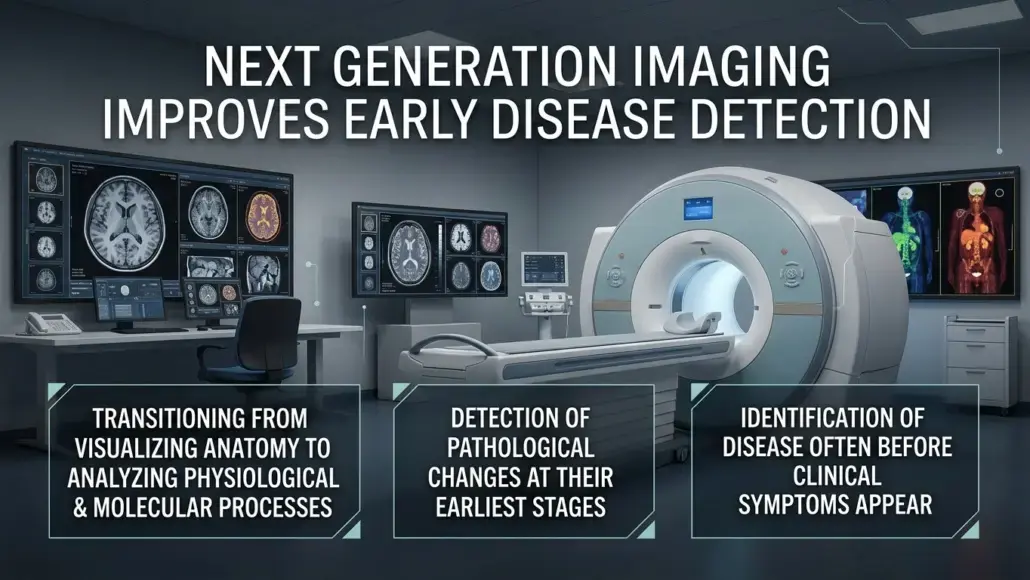

The ability to visualize the internal structures of the human body with high resolution has long been a cornerstone of modern medicine. However, the field of diagnostic imaging is now entering a new era characterized by a shift from purely anatomical visualization to the detailed analysis of physiological and molecular processes. This transition is driven by the fact that next-generation imaging improves the detection of pathological changes at their earliest stages, often before clinical symptoms become apparent. For healthcare providers, this capability is essential for shifting the focus of medicine from treating advanced disease to preventing its progression.
Next generation imaging encompasses a wide range of advanced technologies, including high field magnetic resonance imaging (MRI) and spectral computed tomography (CT). These systems provide a level of detail that was previously unthinkable, allowing radiologists to see not only the size and shape of a lesion but also its metabolic activity. This comprehensive view of the disease state is vital for accurate diagnosis and for the development of personalized treatment plans. The role of imaging technology in the modern diagnostic workflow is expanding from a simple supportive tool to a primary driver of clinical decision making.
AI Integration and Oncology Insights
The integration of artificial intelligence into the imaging suite is a major component of this technological evolution. AI algorithms can analyze thousands of images in seconds, identifying subtle patterns that may be missed by the human eye. This capability is particularly important in the screening for cancers and cardiovascular diseases, where early detection is the key to successful intervention. The evidence shows that next generation imaging Improves the sensitivity and specificity of screening programs, leading to fewer false positives. This synergy between human expertise and machine intelligence is the foundation of contemporary healthcare diagnostics.
One of the most significant impacts of these advanced systems is in the area of oncology. Molecular imaging techniques can now identify the presence of malignant cells at a much earlier stage than traditional X-rays. This allows for the initiation of therapy when the tumor is small and more likely to respond to treatment. Furthermore, the ability to monitor the response to therapy in real-time allows clinicians to adjust treatment plans quickly. The way next generation imaging Improves the management of cancer is by providing a more dynamic and responsive approach to care.
Neurological Conditions and Economic Value
In the field of neurology, high resolution imaging is providing new insights into the progression of neurodegenerative diseases. By identifying the accumulation of specific proteins in the brain years before the onset of cognitive decline, researchers are opening up new possibilities for early intervention and the development of neuroprotective therapies. This focus on the early disease detection of neurological conditions is a major priority for an aging population. Medical imaging is no longer just about looking for fractures; it is about understanding the very biological basis of health.
The economic benefits of investing in next generation imaging are becoming increasingly clear. While the capital cost of a high end MRI scanner is significant, the long term savings associated with early diagnosis are substantial. By identifying diseases when they are easier and cheaper to treat, healthcare systems can reduce the burden on their surgical departments. Additionally, the improved throughput and diagnostic accuracy of modern systems increase the operational efficiency of the radiology department. For hospital administrators, the decision to upgrade their imaging technology is a strategic investment.
Patient Safety and Clinical Research Data
Patient experience is also being redefined by the presence of these advanced tools. Modern scanners are faster and quieter, reducing the anxiety that many patients associate with medical imaging. The use of low dose radiation protocols in CT scanning is another major advancement that improves patient safety without compromising on image quality. When the diagnostic process is both effective and comfortable, patients are more likely to comply with screening recommendations, further supporting the goals of early disease detection. The focus is on creating a clinical imaging environment that is patient-centered.
The data generated by these high resolution systems is a valuable asset for clinical research. By aggregating large datasets of anonymized images, researchers can identify new biomarkers and validate the efficacy of experimental drugs. This data-driven approach to medicine is essential for the advancement of precision medicine, where treatments are tailored to the individual’s unique biological profile. The role of healthcare diagnostics in supporting this research effort is a critical component of the global healthcare innovation sector.
Infrastructure Challenges and Global Access
Interoperability and data management remain significant challenges as the volume and complexity of imaging data continue to grow. Hospitals must invest in the infrastructure necessary to store and analyze these massive datasets securely. The use of cloud-based platforms is essential for ensuring that images and reports are available to the entire care team whenever they are needed. This digital integration is a key requirement for the success of any next generation imaging program and ensures that clinical imaging data is utilized to its full potential.
The future of medical imaging will likely involve the continued development of portable and point of care systems. We are already seeing the emergence of handheld ultrasound devices that can be used by primary care physicians. As the technology continues to miniaturize, the benefits of high level imaging will be extended to rural populations who have traditionally lacked access to specialized diagnostics. This democratization of imaging technology is a major step toward a more equitable global health system and further supports the initiative for early disease detection worldwide.
In conclusion, the transition toward more sophisticated imaging is a defining characteristic of modern medicine. By providing a deeper view of the human body, these technologies are setting a new standard for early diagnosis and personalized care. It is clear that next-generation imaging improves the ability of healthcare systems to manage disease with precision.