
















The research on hair restoration is moving into new, more advanced territory. Instead of focusing solely on the cosmetic aspect of visible baldness, the attention is now directed to the biology of hair follicles. While patients learn more and more about their issues, the demand for non-invasive and science-driven treatments that can easily be integrated into regular hair care routines increases. Amongst such treatments is red light therapy, which is known as low-level light therapy or photobiomodulation. As much as it is not a panacea of the problems of hair loss, studies show that certain wavelengths of low-energy light might affect some metabolic processes within the hair follicle, which makes it a relevant topic in the field of modern dermatology. At Kshipra Health Solutions, the L3Tx team believes that no two cases of hair loss are the same. Identifying the underlying cause is the first step toward creating a personalized treatment plan, with advanced LLLT therapy integrated wherever clinically appropriate.
Why Is Hair Restoration Moving Beyond Traditional Treatments?: Conventional methods of dealing with hair loss involve the use of creams, pills, injections and, in certain cases, hair transplant surgery. These methods are still very valuable in the field of dermatology. However, some people have become wary of long-term medication, pain from injections and the risks of surgery. Furthermore, the trend is switching from “remedial” to “preventive” measures. Instead of waiting for bald spots to appear, people are taking care of their scalp and hair roots. And this creates a niche for technologies that are supposed to facilitate the body’s processes of hair growth.
What Makes Red Light Therapy Different?: The way red light therapy works is by means of photobiomodulation and the use of low-level red or near-infrared light that stimulates biological activity, but does not cause harm or heat the tissue. So, it is different from hair restoration surgery that involves follicle transplant and incision making. What makes it appealing is that it is non-invasive and easy to carry out. Studies have been conducted into its application in androgenetic alopecia or pattern hair loss. Clinical research proves the increase of hair density in some patients, though results might differ and evidence can vary for different types of alopecia.
How Does It Work at a Cellular Level?: Photobiomodulation is theorized to act at the cellular level. Specific wavelengths of red and near-infrared light are thought to interact with mitochondria the energy-producing organelles within cells and specifically with an enzyme called cytochrome c oxidase, which plays a role in mitochondrial respiration. Some research suggests this interaction may encourage hair follicles to enter or remain in the growth phase, delaying the transition to the resting (telogen) phase. That said, the exact mechanism is still not fully understood, and this remains an active area of study.
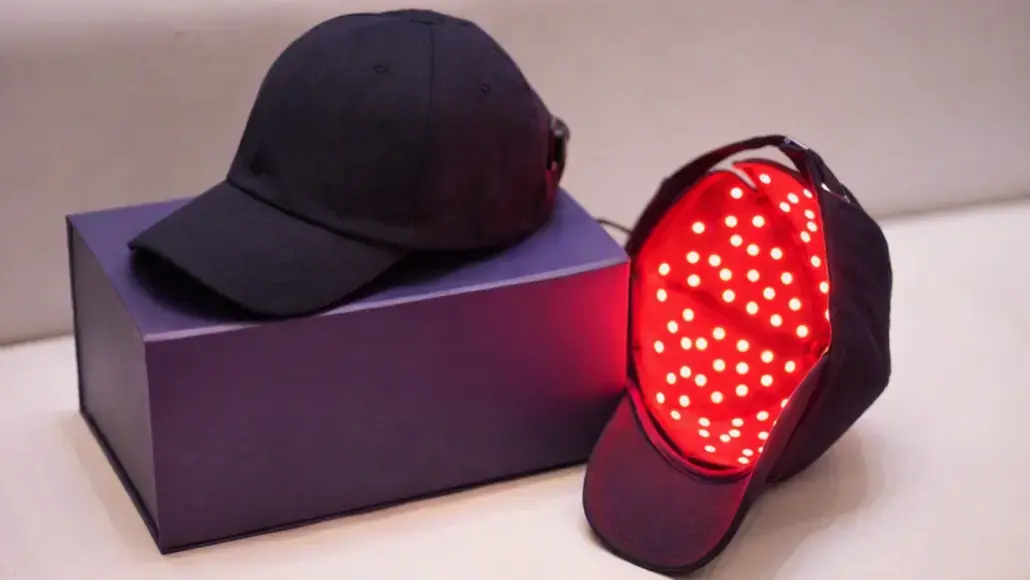
Why Is Technology-Enabled Hair Wellness Gaining Attention?: The rising fascination with red light therapy points to a wider trend in the sphere of wellness. People are now getting used to the idea of using technology when maintaining their health on a daily basis. Hair care also falls into this trend. At-home devices that use light support the idea that red light therapy can be very convenient. This does not mean that this treatment is effective, for there are many important aspects that can influence the results of the therapy, such as wavelength and duration of the therapy.
Could Red Light Therapy Shape the Future of Hair Restoration?: Looking ahead, experts anticipate less emphasis on finding entirely new alternatives and more focus on combining proven treatments with emerging ones like photobiomodulation. Studies are being conducted about the most favorable wavelengths, schedules of treatment, delivery methods and the effectiveness of photobiomodulation along with other methods. Now, red light therapy can be considered a very promising non-invasive technology in terms of hair loss treatment, especially in the case of patterned alopecia, but not as a universal remedy. Looking ahead, experts anticipate less emphasis on finding entirely new alternatives and more focus on combining proven treatments with emerging ones like photobiomodulation.
To conclude, red light therapy stands for an interesting change in the procedure of hair restoration because the emphasis is laid on the health of follicles and cell activity. While research on the therapy continues in order to prove its long-term efficacy, the non-invasive character along with the enhancement of scientific support for it make the therapy very promising in modern dermatology. The future of hair restoration will probably be more personalized and technology-oriented.