













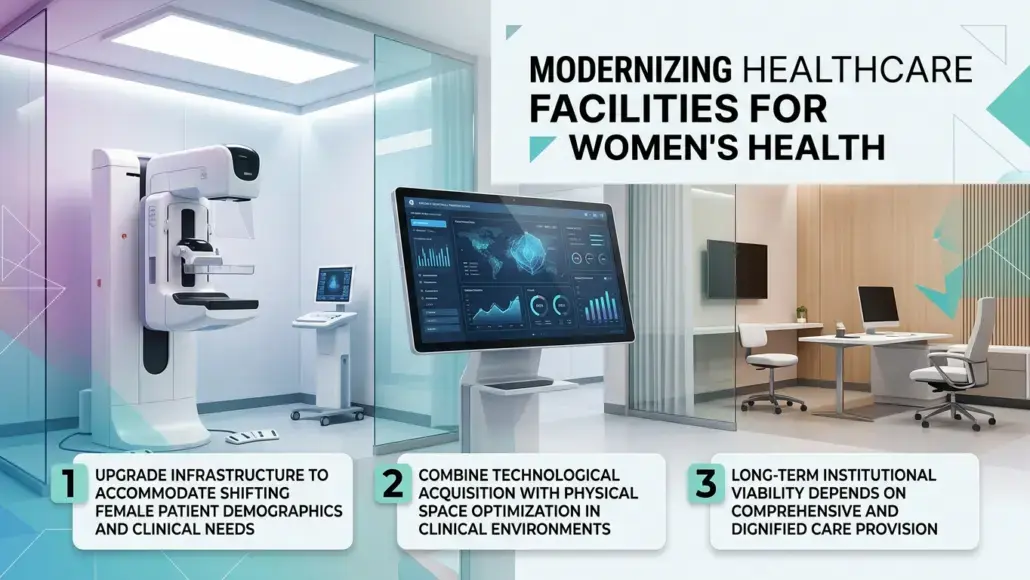

Healthcare organizations globally are facing increasing pressure to modernize their facilities to accommodate the shifting demographics and clinical needs of female patient populations. The modernization of clinical environments requires a multi-dimensional approach that balances technological acquisition with physical space optimization. Hospital administrators are increasingly recognizing that the long term viability of their institutions depends on the ability to provide comprehensive, dignified, and specialized environments for obstetric, gynecological, and oncology services. This paradigm shift involves transitioning from generalist clinical spaces to highly targeted environments designed to facilitate specific care pathways.
Strategic planning for hospital growth must prioritize the development of physical assets that can support a wider range of diagnostic and therapeutic interventions. By investing in dedicated facilities, healthcare providers can reduce cross-departmental bottlenecks and improve the overall patient experience. This level of specialization allows for the implementation of advanced screening programs and surgical interventions that were previously unavailable in generalist settings. The resulting expansion of service reach not only improves health outcomes but also strengthens the financial position of the hospital through increased patient volume and improved operational efficiency.
Architectural Considerations in Modern Facility Planning
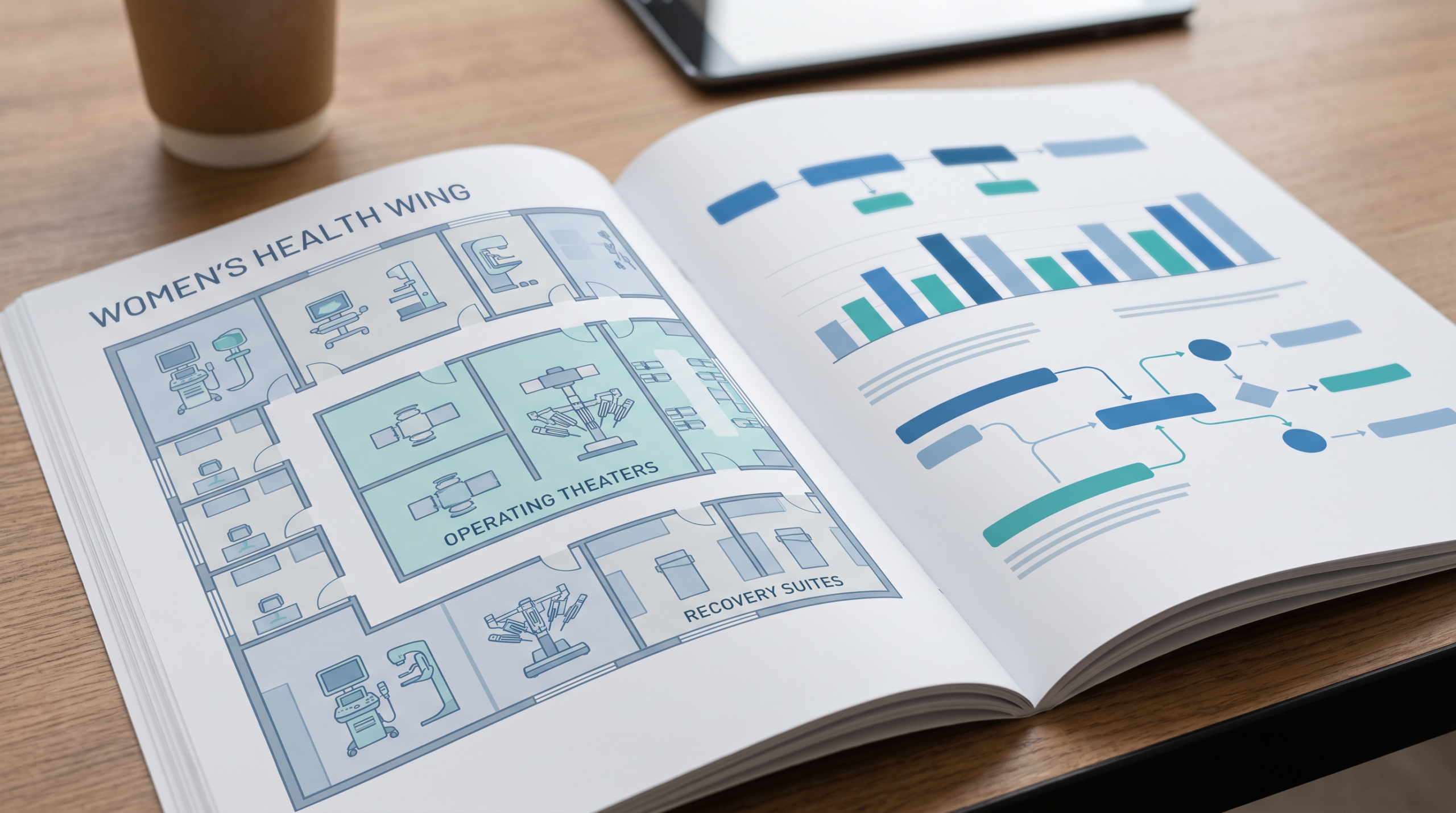
Developing a specialized medical environment begins with a deep understanding of the patient journey within the hospital walls. Modern facility design emphasizes the separation of high-acuity care from routine screening to ensure that clinical resources are deployed effectively. In the context of specialized care infrastructure, this means creating distinct zones for maternity services, oncology, and preventive care. Each zone requires specific environmental controls, equipment configurations, and privacy considerations to meet the unique needs of the patient. For instance, the integration of advanced diagnostic imaging suites within a women’s health wing reduces the need for patients to travel between different departments, thereby minimizing stress and improving the efficiency of the clinical encounter.
Physical space optimization also involves the adoption of modular design principles that allow for future service expansion without requiring major structural overhauls. Hospitals that incorporate flexible clinical footprints can adapt to emerging medical technologies and changing patient volumes with greater agility. This forward-thinking approach to specialized care infrastructure ensures that the hospital remains competitive in a rapidly evolving healthcare market. Additionally, the use of natural lighting, sound-dampening materials, and private recovery suites contributes to a healing environment that supports clinical recovery and patient satisfaction.
Advanced Diagnostic and Surgical Equipment Integration
The effectiveness of any healthcare facility is intrinsically linked to the technological assets it houses. Expanding women’s health services requires a significant investment in high-resolution imaging, robotic surgery systems, and point-of-care diagnostic tools. These technologies enable clinicians to detect abnormalities at earlier stages and perform complex procedures with greater precision. For example, the installation of 3D mammography systems and high-definition ultrasound units within a dedicated breast health center can significantly improve detection rates while reducing the number of false positives. Such investments are essential for building a reputation for clinical excellence and attracting top-tier medical professionals.
Integrating surgical robotics into the clinical environment further enhances the hospital’s capacity to manage complex gynecological conditions. Robotic-assisted procedures often result in shorter hospital stays, reduced postoperative pain, and faster recovery times for patients. By providing the necessary specialized care infrastructure to support these advanced systems, hospitals can offer minimally invasive alternatives to traditional open surgeries. This capability is particularly important for attracting patients who prioritize modern treatment options and superior clinical outcomes. The presence of such advanced technology also serves as a critical recruitment tool for surgeons seeking to practice at the forefront of their field.
Operational Benefits of Service-Specific Wings
Beyond the physical and technological aspects, the creation of specialized service wings offers significant operational advantages. When clinical staff are dedicated to a specific patient population, they develop deeper expertise and more efficient workflows. This specialization leads to improved clinical decision-making and a higher standard of care. Hospital leadership can further optimize these environments through clinical workflow redesign to ensure that patient throughput is maximized without compromising safety. Dedicated units also facilitate better communication between multidisciplinary teams, as specialists from different fields are co-located within the same facility.
Operational efficiency is also realized through the consolidation of specialized supplies and administrative functions. By housing all women’s health services under one roof, hospitals can reduce the overhead costs associated with managing multiple disparate units. This centralization allows for better inventory management, streamlined patient registration, and more effective resource allocation. Additionally, the ability to offer a comprehensive suite of services in a single location enhances the hospital’s brand and simplifies the patient experience. Patients are more likely to return to a facility that offers a seamless transition between screening, diagnosis, and treatment.
Enhancing Patient Access and Preventive Care Reach
The primary goal of expanding specialized care infrastructure is to improve access to essential health services for the community. Dedicated facilities allow hospitals to offer a broader range of preventive services, such as cervical cancer screenings, bone density tests, and prenatal care programs. By lowering the barriers to access, healthcare providers can encourage more women to engage in proactive health management. This shift toward preventive care is critical for reducing the long-term burden of chronic diseases and improving population health outcomes. Hospitals that prioritize these services are better positioned to meet the evolving expectations of patients and payers alike.
Expanding the physical footprint of women’s health services also enables hospitals to host community education programs and support groups. These initiatives foster a sense of community and provide patients with the tools they need to manage their health effectively. For instance, a dedicated maternity center can offer breastfeeding support classes, nutritional counseling, and postpartum mental health resources. Such services are vital for ensuring a holistic approach to patient care that extends beyond the clinical encounter. By serving as a hub for both medical treatment and health education, the hospital becomes an indispensable asset to the community.
Key Factors for Successful Infrastructure Development
Executing a successful expansion project requires careful coordination between clinical leads, architects, and financial planners. The following elements are essential for ensuring that the new facilities meet the needs of both patients and staff:
- Comprehensive Needs Assessment: Conducting a thorough analysis of current patient demographics and projected service demand to inform the scale and scope of the project.
- Multidisciplinary Input: Engaging clinicians, nursing staff, and patient advocates during the design phase to ensure that the layout supports efficient workflows and patient comfort.
- Technology Roadmap: Developing a clear plan for the acquisition and integration of medical technologies that aligns with the hospital’s long-term clinical goals.
- Sustainability and Scalability: Incorporating energy-efficient building systems and flexible design elements that allow for future growth and adaptation.
- Financial Viability Analysis: Assessing the long-term return on investment for new facilities, including projected revenue growth and operational cost savings.
These factors ensure that the investment in specialized care infrastructure produces lasting benefits for the organization. Hospital administrators must remain committed to a continuous improvement process, regularly evaluating the performance of their facilities and making adjustments as needed. This iterative approach to facility management allows the hospital to stay at the cutting edge of clinical practice and patient service delivery. By maintaining a focus on excellence in every aspect of facility design and operation, healthcare providers can build a sustainable model for women’s health service expansion that serves the community for decades to come.
Ultimately, the development of specialized facilities is not just about adding beds or equipment. It is about creating an environment that respects the dignity of the patient and supports the clinical expertise of the staff. When hospitals invest in the right specialized care infrastructure, they create a foundation for innovation and excellence that transforms the way care is delivered. This commitment to specialized care is the hallmark of a leading healthcare institution and a critical driver of success in the modern medical environment.
The integration of mental health support within the physical infrastructure also represents a growing trend in holistic patient management. Hospitals are now incorporating dedicated spaces for behavioral health screenings and counseling sessions as part of their comprehensive women’s health offerings. This integrated approach ensures that patients receive support for both their physical and emotional well-being within a single clinical ecosystem. By addressing these needs simultaneously, healthcare providers can improve patient adherence to treatment plans and foster long-term health resilience. These specialized zones are designed to be tranquil and private, offering a sanctuary for patients navigating complex health journeys.
Additionally, the role of community partnerships in supporting infrastructure expansion cannot be overstated. Collaborative initiatives with local health organizations and advocacy groups can provide additional resources and expertise for hospital projects. These partnerships often lead to the development of programs that address specific community needs, such as mobile screening units for underserved populations or specialized clinics for chronic disease management. By working together, healthcare stakeholders can create a more comprehensive and inclusive care network that benefits all women in the region. This collaborative model not only enhances the hospital’s reach but also strengthens its ties to the community it serves.
Finally, the continuous evaluation of facility performance is essential for maintaining high standards of care. Hospital administrators should implement regular audits of space utilization, equipment performance, and patient satisfaction to identify areas for improvement. Data-driven insights from these audits can inform future infrastructure investments and operational adjustments. By remaining responsive to patient feedback and clinical outcomes, healthcare organizations can ensure that their specialized care infrastructure remains a world-class asset that consistently delivers superior results. This dedication to excellence ensures the long-term sustainability of the service expansion strategy.