












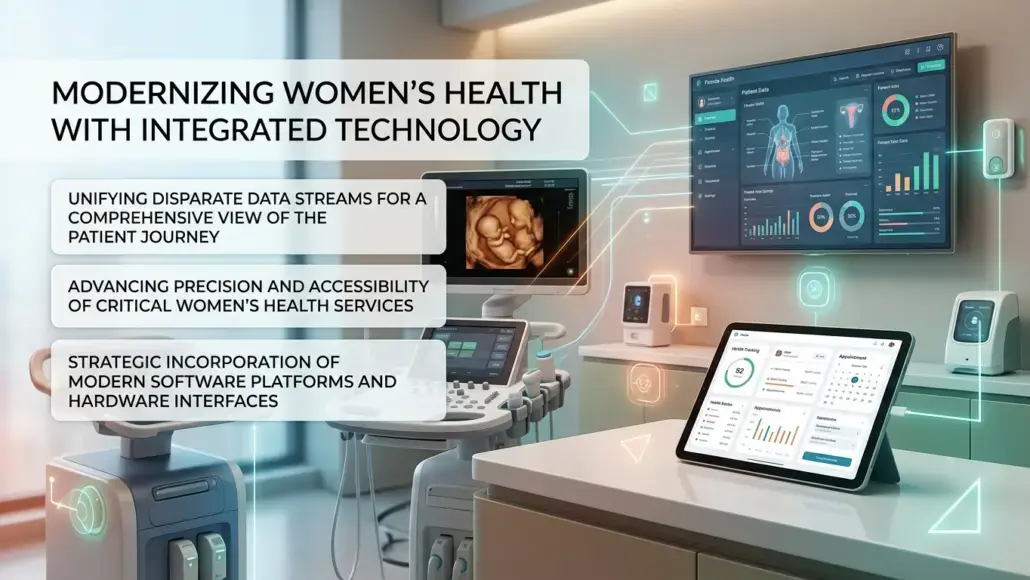

The rapid evolution of digital health solutions has created a unique opportunity for hospitals to enhance the precision and accessibility of women’s health services. Modern healthcare administration now focuses on the unification of disparate data streams to create a comprehensive view of the patient journey. This digital shift requires a strategic commitment to incorporating advanced software platforms and hardware interfaces into existing clinical frameworks. By prioritizing the effective use of digital assets, healthcare providers can reduce diagnostic errors and improve the timeliness of interventions for complex conditions. The shift toward a data-driven model is essential for managing the increasing volume of patient information and ensuring that clinical decisions are based on the most accurate and up-to-date evidence.
Effective implementation of digital systems involves more than just the adoption of new software. It requires a fundamental shift in how clinical teams interact with data and with each other. By creating a unified digital environment, hospitals can eliminate information silos that often lead to fragmented care and patient dissatisfaction. The primary objective is to ensure that every clinician involved in a patient’s care has immediate access to her complete medical history, diagnostic results, and treatment plans. This level of connectivity is particularly critical in specialized care, where multiple disciplines must collaborate to manage complex health needs. The resulting improvements in coordination lead to a more efficient and patient-centered service delivery model.
Enhancing Diagnostic Precision via Digital Platforms
One of the most significant advantages of modern digital systems is the ability to enhance the accuracy of diagnostic procedures. Advanced imaging software and pathology platforms allow clinicians to analyze complex datasets with greater speed and precision. In the field of women’s health, this translates to earlier detection of oncology cases and more accurate monitoring of fetal development. By utilizing automated analysis tools, medical professionals can identify subtle patterns that might be missed by the human eye alone. This capability is a direct result of successful health technology integration within the hospital’s primary diagnostic infrastructure.
In addition, the adoption of cloud-based storage solutions ensures that high-resolution diagnostic images are available to specialists across the entire healthcare network. This accessibility facilitates remote consultations and second opinions, which are vital for patients in rural or underserved areas. By removing the geographic barriers to specialized expertise, hospitals can provide a higher standard of care to a broader population. The integration of these digital platforms also allows for the long-term tracking of patient data, enabling clinicians to monitor health trends over many years. This longitudinal perspective is essential for identifying early warning signs of chronic conditions and implementing timely preventive measures.
Streamlining Patient Communication and Engagement
Modern digital tools have also transformed the way healthcare providers communicate with their patients. Secure portals and mobile applications allow patients to access their records, schedule appointments, and communicate with their clinical teams from the comfort of their homes. This increased level of engagement encourages patients to take a more active role in their health management, which often leads to better clinical outcomes. Hospitals that prioritize these communication channels see significant improvements in patient satisfaction and adherence to treatment protocols. The convenience of digital access reduces the administrative burden on both staff and patients, allowing for more focused clinical interactions.
Additionally, the use of automated messaging systems ensures that patients receive timely reminders for screening appointments and follow-up care. These systems are particularly effective when combined with integrated follow-up systems that track patient progress and alert clinical teams to potential gaps in care. By reducing the likelihood of missed appointments, hospitals can ensure that preventive measures are administered on schedule. This proactive approach to patient management is essential for reducing the long-term costs associated with chronic disease and improving overall population health. The ability to maintain a continuous connection with the patient throughout their health journey is a hallmark of a modern, technology-enabled healthcare organization.
Optimizing Clinical Data Management and Security
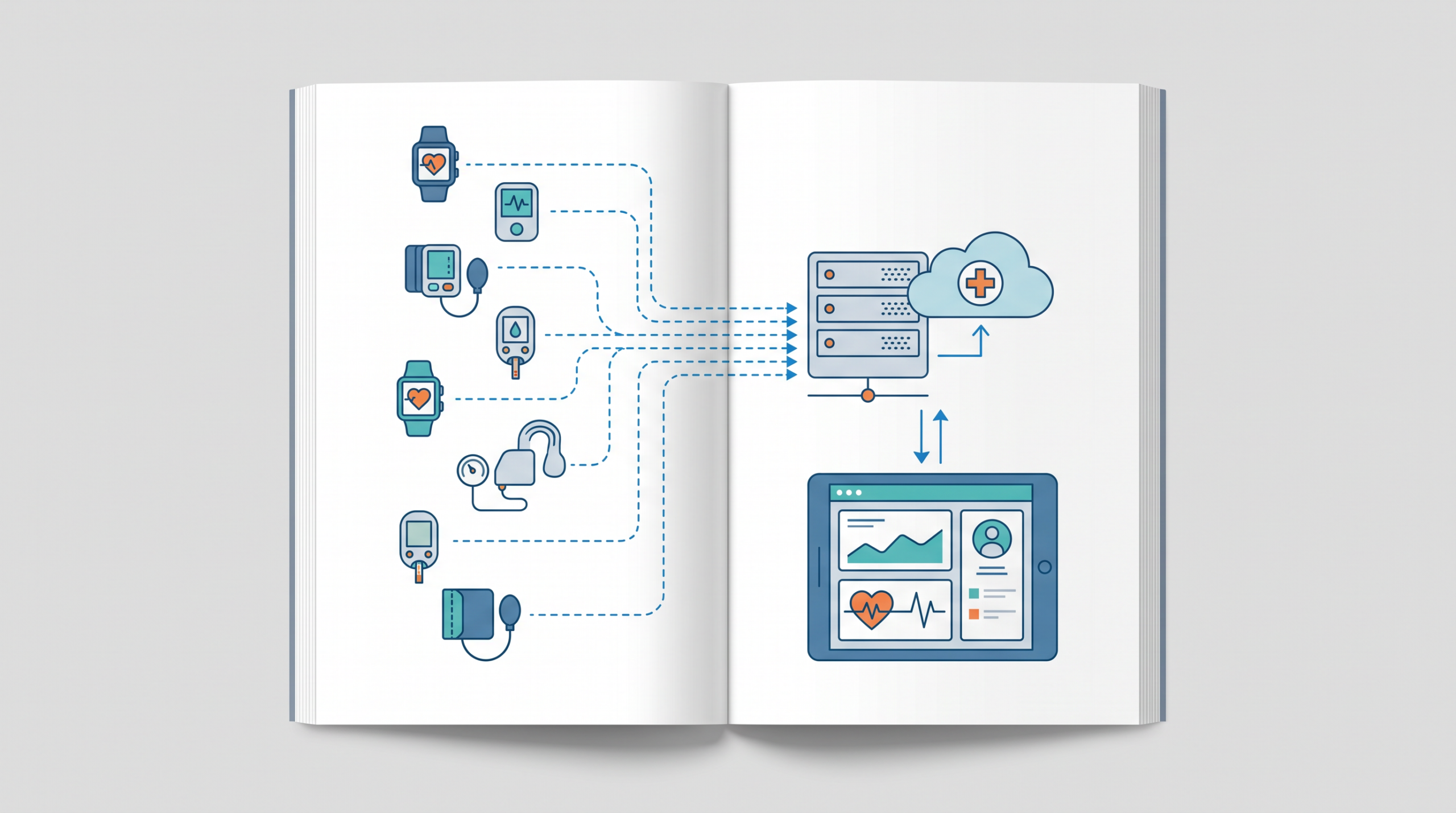
As hospitals collect more patient data, the need for advanced management and security solutions becomes increasingly urgent. Modern healthcare facilities must invest in a digital foundation that protects sensitive information while allowing for efficient data sharing between authorized personnel. This involves the implementation of multi-factor authentication, encryption protocols, and regular security audits to ensure compliance with international data protection standards. A secure digital environment is fundamental to maintaining patient trust and ensuring the long-term success of health technology integration initiatives.
Beyond security, the ability to analyze large datasets provides hospital administrators with valuable insights into clinical performance and resource utilization. Data analytics platforms can identify areas where operational efficiencies can be improved and where clinical outcomes can be enhanced. For example, by analyzing patient flow data, hospital leadership can identify bottlenecks in the diagnostic process and implement changes to improve throughput. This data-driven approach to management allows for more precise resource allocation and better financial planning. The following elements are critical for maintaining a secure and efficient digital data environment:
- Comprehensive Cybersecurity Framework: Implementing multiple layers of protection to safeguard patient records and clinical data from unauthorized access.
- Interoperability Standards: Ensuring that different software systems can communicate effectively with each other to prevent data silos.
- Staff Training and Support: Providing clinicians and administrative staff with the tools and knowledge they need to use digital systems effectively.
- Data Governance Policies: Establishing clear guidelines for how data is collected, stored, and shared within the organization.
- Continuous System Monitoring: Regularly evaluating the performance of digital platforms to identify and address technical issues before they impact patient care.
These measures ensure that the hospital’s digital infrastructure remains reliable and effective in supporting the delivery of high-quality health services. By maintaining a focus on both data utility and security, healthcare providers can build a sustainable model for digital transformation.
Facilitating Multidisciplinary Collaboration and Care Coordination
The complexity of women’s health often requires the involvement of multiple specialists, including obstetricians, gynecologists, oncologists, and mental health professionals. Digital collaboration tools allow these multidisciplinary teams to coordinate their efforts more effectively, ensuring that the patient receives holistic and consistent care. Case management platforms and shared digital workspaces enable clinicians to discuss complex cases in real-time, regardless of their physical location. This level of coordination is essential for managing patients with comorbidities or those requiring long-term treatment plans.
Improved collaboration also leads to a more efficient use of clinical resources. By eliminating the need for redundant testing and administrative processes, hospitals can reduce costs and improve the patient experience. The ability to share clinical notes and diagnostic results instantly across departments ensures that everyone involved in the patient’s care is working from the same information. This consistency is critical for preventing medical errors and ensuring that the treatment plan is followed accurately. Hospitals that excel in digital collaboration are better positioned to provide a seamless and high-quality service that meets the needs of modern patients.
Future Directions in Digital Health Delivery
The future of healthcare delivery will be characterized by the increasing use of artificial intelligence and machine learning to support clinical decision-making. These technologies have the potential to further enhance the precision of diagnostic procedures and personalize treatment plans based on the patient’s unique health profile. For instance, AI algorithms can be used to predict the risk of complications during pregnancy or identify the most effective treatment options for oncology patients. As these technologies mature, their integration into the hospital’s digital environment will become a critical driver of clinical excellence.
In addition to advanced analytics, the expansion of remote monitoring and telehealth services will continue to improve access to care for patients in remote areas. Wearable devices and home-based diagnostic tools allow clinicians to monitor patient health in real-time, enabling earlier interventions and reducing the need for hospital visits. This shift toward home-based care is particularly important for managing chronic conditions and providing support during recovery. By embracing these innovations, healthcare organizations can create a more resilient and accessible health system that serves all members of the community. The ongoing commitment to health technology integration ensures that the hospital remains at the forefront of medical progress and continues to deliver superior care to its patients.
Ultimately, the successful adoption of digital health solutions requires a strategic vision and a commitment to continuous improvement. Healthcare leaders must remain focused on the primary goal of improving patient outcomes and enhancing the quality of service delivery. By investing in the right technologies and fostering a culture of innovation, hospitals can overcome the challenges of the modern medical environment and build a better future for women’s health. The digital transformation of healthcare is not just a technological change (it is a fundamental shift in how we approach the health and well-being of the population).
The impact of digital infrastructure on clinical outcomes is measurable and significant. Hospitals that prioritize the development of a unified digital environment consistently report higher levels of patient satisfaction and better health results. This evidence-based approach to management is essential for ensuring that healthcare investments are directed toward the most effective interventions. As the industry continues to evolve, the ability to adapt to new technologies and integrate them into existing clinical workflows will be a key differentiator for leading healthcare institutions.
Ultimately, the integration of advanced digital systems is a critical component of modern healthcare strategy. By focusing on diagnostic precision, patient engagement, and data security, hospitals can create a more efficient and effective service delivery model. The ongoing commitment to innovation ensures that healthcare providers can meet the evolving needs of their patients and continue to deliver excellence in every aspect of their operations. This dedication to digital transformation is the foundation of a sustainable and high-quality health system that serves the needs of women today and in the future.