















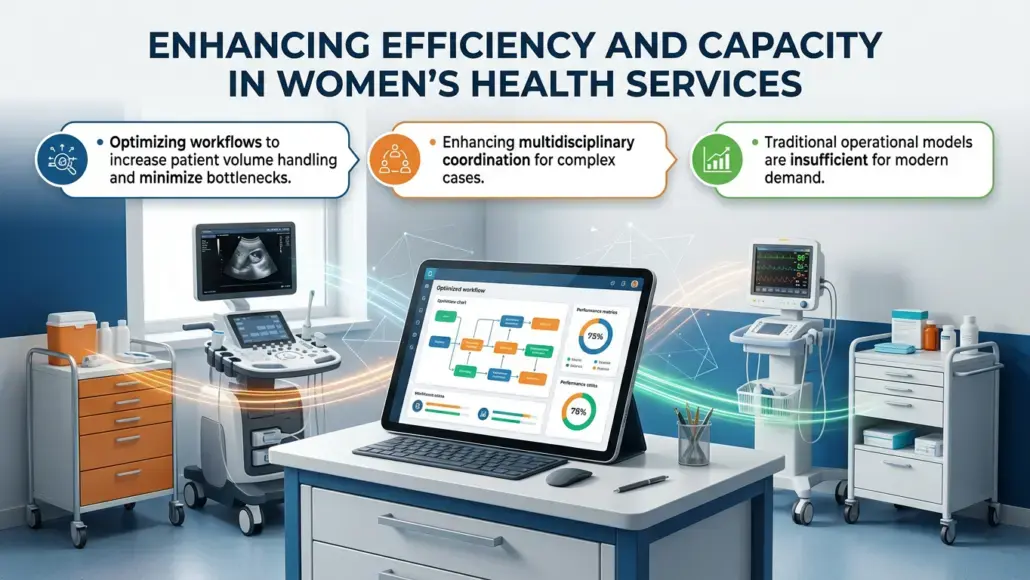

Healthcare organizations are facing unprecedented challenges in managing patient volume while maintaining high standards of clinical excellence. In the context of women’s health services, where the complexity of cases and the need for multidisciplinary coordination are high, traditional operational models are often insufficient. Hospital administrators are increasingly turning toward clinical workflow redesign to identify and eliminate the inefficiencies that hinder patient throughput and staff productivity. This process involves a rigorous analysis of every step in the clinical encounter, from initial registration to final discharge, to ensure that resources are deployed as effectively as possible. The goal is to create a more resilient and responsive care environment that can accommodate growing demand without compromising quality.
Successfully redesigning clinical processes requires a deep commitment from both leadership and frontline staff. By fostering a culture of continuous improvement, hospitals can empower their teams to identify bottlenecks and suggest practical solutions for optimization. This collaborative approach ensures that the new workflows are not only efficient but also practical for the clinicians who must use them daily. The primary objective is to reduce the administrative burden on medical professionals, allowing them to focus more of their time and expertise on direct patient care. This shift toward a more streamlined operational model is essential for improving both patient outcomes and institutional efficiency.
Mapping the Patient Journey for Process Optimization
The first step in any successful clinical workflow redesign is a comprehensive mapping of the patient journey within the hospital. This involves documenting every interaction the patient has with clinical and administrative staff, as well as the time spent in each stage of the care process. By visualizing these steps, hospital leadership can identify redundant tasks, unnecessary delays, and areas where communication between departments breaks down. For instance, an analysis of the diagnostic process in a maternity unit might reveal that patients spend a significant amount of time waiting for lab results, indicating a need for better integration between the clinical team and the laboratory services.
Once the bottlenecks have been identified, hospitals can begin to implement targeted changes to improve flow. This might involve the adoption of new digital tools for patient tracking, the reorganization of physical clinical spaces, or the standardization of administrative procedures. The use of real-time data to monitor patient movement through the facility allows for more dynamic resource allocation and better management of peak demand periods. By maintaining a focus on the patient’s perspective, healthcare providers can ensure that the redesigned workflows improve the overall experience and reduce the stress associated with navigating a complex hospital environment.
Enhancing Staff Efficiency through Standardized Protocols
Standardizing clinical protocols is a critical component of improving institutional capacity. When medical teams follow consistent, evidence-based procedures for common conditions, they can work more efficiently and reduce the likelihood of errors. In women’s health services, this might involve the implementation of standardized care pathways for labor and delivery, oncology screenings, or postoperative recovery. These protocols provide a clear roadmap for the entire care team, ensuring that everyone knows their role and the expected timeline for each intervention. This level of clarity is essential for managing high-acuity cases and coordinating multidisciplinary care.
Standardization also facilitates more effective staff training and onboarding. When workflows are consistent across the department, new team members can quickly learn the established procedures and become productive contributors to the clinical team. This reduces the time and resources required for training and helps to maintain a high standard of care even during periods of high staff turnover. In addition, the use of standardized protocols allows for more accurate performance measurement and benchmarking. Hospital leadership can use this data to identify top-performing teams and share their best practices across the entire organization. The following elements are vital for the successful implementation of standardized protocols:
- Evidence-Based Development: Ensuring that all protocols are based on the latest medical research and clinical guidelines.
- Multidisciplinary Input: Engaging clinicians from all relevant fields to ensure that the protocols are comprehensive and practical.
- Regular Review and Update: Establishing a process for periodically evaluating and revising protocols to reflect changes in medical practice.
- Clear Documentation: Providing easy access to protocol documents for all staff members through the hospital’s digital knowledge base.
- Compliance Monitoring: Regularly auditing clinical records to ensure that the established protocols are being followed consistently.
These measures contribute to a more predictable and efficient clinical environment that supports the long-term goals of the organization. By maintaining a focus on standardization, healthcare providers can ensure that their resources are used to their fullest potential.
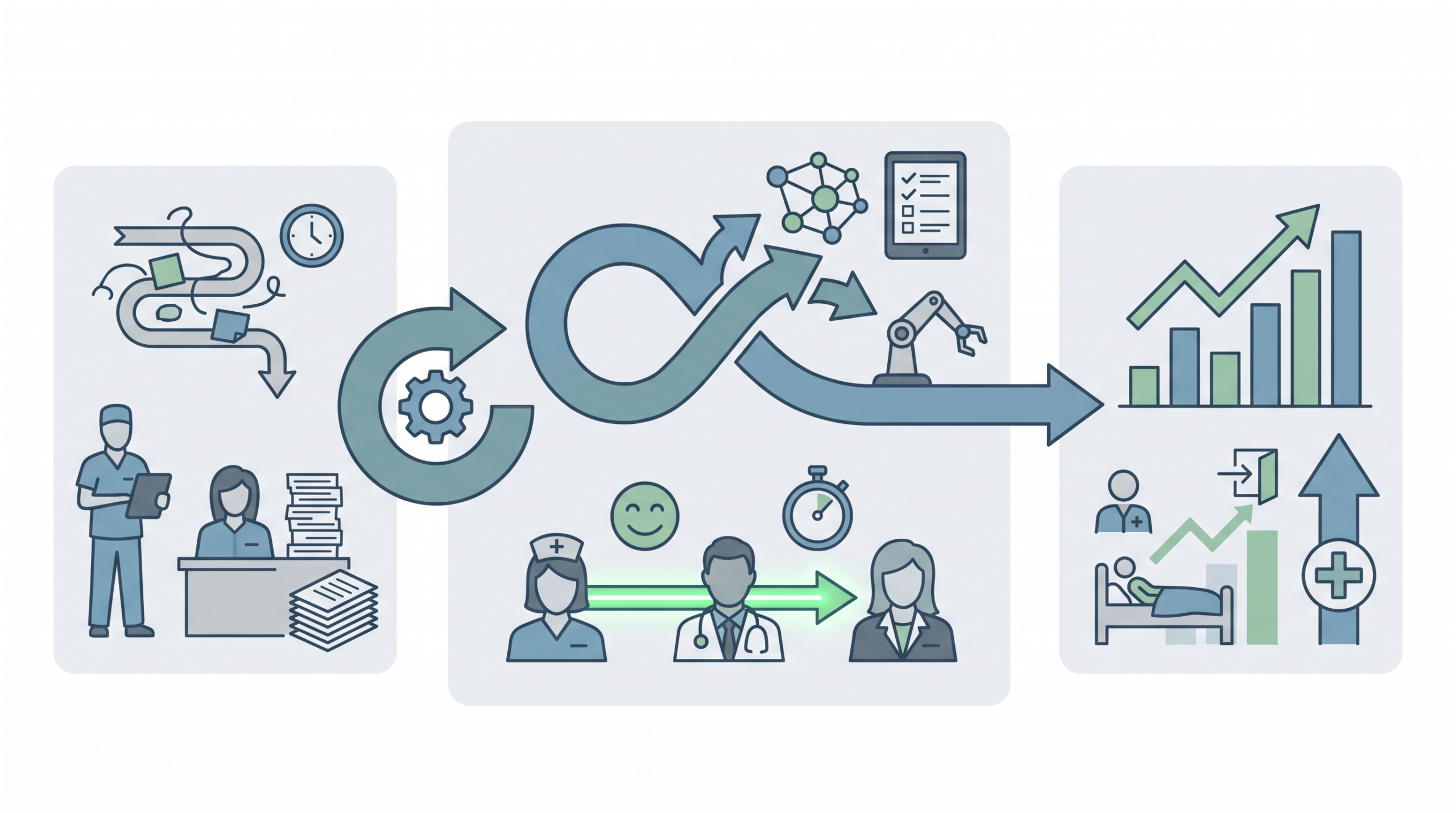
Integrating Technology for Seamless Workflow Execution
Modern digital tools are essential for the successful execution of clinical workflow redesign initiatives. By incorporating advanced health technology integration into the clinical environment, hospitals can automate many of the administrative tasks that currently consume staff time. For example, the use of automated scheduling software can reduce the time spent on patient registration and appointment management, while electronic health records ensure that clinical information is instantly available to the entire care team. This level of connectivity is critical for maintaining flow and preventing information silos that lead to delays and errors.
Additionally, the use of real-time communication platforms allows clinicians to coordinate their efforts more effectively, even in fast-paced environments like the emergency department or the delivery suite. Secure messaging systems and digital dashboards provide teams with instant access to patient status updates and resource availability, allowing for more informed decision-making. By reducing the need for manual communication and paperwork, hospitals can improve both the speed and the accuracy of care delivery. The ongoing investment in digital infrastructure is a critical driver of operational excellence in the modern healthcare environment.
Managing Change and Fostering a Culture of Innovation
Successfully implementing new workflows requires a comprehensive change management strategy that addresses the concerns and needs of the staff. Hospital leadership must communicate the vision for the redesign clearly and provide the necessary support and resources for the transition. This involves providing comprehensive training on new processes and technologies, as well as establishing clear channels for feedback and problem-solving. By involving frontline staff in every stage of the redesign process, administrators can build the consensus and commitment needed for long-term success.
Fostering a culture of innovation is also essential for maintaining the momentum of process improvement initiatives. Hospitals that encourage their teams to experiment with new ideas and learn from their failures are better positioned to adapt to the changing needs of the patient population. This culture of curiosity and excellence drives the continuous evolution of clinical practice and ensures that the hospital remains at the forefront of medical service delivery. By celebrating successes and recognizing the contributions of staff members, healthcare organizations can create a positive and productive environment that attracts and retains top-tier talent.
Measuring the Impact of Process Improvements
The final component of any clinical workflow redesign initiative is the regular evaluation of its impact on institutional performance. Hospital leadership should track a variety of metrics, including patient throughput, staff productivity, and clinical outcomes, to determine the effectiveness of the new processes. This data-driven approach allows for the identification of areas where further improvements are needed and ensures that the redesign is delivering the expected benefits. For example, an analysis of patient wait times before and after the implementation of a new scheduling system can provide clear evidence of its impact on efficiency.
In addition to operational metrics, it is essential to monitor the impact of the redesign on patient and staff satisfaction. Qualitative feedback from surveys and focus groups can provide valuable insights into how the new workflows are perceived by those who interact with them daily. By maintaining a focus on both quantitative and qualitative data, healthcare providers can ensure that their process improvement efforts are truly enhancing the quality of care. The commitment to continuous evaluation and adjustment is a hallmark of a high-performing healthcare organization and a critical driver of long-term success in the modern medical environment.
Ultimately, the redesign of clinical processes is not just about efficiency (it is about creating a better environment for both patients and providers). When hospitals invest the time and resources needed to optimize their workflows, they create a foundation for excellence that transforms the way care is delivered. This dedication to operational and clinical excellence is the hallmark of a leading healthcare institution and a critical driver of success in a rapidly evolving market.
The impact of improved workflow on staff retention is another critical factor for hospital leadership to consider. When clinical environments are well-organized and efficient, medical professionals experience lower levels of stress and burnout. This leads to a more stable and engaged workforce, which is essential for maintaining a high standard of care. By prioritizing process optimization, healthcare organizations can create a more supportive workplace that attracts and retains the best clinical talent. This long-term investment in human capital is a key component of institutional success and resilience.
In addition, the integration of patient feedback into the redesign process ensures that the new workflows meet the actual needs of the community. By actively seeking input from patients and their families, hospital administrators can identify opportunities to improve the clinical encounter and enhance patient satisfaction. This collaborative approach to management builds trust and transparency, which are vital for maintaining the hospital’s reputation. By focusing on both operational efficiency and the patient experience, healthcare providers can create a truly holistic and effective care environment that serves the needs of all women. This dedication to excellence is the foundation of a successful and sustainable healthcare system. By maintaining a focus on the needs of the patient and the expertise of the staff, healthcare organizations can build a sustainable model for the future of women’s health.