











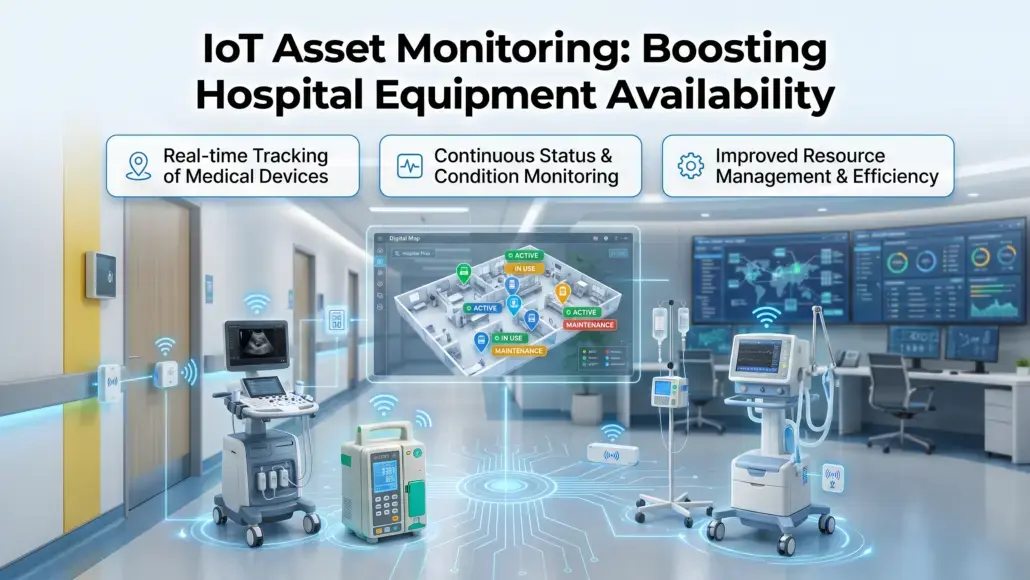

The integration of the Internet of Things into hospital environments has revolutionized the way administrators manage their high-value physical resources. At the core of this transformation is the concept of asset monitoring, which utilizes a network of sensors and gateways to provide a continuous stream of data regarding the location and status of medical devices. In a traditional hospital setting, equipment availability is often a matter of guesswork, with clinicians spending valuable time searching for infusion pumps, ventilators, or specialized monitors. By deploying a comprehensive sensor network, hospitals can eliminate these inefficiencies. These sensors can detect not only the geographical position of a device but also its operational state, battery level, and environmental conditions. This holistic view of the equipment fleet ensures that when a clinician needs a device, it is not only found quickly but is also ready for immediate use.
The technical infrastructure required for effective asset monitoring involves several layers of hardware and software. High-frequency tags or Bluetooth Low Energy beacons are attached to each piece of equipment, transmitting signals to a grid of receivers installed throughout the facility. This data is then aggregated in a cloud-based or on-premise platform where it is processed by sophisticated algorithms. The resulting information is presented to hospital staff through intuitive dashboards and mobile applications. The ability to see the entire inventory of a hospital on a single screen allows for a level of operational oversight that was previously unattainable. This visibility is crucial for maintaining a high standard of patient care, as it ensures that the physical tools required for treatment are always within reach of the medical team. The transition to a connected ecosystem allows for a more responsive and agile management style, where resources can be reallocated in real-time based on shifting clinical demands.
Improving Clinical Outcomes through Reliable Equipment Access
The primary beneficiary of improved asset monitoring is the patient. When medical equipment is readily available, the delays in treatment are minimized, which can be life-saving in emergency situations. For instance, in a busy emergency department, the rapid location of a portable ultrasound machine or a crash cart can directly influence the speed of diagnosis and intervention. By reducing the “search time” associated with mobile assets, hospital staff can dedicate more of their attention to patient monitoring and care. This improvement in clinical workflow also reduces the stress levels of the nursing staff, who are often the ones tasked with locating equipment under pressure. A more organized and predictable environment fosters a culture of excellence and allows for a more focused approach to healthcare delivery.
additionally, the data collected through asset monitoring can be used to identify patterns in equipment usage that correlate with patient outcomes. If the data shows that certain departments consistently experience higher availability of critical equipment and also report better patient recovery rates, administrators can use these insights to standardize best practices across the entire facility. The goal is to create an environment where the technology works in the background to support the clinicians, rather than being a hurdle they must overcome. The reliability of equipment access also builds trust between the different departments of the hospital. When the central supply team can guarantee that requested items will be delivered promptly because their location is known, the friction between clinical and support staff is significantly reduced. This departmental synergy is a key component of a high-performing hospital.
Operational Efficiency and Capital Expenditure Optimization
From an administrative perspective, the financial benefits of device oversight are profound. One of the most common issues in hospital management is the over-procurement of equipment. Because staff often feel there is a shortage of certain items, they may request additional units, leading to a surplus of underutilized assets. By providing clear data on actual utilization rates, monitoring systems allow management to make more informed purchasing decisions. If the data indicates that the current fleet of infusion pumps is only being used to fifty percent of its capacity, the hospital can avoid the significant cost of purchasing new units. Instead, they can focus on improving the distribution and maintenance of the existing inventory. This data-driven approach to capital expenditure ensures that the hospital’s budget is used effectively to enhance patient care.
In addition to optimizing procurement, device oversight also reduces the costs associated with lost or misplaced equipment. Medical devices are significant investments, and their disappearance from the hospital inventory represents a major financial loss. The ability to track an asset to its last known location and receive alerts when it leaves a designated area provides a powerful deterrent against theft and accidental loss. The system can also help in managing the lifecycle of each device by tracking its total hours of operation and maintenance history. This allows for a move away from fixed-period maintenance to a more efficient, usage-based model. By performing maintenance only when it is actually needed, the hospital can extend the life of its equipment and reduce the workload on the clinical engineering department. The cumulative effect of these efficiencies is a significant reduction in the total cost of ownership for the hospital’s equipment fleet.
Enhancing Maintenance Workflows and Regulatory Compliance
The role of the clinical engineering department is critical in ensuring that all medical devices are safe and functional. device oversight simplifies the task of preventive maintenance by providing technicians with the exact location of every device scheduled for service. In a large hospital, finding a specific pump that is due for calibration can be like finding a needle in a haystack. With a real-time tracking system, the technician can go straight to the device, reducing the time spent on logistics and increasing the time spent on technical work. This efficiency is particularly important during large-scale maintenance cycles or when responding to manufacturer recalls. The ability to quickly locate and isolate every unit of a specific model ensures that the hospital remains in compliance with safety regulations and manufacturer guidelines.
also, the detailed reports generated by the monitoring system provide a clear audit trail for regulatory bodies. During an inspection, being able to demonstrate that every piece of equipment has been tracked and maintained according to schedule is a powerful testament to the hospital’s commitment to safety. The system can also monitor the environmental conditions in which equipment is stored. For example, temperature and humidity sensors can ensure that sensitive diagnostic tools are kept in an optimal environment, preventing premature failure or inaccurate readings. This proactive approach to maintenance and compliance not only protects the patient but also shields the hospital from potential legal and financial liabilities. The integration of device oversight into the broader quality management system of the hospital is a hallmark of a modern, safety-conscious organization.
Future Innovations in Intelligent Asset Management
Looking ahead, the evolution of device oversight will likely involve a deeper integration with artificial intelligence and machine learning. These technologies can analyze the vast amounts of data generated by IoT sensors to predict future equipment needs with high accuracy. For example, the system could anticipate a surge in demand for ventilators based on regional health trends and automatically trigger a redistribution of assets within a hospital network. This predictive capability would move the hospital from a reactive management style to a truly proactive one, where potential issues are resolved before they ever impact patient care. The goal is to create a “smart” hospital where the physical infrastructure is as intelligent and responsive as the medical staff who work within it.
The potential for integration with other hospital systems, such as the Electronic Health Record, is also immense. By linking equipment usage data with patient records, hospitals could gain new insights into the effectiveness of different treatment modalities. The system could also automate the billing process for equipment use, ensuring that all costs are accurately captured and reimbursed. As the technology continues to mature and the cost of sensors decreases, the scope of device oversight will likely expand to include a wider range of items, from surgical instruments to linens. The ultimate vision is a fully transparent and optimized supply chain that supports the delivery of high-quality, cost-effective healthcare. Hospital administrators who embrace these technologies today are setting the stage for a more efficient and effective future, where the primary focus remains on the health and well-being of the patient. The commitment to innovation in asset management is not just a strategic choice, it is a clinical necessity in the modern healthcare environment.
The long-term success of any hospital facility is tied to its ability to maintain a high degree of operational readiness. By leveraging the power of connected devices, administrators can ensure that their institutions are equipped to handle the complexities of modern medicine. The transition to a data-driven model for device oversight is not merely a technical upgrade, it is a fundamental shift in how healthcare resources are perceived and managed. As hospitals continue to expand their technological footprint, the importance of maintaining clear visibility over every physical asset will only grow. This visibility is the foundation upon which all other clinical and operational improvements are built. By ensuring that every device is accounted for and in good health, hospitals can provide a safer and more efficient environment for both patients and staff. The journey toward a fully integrated and intelligent healthcare ecosystem is ongoing, and the adoption of comprehensive monitoring strategies is a critical step in that process. The ultimate goal is a system where the physical infrastructure supports the clinical mission with absolute reliability, allowing the medical team to focus entirely on their primary objective: the health and well-being of the patient. Every step taken toward better asset management is a step toward a better future for healthcare delivery.