












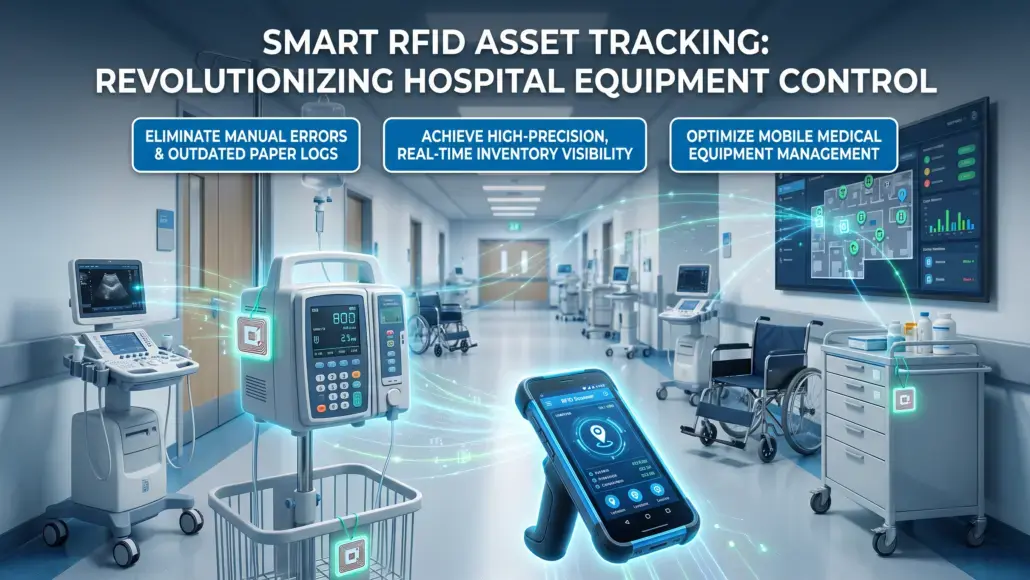

The management of mobile medical equipment within a hospital is a monumental task that requires high levels of precision and real-time visibility. Traditional methods of inventory control, which often rely on manual counts and paper-based logs, are notoriously prone to error and lag behind the actual state of the facility. The introduction of Radio Frequency Identification (RFID) technology has fundamentally changed this dynamic by providing a foundation for automated asset tracking. By attaching an RFID tag to every piece of equipment, from high-value surgical robots to common infusion pumps, a hospital can create a digital ledger that updates itself continuously. This technology allows for the instantaneous identification and location of thousands of items without the need for line-of-sight scanning, a significant advantage over legacy barcode systems. The resulting increase in data accuracy is the first step toward achieving total control over the hospital’s physical assets.
The technical implementation of these systems involves a network of RFID readers placed at strategic points throughout the facility, such as doorways, elevators, and storage areas. As a tagged asset moves past a reader, its location is automatically logged in a centralized database. This process occurs without any intervention from clinical staff, ensuring that the data is both objective and consistent. This level of automation is critical in a busy hospital environment where staff are primarily focused on patient care rather than administrative tasks. The visibility provided by the system allows management to see exactly how many units of a specific device are currently available, where they are located, and how long they have been in a particular area. This real-time inventory count eliminates the need for periodic manual audits, which are both time-consuming and disruptive to hospital operations. The shift toward digital identification is a key driver of operational efficiency in modern healthcare.
Enhancing Resource Availability for Clinical Excellence
One of the most immediate benefits of improved asset tracking is the reduction in time spent by clinical staff searching for mobile equipment. It is a well-documented problem that nurses can spend a significant portion of their shift looking for items such as wheelchairs, telemetry units, or bladder scanners. By providing a real-time map of all assets accessible via mobile devices or nursing stations, the tracking system eliminates this unproductive search time. When a nurse can instantly locate the nearest available equipment, the speed of patient care is increased, and the cognitive burden on the staff is reduced. This improvement in clinical workflow is essential for maintaining high standards of care and preventing staff burnout in high-pressure environments.
additionally, the system can be configured to alert staff when inventory levels in specific departments fall below a predetermined threshold. For example, if the number of available clean infusion pumps in the pediatric ward drops to a critical level, the system can automatically trigger a replenishment request to the central supply department. This proactive approach to resource management ensures that clinicians always have the tools they need to perform their jobs effectively. The reliability of equipment access also improves the overall patient experience, as treatments and procedures are less likely to be delayed due to missing resources. The transparency provided by the tracking system fosters a culture of accountability and ensures that the hospital’s resources are being used in the most effective manner possible to support patient outcomes.
Financial Optimization and Capital Budgeting Precision
From a financial perspective, the implementation of RFID-based asset tracking offers profound advantages. Hospitals often face the challenge of “ghost assets,” which are items that appear on the financial books but have been lost, stolen, or broken beyond repair. By maintaining a real-time inventory, hospitals can accurately reflect their actual physical holdings, leading to more precise financial reporting and tax compliance. also, the data generated by the tracking system allows for a much more strategic approach to capital budgeting. If the analytics reveal that a hospital has a high surplus of certain equipment that is rarely used, administrators can defer future purchases and redirect those funds toward more critical needs. This data-driven procurement process can save an institution millions of dollars in unnecessary capital expenditures.
In addition to optimizing new purchases, the system also reduces the costs associated with lost or misplaced equipment. Medical devices are significant investments, and the loss of even a small percentage of the fleet can represent a major financial hit. The ability to track an asset to its last known location and set up geofences around hospital exits provides a powerful deterrent against theft and accidental removal. additionally, the tracking data can be used to improve the efficiency of rental equipment management. Hospitals often rent specialized devices during peak periods, and without accurate tracking, these items can be lost or kept longer than necessary, leading to excessive rental fees. By ensuring that all rental equipment is accounted for and returned on time, the hospital can achieve substantial savings in its operational budget. The cumulative financial impact of these efficiencies is a more resilient and sustainable healthcare organization.
Strengthening Compliance and Risk Management Frameworks
In the highly regulated environment of a hospital, maintaining strict compliance with safety standards and operational protocols is a non-negotiable requirement. Digital monitoring plays a vital role in this regard by providing a comprehensive audit trail for every piece of medical equipment. If a specific device is recalled by a manufacturer, the hospital can identify and isolate every unit in the facility within minutes, significantly reducing the risk to patient safety. Similarly, during an infection control outbreak, the system can track which pieces of equipment were in proximity to infected patients, allowing for targeted sterilization and preventing the further spread of pathogens. This level of traceability is simply impossible to achieve with manual tracking methods and provides a significant layer of protection for both patients and staff.
also, the tracking data is invaluable during accreditation surveys and regulatory inspections. Being able to present detailed reports on equipment location history and maintenance status demonstrates a high level of operational control and a commitment to safety. The system can also help in managing the lifecycle of each asset by tracking its total time in service and movement patterns. This allows for a move away from fixed-period maintenance to a more efficient, usage-based model. By performing maintenance only when it is actually needed, the hospital can extend the life of its equipment and reduce the workload on the clinical engineering department. The integration of these safety and compliance features into the broader asset management strategy ensures that the hospital is always operating within the bounds of its professional and legal obligations, protecting both its reputation and its financial stability.
The Future of Automated Logistics in Healthcare
As hospital systems continue to evolve, the role of asset tracking will expand from simple location monitoring to complex logistical orchestration. The next generation of these systems will likely incorporate advanced artificial intelligence to automate the redistribution of equipment across multiple facilities within a single healthcare network. Imagine a scenario where the system identifies a projected surge in patient admissions at one facility and automatically triggers the dispatch of additional equipment from a central warehouse or another hospital that has a surplus. This level of coordination would represent a significant leap forward in healthcare logistics, creating a self-healing supply chain where shortages are identified and resolved before they ever impact patient care.
The convergence of asset tracking with other hospital systems, such as the electronic health record and the building management system, will create a more holistic view of the facility’s operations. For example, the system could correlate equipment usage with patient outcomes to identify which types of devices are most effective for specific treatments. It could also adjust the lighting and climate control in a storage room based on the number of temperature-sensitive devices currently located there. The possibilities for optimization are vast, and the foundation for all these future innovations is the accurate, real-time data provided by current tracking technologies. Hospital administrators who invest in these systems today are not just solving immediate logistical problems, they are building the infrastructure for the intelligent hospital of the future. The commitment to data-driven management is the hallmark of a forward-thinking healthcare organization that prioritizes both operational efficiency and clinical excellence. By embracing these technological advancements, hospitals can ensure they are well-positioned to meet the challenges of an increasingly complex and demanding healthcare environment. The focus remains steadfast on the ultimate goal: providing the best possible care to every patient, supported by the right equipment at the right time.
The advancement of hospital logistics through automated tracking technology is a significant step toward a more efficient and effective healthcare system. By providing a high level of visibility over the entire equipment fleet, administrators can ensure that their institutions are well-equipped to meet the challenges of modern medicine. The transition to a more data-driven model for inventory control is not just about saving money, it is about creating a more organized and responsive clinical environment that prioritizes the needs of the patient. As the volume of mobile medical equipment continues to grow, the importance of maintaining clear and accurate records of every asset will only increase. This focus on operational transparency is a hallmark of a modern, high-performing healthcare organization. By building a solid foundation of digital oversight today, hospitals can ensure they are well-prepared for the future of automated healthcare logistics. The journey toward a fully optimized and intelligent healthcare ecosystem is ongoing, and the adoption of comprehensive tracking strategies is a critical step in that process. The ultimate vision is a healthcare system where every resource is accounted for and utilized to its fullest potential in the service of human health. The commitment to this vision is a shared responsibility that requires the collaboration of everyone within the institution, from the front-line clinicians to the administrative leadership. By working together to improve the efficiency of their operations, hospitals can ensure that they continue to provide the highest standards of care to every patient who enters their doors.