











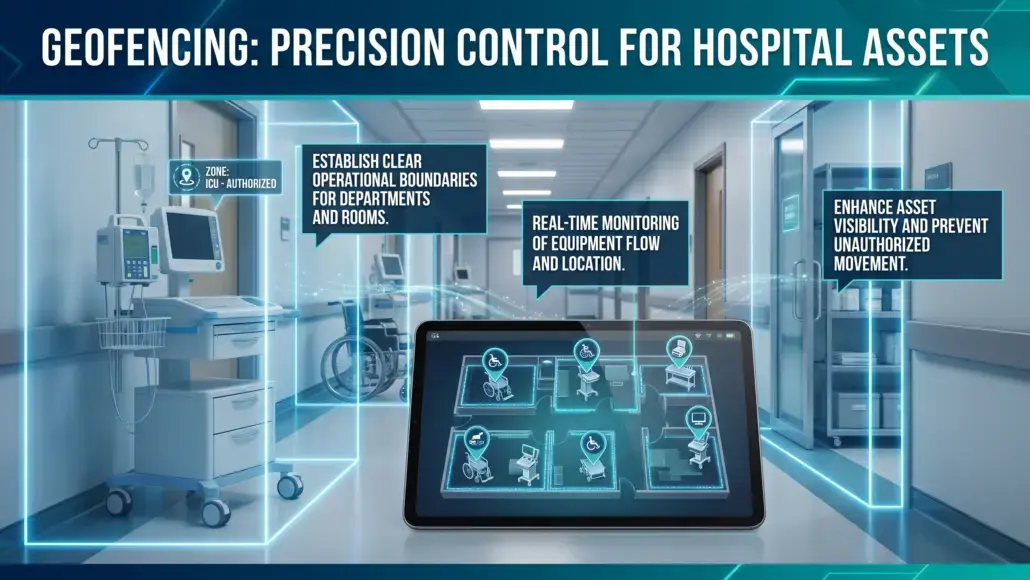

The complexity of a modern hospital facility necessitates a high degree of control over the movement and distribution of physical assets. Geofencing analytics has emerged as a critical tool for hospital administrators seeking to establish clear operational boundaries within their facilities. By creating virtual perimeters around specific departments, wings, or even individual rooms, management can monitor the flow of equipment with unprecedented precision. These digital boundaries are created within a real-time location system and can be customized to suit the specific needs of different clinical areas. When a tagged asset crosses one of these boundaries, the system logs the event and can trigger a variety of automated responses, from simple notifications to security alerts. This proactive approach to movement control ensures that medical devices remain within their designated zones, preventing the fragmentation of resources that often plagues large healthcare institutions.
The technical foundation of geofencing involves the integration of high-fidelity location sensors with sophisticated geospatial software. Unlike simple tracking, which only provides the current position of an item, analytics focused on spatial boundaries provide context to the movement. For example, if a high-value surgical instrument leaves the operating suite and enters a public hallway, the system can immediately flag this as a potential security risk or an operational error. The ability to define these rules for thousands of items across a multi-floor facility provides a level of oversight that is impossible to achieve through manual monitoring. This digital infrastructure allows hospital leaders to implement “active” management policies where the system itself helps to enforce the desired movement patterns. The result is a more organized and predictable environment where equipment is exactly where it is expected to be.
Enhancing Security and Loss Prevention Through Automated Monitoring
One of the most significant challenges in hospital management is the accidental or intentional loss of mobile medical equipment. The sheer size of a modern hospital and the constant movement of patients, staff, and visitors make it easy for small but expensive devices to disappear. Geofencing analytics provides a strong solution to this problem by acting as an automated security layer. By establishing a virtual perimeter around all hospital exits, the system can immediately alert security personnel if a tagged asset is being moved toward the street. This real-time notification allows for immediate intervention, potentially saving the hospital thousands of dollars in replacement costs for a single prevented loss. The deterrent effect of such a system is also substantial, as the knowledge that all assets are digitally monitored reduces the likelihood of unauthorized removal.
Beyond external theft, geofencing also helps in preventing internal misplacement. In many cases, equipment is not stolen but simply moved to a location where it does not belong, such as a different floor or a remote storage area. When an asset enters an unauthorized zone, the system can send a message to the relevant staff to return the item. this reduces the “hoarding” of equipment by individual departments, a common practice where staff keep extra units in reserve due to a perceived lack of availability. By ensuring that every department stays within its allocated inventory limits, the hospital can maintain a balanced distribution of resources. The data collected from these boundary crossings can also be used to identify systemic issues in equipment flow, such as a particular hallway that is frequently used as a temporary storage area, creating a safety hazard. This level of visibility into the physical operation of the facility is a cornerstone of modern risk management.
Optimizing Clinical Workflows and Departmental Efficiency
The daily operations of a hospital are built on a series of complex workflows that require the seamless coordination of staff and equipment. When equipment moves outside of its intended area, these workflows are disrupted, leading to delays in patient care and increased frustration for the clinical team. Geofencing analytics supports these workflows by ensuring that the right tools are always available in the right departments. For instance, in an emergency department, the availability of portable monitors and diagnostic tools is critical for rapid patient assessment. By setting up a geofence around the emergency zone, administrators can ensure that these vital resources are not gradually dispersed to other parts of the hospital. If a monitor is moved out of the emergency area, the system can trigger an automated task for the transport team to return it.
This automated redistribution of resources reduces the cognitive load on clinicians, who no longer need to worry about the logistical details of equipment availability. They can trust that the system is working in the background to maintain the necessary inventory levels in their department. additionally, the analytics provided by these systems can help in optimizing the physical layout of the hospital. If the data shows that equipment is frequently crossing a particular boundary to be cleaned or serviced, it might suggest that the sterilization facility should be moved closer to that department. This kind of evidence-based facility planning is essential for improving the overall efficiency of healthcare delivery. The goal is to create a physical environment that naturally supports the clinical mission, rather than one that clinicians must constantly manage around.
Regulatory Compliance and Audit Readiness
In the highly regulated healthcare sector, the ability to prove that medical equipment is being managed according to strict safety and operational standards is essential. Geofencing analytics provides a detailed and verifiable record of equipment movement that is invaluable during accreditation surveys and regulatory audits. The system can generate reports showing that sensitive equipment has remained within controlled environments, such as temperature-monitored storage areas or sterile zones. This level of documentation demonstrates a high degree of operational control and a commitment to patient safety. For example, if a piece of equipment that requires a sterile environment is detected entering a non-sterile area, the system can automatically flag it for re-sterilization before it can be used again.
This proactive approach to compliance reduces the risk of human error and ensures that the hospital always operates within the bounds of its professional and legal obligations. The data can also be used to track the compliance of third-party service providers. If a rental company is contracted to provide a certain number of devices within a specific wing, the geofencing data can verify that the contract terms are being met. This level of oversight protects the financial interests of the hospital and ensures that all partners are held to the same high standards of performance. By integrating movement control into the broader quality management system, hospitals can create a culture of transparency and continuous improvement. The commitment to systematic oversight is a powerful tool for maintaining the reputation and stability of the institution in an increasingly complex regulatory sector.
Future Perspectives on Spatial Intelligence in Healthcare
As the technologies supporting geofencing continue to advance, the role of spatial intelligence in hospital management will become even more profound. The next generation of these systems will likely incorporate advanced machine learning to analyze movement patterns and predict future logistical bottlenecks. For instance, the system could identify that a particular combination of patient admissions and surgical procedures will likely lead to an equipment shortage in the intensive care unit and proactively move resources into that zone. This predictive capability would move the hospital from a reactive management style to a truly proactive one, where spatial constraints are managed dynamically to suit the clinical needs of the moment.
The integration of geofencing with other smart building technologies, such as automated lighting, climate control, and electronic locks, will create a fully responsive hospital environment. Imagine a scenario where a room is automatically prepared with the correct lighting and temperature as soon as a specific piece of diagnostic equipment enters the zone. Or a situation where high-value items are automatically secured behind electronic locks if they are moved into a public area without authorization. The possibilities for enhancing safety and efficiency are vast, and the foundation for all these future innovations is the accurate, real-time spatial data provided by current geofencing technologies. Hospital administrators who invest in these systems today are not just solving immediate movement control problems, they are building the infrastructure for the intelligent, spatially aware hospital of the future. The focus remains steadfast on the ultimate goal: creating a safe, efficient, and highly organized environment that supports the best possible care for every patient.
The continued development of spatial intelligence in hospital management is a testament to the industry’s commitment to innovation and efficiency. By embracing the capabilities of geofencing analytics, healthcare leaders can ensure that their institutions are capable of managing the complex movement of physical assets with precision and confidence. The transition to a more data-driven model for movement control is not merely a technical upgrade, it is a fundamental shift in how the physical hospital environment is perceived and managed. As hospitals continue to grow in scale and complexity, the importance of maintaining clear boundaries and efficient equipment flow will only increase. This focus on spatial organization is a critical component of a broader strategy to improve both clinical outcomes and operational efficiency. By ensuring that every piece of equipment is in its designated area, hospitals can minimize the disruptions that often plague the delivery of patient care. The journey toward a fully optimized and intelligent healthcare ecosystem is a shared endeavor that requires the active participation of all staff members. By building a culture that values operational transparency and data-driven management, hospitals can ensure they are well-positioned to meet the challenges of the future. The ultimate vision is a healthcare system that is as organized as it is compassionate, where every resource is managed to provide the maximum benefit to the patient. The pursuit of this vision is the hallmark of a world-class healthcare organization that is dedicated to excellence in every aspect of its clinical and operational performance.