












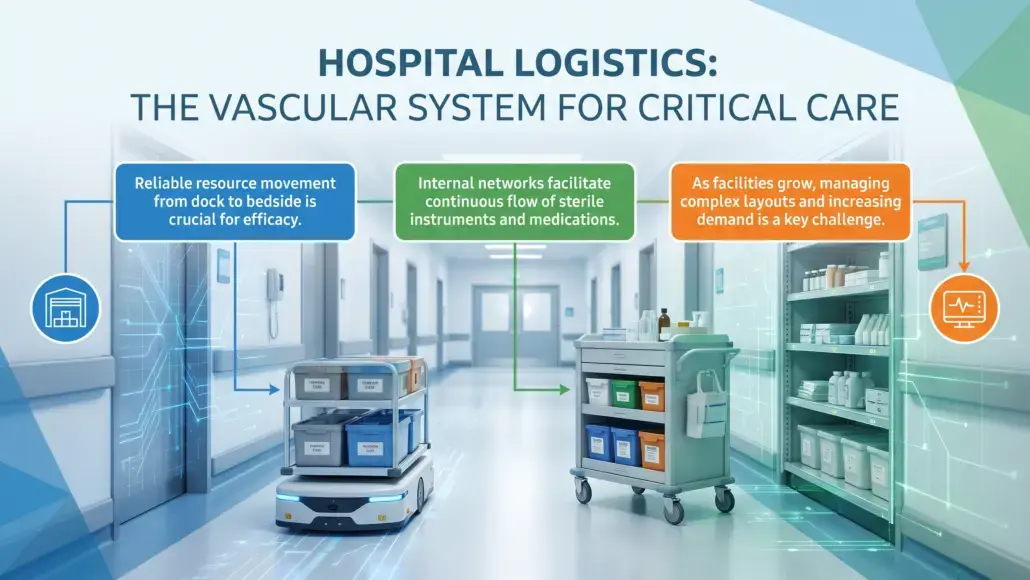

The efficacy of a healthcare institution is profoundly influenced by its ability to move critical resources from the loading dock to the patient’s bedside with absolute reliability. Internal distribution networks serve as the vascular system of the hospital, facilitating the continuous flow of sterile instruments, medications, and clinical consumables across vast and complex architectural layouts. As medical facilities grow in size and the diversity of specialized treatments increases, the challenges associated with internal logistics have become more pronounced. A poorly managed distribution network can lead to clinical delays, excessive waste, and a significant burden on nursing staff who are forced to spend valuable time searching for supplies. Therefore, the strategic optimization of these networks is a fundamental requirement for any institution aiming to achieve high levels of operational excellence and patient safety.
The transition toward a more integrated and technology-driven distribution model is motivated by the dual goals of cost reduction and improved care delivery. Supply chain expenses represent a substantial portion of a hospital’s operating budget, and the inefficiencies in internal movement often contribute to financial leakage. By implementing professional internal distribution networks, administrators can ensure that inventory is positioned exactly where it is needed, reducing the reliance on “hoarding” behaviors that occur when clinicians lack confidence in the supply chain. This analytical examination focuses on the architectural and operational frameworks that define high-performing internal logistics, highlighting the intersection of lean principles, digital tracking, and workforce synchronization. The ultimate objective is to create a seamless, responsive network that supports the life-saving work of the clinical teams without interruption.
Lean Principles and the Standardization of Supply Flow
The application of lean manufacturing principles to healthcare logistics has transformed how institutions manage their internal distribution. At the core of this approach is the elimination of non-value-added activities and the standardization of every step in the supply movement process. Efficient internal distribution networks utilize standardized transport units and clearly defined replenishment cycles to create a predictable flow of materials. By implementing a “just-in-time” delivery model, hospitals can reduce the amount of inventory held in clinical areas, freeing up valuable space for patient care and reducing the risk of expired materials. This standardized approach ensures that every department receives its supplies at the same time and in the same manner, creating a reliable rhythm that supports clinical planning.
Standardization also extends to the physical equipment used in the distribution process. The use of interchangeable cart systems and modular storage bins allows for a more flexible and efficient use of the hospital’s logistics assets. For example, a cart that is used to deliver surgical supplies can be easily reconfigured for wound care or respiratory therapy, reducing the total number of specialized units required. This flexibility is essential for responding to the dynamic needs of a busy medical facility where patient volume and clinical requirements can change rapidly. When internal distribution networks are built on a foundation of lean principles and standardized equipment, the result is a significant reduction in logistical friction and a more resilient supply chain. The focus remains on creating a quiet, efficient, and nearly invisible support system that allows the clinical staff to remain focused on the patient.
Decentralized Storage and Point-of-Use Replenishment
While the central warehouse provides a bulk storage solution, the actual distribution of supplies must be decentralized to ensure immediate access at the point of care. Sophisticated internal distribution networks utilize a “hub and spoke” model where the central store replenishes smaller, localized supply rooms or automated dispensing cabinets located within clinical units. This decentralized approach minimizes the travel time for clinical staff and ensures that the most frequently used items are always within reach. The management of these localized stores requires a high degree of precision, often utilizing Kanban systems or par-level triggers to ensure that stock is replenished before a stockout occurs.
Point-of-use replenishment strategies are also enhanced by the use of technology that tracks consumption in real time. For example, weighted shelving or RFID-enabled bins can automatically alert the logistics team when an item is removed, triggering an immediate replenishment order. This “pull” system ensures that the supply movement is driven by actual clinical need rather than a predetermined schedule, further reducing waste and improving inventory accuracy. When these decentralized storage solutions are integrated into the broader internal distribution networks, the hospital can achieve a level of responsiveness that is not possible with traditional centralized models. The result is a supply chain that is both lean and highly available, providing a solid foundation for clinical excellence across all departments.
Workforce Synchronization and the Role of Logistics Specialists
The human element of internal distribution is as important as the physical infrastructure and technology. Successful internal distribution networks rely on a highly synchronized workforce where logistics specialists manage the movement of supplies, allowing clinical staff to remain at the bedside. In many modern facilities, the role of the “materials manager” or “logistics technician” has been elevated to a professional level, requiring specialized training in supply chain principles and healthcare-specific safety protocols. By delegating these tasks to a dedicated logistics team, hospitals can ensure that supplies are managed with a high degree of precision and that clinical staff are not distracted by administrative or logistical duties.
Effective synchronization also requires clear communication channels between the logistics team and the clinical departments. Regular huddles and the use of digital communication tools ensure that the distribution team is aware of any sudden changes in demand or upcoming clinical events that may require additional resources. This collaborative approach fosters a culture of mutual respect and understanding, where the logistics team is recognized as an essential partner in the care delivery process. When workforce synchronization is a core component of the internal distribution networks, the entire institution benefits from a more reliable and professional supply chain. The logistics team becomes a proactive force for improvement, identifying bottlenecks and suggesting enhancements to the distribution process that benefit the entire organization.
Technological Integration and Real-Time Logistics Tracking
Visibility is the most critical asset in any distribution operation. Without accurate data, even the most efficiently designed physical network can become a liability during high-pressure events. Modern internal distribution networks utilize advanced tracking technologies such as radio frequency identification (RFID) and cloud-based logistics software to provide real-time updates on the status of all supply movements. This digital visibility allows for the tracking of a single surgical tray or a specific lot of medication as it moves through the facility, providing a clear chain of custody and ensuring that the right materials reach the right location. This level of transparency is essential for maintaining the financial health of the institution and ensuring that resources are used responsibly.
The integration of these technologies with the hospital’s broader information systems ensures that the logistics data is accessible to all stakeholders. For example, a surgical team can check the status of their instrument sets in real time, reducing the anxiety and uncertainty that can occur when supplies are delayed. Additionally, the data generated by these systems provides a valuable resource for continuous process improvement. By analyzing the time required for different distribution tasks and identifying areas of frequent delay, administrators can make data-driven decisions about how to optimize the internal distribution networks. This commitment to transparency and data-driven management is a hallmark of a modern medical logistics operation, ensuring that the supply chain is always aligned with the needs of the patient and the goals of the institution.
Scalability and the Future of Internal Hospital Logistics
As healthcare facilities continue to evolve and the volume of clinical data increases, the role of internal distribution will become even more complex. Future internal distribution networks will likely incorporate more advanced automation and artificial intelligence to manage the high-volume movement of goods. We can expect to see more integration between different types of systems, such as autonomous mobile robots that can automatically replenish decentralized supply rooms or smart shelving that can manage its own inventory levels. These developments will create a truly integrated logistics network that manages the movement of goods from the loading dock to the bedside with minimal manual intervention.
Future-proofing these networks also involves a commitment to sustainability and energy efficiency. The use of more environmentally friendly transport equipment and a reduction in packaging waste are becoming important considerations for hospital administrators. By building a flexible and sustainable distribution framework, healthcare organizations can ensure that they are prepared for the next generation of clinical innovation. The proactive management of these internal distribution networks is essential for maintaining a competitive and efficient clinical environment that prioritizes patient safety and operational excellence. The ultimate goal is to create a logistics system that is so reliable and efficient that it becomes an invisible but indispensable support for the life-saving work performed by clinical teams every day. This commitment to infrastructure and process excellence is a fundamental requirement for the success of any modern healthcare organization.