

















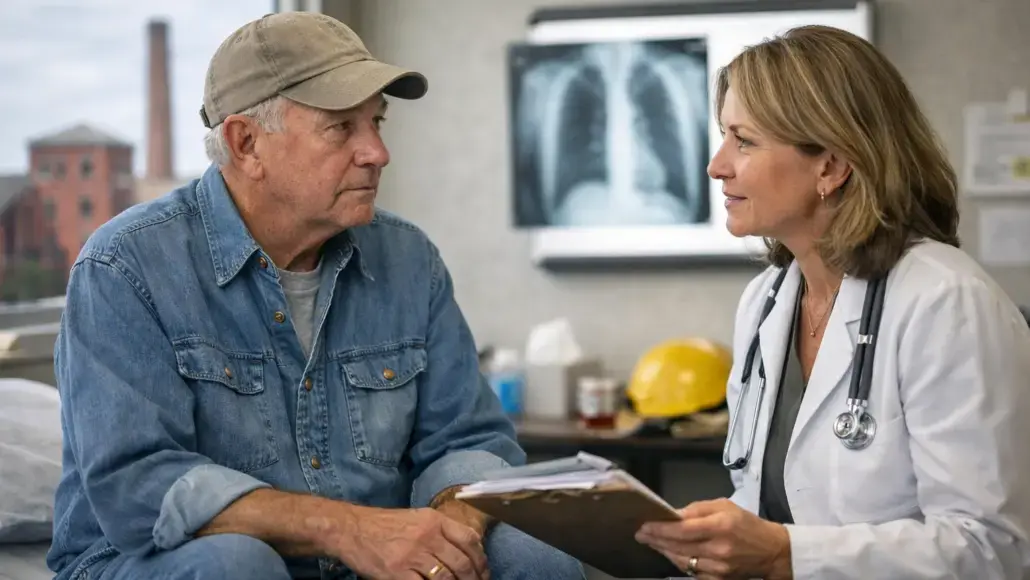

Wallingford, Connecticut, is a New Haven County community shaped by generations of manufacturing, construction, transportation, and skilled trades, industries where asbestos-containing materials were historically used across the country. For residents and former workers facing a mesothelioma diagnosis, questions about medical care may arise alongside concerns about when and where asbestos exposure occurred and whether legal options are available. Epithelioid cases can involve several treatment paths, with physicians considering the disease’s progression and whether a patient can tolerate more intensive forms of care.
Understanding what treatment may involve can help patients prepare for appointments, recovery periods, side effects, and changes to everyday routines. It can also help families organize medical and employment records that may become relevant when investigating past occupational exposure. People in Wallingford seeking legal assistance may benefit from learning how an epithelial mesothelioma diagnosis connects medical evidence with a potential asbestos claim. This knowledge can help patients discuss treatment decisions while considering their legal rights and possible sources of compensation.
Surgery Depends On Tumor Location And Stage
Doctors consider surgery when they can remove enough cancer without creating unacceptable health risks. For pleural mesothelioma, surgery focuses on the lining around the lungs and any nearby affected tissue. For peritoneal mesothelioma, surgeons remove tumors within the abdominal lining.
Before surgery, the surgeon reviews scans, biopsy results, lung or abdominal function, and the patient’s general health. Recovery can require hospital care, pain control, breathing exercises, nutrition support, and a gradual return to normal activity.
Some patients receive surgery as part of multimodal treatment, which combines surgery with another treatment, such as chemotherapy. Epithelioid tumors often qualify for this approach because they respond better to treatment than rarer cell types.
Chemotherapy And Other Drug Treatments
Chemotherapy uses medicines that damage cancer cells or prevent them from dividing. Doctors choose the drugs, schedule, and delivery method according to the tumor’s location, stage, kidney function, blood counts, and treatment goals.
Patients should expect regular appointments, laboratory tests, and symptom reviews during chemotherapy. Common side effects include fatigue, nausea, appetite changes, reduced blood counts, and a higher risk of infection. The care team can adjust supportive medicines or treatment timing when side effects interfere with daily activities.
Some patients receive immunotherapy or other drug treatments instead of chemotherapy, or alongside it. The oncology team selects the appropriate option after reviewing the diagnosis, overall health, and treatment goals.
Managing Symptoms During Treatment
Mesothelioma treatment targets the cancer while addressing symptoms caused by fluid buildup or tumor growth. Fluid around the lungs can worsen shortness of breath. Fluid in the abdomen can cause swelling, discomfort, and reduced appetite.
Doctors can perform procedures to remove excess fluid when it causes breathing or abdominal problems. Pain medicines, antiemetic drugs, nutritional support, and breathing assistance can also improve comfort during treatment.
Patients should promptly report new chest pain, worsening breathing difficulty, fever, persistent vomiting, or sudden abdominal swelling. The care team can assess these symptoms and adjust treatment when necessary.
Follow-Up And Treatment Planning
Follow-up appointments track symptoms, side effects, recovery, and signs of disease progression. Imaging tests help doctors assess the tumor’s response after treatment. Blood tests monitor organ function and blood cell levels during drug therapy.
Each appointment lets patients ask about treatment goals, expected side effects, activity limits, nutrition, and home support. Patients should bring an updated medication list and record new symptoms between visits.
Because epithelioid mesothelioma can develop in different body areas, patients should ask which findings guide their treatment plan. The answer can clarify whether the immediate goal is tumor removal, disease control, symptom relief, or a combination.
Conclusion
Treatment for epithelioid mesothelioma begins with pathology and imaging, then follows a plan based on tumor location, stage, and general health. Surgery, chemotherapy, immunotherapy, symptom control, or combined treatment can each have a place in care. Patients should ask the oncology team how each recommendation supports the stated goal and which side effects require urgent attention. Raising those questions at the next appointment creates a practical starting point for treatment decisions.