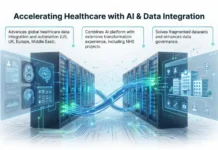







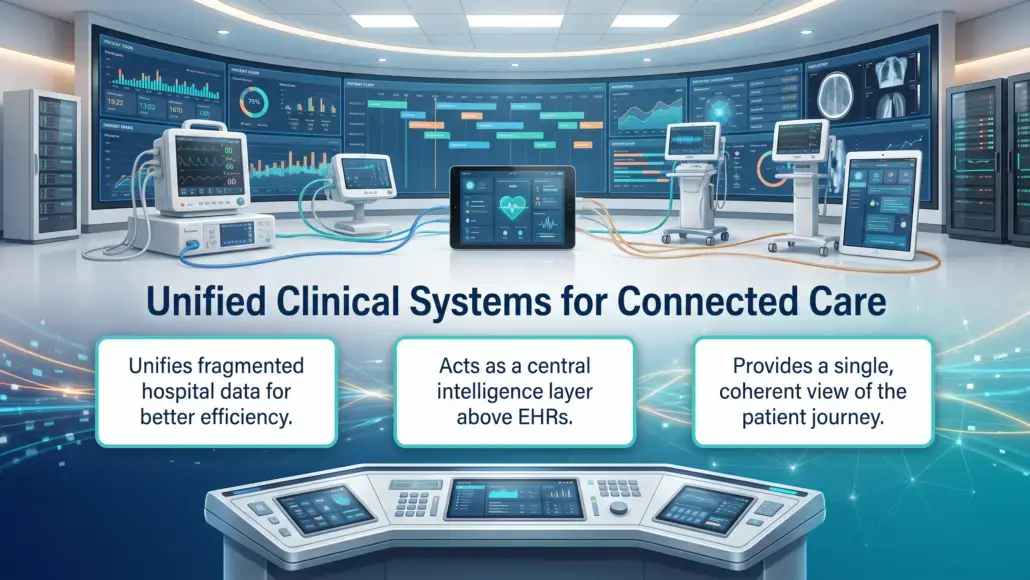
The fragmentation of hospital data is a primary barrier to efficiency, yet the adoption of clinical operating systems is now enabling a unified approach to information management within connected care delivery models. These platforms serve as a centralized intelligence layer that sits above traditional electronic health records, aggregating data from disparate sources including medical devices, laboratory systems, and real-time telemetry. By providing a single, coherent view of the patient journey and hospital operations, these systems allow clinical teams to coordinate care more effectively and respond to emerging issues with greater speed. The focus of these technologies is not merely on the storage of data but on the orchestration of workflows, ensuring that the right information reaches the right clinician at the exact moment it is needed to improve patient outcomes.
Architectural Foundations of Unified Care Orchestration
The structural design of clinical operating systems is built upon the principles of high-volume data ingestion and low-latency processing. Unlike legacy hospital information systems that often operate in silos, a modern operating system utilizes a modular architecture that can integrate with a wide variety of third-party applications and hardware. This flexibility is essential for accommodating the diverse technological needs of different clinical departments, from the intensive care unit to the outpatient clinic. The system acts as a middleware that standardizes data formats, such as FHIR (Fast Healthcare Interoperability Resources), ensuring that information can flow between systems without loss of context or accuracy. This standardization is a critical step in building a truly connected care environment where data is a liquid asset that supports clinical decision-making across the entire enterprise.
In addition to data integration, these platforms incorporate sophisticated rules engines that can automate routine tasks and provide intelligent alerts to the healthcare team. For instance, a clinical operating system can monitor patient vitals in real-time and automatically trigger a rapid response team activation if certain physiological thresholds are crossed. By automating these processes, the system reduces the cognitive load on nursing and medical staff, allowing them to focus more of their attention on direct patient interaction. The orchestration of these events is managed through a central dashboard that provides a real-time status update for every patient in the facility, improving situational awareness for hospital leadership and frontline clinicians alike. The shift toward this proactive management model is a key driver of the improvements in patient safety and operational efficiency observed in hospitals that have implemented these systems.
Eliminating Information Silos and Enhancing Interoperability
One of the most significant challenges in modern healthcare is the prevalence of information silos, where critical patient data is trapped within specific devices or departmental software. Clinical operating systems address this issue by creating a unified data layer that is accessible across the entire care continuum. This accessibility ensures that a specialist in the emergency department has immediate access to the same information as the patient’s primary care physician or a surgeon in the operating room. The elimination of these silos reduces the risk of errors caused by incomplete or outdated information, such as conflicting medication orders or missed diagnostic results. In a connected care delivery environment, the ability to maintain a continuous thread of information is vital for ensuring the safety and quality of transitions between different levels of care.
The impact of improved interoperability extends beyond the walls of the individual hospital, facilitating better coordination with external partners such as rehabilitation centers and home health agencies. By providing a secure portal for the exchange of data, clinical operating systems allow for a more collaborative approach to discharge planning and post-acute care management. This coordination is essential for reducing readmission rates and ensuring that patients receive the support they need during the critical period following a hospital stay. The use of standardized APIs (Application Programming Interfaces) allows these systems to connect with a growing ecosystem of digital health tools, from remote monitoring devices to patient engagement apps, further expanding the reach of the connected care network. The focus remains on the patient, ensuring that their care is seamless and coordinated regardless of where they are in the healthcare system.
Optimization of Resource Allocation and Workflow Efficiency
The operational efficiency of a healthcare organization is directly linked to its ability to manage resources, including staff, beds, and specialized equipment. Clinical operating systems provide the data-driven insights needed to optimize these resources in real-time, reducing bottlenecks and improving patient throughput. By analyzing current and predicted patient volumes, the system can assist hospital administrators in adjusting staffing levels and prioritizing procedures to maximize capacity. For example, the system can identify an impending surge in emergency department arrivals and alert the surgical suites to expedite discharges or reallocate recovery room space. This level of dynamic resource management is essential for maintaining the financial viability of healthcare organizations in an era of tightening budgets and increasing demand.
Workflow optimization is also a primary benefit for frontline clinicians, who often spend a significant portion of their time on administrative tasks. Clinical operating systems can streamline documentation by auto-populating fields from connected devices and providing voice-to-text capabilities. This reduction in manual data entry not only improves the accuracy of the medical record but also helps to mitigate clinician burnout, a major issue in the modern healthcare workforce. By providing clinicians with a more intuitive and efficient interface, these systems allow them to spend more time practicing at the top of their license. The data collected by the system can also be used to identify areas where clinical processes can be improved, leading to a culture of continuous quality enhancement. The focus on efficiency is not an end in itself but a means of creating a more sustainable and effective care delivery model.
Strengthening Patient Safety through Intelligent Monitoring
The prevention of adverse events is a cornerstone of clinical practice, and clinical operating systems provide the tools needed to identify and mitigate risks before they harm the patient. Through the use of continuous, intelligent monitoring, these systems can detect subtle signs of clinical deterioration that may be missed by periodic manual assessments. For instance, the system can track the trend of a patient’s respiratory rate and oxygen saturation over time, providing an early warning of impending respiratory failure. These alerts are directed to the most appropriate member of the care team, ensuring a timely and effective response. The integration of clinical decision support tools also helps to prevent medication errors and ensure that care is delivered according to established evidence-based protocols.
The safety benefits of these systems also extend to the management of hospital-acquired infections and other complications. By monitoring data from the microbiology lab and environmental sensors, the system can identify potential outbreaks and alert the infection control team to take preventive action. The ability to track the movement of staff and equipment within the facility also helps to identify and mitigate the risks associated with the spread of pathogens. In a connected care delivery environment, the use of data to drive safety initiatives is a powerful tool for improving the overall quality of care. The transparency provided by the system also allows for a more thorough analysis of near-miss events and adverse outcomes, leading to a deeper understanding of the root causes of clinical errors and the development of more resilient care processes.
Future Developments in Healthcare System Integration
As the healthcare industry continues to evolve, the role of clinical operating systems will expand to incorporate even more advanced technologies and data sources. The integration of artificial intelligence and machine learning will provide even deeper insights into patient health and hospital operations, allowing for more precise predictions and more effective interventions. We are likely to see the development of more specialized modules for specific clinical areas, such as oncology or cardiology, providing clinicians with tailored tools for managing complex patient populations. The expansion of these systems into the home setting will also be a key area of growth, as more care is delivered outside of the traditional hospital environment. This will require new capabilities for managing data from consumer wearables and home-based medical devices, further blurring the lines between clinical and personal health technology.
The ultimate success of clinical operating systems will depend on the continued collaboration between technology developers, healthcare providers, and regulatory bodies. Ensuring that these systems are safe, effective, and easy to use is a complex task that requires ongoing dialogue and innovation. The focus must remain on the patient, ensuring that technology serves to enhance the human element of care rather than replace it. By providing a solid foundation for connected care delivery, clinical operating systems are helping to create a more integrated, efficient, and safer healthcare system for everyone. The potential for these technologies to improve the lives of both patients and clinicians is significant, and the ongoing investment in this space is a testament to their value. Through a commitment to excellence and a focus on measurable outcomes, the healthcare industry can realize the full potential of these advanced information systems.