














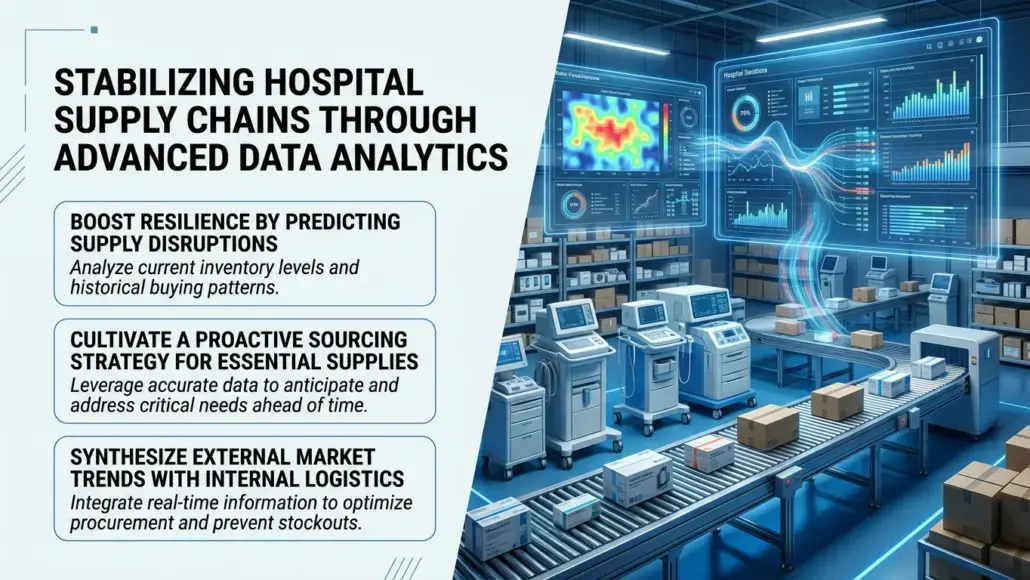

The global healthcare industry has encountered unprecedented disruptions in recent years, highlighting the vulnerabilities of traditional procurement models. To address these challenges, hospital systems are increasingly turning to advanced data analytics to stabilize their operations. By synthesizing vast quantities of historical purchasing data, current inventory levels, and external market trends, organizations can develop a more proactive approach to sourcing essential medical supplies. This evolution from reactive buying to strategic, data-driven decision-making is essential for maintaining operational continuity in a volatile environment.
Supply chain resilience is no longer a peripheral concern but a core strategic priority for hospital administrators. The ability to anticipate potential shortages before they impact clinical care allows institutions to secure alternative sources or adjust their consumption patterns accordingly. Analytical tools can identify patterns in supplier performance, revealing which partners are most reliable during periods of high demand. This level of insight enables procurement teams to build a diversified supplier base, reducing the risks associated with over-reliance on a single geographic region or vendor. In addition to performance tracking, these tools can analyze the ethical and sustainability practices of suppliers, ensuring that the hospital’s procurement strategy aligns with broader corporate social responsibility goals. The ability to audit the entire supply network for compliance with international labor standards and environmental regulations is becoming increasingly important for healthcare institutions. By incorporating these non-financial metrics into the decision-making process, hospitals can build a more ethical and sustainable supply chain that resonates with patients and the community. This holistic view of the supplier relationship goes beyond cost and reliability, encompassing a wide range of factors that contribute to the overall resilience and reputation of the organization. As procurement teams become more sophisticated in their use of data, they can develop more nuanced sourcing strategies that balance cost, quality, and social impact. This multi-dimensional approach to procurement is a key driver of long-term success in the healthcare sector, where the pressure to deliver high-quality care at a reasonable cost is constantly increasing. By utilizing data to understand the complexities of the global supply market, hospitals can position themselves as leaders in operational excellence and social responsibility.
Additionally, the implementation of predictive modeling helps in forecasting future needs with greater accuracy.
By examining the correlation between patient admissions, seasonal disease patterns, and supply usage, hospitals can fine-tune their inventory levels. This precision prevents the accumulation of excess stock while ensuring that critical items are always available. The integration of real-time data into the procurement process transforms the supply chain into a dynamic asset that responds to the specific needs of the clinical environment. Developing a deep understanding of these variables allows for a more nuanced approach to resource management. When clinicians have access to the exact tools they require at the precise moment of need, the entire healthcare delivery process becomes more fluid and reliable. This systemic stability is the result of a deliberate move away from traditional, siloed procurement practices toward a more integrated and transparent digital ecosystem. The ability to visualize the entire flow of goods, from the initial purchase order to the point of consumption at the patient’s bedside, provides a level of control that was previously impossible. This transparency is particularly crucial for managing high-value surgical components and specialized pharmaceuticals that have strict storage requirements. By maintaining a constant stream of high-quality data, hospitals can ensure that their supply chains are not only efficient but also highly responsive to the ever-changing demands of modern medicine.
Integrating Predictive Analytics for Long Term Strategic Sourcing
Moving beyond short-term tactical responses, data-driven procurement allows hospitals to engage in long-term strategic sourcing. By understanding the total cost of ownership for various products, rather than just the initial purchase price, organizations can make more economically sound decisions. For example, a slightly more expensive surgical tool might have a longer lifespan or lower maintenance costs, resulting in significant savings over time. These analytical insights empower procurement specialists to negotiate better contracts and build stronger relationships with high-value suppliers.
The use of cloud-based platforms facilitates the sharing of information across large healthcare networks. When multiple facilities within a system use a unified data platform, they can consolidate their purchasing power and achieve economies of scale. Centralized visibility into the inventory levels of every hospital in the network allows for the efficient redistribution of stock during emergencies. This collaborative approach enhances the overall supply chain resilience of the entire organization, ensuring that no single facility is left without essential resources.

Mitigating Risk Through Real Time Monitoring and Supplier Collaboration
Risk management is a fundamental component of a modern procurement strategy. The ability to monitor the entire lifecycle of a product, from raw material sourcing to final delivery, provides a layer of transparency that is vital for quality control. Data-driven systems can flag potential issues, such as delays in shipping or changes in product quality, allowing procurement teams to intervene early. This proactive monitoring is a key factor in building supply chain resilience, as it minimizes the impact of external shocks on internal hospital operations.
Collaboration with suppliers is also enhanced through the use of shared data platforms. When vendors have visibility into a hospital’s inventory levels and usage forecasts, they can better plan their own production and delivery schedules. This transparency reduces the likelihood of sudden stockouts and fosters a more partnership-oriented relationship. Instead of a purely transactional interaction, the hospital and the supplier work together to ensure a steady flow of high-quality medical products.
- Real-time supplier scorecards allow for continuous performance evaluation.
- Automated alerts for market price fluctuations improve budgetary control.
- Geographic risk assessment tools identify potential logistics bottlenecks.
- Digital contract management ensures compliance with agreed-upon terms.
- Centralized data repositories facilitate standardized reporting across multiple hospital sites.
- Automated verification of invoice accuracy reduces the risk of overpayment.
- Demand sensing technology provides early warning signals for localized supply shortages.
- Predictive maintenance schedules for medical equipment reduce unexpected downtime.
By utilizing these tools, hospitals can move away from manual, paper-based processes that are slow and prone to error. Digital transformation in procurement not only improves efficiency but also provides a wealth of data that can be used to drive continuous improvement. The resulting transparency and speed are essential for navigating the complexities of the modern medical supply market. When every purchase is backed by empirical data, the institution can be confident in its ability to meet the needs of its patients.
Strengthening Organizational Agility Through Digital Governance Frameworks
The success of a data-driven procurement strategy depends on the underlying governance framework. Accurate data is the foundation of effective analysis, and institutions must ensure that their data collection processes are standardized across all departments. This requires clear protocols for data entry and regular audits to maintain information integrity. By establishing strong digital governance, hospitals can ensure that their analytical tools are providing reliable insights that lead to better clinical and financial outcomes.
Improving the resilience of the supply chain also involves training staff to utilize new technologies effectively. Procurement specialists need to be adept at interpreting data and translating it into actionable strategies. This cultural shift toward evidence-based decision-making is a critical part of the organizational transformation. When staff members understand the value of data, they are more likely to support the implementation of new systems and contribute to the ongoing refinement of the procurement process.
The integration of product availability analytics improving hospital supply planning ensures that the organization can adapt to changing clinical requirements. Whether facing a sudden surge in emergency room visits or a long-term shift in the types of procedures being performed, the hospital can adjust its procurement strategy in real time. This agility is a hallmark of a mature, data-driven organization that prioritizes long-term stability over short-term gains.
Enhancing Patient Safety and Clinical Outcomes Through Supply Precision
At its core, the primary goal of any hospital initiative is to improve patient outcomes. A resilient supply chain ensures that doctors and nurses have the tools they need to perform their duties safely and effectively. When essential medications or sterilized instruments are unavailable, patient care is compromised, and the risk of complications increases. By prioritizing supply chain resilience, hospitals are directly investing in the safety and well-being of their patients.
The precision offered by data-driven procurement also extends to the quality of the products being sourced. Analytical tools can track the clinical performance of different brands and models, helping hospitals select the products that lead to the best patient outcomes. This focus on value-based procurement ensures that the institution is not just buying the cheapest items but the most effective ones. The resulting improvement in care quality is a powerful justification for the investment in advanced procurement technology.
Finally, the financial savings realized through more efficient procurement can be reinvested into clinical programs and patient services. By reducing waste and optimizing their spending, hospitals can expand their capabilities and offer a wider range of treatments. This virtuous cycle of improvement is driven by a commitment to data-driven decision-making and a relentless focus on operational excellence. As the healthcare industry continues to evolve, the ability to maintain a stable, resilient supply chain will remain a defining characteristic of successful hospital systems. Continuous innovation in procurement strategies will ensure that these organizations are prepared to meet the challenges of the future while delivering the highest standard of care today. The transition to a more analytical model requires a long-term commitment from hospital leadership and a willingness to invest in the necessary digital infrastructure. By fostering a culture of data literacy and promoting interdepartmental collaboration, institutions can overcome the traditional barriers to procurement efficiency.
The ultimate reward for this effort is a healthcare system that is more resilient, more efficient, and better equipped to handle the complexities of patient care in the twenty-first century. As hospitals look toward the future, the integration of advanced analytics into every aspect of the supply chain will be a fundamental driver of clinical and financial success. This holistic approach ensures that every resource is utilized to its fullest potential, maximizing the value delivered to patients and the community at large. By embracing the power of data, healthcare organizations can build a foundation of supply chain resilience that will support their mission for decades to come. Additionally, the ability to adapt to new regulatory requirements and environmental standards is greatly enhanced by a data-driven approach, allowing hospitals to remain compliant and socially responsible in an increasingly complex global market. This comprehensive strategy is not just about efficiency; it is about building a sustainable future for healthcare delivery.