















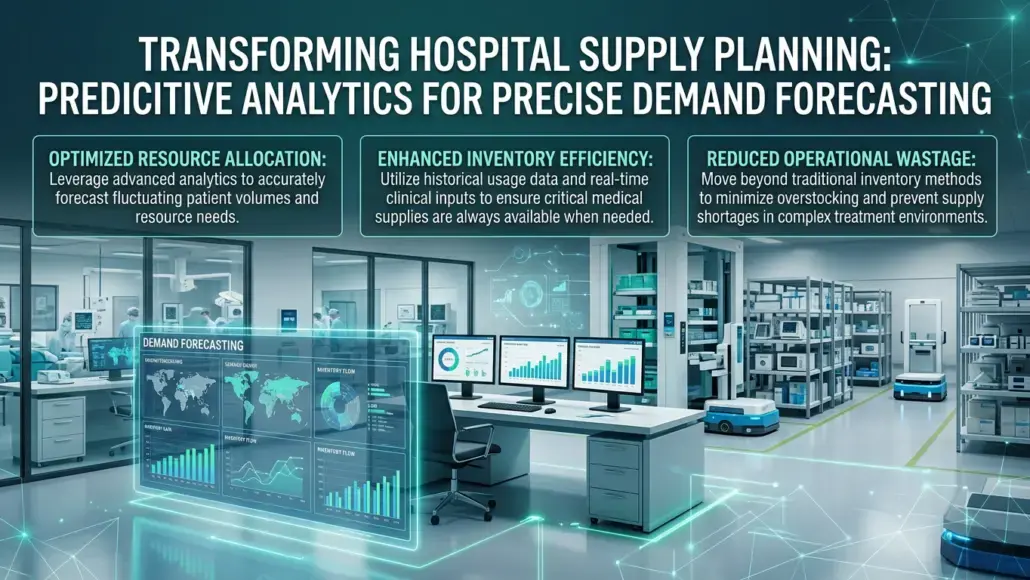

The ability to accurately predict the needs of a modern hospital is a fundamental challenge for healthcare administrators. With fluctuating patient volumes and the increasing complexity of medical treatments, traditional inventory management methods are no longer sufficient. Product availability analytics provide a sophisticated solution for addressing these challenges by utilizing historical usage data and real-time clinical information to forecast demand. By understanding the specific requirements of every department, hospitals can ensure that essential supplies are available without the burden of excessive stock. This level of precision is critical for maintaining the operational efficiency of the entire institution and is a core component of effective supply planning.
Advanced analytical tools can identify subtle patterns in supply consumption that might be missed by manual observation. For instance, the system might reveal a correlation between specific surgical procedures and the usage of high-value disposable instruments. By incorporating these insights into the planning process, hospitals can adjust their inventory levels to match the expected clinical activity. This proactive approach reduces the risk of stockouts during periods of high demand and prevents the accumulation of stagnant capital in the form of unused equipment. The resulting transparency and control are essential for navigating the financial pressures of the modern healthcare environment.
Additionally, the implementation of these analytical systems allows for more accurate budgeting and resource allocation.
By providing a clear picture of future needs, procurement teams can negotiate more favorable contracts with suppliers and optimize their spending patterns. This data-driven approach ensures that funds are directed toward the most critical areas of patient care, maximizing the impact of every dollar spent. By treating the supply chain as a strategic asset, healthcare organizations can build a more resilient and efficient infrastructure that is prepared for any situation.
Reducing Clinical Waste and Improving Resource Utilization Through Data
Waste reduction is a primary goal for any healthcare organization, both for environmental and financial reasons. Expired medications and sterilized supplies that are never used represent a significant loss of resources and can impact the overall quality of care. Product availability analytics address this issue by providing real-time visibility into the shelf life and usage rates of every item in the inventory. By utilizing this information, hospitals can implement a more effective first-in, first-out (FIFO) rotation system, ensuring that older stock is used before newer shipments arrive. This systematic approach to inventory management significantly reduces the volume of discarded materials and improves the overall sustainability of the facility.
The ability to track the usage of high-value items, such as surgical implants and specialized diagnostic kits, is particularly important. These items often have strict storage requirements and limited shelf lives, making them prone to waste if not managed carefully. Analytical tools can monitor the movement of these assets throughout the hospital, ensuring that they are stored correctly and used efficiently. By reducing the reliance on manual tracking, organizations can minimize the risk of human error and ensure that every resource is utilized to its fullest potential.
- Real-time tracking of expiration dates reduces the volume of discarded medical supplies by thirty percent.
- Automated alerts for low stock levels prevent clinical disruptions and emergency procurement costs.
- Analysis of usage patterns across different departments identifies opportunities for inventory redistribution.
- Integration with procurement systems ensures that reorder points are based on actual clinical demand.
Additionally, the insights gained from these analytics can be used to optimize the layout of storage areas and the frequency of internal deliveries. By understanding which items are most frequently used, hospital logistics teams can ensure that they are stored in the most accessible locations. This optimization of the physical environment reduces the time staff spend searching for supplies and improves the overall efficiency of the clinical workflow. The resulting time savings can be redirected toward direct patient care, further enhancing the quality of the hospital’s services.

Integrating Supply Planning with Broad Organizational Strategy
The success of any supply chain initiative depends on its alignment with the overall goals of the healthcare institution. Supply planning must be integrated into the strategic planning process, ensuring that inventory management supports the clinical and financial objectives of the organization. By establishing clear lines of communication between clinical leaders, procurement teams, and administrative executives, hospitals can create a unified approach to resource management. This collaborative framework ensures that every technological investment is directed toward improving patient outcomes and operational efficiency.
The integration of data-driven procurement improving hospital supply chain resilience is a prime example of how different technological systems can work together to achieve a common goal. By combining procurement data with product availability analytics, hospitals can build a more resilient and responsive supply chain. This integrated approach allows for a more holistic view of the entire resource lifecycle, enabling organizations to identify and address vulnerabilities before they impact patient care. The resulting stability and predictability are essential for maintaining the high standards of care that patients expect.
Additionally, the use of advanced analytics allows for more effective collaboration with external partners, such as manufacturers and distributors.
By sharing demand forecasts and inventory data with suppliers, hospitals can ensure a more steady and reliable flow of essential goods. This transparency reduces the likelihood of sudden market shortages and allows for more efficient production and delivery schedules. By building strong, data-driven relationships with their supply partners, healthcare organizations can enhance their overall resilience and ensure the long-term sustainability of their operations.
Enhancing Clinical Efficiency and Patient Outcomes Through Supply Precision
At its core, the primary goal of any hospital supply initiative is to improve the quality of patient care. When doctors and nurses have the tools they need to perform their duties safely and effectively, the risk of complications decreases, and patient outcomes improve. A well-managed supply chain ensures that essential medications and sterilized instruments are always available, allowing for a more seamless and reliable clinical workflow. By prioritizing supply planning, hospitals are directly investing in the safety and well-being of their patients.
The precision offered by analytical tools also extends to the selection of the products themselves. By tracking the clinical performance and cost-effectiveness of different brands and models, hospitals can make more informed decisions about which items to include in their inventory. This focus on value-based procurement ensures that the institution is sourcing the most effective products for its patients, rather than just the least expensive ones. The resulting improvement in care quality is a powerful justification for the investment in advanced supply chain technology.
Finally, the time and financial resources saved through more efficient supply management can be reinvested into other clinical programs and patient services. By reducing the administrative burden on clinical staff and optimizing their spending, hospitals can expand their capabilities and offer a wider range of treatments. This virtuous cycle of improvement is driven by a commitment to data-driven decision-making and a relentless focus on operational excellence. As the healthcare industry continues to evolve, the ability to maintain a stable and efficient supply chain will remain a defining characteristic of successful hospital systems.
Technical Implementation and Organizational Change Management
The successful deployment of supply planning analytics requires both technical expertise and a commitment to organizational change. Institutions must invest in the necessary digital infrastructure, including hardware, software, and data management systems. This requires a significant financial investment and a long-term commitment from hospital leadership. However, the potential returns in terms of improved efficiency and patient safety far outweigh the initial costs. By building a strong foundation for data-driven decision-making, healthcare organizations can position themselves for success in an increasingly complex and demanding environment.
Cultural change is also essential for the long-term success of any technological initiative. Staff members must be trained to use the new tools effectively and to understand the value of data-driven planning. This requires a comprehensive education strategy and ongoing support from clinical advocates and IT professionals. By involving frontline staff in the implementation process and addressing their concerns directly, leadership can build a shared vision for the future and ensure that the new systems are embraced by the entire organization.
The security and integrity of the data collected through these systems must also be a top priority. As more aspects of the supply chain become digitally integrated, the risk of cyberattacks and data breaches increases. Hospitals must implement strong security protocols, including encryption and comprehensive access controls, to protect sensitive information and comply with regulatory standards. Continuous monitoring and regular audits are necessary to ensure that the system remains secure and functional over the long term. By prioritizing data security, healthcare organizations can utilize the benefits of advanced analytics without compromising the safety of their digital infrastructure. The ongoing refinement of supply planning strategies will ensure that hospitals remain at the forefront of clinical and operational excellence, delivering the highest standard of care to every patient.