














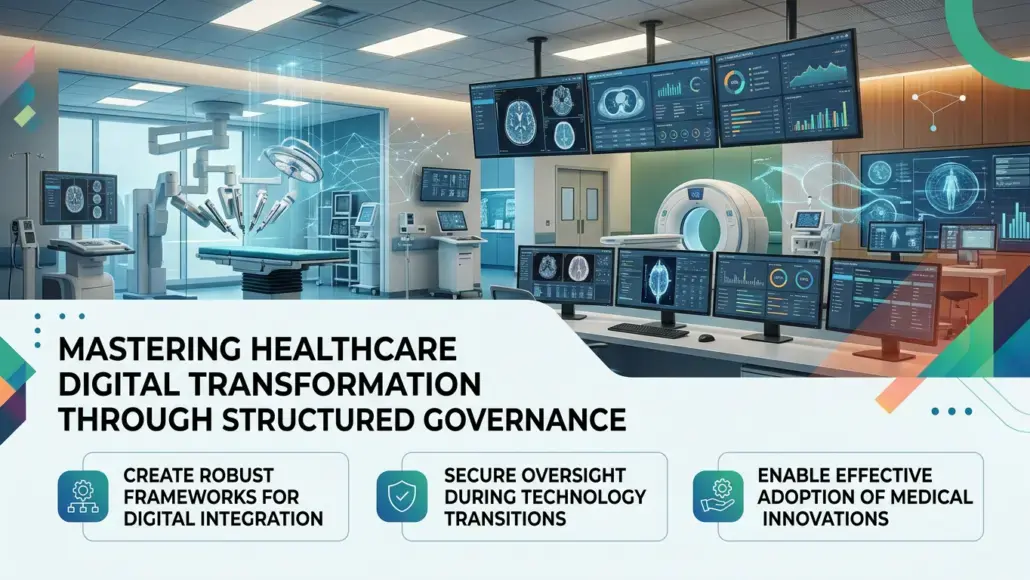

The rapid evolution of medical technology has necessitated a shift in how healthcare institutions manage their internal processes. As hospitals transition from legacy systems to integrated digital platforms, the importance of structured oversight cannot be overstated. Digital process governance provides the framework necessary to ensure that new technologies are implemented in a way that supports, rather than hinders, clinical activity. By establishing clear standards for data management, software integration, and user access, organizations can create a stable environment for long-term growth. This foundational work is essential for any facility aiming to achieve successful hospital transformation at scale.
Effective governance begins with the creation of a cross-functional steering committee that includes clinical leaders, IT specialists, and administrative executives. This diverse group is responsible for defining the strategic objectives of the transformation and ensuring that every technological investment aligns with the organization’s mission. By involving frontline medical staff in the decision-making process, hospitals can ensure that new digital tools are designed to meet the actual needs of the people using them. This collaborative approach reduces the likelihood of system rejection and fosters a culture of innovation across the entire institution.
Additionally, the establishment of standardized protocols for digital workflows ensures consistency across different departments.
When every unit follows the same procedures for documenting patient interactions, ordering tests, and managing prescriptions, the quality of data improves significantly. This standardization is critical for large healthcare networks where patient information must move across multiple facilities. By prioritizing consistency and clarity, digital process governance enables a more seamless flow of information, ultimately leading to better clinical decisions and improved patient outcomes.
Aligning Clinical Workflows with Institutional Technological Objectives
One of the greatest challenges in hospital transformation is ensuring that new digital tools do not disrupt the delicate balance of clinical care. Doctors and nurses work in high-pressure environments where every second counts, and any technological friction can have serious consequences. Digital process governance addresses this by focusing on workflow optimization. By mapping out existing clinical processes and identifying areas where digital tools can add value, organizations can implement changes that enhance efficiency without compromising safety. This alignment between technology and clinical practice is a fundamental requirement for a modern healthcare facility.
The use of evidence-based methodologies to evaluate new technologies is another key component of effective governance. Rather than adopting the latest trends, hospitals must use empirical data to assess the potential impact of any new system on patient care and operational efficiency. This rigorous evaluation process ensures that resources are directed toward the most impactful innovations. By maintaining a focus on measurable outcomes, organizations can justify their technological investments and demonstrate the value of their transformation initiatives to stakeholders.
Additionally, the governance framework must include a strategy for ongoing training and support. Digital tools are only effective if the people using them are proficient in their operation. Hospitals must invest in comprehensive training programs that cater to different levels of technical expertise. Providing immediate, on-site support during the initial phase of a new system rollout is also essential for minimizing disruptions and building confidence among staff members. By prioritizing the human element of the digital transition, organizations can ensure that their technological advancements translate into real-world improvements in care delivery.

Managing Data Integrity and Security in a Connected Healthcare Ecosystem
As hospitals become more digitally integrated, the volume and complexity of the data they generate increase exponentially. Managing this data effectively requires a sophisticated governance strategy that prioritizes integrity and security. Digital process governance defines the rules for data entry, storage, and sharing, ensuring that every piece of information is accurate and accessible to authorized personnel. This focus on data quality is essential for providing clinicians with a complete and reliable picture of the patient’s health.
Security is another critical aspect of digital governance. The interconnected nature of modern healthcare systems makes them attractive targets for cyberattacks. Organizations must implement multi-layered security protocols, including encryption, two-factor authentication, and regular vulnerability assessments. By building security into the design of their digital infrastructure, hospitals can protect sensitive patient information and maintain the trust of the community. A proactive approach to risk management is a core component of a successful hospital transformation strategy.
- Regular data audits ensure compliance with national healthcare privacy regulations.
- Automated backup systems prevent data loss during technical failures.
- Role-based access controls limit sensitive information to authorized staff.
- Encryption protocols protect patient data during transmission across networks.
The governance of data also extends to the use of artificial intelligence and machine learning. As these technologies become more prevalent in healthcare, organizations must establish clear ethical guidelines for their application. This includes ensuring that AI models are transparent, unbiased, and subject to clinical oversight. By integrating ethical considerations into the governance framework, hospitals can utilize the power of advanced analytics while maintaining the highest standards of professional conduct and patient safety.
Scaling Transformation Initiatives Across Diverse Clinical Environments
For large healthcare networks, the ability to scale digital initiatives across multiple locations is a major advantage. However, what works in a small community clinic may not be suitable for a large teaching hospital. Digital process governance provides the flexibility needed to adapt transformation strategies to different clinical environments. By establishing a core set of standards that can be customized to meet local needs, organizations can ensure that every facility benefits from the overall digital strategy.
Monitoring and evaluation are essential for managing the scaling process. By tracking key performance indicators across different sites, organizations can identify best practices and areas for improvement. This data-driven approach allows for the continuous refinement of the transformation strategy, ensuring that it remains relevant and effective as the organization grows. Sharing successes and lessons learned across the network fosters a sense of collective progress and encourages ongoing innovation.
The implementation of rfid-based inventory management improving hospital stock visibility is a prime example of how a standardized digital process can be scaled to improve efficiency. By adopting a unified approach to asset tracking, a healthcare network can achieve significant cost savings and improve equipment availability at every site. This type of coordinated effort is only possible when there is a strong governance framework in place to guide the implementation and ensure consistency across the organization.
Overcoming Organizational Barriers and Fostering a Culture of Innovation
Successful hospital transformation requires more than just technical expertise; it requires a commitment to cultural change. Digital process governance must address the human factors that can impede progress, such as resistance to change or a lack of technical confidence. By communicating the benefits of digital transformation clearly and involving staff at all levels of the organization, leadership can build a shared vision for the future. This inclusive approach is essential for creating a culture where innovation is valued and supported.
Leadership plays a critical role in driving the transformation process. Executives must demonstrate their commitment to the digital strategy by allocating the necessary resources and providing visible support for new initiatives. By leading by example and prioritizing the adoption of new technologies, they can inspire their teams to embrace the changes and work toward the common goal of improved patient care. A clear and consistent message from the top of the organization is a powerful tool for overcoming organizational inertia.
Finally, the governance framework must be dynamic and adaptable. The healthcare industry is constantly changing, and the digital strategy must evolve to meet new challenges and opportunities. Regular reviews of the governance protocols ensure that they remain effective and aligned with the organization’s strategic objectives. By remaining flexible and open to feedback, hospitals can ensure that their transformation journey continues to deliver value for patients, staff, and the community. This commitment to continuous improvement is the hallmark of a truly successful hospital transformation. The journey toward a fully digital healthcare environment is complex and demanding, but the rewards in terms of improved efficiency, safety, and patient outcomes are immense. By prioritizing structured digital process governance, healthcare institutions can manage this transition with confidence and build a foundation for long-term success in the digital age. As new technologies continue to emerge, the strength of the governance framework will determine how effectively they are integrated into the clinical workflow, ensuring that the hospital remains at the forefront of medical excellence.