







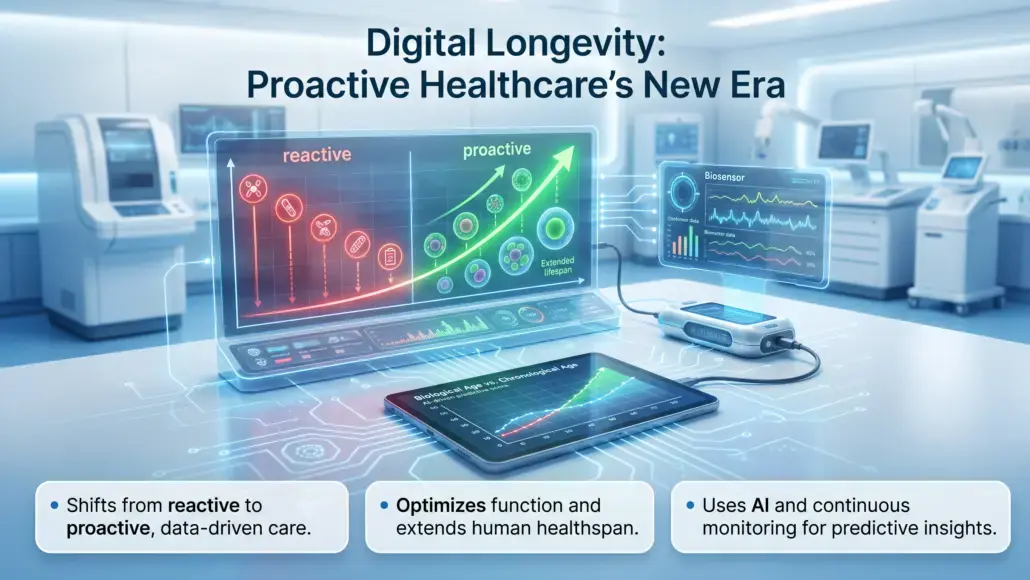
Healthcare providers are increasingly integrating digital longevity platforms into their clinical workflows to address the rising burden of age-related chronic diseases through a proactive, data-driven framework. These systems represent a departure from reactive medicine, focusing instead on the optimization of physiological function and the extension of the human healthspan. By combining biological age testing, continuous biomarker monitoring, and AI-driven predictive analytics, these platforms provide both clinicians and patients with a detailed roadmap for maintaining optimal health over decades. The shift toward this model is being fueled by advancements in geroscience and the recognition that the fundamental processes of aging are the primary risk factors for the majority of non-communicable diseases. Consequently, these platforms are becoming essential tools for the next generation of preventive healthcare, where the goal is to intervene well before the onset of symptomatic illness.
The Scientific Foundation of Biological Age Tracking
The effectiveness of digital longevity platforms rests on their ability to accurately quantify an individual’s biological age, a metric that often differs significantly from chronological age. Unlike the simple passage of years, biological age reflects the actual state of a person’s cellular and systemic health, influenced by genetics, environment, and lifestyle choices. These platforms utilize a variety of “aging clocks,” such as epigenetic methylation markers, proteomic profiles, and glycomic analysis, to provide a multidimensional view of a patient’s aging rate. By identifying specific areas where a patient is aging more rapidly than expected, clinicians can tailor interventions to address those particular vulnerabilities. This precision is a cornerstone of the modern preventive strategy, allowing for a level of personalization that was previously impossible using traditional risk assessments.
In addition to advanced molecular testing, these platforms often incorporate data from more traditional clinical sources, such as comprehensive blood panels and imaging studies. The synthesis of these diverse data types allows for a more holistic understanding of a patient’s status. For instance, a digital longevity platform might correlate a patient’s inflammatory markers with their cardiovascular health and metabolic efficiency, providing a unified score that represents their total physiological resilience. This integrated approach is vital for detecting early signs of system decline that might be missed if each metric were viewed in isolation. As the database of biological aging signatures continues to expand, the accuracy of these tracking systems is improving, providing a more reliable foundation for long-term health planning. The focus remains on the identification of modifiable risk factors that can be addressed through targeted clinical and lifestyle interventions.
AI-Driven Analytics and Personalized Health Roadmaps
The true power of digital longevity platforms lies in their ability to process vast amounts of personal health data and generate actionable insights through the use of sophisticated artificial intelligence. These algorithms are trained on large cohorts of clinical data to identify the patterns associated with optimal health and long-term vitality. When a patient’s data is fed into the system, the AI can compare their profile to these benchmarks and predict their future health trajectory based on their current status. This predictive capability allows clinicians to simulate the impact of different interventions, such as specific nutritional protocols or pharmacological therapies, before they are implemented. This data-driven decision-making process reduces the trial-and-error approach often associated with preventive care, leading to more efficient and effective outcomes.
The health roadmaps generated by these platforms are highly dynamic, adjusting in real-time as new data is collected from wearable devices and periodic clinical assessments. This continuous feedback loop is essential for maintaining patient engagement and ensuring that interventions remain aligned with the patient’s changing needs. For example, if a patient’s sleep quality or heart rate variability begins to decline, the platform can alert the clinician to potential issues before they manifest as clinical symptoms. This level of oversight provides a sense of security for the patient while allowing the healthcare team to manage risks more effectively. The integration of these platforms into the patient-provider relationship fosters a more collaborative approach to health, where the patient is an active participant in their own longevity journey. The focus on measurable outcomes and data transparency is a key differentiator of this new model of care.
The Economic Shift Toward Value-Based Preventive Care
The adoption of digital longevity platforms is also being driven by a fundamental shift in healthcare economics toward value-based models that reward the maintenance of health rather than the volume of services provided. Chronic diseases associated with aging account for the vast majority of healthcare spending in developed nations, and the cost of treating these conditions is projected to increase as populations age. By identifying and addressing the drivers of these diseases early, digital longevity platforms can significantly reduce the long-term financial burden on healthcare systems. The prevention of a single case of type 2 diabetes or heart failure can save hundreds of thousands of dollars in lifetime treatment costs, illustrating the high return on investment for these preventive technologies.
In addition, these platforms facilitate a more efficient allocation of clinical resources by identifying high-risk individuals who require more intensive monitoring and support. This allows healthcare organizations to focus their efforts where they will have the greatest impact, improving the overall productivity of the care delivery system. The data generated by these platforms can also be used to demonstrate the clinical effectiveness of preventive interventions, providing the evidence needed to secure reimbursement from insurers and government agencies. As the evidence base for longevity medicine continues to grow, the inclusion of these platforms in standard health benefit packages is likely to become more common. This economic alignment is a critical factor in the widespread adoption of preventive healthcare strategies, ensuring that the financial incentives of providers and payers are focused on the long-term health of the population.
Clinical Integration and the Evolving Role of the Practitioner
The successful implementation of digital longevity platforms requires a significant evolution in the role of the healthcare practitioner, moving from a diagnostic and treatment specialist to a health optimization partner. This transition requires clinicians to develop a deep understanding of aging biology and the computational tools used to track and manage it. Medical education programs are beginning to incorporate these topics into their curricula, preparing the next generation of doctors for a future where preventive care is the primary focus of their practice. The integration of these platforms into the clinical workflow also requires new processes for data management and patient communication, ensuring that the insights generated by the AI are translated into meaningful clinical actions.
Despite the benefits, the clinical integration of these platforms is not without challenges. Practitioners must manage the influx of data from continuous monitoring systems and ensure that it is used in a way that does not lead to over-diagnosis or patient anxiety. The development of clinical guidelines for the use of longevity platforms is an ongoing process, involving professional organizations and regulatory bodies. These guidelines are essential for ensuring that the technologies are used safely and effectively across different clinical settings. The relationship between the clinician and the platform is one of synergy, where the human expertise of the practitioner is augmented by the analytical power of the machine. This partnership is the key to delivering the personalized, data-driven care that is the hallmark of modern preventive healthcare.
Future Perspectives on Global Healthspan Extension
Looking forward, the continued development of digital longevity platforms will play a central role in the global effort to extend the human healthspan and improve quality of life in an aging population. As these technologies become more accessible and affordable, they will have the potential to democratize high-quality preventive care, reaching individuals in underserved communities who may currently lack access to traditional healthcare services. The accumulation of longitudinal health data from millions of individuals will also provide a powerful resource for researchers, leading to a deeper understanding of the aging process and the development of new interventions to slow or reverse it. The synergy between individual health optimization and population-level data analysis will drive a virtuous cycle of innovation and improvement in global health outcomes.
The ultimate goal of digital longevity platforms is to create a future where aging is no longer synonymous with decline and disability. By providing the tools and information needed to maintain optimal health throughout the entire lifespan, these platforms are helping to redefine what it means to be healthy in the modern era. The transition to this new model of care will require ongoing collaboration between scientists, clinicians, policymakers, and the public, ensuring that the benefits of longevity medicine are shared equitably across society. Through a commitment to rigorous research and patient-centered design, the healthcare industry can realize the full potential of these platforms, creating a world where every individual has the opportunity to live a long, healthy, and productive life. The focus remains steadfast on the potential of technology to enhance human health and well-being for generations to come.