














The transformation of the global healthcare sector into an environmentally responsible and sustainable industry is a critical necessity for the long-term health of both the planet and its inhabitants. Historically, hospitals and clinical facilities have been major consumers of energy and producers of significant waste, often inadvertently contributing to the very environmental health issues they aim to treat. Today, a new paradigm is emerging where clinical excellence and ecological stewardship are recognized as interdependent goals. By integrating green hospital design, energy-efficient operational systems, and advanced waste management strategies, the medical community is proving that it can provide high-quality care while minimizing its ecological footprint. This evolution toward sustainable healthcare systems reducing environmental impact is not just a trend it is a fundamental redesign of the healthcare delivery model aimed at creating a healthier, more resilient future for everyone.
Re-evaluating the Ecological Footprint of Clinical Care
The healthcare sector is an intensive operation that requires a constant supply of energy, water, and specialized materials to function. From the 24/7 operation of life-saving medical equipment to the rigorous climate control required for sterile environments, the industry’s environmental footprint is substantial. In fact, if the global healthcare sector were a country, it would be the fifth-largest emitter of greenhouse gases on the planet. This realization has sparked a profound commitment within the industry to implement sustainable healthcare systems reducing environmental impact. The goal is to decouple clinical growth from environmental degradation, ensuring that the provision of care today does not compromise the ability of future generations to live in a healthy and stable environment.
This transition begins with a comprehensive reevaluation of the entire medical supply chain and operational life cycle. From the raw materials used in surgical instruments to the final disposal of pharmaceutical waste, every step of the process is being scrutinized for its environmental impact. By adopting a “circular economy” approach, hospitals are looking for ways to reduce, reuse, and recycle materials that were previously considered single-use. This shift requires a collaborative effort between healthcare providers, manufacturers, and waste management experts. By working together, these stakeholders are creating a more resilient and sustainable healthcare system that is better equipped to handle the challenges of a changing climate while maintaining the highest standards of patient safety and care.
The Rise of Green Hospital Design and Healing Environments
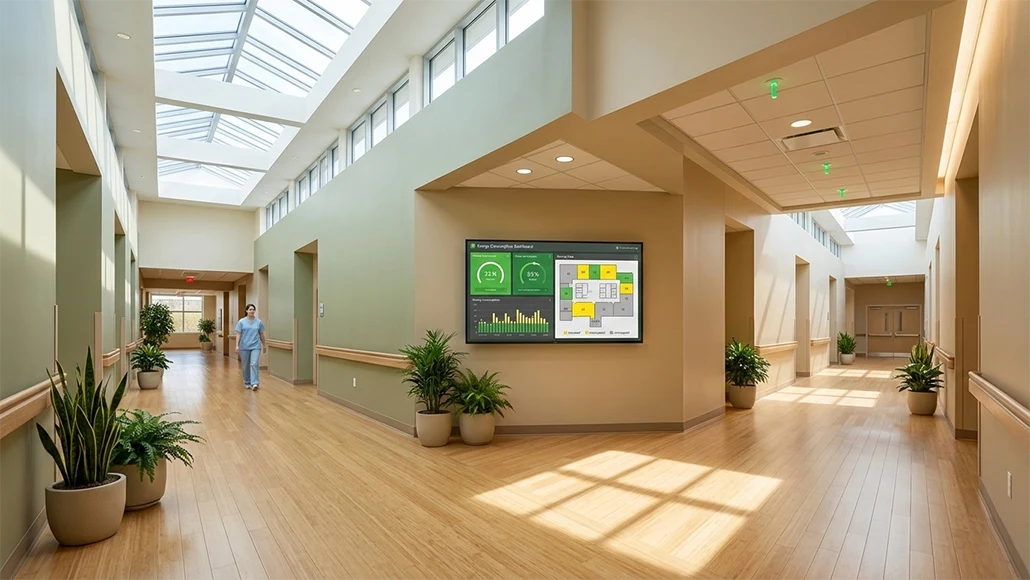
The physical structure of the hospital is perhaps the most significant lever for achieving long-term sustainability. Green hospitals are designed from the ground up to minimize energy consumption and create a restorative environment for patients and staff. This involves maximizing the use of natural light through high-performance glazing and skylights, which not only reduces the need for artificial lighting but has also been shown to improve patient recovery rates and staff well-being. Furthermore, the use of low-VOC (volatile organic compound) building materials and advanced air filtration systems ensures a healthier indoor air quality, which is vital in a clinical setting. These design choices are a cornerstone of sustainable healthcare systems reducing environmental impact, as they provide a built-in level of efficiency that lasts for the life of the building.
In addition to the building’s envelope, green hospital design increasingly incorporates renewable energy sources directly into the campus infrastructure. Rooftop solar arrays, wind turbines, and geothermal heating systems are becoming common features of modern healthcare facilities. These onsite energy solutions provide a reliable and clean source of power, reducing the hospital’s reliance on the carbon-intensive local grid. During times of emergency or natural disaster, these self-sufficient energy systems also provide an extra layer of resilience, ensuring that life-saving equipment remains operational even when the external power supply is interrupted. This intersection of sustainability and resilience is a key benefit of the green hospital movement, proving that what is good for the planet is also good for the long-term stability of the healthcare system.
Energy Efficient Hospitals and Operational Excellence
Beyond the building’s design, the daily operation of a medical facility provides numerous opportunities for energy conservation. Energy efficient hospitals utilize intelligent building management systems (BMS) to monitor and adjust energy usage in real-time. These systems can automatically lower the lighting and climate control in unoccupied areas, ensuring that energy is only used when and where it is needed. Furthermore, the shift toward LED lighting and high-efficiency HVAC (heating, ventilation, and air conditioning) systems has a profound impact on a hospital’s total energy consumption. When these micro-level efficiencies are combined across a large healthcare network, the resulting reduction in carbon emissions is massive.
The medical equipment itself is another critical area for energy optimization. Modern imaging machines, such as MRI and CT scanners, are being designed with sophisticated “hibernate” or power-saving modes that significantly reduce their energy draw during periods of inactivity. Similarly, the use of energy-efficient sterilizers and laboratory equipment is becoming a priority for sustainable healthcare procurement teams. By selecting equipment that meets the highest standards of energy efficiency, hospitals can reduce their operational costs while also meeting their sustainability goals. This dual benefit of cost savings and environmental protection is a primary driver for the adoption of energy-efficient technologies across the global healthcare sector. It demonstrates that sustainability is not a luxury, but a smart business strategy for the 21st century.
Revolutionizing Medical Waste Management
The management of waste is one of the most visible and challenging aspects of healthcare sustainability. Hospitals generate a wide variety of waste streams, from common recyclables to highly regulated biohazardous materials. Traditionally, much of this waste was sent to incinerators, which release harmful pollutants into the atmosphere and require significant energy to operate. Today, sustainable healthcare systems reducing environmental impact are moving toward cleaner and more efficient alternatives. Technologies such as autoclaving and chemical disinfection are being used to treat biohazardous waste onsite, rendering it safe for traditional landfill disposal without the harmful emissions associated with burning.
Furthermore, a major focus is being placed on reducing the volume of waste generated in the first place. This involves working with manufacturers to reduce excessive packaging and finding sustainable alternatives to single-use plastic medical supplies. Some hospitals have implemented successful programs to reprocess and reuse certain types of medical devices that were previously discarded after a single use. These “remanufacturing” programs are highly regulated and ensure that the devices meet the same safety standards as new products, while significantly reducing waste and costs. By reimagining the “life cycle” of medical materials, the industry is moving toward a more circular and less wasteful model of operation. This commitment to responsible waste management is a vital part of the healthcare sector’s broader environmental mission.
Telehealth: A Digital Tool for Environmental Stewardship
The rapid adoption of telehealth and remote patient monitoring is proving to be a powerful tool for environmental sustainability. By allowing patients to consult with their healthcare providers from the comfort of their own homes, telehealth significantly reduces the carbon emissions associated with patient travel. For patients with chronic conditions who require frequent check-ups, the reduction in travel-related emissions over a year can be substantial. This digital-first model of care is a perfect example of how innovation can lead to both clinical and environmental benefits. It provides high-quality, accessible care while simultaneously contributing to sustainable healthcare systems reducing environmental impact.
Moreover, the transition to fully digital clinical environments including electronic health records (EHR) and digital imaging has a profound impact on resource conservation. A single large hospital can save millions of sheets of paper and thousands of liters of chemical developer per year by eliminating physical files and traditional film-based X-rays. This move not only saves trees but also reduces the energy required for printing, transporting, and storing physical medical records. The synergy between digital health and environmental stewardship is a clear indication that the future of medicine will be both high-tech and high-sustainability. By leveraging the power of connectivity, we are building a healthcare system that is as light on the planet as it is deep in its clinical expertise.
Ethical Leadership and the Pursuit of a Healthier Planet
The move toward sustainability in healthcare is fundamentally a matter of ethical leadership and professional responsibility. As guardians of public health, medical professionals and hospital administrators have a duty to ensure that their operations do not contribute to the environmental factors that cause illness. This involves setting clear and ambitious goals for carbon neutrality, investing in sustainable infrastructure, and fostering a culture of environmental awareness among all staff members. Leading healthcare organizations are now publishing annual sustainability reports, providing transparency and accountability for their environmental performance. This commitment to open communication is essential for building trust with patients and the broader community.
Furthermore, the healthcare sector is increasingly using its significant purchasing power to influence the market for sustainable products and services. By demanding eco-friendly materials and energy-efficient equipment, hospitals are driving innovation across the entire medical manufacturing sector. This collective action is accelerating the transition to a green economy and ensuring that the healthcare systems of the future are built on a foundation of sustainability. The pursuit of a healthier planet is the ultimate goal of all clinical work, and the move toward sustainable healthcare systems is the most effective way to achieve that goal in the 21st century. It is a commitment to the well-being of our patients, our communities, and our planet.
Conclusion: Healing the Planet to Heal the People
The ongoing journey toward sustainable healthcare systems reducing environmental impact is a powerful testament to the industry’s ability to adapt and innovate in the face of global challenges. We are moving toward a future where the hospital is a leader in environmental stewardship, demonstrating that the highest standards of care can be achieved without compromising the health of the planet. By embracing green design, energy efficiency, and responsible waste management, the medical community is ensuring that its mission of healing extends beyond the individual patient to include the entire ecosystem. This is the true meaning of healthcare sustainability: a system that provides life-saving care today while protecting the possibility of a healthy tomorrow for everyone.
As we look ahead, the challenges will be significant, but the path is clear. We must continue to push the boundaries of what is possible in sustainable medicine, leveraging every technological advancement and every bit of human ingenuity to reduce our impact on the world around us. The legacy of this work will be a healthcare system that is more resilient, more efficient, and more profoundly connected to the needs of the natural world. In the end, there is no healthy population on an unhealthy planet. By healing the planet, we are ultimately healing ourselves. This is the promise of sustainable healthcare, and it is a promise that we are fulfilling one green hospital and one sustainable practice at a time.