









Close
Digital Health & Ai Innovation summit 2026
Medical Taiwan 2026

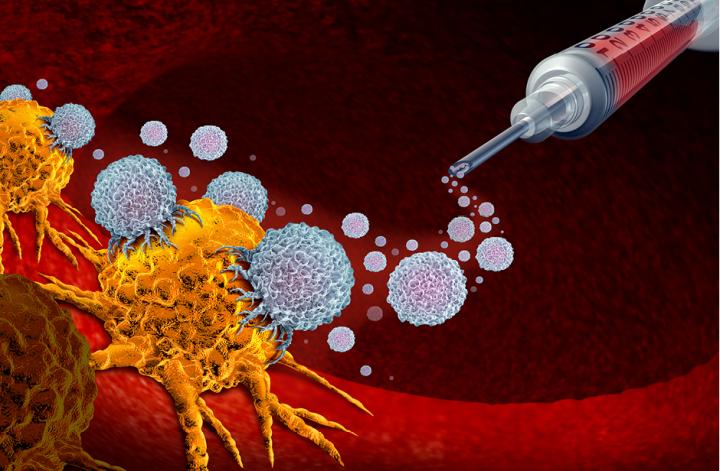
Immunotherapy – A game changer in cancer treatment

Note* - All images used are for editorial and illustrative purposes only and may not originate from the original news provider or associated company.

Subscribe

- Never miss a story with notifications

- Gain full access to our premium content

- Browse free from any location or device.

Media Packs

Expand Your Reach With Our Customized Solutions Empowering Your Campaigns To Maximize Your Reach & Drive Real Results!

– Access the Media PackNow

– Book a Conference Call

Leave Message for Us to Get Back

Related stories

Telemedicine Platforms Expanding Access to Remote...

Modern healthcare systems are undergoing a radical transformation as digital infrastructure bridges the gap between urban specialists and rural patients. Through virtual consultations and digital triage, providers are overcoming geographical barriers, ensuring that high-quality medical expertise is no longer restricted by physical location. This evolution in care delivery prioritizes accessibility and efficiency, reshaping the patient experience across the globe.

Point of Care Devices Accelerating Clinical...

Clinical environments are undergoing a significant transformation as the shift from centralized laboratory testing to immediate bedside diagnostics gains momentum. By bringing sophisticated analysis directly to the patient, healthcare providers can drastically reduce wait times for critical results, enabling faster intervention and more personalized care pathways. This evolution not only optimizes hospital workflows but also improves outcomes in emergency and remote settings where time is of the essence.

Medical Imaging Innovations Enhancing Diagnostic Precision

Modern radiology is undergoing a profound evolution driven by the integration of artificial intelligence and high-resolution imaging modalities. These advancements allow clinicians to visualize internal structures with unprecedented clarity, leading to earlier detection of diseases and more tailored treatment strategies. By bridging the gap between raw data and clinical insight, new imaging technologies are setting a higher standard for diagnostic accuracy across the global healthcare landscape.

With the ongoing techade, scientific advancements in cancer treatment have grown by leaps and bounds leading to immense progress in medical science and research in treating cancer. Today, breakthrough methods like immunotherapy are being referred to as a “game-changer” and a “miracle in the making” in cancer treatment and has shown promising results in treating patients with advanced cancer.

This method prompts our body’s immune system to specifically combat and target diseases like cancer. This therapy utilizes our body’s natural immune system to kill cancer cells. Also known as immuno-oncology, immunotherapy is a targeted treatment method that can be administered to patients in different forms such as medications, vaccinations, antibody treatments, cellular therapies, intravenously, orally and topically or through a catheter.

This is an approved therapy to treat cancers like melanoma, lymphoma, and lung cancer and is also being tested in clinical trials for immune-based treatments for many other types of cancers. Compared to common cancer treatment methods such as surgery, radiation, and chemotherapy, immunotherapy is a fairly new method. Depending on the type of your cancer, your oncologist may use immunotherapy along with surgery, radiation, and chemotherapy or solely as a separate treatment if other methods have failed. This method is extremely advanced and doctors sometimes also use it as a first line of treatment.

How does immunotherapy work?

Our immune system plays a critical role in helping our body to ward off external and internal diseases and illnesses, however, it cannot detect the issues inside like cancer cells. This usually happens because the cancer cells lack the external markers which are used by our immune system to identify hostile bodies that are essentially ‘hiding’ from it. Furthermore, cancer cells also signal our immune system to not destroy them and in some cases, our immune system is too weak to identify and destroy these cells and may require external help. This is where immunotherapy becomes critical as it enhances our immune system’s ability to destroy the tumour cells, stops the growth of cancer cells and prevents them from travelling to the other parts of the body.

What are the different types of immunotherapeutic options available?

Today, various types of immunotherapeutic options are available and can be used to treat cancer. These include –

  1. Immune checkpoint inhibitors: These drugs help the immune system in recognizing and attacking cancer cells.
  2. Cancer vaccines: These expose our immune system to an antigen and trigger it to recognize and destroy that antigen or related materials and prevent the spread of cancer cells. For instance, HPV vaccine is used to prevent cervical, vaginal, vulvar or anal cancer in males and females.
  3. CAR T Cell Therapy: This therapy removes and alters our T Cells to improve their ability to combat cancer cells.
  4. Non-specific immunotherapies: These treatments boost our immune system and help in attacking cancer cells.

What are the side effects of immunotherapy?

The side effects of immunotherapy are very different from those in chemotherapy or radiation and are largely related to the stimulation of the immune system. These include –

  • Rash
  • Itching
  • Fever
  • Severe diarrhoea
  • Thyroid dysfunction
  • Liver dysfunction
  • Breathing difficulty

What are the advantages of Immunotherapy?

A major advantage of immunotherapy is that it can train our immune system to remember cancer cells and creates an “immune memory” which results in long-lasting disease remissions that are maintained even after treatment is completed. Other advantages include –

  • Prevents the destruction of normal cells during the treatment
  • Avoids conditions like Osteoradionecrosis (bone death) and prevents loss of taste
  • Affordable and cost-effective as the approximate cost of treatment ranges from 1 to 4 lakhs per cycle.

When should you undergo immunotherapy?

Immunotherapy does not work on all types of cancer and if your cancer has been stopped by surgery, radiation, or chemotherapy, then you may not require it. This therapy is not recommended for all types of cancer and you may have to discuss it first with your oncologist before undergoing any trials.

How do you know whether immunotherapy is working or not and how many cycles does a patient require?

It usually takes 3-4 months for our body to respond to immunotherapy. This response is assessed using CT/PETCT scans. A patient generally undergoes 3-4 cycles of immunotherapy before showing any response. In case there is a response to the treatment, then the treatment is continued till the patient is benefitting and the drug is having an effect on the tumour.

Author
Author Image
Dr. C N Patil
Aster CMI Hospital

Dr. C N Patil, HOD and Lead Consultant - Medical Oncology & Haemato-Oncology, Aster CMI Hospital, Ba

Aster CMI Hospital
Company Logo

Hospital & Healthcare Management brings together the global healthcare industry — from hospital administrators and clinical directors to health technology innovators and policy leaders — through trusted editorial, market intelligence, and digital engagement.

Our 2026 Media Pack offers integrated solutions to reach your audience:

  • Magazine & Digital Editions Showcase your brand within premium healthcare industry coverage read by executives and decision - makers worldwide.
  • Industry Insights & Reports Align with data - driven analysis, trend reports, and regional roundups across the global hospital and healthcare management value chain.
  • Brand Authority & Credibility Position your company as a thought leader through expert commentary, interviews, and special features.
MEDICAL FAIR ASIA 2026
MEDICAL FAIR CHINA

Latest stories

Related stories

Telemedicine Platforms Expanding Access to Remote Care

Modern healthcare systems are undergoing a radical transformation as digital infrastructure bridges the gap between urban specialists and rural patients. Through virtual consultations and digital triage, providers are overcoming geographical barriers, ensuring that high-quality medical expertise is no longer restricted by physical location. This evolution in care delivery prioritizes accessibility and efficiency, reshaping the patient experience across the globe.

Point of Care Devices Accelerating Clinical Decisions

Clinical environments are undergoing a significant transformation as the shift from centralized laboratory testing to immediate bedside diagnostics gains momentum. By bringing sophisticated analysis directly to the patient, healthcare providers can drastically reduce wait times for critical results, enabling faster intervention and more personalized care pathways. This evolution not only optimizes hospital workflows but also improves outcomes in emergency and remote settings where time is of the essence.

Medical Imaging Innovations Enhancing Diagnostic Precision

Modern radiology is undergoing a profound evolution driven by the integration of artificial intelligence and high-resolution imaging modalities. These advancements allow clinicians to visualize internal structures with unprecedented clarity, leading to earlier detection of diseases and more tailored treatment strategies. By bridging the gap between raw data and clinical insight, new imaging technologies are setting a higher standard for diagnostic accuracy across the global healthcare landscape.

Sustainable Healthcare Solutions Shaping Future Facilities

Environmental stewardship is becoming an essential priority for the medical sector as the link between planetary health and human health becomes clearer. Modern hospital design is evolving to incorporate renewable energy, waste reduction strategies, and non-toxic materials to create healing spaces that are as kind to the earth as they are to patients. These forward-thinking approaches ensure that the clinical infrastructure of tomorrow is resilient, efficient, and capable of supporting long-term community wellness.

Subscribe

- Never miss a story with notifications

- Gain full access to our premium content

- Browse free from any location or device.

Media Packs

Expand Your Reach With Our Customized Solutions Empowering Your Campaigns To Maximize Your Reach & Drive Real Results!

– Access the Media Pack Now

– Book a Conference Call

Leave Message for Us to Get Back

Translate »