











Close
Digital Health & Ai Innovation summit 2026
Medical Taiwan 2026

Increased risk of mental stress-induced myocardial ischemia (MSIMI) higher in women

Note* - All images used are for editorial and illustrative purposes only and may not originate from the original news provider or associated company.

Subscribe

- Never miss a story with notifications

- Gain full access to our premium content

- Browse free from any location or device.

Media Packs

Expand Your Reach With Our Customized Solutions Empowering Your Campaigns To Maximize Your Reach & Drive Real Results!

โ€“ Access the Media PackNow

โ€“ Book a Conference Call

โ€“ Leave Message for Us to Get Back

Related stories

ARPA-H Launches IGoR Program for AI...

The Advanced Research Projects Agency for Health has officially...

Telemedicine Platforms Expanding Access to Remote...

Modern healthcare systems are undergoing a radical transformation as digital infrastructure bridges the gap between urban specialists and rural patients. Through virtual consultations and digital triage, providers are overcoming geographical barriers, ensuring that high-quality medical expertise is no longer restricted by physical location. This evolution in care delivery prioritizes accessibility and efficiency, reshaping the patient experience across the globe.

Medline Launches AI-Powered Supply Chain Platform...

Medline Industries has unveiled a new artificial intelligence-driven supply...

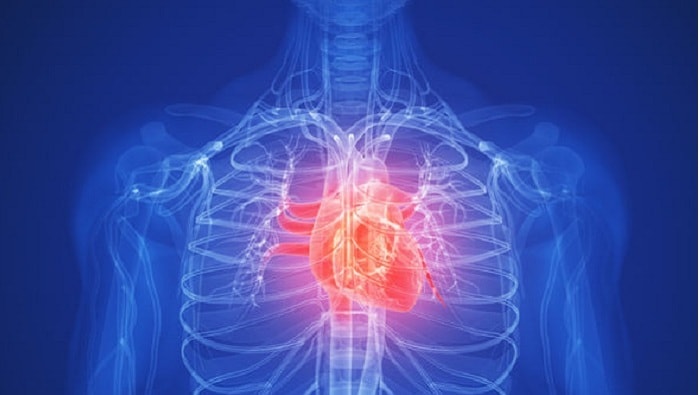
Compared with men, women have an increased risk of mental stress-induced myocardial ischemia (MSIMI) after myocardial infarction (MI), with microvascular dysfunction and peripheral vasoconstriction with mental stress implicated in MSIMI in women, according to a study published in Circulation, a Go Red For Women issue focused on women’s heart health.

Viola Vaccarino, MD, PhD, from Emory University in Atlanta, and colleagues studied 306 patients โ‰ค61 years of age who were hospitalized for MI in the previous 8 months and 112 sex- and age-matched community controls. At rest and 30 minutes after mental stress, endothelium-dependent flow-mediated dilation and microvascular reactivity were measured. Peripheral arterial tonometry was used to assess the digital vasomotor response to mental stress.

The researchers found that women in both groups showed a higher peripheral arterial tonometry ratio during mental stress but a lower reactive hyperemia index after mental stress, indicating enhanced microvascular dysfunction after stress. With mental stress, there were no sex differences in flow-mediated dilation changes.

Compared with men, women had twice as high a rate of MSIMI (22% vs 11%) and a similar elevation in ischemia with conventional stress (31% vs 16%). The sex differences in inducible ischemia were not explained by psychosocial and clinical risk factors. The sex differences in MSIMI were not explained by vascular responses to mental stress, but these were predictive of MSIMI in women only.

Microvascular dysfunction and peripheral vasoconstriction with mental stress are implicated in MSIMI among women but not among men, perhaps reflecting women’s proclivity toward ischemia because of microcirculatory abnormalities,” the authors write.
Disclosures: One author disclosed receiving royalties from the sale of the Emory Cardiac Toolbox, which was used for some analyses in this study.
Never miss a healthcare headline

Healthcare moves fast โ€“ stay on top of it with our must - read briefings.

  • The top hospital and healthcare stories, straight to your inbox
  • The biggest news, features, interviews, and analysis
  • Dedicated coverage of the key developments transforming global healthcare management
MEDICAL FAIR ASIA 2026
MEDICAL FAIR CHINA

Latest stories

Related stories

ARPA-H Launches IGoR Program for AI in Biomedical Research

The Advanced Research Projects Agency for Health has officially...

Telemedicine Platforms Expanding Access to Remote Care

Modern healthcare systems are undergoing a radical transformation as digital infrastructure bridges the gap between urban specialists and rural patients. Through virtual consultations and digital triage, providers are overcoming geographical barriers, ensuring that high-quality medical expertise is no longer restricted by physical location. This evolution in care delivery prioritizes accessibility and efficiency, reshaping the patient experience across the globe.

Medline Launches AI-Powered Supply Chain Platform in Partnership with Microsoft

Medline Industries has unveiled a new artificial intelligence-driven supply...

Point of Care Devices Accelerating Clinical Decisions

Clinical environments are undergoing a significant transformation as the shift from centralized laboratory testing to immediate bedside diagnostics gains momentum. By bringing sophisticated analysis directly to the patient, healthcare providers can drastically reduce wait times for critical results, enabling faster intervention and more personalized care pathways. This evolution not only optimizes hospital workflows but also improves outcomes in emergency and remote settings where time is of the essence.

Subscribe

- Never miss a story with notifications

- Gain full access to our premium content

- Browse free from any location or device.

Media Packs

Expand Your Reach With Our Customized Solutions Empowering Your Campaigns To Maximize Your Reach & Drive Real Results!

โ€“ Access the Media Pack Now

โ€“ Book a Conference Call

โ€“ Leave Message for Us to Get Back

Translate ยป