














Close
Digital Health & Ai Innovation summit 2026
Medical Taiwan 2026

6 Proven Ways To Boost Your Memory

Note* - All images used are for editorial and illustrative purposes only and may not originate from the original news provider or associated company.

Subscribe

- Never miss a story with notifications

- Gain full access to our premium content

- Browse free from any location or device.

Media Packs

Expand Your Reach With Our Customized Solutions Empowering Your Campaigns To Maximize Your Reach & Drive Real Results!

– Access the Media PackNow

– Book a Conference Call

Leave Message for Us to Get Back

Related stories

Regulatory Trends Shaping Medical Technology

The path from innovation to clinical implementation is governed by an increasingly complex and dynamic set of global standards. As digital health and artificial intelligence become integral to patient care, the frameworks that ensure safety and efficacy are evolving to address the unique challenges of software-based medical solutions and interconnected hardware.

Healthcare Supply Chains Driving Efficiency

The intricate network responsible for delivering life-saving medications and surgical instruments is undergoing a fundamental digital overhaul. By prioritizing transparency and resilience, medical institutions are moving away from reactive procurement toward a proactive logistical model that ensures essential resources are always available at the point of care.

Digital Health Systems Enhancing Patient Outcomes

The modern healthcare experience is no longer confined within the physical walls of a clinic or hospital. Through the deployment of sophisticated digital infrastructures, patient care is becoming a continuous, integrated journey that follows the individual into their daily life. This shift toward a technology-enabled ecosystem is dismantling traditional barriers to access and information, creating a more responsive and patient-centric model of wellness.

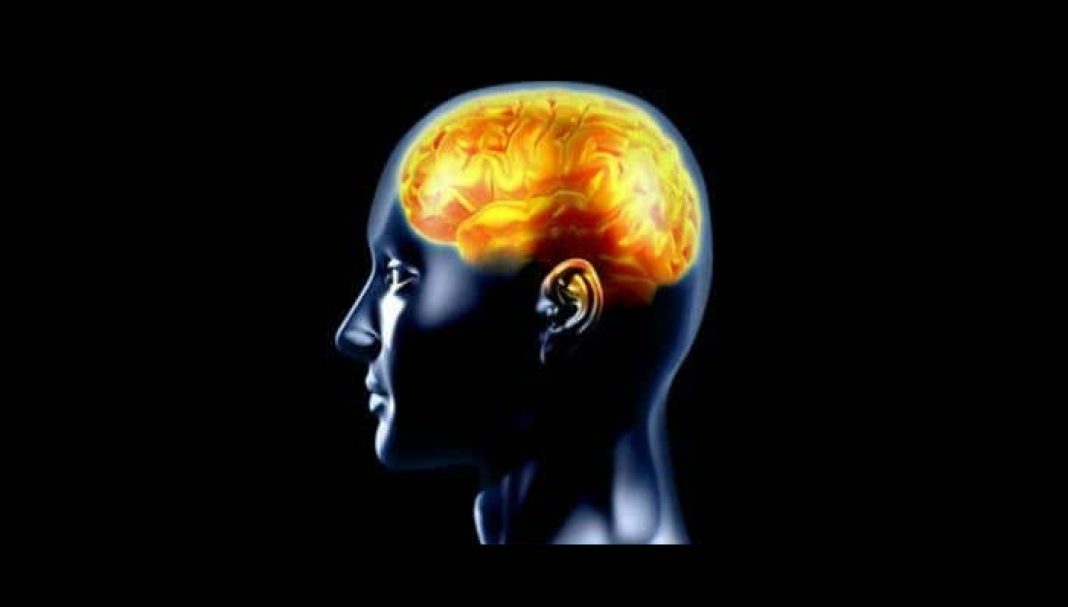
One of the most indicators of excellent cognitive functioning is one’s memory. Having a razor-sharp memory enables you to perform well in your exams or your work assignments. More often than not, though, you may have mild memory lapses when life’s stressors start getting to you, or you feel plagued. However, if you keep forgetting things, you might start getting even more overwhelmed and frustrated. If you are struggling with the nerve-racking effects of poor memory, here are some tips that you can apply to get better:

Exercise
Exercise is a cure for all things mind; from brain fog to memory issues to lapses in concentration. Mild exercises like walking will significantly improve your cognitive function and according to many studies, also improve your memory. Exercises can also reduce your chances of getting dementia in your golden years.

Try fish or fish oil
Fatty fish like salmon is loaded with Omega-3 fatty acids that are known to jumpstart brain function, improve short-term memory, and reduce anxiety and stress. Other studies have linked the use of fish oil with significant improvement of memory on older adults. Other supplements you can include are Vitamin B complex and D, and Smart Drugs for College to further enrich your mind with vital nutrients.

Sleep
Many people associate sleep with laziness; however, this is hardly the case. Rest is just as important as your hard work, and make sure you get at least eight hours of comfortable sleep per day. This way, you allow the process of memory consolidation; which is how short term memories are strengthened to become long term memories. Sleep deprivation has serious effects on your mind’s function, which ultimately translates to problems remembering essential things.

Be more mindful
Mindfulness has gained a lot of traction in today’s social circles for the numerous benefits it has for your well-being. Being mindful means being more ‘present’ or aware of your surroundings. Mindfulness will help you pay better attention to your current situation and gain better recall of it, as well as reduce stress and anxiety.

You can learn to be more mindful by listening to your breathing and other sounds around you, the colors in your surroundings, and realizing it when your mind wanders.

Avoid alcohol and drugs
Alcohol is terrible for your health, and more importantly, your memory. A blood alcohol content of 0.08g/ml can cause significant damage to the hippocampus, the part of the brain that manages memory, and cause memory lapses. Other drugs like Cocaine, Weed, and Heroine are all known to alter the brain’s function, which can reduce the effectiveness of your mind to process and store information.

Reduce your sugar intake
Sugar has plenty of adverse effects on the body; from the risk of diabetes to obesity, and now poor memory. Having a diet that is loaded with simple sugars can cause a significant decline in cognitive function leading to brain fog, especially in the short-term memory center. Eliminate carbonated drinks and other high-sugar foods for improved overall health.

Conclusion:
There are plenty of proven ways to get your memory back in tip-top shape. These, plus avoiding stress and the right diet will be all you need.

Latest stories

Related stories

Regulatory Trends Shaping Medical Technology

The path from innovation to clinical implementation is governed by an increasingly complex and dynamic set of global standards. As digital health and artificial intelligence become integral to patient care, the frameworks that ensure safety and efficacy are evolving to address the unique challenges of software-based medical solutions and interconnected hardware.

Healthcare Supply Chains Driving Efficiency

The intricate network responsible for delivering life-saving medications and surgical instruments is undergoing a fundamental digital overhaul. By prioritizing transparency and resilience, medical institutions are moving away from reactive procurement toward a proactive logistical model that ensures essential resources are always available at the point of care.

Digital Health Systems Enhancing Patient Outcomes

The modern healthcare experience is no longer confined within the physical walls of a clinic or hospital. Through the deployment of sophisticated digital infrastructures, patient care is becoming a continuous, integrated journey that follows the individual into their daily life. This shift toward a technology-enabled ecosystem is dismantling traditional barriers to access and information, creating a more responsive and patient-centric model of wellness.

Connected Healthcare Powering Smart Hospitals

The concept of a stand-alone medical facility is being replaced by a vision of a hyper-connected hub where data flows effortlessly between devices, clinicians, and patients. This digital nervous system is enabling a level of institutional intelligence that optimizes every aspect of the healthcare experience, from the moment a patient enters the building to their long-term recovery at home.

Subscribe

- Never miss a story with notifications

- Gain full access to our premium content

- Browse free from any location or device.

Media Packs

Expand Your Reach With Our Customized Solutions Empowering Your Campaigns To Maximize Your Reach & Drive Real Results!

– Access the Media Pack Now

– Book a Conference Call

Leave Message for Us to Get Back

Translate »