















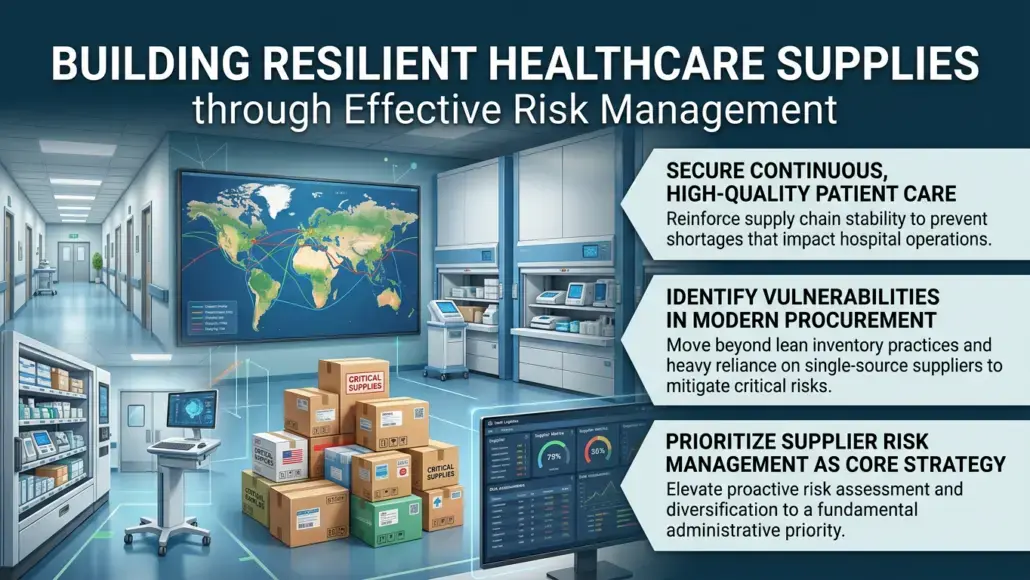

The resilience of the healthcare supply chain is fundamental to the ability of hospitals to provide continuous, high-quality care. Recent global events have highlighted the inherent vulnerabilities in modern procurement systems, where lean inventory practices and a reliance on single-source suppliers can lead to critical shortages. To protect against these disruptions, hospital administrators are increasingly prioritizing supplier risk management as a core strategic function. This involves a comprehensive identification of potential failure points, ranging from raw material scarcities to logistical bottlenecks and geopolitical instability. By understanding where the supply chain is most fragile, healthcare organisations can develop targeted strategies to mitigate these threats before they impact clinical operations. This analytical depth is essential for creating a secure environment for both staff and patients.
A primary step in this process is the mapping of the supply chain beyond the immediate tier-one vendors. Many hospitals discovered during recent crises that their primary suppliers were all dependent on the same sub-tier manufacturers for critical components or raw materials. Specifically, this concentration of risk can lead to simultaneous failures across multiple product categories. To address this, procurement teams are utilizing advanced data analytics and market intelligence to gain deeper visibility into the upstream supply network. This proactive approach allows hospitals to identify risks early and make informed decisions about supplier selection and inventory positioning. The goal is to create a supply chain that is not only efficient but also robust enough to withstand significant external shocks. This transformation requires a significant investment in technology and a cultural shift toward proactive planning.
Furthermore, identifying vulnerabilities involves evaluating the financial health and operational capacity of every critical supplier. A vendor that is struggling financially may not have the resources to maintain adequate safety stock or invest in quality control improvements. By conducting regular financial audits and operational reviews, procurement leaders can identify these risks before they manifest as a breach of contract. This focus on supplier stability ensures that the hospital can rely on its partners during times of increased clinical demand. The systematic assessment of risks also allows for the prioritization of resources toward the most critical areas of the supply chain. Ultimately, this foundational work is what allows a healthcare institution to remain resilient in an increasingly unpredictable global landscape.
Proactive Monitoring and Mitigation Strategies
Effective risk management requires a shift from reactive firefighting to proactive monitoring. Hospital procurement leaders are implementing sophisticated tracking systems that monitor supplier performance and market indicators in real time. These systems provide early warning signals of potential disruptions, such as a drop in a vendor delivery accuracy or news of a manufacturing facility closure. By detecting these issues early, hospitals can activate contingency plans, such as securing alternative sources of supply or increasing safety stock for critical items. This level of agility is essential for maintaining patient safety in an environment where supply availability can change rapidly. The implementation of these tools ensures that the hospital is never caught off guard by a foreseeable event.
Furthermore, healthcare institutions are incorporating risk assessment criteria directly into their supplier evaluation and contracting processes. This includes evaluating the financial stability of potential partners, their geographic footprint, and their commitment to ethical and sustainable manufacturing practices. By selecting suppliers who demonstrate high levels of resilience and transparency, hospitals can build a more secure foundation for their clinical operations. Additionally, procurement teams are conducting regular stress tests of their supply chain models to identify areas where further investment in redundancy or diversification is needed. The following elements are critical for a comprehensive risk mitigation framework:
- Continuous monitoring of global geopolitical and environmental events impacting supply routes.
- Development of detailed contingency plans for every critical product category.
- Establishment of clear communication channels with key suppliers to ensure rapid information sharing.
- Regular audits of supplier facilities to verify compliance with quality and safety standards.
- Implementation of advanced inventory management software to track consumption patterns and stock levels.
- Utilization of predictive analytics to forecast potential supply imbalances before they occur.
- Creation of a dedicated risk management task force comprised of clinical and administrative leaders.
The integration of these monitoring tools allows for a much more responsive procurement operation. When a risk is identified, the hospital can quickly communicate with clinical leaders to adjust surgical schedules or identify alternative clinical products. This coordination is vital for ensuring that patient care is not compromised by supply chain issues. Moreover, the focus on proactive mitigation helps to reduce the costs associated with emergency sourcing and expedited shipping. By investing in prevention, the hospital can achieve significant long-term savings while improving its overall operational reliability. The commitment to monitoring is a commitment to the safety of every patient who enters the facility.
Diversification of the Supplier Network
Relying on a single supplier for essential medical items is a significant risk that many healthcare organisations are now actively seeking to mitigate. Supplier diversification involves sourcing critical products from multiple vendors, ideally located in different geographic regions. This strategy ensures that a disruption in one part of the world does not lead to a total loss of supply for the hospital. While this approach may increase the administrative complexity of procurement, the benefits of enhanced security and reliability far outweigh the additional costs. Specifically, having pre-established relationships with alternative suppliers allows hospitals to pivot quickly when a primary source fails. This flexibility is a key differentiator for high-performing health systems.
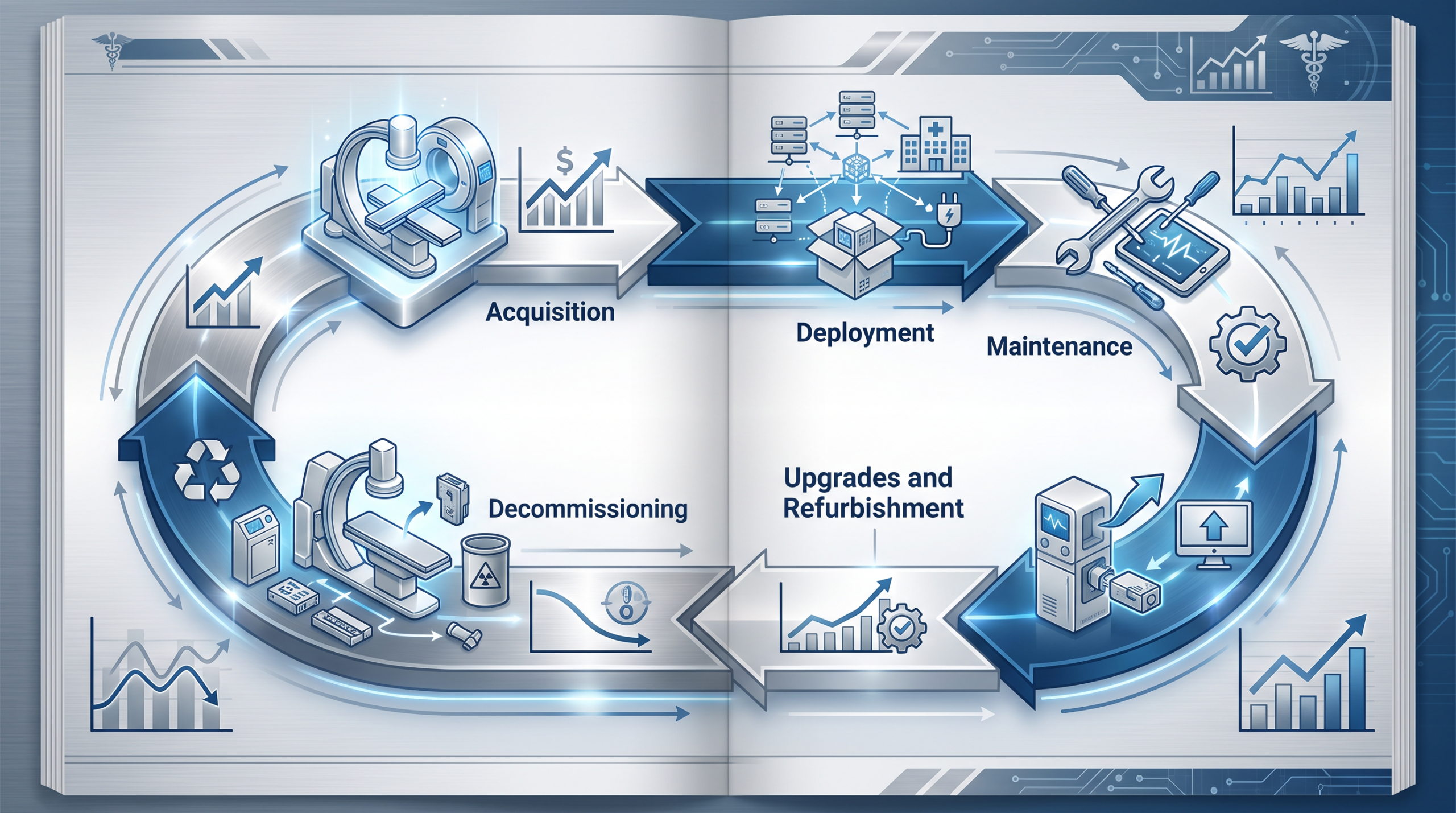
Diversification also fosters a more competitive market environment, which can lead to improvements in product quality and pricing over the long term. When suppliers know they are being compared against multiple competitors, they are more likely to invest in innovation and service reliability. Hospital procurement teams must balance the benefits of volume discounts from large vendors with the need for the resilience provided by smaller, specialized suppliers. This balanced approach allows hospitals to achieve cost efficiency while protecting their clinical operations from unforeseen disruptions. Moreover, the integration of these diversified networks can be supported by rigorous lifecycle cost analysis to ensure that every supplier contributes to the overall value proposition of the institution.
Furthermore, diversification strategies should include a focus on domestic and regional suppliers. By sourcing closer to the point of care, hospitals can reduce their exposure to international logistical risks and support the local healthcare economy. This regionalized approach also allows for more collaborative relationships with suppliers, as physical proximity facilitates easier communication and site visits. The goal of diversification is not just to have more suppliers, but to have the right mix of partners who can provide a reliable and high-quality supply of essential medical items. By building a diverse and resilient supplier network, healthcare organisations can ensure they remain capable of delivering the highest standards of care, regardless of the challenges in the global market.
Compliance and Ethical Sourcing Standards
The integrity of the hospital supply chain is not only about reliability but also about ethics and compliance. Procurement leaders must ensure that their suppliers adhere to the highest standards of safety, quality, and environmental responsibility. This involves a rigorous vetting process that includes social audits and environmental impact assessments. By holding suppliers accountable for their practices, hospitals can protect their reputation and ensure that they are not indirectly supporting unethical labour practices or environmental degradation. This commitment to ethical sourcing is increasingly important to patients, staff, and the broader community. Specifically, the implementation of a supplier code of conduct provides a clear framework for these expectations.
Regulatory compliance is another critical component of supplier risk management. Every medical device and pharmaceutical product must meet strict safety standards set by government bodies. Procurement teams must verify that their suppliers maintain all necessary certifications and follow current good manufacturing practices. Regular audits of supplier documentation and facilities are essential for ensuring ongoing compliance. In the event of a product recall or safety alert, the hospital must be able to quickly track and isolate the affected items. A robust risk management system includes the tools and protocols needed to manage these regulatory challenges effectively. By prioritizing compliance, healthcare organisations can reduce their legal risks and ensure the safety of their clinical environment.
Moreover, the focus on ethical sourcing extends to the transparency of the financial relationships between the hospital and its suppliers. Procurement leaders must ensure that all contracts are negotiated fairly and that there are no conflicts of interest. This transparency is vital for maintaining the trust of the hospital board and the public. By adopting clear and ethical procurement policies, hospitals can demonstrate their commitment to institutional integrity. This focus on ethics and compliance is a vital part of a comprehensive risk management strategy, ensuring that the hospital supply chain is not only resilient but also worthy of the trust placed in it by the community. Ultimately, a secure and ethical supply chain is the foundation of a high-quality healthcare system.
Technology Integration for Enhanced Visibility
The integration of advanced technologies, such as artificial intelligence and blockchain, is providing new opportunities for enhancing supply chain visibility and security. These tools allow hospitals to track the movement of medical supplies from the manufacturer to the point of care with unprecedented precision. This level of transparency is essential for ensuring the integrity of the supply chain and preventing the entry of counterfeit or substandard products. Additionally, AI-powered predictive analytics can forecast demand patterns and identify potential supply imbalances before they lead to shortages. By utilizing these technologies, healthcare organisations can manage their procurement activities with greater confidence and efficiency. The digital transformation of the supply chain is a key component of modern hospital management.
Furthermore, technology facilitates better communication and collaboration with suppliers. Electronic data interchange and cloud-based procurement platforms allow for the real-time sharing of information regarding inventory levels, delivery status, and quality issues. This connectivity reduces the risk of administrative errors and ensures that both parties are working with the same data. By building a digitally integrated supply network, hospitals can respond more quickly to changes in clinical demand or market conditions. The use of advanced visualization tools also allows procurement leaders to identify trends and patterns that can inform more strategic decision-making. As technology continues to evolve, the ability to leverage these tools will become a critical capability for successful healthcare organisations.
Ultimately, the strengthening of hospital supply chains through effective risk management is a continuous process that requires ongoing investment in both technology and expertise. As the global environment becomes increasingly complex, the ability to anticipate and mitigate supply chain risks will remain a critical differentiator for successful healthcare institutions. By building resilient, transparent, and diversified supply networks, hospitals can ensure they remain capable of delivering the highest standards of care to their patients, regardless of external challenges. This strategic focus on reliability and safety is not only an operational imperative but also a clinical necessity in the modern healthcare sector. The commitment to risk management ensures that the hospital remains a stable and trusted provider of essential medical services, even in the most challenging times.