











Close
Digital Health & Ai Innovation summit 2026
LiGHT26

Addressing Adolescent Challenges: Comprehensive Counseling

Adolescence is a time of exploration, self-discovery, and identity formation but also a phase rife with challenges and uncertainties. From academic pressures to peer conflicts, from body image issues to mental health concerns, adolescents navigate a myriad of obstacles on their journey to adulthood. In the face of these challenges, comprehensive counseling emerges as a crucial intervention to support adolescents in overcoming hurdles, fostering resilience, and facilitating healthy development. This article explores the multifaceted landscape of adolescent challenges and the pivotal role of comprehensive counseling in addressing them.

Understanding Adolescent Challenges

Adolescence is a transitional phase characterized by many challenges that can impact various domains of an adolescent’s life. These challenges often stem from internal and external factors, including biological changes, social dynamics, family dynamics, academic demands, and societal expectations. Usually, teenage mental disorders and mental health issues arise during this period, exacerbating the complexity of adolescent challenges. Factors such as hormonal fluctuations, brain development, and environmental stressors contribute to the vulnerability of adolescents. Some common challenges faced by adolescents include:

  1. Academic Pressure: With the increasing emphasis on academic achievement, adolescents often experience stress related to academic performance, standardized testing, college preparation, and peer competition.
  2. Peer Relationships: Peer interactions play a central role in adolescent development, shaping identity, self-esteem, and social skills. However, peer relationships can also be sources of conflict, peer pressure, bullying, and social exclusion, contributing to feelings of isolation and loneliness.
  3. Body Image and Self-Esteem: Adolescents undergo significant physical changes during puberty, which can impact body image and self-esteem. Media portrayals of idealized body standards further exacerbate body dissatisfaction, leading to disordered eating behaviors, low self-esteem, and negative body image perceptions.
  4. Mental Health Issues: Adolescence is a critical period for mental health, with many mental health disorders manifesting during this time. Anxiety, depression, substance abuse, self-harm, and suicidal ideation are prevalent mental health concerns among adolescents, often exacerbated by stigma, lack of awareness, and inadequate support systems.
  5. Family Dynamics: Adolescents experience shifting dynamics within their families as they strive for autonomy while relying on parental guidance and support. Conflict with parents, sibling rivalry, divorce, blended families, and cultural differences can all contribute to familial stressors that impact adolescent well-being.
  6. Identity Exploration: Adolescents grapple with questions of identity, sexuality, gender identity, and cultural identity as they navigate the complexities of self-discovery. Identity formation involves exploring values, beliefs, interests, and aspirations while reconciling societal expectations and personal authenticity.

Comprehensive Counseling: A Holistic Approach to Adolescent Support

Comprehensive counseling offers a holistic approach to addressing the diverse needs of adolescents, encompassing emotional, social, academic, and developmental aspects of their lives. Here’s how comprehensive counseling addresses various adolescent challenges:

  1. Individual Counseling: Individual counseling sessions provide adolescents with personalized support tailored to their unique concerns and experiences. A licensed counselor or therapist works collaboratively with the adolescent to explore underlying issues, set achievable goals, and develop coping strategies to manage stress, anxiety, depression, or other mental health challenges.
  2. Group Therapy: Group therapy provides a sense of belonging, validation, and peer support while fostering social skills, empathy, and interpersonal relationships. Group sessions may focus on themes such as social skills development, anger management, or coping with grief and loss.
  3. Family therapy: involves family members in counseling to address relational dynamics, communication patterns, and conflict-resolution strategies. It aims to improve family functioning, strengthen relationships, and enhance support networks for adolescents.
  4. Psychoeducation: Psychoeducational interventions educate adolescents and their families about various mental health issues, coping strategies, and support resources. Psychoeducational workshops, seminars, and resources empower adolescents to recognize warning signs, seek help when needed, and foster resilience in the face of adversity.
  5. Skill-Building Activities: Comprehensive counseling incorporates skill-building activities to enhance adolescents’ coping skills, problem-solving abilities, emotion regulation, and decision-making skills. These activities may include mindfulness exercises, relaxation techniques, assertiveness training, conflict resolution strategies, and goal-setting exercises to promote personal growth and self-efficacy.
  6. School-Based Support: School counselors play a pivotal role in providing support and intervention for adolescents within the school setting. They offer academic guidance, career counseling, crisis intervention, and referrals to external resources as needed. School-based counseling programs promote a positive school climate, academic success, and student social-emotional well-being.

Benefits of Comprehensive Counseling for Adolescents:

Comprehensive counseling offers numerous benefits for adolescents, empowering them to navigate challenges, build resilience, and thrive during this transformative period. Some key benefits include:

  1. Emotional Support: Adolescents receive validation, empathy, and nonjudgmental support from trained professionals, fostering emotional well-being and mental health resilience.
  2. Enhanced Self-Awareness: Counseling facilitates self-reflection and introspection, helping adolescents gain insight into their thoughts, feelings, and behaviors.
  3. Improved Relationships: Through therapy and group interventions, adolescents develop healthier interpersonal relationships, communication skills, and conflict-resolution strategies.
  4. Academic Success: Counseling interventions address academic stressors and promote academic motivation, goal-setting, and study skills essential for academic achievement.
  5. Long-Term Well-Being: Comprehensive counseling promotes long-term mental health and well-being into adulthood by equipping adolescents with coping skills, resilience, and self-care strategies.

Adolescence is a pivotal growth, exploration, and transformation period fraught with challenges and uncertainties. Comprehensive counseling emerges as a vital resource to support adolescents in navigating these challenges, fostering resilience, and promoting healthy development. By addressing emotional, social, academic, and developmental needs, comprehensive counseling empowers adolescents to overcome obstacles, build coping skills, and thrive during this formative stage. Investing in comprehensive counseling for adolescents is an investment in their well-being, future success, and resilience as they transition into adulthood.


Why Effective Temperature Management Is Critical In Field Hospitals

Temporary field hospitals are often set up in response to emergencies, natural disasters, pandemics, or in conflict zones, where traditional hospital facilities are unavailable, overwhelmed, or non-existent.ย ย 

These hospitals must be rapidly deployable, adaptable to diverse environments, and capable of providing acute care under less-than-ideal conditions. Temperature management in such settings becomes a multifaceted challenge, impacting various aspects of healthcare delivery.ย 

Patient Health And Recoveryย 

In environments where patients are already vulnerable, controlling the temperature can mean the difference between recovery and further health complications.ย ย 

In hot climates, for instance, a field hospital might utilize evaporative coolers or air-conditioned tents to provide a cooler environment for heatstroke victims.ย ย 

This not only helps in reducing body temperature but also mitigates the risk of heat exhaustion among other patients and staff.ย ย 

In cold settings, portable heaters and thermal blankets are essential for maintaining body temperature, especially for patients in shock or those with severe injuries who are at risk of hypothermia.ย ย 

Additionally, thermal insulation of medical tents can prevent heat loss and maintain a stable environment conducive to patient recovery.ย 

Infection Controlย 

An environmental control unit is crucial for managing temperature and humidity, playing a pivotal role in infection prevention and control.ย 

During the Ebola outbreak, for instance, temporary field hospitals used specialized tents with controlled ventilation systems to maintain a dry and cool environment. This reduced the Ebola virus’ survivability outside the human body.ย ย 

Such measures are crucial not only for patient areas but also for sections of the hospital where medical waste is processed and stored.ย ย 

Maintaining lower humidity levels can also reduce the proliferation of mold and other fungi, which can cause respiratory infections and compromise the sterile environment necessary for patient care.ย 

Medication And Vaccine Efficacyย 

The integrity of vaccines and medications is paramount, particularly in response to outbreaks or in vaccination campaigns.ย ย 

Portable, solar-powered refrigeration units offer a sustainable solution for maintaining the cold chain in remote or resource-limited settings. These units can be used to store temperature-sensitive medications, including insulin and some antibiotics, ensuring they remain effective until they reach the patient.ย ย 

During the COVID-19 pandemic, the deployment of these refrigeration units in field hospitals and vaccination sites ensured that vaccines remained within their required temperature range, preventing spoilage and ensuring the success of mass vaccination efforts in challenging environments.ย 

Equipment Functionalityย 

Humidity and temperature control are critical for the proper function of medical equipment. High humidity levels can cause condensation on electronic components, leading to corrosion and malfunction.ย ย 

In a tropical field hospital setting, dehumidifiers and air conditioning units are employed for patient comfort. Additionally, they create an environment where delicate diagnostic equipment like PCR machines used for testing infectious diseases can operate reliably. This ensures accurate diagnostics and effective patient treatment plans.ย 

Staff Performance And Comfortย 

The well-being of healthcare workers directly impacts the quality of care provided to patients. In hot climates, rest areas equipped with cooling systems allow staff to take breaks and recover from the heat, ensuring they remain alert and efficient.ย ย 

Hydration stations, cooling vests, and access to shaded or air-conditioned rest areas are examples of measures that can be implemented to protect staff from heat stress, thereby maintaining high levels of patient care and operational functionality.ย 

Overall Operational Efficiencyย 

The deployment of energy-efficient and adaptable temperature management solutions directly influences the sustainability and effectiveness of field hospital operations.ย ย 

For instance, insulated medical tents designed for easy assembly and mobility can maintain internal temperatures more effectively without excessive energy consumption.ย ย 

Solar-powered HVAC systems reduce dependence on local power grids or generators, which can be unreliable or scarce in disaster-affected areas.ย ย 

These solutions not only ensure the continuous provision of healthcare services but also minimize operational costs and environmental impact.ย 

Challenges And Solutionsย 

Temperature management in field hospitals presents several challenges, particularly due to the temporary and often rapidly deployed nature of these facilities. Here are some common problems and potential solutions:ย 

  • Variable and Extreme Environmental Conditionsย 

Field hospitals are often deployed in diverse environments that can range from extreme heat to cold.ย ย 

Deploying innovative shelter designs, such as insulated and reflective temporary structures, can help adapt to extreme temperatures. Modular insulation and ventilation adaptations can further tailor these environments to specific needs.ย 

  • Limited Infrastructureย 

The lack of existing infrastructure, including electricity and HVAC systems, complicates efforts to maintain stable temperatures.ย 

Utilizing portable power sources, such as solar-powered generators and portable HVAC systems, allows for the establishment of temperature control without relying on local infrastructure.ย 

  • Resource Constraintsย 

Field hospitals operate with limited resources, including power, water, and medical supplies. This scarcity impacts the ability to implement comprehensive temperature management solutions.ย 

Implementing energy-efficient cooling and heating technologies, such as LED lighting and low-energy HVAC systems, maximizes the use of limited resources like power and fuel.ย 

By focusing on adaptable and sustainable solutions, healthcare providers can overcome these obstacles, ensuring effective patient care even in the most demanding conditions.ย 

Takeawayย 

Effective temperature management in field hospitals goes beyond ensuring comfort; it’s a critical factor that affects patient recovery, the preservation of medications, and the well-being of healthcare workers.ย 

By focusing on the significance of temperature in these settings, field hospitals can improve patient outcomes, safeguard critical supplies, and support the dedicated individuals who work within them.

Emerging Digital Technologies Poised To Alter Healthcare

Technological advancements happen to be transforming every industry, and the insurance ecosystem is no different. Digital integration into the standard as well as vital health insurance processes like policy issuance, claim management, as well as renewal has streamlined things, making sure of a seamless customer experience. Acting like a powerful tool, technologies such as big data, artificial intelligence- AI and machine learning- ML are reshaping the insurance industry for good.

Digitalization within the health insurance

The elevating demand for health insurance can very well be attributed to the efforts of new-age insurers so as to expand insurance accessibility, elevating simplicity and transparency. And, this has gone on to lead to the adoption when it comes to disruptive technologies in order to stay ahead of the competition. Right from underwriting to risk analysis, digitalization has gone on to take over several insurance processes.

AI-powered chatbots, or even virtual assistants, have gone ahead and helped insurers achieve the feat of customizing customer service. Furthermore, AI algorithms teamed with ML models happen to be making underwriting an efficient as well as accurate process, thereby helping the insurers personalize the products, which happen to be based on the customerโ€™s risk profile. Apart from this, automating manual processes is not just offering a hassle-free experience to the customers; at the same time, it is also elevating operational efficiency.

Tech-enabled trends within the health insurance

Let us have a look at certain technology trends that have gone on to disrupt the health insurance domain.

โ€ข Big Data Analytics: Enabling the insurers to know their customers better, big data has gone on to come across as one of the most valuable tools. It helps to price as well as underwrite more accurately and also identify claims that happen to be fraudulent in nature. These days, numerous health insurance providers get associated with wearable- Internet-of-Things-based activity tracker companies in order to collect the right data so as to better understand consumer needs as well as their behaviors. This also helps them offer customized advice, coverage plans, as well as pricing. Interestingly, big data enables us to store huge amounts of data, stretch policy renewals, speed up responses across customers, and also access archived along with real-time data.

โ€ข Cloud and AI/ML: So as to future-proof themselves, insurers happen to be looking for cloud-based solutions in order to enhance their scalability as well as agility. Besides, health insurers happen to be adopting AI/ML and advanced analytics in order to improve their service architecture as well as enhance the customer experience. AI/ML-led tools not only go ahead and help in guided selling as well as effective outreach, but they also aid in identifying fraud along with related irregularities.

โ€ข Remote Patient Monitoring: RPM, as it is called, is being put to work by health insurers in order to bridge infrastructural gaps. In terms of chronic disease management, RPM solutions, for instance, smart glucometers, happen to be extremely helpful. This also lets reduce the frequency when it comes to hospital visits. These days, insurers happen to be partnering with wellness platforms along with digital therapeutics firms in order to provide wellness programs like smoking cessation as well as disease and stress management.

โ€ข Interoperable Digital Health Records: Healthcare providers, along with insurers, must take into account adopting standard code sets as well as data exchange frameworks. To begin the interoperability journey, it is indeed pivotal so as to evaluate data governance policies, system capacities, and also the infrastructure. By way of using an API-first strategy or even natural language processing- NLP technologies not just help to maintain digital health records sans any hassle, but at the same time also accelerate clinical decisions, enhances the comprehensive patient care, and even elevates the clinical documentation.

โ€ข Mobility Solutions: Mobile-ready solutions happen to be the way forward for health insurance companies as far as service support is concerned. They go on to aid the policyholders in making policy payments, furnishing claims, and also getting an online consultation. These solutions make sure of the delivery of prescription information across the pharmacies, and that too in real time.

Collaborative Initiatives

There is also government support, which is given so as to achieve universal health coverage for all by 2030. It is indeed compulsory so as to adopt digital tools as well as strategies to decrease premium amounts and also elevate care delivery.

To achieve the goal of universal health coverage, countries require an interoperable digital ecosystem.

Conclusion

The adoption pertaining to the big data, AI/ML, automation, and other digital tools has transformed the way health insurers go ahead and operate. Right from democratizing health insurance as well as serving beneficiaries better to making sure to reduce costs and enhance overall health outcomes, technology enablement within the healthcare insurance gamut has gone ahead and created a good space not just for insurers but also for policyholders.

Smile Perfection: What are the Benefits of Veneers

Smile Perfection: What are the Benefits of Veneers

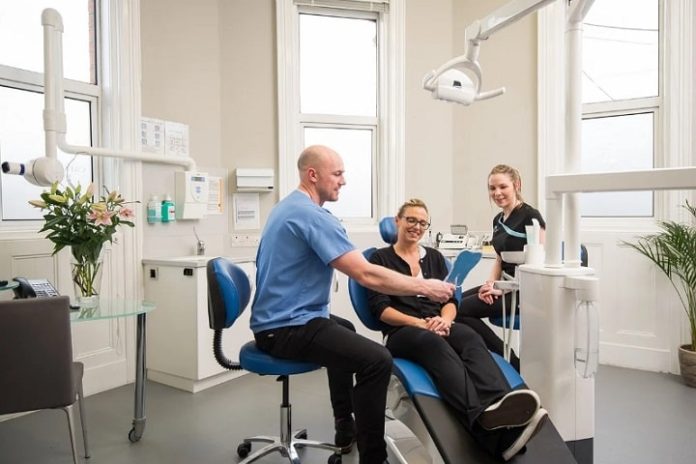
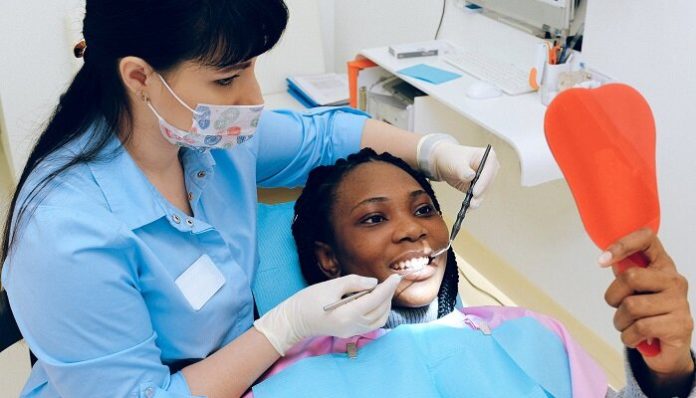
In the pursuit of the perfect smile, advancements in cosmetic dentistry have paved the way for transformative solutions, and among them, veneers stand out as a remarkable option. Veneers, thin shells custom-made to cover the front surface of teeth, offer a myriad of benefits beyond just enhancing aesthetics. From correcting imperfections to improving dental health, the advantages of veneers are multifaceted, promising patients a radiant and confident smile. Let’s delve into the intricacies of veneers and uncover the array of benefits they offer beyond mere cosmetic enhancement.

Enhanced Aesthetics and Confidence Boost

One of the most evident advantages of veneers is their ability to transform the appearance of teeth, providing a solution for various cosmetic issues. Whether dealing with discoloration, chipped teeth, or uneven spacing, veneers offer a customizable and natural-looking solution. Unlike other cosmetic procedures, such as teeth whitening, which may not address structural flaws, veneers can effectively conceal imperfections while simultaneously enhancing the overall appearance of the smile. This aesthetic enhancement often translates into a significant boost in confidence for individuals who may have felt self-conscious about their dental imperfections. With veneers, individuals can confidently flash their smiles without reservations, positively impacting their personal and professional lives.

Durability and Longevity

Beyond their cosmetic appeal, veneers boast impressive durability and longevity, making them a worthwhile investment in dental health. Crafted from high-quality materials such as porcelain or composite resin, veneers are designed to withstand daily wear and tear, including biting and chewing. Unlike natural teeth, veneers are resistant to staining from food and beverages, maintaining their bright and vibrant appearance over time. With proper care and maintenance, veneers can last upwards of 10 to 15 years, providing patients with a long-term solution for smile perfection. This longevity not only ensures continued satisfaction with one’s smile but also minimizes the need for frequent replacements, ultimately saving time and resources in the long run.

Preservation of Tooth Structure and Oral Health

Contrary to popular belief, veneers not only enhance aesthetics but also contribute to the preservation of tooth structure and overall oral health. Unlike traditional dental procedures such as crowns, which require significant reshaping of the tooth structure, veneers are minimally invasive, requiring only a thin layer of enamel to be removed. This conservative approach not only preserves the natural integrity of the teeth but also reduces the risk of sensitivity and complications associated with more invasive procedures. Additionally, by covering imperfections and creating a smoother tooth surface, veneers make oral hygiene maintenance easier, reducing the risk of plaque buildup and gum disease. Thus, veneers offer a comprehensive solution that not only beautifies the smile but also promotes long-term dental health and well-being.

Choosing a Reputable Dental Practice

When considering veneers or any dental procedure, selecting a reputable dental practice is paramount to ensuring optimal results and patient satisfaction. Reputable dental practices prioritize patient care, employing skilled professionals who specialize in cosmetic dentistry and have extensive experience in providing veneer treatments. These practices utilize advanced technology and high-quality materials to craft veneers tailored to each patient’s unique needs, ensuring a seamless and natural-looking result. Additionally, reputable dental practices prioritize patient education, taking the time to thoroughly discuss treatment options, expected outcomes, and aftercare instructions to empower patients to make informed decisions about their oral health. By choosing a reputable dental practice with a proven track record of excellence, patients can embark on their journey to smile perfection with confidence, knowing they are in capable hands. Whether seeking veneers for cosmetic enhancement or addressing dental concerns, partnering with a trusted dental practice is the first step towards achieving a radiant and healthy smile.

Personalized Treatment Plans

Reputable dental practices understand that each patient is unique, with specific goals and concerns regarding their dental health and appearance. Therefore, they offer personalized treatment plans tailored to address individual needs and preferences. Before proceeding with veneer treatment, thorough consultations and evaluations are conducted to assess the patient’s oral health, discuss their aesthetic goals, and determine the most suitable course of action. From selecting the appropriate veneer material to planning the placement and color matching, every aspect of the treatment is carefully considered to ensure optimal results. By providing personalized treatment plans, reputable dental practices prioritize patient satisfaction and strive to exceed expectations, delivering smiles that are not only beautiful but also functional and long-lasting.

Continued Support and Maintenance

The relationship between patients and their dental practitioners extends beyond the initial treatment phase, with reputable practices offering continued support and maintenance to ensure the longevity and success of veneers. Following the placement of veneers, patients are provided with detailed instructions on proper oral hygiene practices and post-procedural care to preserve the integrity of their smiles. Regular follow-up appointments are scheduled to monitor the condition of the veneers, address any concerns, and perform routine maintenance such as professional cleanings and inspections. Additionally, reputable dental practices offer comprehensive warranty programs and flexible financing options to provide peace of mind and accessibility to patients seeking veneer treatments. By offering continued support and maintenance, these practices foster long-term relationships with their patients, guiding them towards lifelong oral health and smile satisfaction.

In the quest for smile perfection, veneers emerge as a transformative solution offering a multitude of benefits beyond cosmetic enhancement. From enhancing aesthetics and boosting confidence to promoting dental health and longevity, veneers provide patients with a comprehensive and long-lasting solution for achieving their ideal smiles. By partnering with reputable dental practices that prioritize personalized care, patients can embark on their journey to smile perfection with confidence, knowing they are in capable hands. With ongoing support and maintenance, veneers offer not only a radiant smile but also a lasting investment in oral health and overall well-being.

6 Key Steps for Successful Patent Application for Healthcare Solutions

Securing a patent is the linchpin for protecting innovative healthcare solutions. It shields your breakthrough from copycats and establishes your foothold in the market.ย 

This pivotal task can seem like navigating a labyrinth fraught with specific legal and technical requirements. But it shouldnโ€™t be.ย 

In this article, we will explore five logical steps tailored to the realm of healthcare innovation.

1. Assessing the Uniqueness of Your Invention

Without a doubt, one of the most critical steps in patenting healthcare solutions is establishing their uniqueness.ย 

Before you step into the legal arena, sifting through existing patents and current technologies is imperative. This is about more than just confirming that your invention is new; it’s about ensuring it stands out in its utility and innovation.ย 

The assessment should be thoroughโ€”scrutinize every facet to confirm novelty and non-obviousness. Your creation doesn’t just add to the pile; it needs to redefine it. Getting this right sets a solid foundation for your entire patent journey.ย 

2. Navigating Documentation

Once you’ve established your healthcare invention’s unique position, the next key step is mastering documentationโ€”the blueprint of your patent application.

Crafting a document that meticulously details every aspect of your innovation is not optional. It must articulate how it functions, its application in healthcare, and why it qualifies for patent protection. This written dossier must be both technical and informative, leaving no room for ambiguity regarding its enabling quality and usefulness.

For those pondering how to file a patent in Canada, the US, or anywhere around the world, navigating the nuances in any jurisdiction can be daunting. However, understanding their specific paperwork expectations early on will help streamline the process and avoid costly pitfalls down the line.ย 

3. Confronting the Legal Landscape

Once your documentation is prepared, understanding the legal terrain where your patent will live is crucial. Every healthcare invention must comply with regional laws and regulations, which can significantly differ between countries.

In both Canada and the US, patents pass through nuanced legal filters before achieving approval. This step requires insight into patentability criteria established by respective governing bodies, such as the United States Patent and Trademark Office (USPTO), the Canadian Intellectual Property Office (CIPO), or the Patent Cooperation Treaty (PCT) if you are filing for patents simultaneously in many different countries.ย 

Acquaint yourself with these guidelines or engage with a seasoned patent attorney to ensure that your application speaks to these expectations accurately, strengthening its chances of success in securing your healthcare solutionโ€™s future.ย 

4. Mastering the Art of Communication

Engaging with the patent office is a subtle art. Once you’ve submitted your application, be prepared for a dialogue. Patent examiners may have questions or require clarifications about your healthcare invention.

This stage is less about the documents you’ve prepared and more about how well you can convey and defend your idea’s unique aspects. Efficient communication will help resolve any issues swiftly, so it’s beneficial to familiarize yourself with common queries and prepare cogent responses.

The key here? Be concise, be clear, and ensure every interaction brings you one step closer to that all-important stamp of approval on your healthcare solution.ย 

5. Forging Ahead with Persistence

The journey doesn’t end at first contact. Patents for healthcare solutions often encounter a series of back-and-forths with the patent officeโ€”requests for additional information, challenges to claims, and sometimes rejections.

Itโ€™s here that persistence becomes your ally. View each communication as an opportunity to refine and strengthen your application. Adjust and resubmit with precision where needed, addressing concerns without compromising the core value of your invention.

Take heart in knowing that this process is not a roadblock but rather a refinement forge. It hones your patent application into its most defensible form, ready to stand up against future scrutiny. Keep the course steady, your responses sharp, and aim toward eventual approval with unwavering resolve.ย 

6. Finalizing and Defending Your Position

The culmination of the patent process is not merely the receipt of a patent; it’s also about preparing for its defense. The final key step is to ensure that your patented healthcare solution can withstand challenges and infringement attempts.

This requires setting up vigilant monitoring systems to keep an eye on the market, understanding enforcement mechanisms at your disposal, and, if necessary, taking action against entities that encroach on your intellectual property.

Your patent isn’t just a certificateโ€”it’s an active asset that must be managed and defended. By laying this groundwork, you ensure that your healthcare innovation remains protected, allowing it to deliver its intended impact without unauthorized use, diluting its value, or undermining your efforts.

What to Do After Facing Prescription Drug Negligence

Experiencing prescription drug negligence can be both a frightening and confusing ordeal. This type of medical negligence occurs when a healthcare professional prescribes medication improperly, leading to harmful side effects, allergic reactions, or other serious health complications. In this comprehensive guide, we will discuss the steps you should take if you believe you’ve been a victim of prescription drug negligence.

Understanding Prescription Drug Negligence

Prescription drug negligence involves errors in prescribing medications. This could mean being given the wrong medication, the incorrect dosage, or a drug that dangerously interacts with other medications you are taking. Recognizing the signs and understanding the implications is the first step toward addressing the issue.

Immediate Steps to Take

  1. Seek Medical Attention: Your health is the utmost priority. If you suspect that you’ve been harmed due to prescription drug negligence, seek immediate medical attention. Inform the healthcare provider about your symptoms and the medication that you suspect is causing the issue.
  2. Document Everything: Keep detailed records of all medical appointments, prescriptions, and communications with healthcare providers. Note the dates, times, and nature of the conversations, especially those relating to your prescription.
  3. Report the Incident: Report the issue to the prescribing doctor, pharmacy, or healthcare facility where the prescription originated. This not only alerts them to the potential error but also creates a record of the incident.
  4. Preserve Evidence: Keep the medication packaging, any remaining drugs, and the prescription receipt. These items can serve as crucial evidence if legal action is needed.
  5. Monitor Your Health: Keep a detailed diary of your symptoms and any side effects experienced from the medication. Record how the medication affects your daily life and overall well-being.

Legal Steps to Consider

  1. Consult a Legal Expert: Contact a lawyer specializing in medical malpractice or specifically in prescription drug negligence. They can provide valuable advice on how to proceed and determine if you have a valid claim.
  2. Understand Your Rights: Familiarize yourself with the legal standards for prescription drug negligence in your area. Your lawyer can help clarify your rights and the obligations of the healthcare providers involved.
  3. Gather Your Medical Records: Request a copy of all your medical records, including those related to the prescription error. Your lawyer will use these documents to build your case.
  4. Consider Legal Action: If your lawyer advises that you have a strong case, you may need to consider filing a lawsuit. Legal action can provide compensation for medical expenses, pain and suffering, lost wages, and other damages resulting from the negligence.

Finding Support

  1. Reach Out to Support Groups: Connecting with others who have experienced similar issues can provide emotional support and practical advice as you navigate your recovery and any legal challenges.
  2. Educate Yourself: Learn as much as you can about your medical condition and the medications involved. Being informed will help you make better healthcare decisions in the future.
  3. Seek Counseling: If you’re struggling to cope with the emotional and psychological impact of the incident, consider speaking with a counselor or therapist.

Preventing Future Incidents

  1. Be Proactive with Your Healthcare: Always discuss new prescriptions in detail with your healthcare provider. Ask about potential side effects, interactions with other medications, and the correct dosage.
  2. Use a Single Pharmacy: If possible, use the same pharmacy for all prescriptions to increase the chances of catching potential interactions or errors.
  3. Double-Check Prescriptions: Always double-check your prescriptions when you receive them and ask the pharmacist any questions you may have about the medication.
  4. Educate Yourself: Stay informed about your health conditions and the medications you take. The more you know, the better equipped you are to notice potential errors or issues.

Conclusion

Facing prescription drug negligence can be a daunting experience, but taking the right steps can help mitigate the impact on your health and provide a pathway to compensation for your suffering. By seeking immediate medical attention, documenting the incident, and consulting with a qualified lawyer, you can navigate the aftermath of prescription drug negligence more effectively. Remember, you are not alone in this journey; support and resources are available to help you through this challenging time.

The Link Between Oral Health and Overall Wellness

Do you care about your oral health? You should not only because healthy teeth and gums mean a good smile. Modern scientific research provides evidence that your oral health is directly connected with your overall well-being. Thus, the relationship between oral and overall health is rather underlooked.

The Mouth-Body Connection

Doesnโ€™t it always seem to you that when you go to a doctor for a regular checkup, he or she always asks to โ€œopen your mouth wideโ€ and take a look in there? There is a very good reason for that โ€“ the mouth can be actually seen as the โ€œwindowโ€ from which an individualโ€™s health can be assessed. Most systemic diseases and conditions often first appear in the mouth.

So the better your oral health is, the better is your overall health. Just a small example โ€“ having every problem with the gums can be the first sign that you have heart trouble. Or, for example, if you start to lose teeth before the age of 35, you are at risk of getting osteoporosis. Besides, saliva is something more than simply a food digest. It is an important agent of your body, serving as your best defense and helping your body to get rid of a variety of microorganisms, such as bacteria or viruses.

Saliva traps these harmful agents and disables them. In other words, oral health and overall health of an individual are closely related to one another. And proper dental hygiene may better an individualโ€™s overall health.

Magnolia Dental’s Wellness Approach

The guiding principle for the Magnolia Dental team is that whatever goes on in your mouth Impacts the rest of your body. The approach is holistic and comprehensive. The team preaches the idea of preventive dentistry at all times. Thus preventing dental diseases before they occur. It might be some cleaning practices or dietary advice that will keep your oral health in a good condition.

In case of extensive examination and treatment planning, any symptom length will be detected and thus prevented from contributing to severe health issues. In any case, the holistic approach to your oral health will only serve to increase your comfort in general.

Importance of Oral Hygiene

Brushing twice a day, flossing as often, is important for oral health, And visiting your dentist every 6 months is a simple set of rules everyone should keep. Keeping such routines would help to prevent risks of cavities or gum diseases. There is also a potential danger that such problems can extend all the way down to your blood vessels and cause health problems.

Inflammation of gums developed in case of gingivitis, which is a mild gum disease can operate all over your gum line and ruin it. Worse sorts of gum disease such as periodontitis are capable of damaging other surrounding bone tissue holding your teeth. The two worst diseases let harmful bacteria enter your bloodstream and cause other systemic problems.

Good oral hygiene is essential as it not only makes your smile bright and keeps your mouth fresh, it is also a barrier for all common diseases of the human body. As long as your teeth and gums are already considered healthy, you can take more control of your overall health.

Oral Bacteria and Diseases

Hundreds of bacterial species naturally reside in your mouth. While some of them are important because they aid in digestion , these bacteria inevitably cause tooth decay and gum disease when oral hygiene is poor. Some of these bacteria secrete toxins which can stimulate a response in the body involving chronic inflammatory, periodontal diseases resulting in damage to the gum tissue and bones providing support to teeth.ย 

Periodontal diseases allow these bacteria to enter the bloodstream. This leads to other health conditions. When oral bacteria binds to the heart it can cause an infection called endocarditis. Therefore, maintaining balanced oral bacteria via good hygiene ensures a healthy dental and wellness state.

The Influence on Heart Health

One interesting finding is that there seems to be an interrelationship between a person’s periodontia and his heart. Some of the studies say that if you do have worsening conditions for an already diseased heart it’s because periodontal disease, which is regarded as one form among many into inflaming your gums (or soft tissue), becomes present in this new situation–i.e., towards cardiovascular disease. It works like this.ย 

When the bacteria in your mouth, that get into the bloodstream through inflamed gums, become attracted to fatty plaques on a person’s coronary arteries, clots may form and so you are at risk of having a heart attack. That is to say, the heart may have problems as a result of infections in your mouth.

Therefore, it is not merely about the odours coming from one’s breath and dirty teeth but also much of your cardiac state is closely related to oral hygiene.

Impact on Respiratory Health

Breathing, and especially speaking via the voice, is not directly related to oral health. However, there is a connection. Poor dental cleaning can affect your breathing and respiratory health. When you breathe or speak, small particles from your mouth and throat get into your lungs with the air.

Trauma to the gums, cavities, and any untreated oral diseases can get this bacteria into your lungs, causing respiratory diseases such as pneumonia. In addition, if you already have a respiratory illness like COPD or asthma, bad oral health, especially tooth decay, may worsen your already existing respiratory problems.

Studies have found that people with periodontal respiratory problems have severe COPD. Some found that they have higher numbers of exacerbations. Therefore, when you maintain proper oral hygiene and ensure you make those dental visits, you not only have good respiratory but overall health.

Connections to Diabetes

The relationship between diabetes and oral health is a game of give and take. Diabetes can enhance the risk of an oral health problem and vice versa. Uncontrolled diabetes elevates the risk of periodontal disease. Diabetic people are susceptible to a bacterial infection and their bodies cannot resist if the bacteria affect their gums.

As such, gum diseases can also adversely affect the control of blood sugar levels in diabetic individuals. High blood sugar levels lead to an enabling environment where infections can flourish, mainly in the mouth. Nevertheless, good oral hygiene is linked with better management of diabetes.

Oral Health and Dementia

Poor oral health in the early stages of life could mean a greater risk of dementia later in life. This has been backed up by recent research. And, gum disease can make the brain more vulnerable to Alzheimerโ€™s.

Studies also suggest that tooth brushing can slow the progress of the condition in Alzheimerโ€™s patients. This is because maintaining good oral hygiene reduces the risk of swallowing bacteria which enters the brain through blood and nerve channels.

Diet, Lifestyle and Oral Hygiene

Regular consumption of sugar-packed diets can contribute towards tooth decay. Drinking a lot of alcohol, smoking tobacco also aggravate periodontal diseases. Oral health is affected by these lifestyle choices which eventually reflect on overall wellness.

A healthy lifestyle comprising good dietary practice, regular physical activity along with daily oral hygiene like proper brushing-flossing routine greatly contributes to oral health thereby safeguarding overall well-being.

In Conclusion

It is necessary to stress that the connection between peopleโ€™s mouths and health is extremely notable. You should understand that your oral health should not be underestimated, as it influences every sphere of peopleโ€™s lives from heart and brain function to pregnancy and leading an active life. Subsequently, to live a healthy life, go to regular dental check-up

After Change, Hospitals Question HHS Data Breach Reporting

In a March 21, 2024 letter to the HHSโ€™ Office for Civil Rights, hospital lobbying organizations sought to go ahead and clarify who may be required to provide data breach notifications to patients after the cyberattack on UnitedHealthโ€™s Change Healthcare- is it going to be the hospitals that contracted with Change, or will it be the organization directly attacked?

The letter, which happens to be penned by counsels for the American Hospital Association as well as the Federation of American Hospitals, said that the onus has to be on UnitedHealth and Change alone to go ahead and report a breach, should one be found.

Requiring hospitals to also go ahead and issue breach notifications could result in patients receiving duplicate notifications, thereby leading to unnecessary public confusion, misunderstandings, as well as added stress, the letter warned.

Change has yet to comment on whether protected health information happened to be compromised during the Feb. 21 cyberattack, which, as per the AHA, has called the most significant and consequential of its kind against the sector in its history.

The OCR happened to open an investigation into the attack on March 13 so as to determine whether protected health information may as well have been compromised and if UnitedHealth complied along with its legal requirements so as to safeguard health data.

Although OCR said that its primary investigative focus wasnโ€™t on health care providers, health plans, or on the business associates, it reminded those parties of their respective legal obligations in order to report data breaches should they be found directly to the HHS and affected individuals.

In the letter, AHA asked the OCR to go ahead and clarify that Change and UnitedHealth would be needed to send breach notifications, not the hospitals or health systems.

The AHA said that Change happens to serve as a clearinghouse for hospitals or as a business associate, and in both capacities, it is indeed a covered entity under HIPAAโ€™s privacy and security rules with an obligation to go ahead and report violations of privacy.

The letter went on to say that while hospitals have long honored HIPAAโ€™s privacy objectives, in this particular instance, the health systems are indeed the downstream victims that have gone on to suffer in the wake of the outage.

It is well to be noted that the providers have gone on to report a slew of operational problems resulting from the cyberattack, such as difficulty in receiving payment from patients as well as insurers, verifying coverage, submitting advance authorization requests, and exchanging clinical records.

94% of the 1,000 hospitals recently surveyed by the AHA went on to report that the cyberattack happened to be impacting them financially.

The letter said that now is not the time to impose more costs on Americaโ€™s health care providers as well as the patients they serve.

Concern pertaining to reporting requirements comes as the HHS considers revamping its cybersecurity reporting needs to potentially include higher penalties for HIPAA violations. In a December working paper, the HHS cited a requirement for bigger enforcement and accountability around cybersecurity as the attacks continue to vex the industry.

In March 2024, the Biden administration released its proposed budget for HHS for the fiscal year 2025, which laid out a plan to tie Medicare incentives to the hospitalsโ€™ adoption of cybersecurity protections. In the future, HHS could ahead and levy fines on hospitals that fail to comply with the cybersecurity standards, as per the proposed budget.

The HHS also released voluntary cybersecurity standards across the healthcare industry in January 2024, which include making use of multifactor authentication as well as offering basic cybersecurity training for employees.

The fact is that the AHA has been outspoken when it comes to mandatory cybersecurity requirements for hospitals, especially if fines are involved. In a December statement, the group went ahead and called possible fines counterproductive, noting that the hospitals spend billions of dollars and work closely with government agencies so as to prevent cyberattacks.

According to the president of the AHA, Rick Pollack, the AHA cannot support proposals for mandatory cybersecurity needs being levied on hospitals as if they happened to be at fault for the success of hackers in perpetrating crime. Imposing fines or cutting Medicare payments would go on to diminish hospital resources that are required so as to combat cybercrime and would indeed be counterproductive to the shared goal of preventing cyberattacks.

Big Lift For The Decision Support Certification By The EHRA

There happen to be numerous overlapping federal requirements, such as the need for annual projects in order to maintain information blocking compliance as well as aggressive time frame when it comes to decision support certification, go ahead and represent big challenges for the health IT developers, according to the leaders from the HIMSS Electronic Health Record Association.

With a spate of regulations that happen to be driving the health IT product development, being in compliance with the regs that do not always work well with each other happens to be a big ask, as per Leigh Burchell, who happens to be the vice chair of the EHRA’s information blocking compliance task force as well as a member of the organization’s executive committee.

She says that it is indeed very challenging for them; however, it is also very challenging for their client. She said this earlier in March 2024 at a HIMSS24 media briefing that happened to cover a number of regulatory compliance issues.

In 2023, the EHRA asked the Office of the National Coordinator for Health IT as well as the Centers for Medicare and Medicaid Service to go ahead and better coordinate on regulatory misalignment so as to address regulatory burdens pertaining to interoperability as well as artificial intelligence transparency rules.

Burchell said that they give them the deadline of when they have to have it available, but they are also telling them that the CMS is reinforcing through their rulemaking when it has to be put out to their clients.

The fact is that there is really a six-month difference when it comes to both the sets of deadlines, she added, noting that EHRA happens to be currently engaging with the federal agencies on the merits of a flex-year approach so as to reduce the pressure of yearly deployments needed under Health Data, Technology, as well as Interoperability: Certification Program Updates, Algorithm Transparency, and also Information Sharing, or HTI-1, along with other interoperability rules.

What they have recommended, especially to the CMS, is that they get back to a structure where there happens to be a flex-year approach wherein there’s more flexibility as to when that particular software can be rolled out, when they can go ahead and begin using it, or when they have to begin using it, Burchell added.

HTI-1’s decision support intervention certification happens to be a particularly concerning requirement that goes on to include having to conduct safety-enhanced design testing along with healthcare provider clients prior to the certification by December 1, 2024.

So that is indeed a big lift, she said.

What they have to do, even just in the case of transparency on the DSI requirement, is very substantive because they essentially, all as a matter of fact, have to go ahead and conduct an inventory of all of the interventions, many of which have not been developed by EHR vendors.

The fact is that there are numerous cases, they do not happen to be necessarily the main source, and so they have got to get to the source more than what the present scenario is.

Due to this, she opined that the EHRA asked ONC to go ahead and offer a six-to-12-month enforcement discretion period concerning HTI-1’s DSI intervention requirements.

At the briefing, EHRA went ahead and said that it happens to be also working along with states so as to set realistic frameworks as well as timelines for the data segmentation, which is governed by way of privacy along with the other drivers.

Josh Mast, who happens to chair the EHR Associationโ€™s public policy leadership workgroup, remarked that in the last two years, the organization has begun to see, a big uptick when it comes to activity since the Supreme Court’s Dobbs decision.

EHRA happens to be offering education at the state level on the IT development processes that would go on to be needed so as to meet the individual state requirements in order to restrict the abortion care or even allow it.

The fact is that ideally, one does not want to be chasing down 50 varied requirements at that too in 50 different places when they can as well try and also sync in as much as possible and go ahead and also create more of a strategy at the industry level, or by way of leveraging what ONC as well as others happen to be doing at the federal level, said Mast.

One instance of all this is a New York legislative proposal so as to segment data in order to protect certain specific data from information-sharing needs.

As per Mast, a lot of it happens to be trying to set a realistic framework for what is at present that is available in the technology segmentation as well as what a realistic timeline happens to be when it comes to the development of those kinds of capabilities.

It is well to be noted that in January 2024, it was asked to Micky Tripathi, the ONC National Coordinator for Health Information Technology, as to what he thinks certified health IT owners require in order to clear the regulatory hurdles such as DSI as well as electronic case reporting, during a discussion on the agency’s 2024 interoperability roadmap.

Considering the time frame that has been allotted, EHR vendors happen to be pretty concerned that the delivery of the AI nutrition labels when it comes to decision support is indeed going to be quite daunting. This is despite of the fact that the scope of work that indeed needs to be done so as to deliver on the HTI-1 requirements that were initially proposed in the draft rule has been reduced.

According to Tripathi, they go on to believe that it is indeed completely reasonable for them to be able to come up with something like that in a year.

As again, the fact is that it is just a transparency functionality and it is not anything about the AI tools themselves.

atrify, a 1WorldSync Company, Announces New Healthcare Partnerships to Comprehensively Support UDI Submissions

atrify, a 1WorldSync Company, Announces New Healthcare Partnerships to Comprehensively Support UDI Submissions

1WorldSync’s Germany subsidiary, atrify, announced today new partnerships with leading healthcare solution partners, p36 and EirMed Ltd, to fully support its customers’ UDI submission programs, including complex EUDAMED and global regulatory use cases. atrify selected each organization for their years of industry experience, established solutions and reputation for successful UDI program implementation.

With these partnerships, atrify will continue to support the publication of medical device data via the Global Data Synchronization Network (GDSN) and adjacent use cases such as FDA and NHS, while expanding its offerings to all customer verticals via 1WorldSync’s product content orchestration platform, which includes leading product information management (PIM) and e-commerce product content solutions for manufacturers and retailers.

“Successful product data management requires both expertise and execution, and within the UDI regulatory space, EirMed and p36 are the very best,” said Jochen Moll, General Manager of atrify. “We specifically selected EirMed and p36 for their deep industry experience and ability to understand their customers’ unique needs. We are excited for the immense value they will bring to our customers’ UDI data initiatives.”

EirMed will support atrify customers’ EUDAMED data submission and professional services requirements. Founder and CEO Richard Houlihan, formerly of the European Commission, has positioned EirMed and its platform EudaMed+ at the forefront of EUDAMED compliance.

p36, powered by its cloud-based UDI Platform, will support atrify customers with global compliance requirements. With connections to many of the world’s major UDI databases, p36 offers a single solution for end-to-end UDI data governance and data exchange with regulatory authorities.

Translate ยป