





Close
Digital Health & Ai Innovation summit 2026
LiGHT26

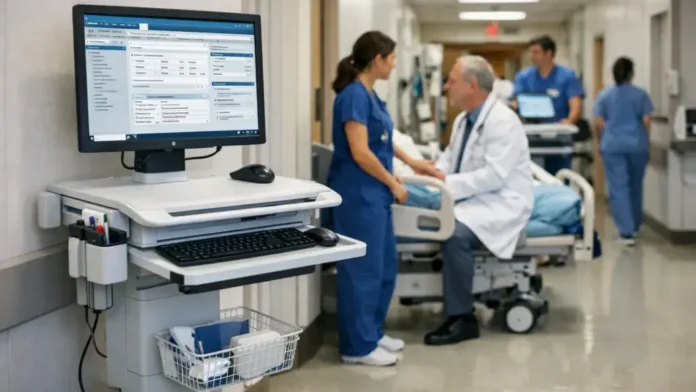
Best Places to Buy Hospital Computer on Wheels

best places to buy hospital computer on wheels

Equipping a healthcare facility with mobile computing solutions requires balancing efficiency, data security and long-term value. Effective purchasing decisions depend on identifying vendors with strong quality management and a proven record of innovation, so leaders should assess vendors based on their certifications, technology and compatibility with existing workflows. Discover the partner that best fits your facility’s needs.

1. Capsa Healthcare

Capsa Healthcare earns the top position through its commitment to enterprise-level quality and security standards. The company holds ISO 9001:2015 Certification for Quality Management and ISO 27001:2013 Certification for Data Security. These third-party certifications demonstrate Capsa Healthcareโ€™s rigorous adherence to internationally recognized standards that matter most to hospital leadership evaluating long-term technology investments.

The provider delivers end-to-end healthcare solutions configured in consultation with clients to optimize workflow efficiency. Every implementation receives individualized attention to ensure the mobile computing infrastructure aligns with specific departmental requirements.

Key Features

  • N-sight fleet management: Centralized monitoring and maintenance tracking across your entire cart inventory
  • Diverse product portfolio: Comprehensive range of mobile workstations engineered for different clinical environments
  • Consultative configuration: Customized equipment specifications developed through direct collaboration with your team

2. Ergotron

Ergotron is a leader in ergonomic technology for healthcare facilities, delivering clear benefits to clinical operations. Providers work extended shifts and require equipment that reduces physical strain. Improved clinician comfort directly supports sustained productivity throughout demanding work schedules.

Patented mechanisms allow seamless height adjustments without interrupting workflow. The open-architecture design accommodates multiple device ecosystems, giving facilities flexibility as technology evolves.

Key Features

  • Patented lift technology: Smooth height adjustment mechanisms that require minimal effort during workflow transitions
  • Open-architecture platform: Compatible with multiple device types and brands for maximum flexibility
  • Modular accessory system: Adaptable components that evolve with changing technology needs

3. Howard Medical

Rugged construction defines Howard Medicalโ€™s reputation in manufacturing carts designed for the rigors of a 24/7 hospital setting. Heavy-duty construction and reinforced components reduce maintenance cycles and extend operational lifespan across multiple years of intensive use.

Howare Medical offers flat-panel and compact rectangular workstations available in customizable colors. The models are portable to support various facility operations.

Key Features

  • Low total cost of ownership: Reduced maintenance expenses and extended replacement cycles lower overall investment requirements
  • Durable construction: Heavy-duty materials and reinforced components engineered for demanding clinical environments
  • Advanced power options: Reliable battery systems that maintain consistent performance across multiple shifts

4. Kinetic ID

Advanced features set Kinetic ID apart in addressing specific operational challenges. Hot-swap power capabilities enable uninterrupted cart use during battery changes, eliminating unplanned downtime between shifts.

Data-ready mounts accommodate evolving device ecosystems while cleanable surfaces support infection control protocols. These design features help clinicians document faster and integrate technology seamlessly across departments.

Key Features

  • PowerSwap Nucleusโ„ข Lithium Power System: Seamless battery replacement without interrupting clinical workflows
  • Custom engineering services: Tailored solutions developed for specialized departmental requirements
  • Device-agnostic mounting solutions: Universal compatibility across tablets, monitors and peripheral equipment

5. Midmark

Midmark is driven by user accommodation across diverse clinical staff needs. The manufacturer’s workstations support users ranging from a 5’0″ person seated to a 6’4″ person standing, addressing the reality that providers of varying heights and physical capabilities share mobile equipment throughout shifts.

Midmarkโ€™s adaptability means facilities don’t need multiple specialized cart configurations. Its strength lies in its ability to outfit an entire facility and position its carts within a larger, integrated clinical ecosystem.

Key Features

  • Integrated clinical ecosystem: Coordinated product families that maintain consistent functionality across departments
  • Consistent design language: Intuitive interfaces that reduce training time when staff rotate between units
  • Focus on outpatient settings: Specialized configurations optimized for ambulatory care environments

Methodology for Selecting the Top Medical Cart Providers

Medical department leadership should prioritize the following factors when making strategic technology investments.

  • Quality management systems: ISO certifications and documented commitment to manufacturing excellence
  • Data security standards: Third-party validated protocols protecting patient information and network integrity
  • Ergonomic design: Engineering approaches that reduce clinician strain and support sustained productivity
  • Durability and reliability: Construction quality that withstands continuous use in demanding clinical environments
  • Technological innovation: Advanced features addressing specific operational challenges and workflow optimization

The Leading Hospital Computer on Wheels Providers

Each supplier brings distinct strengths to address different institutional priorities:

Provider Key Differentiator Primary Focus
Capsa Healthcare ISO 9001:2015 and ISO 27001:2013 certifications Enterprise-grade quality and data security
Ergotron Patented ergonomic technology Clinician comfort and reduced physical strain
Howard Medical Rugged construction for medical environments Total cost of ownership and long-term durability
Kinetic ID PowerSwap hot-swap battery system Uninterrupted workflow and advanced features
Midmark 5’0″ to 6’4″ user accommodation Staff adaptability and outpatient environments

Choosing the Right Partner for Your Hospital’s Needs

The right provider varies based on your institution’s priorities. Facilities focused on data security may favor ISO-certified manufacturers, while those seeking to reduce clinician fatigue may prioritize ergonomics. Budget-conscious teams should consider device durability and maintenance costs. Use these insights to guide internal discussions and vendor selection that align with your operational goals.

Embecta Completes ยฃ150m Acquisition of Owen Mumford to Expand Chronic Care and Drug Delivery Portfolio

Acquisition of Owen Mumford

Embecta has formally completed its acquisition of UK-based medical device manufacturer Owen Mumford Holdings in a transaction valued at up to ยฃ150 million (approximately $172.6 million). The Embecta Owen Mumford acquisition, first announced in March 2026, positions the combined entity to deliver a broader suite of drug delivery and chronic care solutions to pharmaceutical partners and patients managing long-term conditions.

The transaction was structured with an upfront payment of ยฃ100 million, with up to an additional ยฃ50 million contingent on post-acquisition net sales performance of Owen Mumford’s flagship Aidaptus auto-injector platform over a three-year period. This performance-linked component underscores the strategic value placed on the Aidaptus platform and its anticipated commercial traction across multiple therapeutic areas.

The acquisition of Owen Mumford directly supports embecta’s ongoing strategic shift toward offering a broader portfolio of medical supplies, including specialised drug delivery platforms for pharmaceutical partners and products designed for patients living with chronic conditions. Embecta is specifically targeting the needs of individuals managing anaphylaxis, obesity, diabetes, and autoimmune diseases.

The deal grants embecta access to a specialised drug delivery platform capable of serving multiple therapeutic areas, while also strengthening its intellectual property portfolio most notably through ownership of the Aidaptus auto-injector platform.

The acquisition of Owen Mumford brings together two distinct areas of operational strength. Owen Mumford contributes deep expertise in device design, precision moulding, and assembly, while embecta contributes its established commercial operations and large-scale manufacturing capabilities. Together, the combined organisation is expected to expand its global market reach and improve overall operational efficiency.

Embecta currently operates with a workforce of approximately 2,500 employees and aims to supply a broad range of medical products to global markets. Owen Mumford, for its part, has built its reputation around healthcare device development, drug delivery technologies, and devices intended for chronic care and diagnostic use making the two organisations a natural operational and commercial fit.

Central to this deal is Owen Mumford’s Aidaptus auto-injector, a two-step, subcutaneous, single-use device engineered with future pharmaceutical collaborations in mind. The platform streamlines the final assembly process through a plunger rod insertion method that automatically adapts to varying fill volumes. This mechanism maintains a fixed distance between the stopper and plunger regardless of fill volume, reducing the need for additional verification steps and simplifying the manufacturing and assembly workflow.

The design of the auto-injector platform is intended to support a range of pharmaceutical partnerships across diverse therapeutic areas, offering flexibility that is increasingly sought after in the drug delivery segment.

Hospital Cybersecurity: Managing Digital Healthcare Risk

Hospital cybersecurity

Hospitals are increasingly dependent on digital infrastructure. From electronic health records and connected medical devices to cloud-based scheduling systems and remote consultations, modern healthcare operations now rely heavily on continuous data access and network connectivity. While this digital transformation has improved efficiency and care coordination, it has also introduced a growing vulnerability. Today, hospital cybersecurity is no longer viewed as an IT issue alone it has become a major operational risk.

Unlike many other industries, hospitals cannot afford downtime. A system failure does not simply interrupt workflow it can directly affect patient care, emergency response, and clinical decision-making. This makes healthcare one of the most sensitive and high-risk sectors in the cybersecurity landscape.

The Expanding Digital Footprint of Hospitals

Traditional hospital systems were once relatively isolated, relying heavily on physical infrastructure and localized operations. That model has changed rapidly with the adoption of digital healthcare technologies.

Modern hospitals now operate interconnected systems that include:

  • Electronic health records (EHRs)
  • Networked diagnostic equipment
  • Remote monitoring devices
  • Telehealth platforms
  • Automated pharmacy systems
  • Cloud-based administrative tools

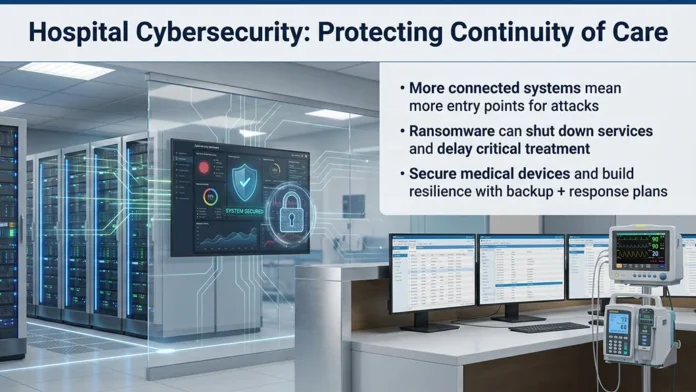
While these technologies improve operational efficiency, they also create multiple access points for cyber threats. Every connected system increases the complexity of managing digital security across the healthcare environment.

Why Hospitals Have Become Prime Targets

Cybercriminals increasingly target hospitals because healthcare systems contain highly sensitive and valuable data. Patient records include personal, financial, and medical information, making them attractive targets for ransomware groups and data theft operations.

However, the risk extends beyond data breaches. Cyberattacks can disrupt:

  • Clinical operations
  • Appointment scheduling
  • Emergency services
  • Diagnostic systems
  • Medication management

In extreme cases, operational disruptions can compromise patient safety. This is what distinguishes hospital cybersecurity from many traditional corporate security concerns the consequences are not purely financial or reputational, but potentially clinical.

Ransomware and the Rise of Operational Disruption

One of the most significant threats facing hospitals today is ransomware. In these attacks, malicious actors encrypt hospital systems and demand payment to restore access.

The operational impact can be severe:

  • Delayed procedures and surgeries
  • Loss of access to patient records
  • Diversion of emergency patients
  • Communication breakdowns across departments

Hospitals are particularly vulnerable because operational continuity is critical. Unlike other sectors that may tolerate temporary downtime, healthcare systems often face immense pressure to restore services immediately.

This has shifted cybersecurity discussions from data protection toward operational resilience.

Medical Devices and the Growing Attack Surface

A major challenge in hospital cybersecurity is the rapid growth of connected medical devices. Ventilators, infusion pumps, imaging systems, and patient monitoring equipment are increasingly network-enabled, allowing data sharing and remote management.

While this connectivity improves clinical efficiency, it also expands the attack surface. Many medical devices were not originally designed with modern cybersecurity standards in mind, creating vulnerabilities within hospital networks.

Securing these systems is particularly complex because:

  • Devices may operate on outdated software
  • Downtime for updates may affect patient care
  • Equipment lifecycles often extend for many years

This creates a difficult balance between operational continuity and digital security.

Cybersecurity as an Operational Strategy

Hospitals are beginning to recognize that cybersecurity must be integrated into broader operational planning rather than treated as a standalone IT function.

This shift includes:

  • Embedding cybersecurity into infrastructure design
  • Conducting regular risk assessments
  • Integrating security protocols into clinical workflows
  • Strengthening vendor and third-party management

Increasingly, hospital administrators are treating cybersecurity in the same way they approach physical safety and emergency preparedness as a core operational requirement.

The Human Factor Remains a Major Vulnerability

Despite advances in security technology, human behavior continues to represent one of the largest cybersecurity risks within hospitals.

Phishing attacks, weak password practices, and accidental data exposure remain common entry points for cyber incidents. In fast-paced healthcare environments, staff are often focused on clinical priorities, making digital vigilance more challenging.

Training and awareness are therefore becoming critical components of hospital cybersecurity strategies. Security protocols are most effective when integrated into everyday operational behavior rather than treated as separate compliance tasks.

Regulatory Pressure and Compliance Challenges

Healthcare organizations are also facing increasing regulatory scrutiny regarding data protection and cybersecurity standards. Compliance requirements around patient privacy and digital security continue to evolve globally.

Hospitals must now navigate:

  • Data protection regulations
  • Cybersecurity audit requirements
  • Incident reporting obligations
  • Third-party security assessments

Meeting these requirements can be resource-intensive, particularly for smaller healthcare systems with limited cybersecurity infrastructure.

At the same time, regulatory compliance alone is no longer sufficient. Hospitals are realizing that simply meeting minimum standards does not guarantee resilience against increasingly sophisticated cyber threats.

The Financial Impact of Cybersecurity Failures

The cost of cybersecurity incidents extends far beyond ransom payments or technical recovery expenses.

Cyberattacks can result in:

  • Operational downtime
  • Revenue loss from disrupted services
  • Legal and regulatory penalties
  • Reputational damage
  • Increased insurance and compliance costs

For hospitals operating under financial pressure, these disruptions can significantly affect long-term sustainability. As a result, cybersecurity investment is increasingly being viewed as a form of operational risk management rather than discretionary technology spending.

Building Digitally Resilient Hospitals

The future of healthcare will be increasingly digital, making cybersecurity resilience essential for operational stability. Hospitals are now investing in:

  • Advanced threat detection systems
  • Network segmentation strategies
  • Real-time monitoring platforms
  • Incident response planning
  • Backup and recovery infrastructure

The goal is not simply preventing attacks, but ensuring continuity even when disruptions occur.

As frequently discussed across healthcare management platforms, digital resilience is becoming a defining characteristic of modern hospital systems. The ability to maintain secure and uninterrupted operations will increasingly shape institutional trust and operational performance.

Conclusion: Cybersecurity as a Healthcare Imperative

The healthcare sectorโ€™s digital transformation has created enormous opportunities for efficiency, connectivity, and patient care improvement. However, it has also introduced a new category of operational risk that hospitals can no longer ignore.

Hospital cybersecurity is no longer confined to IT departments. It now influences clinical operations, patient safety, financial stability, and institutional resilience. As hospitals become more connected and data-driven, cybersecurity will play a central role in determining how effectively healthcare systems operate in an increasingly digital environment.

The challenge ahead is not simply protecting data but protecting the continuity of care itself.

How Digital Healthcare Is Transforming Patient Access Worldwide

digital healthcare transforming patient access worldwide

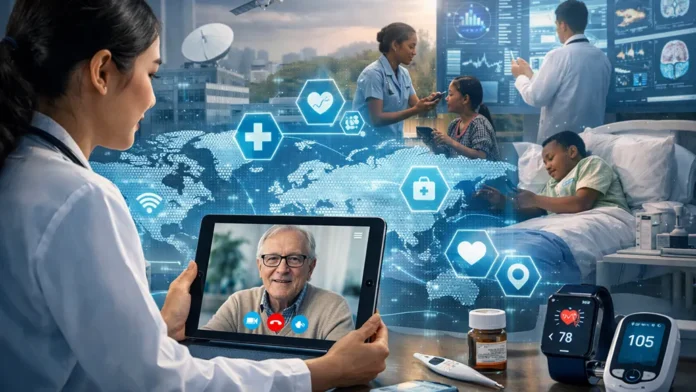
Healthcare systems worldwide are undergoing rapid transformation. Technology, telemedicine, and digital health platforms are changing how patients interact with providers, manage prescriptions, and access preventive care.

One major area of growth has been digital reproductive healthcare. Services providing access to solutions such as the birth control patch online reflect broader trends toward patient-centered healthcare systems focused on accessibility and convenience.

Telemedicine Growth Across Global Healthcare

Telemedicine adoption accelerated significantly in recent years.

Patients increasingly value:

  • Flexible appointments
  • Reduced travel requirements
  • Faster provider communication
  • Simplified prescription management
  • Remote healthcare access

Healthcare organizations are recognizing that digital tools can improve efficiency while supporting better patient experiences.

Improving Access to Preventive Care

Preventive healthcare remains critical for reducing long-term healthcare costs and improving patient outcomes.

However, access barriers continue affecting many populations.

Digital healthcare platforms help address:

  • Geographic limitations
  • Provider shortages
  • Scheduling delays
  • Transportation challenges
  • Healthcare accessibility gaps

These improvements help patients remain more consistent with preventive care routines.

Healthcare Consumer Expectations Are Changing

Modern healthcare consumers increasingly expect experiences similar to other digital services.

Patients now prioritize:

  • Convenience
  • Transparent information
  • Flexible communication
  • Digital accessibility
  • Faster service delivery

Healthcare providers adapting to these expectations are often better positioned to improve patient engagement.

The Role of Technology in Patient Engagement

Digital tools improve patient engagement by simplifying healthcare management.

Examples include:

  • Online scheduling
  • Secure messaging systems
  • Prescription reminders
  • Educational content
  • Mobile health applications

Engaged patients are often more proactive about maintaining their health.

Healthcare Equity and Digital Access

Digital healthcare also plays a role in improving healthcare equity.

Underserved populations may benefit from improved access to remote healthcare services when local provider availability is limited.

Although technology alone cannot solve every healthcare disparity, it can reduce certain structural barriers that affect preventive care access.

Data Security and Patient Trust

As healthcare becomes increasingly digital, data security remains essential.

Patients need confidence that healthcare platforms prioritize:

  • Privacy protection
  • Secure communication
  • HIPAA compliance
  • Ethical data management

Trust remains fundamental in both traditional and digital healthcare environments.

Integrating Traditional and Digital Care

The future of healthcare will likely involve hybrid models that combine:

  • In-person clinical care
  • Virtual consultations
  • Remote monitoring
  • Digital prescription systems
  • Telehealth support

This blended approach provides greater flexibility while preserving important provider-patient relationships.

The Importance of Healthcare Education

Healthcare education supports stronger patient outcomes.

Digital platforms increasingly provide educational resources that help patients understand:

  • Treatment options
  • Preventive care strategies
  • Medication safety
  • Lifestyle considerations

Informed patients are often more confident and engaged in their healthcare decisions.

Global Healthcare Innovation Trends

Healthcare innovation continues expanding in areas such as:

  • Artificial intelligence
  • Remote diagnostics
  • Digital therapeutics
  • Wearable health devices
  • Personalized medicine

These technologies may continue reshaping healthcare delivery over the next decade.

Final Thoughts

Digital healthcare is transforming patient access, preventive care, and healthcare engagement worldwide.

As telemedicine continues evolving, healthcare systems have opportunities to become more accessible, flexible, and patient-centered.

The future of healthcare innovation will likely focus not only on technology itself, but also on improving long-term patient experiences and healthcare accessibility across diverse populations.

Human-Centered Care Requires System-Centered Thinking

HumanCentered Care

Healthcare leaders increasingly champion human-centered care as the moral and operational foundation of modern medicine. Yet many organizations still attempt to achieve it through isolated patient-facing improvements rather than systemic transformation. The paradox is becoming clearer. Care cannot truly be human-centered unless the systems delivering it are intentionally designed around human realities. Human compassion succeeds only when supported by coherent structures, workflows, technologies, and policies that enable it.

Human-centered care begins with understanding people, but it succeeds through understanding systems. Three key components are emphasized by research on human-centered design: a systems approach that takes interconnections between organizational levels into account, ongoing stakeholder engagement, and a profound understanding of human needs. Patients, doctors, technology, and organizations all constantly impact one another in the complex sociotechnical context that is healthcare. Enhancing one element while ignoring the whole ecosystem frequently has unforeseen repercussions in other areas.

Healthcare improvement efforts have focused on optimizing individual processes. Hospitals updated paperwork, implemented new technology, or provided professionals with communication skills training. Although beneficial, these interventions often failed to scale because they addressed symptoms rather than underlying causes. By acknowledging that results occur from interwoven relationships, systems thinking reframes healthcare difficulties. Staffing, communication styles, patient safety, and long-term results are all impacted concurrently by each process modification.

This systems perspective explains why patient experience cannot be separated from organizational design. Seldom are long wait times, poor communication, or exhaustion among clinicians the result of individual effort. They indicate an imbalance in the system. Therefore, incentives, procedures, and settings are aligned in a human-centered health system to make compassionate behavior the easiest rather than an extra burden. According to research, policies, care pathways, and products should all be guided by empathy and iterative prototyping to ensure that solutions develop in tandem with practical application.

Human-centered systems thinking also expands who counts as a stakeholder. Patients are not passive recipients but co-designers of care experiences. Clinicians, administrators, caregivers, and communities all shape outcomes through daily interactions with the system. Studies applying design thinking in healthcare implementation show that involving frontline staff and stakeholders early helps identify operational barriers that traditional planning overlooks. Collaborative system mapping allows organizations to anticipate cultural, logistical, and structural challenges before interventions are deployed.

Crucially, human-centered methods reframe the use of efficiency and technology rather than rejecting them. Instead of making people adjust to inflexible processes, technology thrives when it adapts to human workflows. Usability, accessibility, and emotional experience are given top priority in human-centered design, which acknowledges that psychological safety and trust are just as important to the quality of healthcare as clinical results. Performance and happiness both increase when systems take into consideration human cognitive limitations, social circumstances, and lived experiences.

This change is critical since healthcare is becoming more complex. The digital revolution, aging populations, chronic disease loads, and labor shortages are all issues that cannot be managed with band-aid solutions. Systems thinking encourages leaders to examine connections between meso-level organizational structures, macro-level policy frameworks, and micro-level interactions. Holistic design is crucial for long-term improvement since changes at one level invariably have an impact on others.

A system-centered mindset also reframes accountability. Organizations explore how systems facilitate or hinder success rather than why people fail. This viewpoint encourages lifelong learning and lessens blaming cultures. Strengthening individual components without strengthening the system as a whole runs the danger of worsening results rather than resolving issues, as healthcare policy pundits are increasingly pointing out.

Ultimately, human-centered care is not a bedside initiative but a design philosophy for entire health ecosystems. Compassion, empathy, and personalization flourish only when supported by aligned workflows, integrated technologies, and collaborative governance structures. Leaders who embrace system-centered thinking move beyond treating patients kindly toward building environments where humane care becomes structurally inevitable. The future of healthcare will belong to organizations that understand this distinction. Human-centered care is the goal. System-centered thinking is the method that makes it achievable.

By – Melissa Powell

Ooredoo Kuwait and Hadi Clinic Announce Strategic Digital Transformation Partnership

smart healthcare

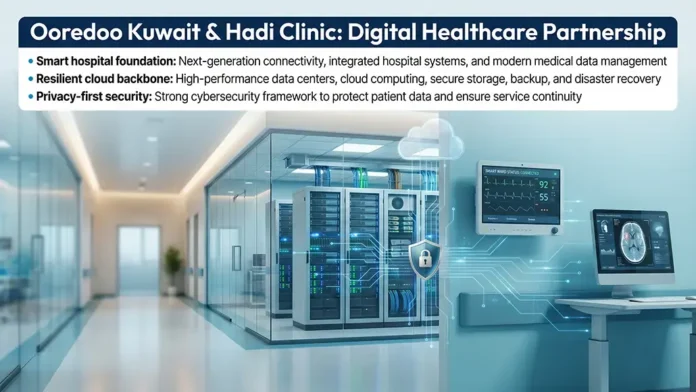
Ooredoo Kuwait and Hadi Clinic have officially entered into a strategic partnership designed to accelerate the digital transformation of medical infrastructure within the country. This collaboration aims to modernize the technological foundations of healthcare institutions, integrating the latest global advancements in telecommunications, information technology, and artificial intelligence. The initiative is structured to support the objectives of Kuwait Vision 2035, focusing on the development of a sustainable knowledge-based economy through the advancement of key sectors.

The Ooredoo Kuwait and Hadi Clinic initiative seeks to deploy smart healthcare, integrated solutions that enhance the operational efficiency of medical services while significantly improving the patient experience. By leveraging advanced technology, the partnership intends to build a robust framework for future medical service delivery.

Under the terms of the agreement, Ooredoo Kuwait, in collaboration with technology partner Huawei, will implement an extensive healthcare ICT ecosystem. This infrastructure will include next-generation networks, high-performance data centers, and cloud computing technologies. The project also encompasses advanced storage solutions, disaster recovery protocols, and comprehensive backup systems to ensure operational continuity.

This advanced digital infrastructure is expected to facilitate the transition toward a smart healthcare and hospital model. By utilizing these technologies, healthcare providers can improve the management of medical data and utilize artificial intelligence to assist in clinical decision-making processes. The integration of these systems is projected to enhance service quality and streamline hospital operations.

A primary focus of the collaboration is the strengthening of cybersecurity frameworks to ensure patient data security and maintain high standards of privacy. The Digital Healthcare Kuwait Hadi partnership emphasizes the creation of a secure digital environment that fosters trust and reliability in medical services.

Sulaiman AlHomoud, Director of B2B Marketing at Ooredoo, stated that the partnership reflects a commitment to empowering the healthcare sector through innovative digital solutions. He noted that the project supports the healthcare ecosystem with secure, scalable infrastructure that meets future demands and aligns with Kuwait Vision 2035.

Mubarak AlMailem, General Manager of Hadi Clinic, described the partnership as a strategic step toward the comprehensive development of the healthcare system. He emphasized that the cooperation will enable the hospital to deliver more accurate and personalized medical services. He further highlighted that protecting patient data remains a top priority, with advanced cybersecurity systems being implemented to ensure reliability.

Zaid AlMailem, Deputy General Manager, added that the hospital remains committed to continuous innovation, noting that the adoption of these advanced technological solutions will enhance clinical outcomes and operational efficiency across the institution.

Fujitsu, IBM Healthcare Collaboration Expands Medical AI

Medical AI

Fujitsu Limited and IBM Japan, Ltd. have officially formalized their healthcare-sector collaboration following discussions first disclosed in September 2025, with the companies planning to jointly advance cloud infrastructure and AI-driven healthcare services in Japan. The partnership will focus on developing a sovereign cloud platform designed for medical use while enabling broader utilization of healthcare data across institutions. Through the initiative, both companies intend to operate their electronic health record systems on Fujitsuโ€™s sovereign cloud environment, supporting secure cross-institutional data integration and expanding the application of AI technologies based on the operational requirements of healthcare providers. The companies said the effort is intended to provide healthcare institutions with cloud-based systems that maintain data sovereignty while supporting operational continuity and stronger security standards. The initiative also seeks to address mounting structural pressures within Japanโ€™s healthcare system and improve long-term sustainability. Medical AI is expected to support a range of hospital operations under the collaboration.

Japanโ€™s healthcare sector continues to face growing strain as the countryโ€™s aging population increases demand for medical services. Medical costs have risen beyond 48 trillion yen annually, while healthcare providers are dealing with staffing shortages, financial pressures, and broader sustainability concerns within the social security system. At the same time, medical data required for advanced clinical research remains insufficiently standardized and fragmented across institutions, limiting broader utilization. Fujitsu and IBM Japan said easing the administrative burden on healthcare workers and enabling more efficient use of medical data across organizations will be essential for improving care delivery. Under the collaboration, the companies will jointly promote operational efficiency initiatives while supporting medical DX measures encouraged by the Japanese government. Their sovereign cloud platform will serve as a common foundation for healthcare applications provided by both companies, enabling medical institutions to adopt cloud-based systems with stronger control over data management and security.

The companies also plan to integrate and jointly utilize their AI technologies for the healthcare industry. With consent from healthcare providers and patients, Fujitsu and IBM Japan aim to securely combine data from multiple medical institutions in Japan to improve clinical and operational workflows. Planned use cases include AI support for preparing clinical and nursing reports as well as streamlining DPC coding processes linked to medical fee claims. The collaboration is also exploring initiatives connected to drug discovery and clinical development, including identifying patients eligible for clinical trials and improving research efficiency. By expanding cooperation with university hospitals, national centers, and other medical institutions, the companies intend to validate healthcare data and AI applications before phased deployment. Medical AI will also support future patient-centric services covering appointment booking, treatment processes, and post-care follow-up.

Telehealth Integration Across Traditional Hospital Systems

Telehealth Integration

The healthcare sector is undergoing a structural transformation in how care is delivered, managed, and accessed. What was once considered a supplementary digital service has rapidly evolved into a core operational component of modern healthcare systems. Today, telehealth integration in hospitals is no longer limited to virtual consultations it is reshaping workflows, infrastructure planning, patient engagement, and long-term healthcare strategy.

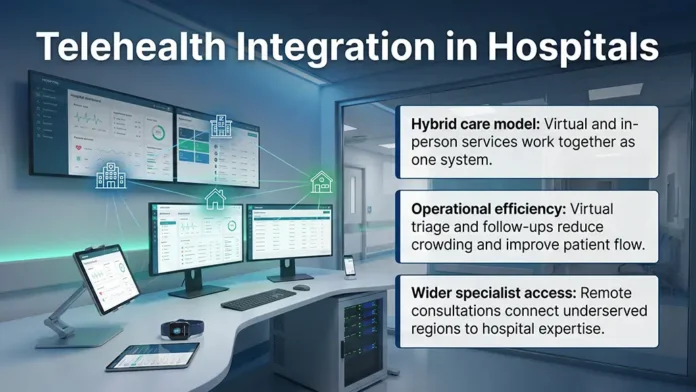
Traditional hospitals, historically built around centralized physical care delivery, are increasingly adapting to a hybrid model where digital and in-person services operate simultaneously. This transition is not simply technological. It represents a broader shift in how healthcare systems think about accessibility, efficiency, and resource utilization.

From Emergency Solution to Strategic Infrastructure

Telehealth adoption accelerated significantly during periods of healthcare disruption, when hospitals were forced to reduce physical interactions while maintaining continuity of care. However, what began as an emergency response has evolved into a long-term operational strategy.

Hospitals are now integrating telehealth into routine services such as:

  • Follow-up consultations
  • Chronic disease management
  • Mental health support
  • Specialist referrals
  • Remote monitoring programs

This expansion reflects a growing recognition that digital care delivery can improve operational flexibility while extending healthcare access beyond hospital walls.

Why Traditional Hospital Systems Are Embracing Telehealth

One of the primary drivers behind telehealth integration in hospitals is the increasing pressure on healthcare infrastructure. Rising patient volumes, workforce shortages, and growing demand for specialized care are pushing hospitals to optimize capacity without continuously expanding physical facilities.

Telehealth provides an alternative pathway by enabling hospitals to:

  • Reduce unnecessary in-person visits
  • Improve patient flow management
  • Extend specialist access to remote regions
  • Minimize overcrowding in outpatient departments

By shifting certain services into virtual environments, hospitals can allocate physical infrastructure more efficiently while improving overall operational performance.

Operational Efficiency Beyond Virtual Consultations

The impact of telehealth extends far beyond convenience. Its integration into traditional hospital systems is fundamentally changing operational workflows.

Virtual triaging, for example, allows hospitals to assess patient conditions before arrival, helping prioritize urgent cases and reduce unnecessary admissions. Remote consultations reduce pressure on outpatient departments, while digital follow-ups improve continuity of care without increasing physical occupancy.

Additionally, telehealth supports better coordination between departments, specialists, and external care providers. This creates a more connected healthcare ecosystem where information flows more efficiently across clinical operations.

In this sense, telehealth integration in hospitals is becoming an operational optimization tool, not just a patient-facing technology.

The Infrastructure Shift: Hospitals Without Walls

Traditional hospital systems were designed around centralized infrastructure beds, clinics, diagnostic facilities, and physical consultation spaces. Telehealth challenges this model by decentralizing parts of care delivery.

As virtual care expands, hospitals are increasingly investing in:

  • Digital consultation platforms
  • Remote patient monitoring systems
  • Cloud-based clinical data integration
  • Telemedicine command centers

This transformation is giving rise to the concept of the โ€œhospital without walls,โ€ where care delivery extends into homes, workplaces, and remote communities while remaining connected to centralized clinical systems.

Improving Access to Specialized Healthcare

One of the most significant advantages of telehealth integration is its ability to improve access to healthcare services, particularly in underserved regions.

Specialist shortages remain a major challenge across many healthcare systems. Telehealth enables hospitals to extend specialist expertise to rural and remote populations without requiring patients to travel long distances.

This is particularly valuable in areas such as:

  • Cardiology
  • Neurology
  • Mental health
  • Post-surgical follow-up care

By bridging geographic barriers, telehealth helps hospitals expand their reach while improving healthcare equity.

Financial Implications for Hospital Systems

The economics of telehealth integration in hospitals are becoming increasingly relevant for healthcare administrators. While digital infrastructure requires upfront investment, telehealth can generate long-term operational efficiencies.

Potential financial benefits include:

  • Reduced infrastructure strain and occupancy costs
  • Lower readmission rates through improved follow-up care
  • More efficient clinician utilization
  • Expanded patient reach without proportional facility expansion

At the same time, hospitals must balance these gains against challenges such as reimbursement models, technology investments, and regulatory compliance requirements.

The financial success of telehealth integration often depends on how effectively digital services are embedded into broader operational strategies rather than treated as standalone offerings.

Challenges Slowing Full Integration

Despite rapid adoption, telehealth integration still faces structural and operational barriers.

Many traditional hospital systems struggle with:

  • Integration between telehealth platforms and existing clinical systems
  • Data privacy and cybersecurity concerns
  • Variability in digital literacy among patients and staff
  • Regulatory and reimbursement inconsistencies

There are also concerns around maintaining quality of care in virtual settings, particularly for cases requiring physical examination or complex diagnostics.

These challenges highlight that successful integration is not purely about deploying technology it requires organizational adaptation, workflow redesign, and long-term strategic alignment.

The Human Factor in Digital Healthcare

As hospitals digitize care delivery, maintaining the human element of healthcare becomes increasingly important. Telehealth can improve convenience and accessibility, but concerns remain around patient engagement, communication quality, and continuity of care.

Healthcare providers must balance efficiency with personalization, ensuring that digital interactions do not weaken patient trust or clinical relationships.

This is particularly important in long-term care management, where patient experience and communication quality directly influence treatment adherence and outcomes.

The Role of Data and Analytics

The growth of telehealth is also increasing the importance of healthcare data management. Digital consultations, remote monitoring devices, and virtual care platforms generate large volumes of operational and clinical data.

Hospitals are increasingly using analytics to:

  • Monitor patient engagement and outcomes
  • Optimize appointment scheduling and resource allocation
  • Identify high-risk patients through remote monitoring data
  • Improve operational efficiency across virtual care networks

As frequently discussed across healthcare industry platforms, the convergence of telehealth and analytics is transforming hospitals into more connected, data-driven systems.

Conclusion: Building Hybrid Healthcare Systems

The future of healthcare is unlikely to be entirely physical or entirely digital. Instead, hospitals are moving toward hybrid care models where virtual and in-person services operate as integrated components of a unified system.

Telehealth integration in hospitals represents more than a technological upgrade it reflects a broader transformation in how healthcare infrastructure is designed and utilized. Hospitals that successfully integrate digital care delivery into traditional systems will be better positioned to manage capacity, improve accessibility, and respond to evolving patient expectations.

As healthcare systems continue to evolve, telehealth is becoming less of an alternative service and more of a foundational layer within modern hospital operations.

Bluesight Launches Hospital AI Platform for Health Systems

Bluesight

Bluesight has introduced Prism, a new Hospital AI Platform designed for hospital pharmacy and compliance operations, with the company launching Prism Assistant as the first application within the system. The assistant is now integrated into ControlCheck, Bluesightโ€™s drug diversion monitoring software, where it enables diversion teams to analyze controlled substance information and behavioral patterns through natural language queries. According to the company, the tool reduces investigative analysis tasks from days to seconds and can cut time spent on controlled substance variance analysis by up to 97%.

The launch follows increasing use of artificial intelligence tools within hospital pharmacy environments. Bluesightโ€™s 2026 research found that 24% of pharmacy leaders currently use AI every day, while 35% of diversion professionals already depend on tools such as ChatGPT and Microsoft Copilot to review controlled substance data. Prism Assistant was developed specifically for diversion monitoring workflows rather than general-purpose AI applications. The company stated that the platform functions entirely within its secure infrastructure, uses integrated ControlCheck data sources, and aligns with Googleโ€™s Secure AI Framework (SAIF). โ€œDemand for generative AI in diversion monitoring is already here,โ€ said Kevin MacDonald, CEO and co-founder of Bluesight. โ€œBut many teams are using tools that werenโ€™t built for sensitive healthcare data or diversion workflows. Prism Assistant delivers the speed they need while keeping data secure and grounded in the workflows they already trust.โ€

Using Prism Assistant, diversion teams can request reports, graphs, and evidence-backed responses related to provider behavior and controlled substance trends in less than a minute. Bluesight said this allows staff to spend more time on higher-priority investigations, regulatory compliance activities, and diversion confirmation processes instead of manually assembling data. Twenty health systems are already deploying the assistant within ControlCheck for peer comparisons, executive reporting, and staff investigation analysis. Reported outcomes include recurring reports being completed 96% faster, pre-investigation triage reduced from three hours to around 10 minutes, and detailed variance analysis shortened from 30 minutes to under a minute. Bluesight also confirmed the Hospital AI Platform will expand into PrivacyPro later this year while the company develops agentic AI capabilities capable of handling multi-step workflows independently.

ShiftMed Skilltrade Partnership Targets Allied Health Gaps

ShiftMed

ShiftMed has entered into a strategic collaboration with Skilltrade to bring allied health education into its healthcare workforce ecosystem, as hospitals and health systems continue to face shortages of credentialed professionals across critical care functions. Through the agreement, ShiftMed will integrate Skilltradeโ€™s workforce training programs into its platform, allowing healthcare organizations to build long-term staffing pipelines for allied health positions while addressing ongoing workflow pressures. The partnership combines ShiftMedโ€™s workforce optimization capabilities with Skilltradeโ€™s AI-driven learning simulations and human-led training support to create a more structured pathway for workforce development. The Allied Health focus of the collaboration is intended to help organizations manage both current labor demands and future staffing needs through integrated recruitment, training, and deployment solutions.

Skilltradeโ€™s programs include live instruction, certification preparation, hands-on lab work, and hybrid learning models tailored for workforce partners and adult learners. By incorporating these training pathways directly into ShiftMedโ€™s platform, healthcare providers can expand workforce development efforts using both internal staff and external candidates. โ€œHealthcare organizations require more than immediate labor capacity; they need strategic solutions that architect a sustainable pipeline,โ€ said Todd Walrath, CEO of ShiftMed. โ€œBy partnering with Skilltrade, we are giving our clients the ability to not only optimize the workforce they have today but to actively engineer the credentialed workforce they need to solve the workflow challenges of tomorrow.โ€

Under the partnership, health systems will be able to identify workforce gaps and transition candidates into certified clinical roles through cohort-based training programs. These programs are designed to convert applicant pools into credentialed float staff while also supporting employee advancement into roles such as medical assistants, sterile processing technicians, surgical technologists, and patient care technicians. Training delivery options include onsite, hybrid, and online formats, alongside access to employer-sponsored education programs, workforce grants, and apprenticeship pathways. The Allied Health initiative also aligns with ShiftMedโ€™s broader efforts to reduce dependence on contract labor, improve retention through career mobility, strengthen workforce stability, and support healthcare delivery operations. โ€œHealthcare employers are navigating a complex and fragmented workforce ecosystem,โ€ said Jason Aubrey, CEO of Skilltrade. โ€œOur role is to simplify that complexity, bringing AI-enabled training, funding navigation, and workforce partnerships together into one coordinated solution. Partnering with ShiftMed allows us to deliver that value at scale.โ€

Translate ยป