













Close
Digital Health & Ai Innovation summit 2026
LiGHT26

Revolutionizing Orthotic Care: What Is A C-Brace?

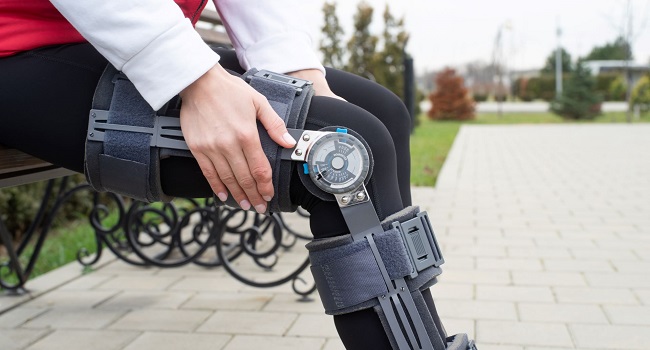
In orthotic care, technological advancements are perpetually ushering in new ways to improve mobility and enhance the quality of life for patients with walking impairments. One of the most groundbreaking innovations is the C-Brace.ย 

Unlike traditional braces with limited dynamic control, the C-Brace deploys advanced sensor technology and real-time gait analysis to adapt to different walking speeds, terrains, and movements. Doing so shifts the paradigm from mere support to integrated, adaptive care that understands each individual’s unique biomechanical needs.ย 

How Does C-Brace Work?

The C-Brace employs a system that uses sensors and microprocessors to understand the user’s movements and intentions.ย ย 

These sensors continuously monitor parameters like speed, angle, and force, adjusting the hydraulic resistances at the knee and ankle joints in real time. This provides unparalleled support and freedom during various activities, such as walking, climbing stairs, or even standing.ย 

Its ability to adapt to different terrains and walking speeds sets the C-Brace apart. Whether navigating through rocky trails or strolling on flat surfaces, the brace’s intuitive system adjusts accordingly to offer the optimum level of support. This eliminates the “robotic” feel that comes with traditional braces, which often inhibit natural movement.ย 

Traditional braces are primarily passive, providing stability but not adapting to changes in movement or activity level. In contrast, the C-Brace is a dynamic system that actively assists the user during their various phases of gait, making it a transformative tool in lower limb orthotics.ย 

Advantages Over Traditional Braces

The transformative impact of the C-Brace goes beyond its technological prowess; it offers a host of advantages that significantly improve the quality of life for individuals with mobility challenges. Here is a detailed look at how the C-Brace is redefining orthotic care.ย 

  • Dynamic, Real-Time Adaptability

Due to its sensor-driven, microprocessor-controlled system, the C-Brace is designed to adapt to various activities and terrains in real time. This adaptability allows for a more natural walking experience, unlike traditional braces, which can be restrictive and inflexible. Whether walking flat surfaces or climbing stairs, the device adjusts its hydraulic resistance at the knee and ankle joints to provide optimal support.ย 

  • Enhanced Comfort

Traditional braces often come with discomfort due to their rigid structure and lack of adaptability. The C-Brace, on the other hand, is ergonomically designed to minimize discomfort and facilitate more extended use. Its real-time adaptability also makes it comfortable to wear in various scenarios.ย 

  • Long-Term Rehabilitation

One of the most significant advantages of C-Brace is its potential for aiding in long-term rehabilitation. The brace encourages natural movement patterns, which can contribute to muscle strengthening and overall biomechanical improvement over time. This is particularly beneficial for those recovering from injuries or surgeries.ย 

  • Psychological Benefits

The sleek design and dynamic adaptability of the C-Brace can significantly improve the user’s self-esteem and social comfort. Traditional braces are often noticeable and attract attention to the wearer’s condition, whereas the C-Brace is less conspicuous. Moving more naturally can also boost the wearer’s confidence, promoting greater social interaction and an improved quality of life.ย 

  • Broad Spectrum Of Users

The C-Brace can be used by a diverse range of individuals, from those recovering from traumatic injuries to those with degenerative conditions affecting their lower limbs. Its adaptability and customizability make it suitable even for people who engage in sports or outdoor activities. This opens up the possibility for a more active lifestyle for many who were previously limited by their conditions.ย 

  • Customizability Through Software

The C-Brace may come with an associated smartphone app for further customization. Medical professionals can calibrate the brace to meet individual needs or to be optimized for specific activities. This personalized approach enhances both the comfort and effectiveness of the orthotic solution.ย 

  • Integration With Future Technologies

The C-Brace is already on the cutting edge of orthotic technology and is positioned to integrate seamlessly with future advancements. Whether it’s more advanced sensors, health monitoring systems, or machine learning algorithms, the C-Brace is built with a view toward future compatibility. This makes it a long-term investment in the user’s health and mobility.ย 

By offering these diverse advantages, the C-Brace provides immediate benefits and opens doors to a more active, comfortable, and fulfilling life for individuals facing mobility challenges.ย 

Cost And Accessibility

Although the C-Brace is revolutionary, its higher cost than traditional braces can be a barrier for some. However, it’s essential to consider the long-term benefits and cost-effectiveness of this advanced orthotic system.ย 

The upfront investment in a C-Brace could mean fewer medical bills in the future related to strain injuries or falls. Its dynamic adaptability could also potentially increase occupational opportunities for users, thereby improving financial stability in the long term.ย 

Various financing options, insurance coverage, and grants may be available to assist with the cost, making it more accessible for a wider range of patients. The goal is to ensure this groundbreaking technology can benefit as many people as possible.ย 

Conclusion

The C-Brace represents a paradigm shift in the field of lower limb orthotics. Its dynamic adaptability offers unparalleled freedom and safety, enabling wearers to navigate multiple terrains, reduce physical strain, and participate more fully in social activities.ย ย 

While the initial cost may be higher, the long-term benefits it offers, both physically and emotionally, make it a revolutionary tool in orthotic care.


Medical Startup STIMVIA Unveils Innovative Solution to Transform Central Nervous System Disorder Treatments

STIMVIA, a pioneer medical technology company, is introducing an effective non-invasive neuromodulation treatment that offers a way to stimulate deep brain structures without the need for medication or surgery. Dysfunctions in these structures contribute to the development of various chronic conditions, such as overactive bladder.ย  STIMVIA has made remarkable progress in the treatment of this condition. Current clinical studies demonstrate that their technology, known as URISยฎ, stands as one of the most efficient approaches in combating this ailment, affecting approximately 40 million individuals in the USA.

The Technology Capable of ‘Hacking’ the Brain

The uniqueness of URISยฎ technology lies in its ability to precisely stimulate a specific nerve using new type of electrodes applied to the patient’s skin, as well as delivering an electric signal directly to the patient’s brain. This is something that other non-invasive methods currently cannot achieve. Developed by the team at the Czech company STIMVIA, located in the heart of Europe, the technology utilizes a method called peroneal neuromodulation (Peroneal eTNMยฎ), which involves stimulating peripheral nerves that extend from the extremities to the spinal cord and brain.

“We have demonstrated the capability to non-invasively reach deep brain structures, where the origin of many chronic diseases caused by imbalanced activity in different parts of the brain arises. Through what is known as neuromodulation, we can restore this balance. We can activate centres that are underactive and conversely, dampen the activity of regions showing excessive activity,” explains Lukas Doskocil, CEO of STIMVIA.

Effective Treatment for Overactive Bladder Without Medication or Surgery

Currently, STIMVIA is at the forefront of treating overactive bladder, a condition that affects approximately 40 million people in the USA, of whom more than 30 million remain untreated. A recent American clinical study demonstrated that more than 60% of women will experience a certain form of incontinence during their lifetime. According to clinical studies, URISยฎ ranks among the most effective methods in combating this condition. Clinical results have been achieved in more than 90% of patients treated with URIS, comparable to the effectiveness of invasive sacral neuromodulationโ€”a costly surgery with a risk of serious consequences.

In contrast, treatment with URISยฎ technology is optimal for everyone and is associated with only a minimal amount of risks and side effects, which have appeared in only 0.01% of cases. “It is the outstanding ratio between clinical effectiveness and negligible risk of adverse effects that makes this treatment unique,” says Prof. MUDr. Jan Krhut, Ph.D. from the Urology Clinic at the University Hospital Ostrava.ย 

Telemedicine in Practice

With the press of a simple button, the latest version of the device URIS II autonomously calibrates optimal stimulation settings and identifies precise neural locations for treatment. Powered by advanced proprietary AI algorithms, it eliminates manual adjustments, thereby setting a new user-friendliness standard.

“This distinct capability gives us a competitive edge, miles ahead of current market solutions. In our mission to revolutionize healthcare, our commitment to innovation and personalized patient care remains strong. To enhance the system’s efficacy, we’ll integrate personalized stimulation plans via our cutting-edge app. Using deep analytical algorithms, the app predicts treatment outcomes accurately, while seamless integration with URIS II enhances real-time data collection for improved effectiveness,โ€ says Doskocil.

To date, over 200 patients have undergone treatment using URISยฎ technology as a part of clinical studies. The device could reach more people by the end of this year when STIMVIA is preparing a commercial pilot project in Europe. Due to its unique technology, the company plans to expand to international markets and aims to treat tens of millions of patients worldwide within a matter of years. As early as this fall, STIMVIA is launching a pilot study to determine whether URISยฎ technology is suitable for patients suffering from Parkinson’s disease and essential tremor.

Back Pain Relief Remedies You Can Try at Home Today

The excruciating pain when you try to tie your sneakers, the annoying itching pain when grabbing the cereals on the top shelf, or just the bothersome numbness of the lower back after a long day of sitting! Sounds familiar? Of course, during the course of life, the chance of never hurting your back is almost impossible. Modern-day living, driving, sitting, and a lack of walking or any form of physical exercise only contribute to the problem. If youโ€™re struggling with these problems, in the text below, weโ€™ll discuss simple ways to relieve pain as effectively as possible. Read on!

Maintain Proper Posture

This one is all too familiar to everyone who spends hours behind their desk. Bad posture while sitting can have devastating long-term effects on the body; the pain can only get worse as time progresses, and few people know how to handle it. While seated, ensure your feet are flat on the ground and your back is aligned against the backrest. When standing, distribute your weight evenly between both feet and avoid slouching. Make sure to walk from time to time around your room or office, as any sort of walking can make a big difference. Before and after sitting for long periods of time, do a few stretching exercises to bring your spine back into position.

Regular Exercise

There have been numerous studies showing how regular physical exercise can improve your health more than if you simply eat healthy and sit all day long. In fact, medical experts suggest that sitting for prolonged periods of time has a worse effect on our bodies than hard physical jobs done by people in the Victorian era. It seems as though all the comfort we strive for is now slowly killing us. So, Engaging in regular physical activity is crucial for strengthening the muscles that support your back. Exercises that focus on your core muscles, such as planks, bridges, and yoga, can significantly contribute to back pain relief. Yoga, in particular, emphasizes flexibility, balance, and gentle stretching, all of which can alleviate tension and promote better spinal health. Try out a few of these options, and youโ€™ll see the difference in no time.

Over-the-Counter Pain Relief

Over-the-counter painkillers are the first thing we grab when in pain. And sure, these bad boys can make quite a difference in combating back pain of any form. But the problem is that these are just temporary reliefs, and the real cause is never treated. So, we suggest trying supplements and medication that will positively impact your hidden causes. What we eat is who we are, and processed food can cause intoxication and inflammation in the body out of nowhere. For example, the most common back issue is one related to the infamous sciatic nerve. Anything from stretching and exercises to visiting your chiropractor’s office can help. But if you take proper medication made from completely natural ingredients that support sciatic nerve pain, you can see results in 4 weeks at most. Whatโ€™s happening to the body is actually a process of accumulation while the natural ingredients are slowly doing their job of curing the inflammation over time. After a month and a half, you shouldnโ€™t feel any form of pain, and of course, to maintain this state, itโ€™s advisable to maintain good posture and exercise. Yoga helps as well!

Proper Sleep Ergonomics

Sleeping on the stomach is a favorite of many, but the way it puts pressure on your spine is completely unnatural and can only cause you trouble in the future. If youโ€™re struggling with back pain, youโ€™ll have to change these habits and go for a position more suitable for the spine. Using pillows strategically to support your neck and lower back can contribute to reducing pain. And donโ€™t forget that a mattress that provides adequate support and comfort is essential for maintaining proper spinal alignment during sleep.

Heat and Cold Therapy

This one is a favorite of many; applying heat or cold to the affected area can provide quick relief from back pain. Basically, cold packs can help reduce inflammation and numb the area, while heat packs relax muscles and increase blood flow. And between hot and cold treatments, they can be particularly effective. It has to do a lot with how our nervous system works, what hot/cold exposure does to the nervous system and cardiovascular systems, and what exercise and yoga do to the muscles. Itโ€™s a โ€œstretchingโ€ excess that allows our body to adapt to different forms of stress.

Seems pretty simple, but not for the one in pain. We know how much distress it can cause and how bothersome it can be. In some extreme cases, people had to undergo surgery after years of back pain and struggle. Yet the solution is simple; the implementation of several effective methods can have wondrous outcomes. Good luck!

Addressing The Role of Errors In Device Recalls In MedTech

Andrew Vincent, Associate Offering Management Director at IQVIA MedTech, highlights the escalating scrutiny and media attention surrounding device recalls in today’s consumer-oriented environment. In 2022, Class 1 recalls reached a 15-year peak, impacting nearly 62 million products globally. Amid the digital health advancements and mounting pressures on MedTech supply chains, organizations confront formidable challenges in safeguarding product safety and quality. Device recalls are initiated voluntarily or mandatorily, aiming to withdraw potentially harmful products from the market, ensure patient safety, and preserve brand integrity. This blog post explores the drivers of recalls, their ramifications for businesses and patients, and preventive measures MedTech organizations can adopt.

Reasons for Device Recalls:

Software: Advances in digital health and AI have increased exposure to development flaws. Cybersecurity threats have raised concerns about patient data safety, leading to regulatory measures like https://eur-lex.europa.eu/legal-content/EN/TXT/PDF/?uri=CELEX:32017R0745ย  & https://eur-lex.europa.eu/legal-content/EN/TXT/PDF/?uri=CELEX:32017R0746 for MDR & IVDR.

Quality Issues: Device failures, incorrect specifications, component problems, and erroneous results are common quality defects triggering MedTech recalls, posing potential risks to patients.

Labelling Errors: Incorrect or misleading labeling can confuse patients, consumers, caregivers, and healthcare professionals, leading to misuse or unintended consequences.

Regulatory Compliance: Regulators are increasingly scrutinizing device recalls through measures like IVDR & MDR. In 2022, the FDA urged MedTech manufacturers to be more prepared for recalls.

Emerging Patient Safety Data: Robust Post-Market Surveillance programs and patient-reported adverse events enable MedTech organizations to proactively identify unsafe products and take swift corrective action based on new data or reported incidents.

Preventative Measures:

  • Design & Quality Control: Implementing rigorous quality control and design control processes effectively identifies and rectifies potential issues before products reach patients.
  • Regulatory Compliance: Staying updated on recent laws and regulatory changes and adhering to relevant regulations is vital to reducing the risk of device recalls.
  • Transparency: Open and honest communication with all stakeholders across the device value chain is crucial for accountability and responsibility.
  • Effective Recall Strategy: A robust strategy, whether insourced or outsourced, covering policy, planning, product development, communications, logistics, and IT, can mitigate the impact of a device recall on your business.
  • Proactive Monitoring: Encouraging patients, caregivers, and healthcare professionals to report potential issues, coupled with an effective Post-Market Surveillance program, whether insourced or outsourced, can help identify problems early on.

Medical device recalls are an inevitability for MedTech organizations in today’s global market. Prioritizing patient safety and implementing rigorous quality control measures can significantly reduce the likelihood of recalls, along with their associated costs and negative consequences. As MedTech organizations expand worldwide, having an effective recall strategy with global reach, speed, and efficiency demonstrates a commitment to patient safety and helps protect brand reputation. Transparency and a dedication to quality excellence ensure that products consistently meet regulatory safety standards, maintaining trust and loyalty among patients, caregivers, and healthcare professionals.

What’s Driven the Rise in Virtual Counseling — and Is it Effective for Mental Health Issues?

Navigating the global landscape of mental healthcare, there’s a clear transformation underway.

It’s a digital revolution that has accelerated due to recent world events and is rapidly changing how we approach mental health treatments.

This evolving frontier is offering new avenues for support, including the upsurge of virtual counseling. But what exactly is driving this shift, and importantly, just how effective are these online services?

Let’s unfold the story behind this transition and explore its potential for adequately addressing our mental health needs.

Digital Revolution: A Growing Necessity in Healthcare

In the vibrant field of healthcare, continuous innovation is a constant.

If we consider the last decade, we’ve observed a technological leap encapsulating various sectors – diagnostics, treatment modalities, patient monitoring, etc.

However, it’s perhaps in mental health that we’ve witnessed one of the most significant transformations with the advent and rise of virtual counseling.

Why Are More People Turning to Digital Therapy?

1. Accessibility for All

With smartphones and internet connectivity becoming ubiquitous, mental health support is no longer limited to geographical boundaries. This has particularly benefited those in rural areas where therapists might be scarce.

2. Flexibility and Convenience 

The ability to schedule appointments outside traditional office hours allows therapy to fit into one’s life instead of becoming a disruption. Asynchronous communication methods like emailing and live video chat have also contributed to this flexibility.

3. Anonymity and Comfort

By seeking help from the privacy of one’s home, individuals often find it easier to open up about personal issues. The virtual platform lowers the inhibitions associated with face-to-face interactions.

4. Affordability

Without the overheads of traditional practice, many online services offer therapy at significantly lower costs, making access to mental health services more affordable.

A Classical Example: BetterHelp

A noteworthy example of this digital revolution in mental healthcare is BetterHelp. As a platform, it has become a pillar in the field due to its affordability and convenience.

It offers individuals the flexibility to connect with professional therapists from the comfort of their own homes.

Numerous therapists on BetterHelp actively provide counseling services, showcasing a seamless blend of accessibility and confidentiality in mental health services.

Does Virtual Counseling Really Work for Everyone?

Virtual counseling has undoubtedly democratized access to mental health care, but it may not be the perfect fit for everyone. The effectiveness largely depends on individual preferences and conditions.

Those who appreciate face-to-face human connection or lack the required tech skills might find virtual counseling less effective.

Furthermore, certain mental health conditions might necessitate more personal interaction and observation that online therapy can’t fully provide.

It’s crucial to examine your unique situation before deciding on what form of therapy works best for you.

The Pros and Cons of Online Therapy

As with any mode of treatment, virtual counseling carries both advantages and drawbacks. 

It boasts convenience, accessibility, and affordability as key highlights. Moreover, it opens avenues for those with mobility or transportation issues.

On the downside, missing non-verbal cues common in face-to-face therapy could lead to misunderstandings. Technical issues may also disrupt sessions, potentially hindering therapeutic progress.

Therefore, it’s essential to weigh these factors while considering online therapy.

Myths and Misconceptions about Online Mental Health Services

Much misinformation circulates about virtual counseling, possibly deterring individuals from seeking the help they need.

One common myth is that online therapy can’t be as effective as traditional therapy. Yet multiple studies indicate that digital platforms can, in many cases, provide comparable outcomes.

Another misconception is the lack of personalized care in online therapy, when in reality, virtual sessions can be just as tailored and personal as face-to-face interactions.

Education is the best remedy for such misunderstandings.

Crucial Factors to Consider when Engaging in Virtual Counseling:

  • Check your internet connection and technology setup for a smooth session.
  • Clarify and understand the privacy policies of the platform.
  • Ensure the therapist is licensed and credentialed.
  • Be aware of the therapy costs and insurance coverage, if any.
  • Prepare for emergencies; Have a plan with your therapist if the session is abruptly discontinued.
  • Most importantly, assess whether you feel comfortable communicating your thoughts and feelings in an online environment.

Looking Forward: The Sustainable Future of Virtual Counseling

Among other factors, the COVID-19 pandemic propelled the healthcare industry toward a digital future much quicker than anticipated. 

Seeing the potential benefits, many experts have predicted virtual counseling will continue to grow, years after life returns to normalcy.

While not a one-size-fits-all solution, online therapy has cemented itself as a viable alternative or complementary option for traditional face-to-face therapy, realizing the goal of making mental health support more accessible to all.

In conclusion, virtual counseling is undeniably transforming mental healthcare. As we navigate this digital revolution, it’s crucial to stay informed and open-minded about the possibilities and limitations it presents. Ultimately, increased access to mental health services is an unequivocally positive development in enabling better outcomes for individuals worldwide.

MEDICAL JAPAN TOKYO Showcases Smart Healthcare, Elderly Care, and Pharmacy Solutions, Empowering Industry Advancement

MEDICAL JAPAN TOKYO Showcases Smart Healthcare, Elderly Care, and Pharmacy Solutions, Empowering Industry Advancement

Industry professionals and enthusiasts are gearing up for the 6th MEDICAL/ELDERLY CARE/PHARMACY WEEK TOKYO, also known as MEDICAL JAPAN 2023 TOKYO, happening from October 11 to 13 at Makuhari Messe, Japan, where an immersive showcase awaits attendees

Within the medical, elderly care, pharmacy and healthcare sectors, this business-to-business exhibition offers an array of products and breakthrough technologies. Attendees can look forward not only to exploring these innovations but also to building networks and staying abreast of the latest trends shaping the landscape.

The event gathers various manufacturers and traders dealing in medical devices and IT, hospital supplies and facilities, nursing care products, pharmacy IT systems, and functional foods and supplements. All of these are categorized into six specialized shows: Hospital Expo, Clinics Expo, Pharmacy Solutions Expo, Elderly Care & Nursing Expo, Infection Prevention Expo, and the newly launched Japan Wellness & Health Expo. Professionals from the medical field will be able to find products and solutions that can help them provide patients with the best care possible.

In relation, MEDICAL JAPAN TOKYO welcomes a diverse array of professionals, including hospital directors, doctors, nurses, pharmacy managers, clinical engineers, administrators, and distributors. This serves as a vital connection point, linking medical experts with equipment and facility innovators. With numerous exhibitors showcasing a wide range of offerings, attendees can efficiently source their needs and establish valuable supplier relationships.

Furthermore, MEDICAL JAPAN TOKYO also serves as a platform for acquiring in-depth insights into trends and breakthroughs within the sector. Positioned to enrich visitors with cutting-edge awareness as industry leader, Medical Japan curated distinguished speakers to provide special lectures during the three-day event.

In January this year, MEDICAL JAPAN in Osaka gained great traction from thousands of visitors. Hundreds of exhibitors were able to feature a great selection of their products, including medical remote cameras, robots for pharmacy operations, portable ultrasound systems, and rehabilitation products among others. Apps that offer real-time health data, business chat tools, online medical treatment systems, and other smart solutions were likewise introduced.

This October, its Tokyo edition will present global premium products, aligning with Japan’s high standards to meet market demands. Covering medical and nursing industries, the exhibition is expected to welcome 20,000 visitors and 650 exhibitors and will host 40 sessions encompassing topics that will address relevant issues and challenges, reflecting its commitment to shaping the medical industry and developing strategies for enhanced patient care.

MEDICAL JAPAN TOKYO is organized by RX Japan, countryโ€™s largest trade show organizer that manages an impressive portfolio of 96 exhibitions across 38 diverse fields annually, notably excelling in fashion, electronics, information technology, and various industries. With its expertise, the company remains a steadfast catalyst for exhibitors’ sales growth.

SaaS HealthTech MiyaHealth Concludes S$10.4M Pre-Series A Fundraise, Sets Sights on Global Expansion

SaaS HealthTech MiyaHealth Concludes S$10.4M Pre-Series A Fundraise, Sets Sights on Global Expansion

MiyaHealth, a Singapore-headquartered global-first SaaS HealthTech, has closed S$2.4 million Pre-Series A extension round amidst the funding winter, bringing the total fundraise to S$10.4 million. Investors who participated include Fondation Botnar, represented by Sagana, an impact investment advisory firm focused on human and planetary health, together with existing investors ST Engineering Ventures, Elev8, and HealthXCapital, amidst final discussions with other investors. This extension follows the Pre-Series A fundraise of S$6.5 million and S$1.5 million in February and August 2022 respectively, the former being one of the largest Pre-Series A rounds by a HealthTech start-up in Southeast Asia.

The funds will be used to double down on MiyaHealthโ€™s aggressive growth strategy as it looks to expand its AI-driven interoperable digital healthcare solutions across Europe and Southeast Asia, starting with Poland, Indonesia, and the Philippines. By the end of 2023, it plans to onboard more partners, including insurers, hospitals, and governments, to tailor solutions that will scale up healthcare access and efficiency in these countries, as well as future markets of interest such as Thailand, Vietnam, and the Middle East. MiyaHealth will also be expanding its leadership team with strategic hires adept in commercial strategy and client servicing.

โ€œDespite the funding winter that is happening across Southeast Asia, we are heartened to have the support of our new and existing investors. Their investment is a recognition of the value that our digital infrastructure and solutions bring in enabling healthcare systems to scale,โ€ said Dr Ramesh Rajentheran, CEO and Co-Founder of MiyaHealth. โ€œWe believe that working together with players across the value chain is vital in tackling healthcare fragmentation. With our new hire, Kevin Yeap, spearheading commercial and customer success, we are confident that we can continue to create value for our partners as well as patients.โ€

In the last year, MiyaHealth has launched into significant partnerships, including with Bioton in Poland, to create a diabetes management platform adapted from MiyaHealthโ€™s proprietary product, MiyaPatient and its AI-driven avatar MiyaAvatar, to help doctors manage patients remotely. It is currently in its pilot phase in collaboration with academic centres across Poland and will be rolled out later this year. MiyaHealth is also in the final stages of closing multiple 10-year contract deals for MiyaPayor and MiyaProvider in the Philippines and Indonesia.

To support MiyaHealthโ€™s growing footprint, the company has strengthened its leadership bench with a new hire, Kevin Yeap, Head of Commercial and Customer Success. He brings in around 13 years of experience in international expansion and business development and is responsible for pushing growth and value-creation opportunities for MiyaHealthโ€™s partners within the healthcare ecosystem. Prior to this, he held a series of leadership roles in the startup ecosystem, including with EVYD Technology, where he spearheaded accounts development and transformation in Singapore, Brunei, and the United States. He also led business development for IBM Watson Health.

โ€œOur investment in MiyaHealth demonstrates our commitment in using technology to create impactful solutions. Their endeavours in developing SaaS solutions that digitise and automate processes will reduce administration time and costs for hospitals, insurers, and governments. This aligns with our goal of solving real-world problems and improving lives by making healthcare more affordable, ultimately benefiting patients,โ€ said Low Jin Phang, President of Digital Systems at ST Engineering.

“Building a habit of preventative and timely medical care is important for the young population to predict, diagnose, and treat conditions on time. To facilitate this, their interactions with healthcare systems including payors and providers need to be patient-friendly, affordable, accessible and accurate. We are investing in MiyaHealth because the company is focused on building a robust digital healthcare infrastructure that facilitates seamless interaction between patients, providers and payors. For example, Miya Patient empowers young patients by giving them the tools to make informed decisions about their care, including what care to seek, where to seek it, and how much to claim for it. This can lead to significantly improved health outcomes for the region’s young, digitally-savvy population,” said Sushant Sharma, Chief Investment Officer at Fondation Botnar.

The funding winter that is sweeping through the startup landscape across Southeast Asia and globally has not deterred MiyaHealthโ€™s momentum, as it successfully closes its Pre-Series A fundraise. With a vision to be global from day one, the company hopes to raise Series A in Q1 2024 and to continue to develop its product offerings and technological capabilities, expand its operations and partnerships, as well as strengthen its leadership team to scale up global health systems to serve the needs of patients.

Rapid Medical Receives Approval for World’s Only Adjustable Thrombectomy Device in China

Rapid Medical Receives Approval for World's Only Adjustable Thrombectomy Device in China

Rapid Medical has received approval from the National Medical Products Administration (NMPA) in China for its TIGERTRIEVER revascularization device.

TIGERTRIEVER becomes the first device capable of providing personalised solutions for removing blood clots from the brain, marking a significant advancement in the treatment of ischaemic stroke

This new approval of TIGERTRIEVER advances the treatment of ischaemic stroke patients in China. TIGERTRIEVER offers doctors a new range of neurological treatment devices to benefit more patients.

TIGERTRIEVER, with aerospace-inspired technology, offers precise control in mechanical thrombectomy. This unique technology shifts the procedure from a passive to an active approach, improving clot capture speed and potentially lowering the risk of vascular injury during removal. In contrast, leading stent retrievers are self-expanding and static, which can result in suboptimal clot removal and minimal vessel protection.

The successful introduction of the TIGERTRIEVER in China signifies a remarkable breakthrough in stroke intervention. This innovative device introduces the concept of customised thrombectomy through the use of an adjustable stent retriever, providing physicians with enhanced control to navigate procedures and effectively address unexpected challenges in real-world clinical settings.

Cybersecurity Incidents Shake 78% of Healthcare Institutions

As per a recent insight, a significant 78% of healthcare organizations worldwide encountered at least one cybersecurity incident within the past year. This study involved interviews with 1,100 cybersecurity professionals from healthcare institutions spanning Europe, North America, South America, and Asia. These experts shared insights into the repercussions of cyber incidents on healthcare facilities.

Among those healthcare organizations affected, 61% reported that these incidents had a notable impact on the delivery of care. Moreover, an additional 15% stated that these incidents had severe consequences on patient health and safety globally.

In approximately 30% of these global incidents, only IT systems suffered the brunt of the attacks. However, in another 30% of cases, critical medical devices such as MRIs and infusion pumps fell victim to cyber incidents, potentially endangering patient care.

Furthermore, 27% of these incidents targeted Building Management System (BMS) devices, including elevators, ventilation controllers, and security cameras, thereby escalating infrastructure vulnerabilities and potentially causing delays in life-saving medical treatment.

Personal health insurance information and sensitive data were compromised in 30% of cases, posing increased cybersecurity risks to both patients and staff.

Within healthcare cybersecurity, leaders expressed their primary concerns as ransomware (43%), insider threats (43%), supply chain attacks (41%), and Denial of Service (DoS) attacks (41%). This growing concern aligns with the surge in connected devices resulting from digital transformation, which increases the vulnerability of medical devices to cyber threats when not properly secured.

Globally, the report found that 38% of organizations had only basic network segmentation or none at all, exposing them to significant risks. In Europe, 57% of organizations claimed to have proactive vulnerability management strategies for medical devices, while 5% had none in place, and 12% adopted a reactive approach.

Encouragingly, cybersecurity is gaining prominence in healthcare organizations, with 54% of European institutions reporting an increased security budget over the past year. This is in line with European organizations identifying “lack of overall budget” as a top gap in their threat preparedness.

A majority of European organizations (58%) reported that their security posture had improved in the past year, with only 18% noting a decline and 23% indicating no change. Looking forward, European respondents expressed a desire for their organizations to focus on identifying vulnerabilities (22%), employee training (18%), and monitoring network traffic and device behavior (16%) to enhance their cybersecurity efforts.

Notably, 78% of respondents highlighted that their most significant gap in defenses pertains to patching vulnerabilities in medical devices. There is a huge need for comprehensive support from the cyber industry and regulatory bodies to protect medical devices and ensure patient safety within the healthcare sector.

AI Collab Between Google Cloud And HCA To Boost Patient Care

Healthcare Corporation of America (HCA), a global healthcare giant with nearly 180+ hospitals under its management, has unveiled plans to leverage generative AI solutions to enhance its healthcare delivery models. This strategic move involves an extension of its ongoing collaboration with Google Cloud, a partnership that has played a pivotal role in HCA’s advancements in IT infrastructure and data analytics.

The core vision behind this partnership is to bring about substantial improvements in patient care, the clinical experience, and the overall delivery of healthcare services. This ambition encompasses a broad spectrum of use cases, ranging from relieving clinical staff of routine administrative duties to reimagining the process of medical documentation generation.

For instance, HCA’s physicians have already begun harnessing Google’s AI technology in conjunction with Augmedix, an ambient medical documentation tool, and natural language processing to facilitate documentation during physician-patient interactions.

Another critical application is the utilization of AI in clinical “handoffs,” which involve transferring a patient’s care responsibilities, either between caretakers or from one care site to another. Studies highlight that the handoff process is a crucial phase in a patient’s journey, often prone to errors, which can be unintentional. Streamlining and standardizing handoffs through AI have the potential to mitigate numerous patient safety issues.

HCA has developed a tool using Google Cloud’s LLMs (Language Model Models) that automates the generation of handoff reports. These prompts ensure that the LLM prioritizes essential details like medication changes, laboratory results, vital signs, patient concerns, and response to treatment. Nursing teams’ feedback has been instrumental in refining the tool, with staff expressing satisfaction with the speed, accuracy, and relevance of the generated reports.

It is important to keep caregivers at the forefront of this technology implementation. Ensuring that the end result adds value to those delivering care is crucial. The vast opportunity presented by HCA’s size and reach is going to make a meaningful impact on numerous patients. Achieving meaningful impact in healthcare requires long-term commitment and dedication.

Both parties recognize the myriad use cases for generative AI in healthcare, from optimizing handoffs to automating discharge summaries, enhancing the electronic health record experience, and extracting valuable insights from extensive datasets. While the technology is still in its early stages, collaborations like this one between Google Cloud and HCA instill hope for significant and scalable improvements in healthcare.

Translate ยป