Close
Digital Health & Ai Innovation summit 2026
LiGHT26

Casio to Release Uterocervical Observation Camera and Camera Stand in Europe

Casio to Release Uterocervical Observation Camera and Camera Stand in Europe

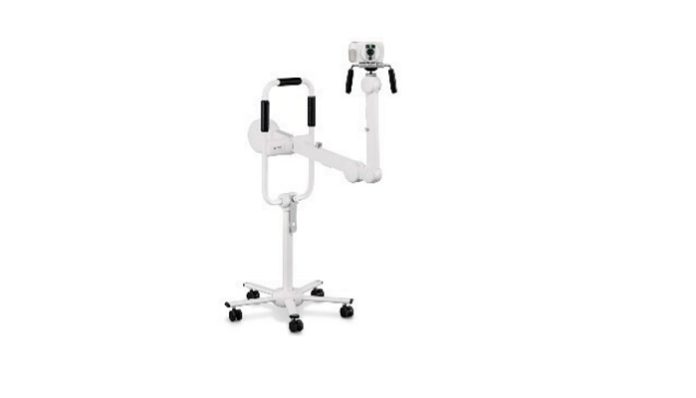
Casio Computer Co., Ltd. announced that the DZ-C100 COLPOCAMERA, which is designed for uterocervical observation and photography in gynecological settings, and the CST-100M camera stand will be released on September 5. These products will be marketed by Casio Europe GmbH (Norderstedt, Germany) and Casio Electronics Co. Ltd. (Wembley, UK). The PC image management software D’z IMAGE Viewer C will also be available on that same day.

In March 2022 in Japan, Casio released the DZ-C100 COLPOCAMERA, which supports the early detection of cervical cancer, the CST-100M camera stand, which is designed for ease of operability and convenience, and the D’z IMAGE Viewer C software, which provides efficient image management. The DZ-C100 has been highly praised for its ability to capture three types of images (normal/green/polarized) with a single shutter press, the way its Touch Focus Function allows the user to focus on an area just by touching it on the LCD monitor, and the design of the CST-100M stand, which makes the unit easy to store and move in confined spaces.

The conformity studies for the European Medical Device Regulations (EU MDR) and the UK Medical Device Regulations (UK MDR) for the DZ-C100 COLPOCAMERA and CST-100M camera stand have been completed. Having now issued the EU Declaration of Conformity* and the UK Declaration of Conformity,* the sales in Germany, France, Italy, Spain, the UK, and other European countries will be commencing on September 5.

*Both the EU Declaration of Conformity and the UK Declaration of Conformity are issued by the manufacturer, Yamagata Casio Co., Ltd.

Casio is pleased to follow up on its dermatology camera and dermatology scope, already available in select countries, by now expanding its activity with COLPOCAMERA for gynecologists in Japan and overseas. In doing so, Casio expects to further grow its medical device business by continuing to contribute to the medical field around the world.

Tech Investors Pin Hopes On AI For Healthcare Transformation

Tech investors are increasingly putting their money on artificial intelligence (AI) to revolutionize healthcare. Silicon Valley, after years of struggling to make a significant impact in this industry, is now witnessing a surge in AI-focused healthcare startups. Andreessen Horowitz, among others, has been actively investing in startups leveraging AI to enhance medical care. These companies are developing AI tools to assist with patient care, alleviate the burden of clinical note-taking, and expedite drug discovery. For instance, Andreessen Horowitz co-led a $200 million funding round for Genesis Therapeutics, an AI-powered drug discovery firm. This enthusiasm extends to tech giants like Microsoft, Amazon, and Google, with Amazon unveiling HealthScribe, a generative AI tool for healthcare providers, and Google reportedly testing a medical chatbot.

However, breaking into the tightly regulated and fax-reliant healthcare sector has proved challenging for tech companies. IBM faced setbacks with its Watson Health assets, and Amazon’s high-profile partnership with JPMorgan Chase and Berkshire Hathaway did not pan out as expected. Additionally, generative AI tools like ChatGPT are known to make errors, a significant concern in healthcare’s complex and high-stakes environment.

Vijay Pande of Andreessen Horowitz acknowledges that AI hype has touched healthcare before but believes that the current technology’s improvements make a difference. He compares the current state of AI in healthcare to where the internet was in 2005, indicating that real transformation takes time.

While AI startup investments have surged overall, AI healthcare startups have had a more complex funding landscape. They are trailing behind last year’s $7.4 billion in funding and 2021’s $10.5 billion. Despite the buzz around AI in healthcare, there is a consensus that it’s too early to gauge its real impact.

Investors are placing their bets on several healthcare areas. Drug discovery is a prime focus, with AI expected to accelerate the process of finding new drugs and therapies by analyzing vast datasets. Startups like Rezo Therapeutics are aiming to blur the lines between academia and biotech to develop novel treatments.

Generative AI is also finding applications in healthcare, simplifying administrative tasks like turning doctor-patient conversations into notes. Companies like Ambience Healthcare claim their AI-powered tools save clinicians significant time. However, some AI services have been found to make errors, necessitating human intervention.

While AI can assist in various healthcare tasks, replacing physicians entirely remains a concern. Companies like Hippocratic AI are focusing on specific tasks, such as explaining pre-operation instructions, rather than medical diagnoses, emphasizing the need for caution and safety in AI deployment in healthcare.

Comprehensive Quality Assurance For Modern Medical Devices

In the past, the quality check of a product might have been as simple as finding a small slip of paper in its packaging with the words “Tested by Number 9.” However, in the 21st century, especially when it comes to medical electrical equipment, the scrutiny for quality has evolved significantly.

Today’s medical device buyers, including healthcare professionals and patients, are not solely concerned with a device’s functionality. They also focus on aspects like safety measures, chemical composition, sustainability, wireless capabilities, biocompatibility, and cybersecurity. This comprehensive approach to Quality Assurance covers every aspect of medical equipment throughout its lifecycle. Forward-thinking medical device manufacturers understand the importance of rigorous testing before these products reach healthcare professionals or patients.

A modern Quality Assurance program must encompass various types of product testing, inspection, and certifications:

  • Safety Testing and Certification: Ensuring the safety of medical electrical devices is paramount. International and regional bodies like IEC, ANSI, and UL establish standards for these devices. Compliance with standards like the 60601-1 family is crucial, but it’s essential to verify which standards apply to your specific device.
  • Electromagnetic Compatibility (EMC): Medical electrical devices must not disrupt other essential equipment, particularly in clinical settings. EMC testing ensures there is no unwanted interference. Manufacturers have long been familiar with EMC requirements for medical devices.
  • Wireless/Radio Testing and FCC Certification: Many medical devices now incorporate wireless functionality, such as Bluetooth, Wi-Fi, and 4G/5G cellular. Compliance with FCC regulations is essential for safe and effective communications in healthcare settings and beyond.
  • Quality Management Systems and Certifications: Quality standards in the medical field are about saving lives, not just efficacy. Adhering to QMS certifications like ISO 13485 ensures device reliability and reduces the risk of product recalls due to defects.
  • Battery Testing: Life-saving devices often rely on batteries. Their reliability is critical, and various battery chemistries may need testing for specific uses. Lithium-ion batteries, in particular, should undergo UN DOT 38.3 testing before transportation.
  • Functional Safety: With the integration of complex electronics and software in medical devices, functional safety is a growing concern. Devices must perform their primary functions without harming patients, necessitating system-level functional safety assessments.
  • Cybersecurity Testing: Cybersecurity is now a necessity in many markets. Medical devices connected to networks or with inputs and outputs can have vulnerabilities that compromise device performance and patient health.
  • Hazardous Chemicals Testing: Meeting requirements for hazardous chemicals like RoHS, REACH, and California Prop 65 has long been important. Recent proposals even consider bans on “forever chemicals” like PFAS, emphasizing the need for stringent testing.
  • Materials Testing: Materials in medical devices can directly impact patient health. Rigorous testing, whether for strength, durability, VOC emissions, or biocompatibility, is essential for safety, performance, and quality.
  • Usability Testing: Medical devices should be user-friendly, especially as many users are not trained professionals. Usability testing ensures healthcare professionals and patients can effectively use these devices.

Quality Assurance for medical electrical devices is not merely about checking off a list; it’s about ensuring ongoing safety, effectiveness, and reliability. Identifying and mitigating potential risks is important in developing a robust Quality Assurance program. Collaborating with partners like Intertek, who offer “Total Quality Assurance” solutions, can streamline the product development process, saving time, and cost, and ensuring the highest product quality.

NHS Transforms Cancer Treatment With 7-Minute Injections

In a historic leap forward for oncology, the United Kingdom’s state-run National Health Service (NHS) is poised to lead the world in rolling out a groundbreaking seven-minute cancer treatment. This monumental development promises to not only expedite cancer treatment but also enhance its effectiveness, potentially setting a global benchmark for how we combat this devastating disease.

This innovative approach hinges on the administration of atezolizumab, a cutting-edge immunotherapy also known as Tecentriq. Traditionally, atezolizumab was delivered intravenously through an IV drip, a process that consumed a substantial amount of time, often ranging from 30 minutes to an hour. However, with the approval of the Medicines and Healthcare Products Regulatory Agency (MHRA), a game-changing shift is on the horizon. Many patients could soon receive this medication through a swift injection that takes merely seven minutes, drastically reducing the treatment time by up to 75%.

Atezolizumab, commonly referred to as Tecentriq, is not limited to a single type of cancer. It’s a versatile treatment option effective against various malignancies, including lung, breast, liver, and bladder cancers. This “checkpoint inhibitor” operates by bolstering the immune system’s ability to locate and combat cancer cells. This groundbreaking innovation has the potential to redefine cancer treatment protocols worldwide.

Studies have consistently shown that the majority of cancer patients prefer subcutaneous treatment, either through injection or infusion just beneath the skin. This preference arises from the reduced pain and discomfort associated with subcutaneous administration, along with the ease of managing the procedure and the shorter treatment duration compared to IV infusions.

Thousands of cancer patients in England have already benefited from the intravenous form of atezolizumab. This treatment has been proven to significantly reduce the risk of cancer recurrence, offering renewed hope to those in the early stages of non-small cell lung cancer following surgery and chemotherapy. Clinical trials have demonstrated a remarkable 34% reduction in the risk of cancer recurrence or death in these patients.

NHS estimates that approximately 3,600 patients annually will transition from traditional atezolizumab treatments to quicker and more convenient subcutaneous injections, marking a significant step forward in cancer care.

Professor Peter Johnson, NHS Englandโ€™s national director for cancer, lauded this groundbreaking shift in cancer treatment. He emphasized how this innovative approach aligns with an innovation-driven health service that continually strives to secure the most advanced cancer treatments for patients. The introduction of faster subcutaneous injections, he noted, will not only allow hundreds of patients to spend less time at the hospital but also free up valuable resources in NHS chemotherapy units.

One remarkable aspect of this faster treatment method is that it comes at no extra cost. This is made possible through an existing commercial deal negotiated between NHS England and the medication’s manufacturer, Roche. Marius Scholtz, the medical director for Roche, expressed delight in the fact that NHS patients across England now have access to this subcutaneous PD-L1 cancer immunotherapy injection.

In another noteworthy development, the United Kingdom has bolstered its capacity to certify medical devices with the addition of three approved bodies. This expansion is expected to nearly double the current capacity, enabling patients to access more effective medical products.

Approved bodies play a pivotal role in assessing whether manufacturers and their medical devices meet the stringent requirements outlined in the Medical Devices Regulations 2002. The inclusion of TรœV SรœD, Intertek, and TรœV Rheinland UK to the MHRAโ€™s list marks a significant enhancement in the quality and design evaluation of medical devices, ensuring each unit or batch complies with rigorous safety standards.

Dr. Laura Squire, the MHRA chief healthcare quality and access officer, underlined the importance of this capacity expansion in the UK. She stated, “By almost doubling capacity for medical device assessment in the UK, weโ€™re supporting patients to access the effective and safe products they need to protect their health.”


Boston Scientifics PFA system achieves efficacy and safety endpoints

Boston Scientifics PFA system achieves efficacy and safety endpoints

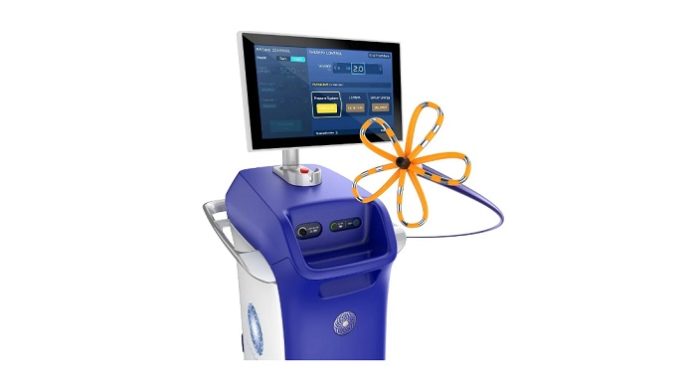
Boston Scientific has announced the achievement of primary efficacy and safety endpoints in the ADVENT Study of the FARAPULSE Pulsed Field Ablation (PFA) System.

FARAPULSE is a nonthermal treatment, which selectively applies electric fields for ablating heart tissue in patients with atrial fibrillation (AF).

The pivotal, randomised clinical study compared the efficacy and safety of the system versus standard-of-care ablation, either cryoablation or radiofrequency, to treat patients with paroxysmal, or intermittent, AF.

Over the course of 12 months, the data indicated that the system was as effective as standard-of-care treatments, even though most physicians had only worked with thermal ablation in the past.

The prospective, multicentre trial included 607 US patients with paroxysmal AF who had earlier been unsuccessfully treated with a minimum of one anti-arrhythmic drug.

Boston Scientific global chief medical officer and senior vice-president Kenneth Stein said: โ€œThese data underscore the superior procedural efficiency of this novel technology, and real-world use continues to yield strong safety and efficacy outcomes.

โ€œThe performance of the FARAPULSE PFA System in this trial is an encouraging sign of the potential utilisation of the device in the US and we look forward to further studying the system for the treatment of patients with persistent AF in the ADVANTAGE AF clinical trial, which began enrolment earlier this year.โ€


In 2021, the company received CE Mark for the FARAPULSE PFA System. So far, it has been used to treat over 25,000 patients across the globe.


Empowering Seniors: The Impact of Optimal Hearing Aid Selection on Overall Health and Lifestyle

For many seniors, hearing isn’t just about catching the lyrics of their favorite song; it’s the gateway to preserving memories, engaging in lively conversations, and ensuring safety.ย 

However, the power of hearing goes far beyond these daily tasks, deeply influencing cognitive function, emotional well-being, and physical health. Selecting the optimal hearing aid not only amplifies sound but significantly enriches the quality of life.

The Connection Between Hearing and Cognitive Health

The intricacies of the human brain demonstrate how interconnected our senses are to cognitive function.ย 

Hearing, in particular, has profound effects on mental sharpness and memory. Yet, as we age, natural declines in hearing can lead to more than just missed words in a conversation. The implications touch upon our very cognitive fabric, necessitating the importance of suitable hearing aids.

  • Cognitive Load and Strain: Struggling to hear can put an excessive cognitive load on the brain. This strain makes it challenging for seniors to process information, leading to fatigue and decreased mental sharpness.
  • Memory and Dementia Links: Multiple studies have demonstrated a relationship between untreated hearing loss and increased risks of dementia. An optimally functioning hearing aid can potentially mitigate this risk, ensuring the brain receives complete and clear auditory input.

Mental Well-being and Social Connections

Humans are inherently social creatures, thriving on connections, shared experiences, and the joy of conversation.ย 

Hearing acts as the bridge to this vibrant world of social interactions. As age-related hearing loss emerges, this bridge can weaken, leading to feelings of isolation, detachment, and emotional distress. But, with the right hearing assistance, it can be reinforced and revitalized.

  • Avoiding Social Isolation: With the correct hearing aid, seniors can actively participate in conversations, leading to improved social connections. They’re less likely to avoid social situations because of hearing challenges, which in turn fosters a sense of belonging.
  • Maintaining Emotional Health: Being part of a community and staying connected contributes to emotional well-being. By reducing feelings of isolation and facilitating communication, optimal hearing aids can play a pivotal role in bolstering mental health.

Physical Health and Safety Considerations

Sound often serves as an alert system, guiding our reactions and keeping us safe. From the distant honk of a car horn to the subtle chirping of a morning bird, these auditory signals shape our responses to the environment.ย 

When hearing is compromised, especially in seniors, it’s not just the richness of sound that’s at stake; personal safety and physical health become vulnerable.

  • Preventing Falls: A correlation exists between hearing loss and an increased risk of falls. By amplifying sounds and improving spatial awareness, the right hearing aid can help seniors navigate their environments more confidently.
  • Increasing Environmental Awareness: Everyday sounds like traffic noises, alarms, or someone calling out can be crucial for safety. By ensuring these sounds aren’t missed, hearing aids can play a critical role in daily security.

Key Factors in Optimal Hearing Aid Selection

The world of hearing aids is vast and diverse, much like the individuals seeking them. As technology has evolved, so have the options available to those with hearing impairments.ย 

But with variety comes the challenge of choice. To make an informed decision, one must weigh a plethora of factors, each of which can drastically affect the hearing experience.

  • Type of Hearing Loss: Different aids cater to various types of hearing loss, such as conductive, sensorineural, or mixed. Proper diagnosis ensures the most effective solution.
  • Lifestyle Needs: A person who attends many social events might require different features compared to someone with a quieter lifestyle. Consideration of daily activities can guide the selection process.
  • Comfort and Aesthetics: Just like eyeglasses, hearing aids should be comfortable and suit individual aesthetic preferences. They come in various styles, from nearly invisible in-ear models to behind-the-ear designs.

Conclusion

In a world rich with sound, ensuring that seniors can hear clearly is more than just a quality of life issueโ€”it’s a holistic approach to their well-being.ย 

The best hearing aids for seniors empower them with improved cognitive function, better emotional well-being, enhanced physical safety, and a deeper connection to the world around them. Through educated choices in hearing aids, we can pave the way for a brighter, fuller experience in their golden years.

Cadwell Industries Launch Neuromuscular Ultrasound Device

Cadwell Industries Launch Neuromuscular Ultrasound Device

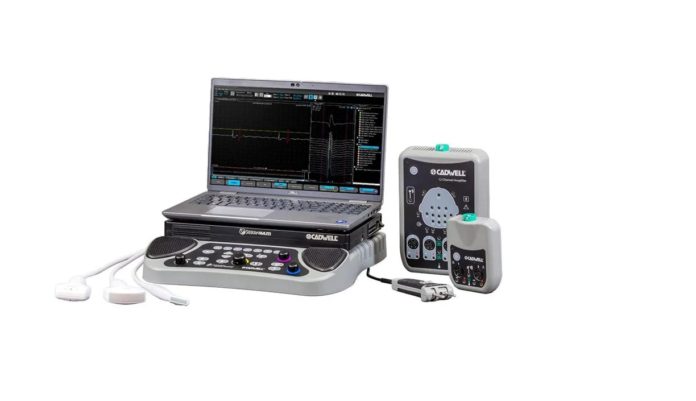
Providing an array of benefits to bolster image quality and workflow efficiencies, the newly launched Sierra NMUS1โ„ข combines neuromuscular ultrasound imaging with electrodiagnostic testing capabilities.

Featuring software specifically tailored to neuromuscular ultrasound, the Sierra NMUS1 device (Cadwell Industries) enables clinicians to access improved image quality through edge enhancement, advanced speckle reduction and spatial compounding, according to the company.

Cadwell Industries said the Sierra NMUS1 device offers three probes, a C-5-2 Curvilinear Probe, an L14-4 Linear Probe, and an HL18-4 Linear Hockey Stick Probe, that facilitate needle visualization and enhanced image quality. The neuromuscular ultrasound device also includes upgraded Sierraยฎ 4 software with advanced artifact reduction and trace resolution, according to Cadwell Industries.

Through the Sierra 4 software, the Sierra NMUS1 device integrates electromyography (EMG) and nerve conduction studies (NCS). Other efficiencies of the Sierra NMUS1 system include automated labeling of images and results, easy measurement and annotation of images; and report generation that allows clinicians to document electrodiagnostic and imaging findings in one report, according to Cadwell Industries.

Steady Patient Volumes As U.S. Hospital Margins Contract

In July, operating margins at U.S. hospitals experienced their first contraction since March, yet managed to maintain positivity. A recent insight unveiled that this decline followed a period in which margins turned positive in March, signifying a reversal from over a year of negative outcomes.

The reduction in margins was primarily attributed to the escalation of expenses during July. The median year-to-date (YTD) operating margin for the month dropped to 1.1%, having peaked at 2% in June 2023. Analyzing month-to-month data, the median change in hospital operating margin displayed a 4.7% decrease; nevertheless, it remained 2.6% higher compared to July 2022.

The consequences of these shifts are significant. Nonlabor expenses continued their ascent due to inflation-triggered increases in supply, drug, and purchased services expenses for U.S. hospitals, as compared to the previous year. Among these, the total nonlabor expense exhibited the most substantial increase at 5.5%, with supply expense rising by 5.3%, drug expense by 5%, and purchased services expense by 5.9%.

Patient volumes demonstrated relative stability. In comparison to 2022, there were marginal shifts in inpatient days, emergency visits, and surgery volumes. Adjusted patient days declined by 0.6%, emergency department visits decreased by 0.4%, and operating room minutes experienced a mere 0.8% uptick when contrasted with July 2022.

Although hospital revenues registered a year-over-year increase in July, they indicated a decline across most metrics when assessed on a month-to-month basis. Gross operating revenue expanded by 7.5%, inpatient revenue by 4.7%, and outpatient revenue surged by 9.1% year-over-year, showcasing a preference for convenient outpatient services among U.S. patients.

Investments necessary to bolster physician practices sustained an upward trajectory due to ongoing expense increases throughout the industry. The median investment per physician full-time equivalent (FTE) reached $274,407 on an annualized basis for July, marking a 3.7% increase from 2022 and an 8.7% increase from 2021. The July annualized total direct expense per physician FTE amounted to $973,218, signifying a 5.9% rise from 2022 and an 11.4% increase from 2021.

Examining the broader trend, data from Kaufman Hall underscored that the preceding year posed the most significant financial challenges for U.S. hospitals and health systems since the onset of the COVID-19 pandemic, particularly impacting operating margins. Hospitals contended with prolonged hikes in labor expenses driven by a competitive labor market, along with a need for costlier contract labor to meet staffing demands. Extended lengths of patient stays, caused by reduced discharges, further impacted hospital margins. Notably, outpatient settings witnessed heightened volumes as the hospital’s main entry point shifted away from the emergency department, with hospitals experiencing increased volumes of outpatient visits, including surgical procedures.

APAC Functional Electrical Stimulation Market To See Growth

The functional electrical stimulation market in the Asia Pacific region is predicted to undergo significant growth in the next decade as more patients become aware of it as an alternative treatment for chronic pain and neurological disorders. Future Market Insights (FMI), a provider of consulting services and market intelligence, has reported that China is expected to be at the forefront of this growth, with its domestic functional electrical stimulation market projected to grow at a compound annual growth rate (CAGR) of 4.9% from 2023 to 2033, which is faster than the global average. India is expected to have a CAGR of 4% during the same forecast period.

The use of electrical impulses to stimulate nerves and muscles in functional electrical stimulation enables patients with neurological or musculoskeletal disorders to regain the ability to move independently and safely. The growth in China and India’s markets is attributed to high population density, strong demand for high-quality care, and the rising popularity of electric simulators, as well as technological advancements achieved by both nations. The overall surge in healthcare spending and favorable reimbursement policies across APAC also bode well for the functional electrical stimulation market in the region.

FMI estimates the industry to be valued at US$620.9 million globally this year and is projected to have a CAGR of 4.1% from 2023 to 2033. This would mean the sector is expected to become a US$931.4 million industry in the next 10 years as the treatment gains traction in neurological care. The growing demand for functional electrical stimulation is also supported by the prevalence of musculoskeletal disorders worldwide and advancements in medical technology, as about 1.71 billion people suffer from musculoskeletal conditions worldwide.

The functional electrical stimulation treatment has shown promise in the treatment of conditions like spinal cord injuries, multiple sclerosis, cerebral palsy, and stroke. It has been used in many rehabilitation facilities for decades, but the market has recently seen a surge in interest due to the increasing prevalence of neurological conditions and musculoskeletal disorders. This is further supported by the fact that the treatment is non-invasive and has fewer side effects compared to traditional treatments.

The industry has witnessed significant technological advancements in recent years, and this is expected to continue in the coming years. The development of user-friendly and portable devices is expected to drive growth in the market, making it more accessible to patients in remote areas. Additionally, the rising geriatric population in the Asia Pacific region presents a significant opportunity for the functional electrical stimulation market, as this population is more susceptible to neurological and musculoskeletal disorders.

Translate ยป